
Older vs Newer Streets
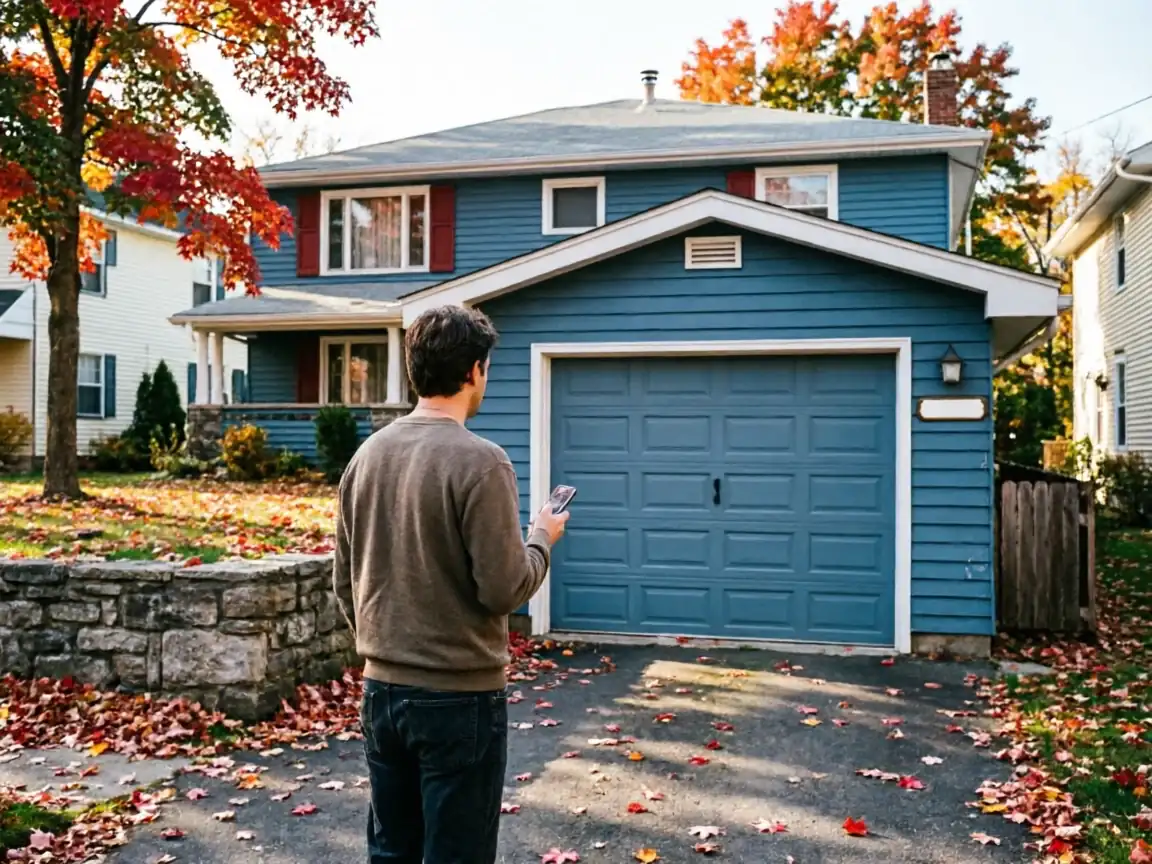
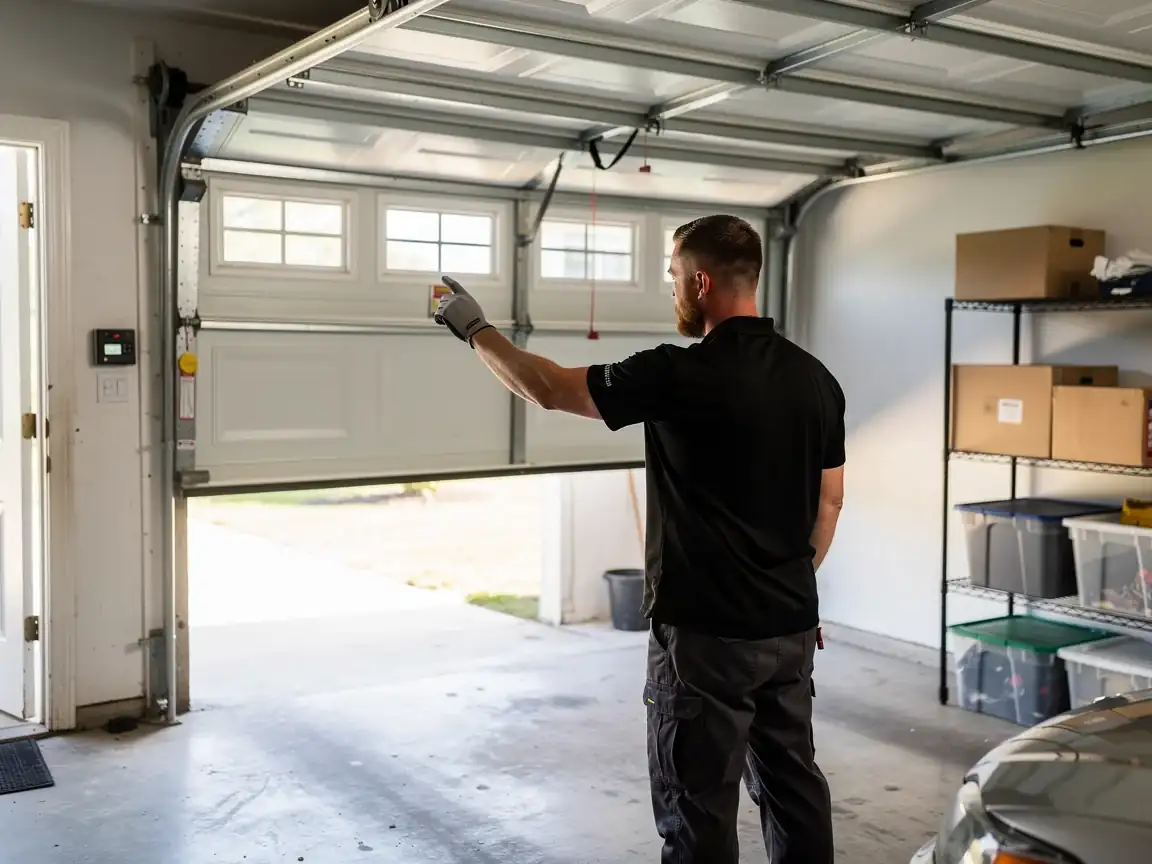
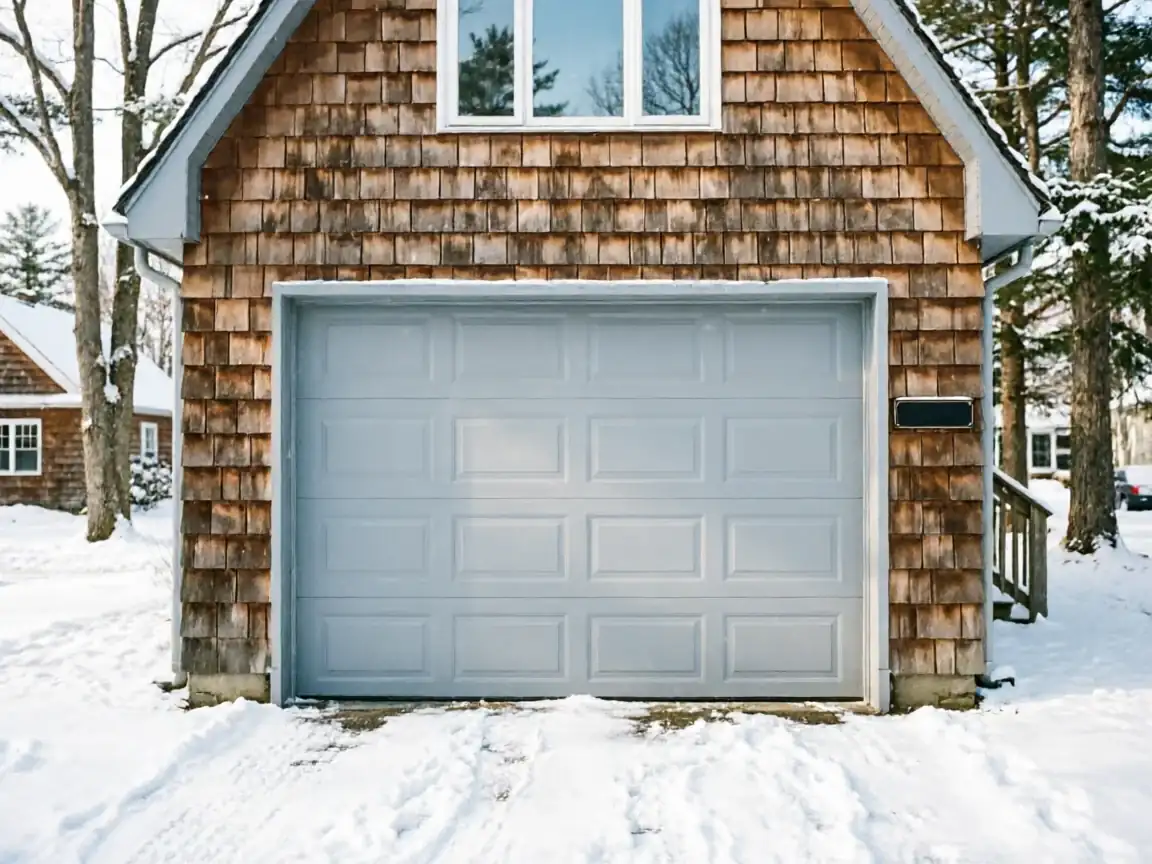
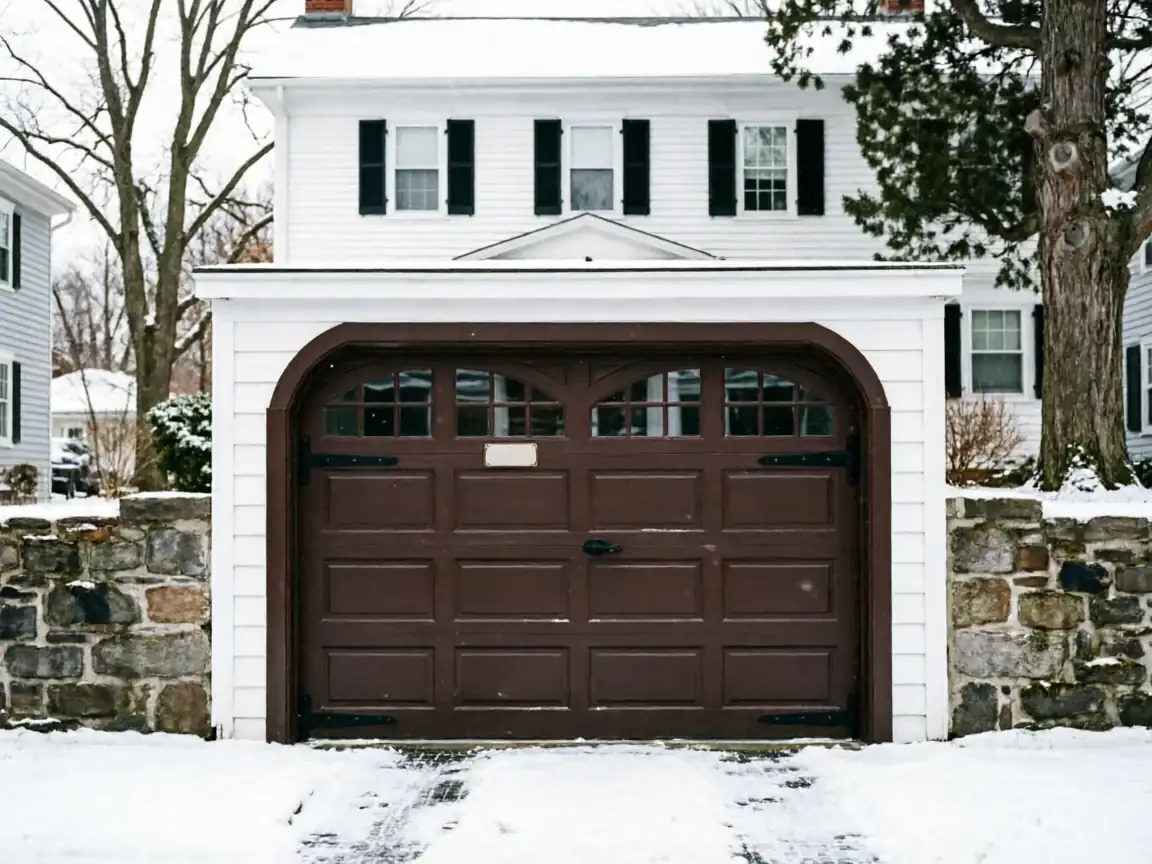
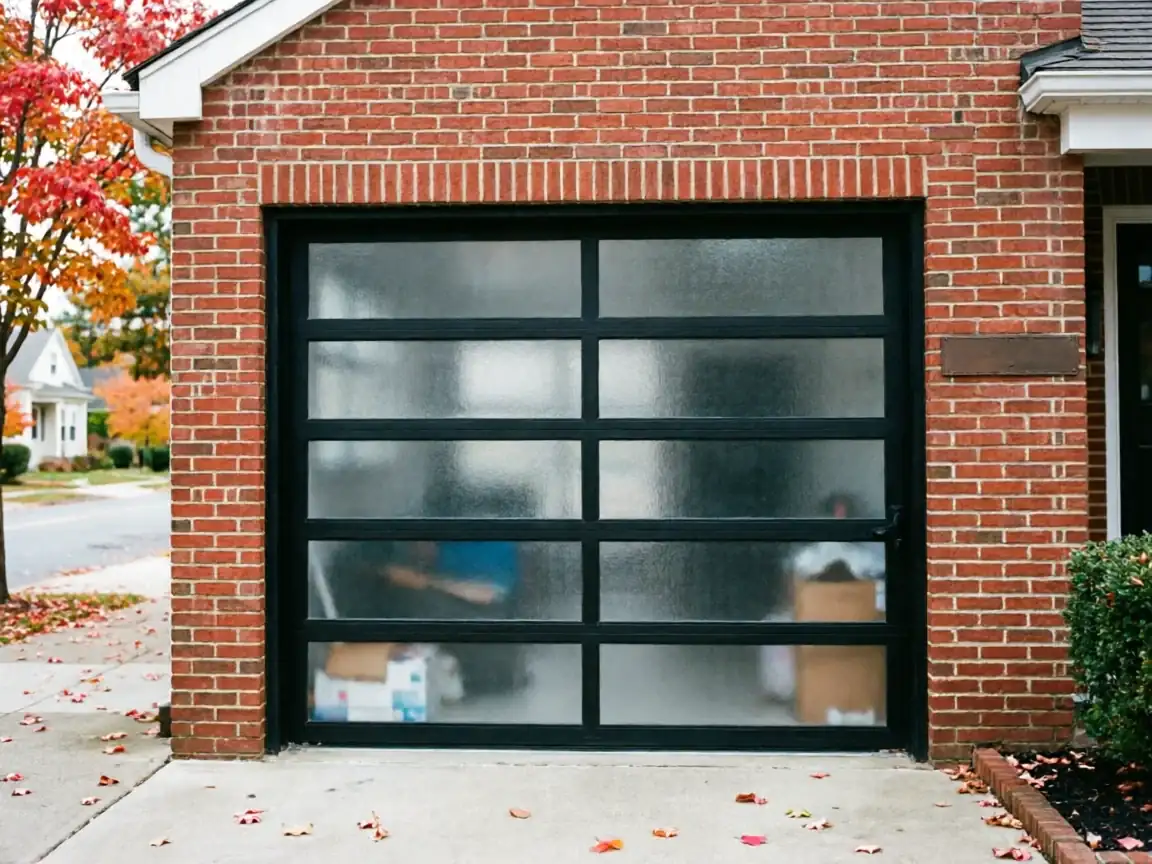
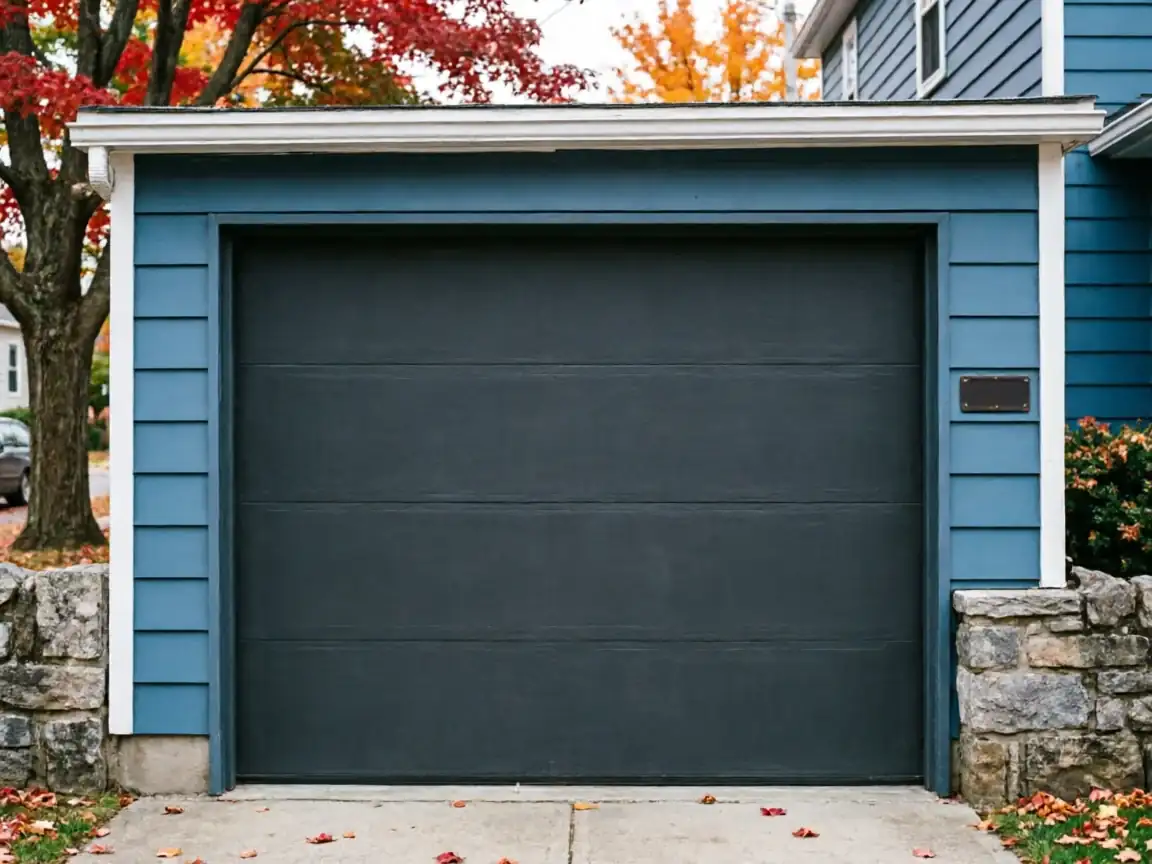
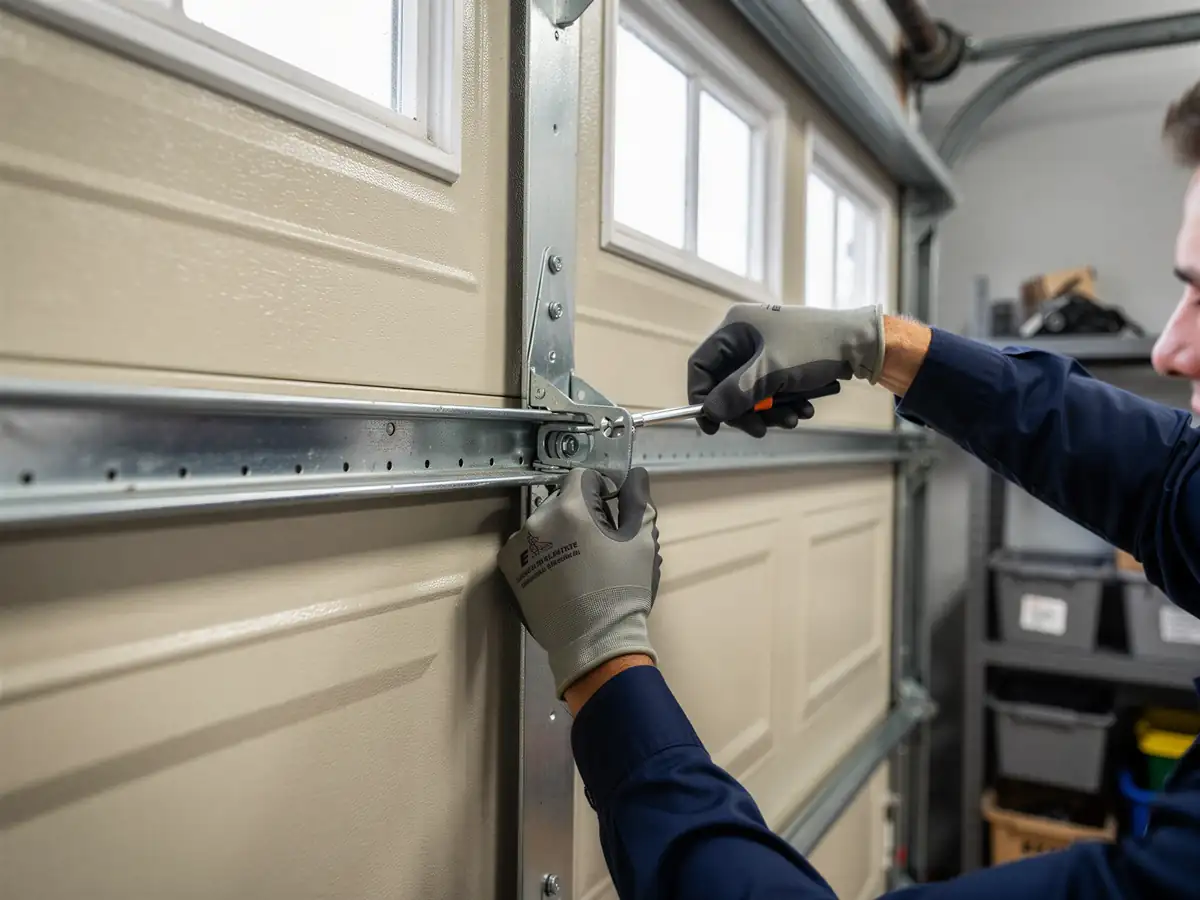
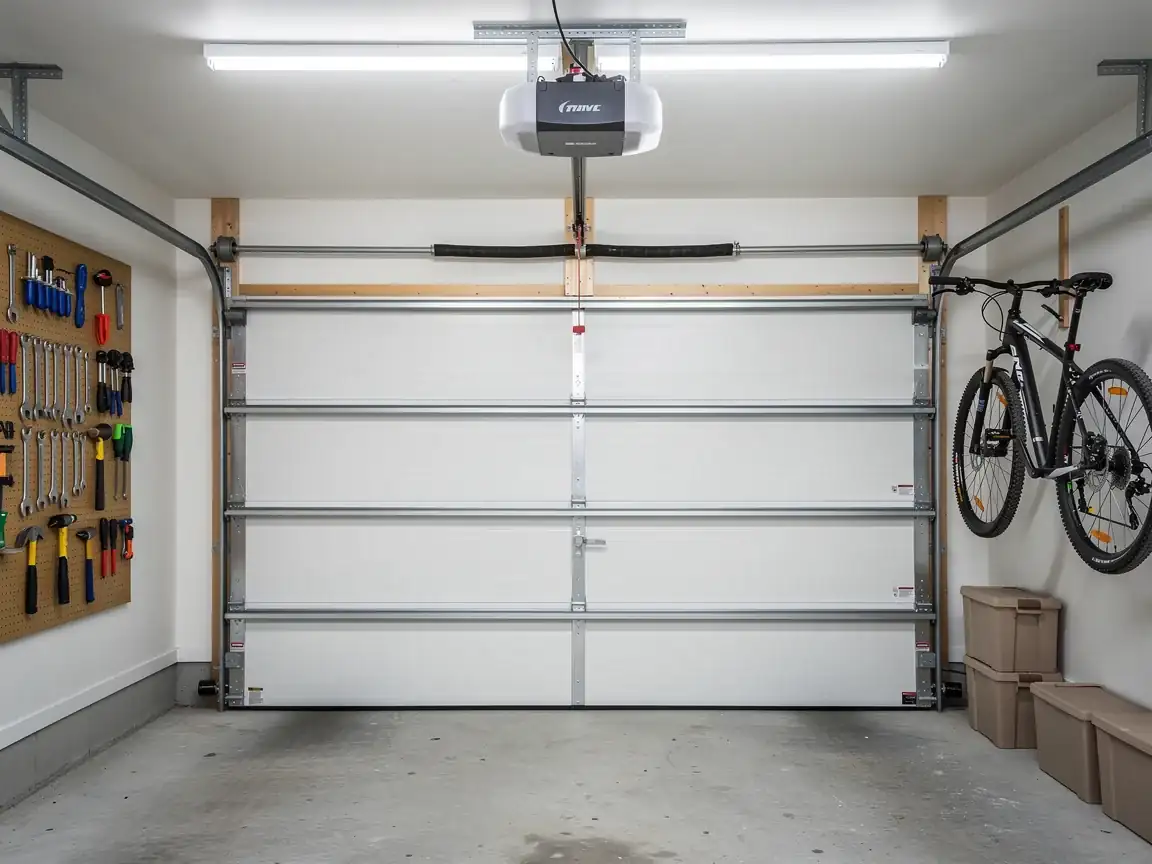
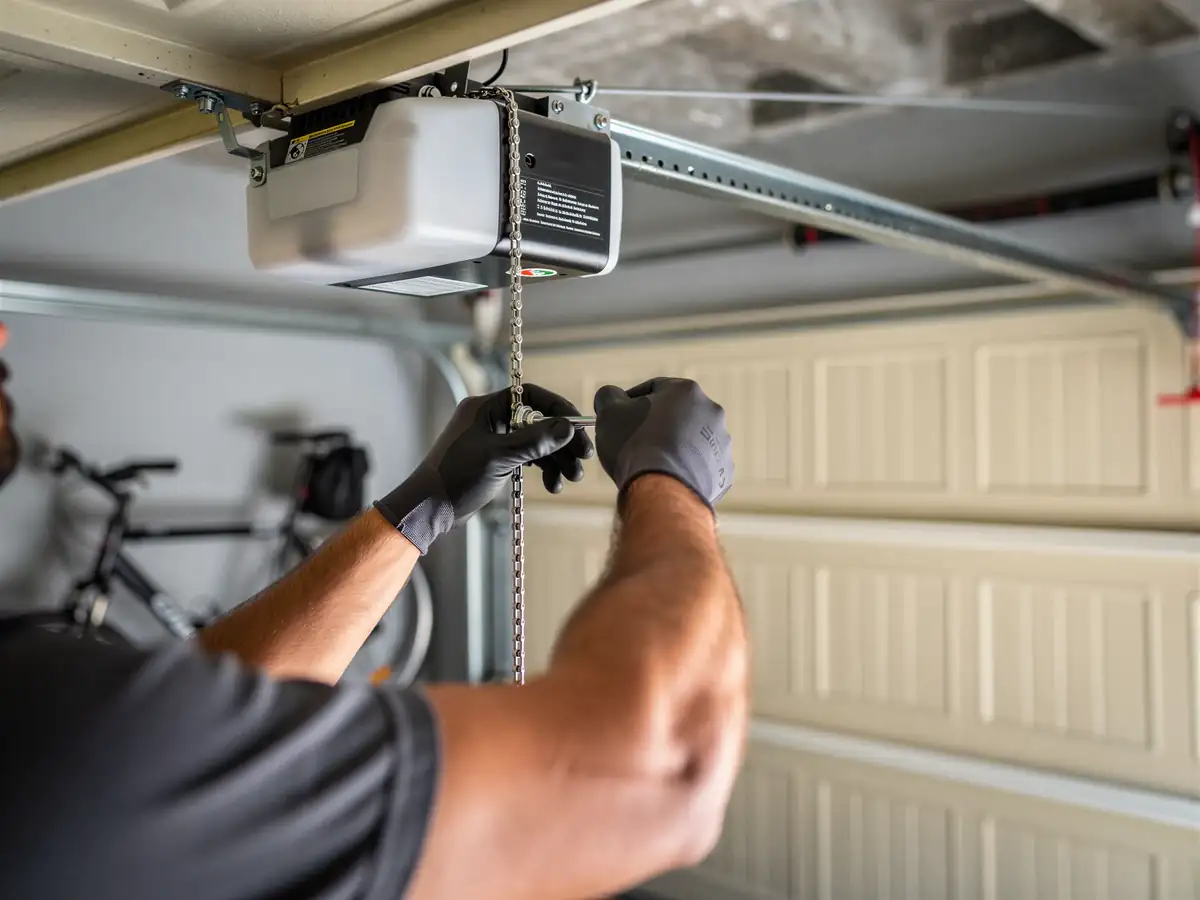
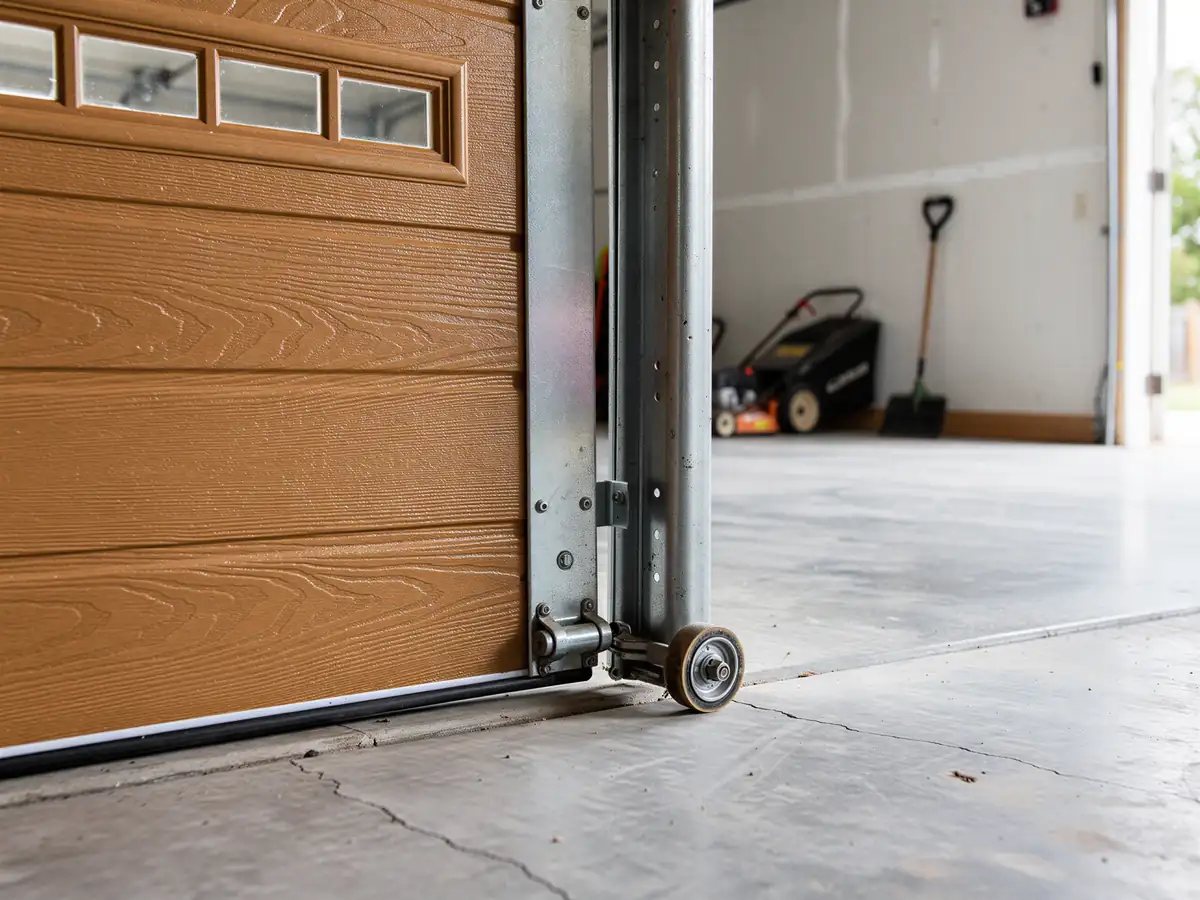
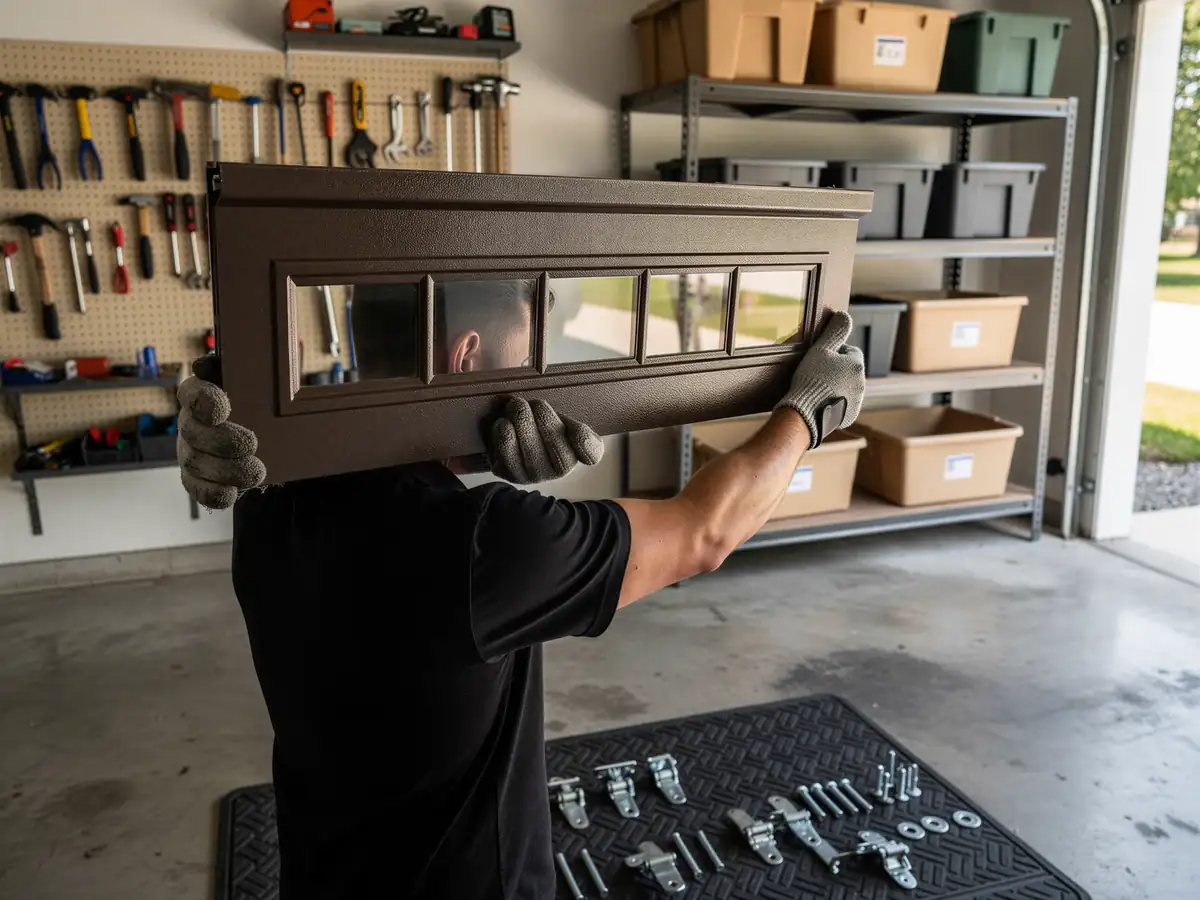
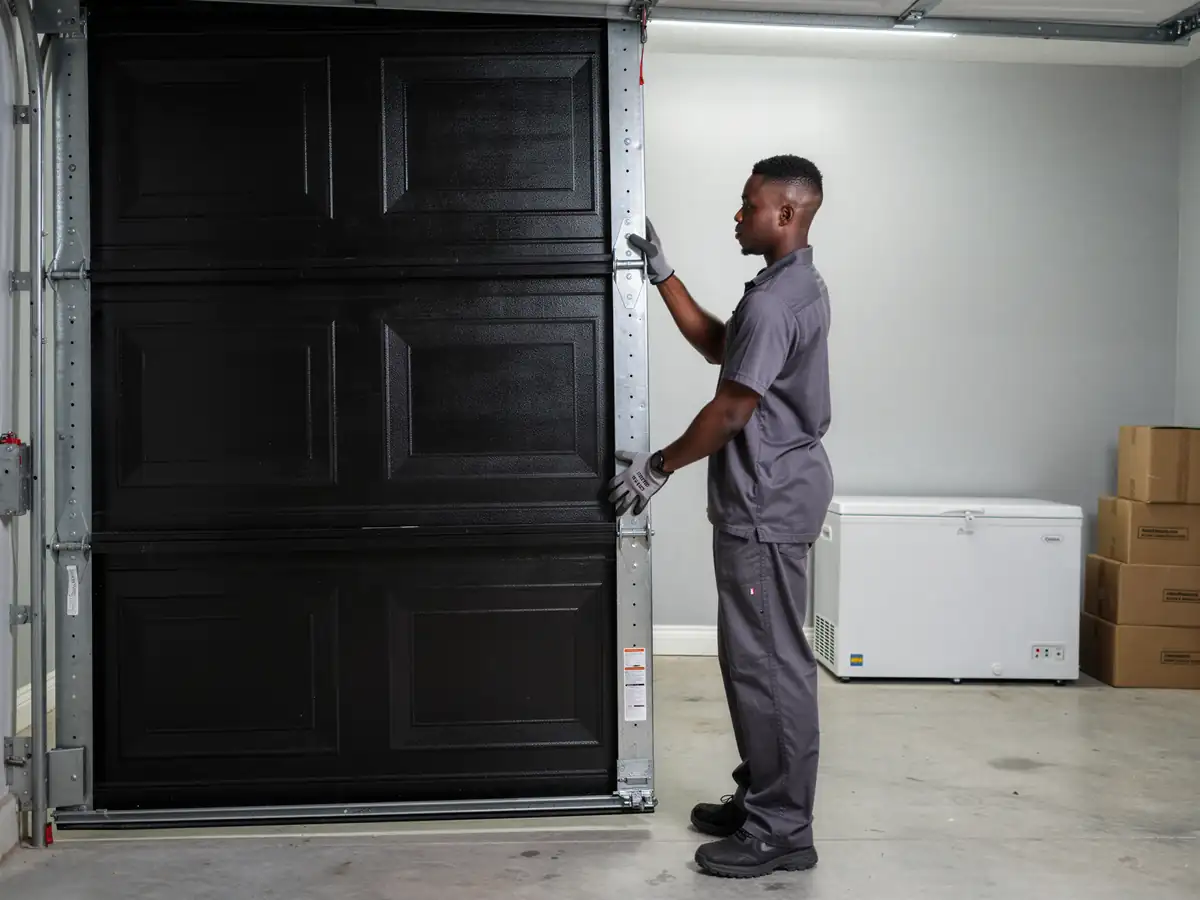
Lancaster doesn't split neatly into old and new. The median house here was built in 1967, which puts most of the town's roughly 2,944 households into that mid-century stretch rather than the colonial-era stock some neighboring towns are known for. That said, a 1967 build date isn't a single hardware generation - you'll find original steel sectional doors with the extension-spring setups common in that era right next to replacements from the 1990s and 2000s on the same street, because garage doors here have been swapped out and swapped back in waves. The practical result: when we get a call from Lancaster, we don't assume anything about what's behind the door panel until we see it. We ask when the door was last replaced, not just when the house was built, because in a town this age those two dates are often decades apart.
The Houses Here
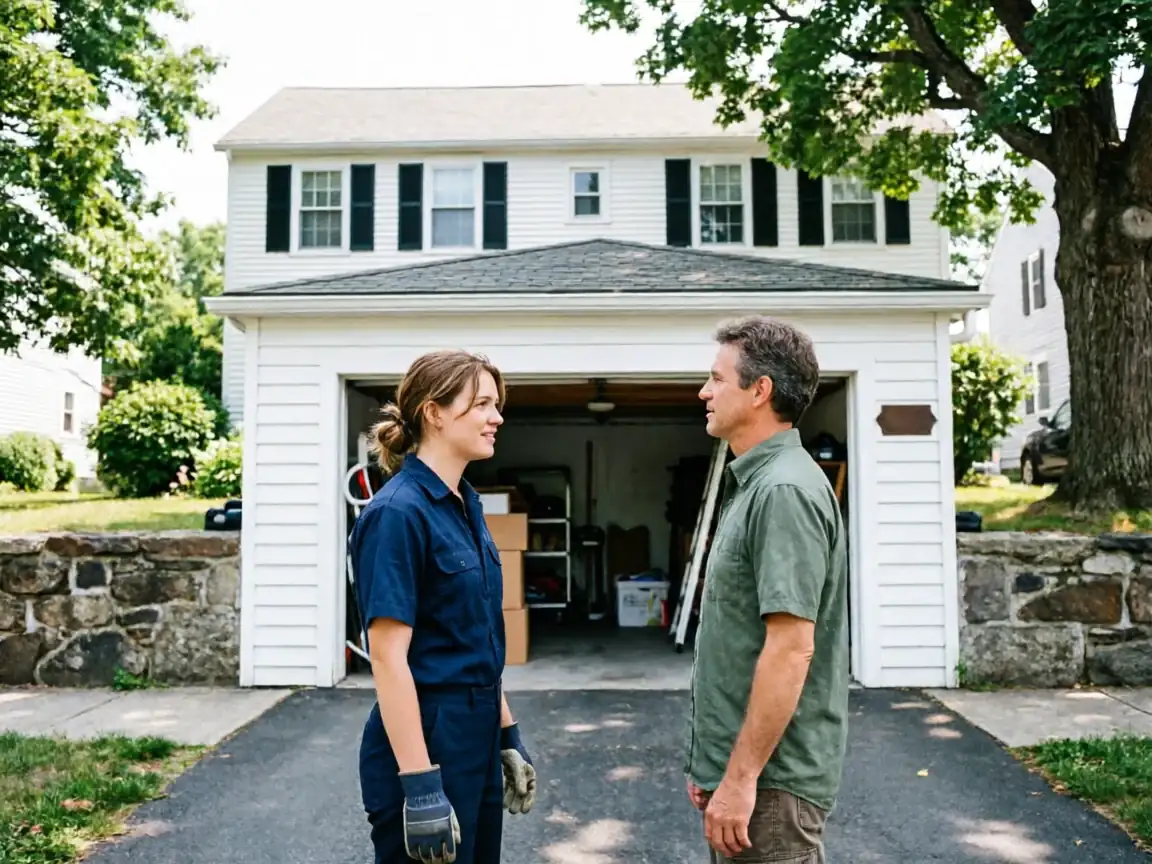
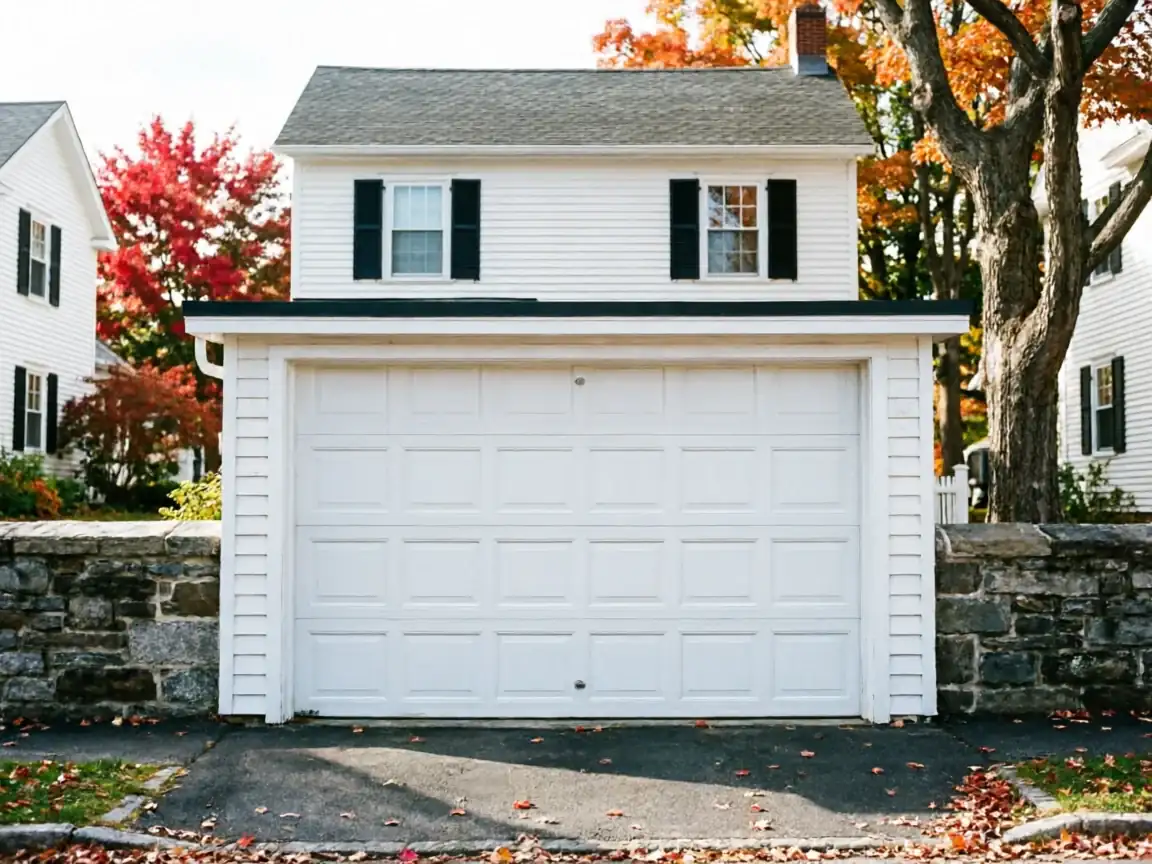
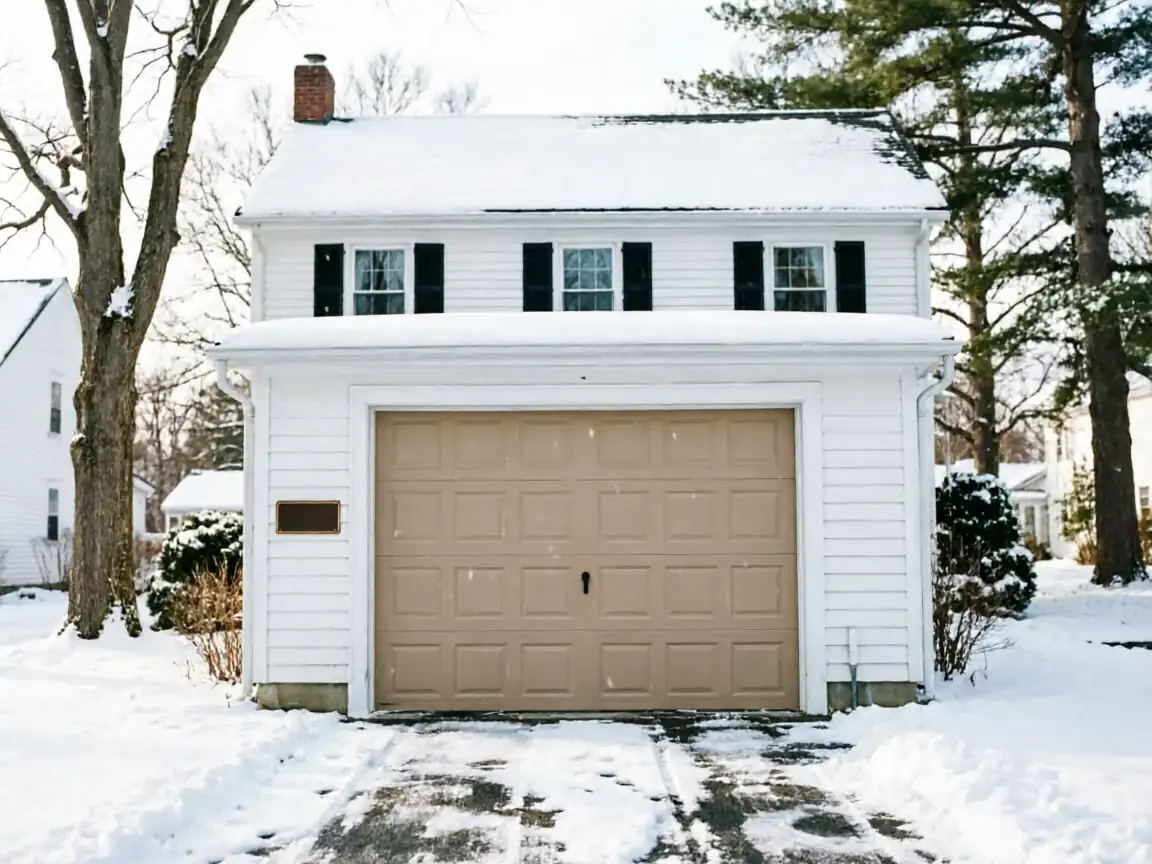
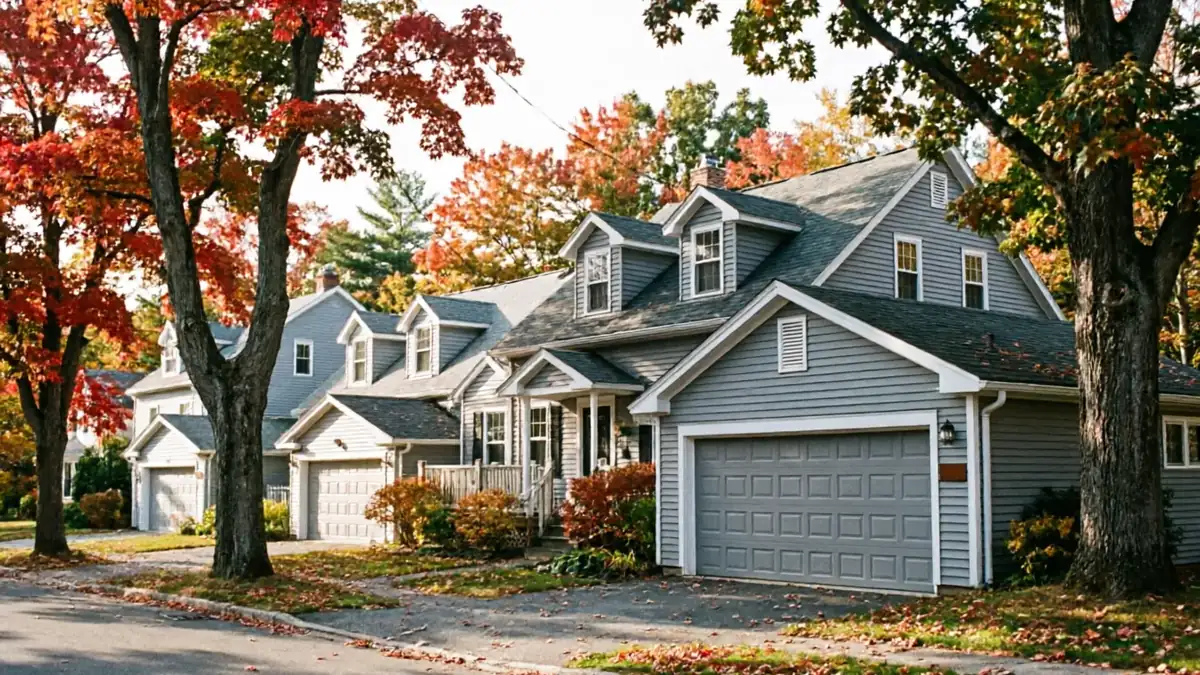
Across the wider service area, housing mostly dates from 1938 to 1993 with a concentration in the 1960s and 70s, and Lancaster sits right in that window at a median of 1967. That means single-car and two-car attached garages built to the framing standards of the era - narrower door openings than you'd see in new construction, and headroom that sometimes doesn't leave much room for a modern opener bracket without some adjustment. Median household income here runs around $130,444, which is above the wider area's $147,635 average is not - it's a bit below it, and that matters less for what people can spend and more for what kind of door they tend to already have: mid-grade steel, not high-end insulated models, in most cases. Winters in this part of Massachusetts fall into a cold, severe climate band, and a door built in the 60s or 70s rarely has the weatherstripping or insulated panel construction to deal with that well today.