How It Shows Up
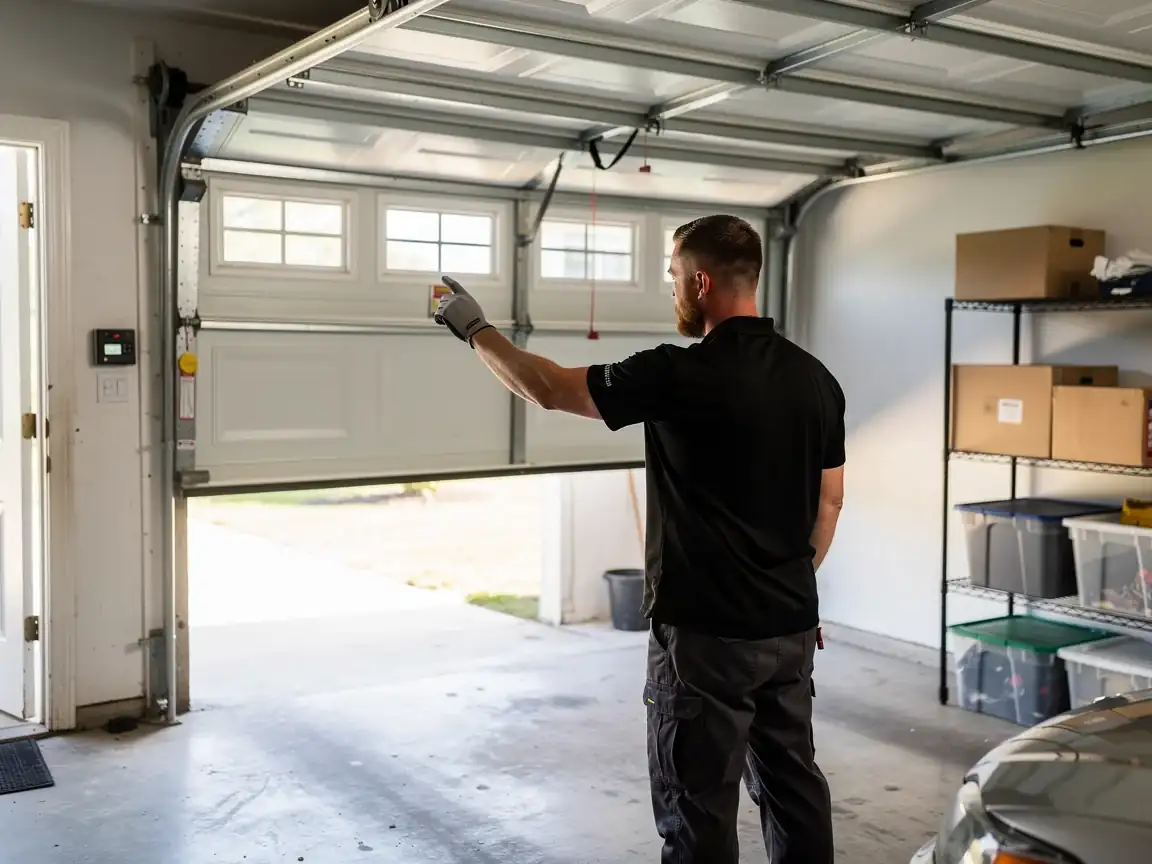
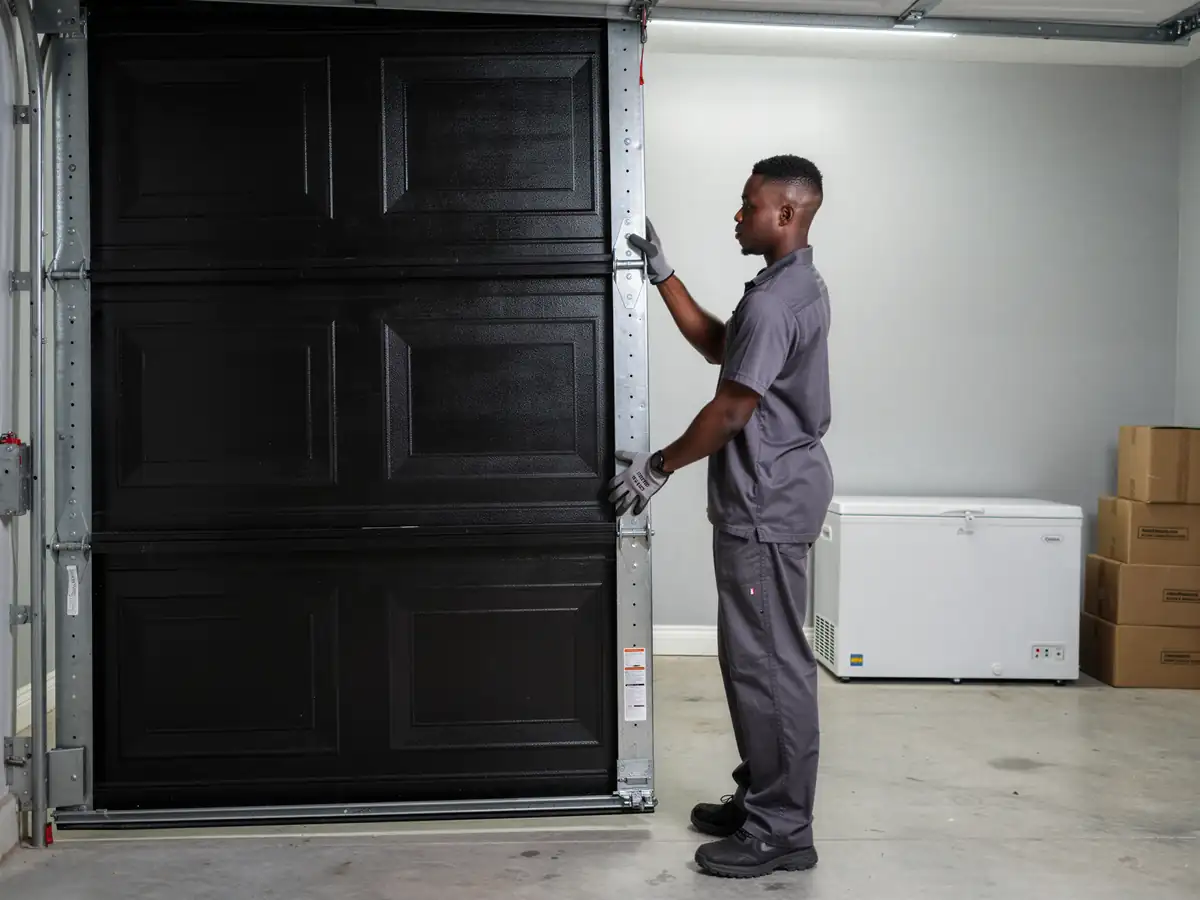
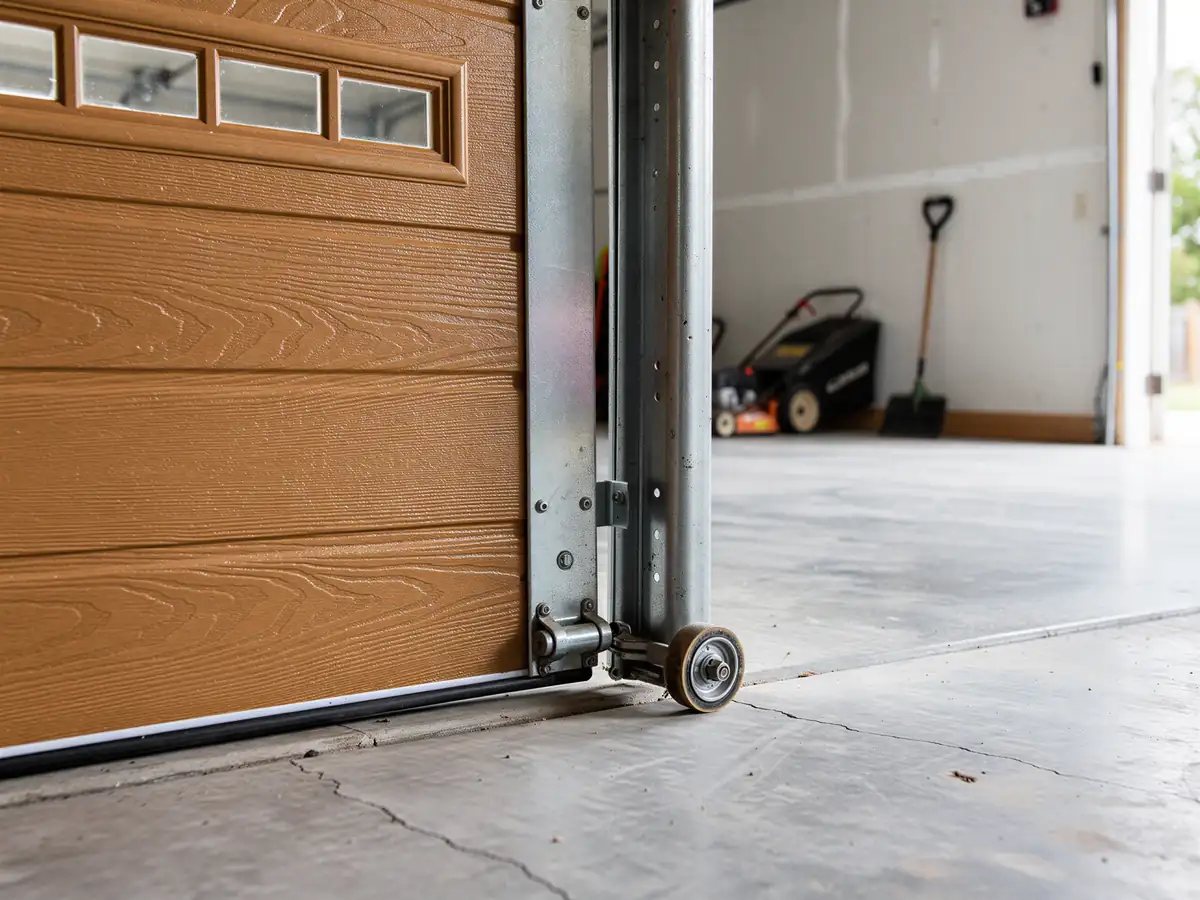
A door off track rarely looks like you'd expect. Sometimes it's obvious - one bottom corner hanging lower than the other, a gap where the roller popped out of the rail. More often it's quieter: the door runs rough for a week, makes a grinding noise on one side, or stalls halfway up and reverses. People call it "stuck" before they call it "off track," and that's fine, because from the outside those two problems look almost the same.
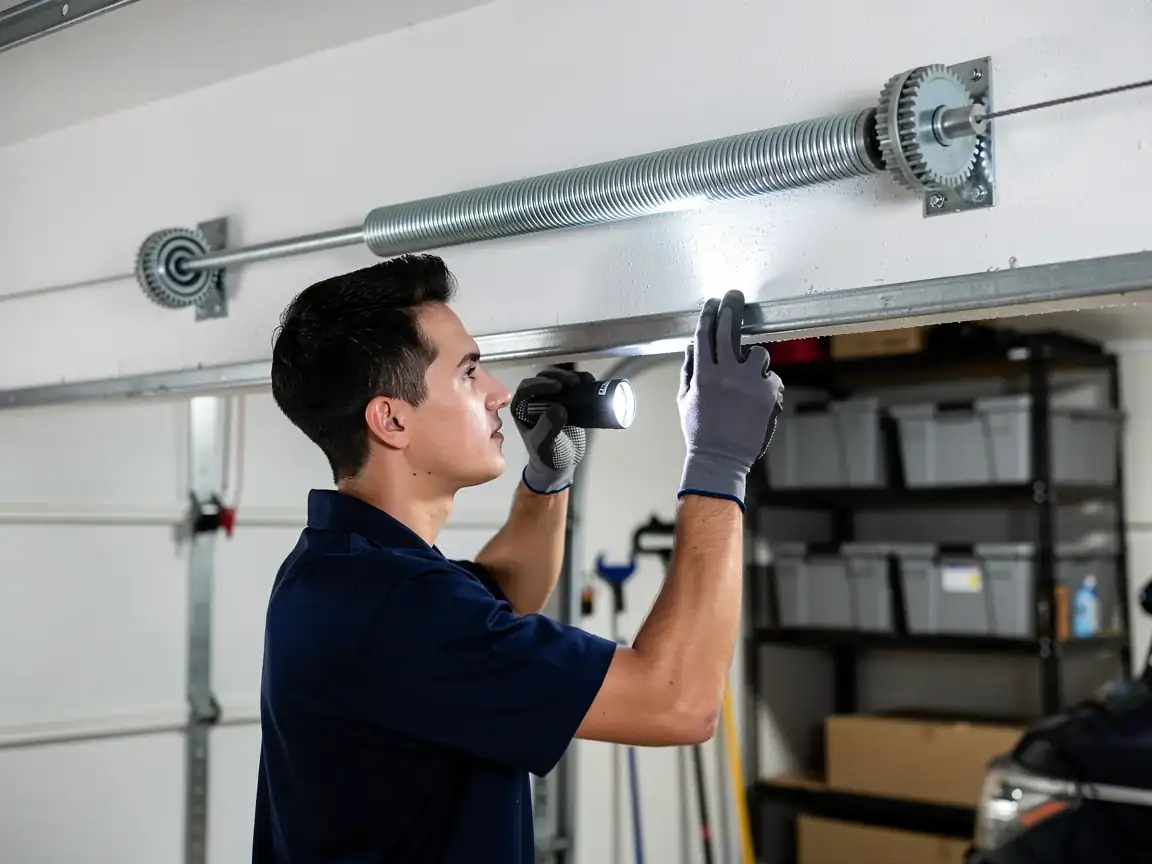
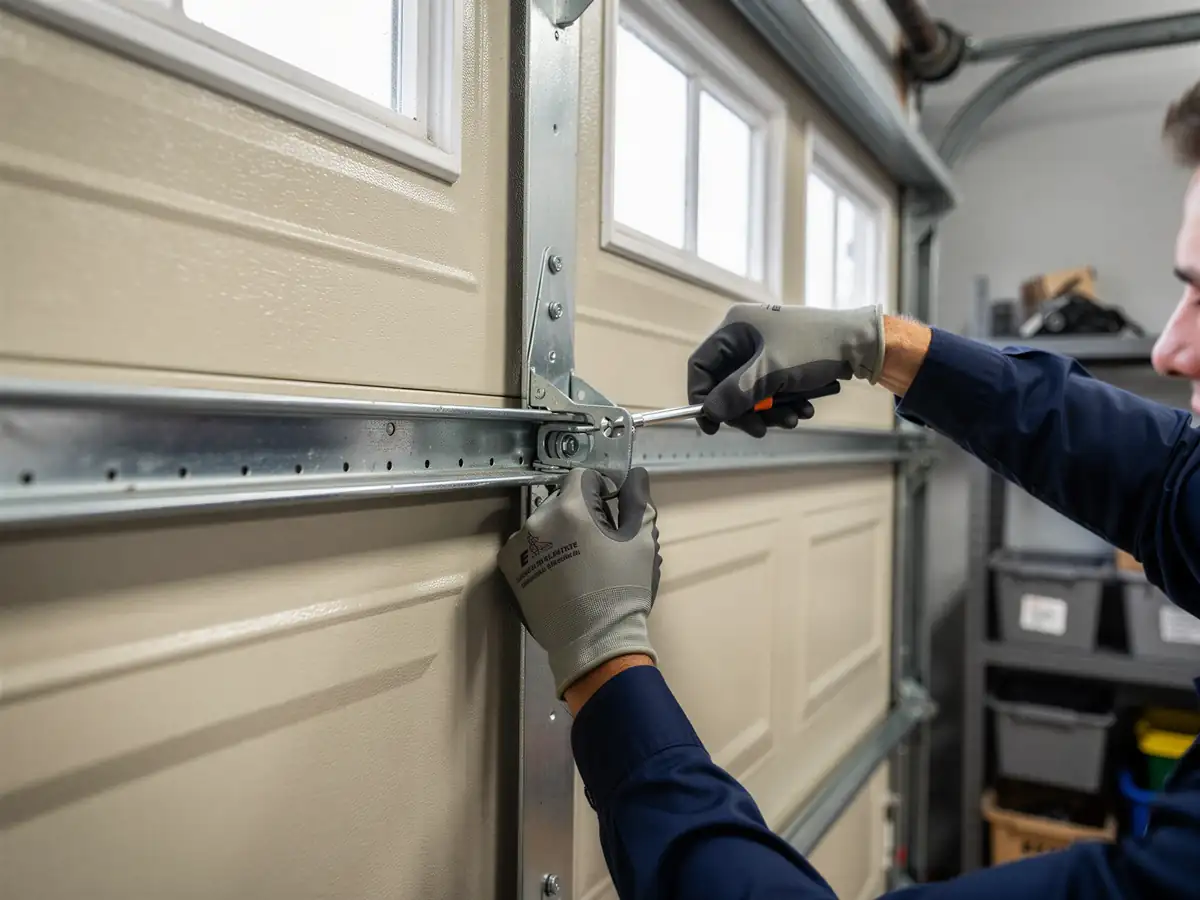
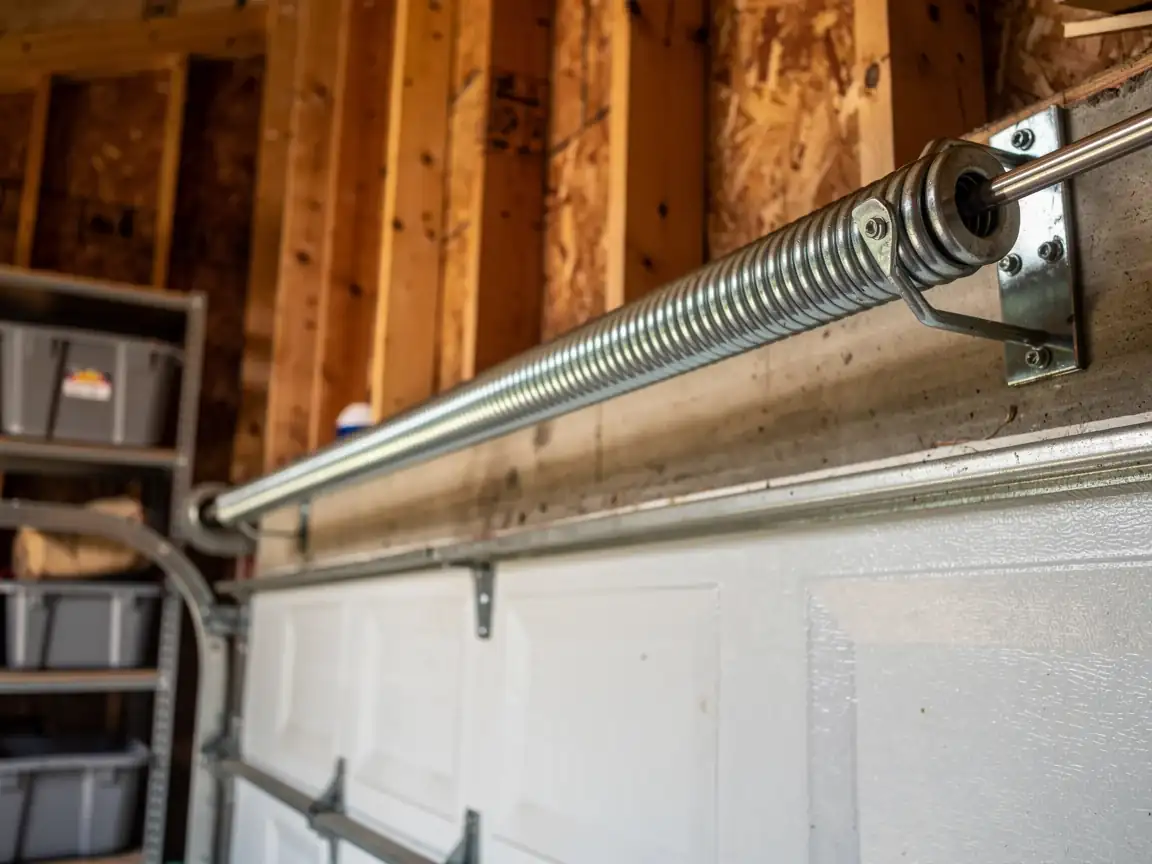
What you're actually looking for is a roller that's left the track, a bent rail, or a cable that's slipped off its drum and let one side of the door drop. Any of those will throw the door out of square. Once it's out of square, forcing the opener to keep cycling just bends the track further or snaps a roller stem. If the door is visibly crooked, cables look loose, or you hear metal-on-metal contact, stop running the opener and leave it where it is.
This is a mechanical fault, not an opener fault, which is why remote reprogramming or sensor cleaning won't touch it. The track and the rollers are what need attention, and on an older door the hardware holding that track to the jamb is often original.
How to Book
Call and describe what the door is doing - which side looks low, whether it still moves, whether anyone's forced it since it jumped. That tells us whether to send someone with a track-and-roller kit or a spring kit, since a door that's dropped on one side is sometimes a broken cable or spring pretending to be a track problem.
We work across Hudson and the towns around it - Berlin, Stow, Bolton, Maynard, Northborough, and out to Littleton, Wayland, and Harvard. Distance from the shop doesn't change the order we answer calls; a door that's hanging crooked and blocking a car goes ahead of a door that's just noisy.
You can reach us through the site at / or by phone. Have the door's rough age and whether it's a one-piece or sectional panel door ready if you know it - it changes which parts we bring.
What You Pay
We don't post a flat number for this because an off-track repair can be a ten-minute roller swap or a full track-and-cable job depending on how far the door traveled before someone stopped forcing it
A door caught early, still on one roller and not bent, costs a lot less to put right than one that's been run crooked for a week and has a bowed rail or a cracked stile.
What we can tell you honestly
If the track is bent beyond a certain point, straightening it is a false economy. New track and rollers hold up longer than a track that's been muscled back into shape, and we'll say so on site rather than bill you twice. We quote after we've looked at the door, not before, because guessing a price over the phone on this particular fault is how people end up underquoted or overquoted for no good reason.
What Causes It Around Here
Most of the housing across this service area went up between 1938 and 1993, with the heaviest run in the 1960s and '70s - that's the stock across the 48 towns and neighborhoods we cover, Hudson included. Doors and track hardware from that era were built to the standards of the day, and standards for roller clearance and track gauge have moved since then. On a door that old, a roller doesn't need much - a little rust, a slightly warped rail, one missed lubrication cycle - to walk itself off the track.
The other piece is the climate. This is a cold-severe winter region, and cold metal contracts. A track that's fractionally tight in July can bind in January, and a door forced through a binding track is exactly how a roller jumps the rail. Combine original 1960s-70s hardware with a hard freeze-thaw cycle every winter and you get the pattern we see across this whole area: off-track calls cluster in the first real cold snap and again after a thaw, not evenly through the year.
None of this means the door was installed wrong. It means the hardware is old enough that the tolerances it was built to don't match what the metal is doing fifty-some years later.