How It Shows Up
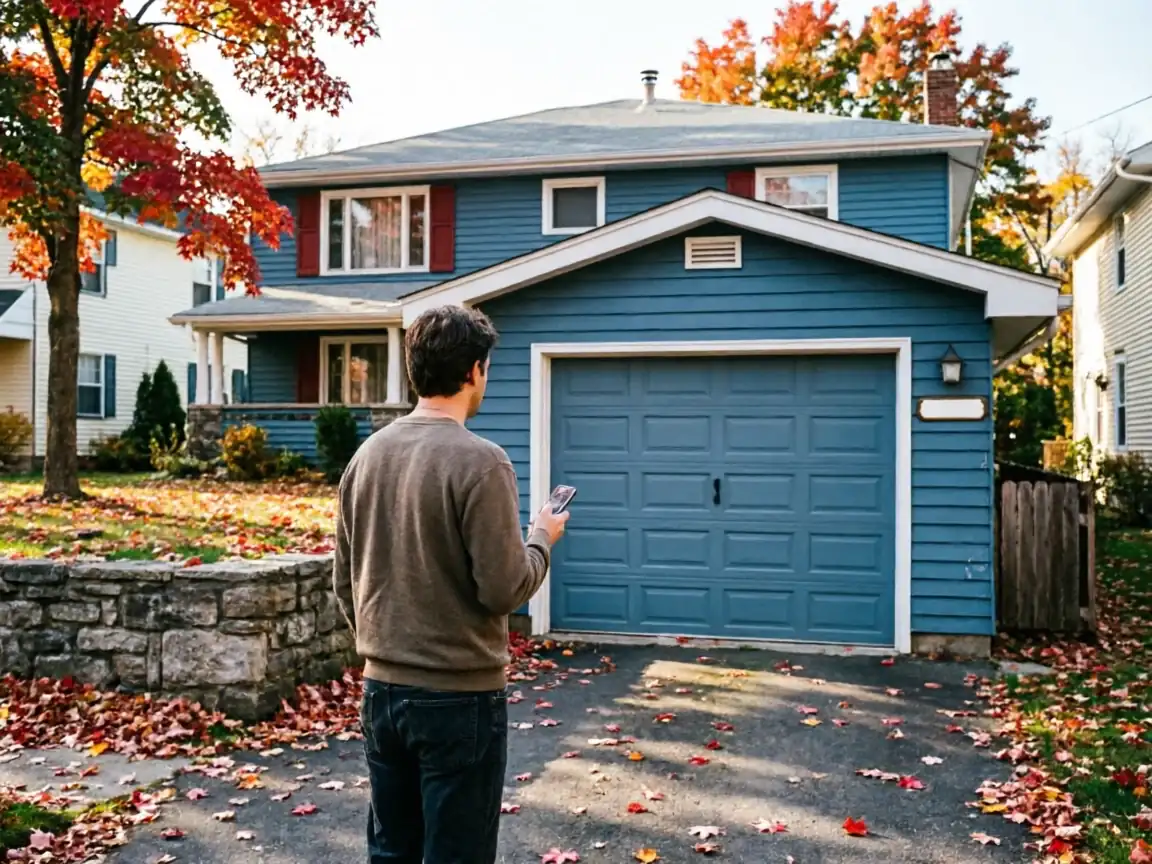
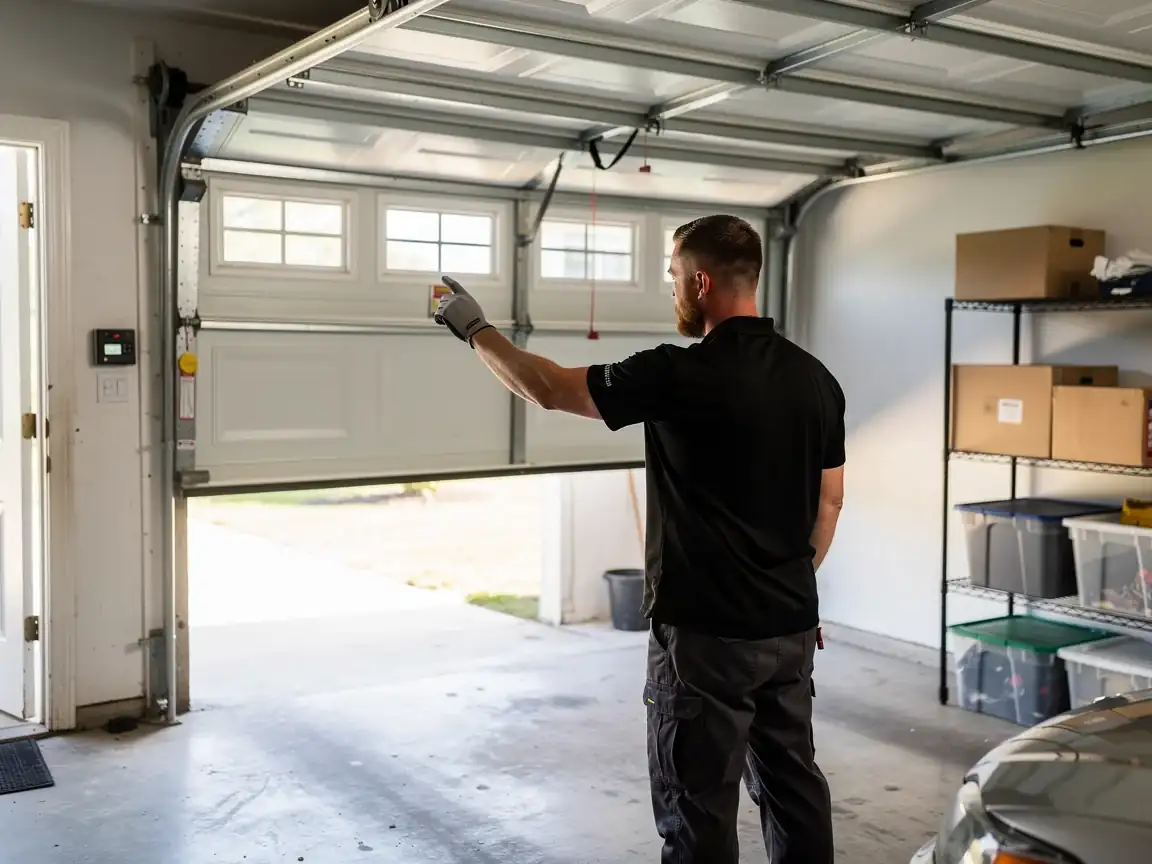
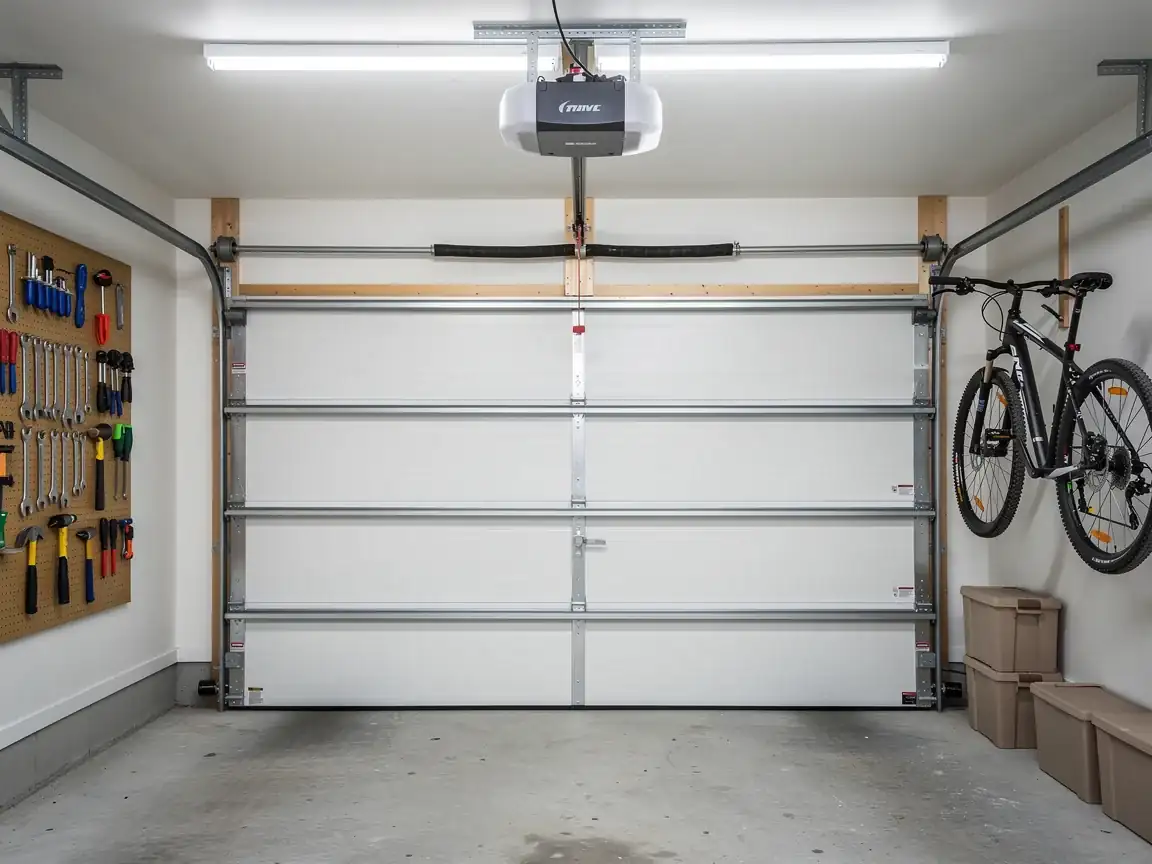
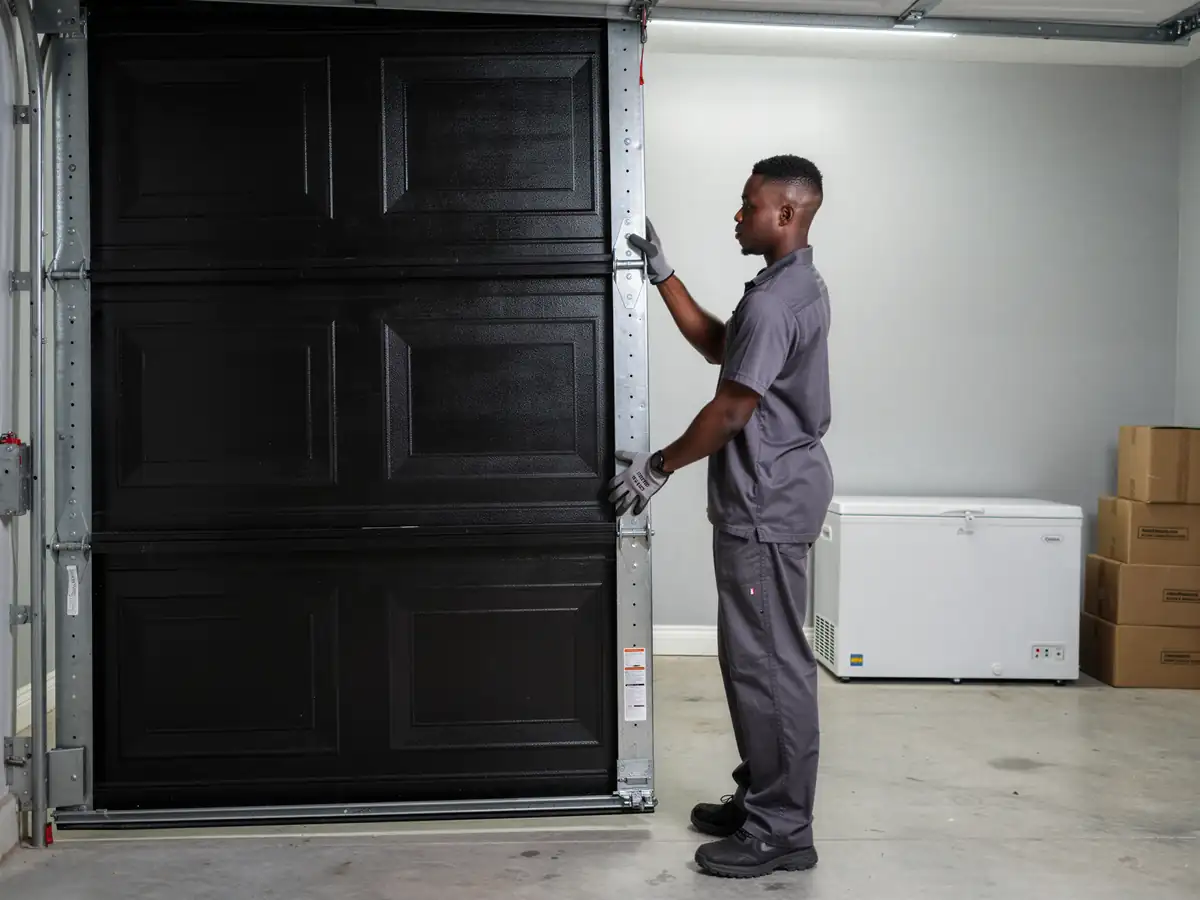
Most calls start the same way: the opener runs but the door won't move, or it moves partway and reverses. In Hudson and the surrounding towns we cover, housing went up mostly between 1938 and 1993, with the median build year sitting around 1969. That means a lot of garages still have openers on original or early-replacement track and spring setups that were never matched to a modern opener's force settings. When a homeowner swaps in a new opener unit but leaves 1970s track and rollers in place, the opener has to fight hardware it wasn't built for, and it shows up as grinding, stalling, or the safety reversal kicking in for no visible reason.
Cold is the other piece. This is a severe cold climate band, and openers here deal with real winter stress - grease in the rail thickens, belt and chain tension changes with temperature swings, and gear sets that were already worn from decades of use finally give out in January rather than July. A dead opener in a 50-year-old garage on a cold morning is rarely one single part failing; it's usually the opener reaching the end of a run that started with hardware from a different era.
How to Book
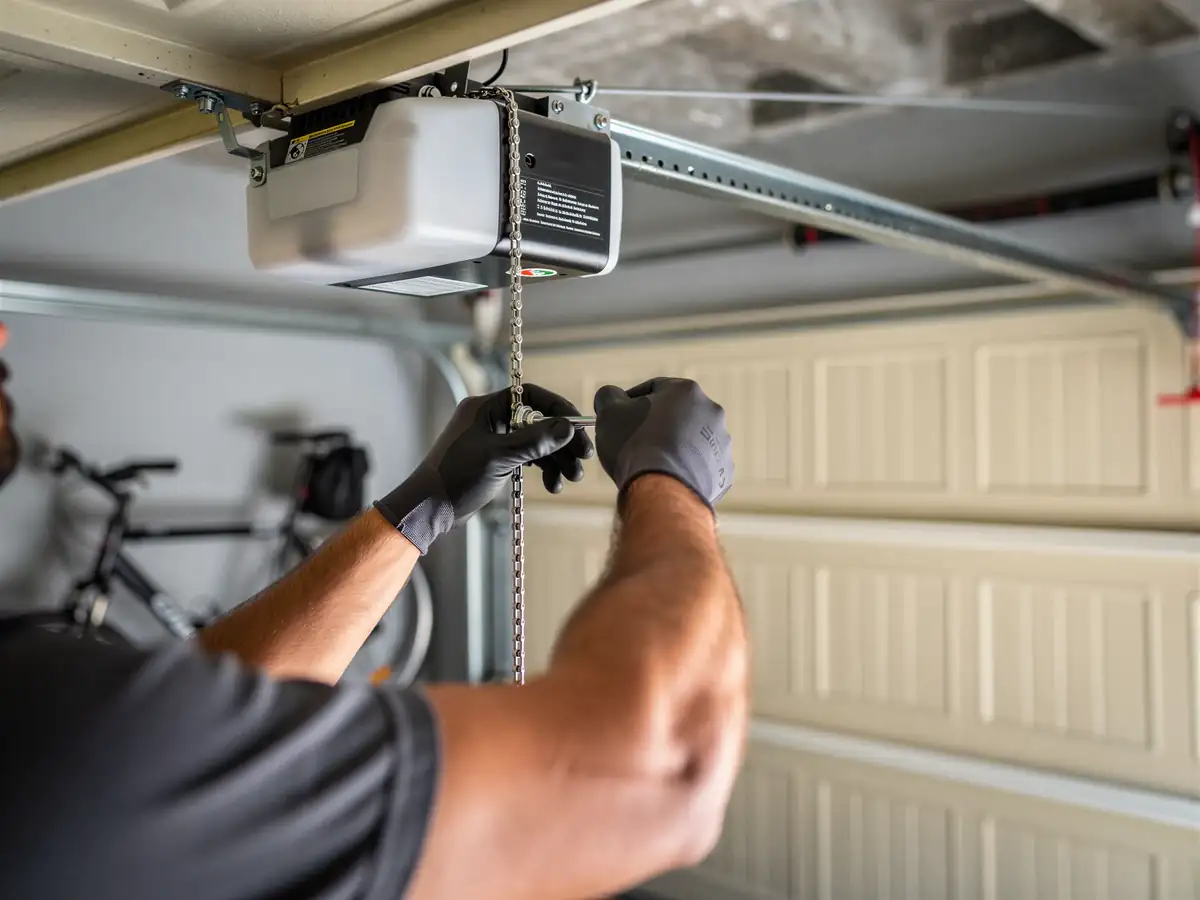
Call and describe what the door and opener are doing - whether it opens but won't close, reverses before touching the floor, runs but the door doesn't move, or stays dark and silent. That tells us whether it's a logic board, a drive gear, a sensor alignment issue, or something in the track that's fighting the opener. We ask for the opener brand if it's visible on the housing and roughly how old the unit is, since parts availability depends a lot on that.
We work across the service area shown on our home page, which covers Hudson and the nearby towns within roughly a 15-mile radius. If you're not sure whether your town is in range, just ask when you call.
One limitation worth saying up front: if your opener is a discontinued model from the 80s or early 90s, we may not be able to get a logic board or gear kit for it. In that case we'll tell you straight that replacement is the faster and often cheaper path, rather than quoting a repair we can't actually deliver parts for.
What You Pay
We don't post a flat number here because opener repair cost depends on what's actually failed
A sensor out of alignment is a short visit, a stripped drive gear or a dead logic board is a part-and-labor job, and a full opener swap is its own cost entirely. What we can tell you is that the job gets priced after we see the opener and the door it's lifting, not before, because the same symptom can have a $30 fix or a $300 one depending on the cause.
Household budgets in the towns we serve run higher than a lot of the region
Median household income across our service area is $147,635 - but that doesn't change what a part costs. It just means we don't cut corners trying to hit a number; we quote what the repair actually needs. If a repair would cost close to what a new opener runs, we say so, because paying to patch an opener that's going to need the next part next winter isn't a good use of anyone's money.
What Causes It Around Here
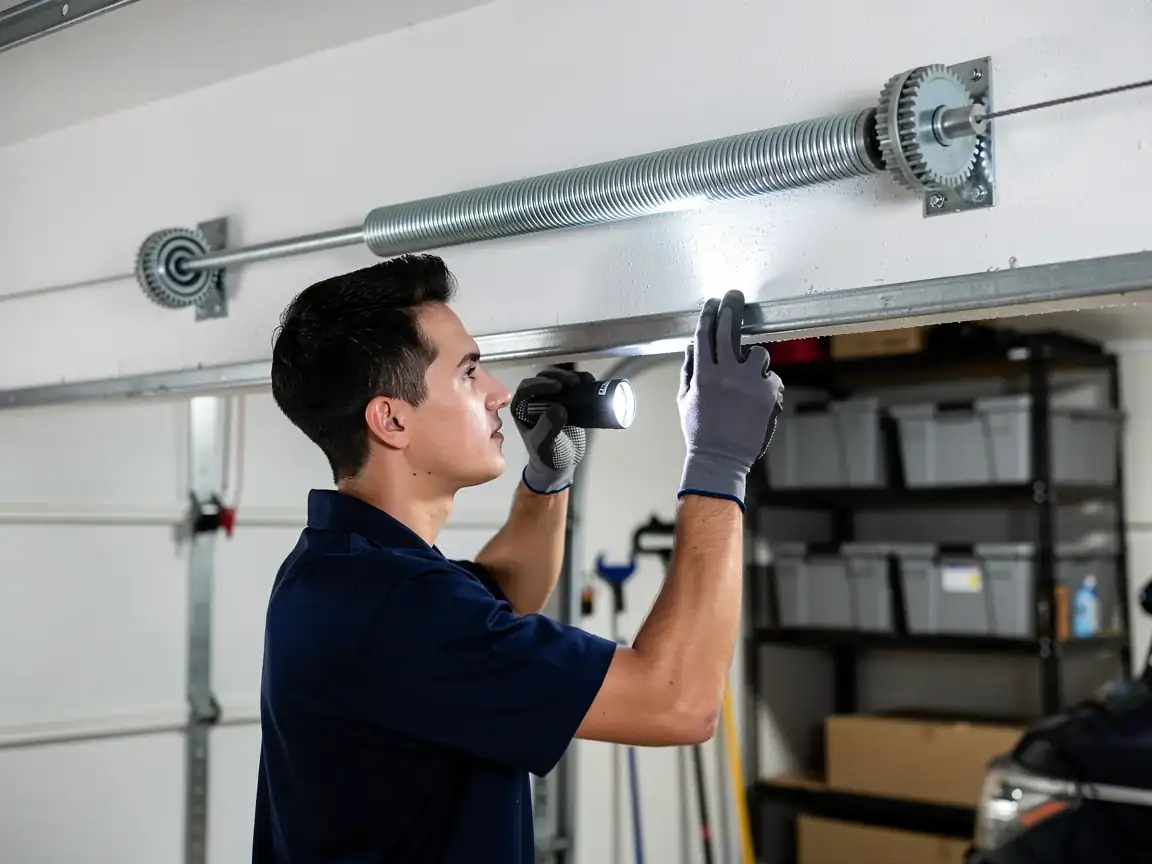
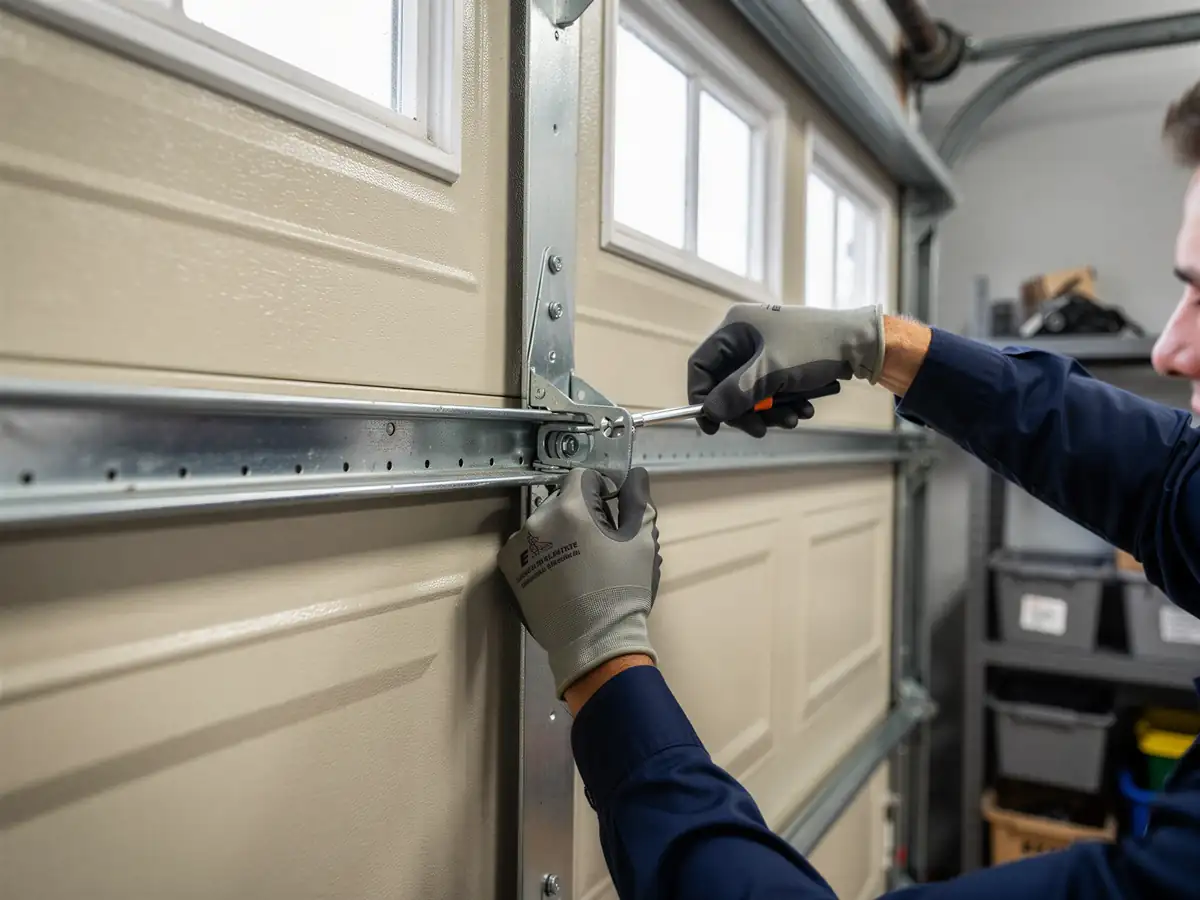
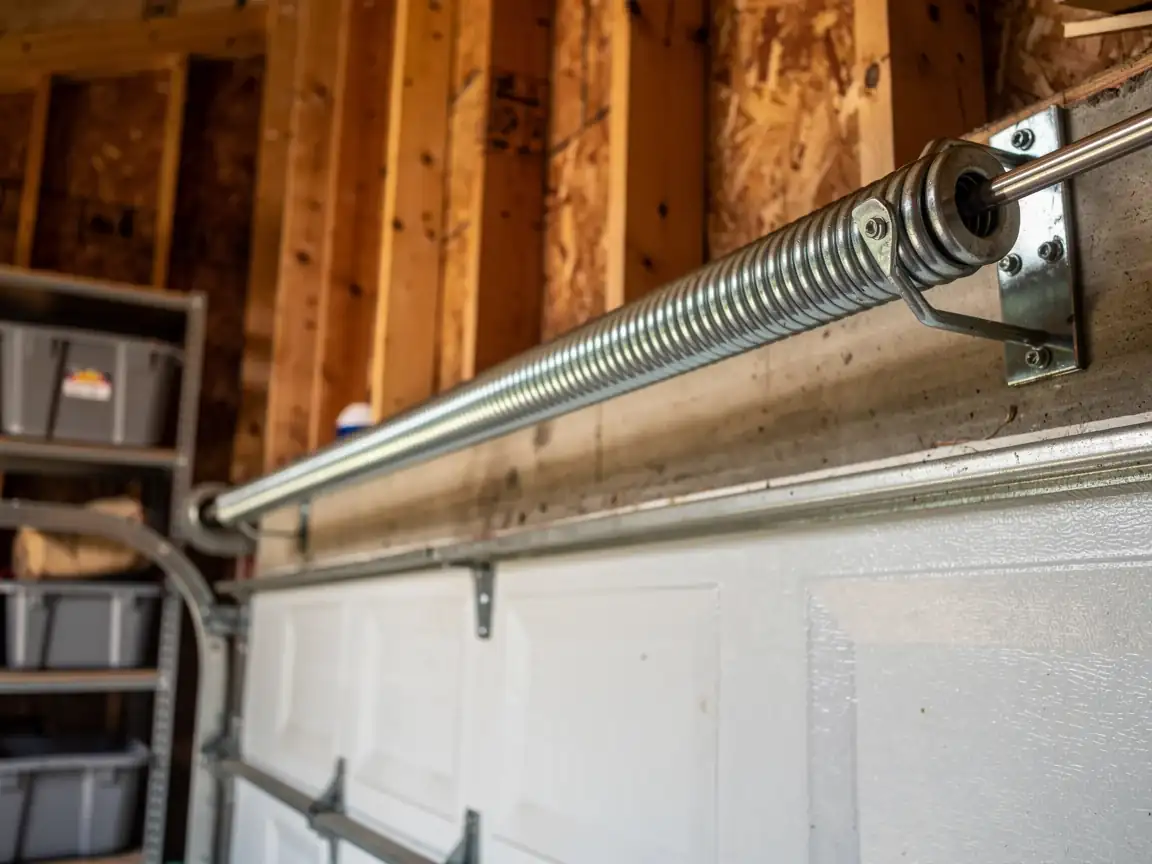
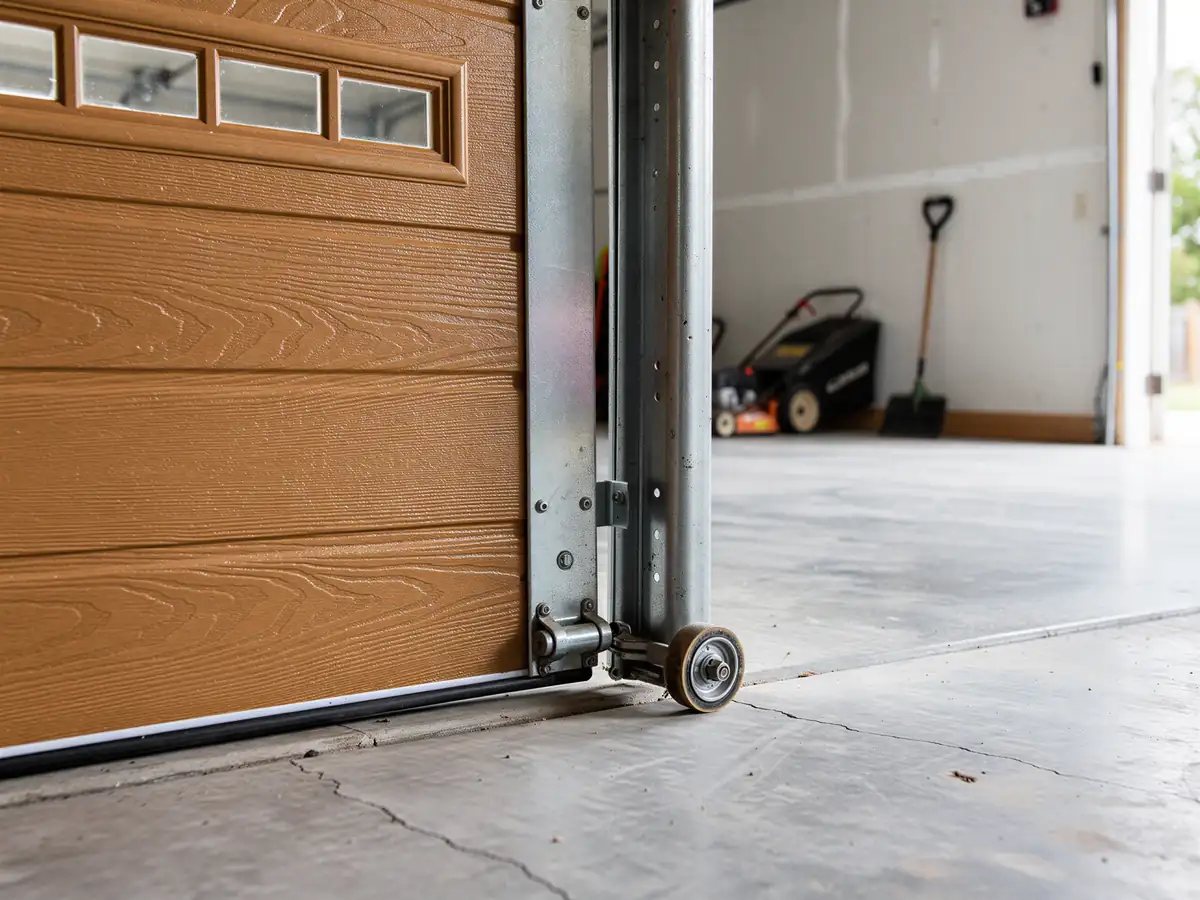
The housing stock across our service area is mostly 1960s and 70s construction, spread across close to four dozen named neighborhoods and nearby towns in this corner of the state. That matters for openers specifically: a chain-drive unit installed when a house was new, or even the first replacement opener installed in the 90s, is working with steel track, hinges, and spring hardware that's older than the opener itself. The opener takes the blame when the real problem is a track that's gone slightly out of alignment over fifty-some years of settling, or rollers that have worn enough that the door drags.
The cold makes it worse, not better. In a severe cold climate band, lubricant in the rail and on the chain or belt gets stiff, metal contracts, and anything already marginal - a weak capacitor, a gear with a hairline crack, a sensor bracket that's shifted half an inch - fails on the first hard cold snap rather than limping along. That's why opener calls cluster in winter here far more than they would somewhere with a milder year-round climate.