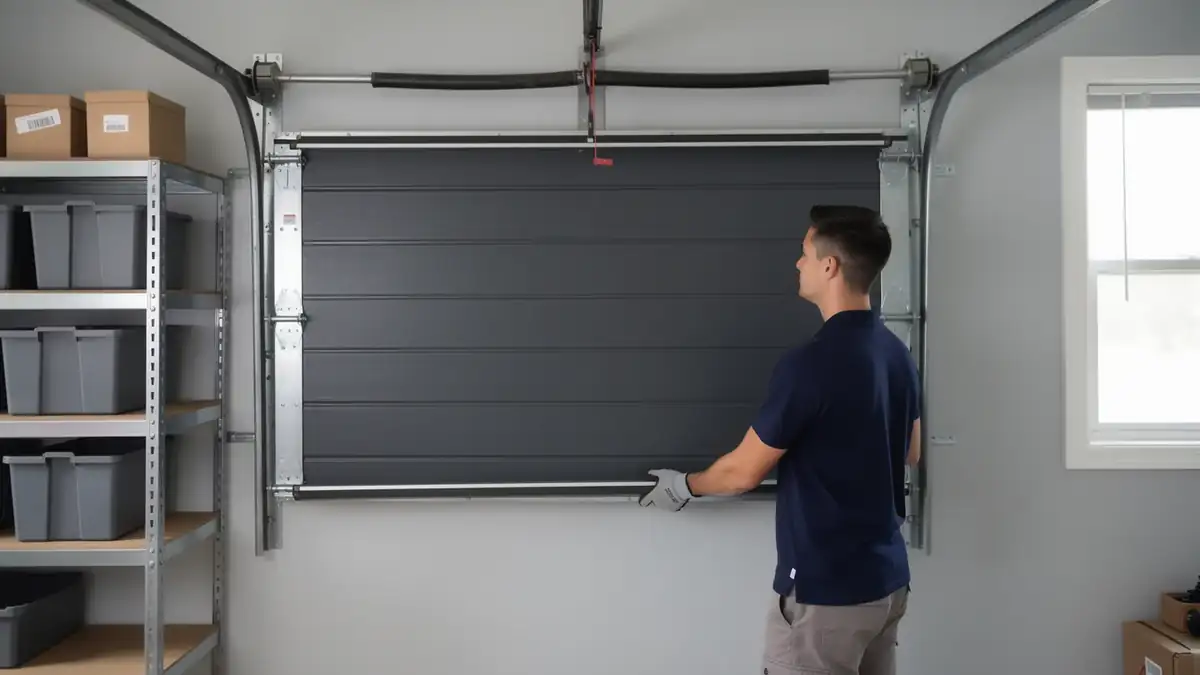
What Local Conditions Do
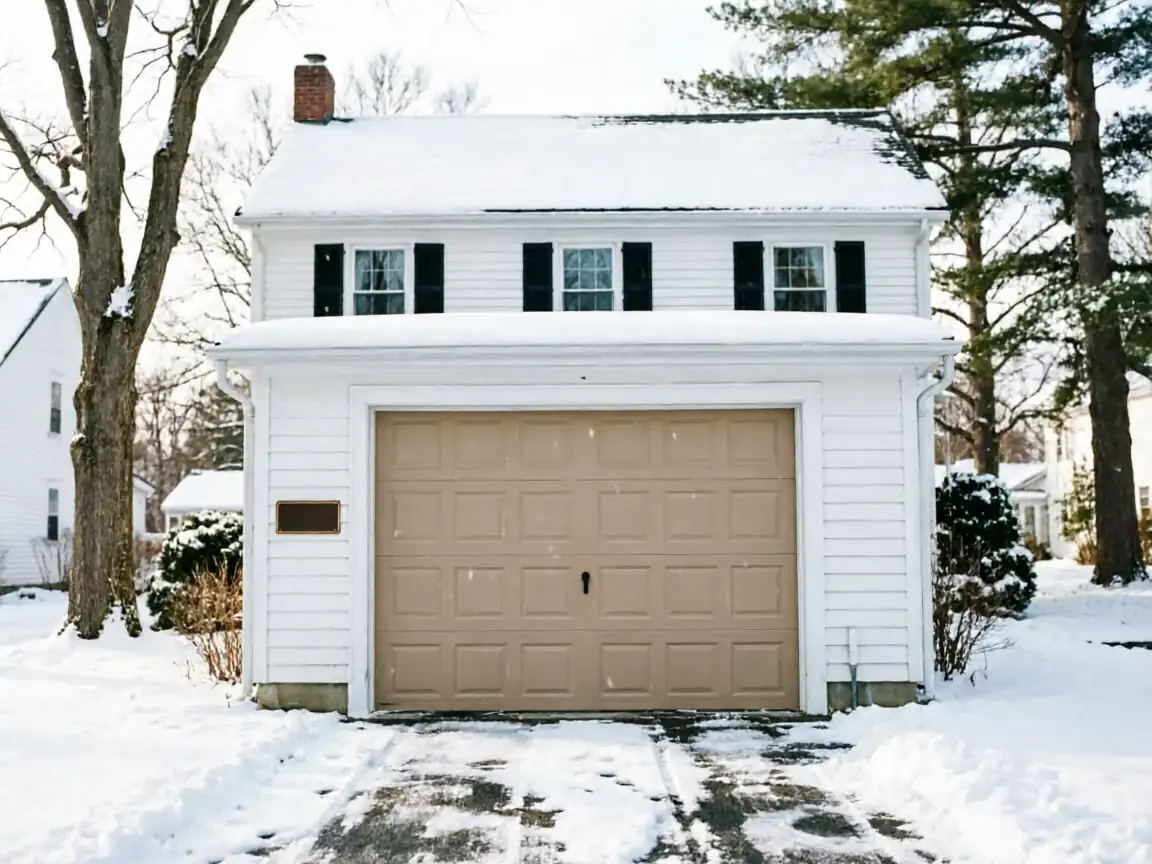
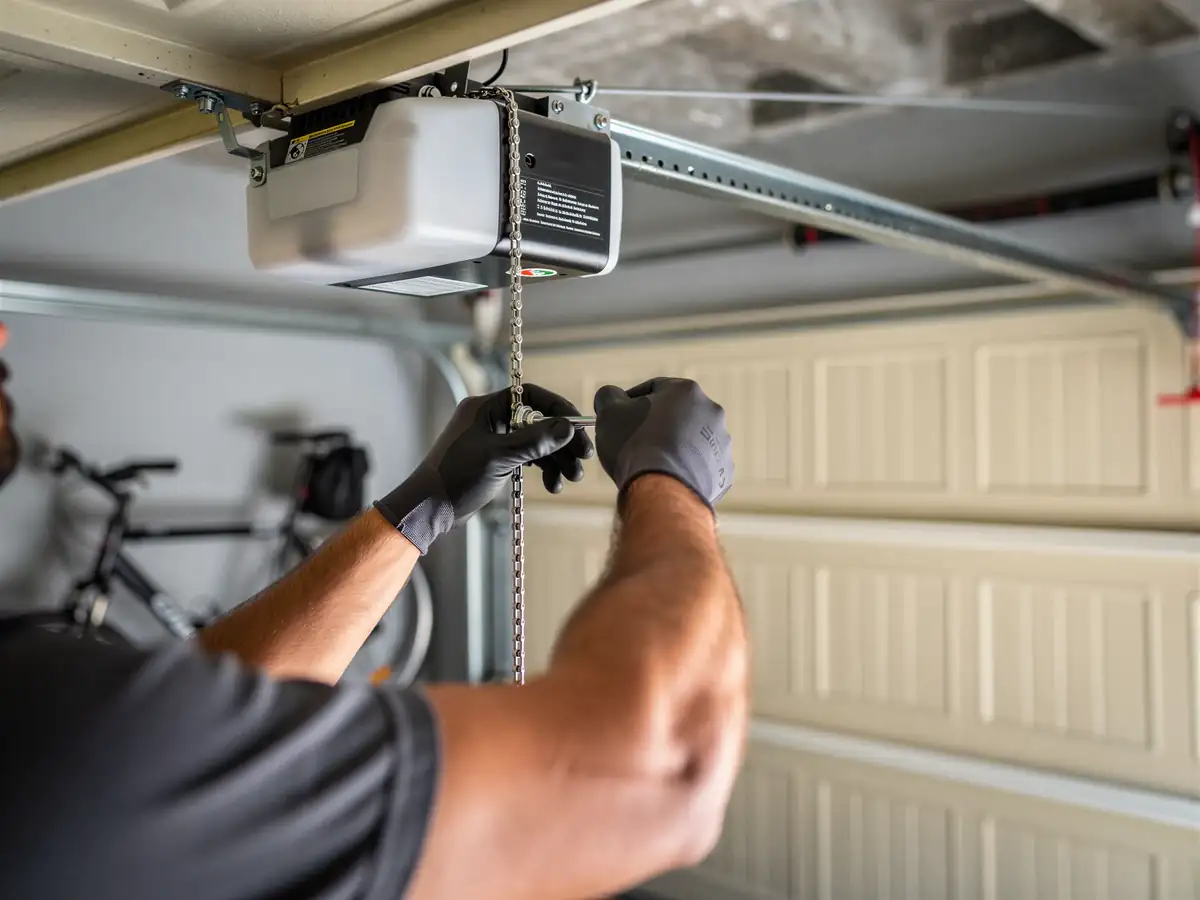
Hudson sits in a climate band the federal data marks severe cold, and that changes what fails on a garage door here versus a milder town. Steel contracts in deep cold, torsion springs lose a measurable amount of tension when the temperature drops, and the grease in an opener's gear housing thickens enough to slow the whole unit down. None of that is dramatic on its own. It just means a door that worked fine in September starts dragging, humming, or reversing early in January, and the owner assumes the opener is dying when the real problem is a spring that's lost a few pounds of lift.
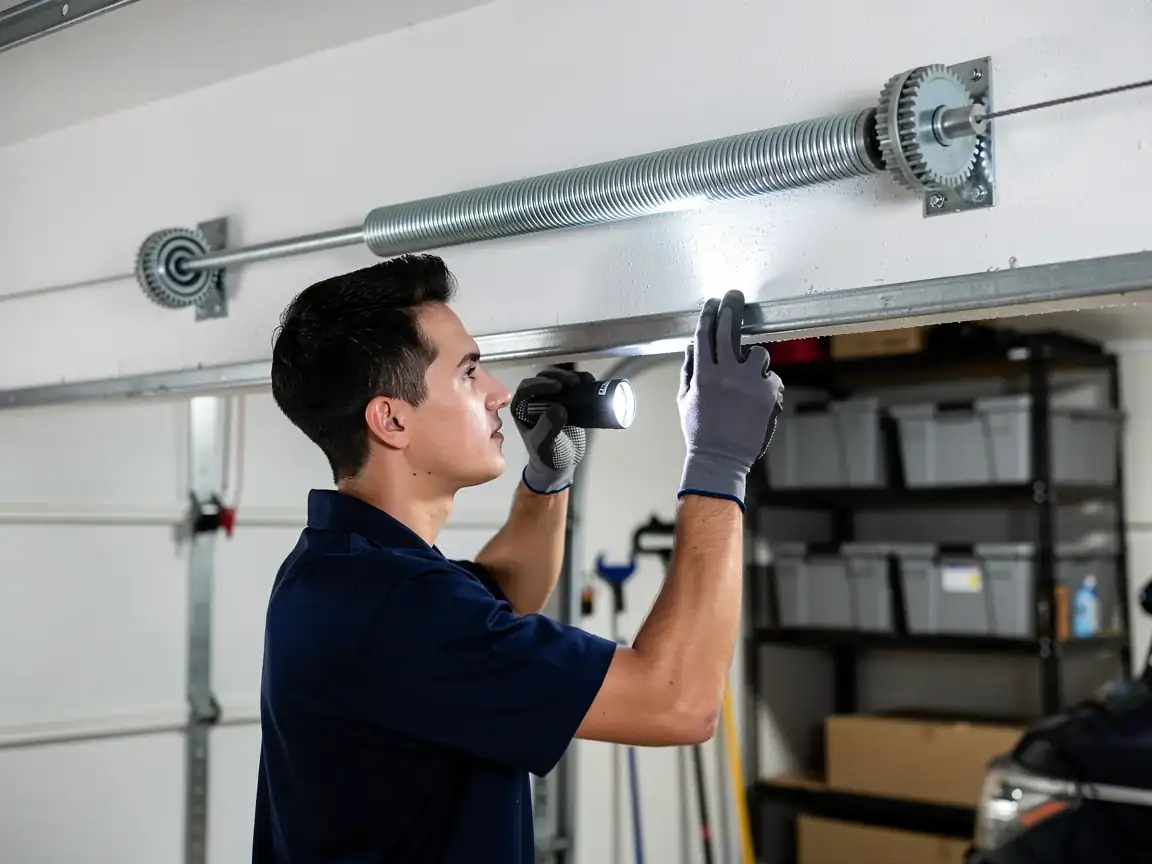
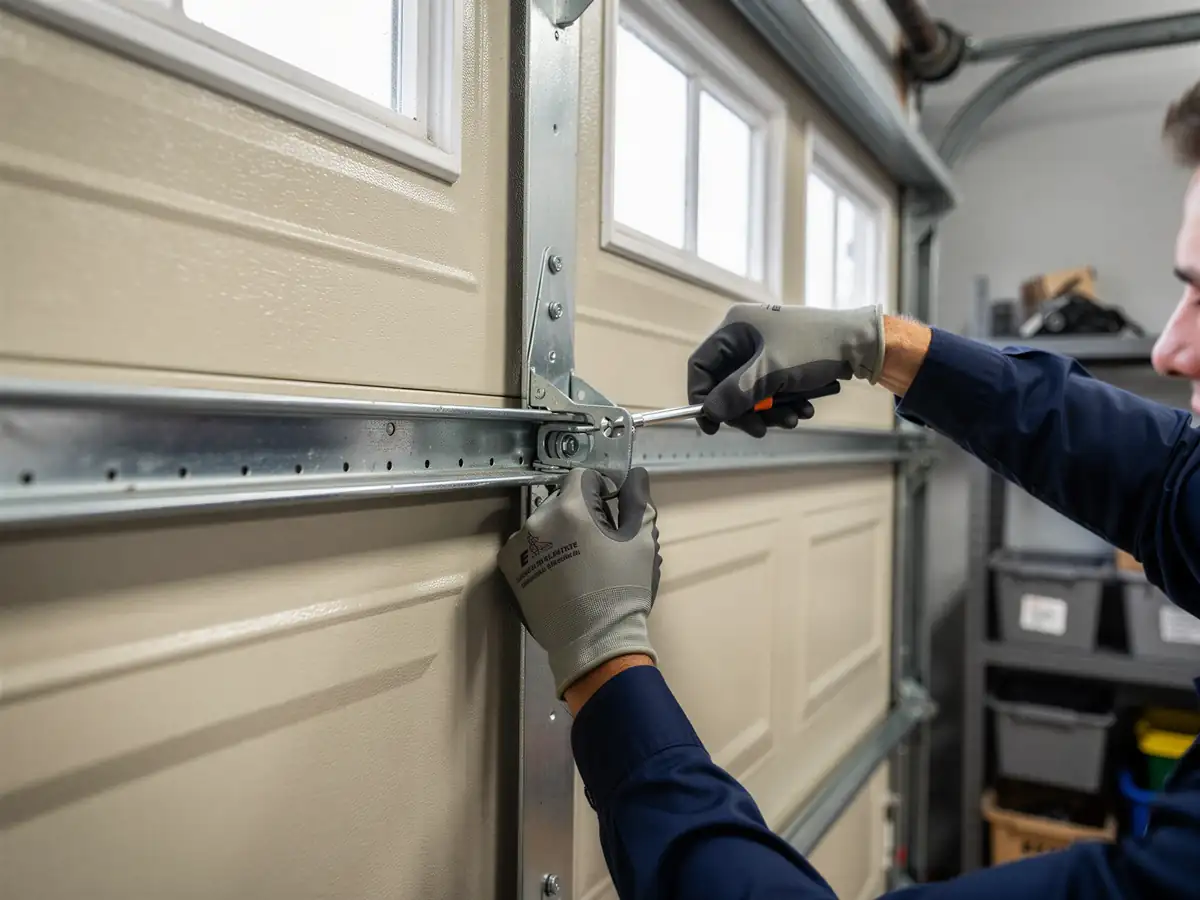
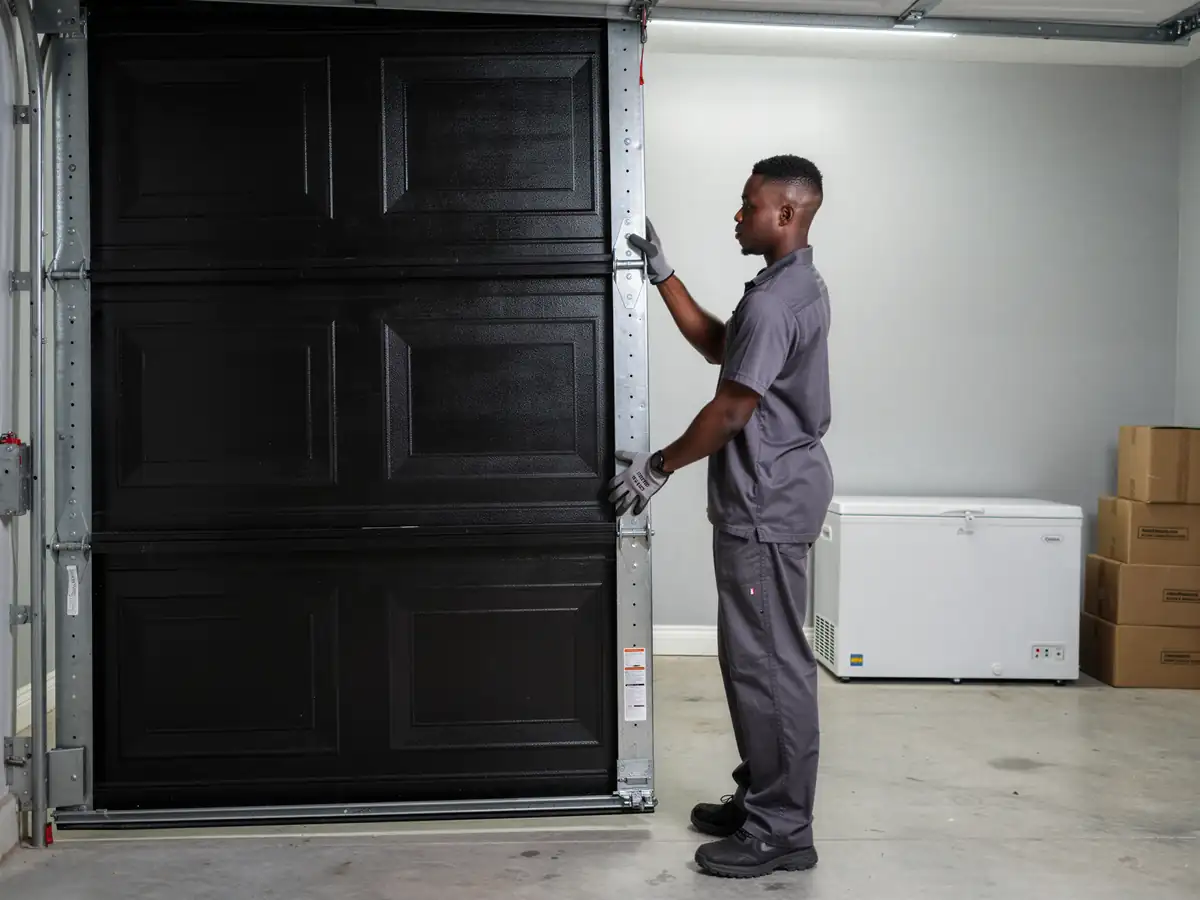
We start every call the same way regardless of what the homeowner thinks is wrong: balance test first, then cables, then rollers, then the opener's force settings last. A door that's out of balance will burn out an opener in a season or two no matter how new that opener is, and in a cold-climate town like Hudson that failure shows up faster because the motor is already working harder against stiff hardware. Checking balance before touching electronics saves a service call from turning into two.
What Is Going On
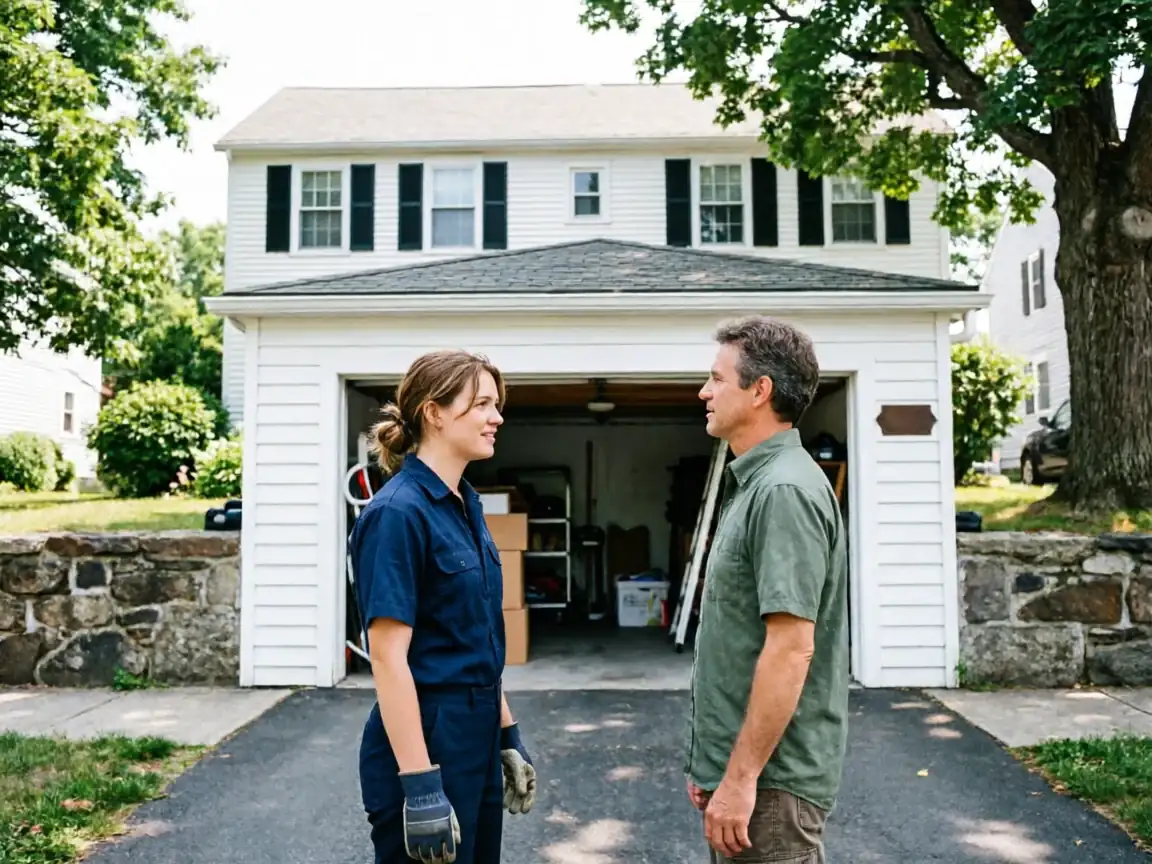
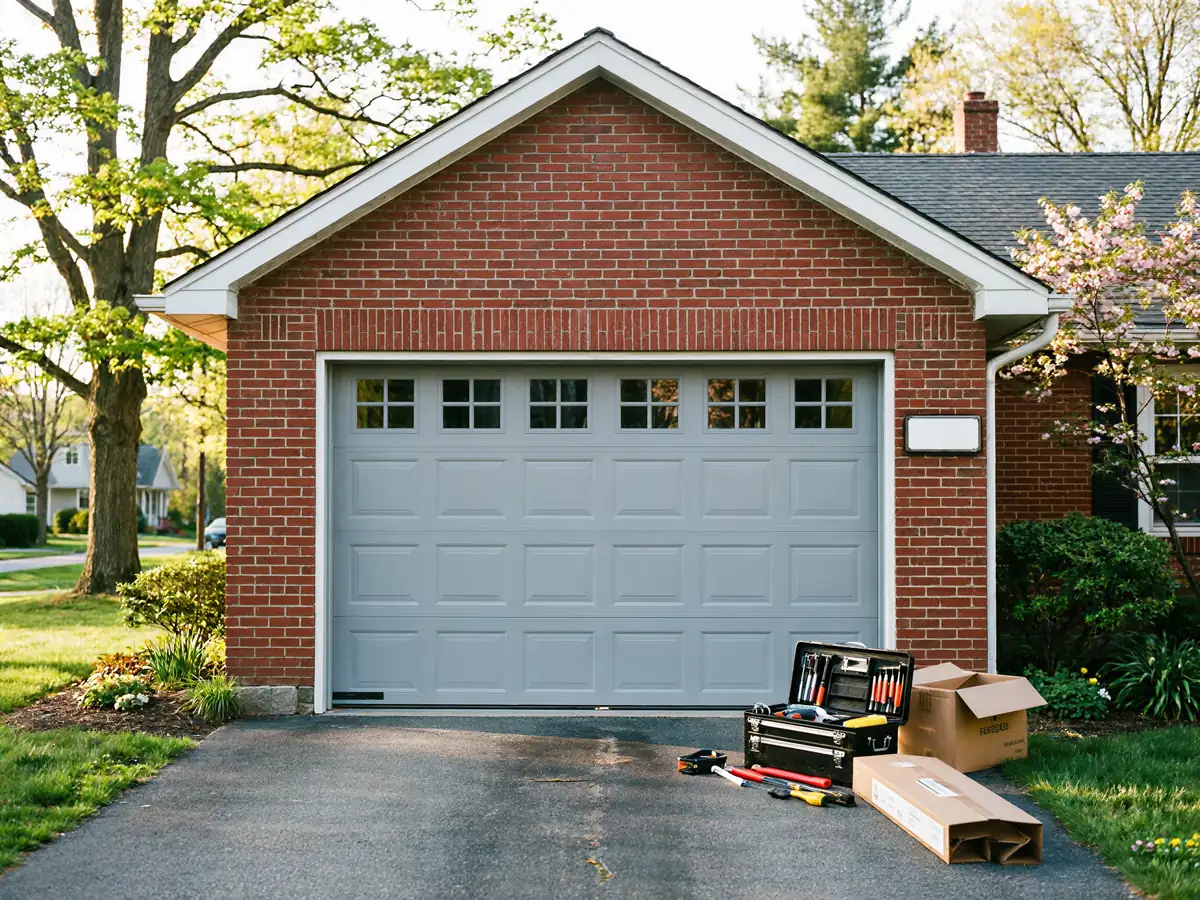
Housing in Hudson and the surrounding area was mostly built between 1938 and 1993, with the heaviest concentration going up in the 1960s and 70s across the 48 named areas in this part of the state. That matters because garage door hardware from that build era tends to be original or close to it - side-mounted torsion springs, single-panel or early sectional doors, openers that have been swapped once but tracks and drums that never have.
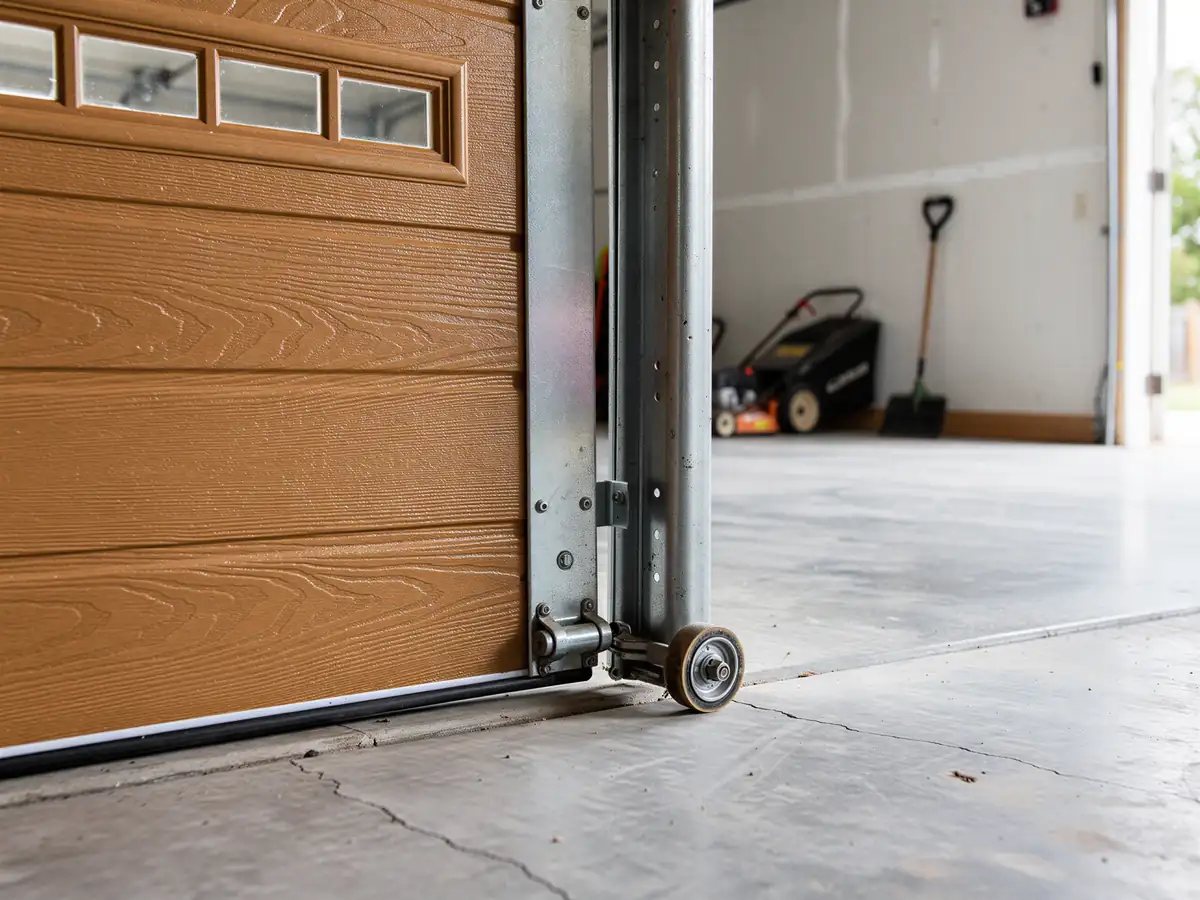
When we're called out to a house from that stretch of construction, the first thing we're checking isn't the opener, it's the drums and the cable anchoring, because that's the hardware most likely to still be factory-original forty to sixty years later. Rollers from that period are often steel, not nylon, and steel rollers in a cold garage get noisy and stiff well before they actually fail, which is usually the sound that gets someone to call.
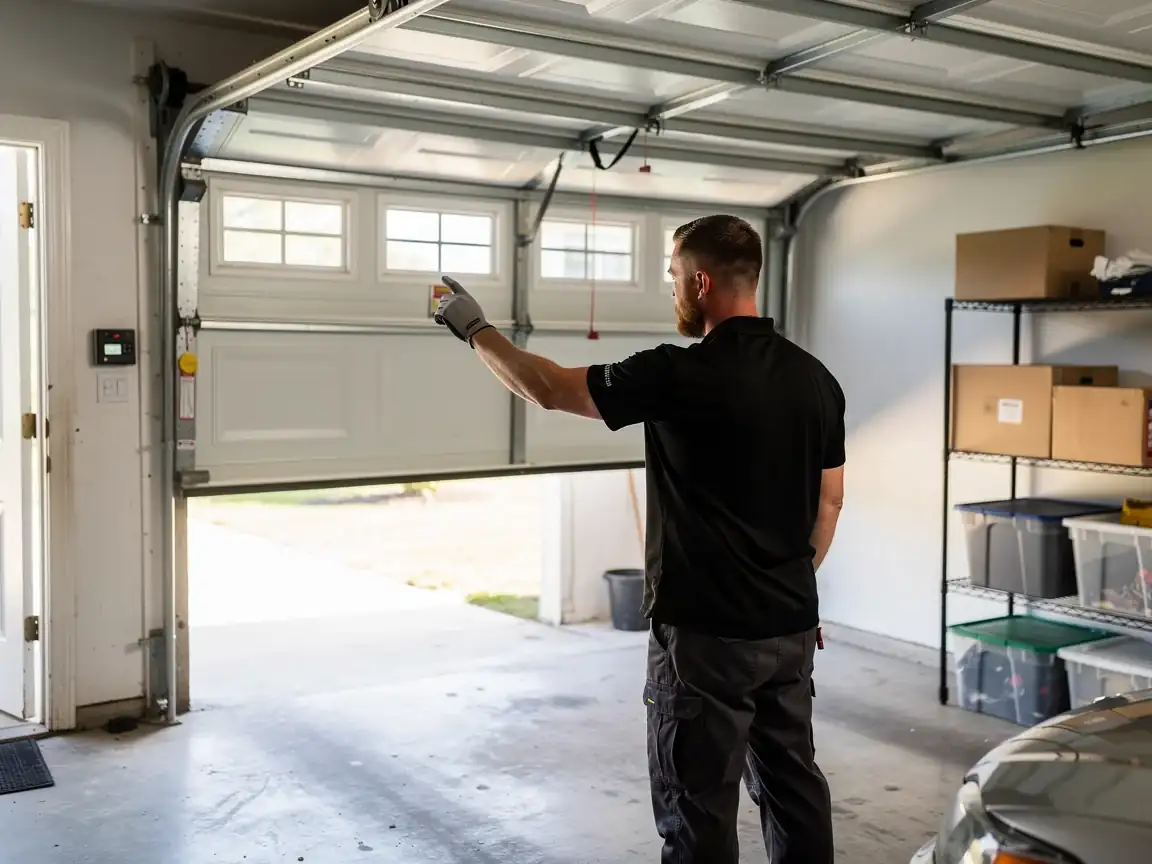
We also look at whether the track was ever re-aligned after a settling foundation, which is common in houses this age. A door that binds at one specific point in the travel, every time, is almost always a track issue, not a spring issue, and we rule that out before we recommend replacing anything expensive.
Season by Season
Cold is the dominant factor here, not heat, and it doesn't act evenly across the year
Early winter is when stiff springs and thickened opener grease first show up as slow or jerky travel - that's the point where a quick lubrication and a force-setting check can prevent a full spring failure later. Deep winter is when a marginal spring actually snaps, usually on the coldest morning of the stretch, because steel under tension is least forgiving right at its coldest.
Spring thaw brings a different problem
Moisture finding its way into a bottom bracket or a weather seal that's been compressed all winter, which shows up as rust streaking on tracks and sometimes a door that won't seal flush at the floor anymore. Summer is the quiet season for repair calls here, which is also the best time to have a spring replaced before the next cold stretch, since parts and scheduling are easier to manage without snow on the ground.
We tell people straight
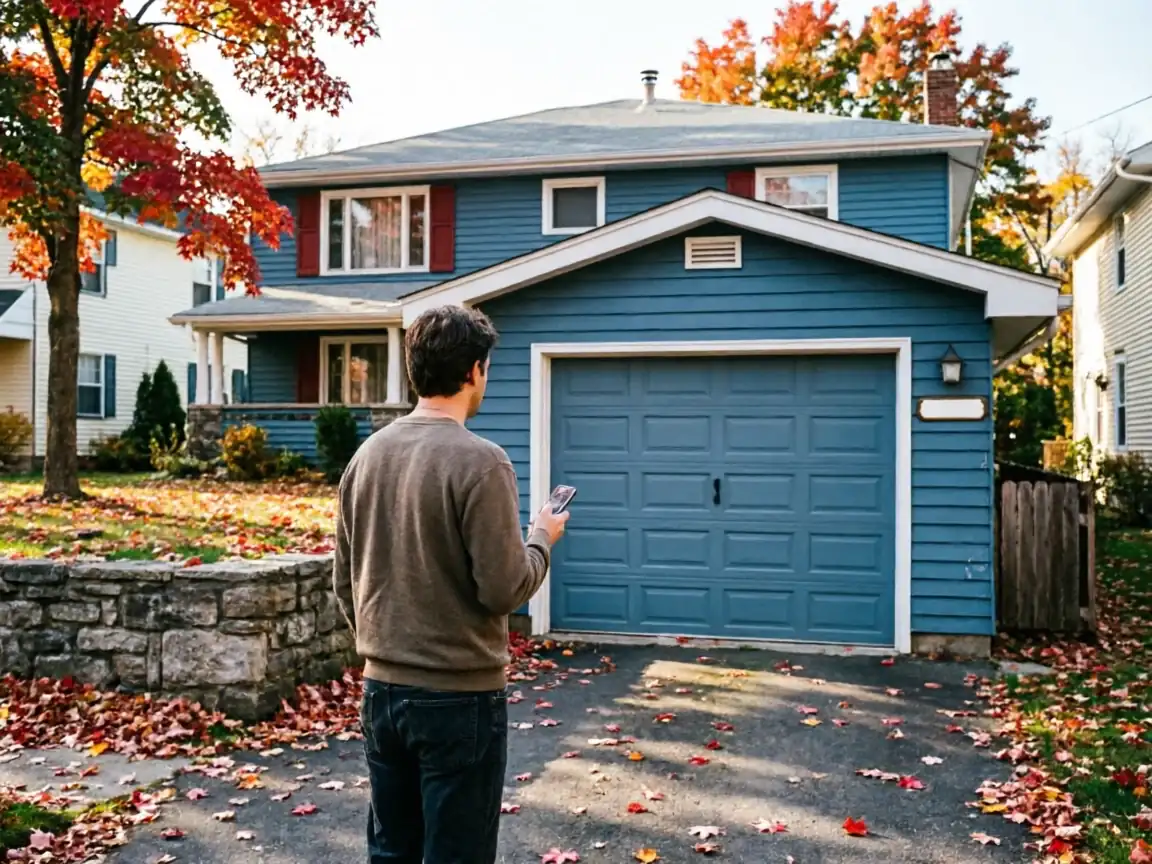
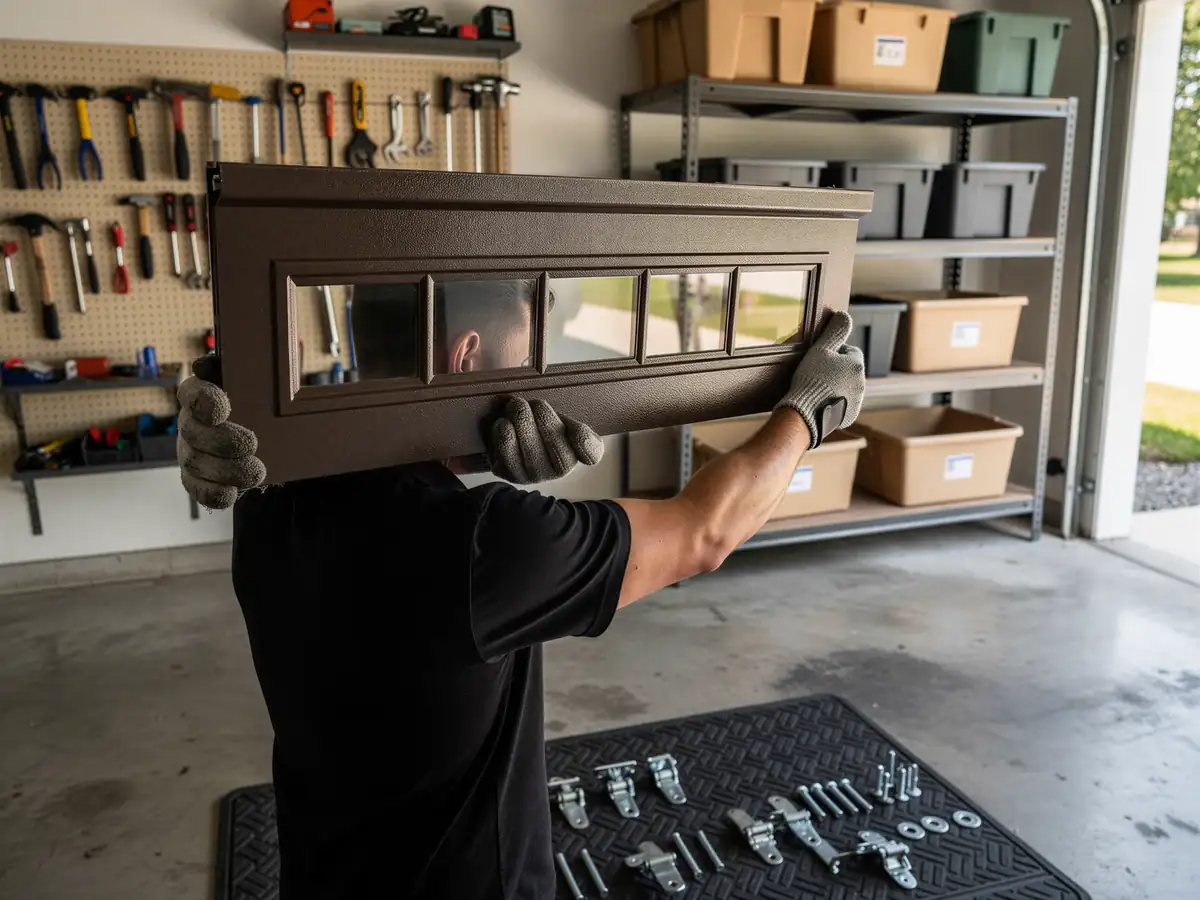
If your door is already struggling in October, don't wait for the hardware to fail on its own in January. A planned spring swap in good weather is a thirty-minute job. The same job after a snap, with a car trapped inside, is a different kind of call.
What You Pay
Median household income across the service area runs $147,635, and across 111,565 households roughly 69,298 are owner-occupied houses - a market where most of the housing stock, built from 1938 through 1993, is old enough that repair versus replace is a real decision, not a formality. We don't have a published price list to quote here, and we're not going to invent one. What we can say is that the decision usually comes down to age and extent: a single broken spring or a bent panel on a door that's otherwise sound is almost always worth repairing. A door where the springs, rollers, cables, and opener are all original from the same 1960s-70s build is a different conversation, because replacing parts one at a time on hardware that old starts costing more than starting fresh.
One honest limit: we don't stock every obsolete extension-spring size or the odd panel dimension some of these older one-piece doors used. If your door is old enough that the part isn't something a supplier carries off the shelf, that adds lead time, and we'll tell you that up front instead of guessing at a timeline.