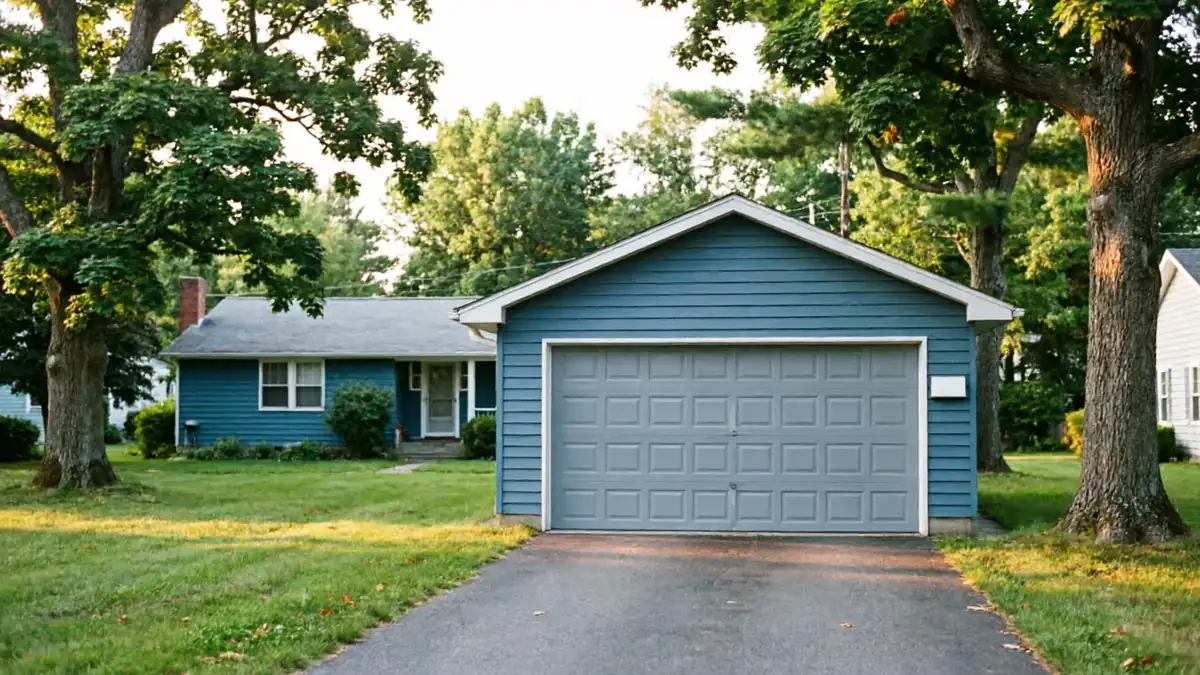
What Local Conditions Do
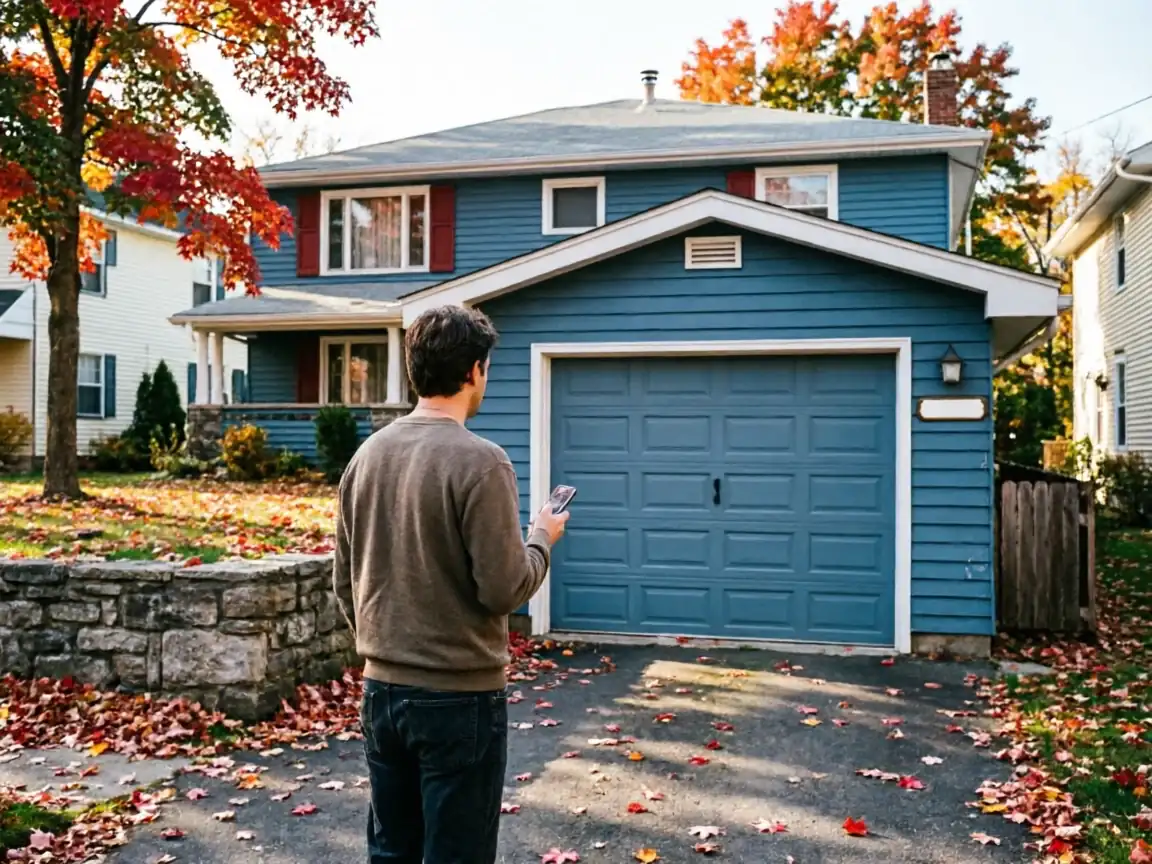
Hudson sits in a cold-climate band severe enough that an attached garage without a sealed door can pull real heat out of the house next to it. That matters more here than it would in a mild climate, because an attached garage shares a wall, and sometimes a ceiling, with living space. A door that doesn't seal tight at the bottom corners isn't just a garage problem - it's a heating bill problem.
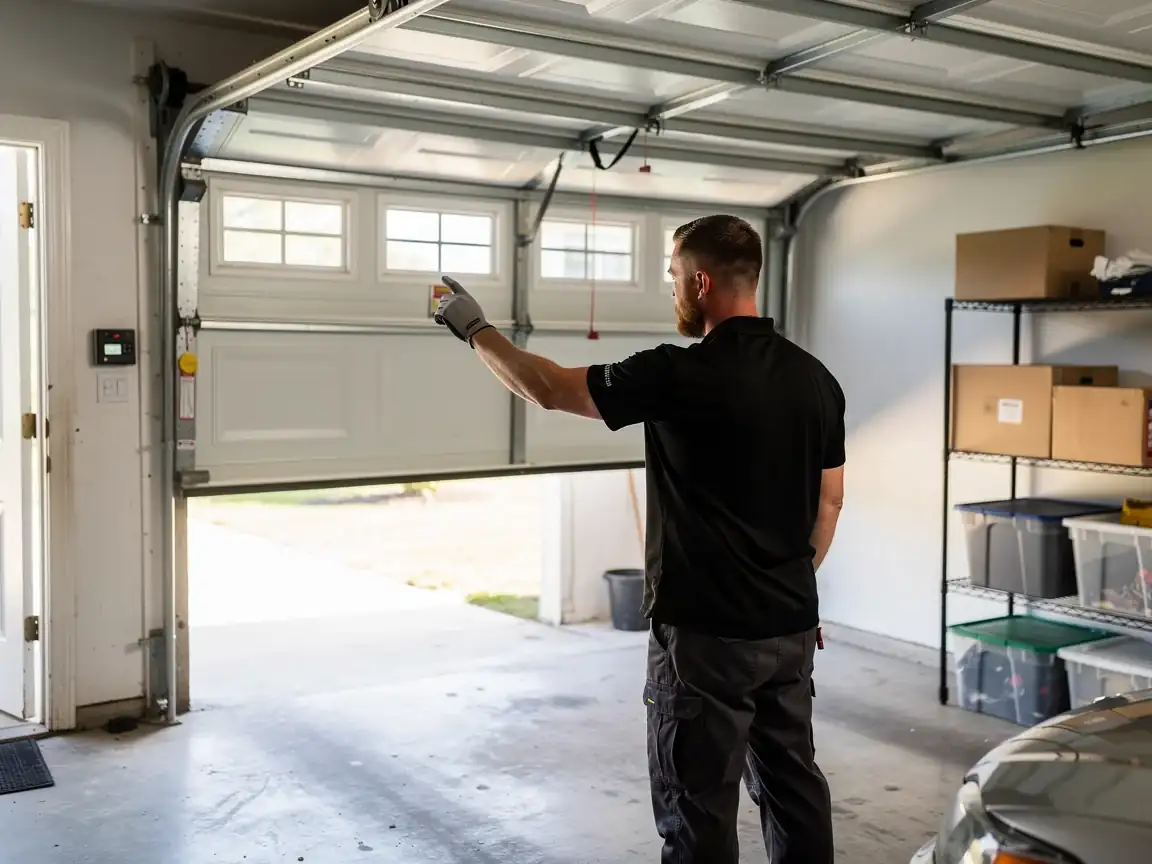
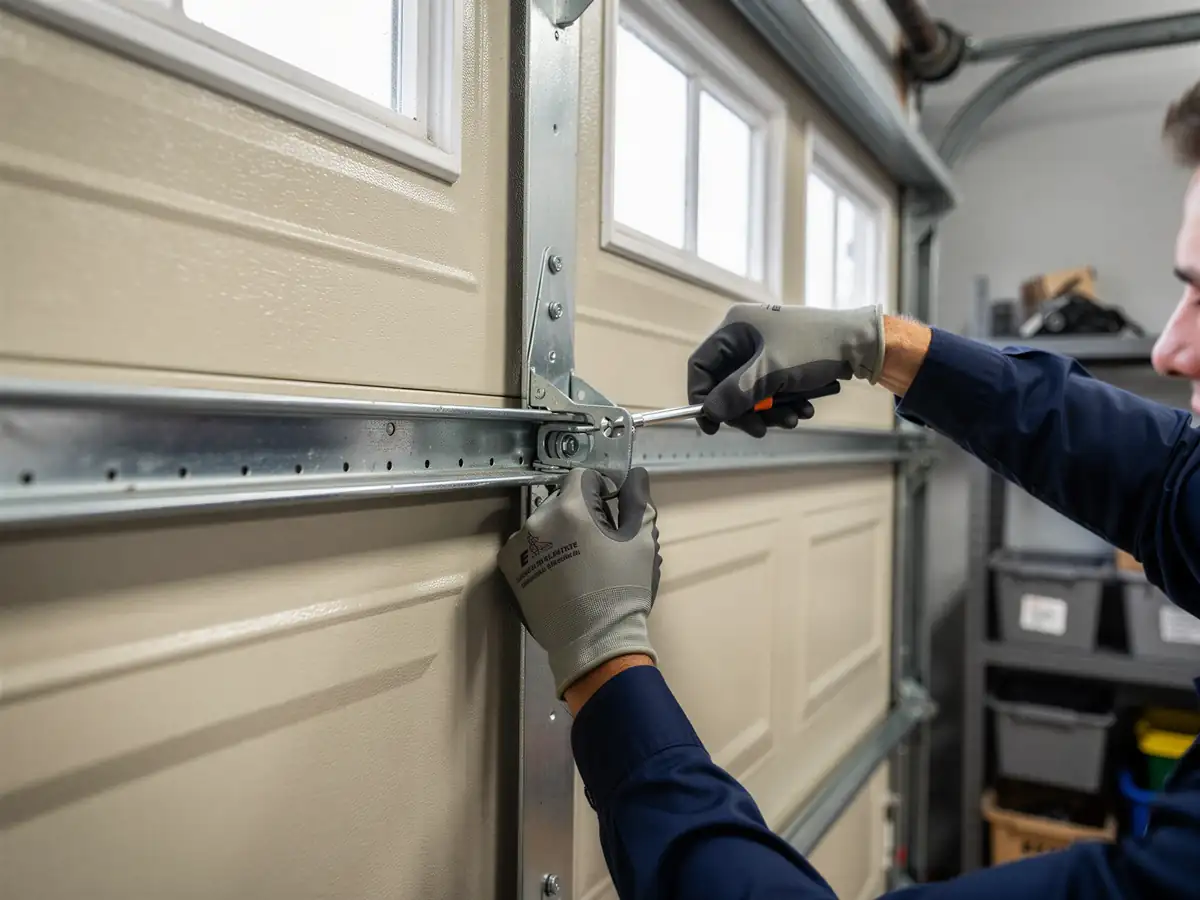
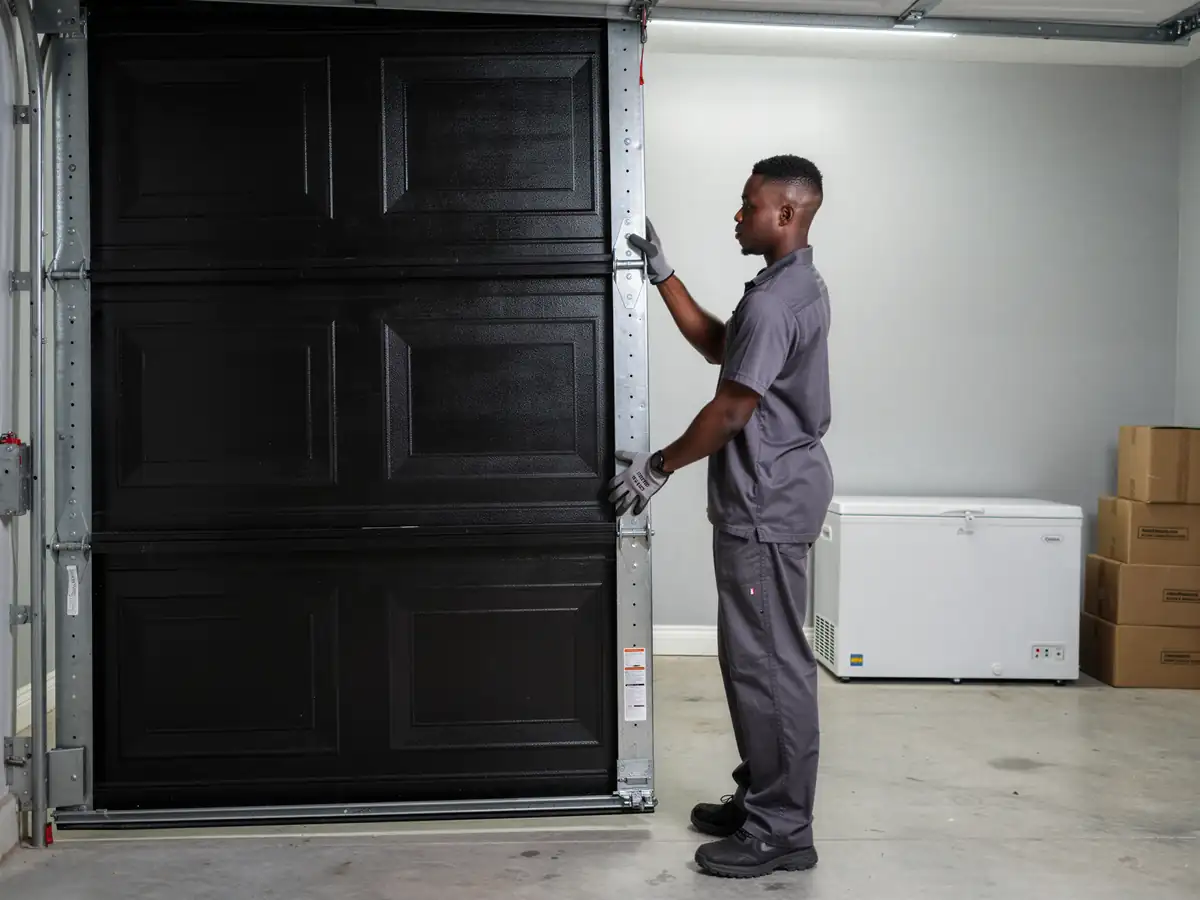
A detached garage doesn't carry that penalty. Nobody's furnace cares if a standalone garage runs ten degrees colder than the house. But a detached structure on an older foundation moves more with frost heave than a garage built into the main slab, and that movement racks the door frame out of square over the years. You see it in a track that's pulled away from the jamb on one side, or a door that binds halfway up.
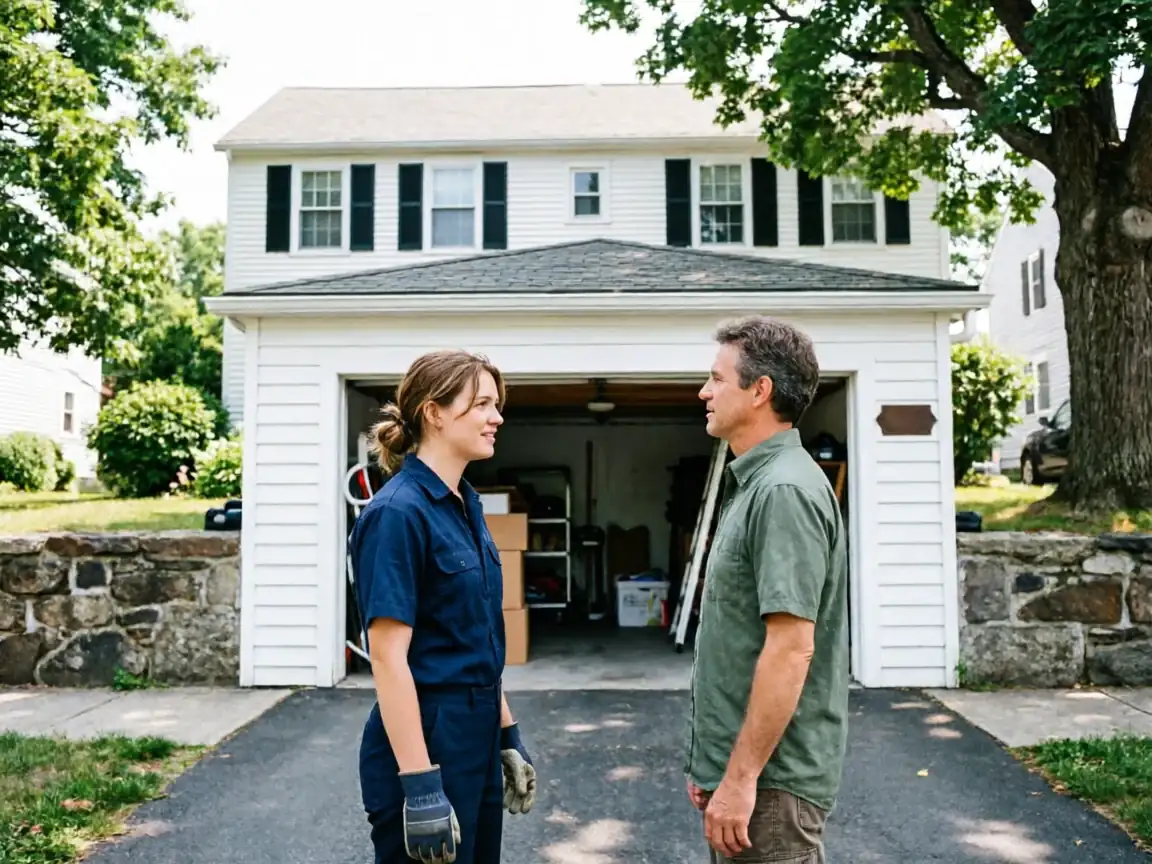
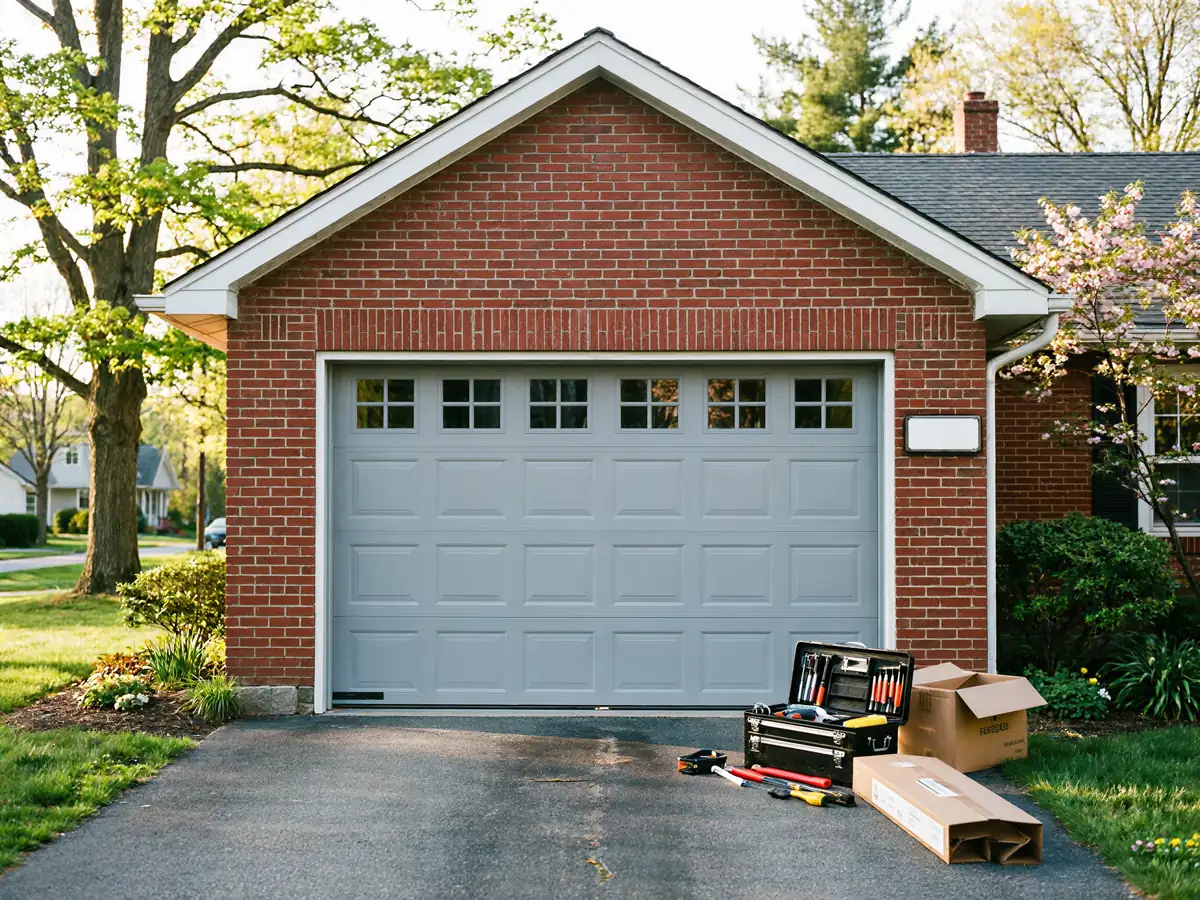
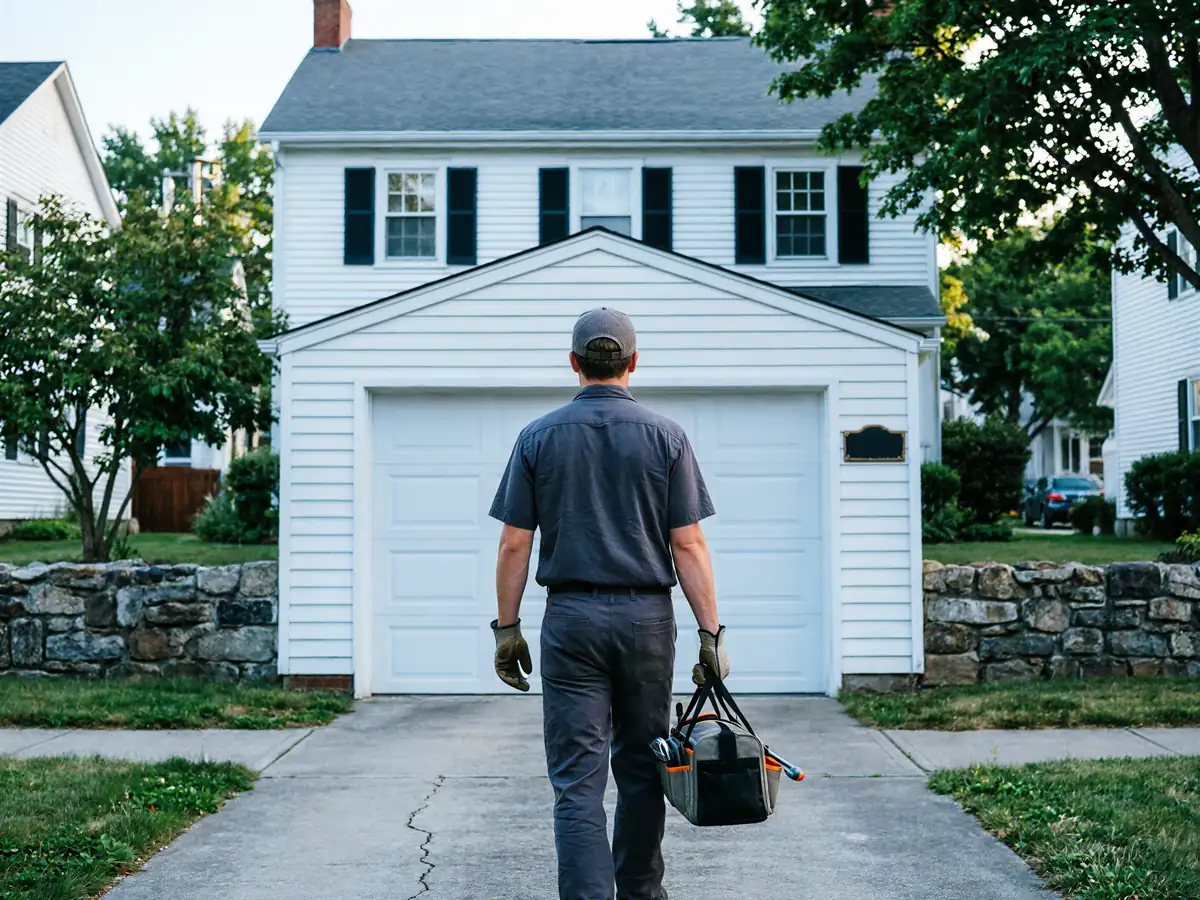
Neither setup is better across the board. An attached door needs insulation and a weather seal that actually holds. A detached door needs a frame and track that can take some seasonal racking without binding. Knowing which one you have changes what we look at first on a service call, and it changes what's worth spending money on.
What Is Going On
Most houses around Hudson went up between 1938 and 1969, a stretch when builders mixed attached ranches with standalone detached garages built from whatever lumber was on the lot. Hudson's housing stock runs mostly 1960s and '70s across the service area, which is exactly when attached two-car garages started replacing the single detached bay as the standard. That shift didn't happen all at once, so you get both types standing next to each other on the same street.
Across the 69,298 owner-occupied houses in this service area, a good share still have the original detached garage standing apart from the house, often with hardware that predates anything you'd find at a hardware store now. The spring size, the track gauge, the panel thickness - all of it was built to a spec that stopped being standard decades ago.
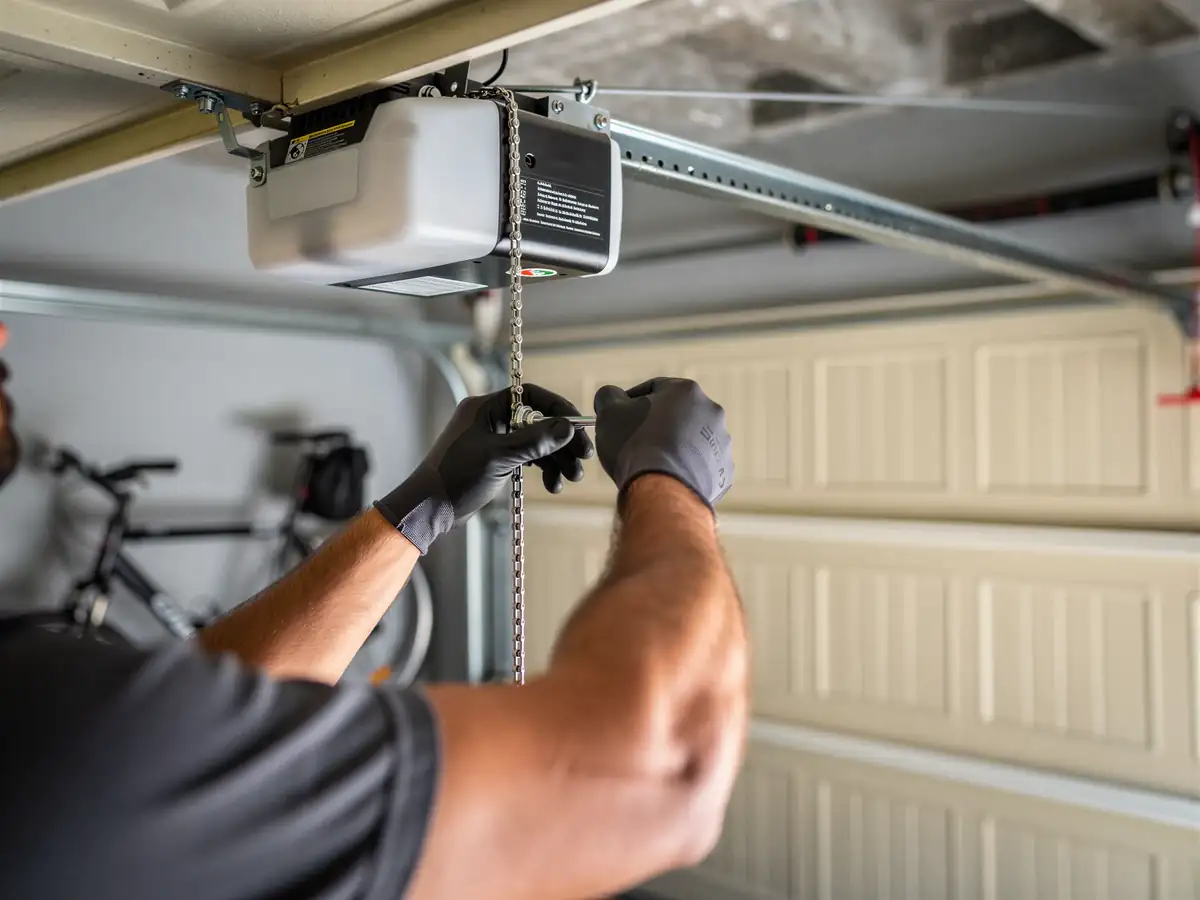
The practical upshot: a repair call on a detached garage from this era is more often a parts-sourcing problem than a labor problem. A repair call on a newer attached garage is more often about the seal and the opener's force settings, since those are the parts that take the daily beating of a door that opens into a heated space.
Season by Season
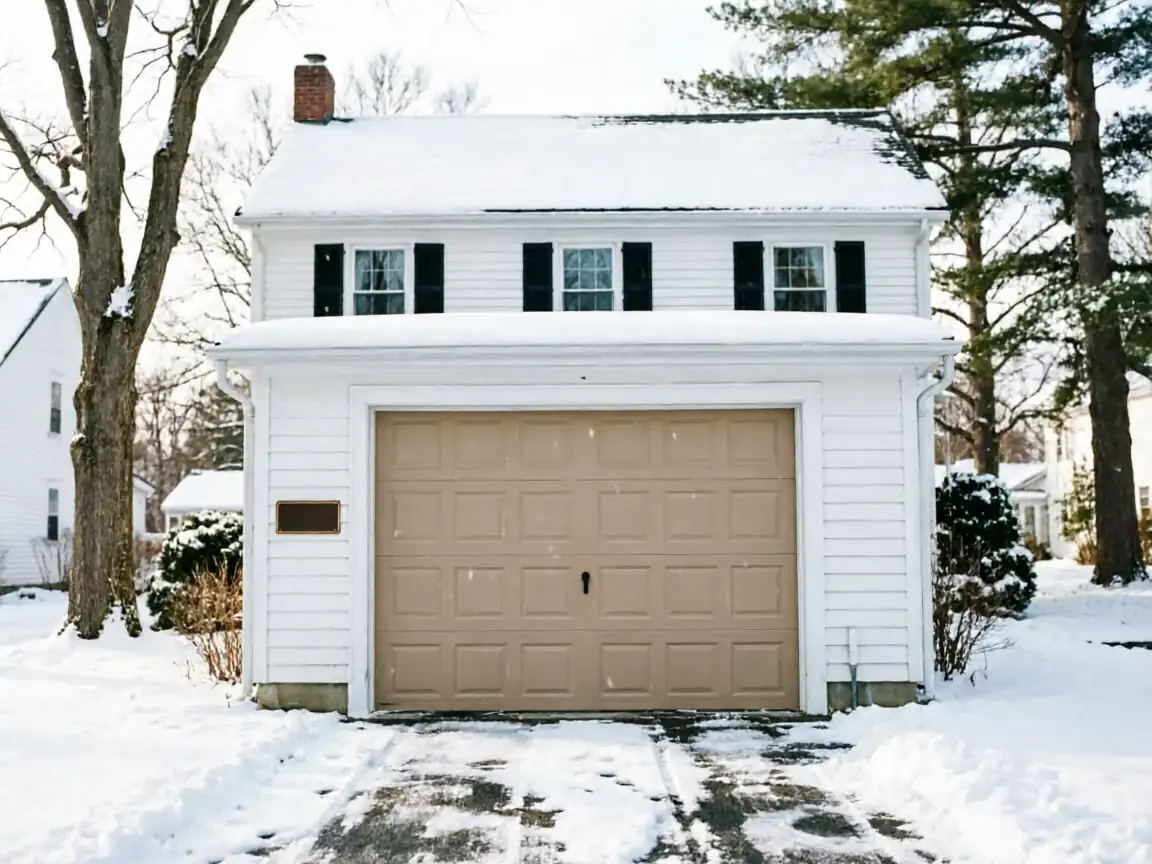
Winter is the season that tells you which kind of garage you have
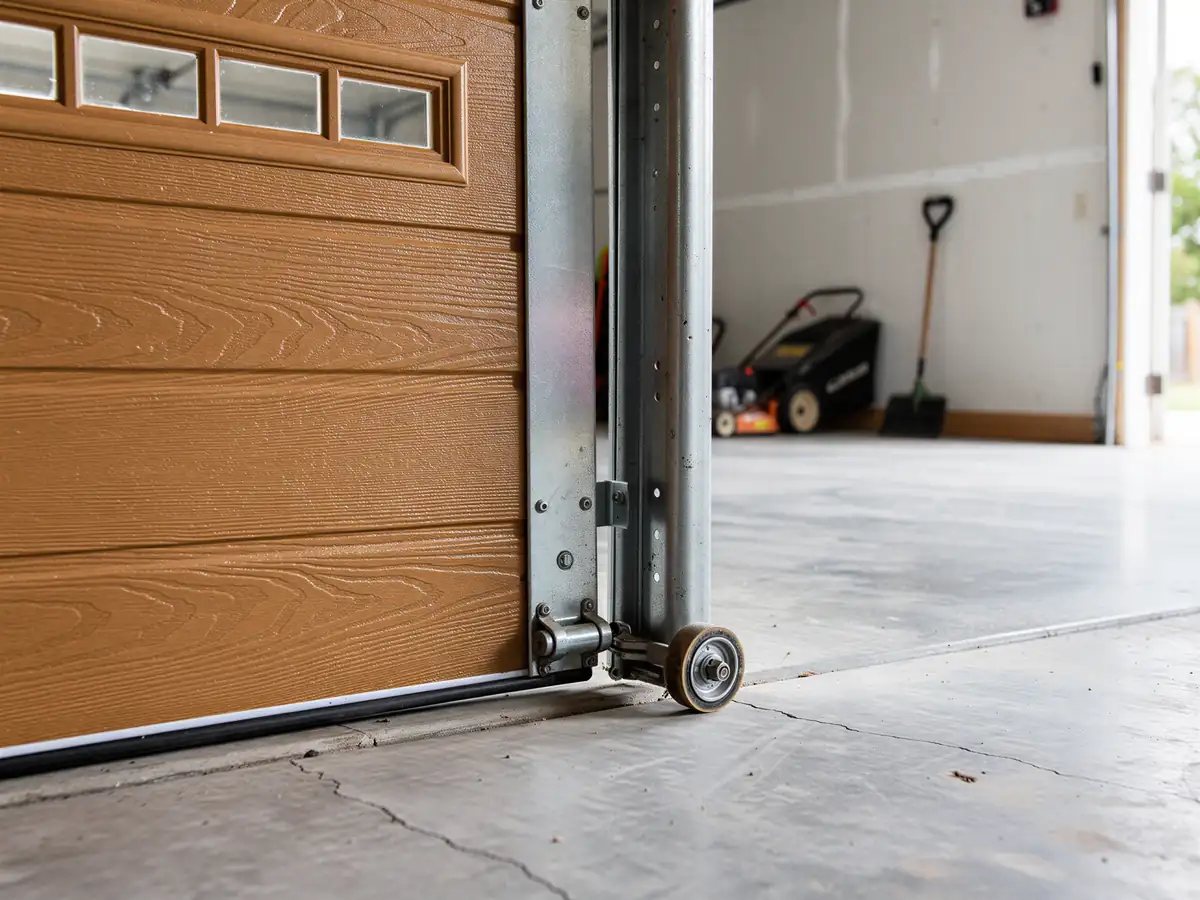
In an attached garage, cold air leaking around a worn bottom seal shows up as a cold wall in the room next door, sometimes a cold floor if there's a bedroom above. In a detached garage, the same worn seal just means a colder garage - but the real issue is the track. Cold makes steel contract, and a track that was slightly out of alignment in July can bind hard in January.
Spring is when frost-heave damage from a detached garage's foundation shows up most clearly
Because the ground has finished moving for the season and whatever got pushed out of square stays that way until someone straightens it.
Summer and fall are lower-stakes for both types
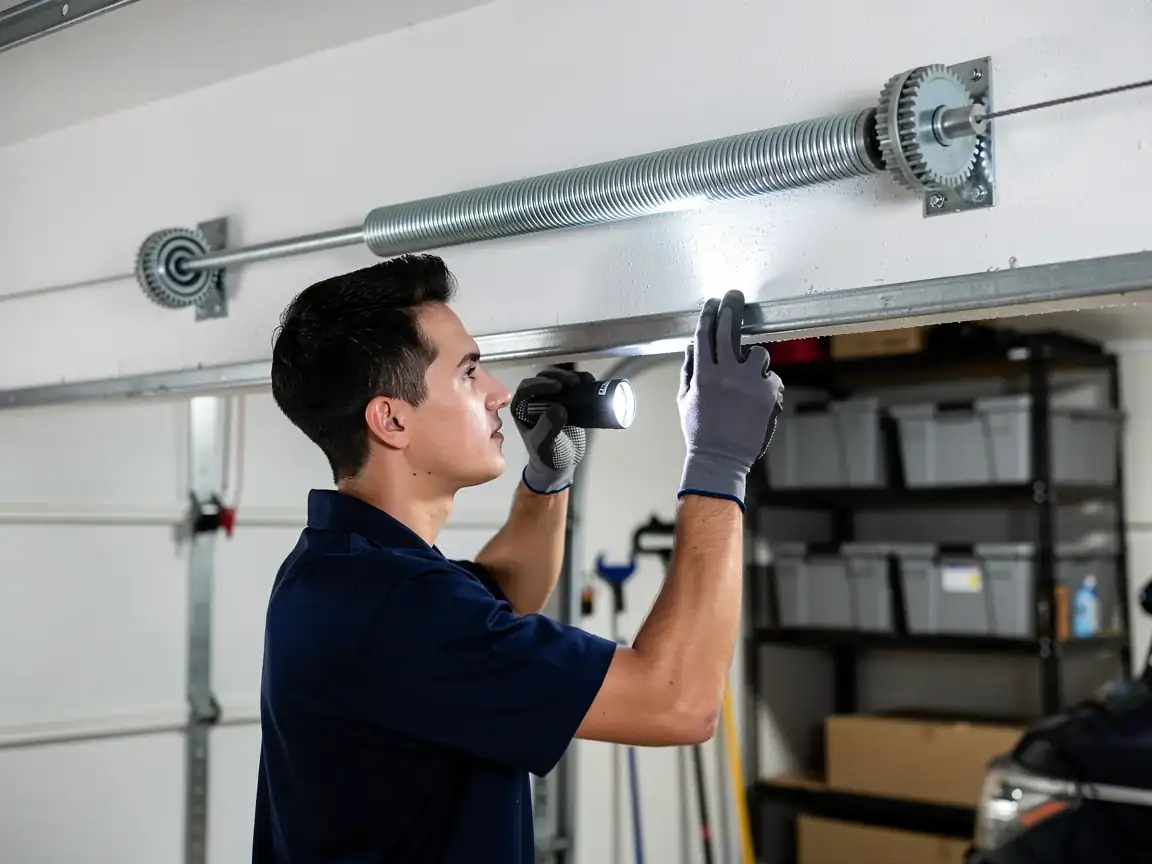
Which is also the easier time to get ahead of a problem before the cold comes back. A spring that's starting to fray or a track bracket that's loosened doesn't announce itself in August, but it will in the first real cold snap.
What You Pay
We don't have a price list to post here, and giving you one without seeing the door would be a guess dressed up as a fact. What we can tell you is what drives the cost up or down, and it has more to do with which kind of garage you have than with the brand of door you pick.
An attached garage door replacement usually costs more than a comparable detached one, because an insulated door with a proper thermal seal costs more than a plain panel door, and in a cold-climate house it's not optional - it's doing real work for the room next to it.
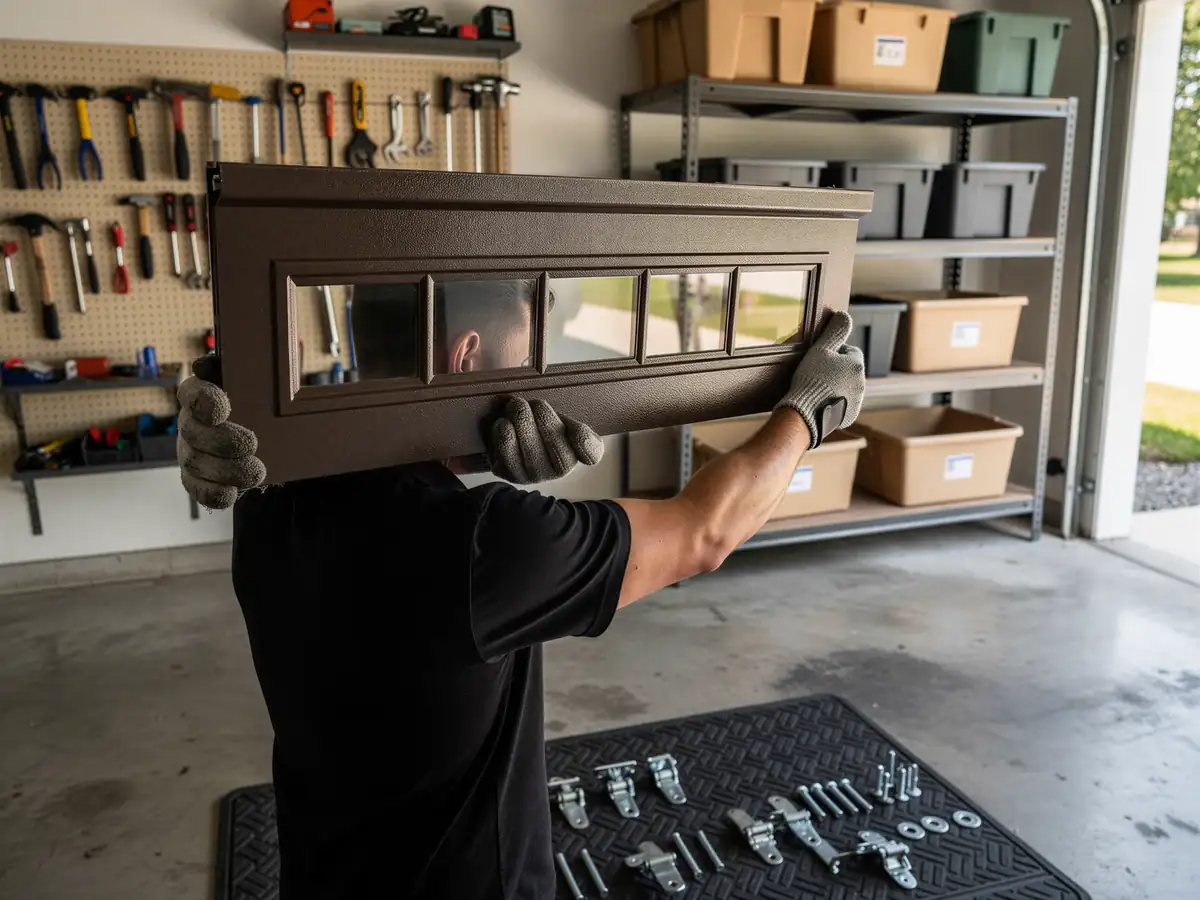
A detached garage repair is often cheaper in parts but can run longer in labor if the frame has racked and needs to be reset before a new door will hang square.
With median household income here at $147,635, most owners can afford to fix a door right rather than patch it twice, which is usually the better math anyway once you count a second service call. Where we're honest with people: if a detached garage's frame is badly out of square, sometimes rebuilding the opening costs more than the door itself, and that's a conversation worth having before we order parts.