What Local Conditions Do
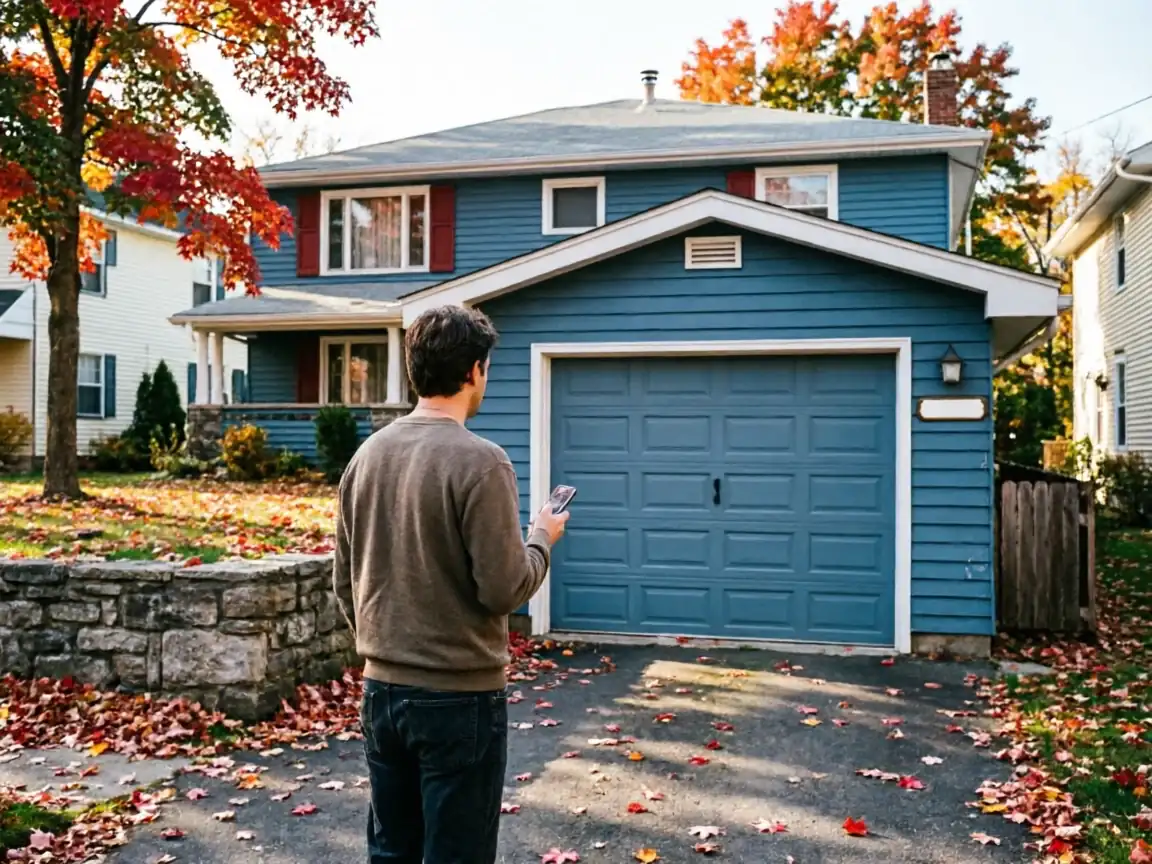
Hudson is the point we measure everything from - it sits at zero miles on our own map, with Berlin, Stow, and Bolton each about four miles out and Maynard around six. That matters for a service call because it tells you what era of door we're walking up to before we even ring the bell. Most houses in this part of Hudson went up between 1938 and 1993, with the typical build year sitting around 1969. That one number explains more about a service call than almost anything else: a door and track system from the late 60s was built for a different set of hardware standards than what ships today. Original jamb brackets, odd-width tracks, and extension springs sized for a lighter door are common on this side of town. A service call here starts with figuring out whether the opening itself still matches the hardware bolted to it, because on a lot of these houses it doesn't anymore. That's before we even talk about what's broken. Across the 69,298 owner-occupied houses in the service area, most garage doors are original to a build era before steel rollers and sealed bearings were standard equipment, which changes what we check first and what we expect to find loose, worn, or simply absent.
What Is Going On
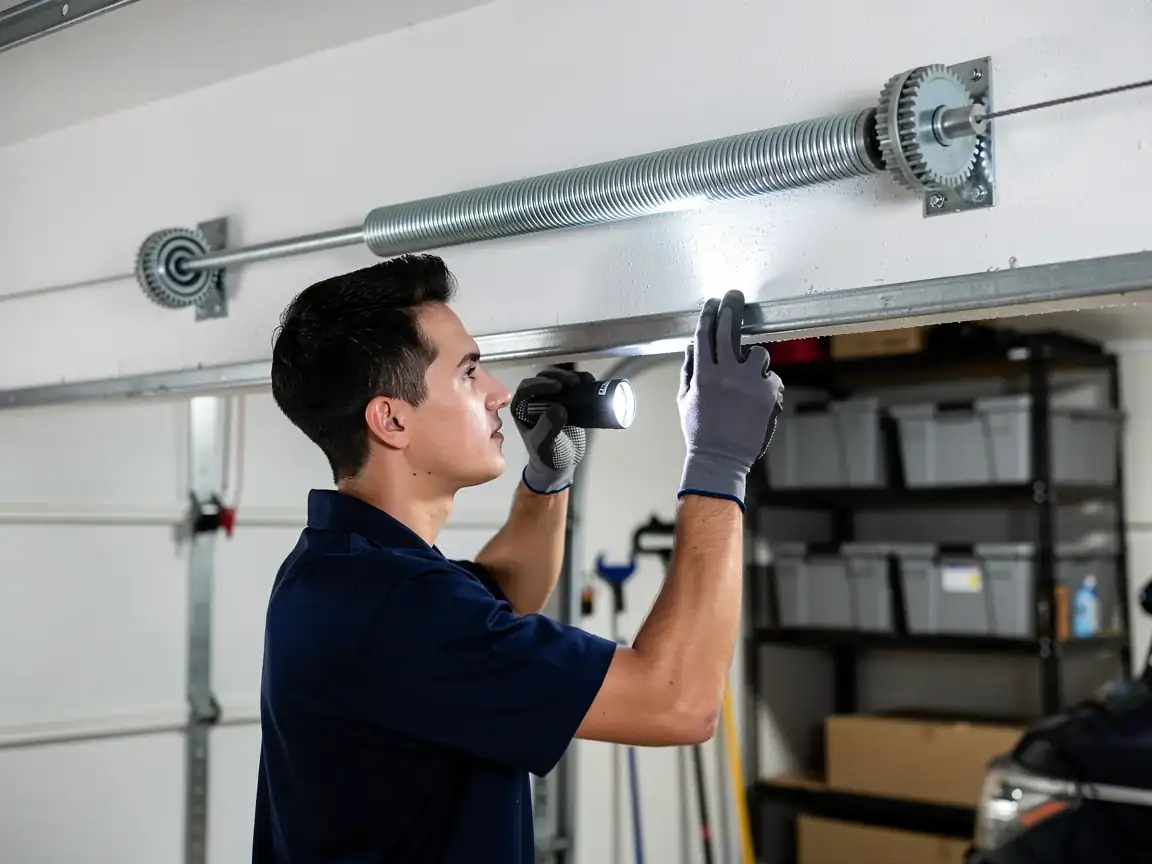
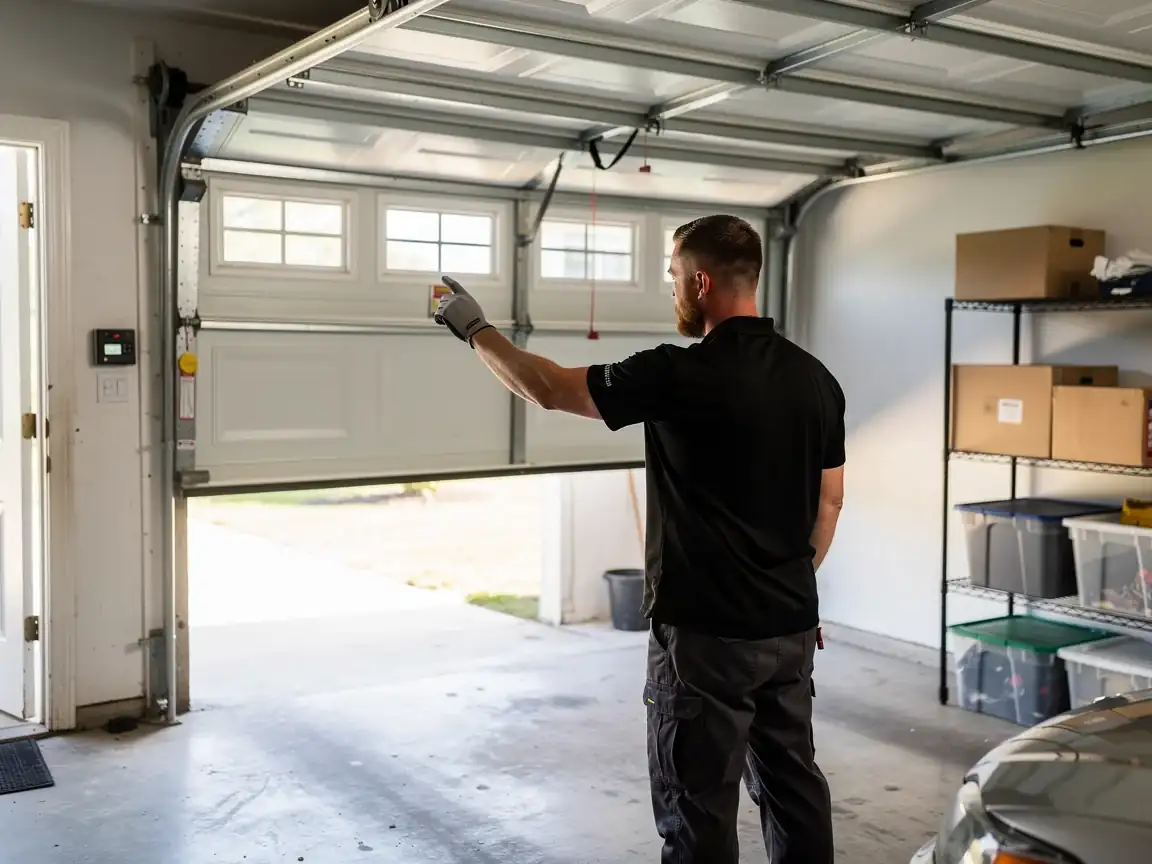
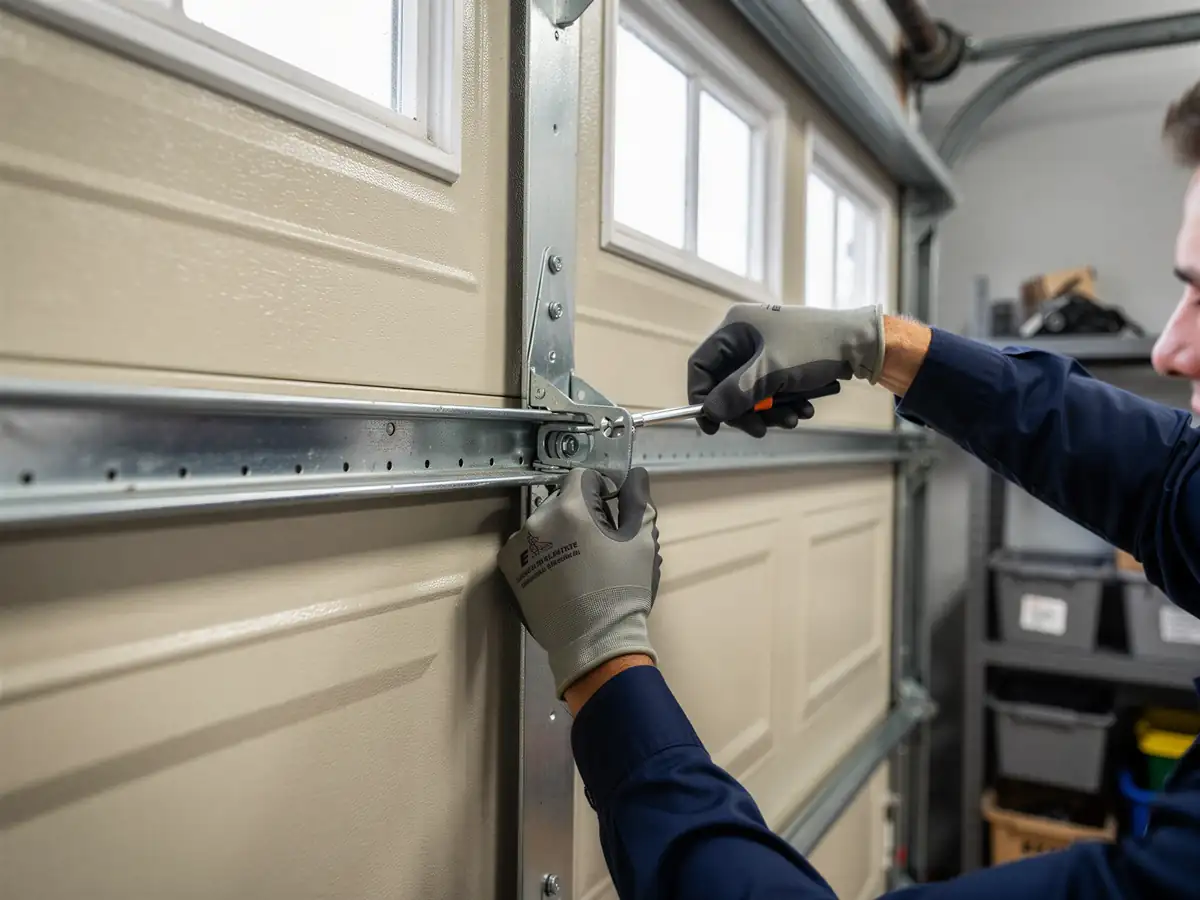
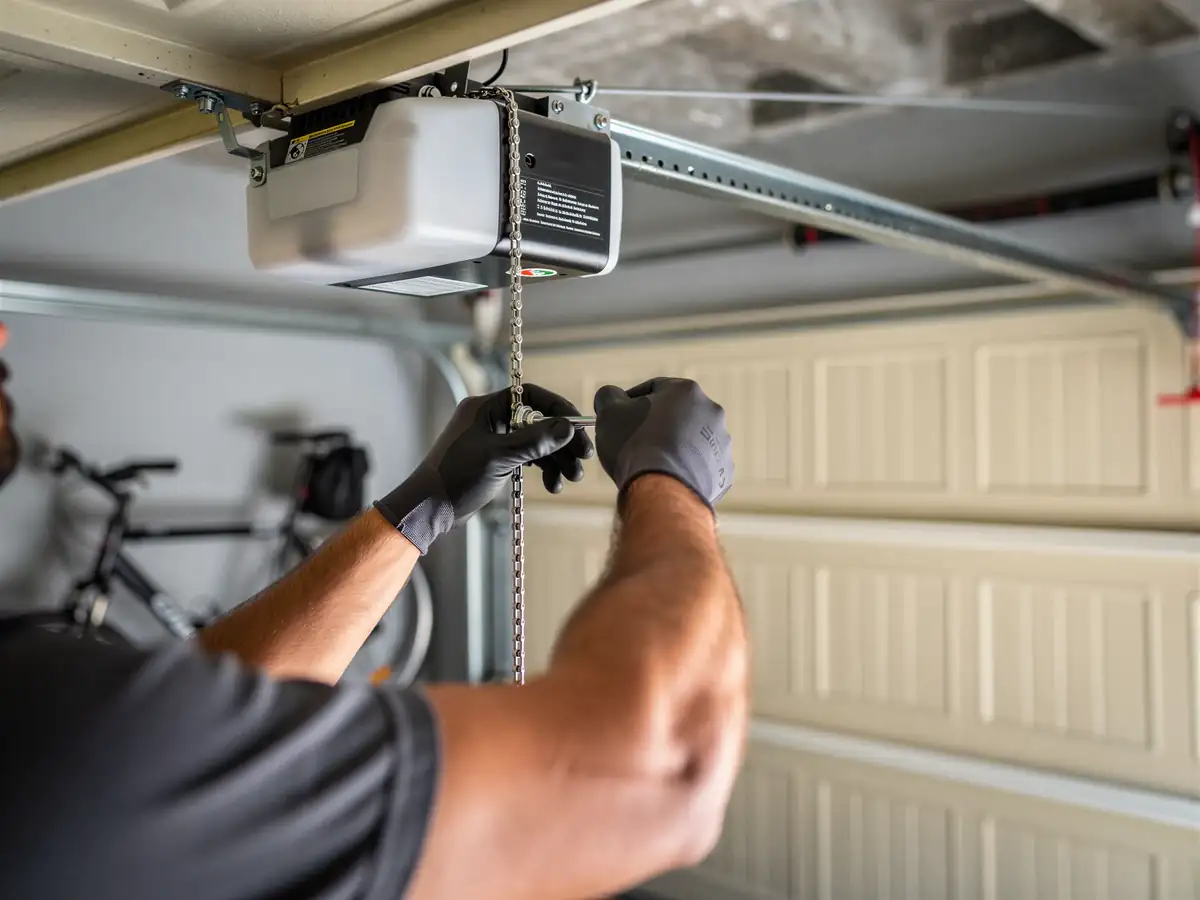
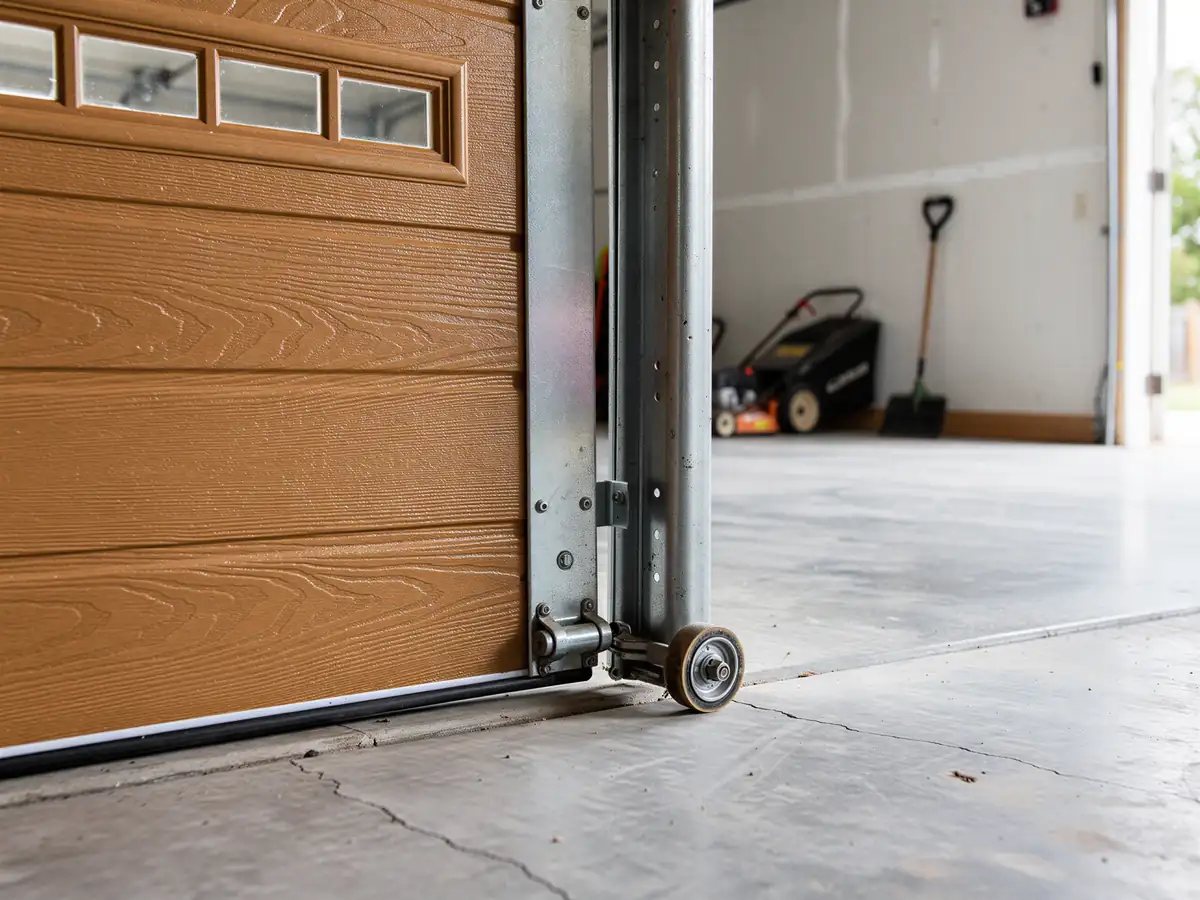
On a typical call we're looking at one of three things: a spring that's lost tension, an opener that's lost timing, or a track that's lost alignment. On the older housing stock common here, springs installed decades ago are often the wrong gauge for the door that's been swapped onto the frame since - a heavier insulated door hung on a torsion spring sized for the original lightweight panel. That mismatch shows up as a door that's hard to lift by hand or one that slams down instead of settling. We also see a fair number of jamb brackets pulled loose from framing that's shifted slightly over fifty-plus years, which throws the whole track out of square even though nothing visibly looks broken. A service call means checking balance, checking cable wear, checking the bottom bracket, and checking whether the opener's force setting has been cranked up over the years to compensate for a door that's actually out of balance rather than fixing the real problem. We don't replace a part because it's old. We replace it because it's failing, and we'll tell you plainly when a repair isn't worth it against buying a new door outright.
What You Pay
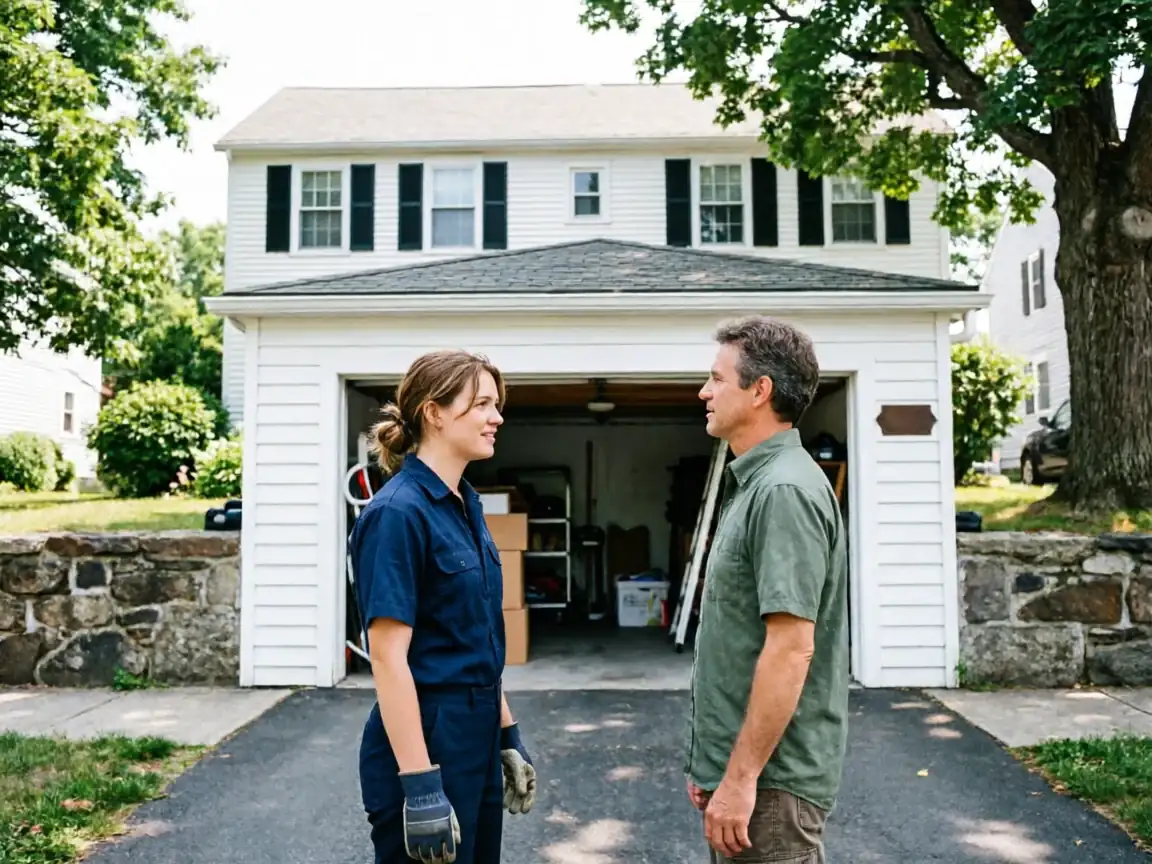
We're not going to quote a number here that doesn't hold up once a tech is standing in your garage, because what you pay depends on what's actually wrong and what parts the job needs. A worn roller is a different job than a torsion spring sized wrong for a door that was swapped out ten years after the house was built. With median household income across the service area at $147,635, most owners here lean toward replacing a door outright rather than patching a forty-year-old torsion system a second or third time, and that's a conversation we have honestly on site rather than over the phone. What we can tell you is what drives the number: parts availability for older or odd-sized hardware, whether the job is a repair or a full replacement, and whether we're correcting one fault or several that have been compounding for years. The one honest limitation: if your door needs a part that isn't a stock size, lead time on that part affects the schedule more than it affects the price, and we'll say so up front instead of guessing.