How It Shows Up
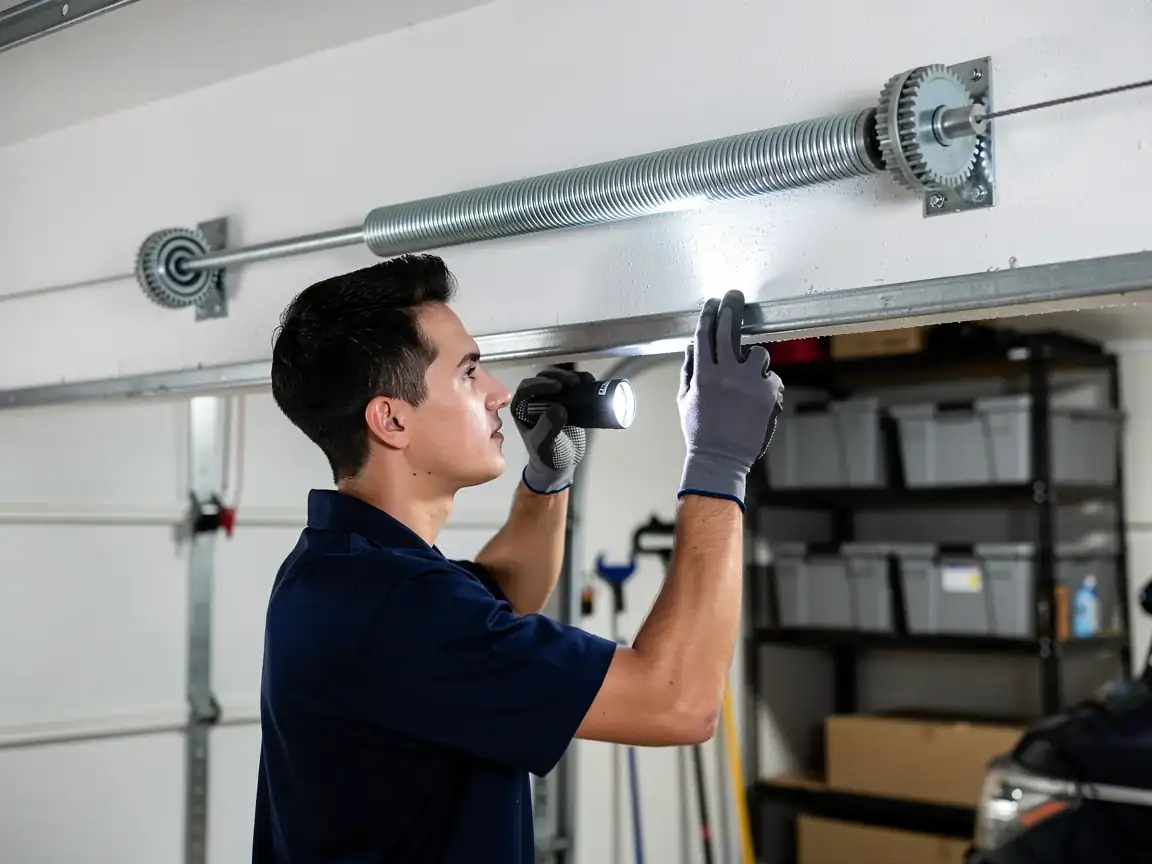
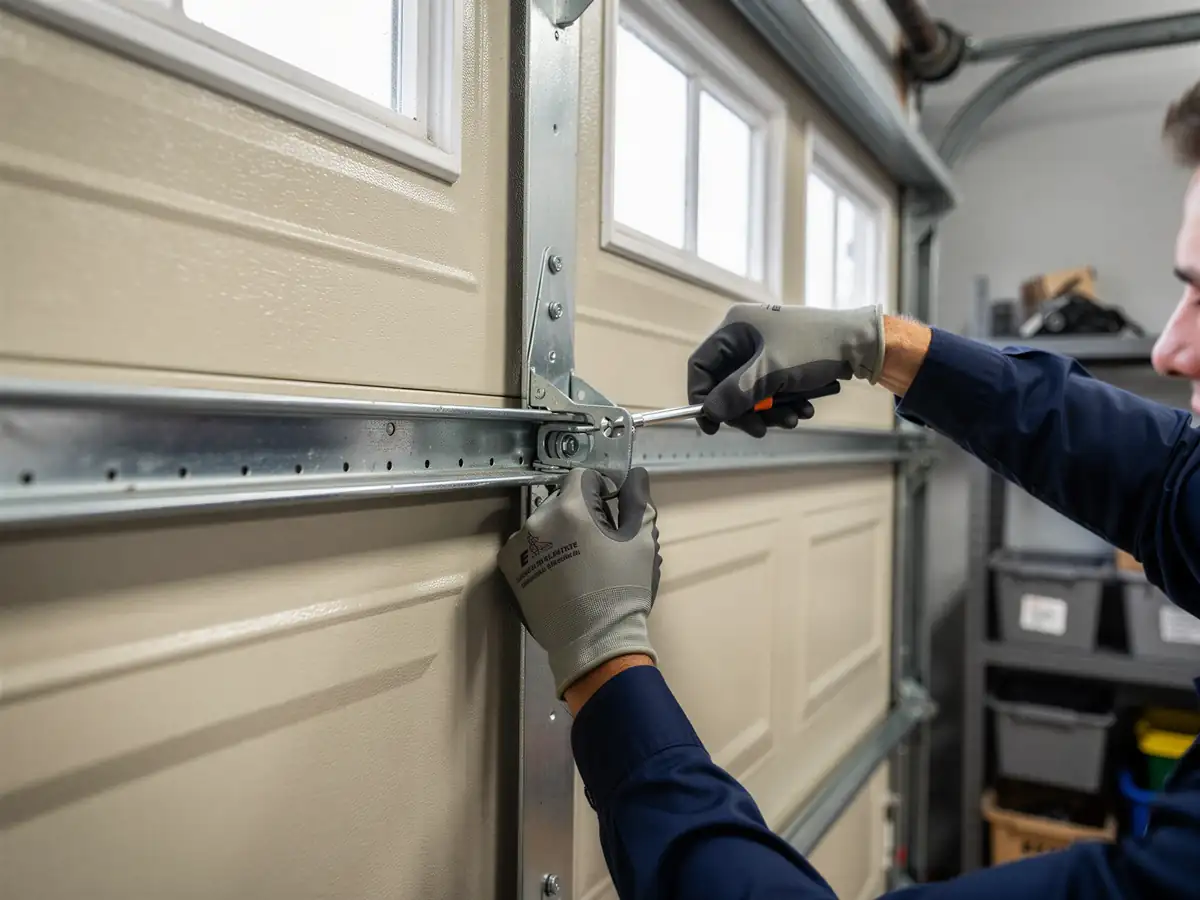
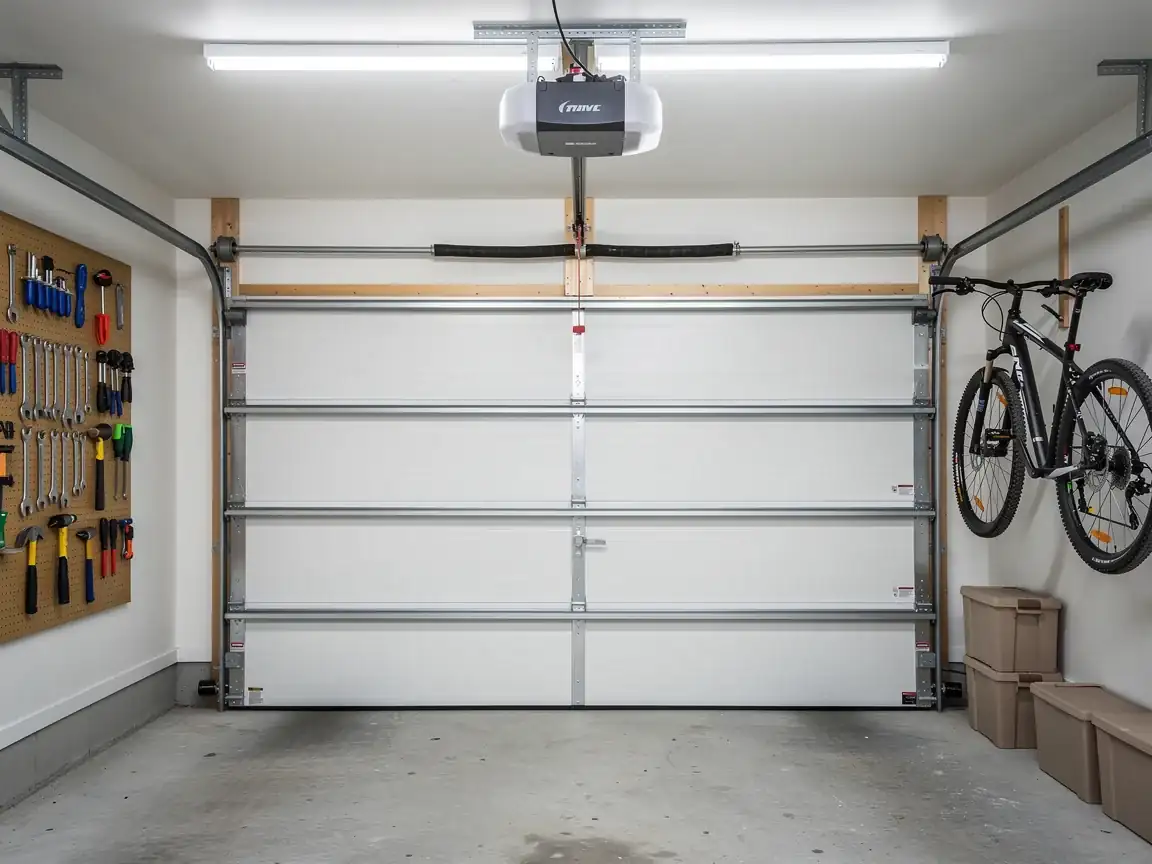
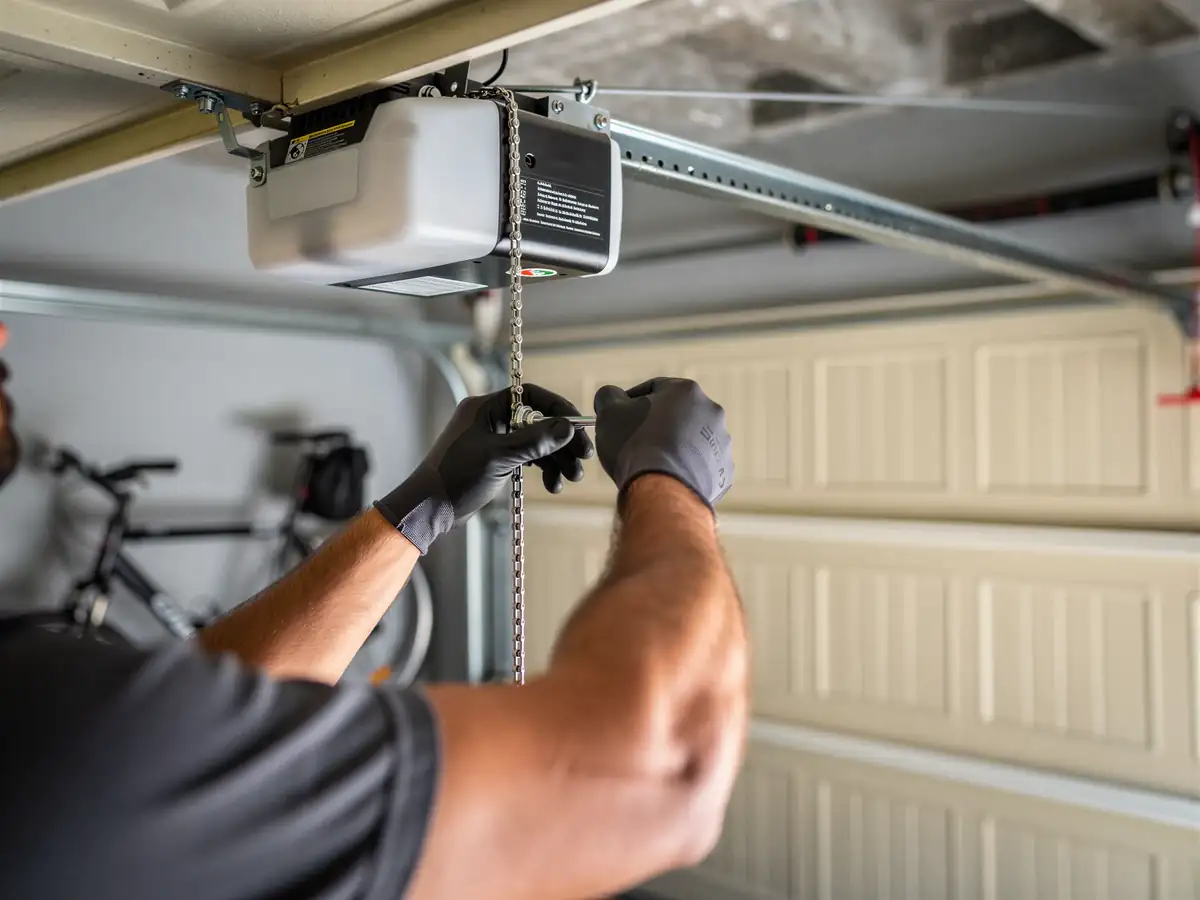
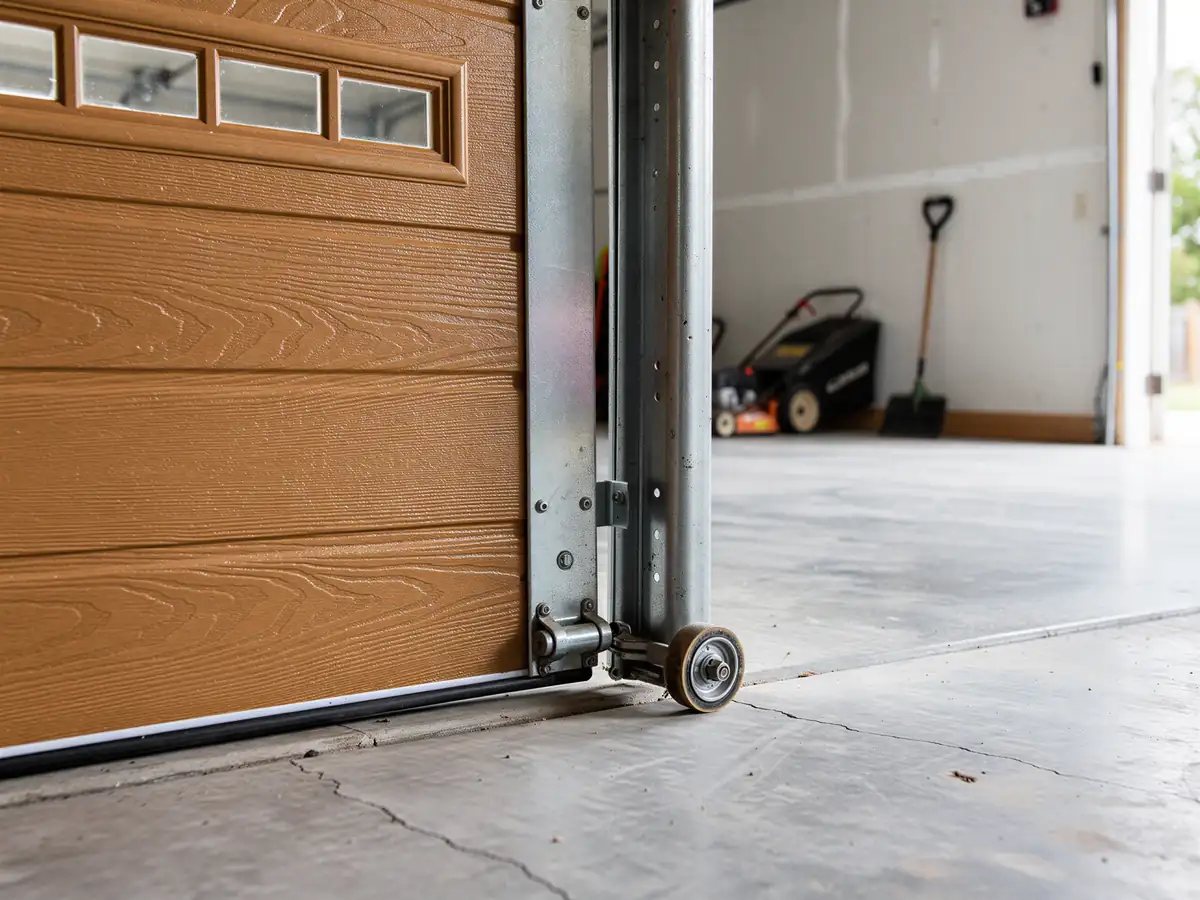
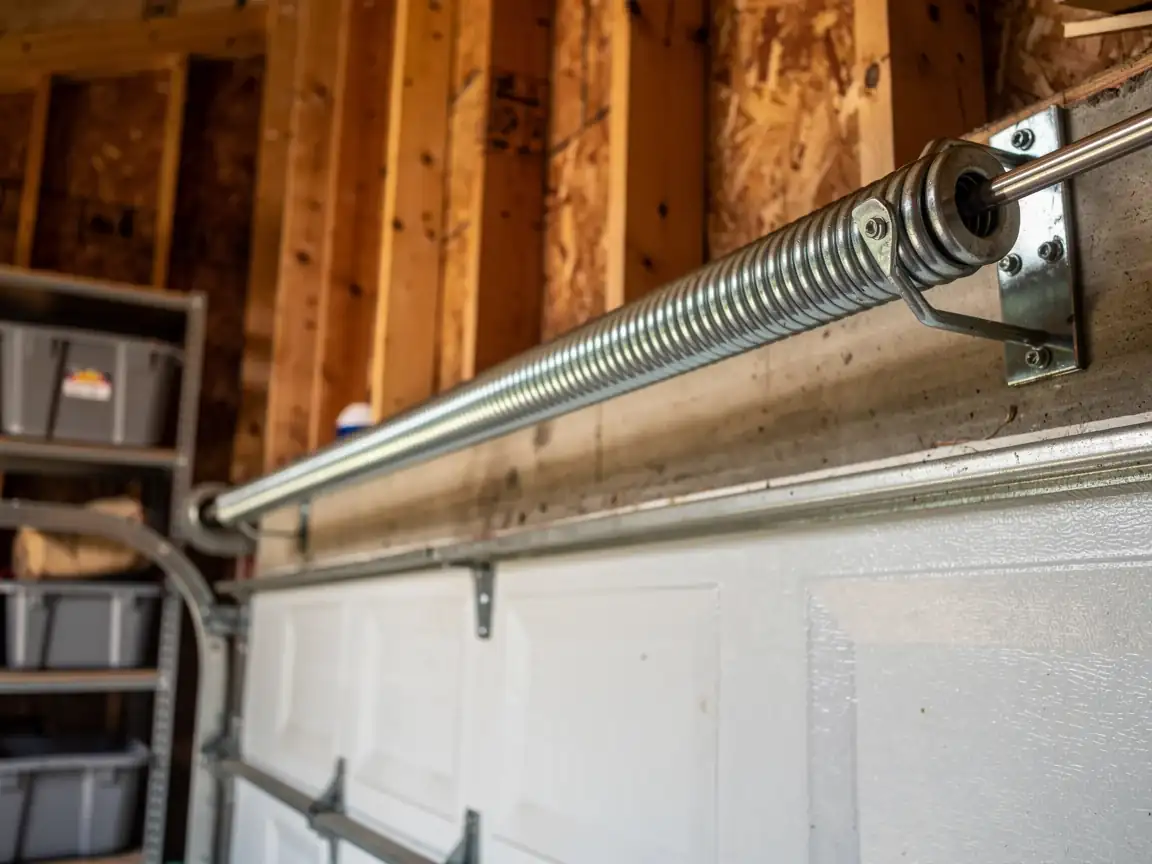
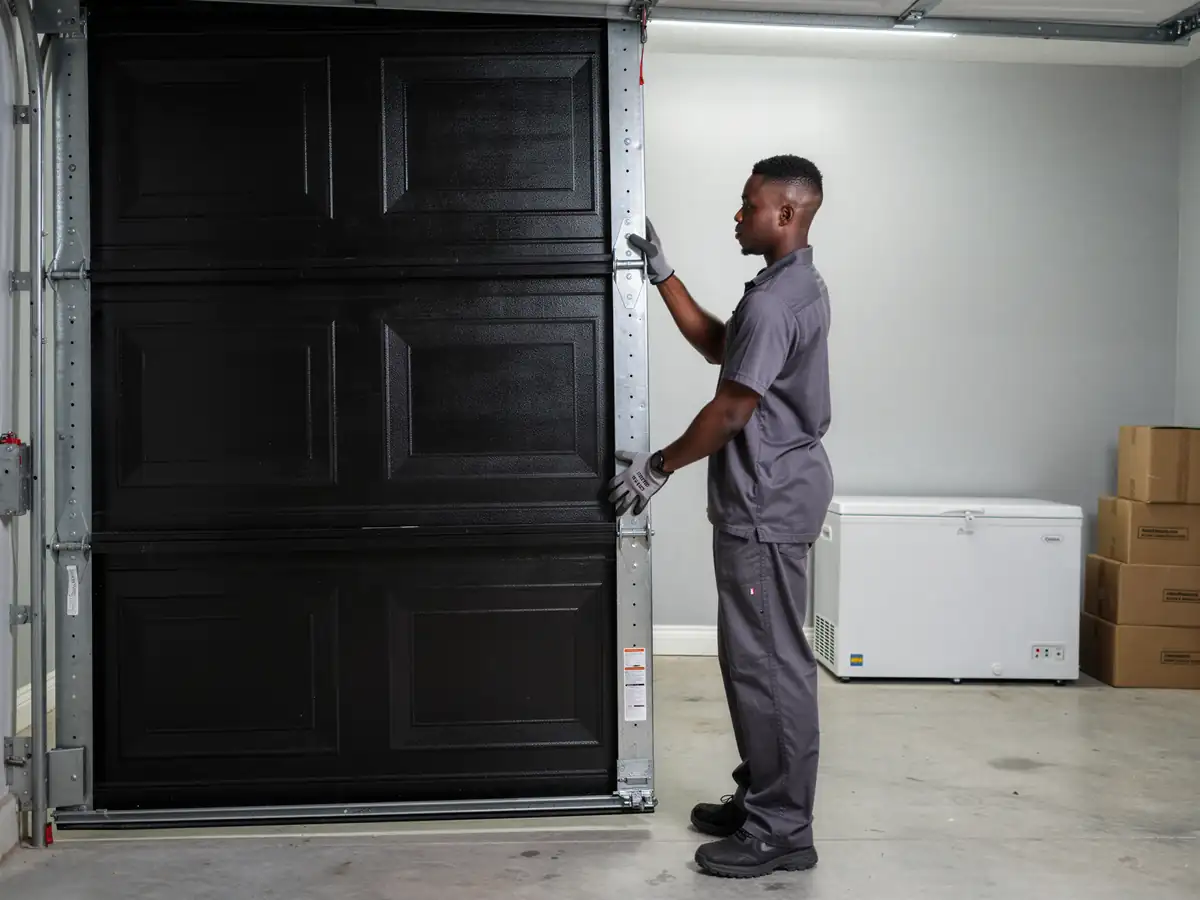
Most of the trouble we get called out for doesn't start as a broken door. It starts as a noise. A torsion spring that's lost its temper from twenty winters of cold-to-hot cycling makes a flat clunk on the way down instead of a smooth roll. Rollers on a steel track that's never been lubricated start to chatter, especially on doors installed when the house was built - and across this area that's typically somewhere between 1938 and 1993, with most stock dating to the 1960s and 70s. Openers from that era, or openers bolted onto original hardware, don't have the safety reversal sensitivity that current units do, so a door that drifts half an inch off-level on one side can bind the opener's gears before anyone notices. None of this fails all at once. It fails one dry bearing, one stretched cable, one loose fastener at a time, and a maintenance visit is where we catch it before it turns into a 2 AM call with the car stuck inside. We're not trying to sell you new parts every visit - most of what we find is a tightening, a lube, and a balance check, not a replacement.
How to Book
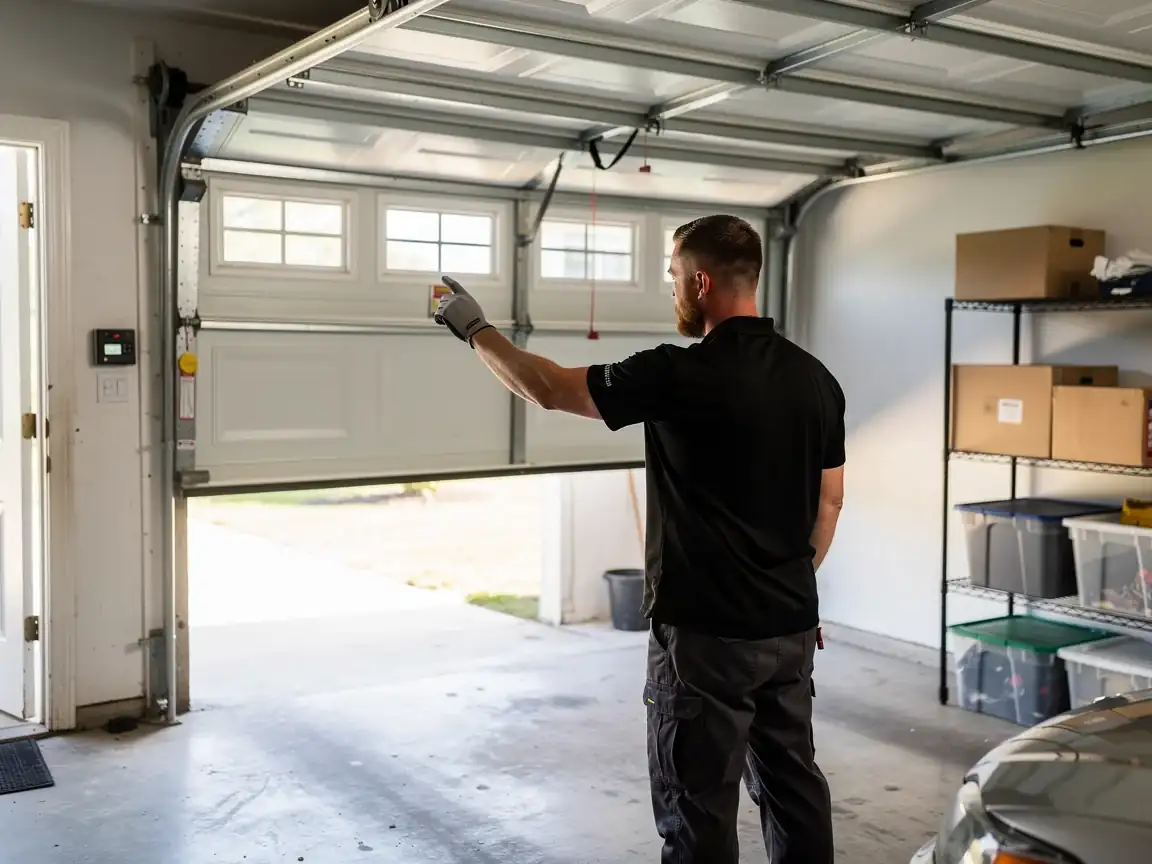
Call or request a visit through the site and tell us roughly how old your door and opener are and whether you've noticed anything specific - a grinding sound, a door that reverses on its own, a remote that's gotten unreliable. That lets us bring the right springs and rollers on the truck instead of guessing. We schedule maintenance visits separately from emergency repairs, so a tune-up call doesn't get bumped behind someone whose door won't open at all. If you're not sure whether your door needs a repair or just a service, describe what it's doing when you call and we'll tell you honestly which one it is before we show up. You can start that conversation from our home page.
What Causes It Around Here
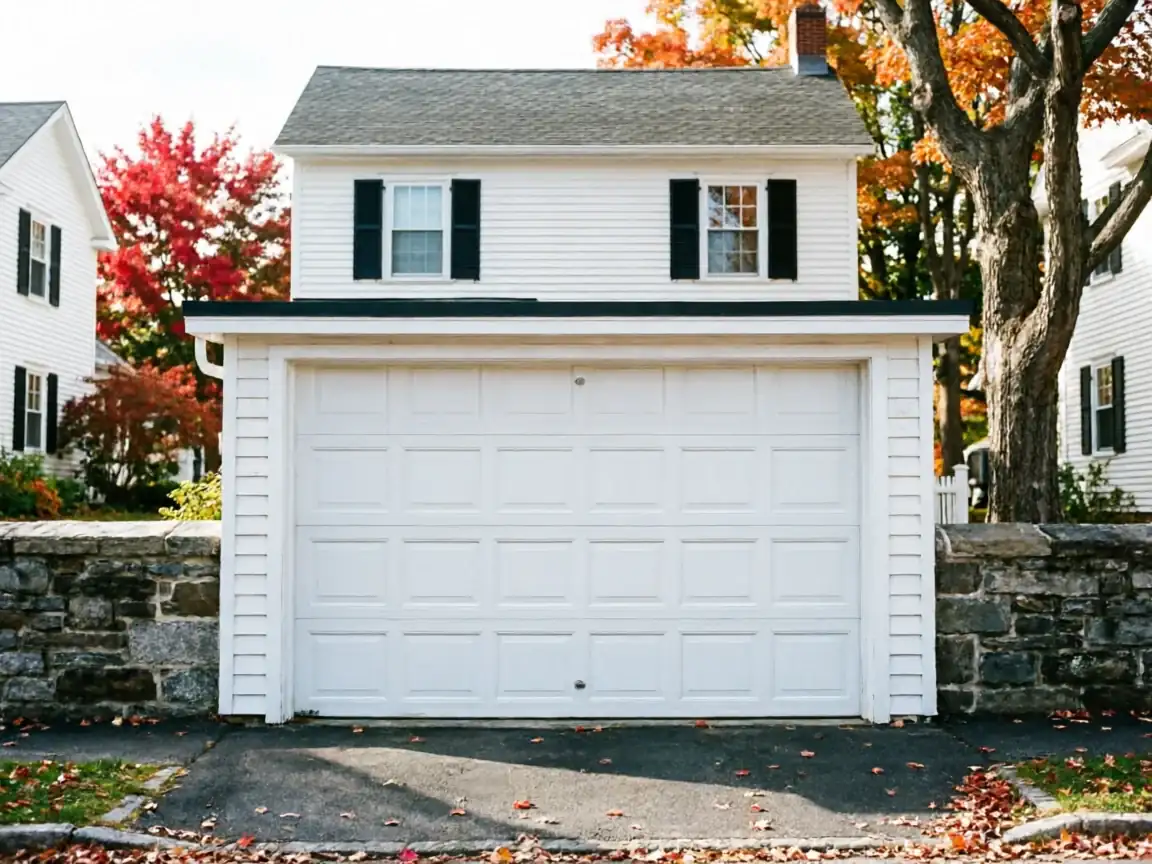
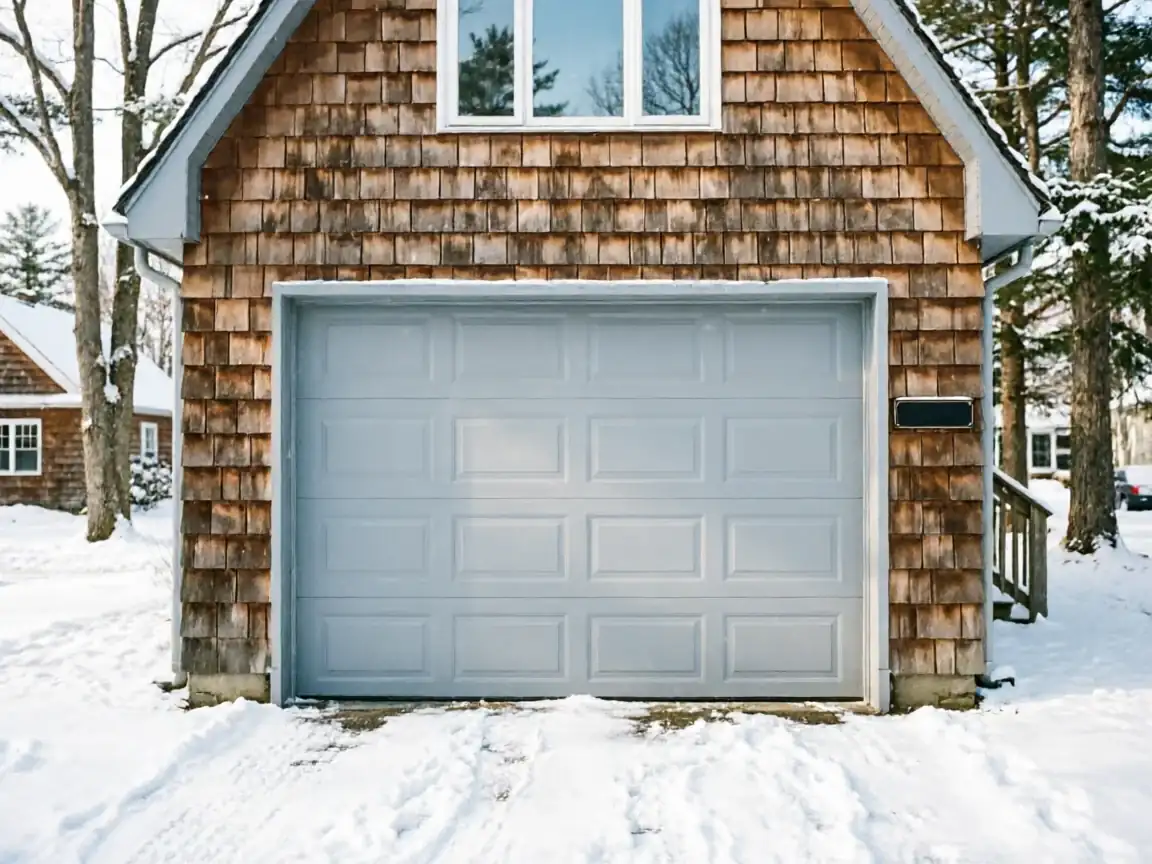
This isn't a generic wear-and-tear story - it's specific to what's on the ground here. Housing across this service area runs from 1938 to 1993, median build year 1969, which means a lot of doors are still on the original torsion hardware the house came with, sized for a lighter door than what's sold today. Add a severe cold climate band and you get steel springs and cables that contract hard every winter, loosening set screws and stiffening lubricant that was never rated for single-digit mornings. A door that operates fine in October can bind or drop unevenly by January simply because the metal shrank and the grease thickened. With 69,298 owner-occupied houses across the area carrying that same mix of older hardware and harsh winters, this isn't a one-house problem - it's the pattern we see on repeat, which is exactly why seasonal maintenance matters more here than in a newer, milder-climate subdivision.