What Local Conditions Do
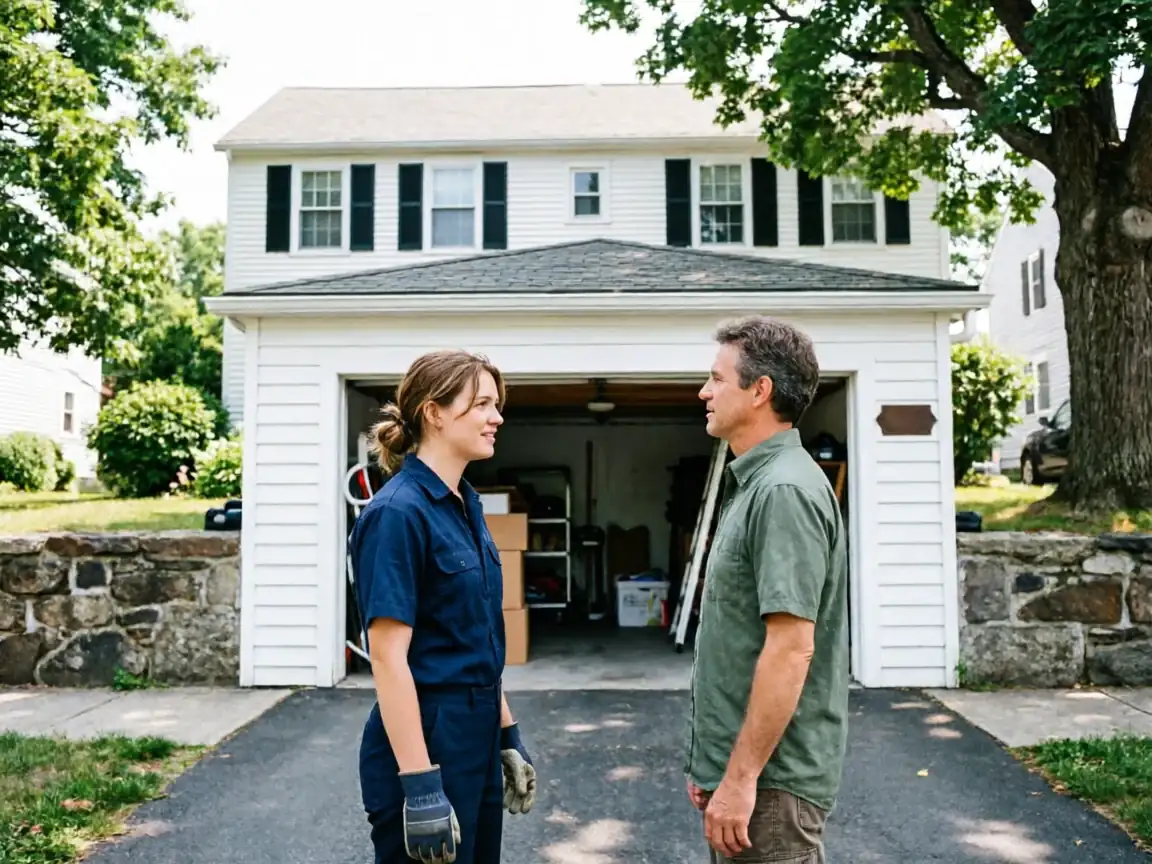
Hudson sits close to the middle of a cluster of towns we work - Berlin, Stow, and Bolton are each about four miles out, Maynard six, Southborough and Boxborough seven. Across that service area there are 69,298 owner-occupied houses and a median household income of $147,635, which matters because it tells you something about what kind of door is on the house: a lot of these are original units, not cheap builder-grade replacements swapped in during a flip. The climate band here is rated cold-severe. That's not a marketing phrase - it means the steel in your spring and the grease in your rollers both see real swings between a January morning and a July afternoon, and that swing is what makes old hardware start talking to you. A door that's quiet in October and groaning in December isn't failing randomly. It's doing what cold-severe metal does when it's forty, fifty, sixty years old.
What Is Going On
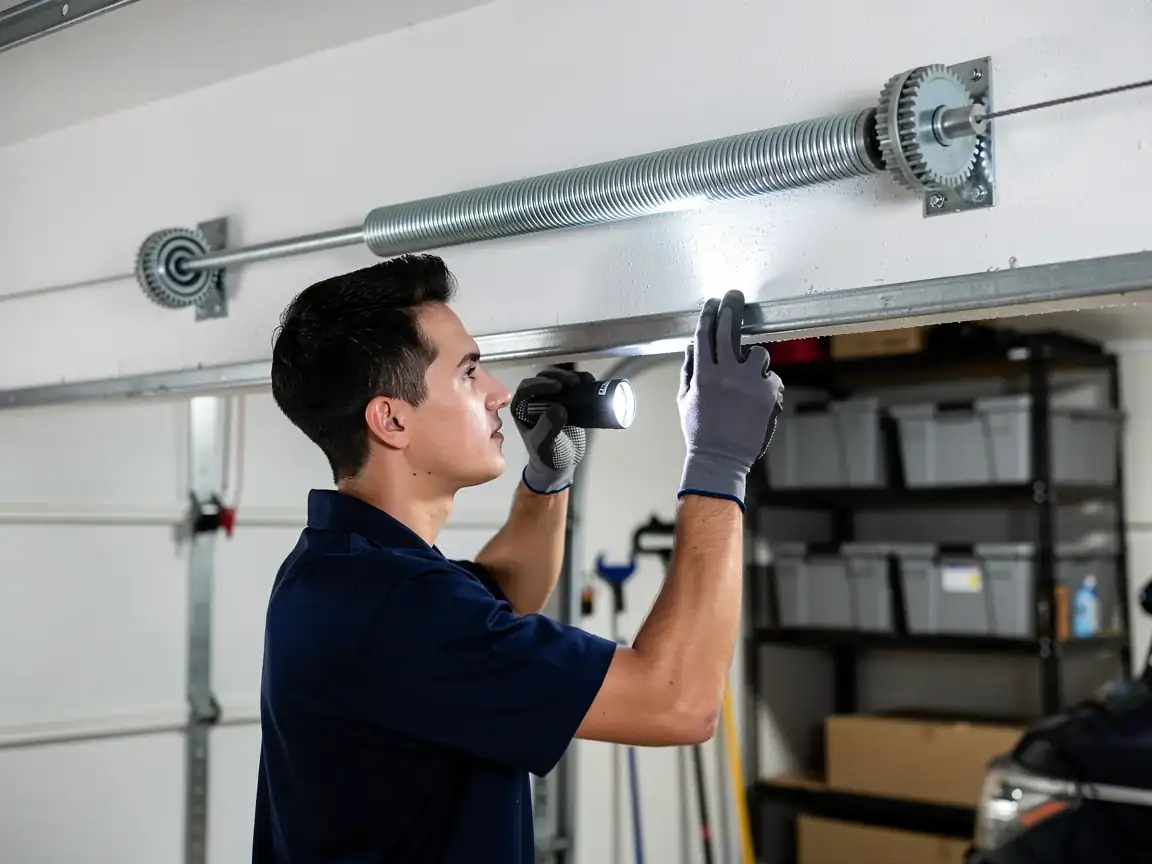
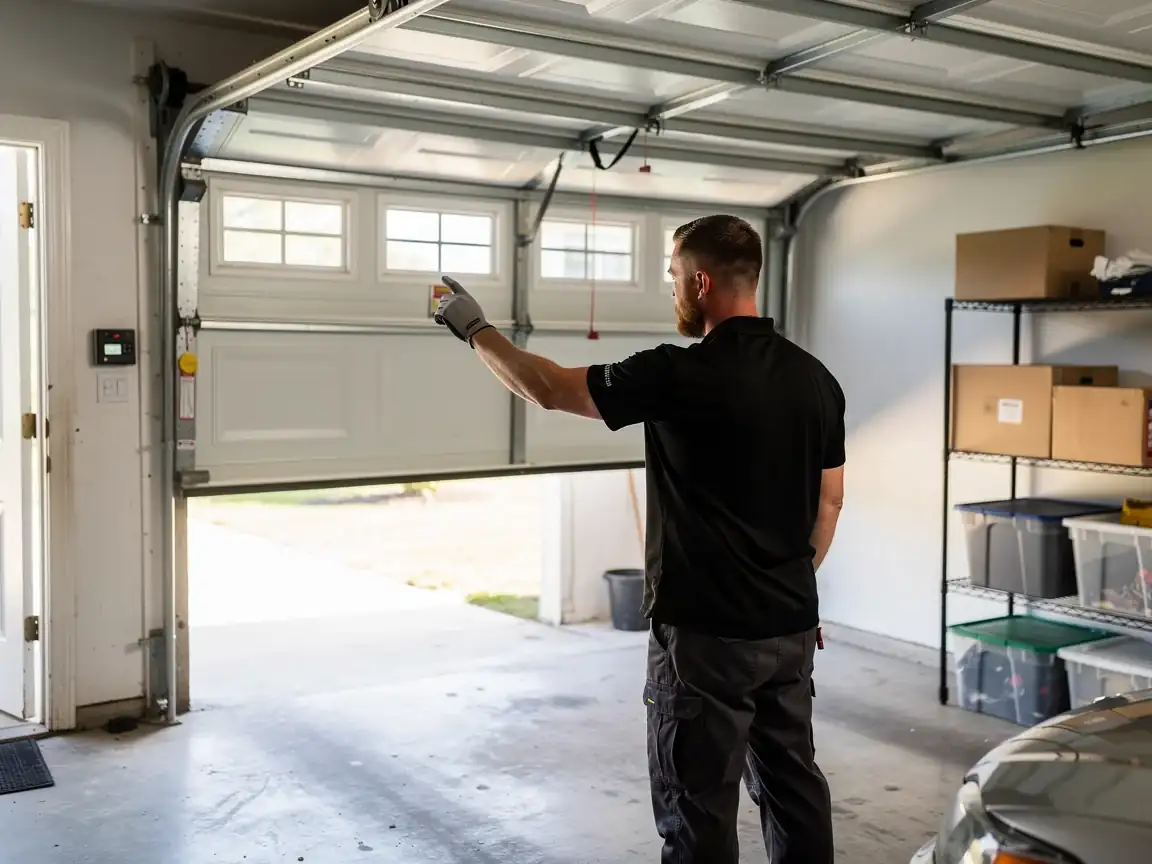
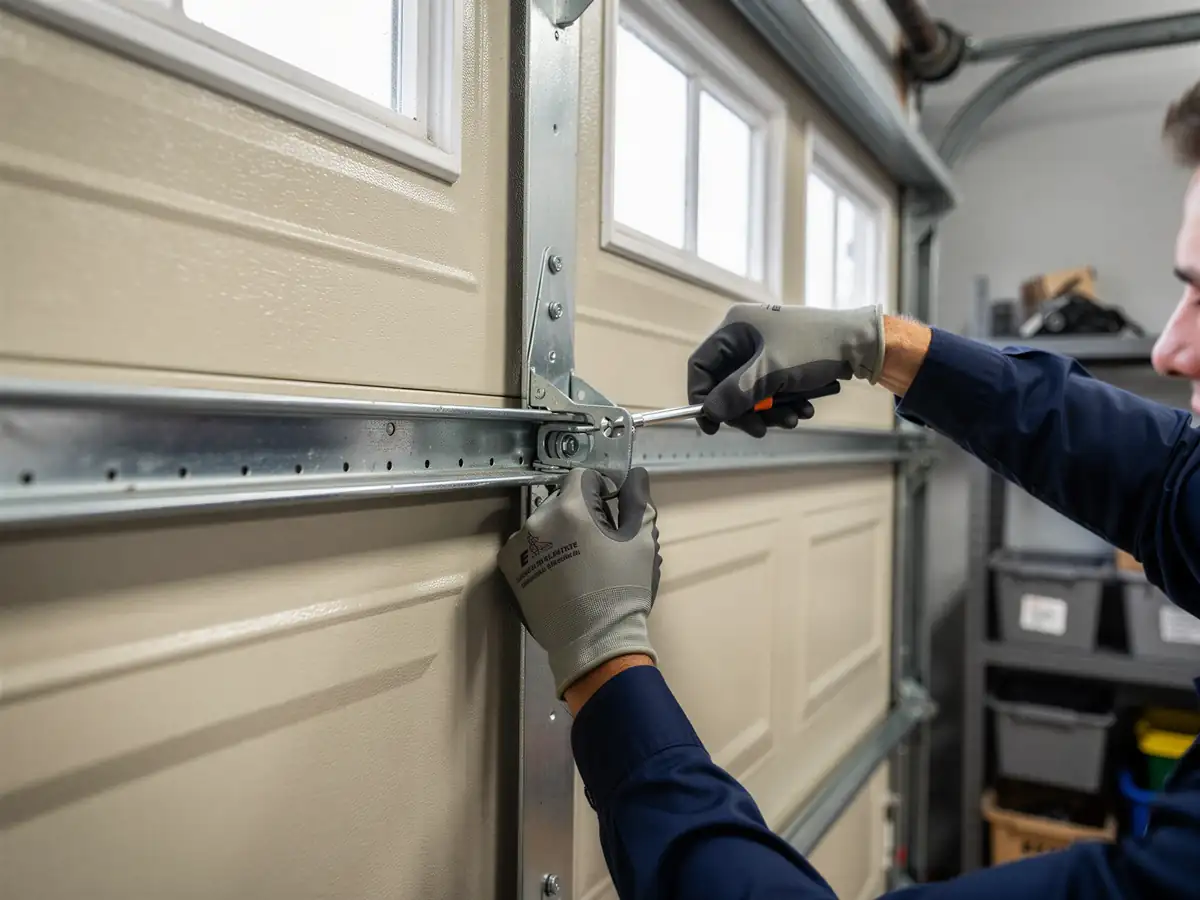
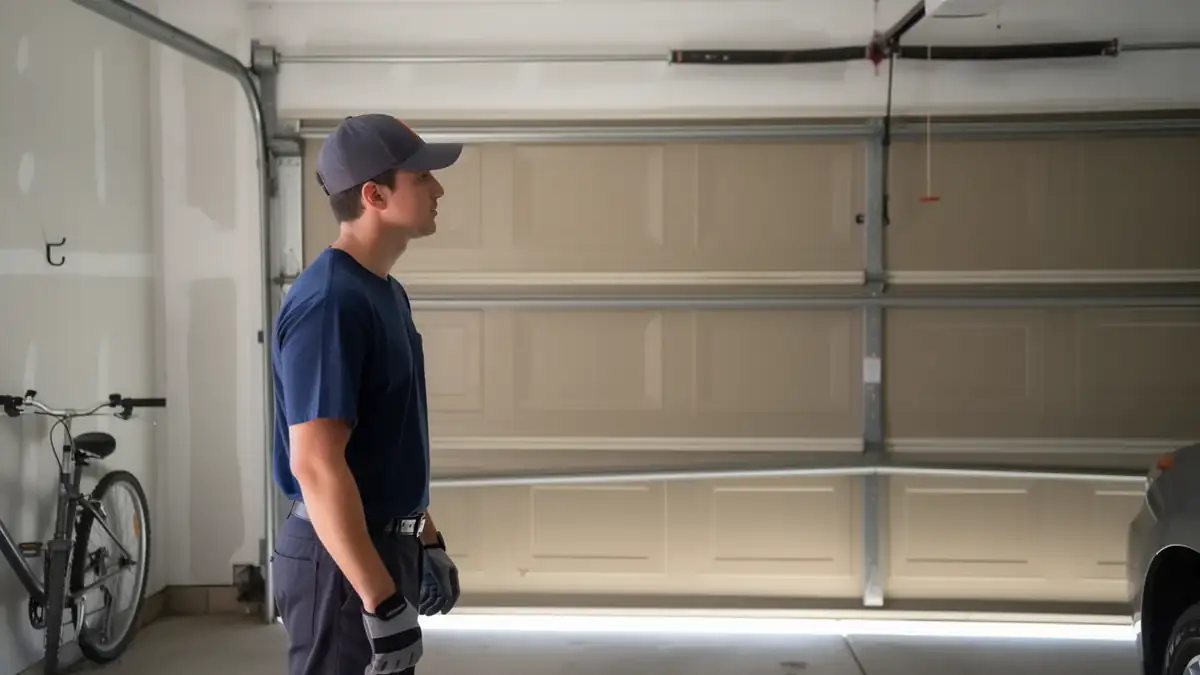
Housing stock across this area was built mostly between 1938 and 1993, with the median landing in 1969, and a lot of it clustered in that 1960s-70s boom. That era put a specific kind of hardware on a specific kind of door: single torsion spring on a steel track, roller bearings with no seal, cable drums that were never rated for forty more years of use. The squeal you hear on the way up is usually a dry roller bearing - original parts, no lubrication built to last this long. A grinding sound low in the cycle is often a track that's shifted slightly out of parallel, common once a slab this old has settled. A loud bang followed by the door refusing to move is almost always the torsion spring itself going, and on a door this age that spring has likely never been replaced. None of these are mysterious once you know the house's age. They're just what original hardware sounds like when it's finally worn through.
What You Pay
We don't have a price list to hand you here, and giving you a made-up number would do you no favors - a torsion spring job and a full door replacement aren't in the same ballpark, and which one you need depends on what's actually making the noise. What we can tell you honestly: on houses from the 1938-1993 stock that's common around here, original hardware is often not something we can special-order off a shelf. Some of these doors carry spring sizes and track profiles that newer kits don't match exactly, which can mean a short wait on parts rather than a same-day fix. That's the one limitation worth saying plainly - we'd rather tell you a part is a few days out than force a mismatched spring onto an old track and have it fail again in six months. If the door is original and past 1990s vintage, replacement sometimes makes more sense than chasing parts for a door that's going to keep needing them.