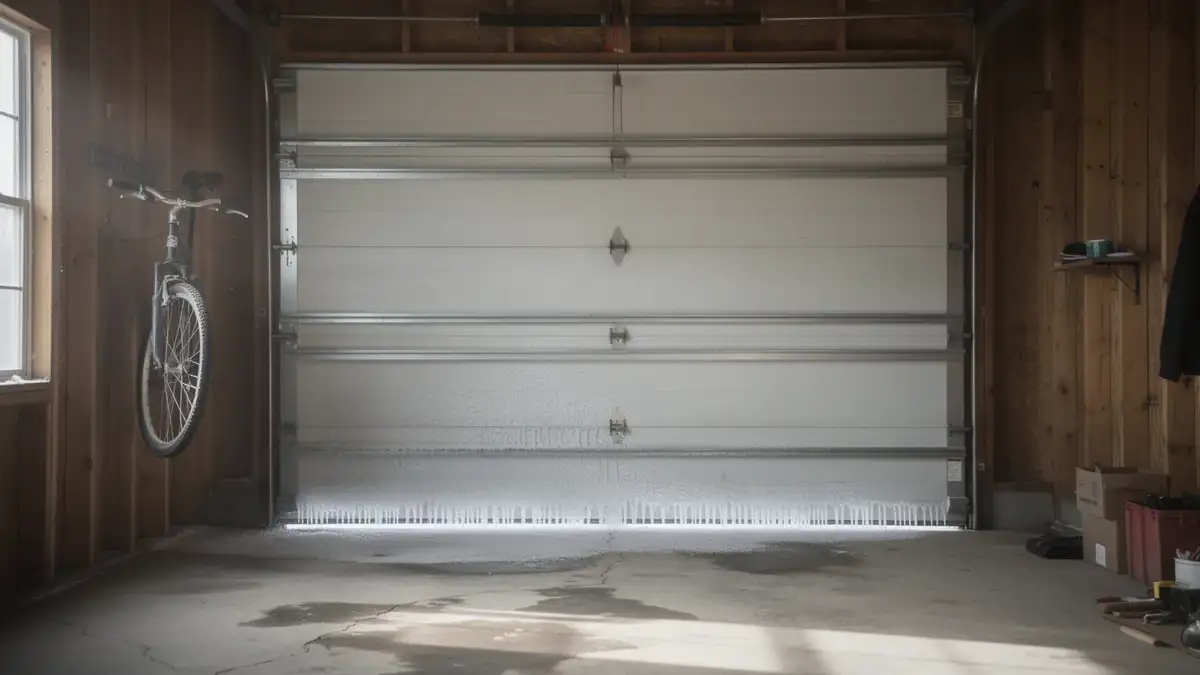
What Local Conditions Do
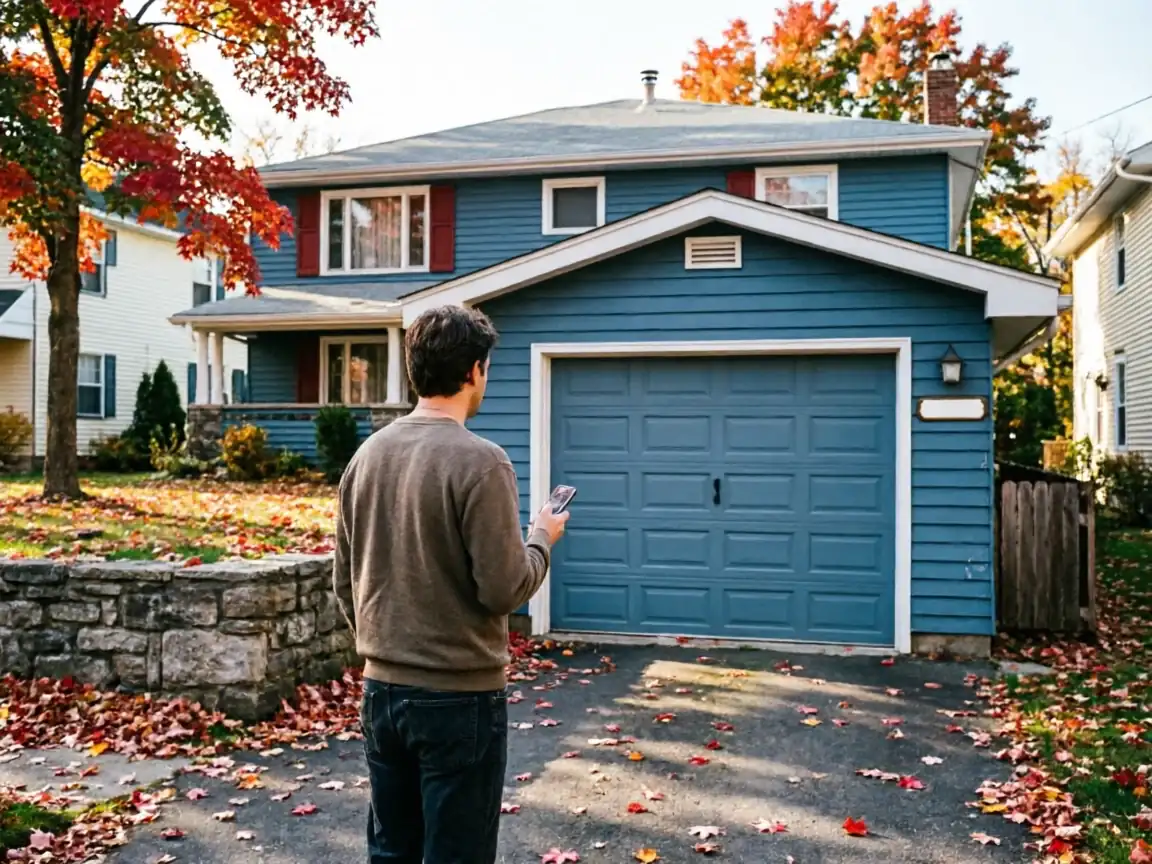
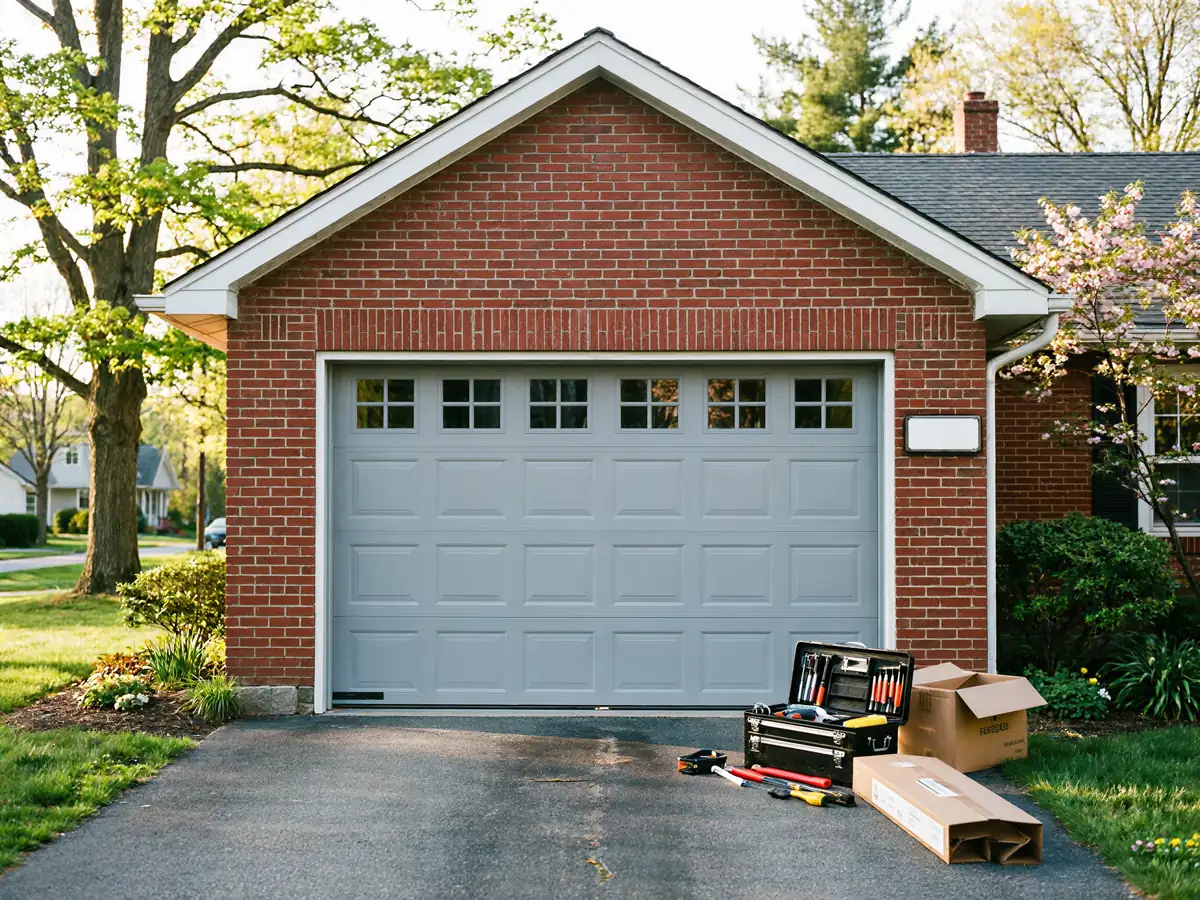
Hudson sits at the center of the map here - Berlin, Stow, and Bolton are all 4 miles out, Maynard 6 miles, and the ring keeps going from there. That geography doesn't change your door. What changes your door is that most of the houses around here were built between 1938 and 1993, with the median landing around 1969, and the bulk of the stock across the 48 named areas we work in dates to the 1960s and 70s. That means original openings sized to hardware nobody makes new anymore, framing that's settled over fifty-plus years, and in a lot of cases doors that have been replaced once already but tracks and jambs that haven't.
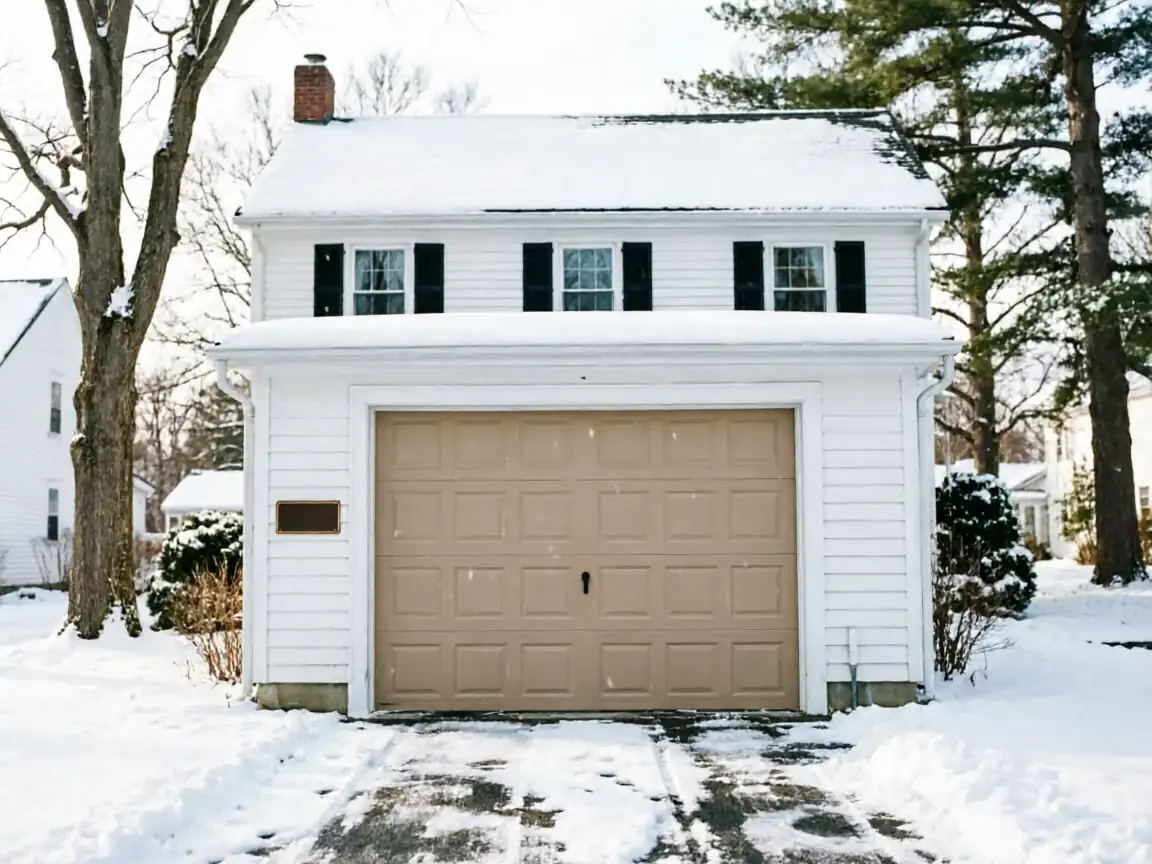
On top of that, this is a severe cold climate zone. Steel contracts in January cold, grease stiffens, and a spring that's been fine for a decade can lose a half-turn of tension and snap on the coldest morning of the year. None of this is dramatic. It's just what happens when 1960s framing meets New England winters for fifty-plus years. A door that's fine in October can bind in February for no reason the owner can see from the driveway.
What Is Going On
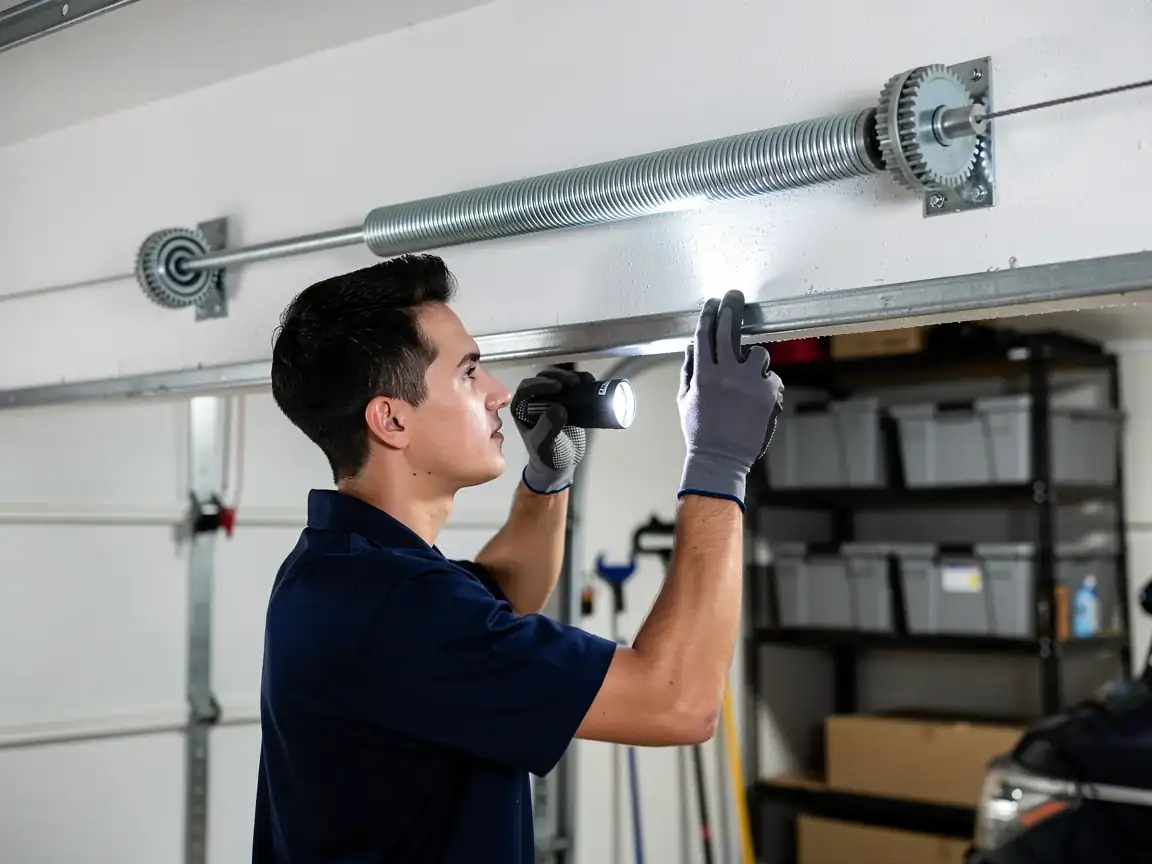
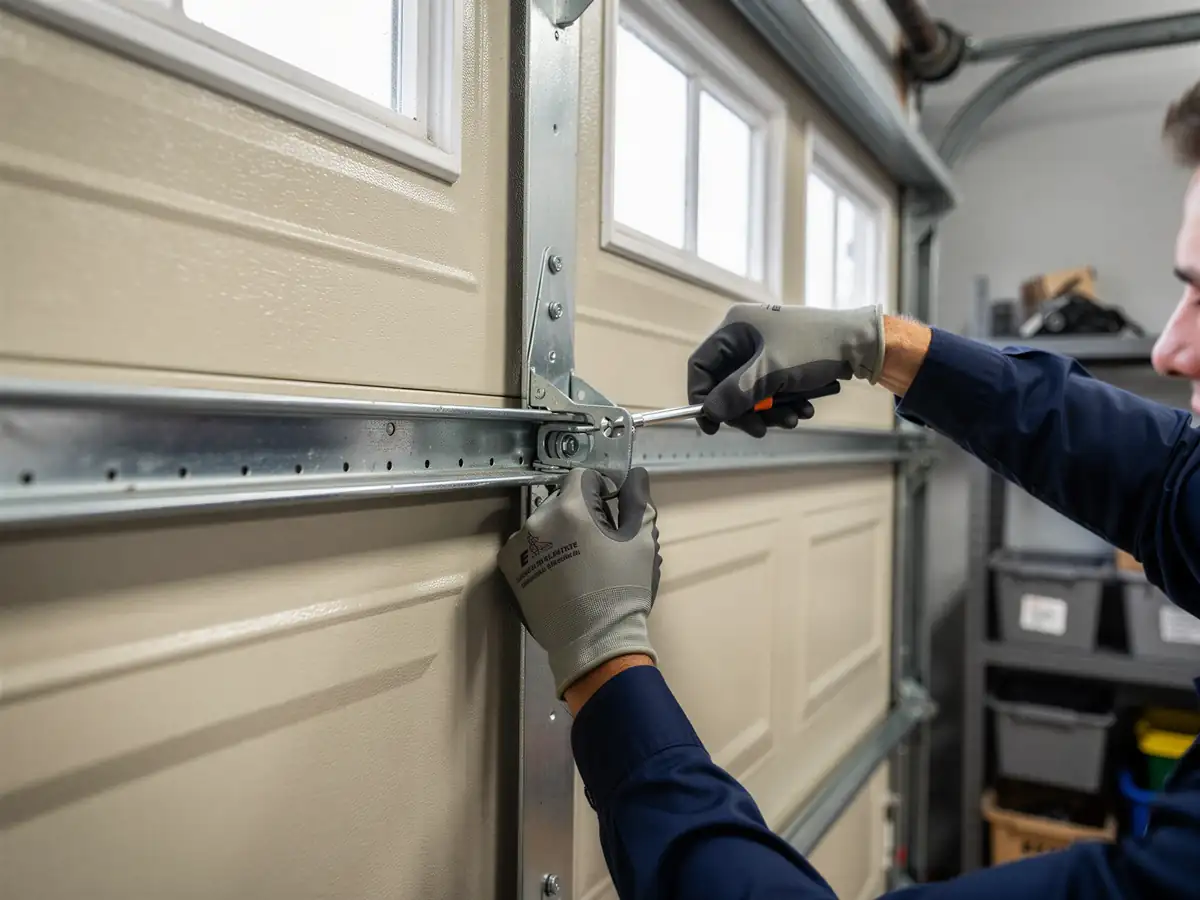
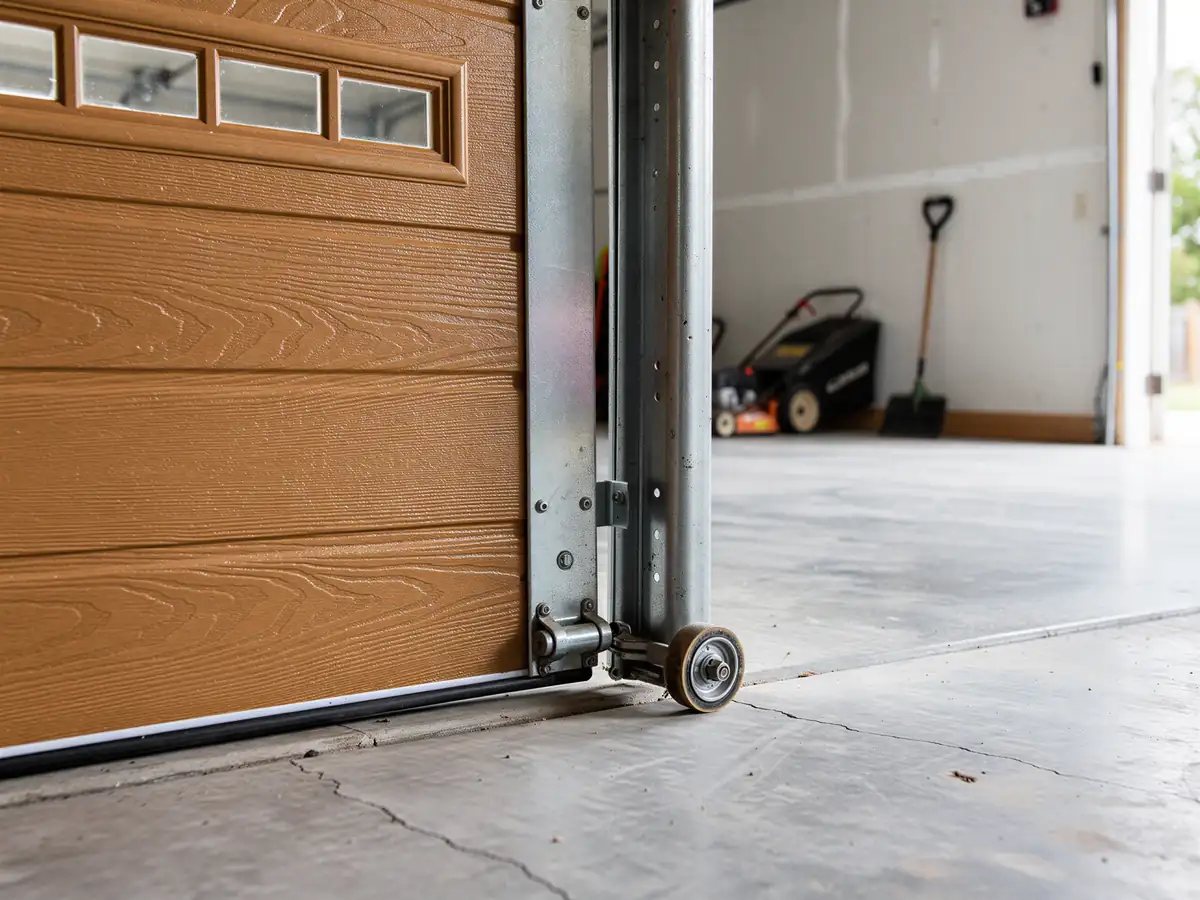
The most common call we get ties straight back to F1 and F2: doors or openers original to houses built in that 1938-1993 window, now failing the way a sixty-year-old system fails - not catastrophically, just worn past adjustment. Rollers that were steel to begin with, track that's never been re-shimmed since the slab settled, torsion springs sized for a lighter door than the one that eventually replaced it.
The cold makes the symptom show up fast. Severe cold means steel springs lose flexibility and lubricant thickens, so a door that's been dragging all fall suddenly won't open at all once the temperature drops. We see this every winter in the same houses - not because the door failed overnight, but because cold conditions in a climate rated severe expose wear that was already there.
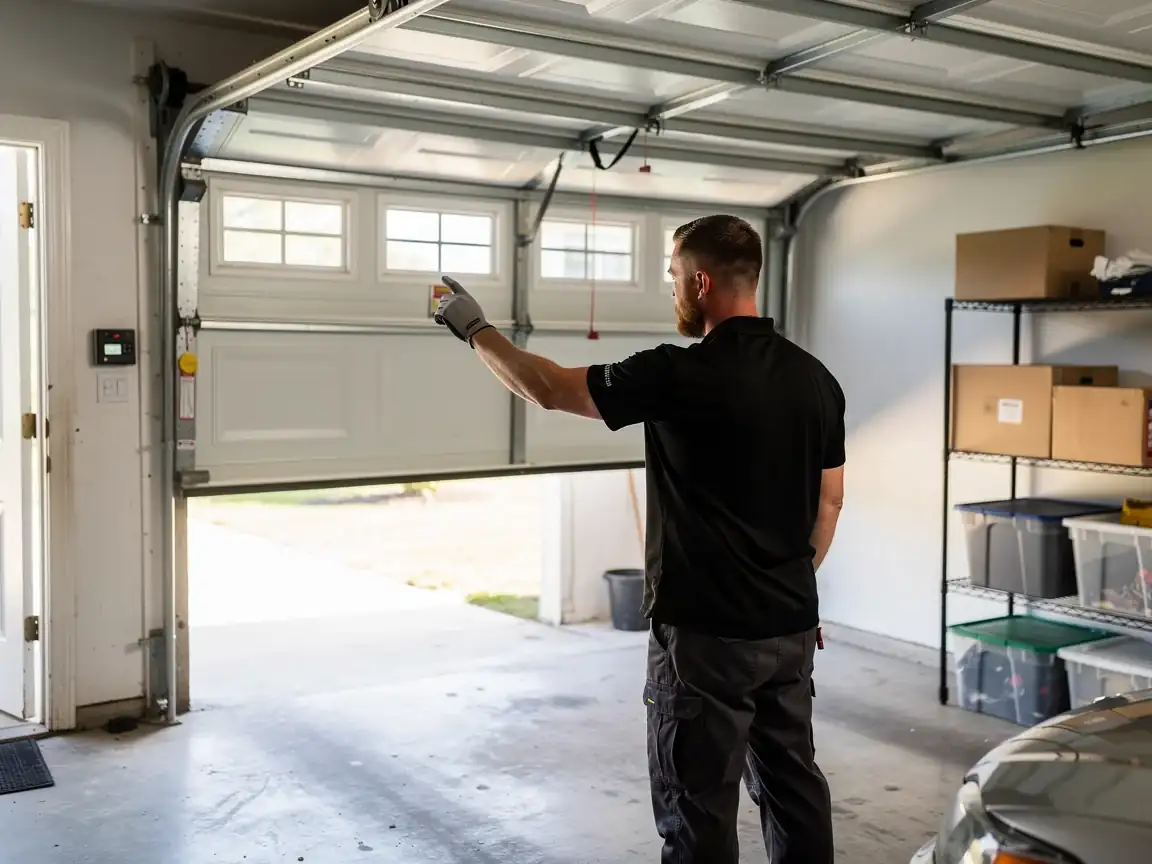
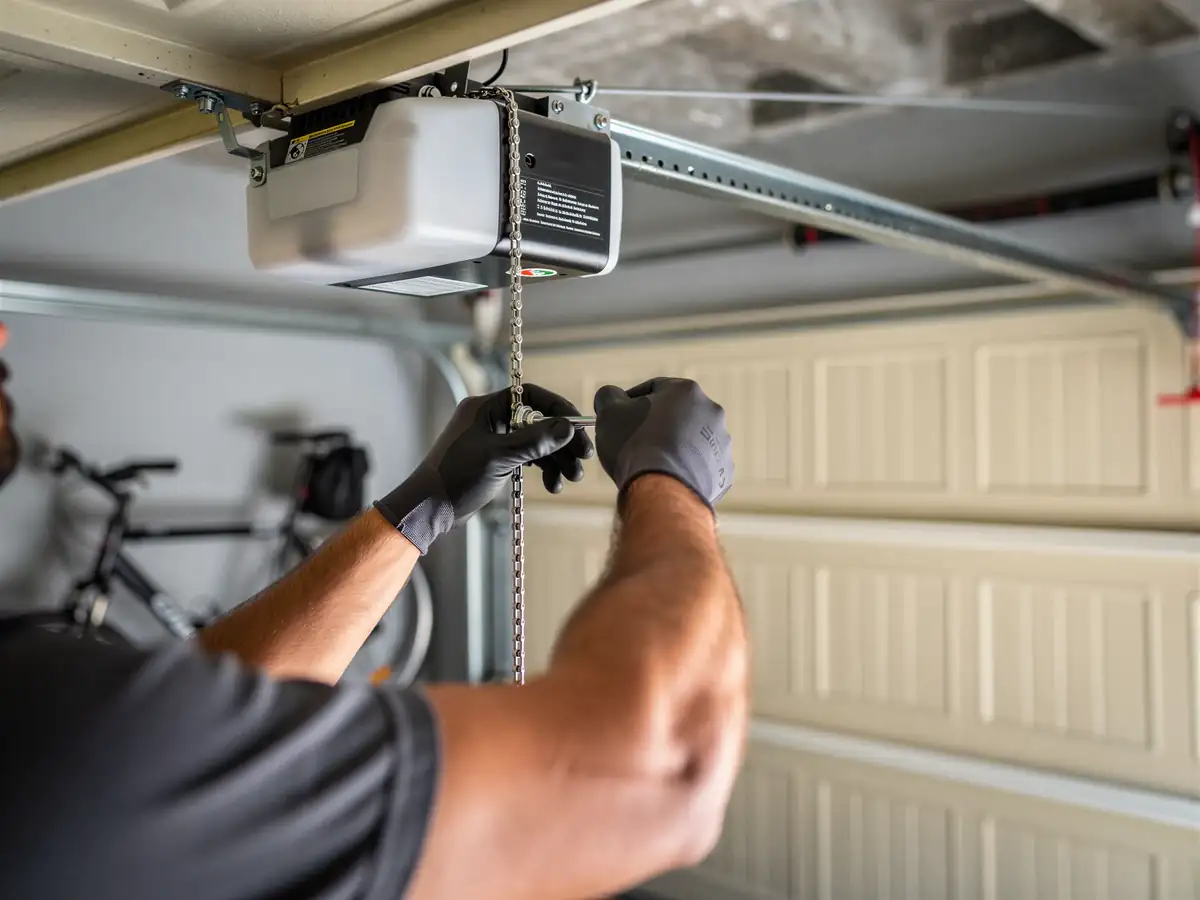
Here's the honest limitation: if your opener or springs are original to a house from that era, a tune-up buys time but it doesn't buy decades. At some point the parts are old enough that patching one failure just moves the next one six months down the road, and replacement ends up cheaper than a string of service calls.
Season by Season
Fall is when we'd rather see you than February
In a severe cold climate, this is the window to catch a stiff spring or a dragging track before the real freeze sets in - once temperatures drop, steel hardware that was marginal becomes hardware that fails.
Winter is when the calls come in
Cold-soaked springs lose tension, openers strain to lift doors that have gotten heavier with ice and condensation, and in houses built in that 1938-1993 range, weatherstripping original to the build has usually hardened past the point of sealing anything.
Spring and summer are lighter on emergency calls but better for anything that needs a full day's work
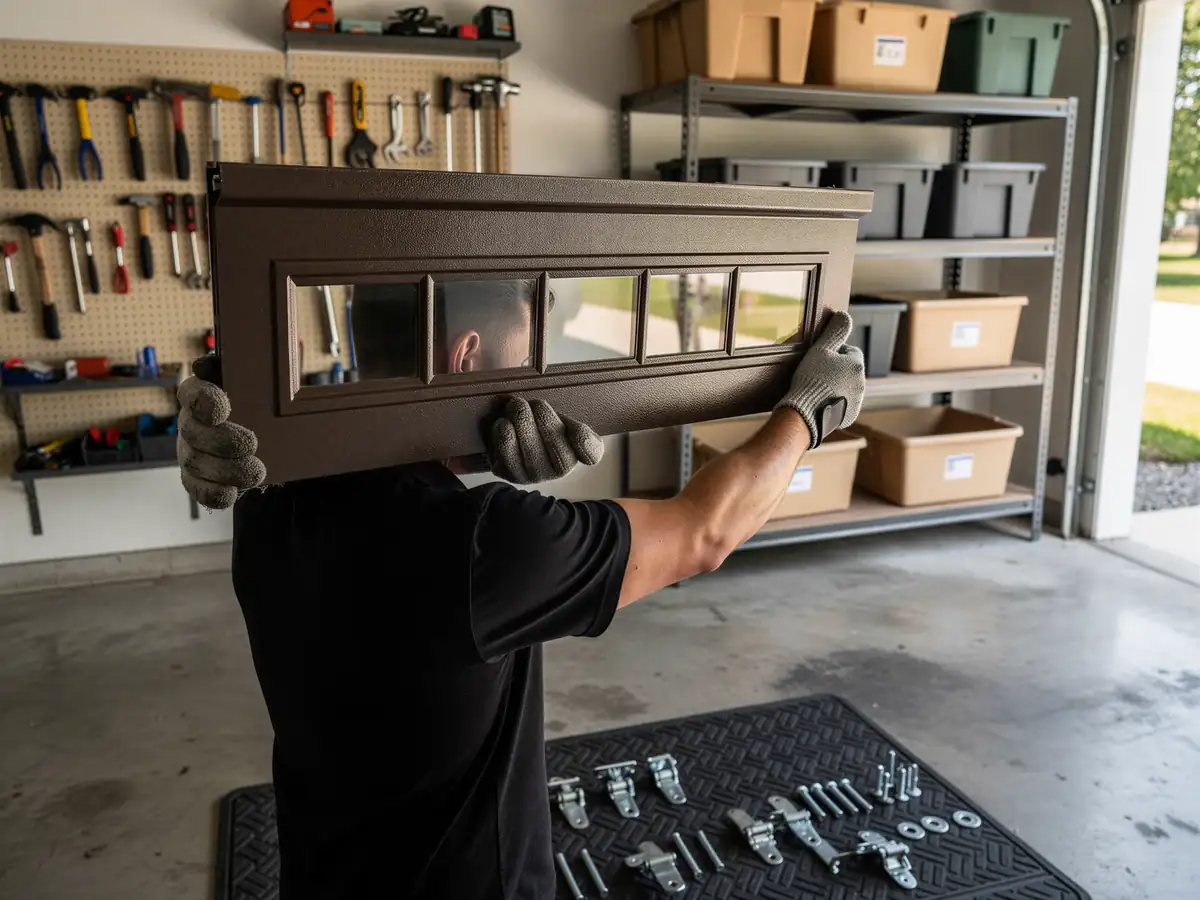
Track realignment, panel replacement, full opener swaps - since you're not racing a cold front. None of that changes door to door, but it does change which weeks make sense to schedule the bigger jobs versus the quick fixes.
What You Pay
We're not going to put a number here that isn't backed by real data, so we won't guess at a price range. What we can tell you is what drives the cost on a typical Hudson job: age and size of the door, whether the opener is original to a 1960s-70s build or already replaced once, and whether the spring system is standard torsion or something older that needs a part sourced rather than pulled off a truck shelf.
The area's median household income sits at $147,635 across roughly 111,565 households, with about 69,298 of those owner-occupied houses - that's a lot of owners making the call on fix-versus-replace on houses with real age on them. For a door that's original to a build from that 1938-1993 window, repair is usually the right first move if the opener and spring system are sound. If the track is bent, the panels are rusted through, or you're on your third spring in five years, replacement is the better math even though it's the bigger check up front.