How It Shows Up
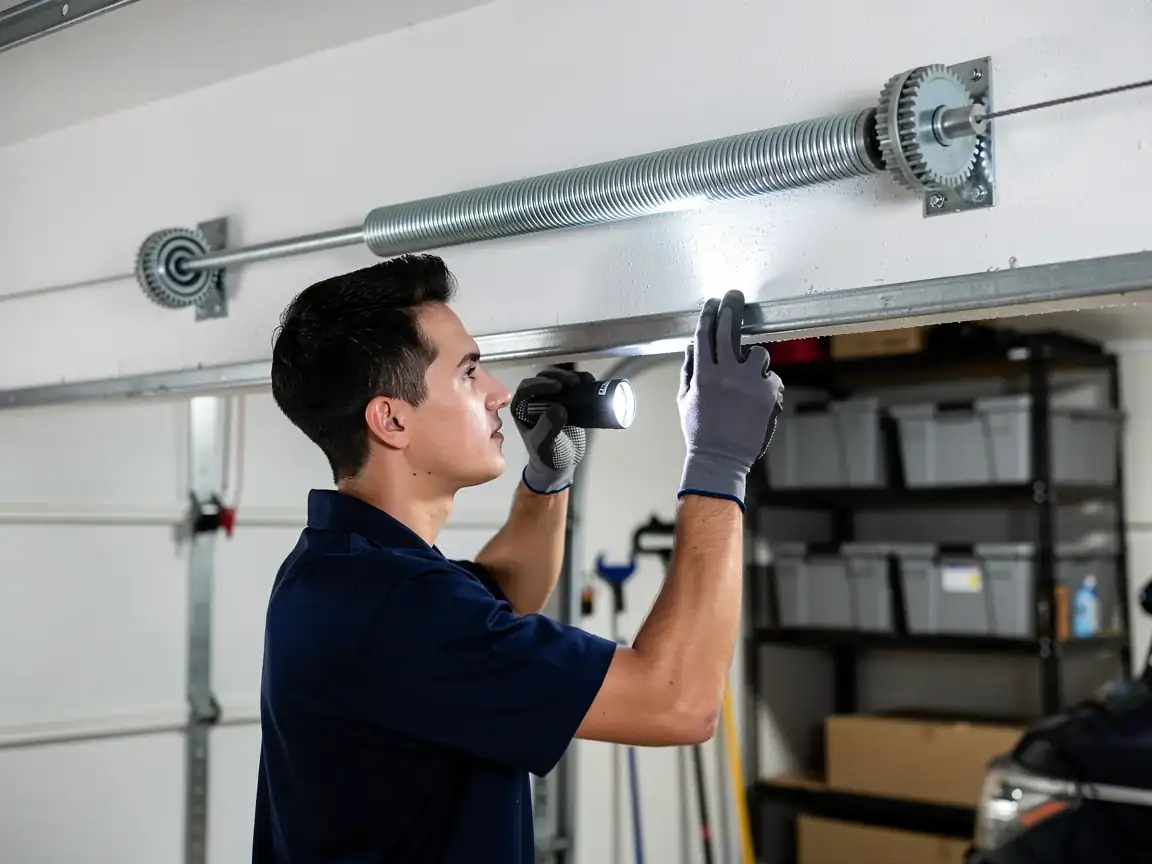
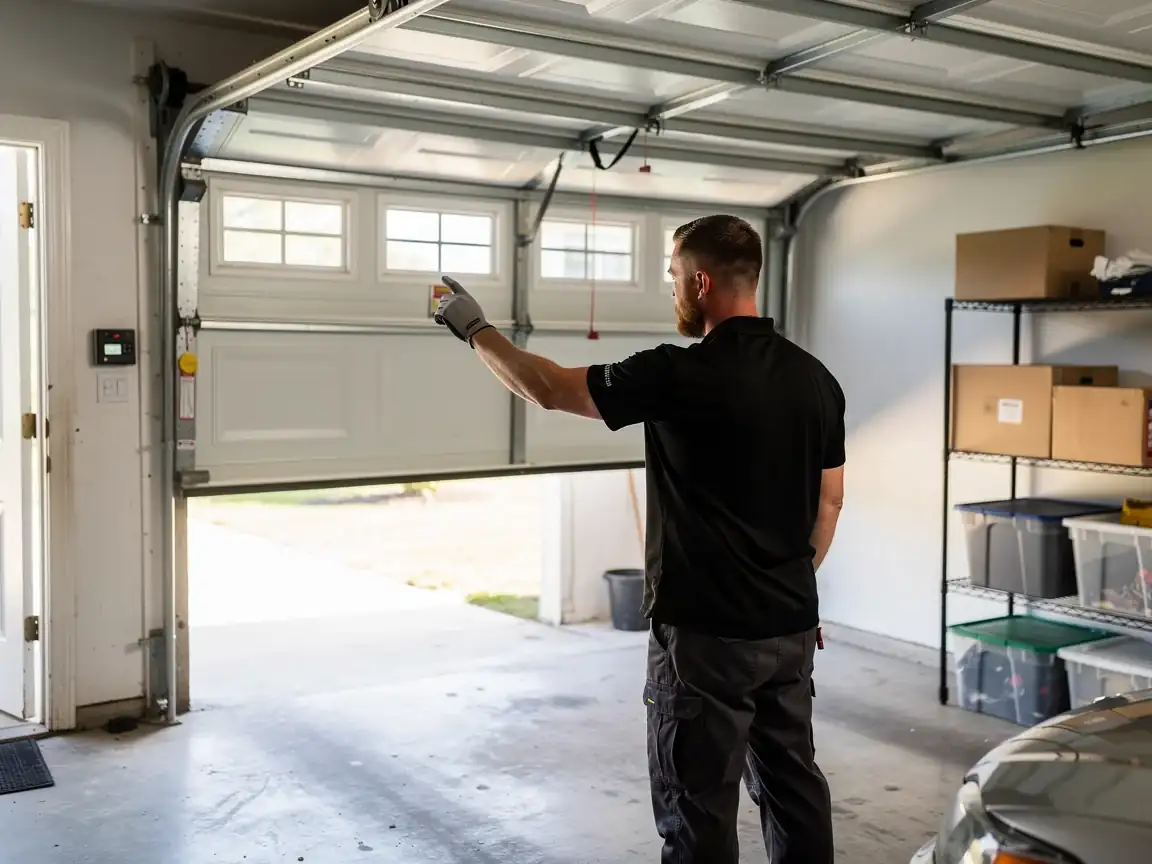
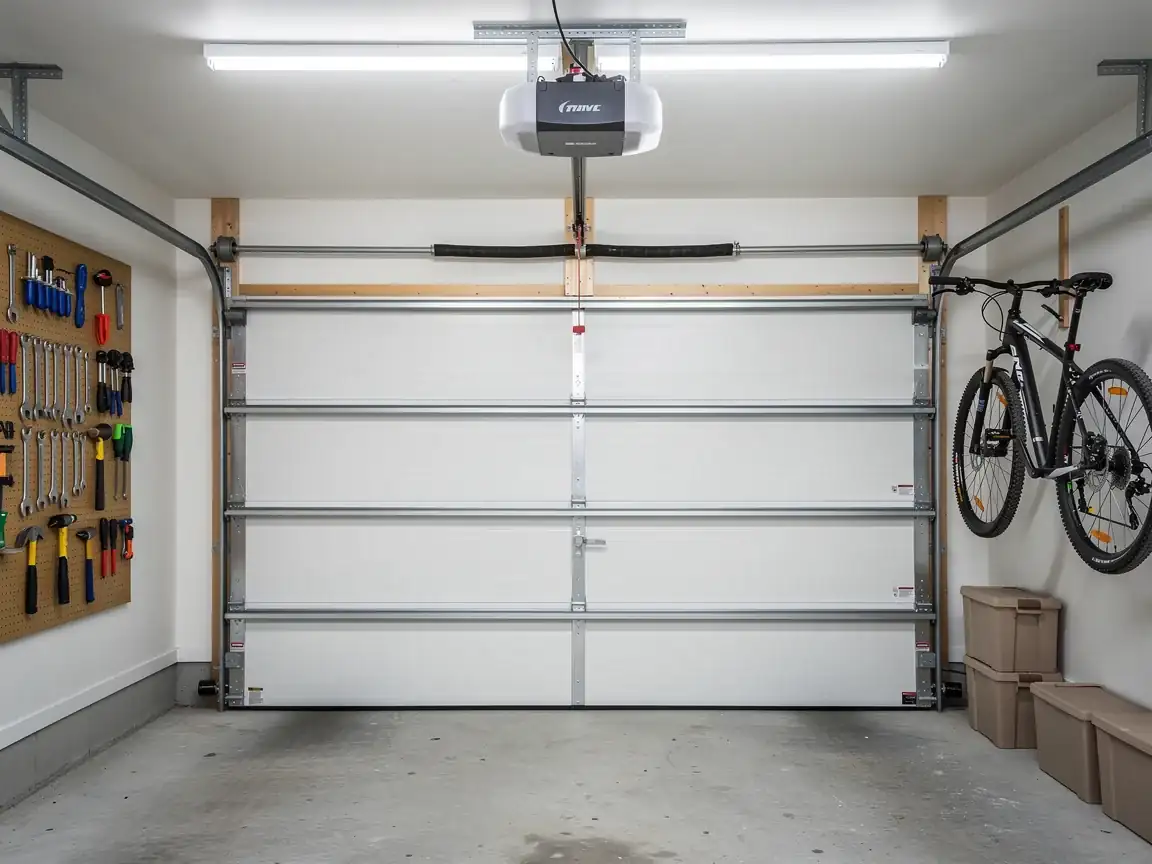
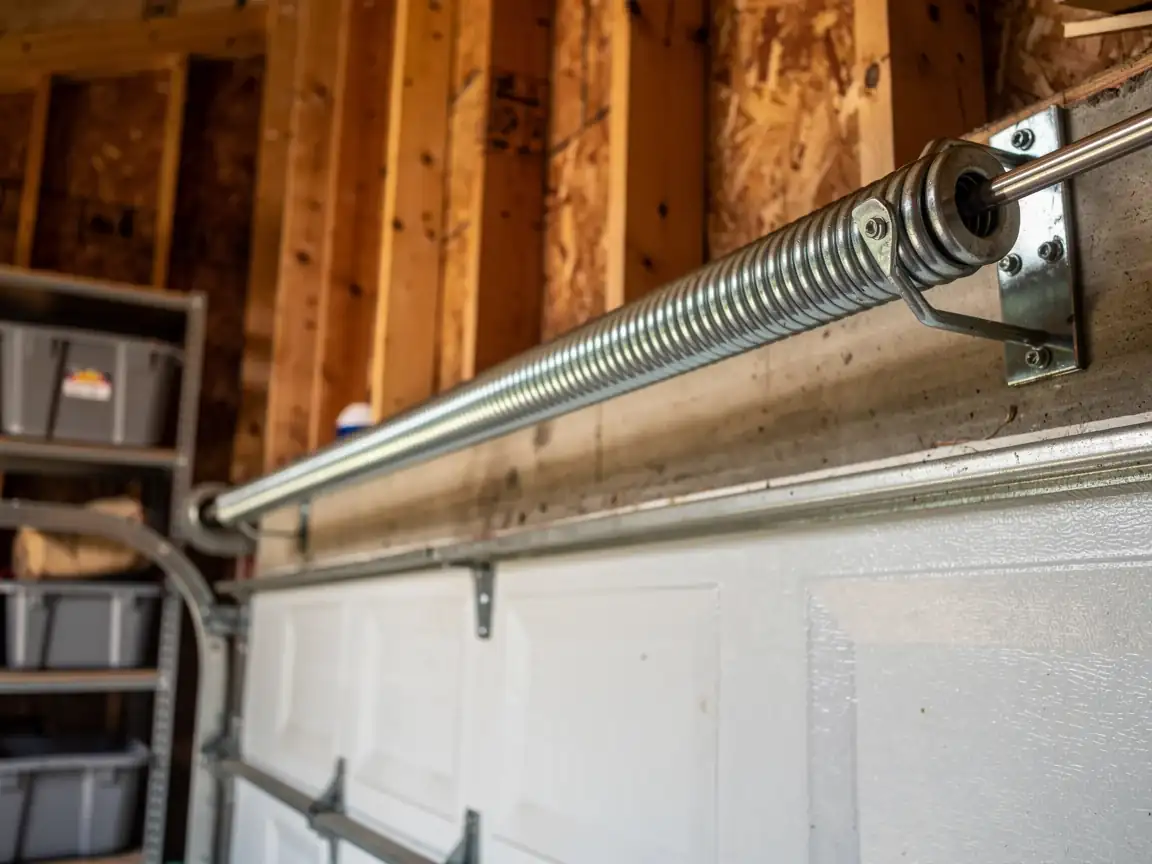
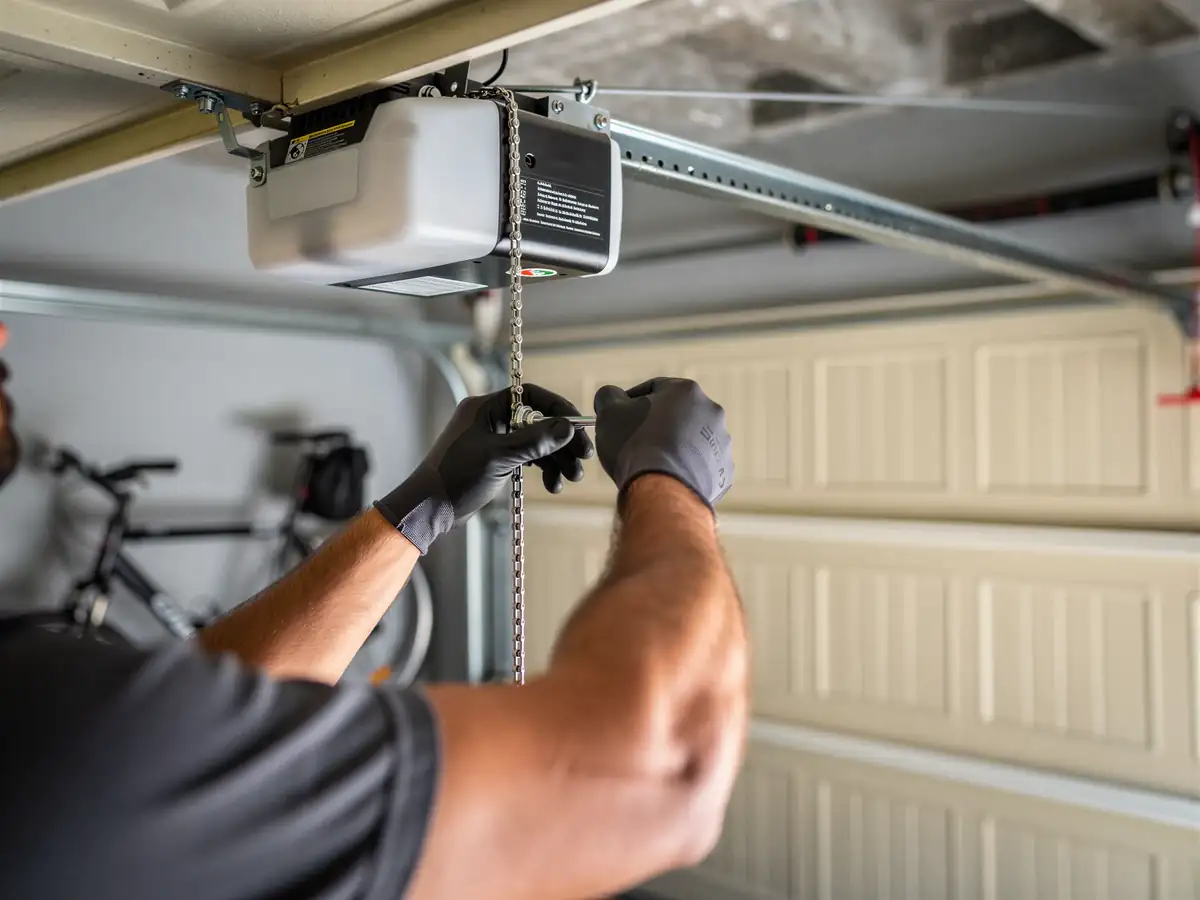
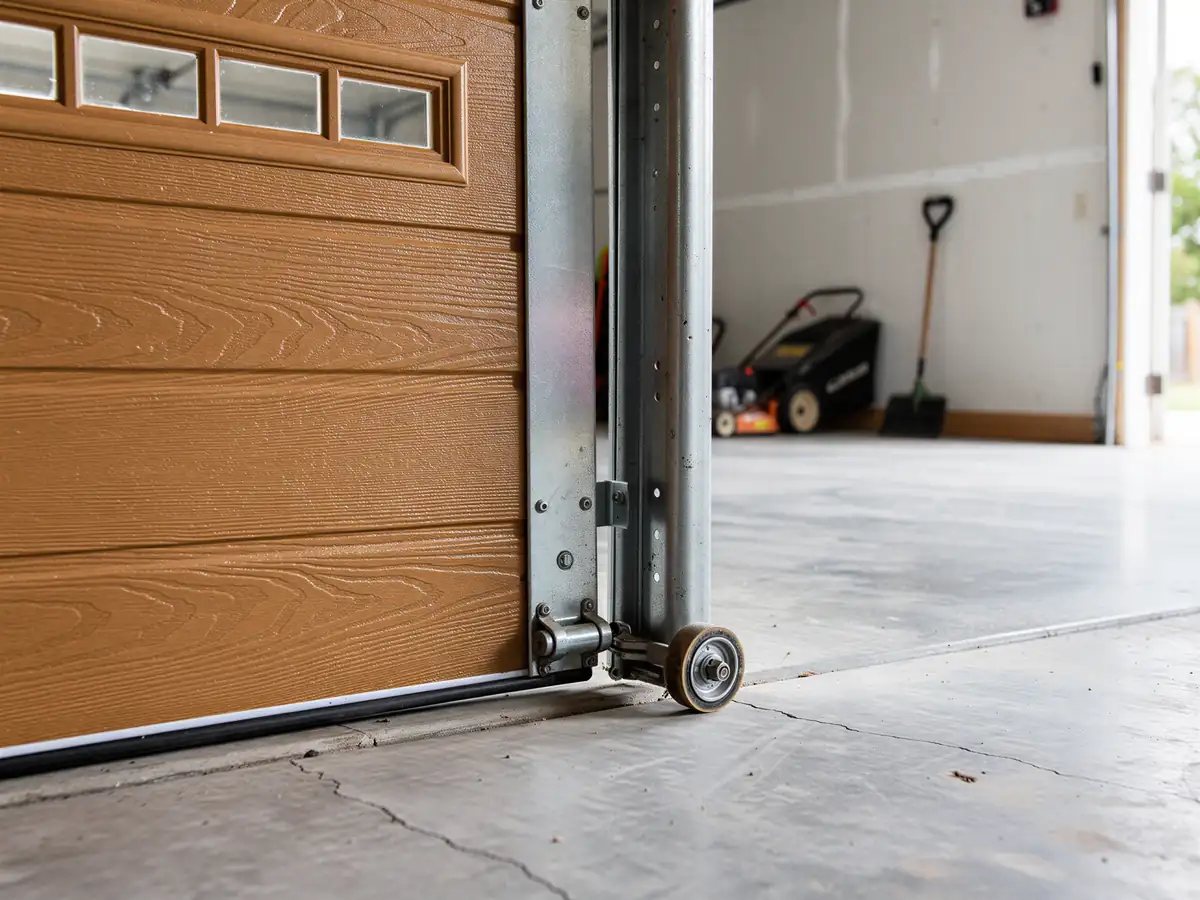
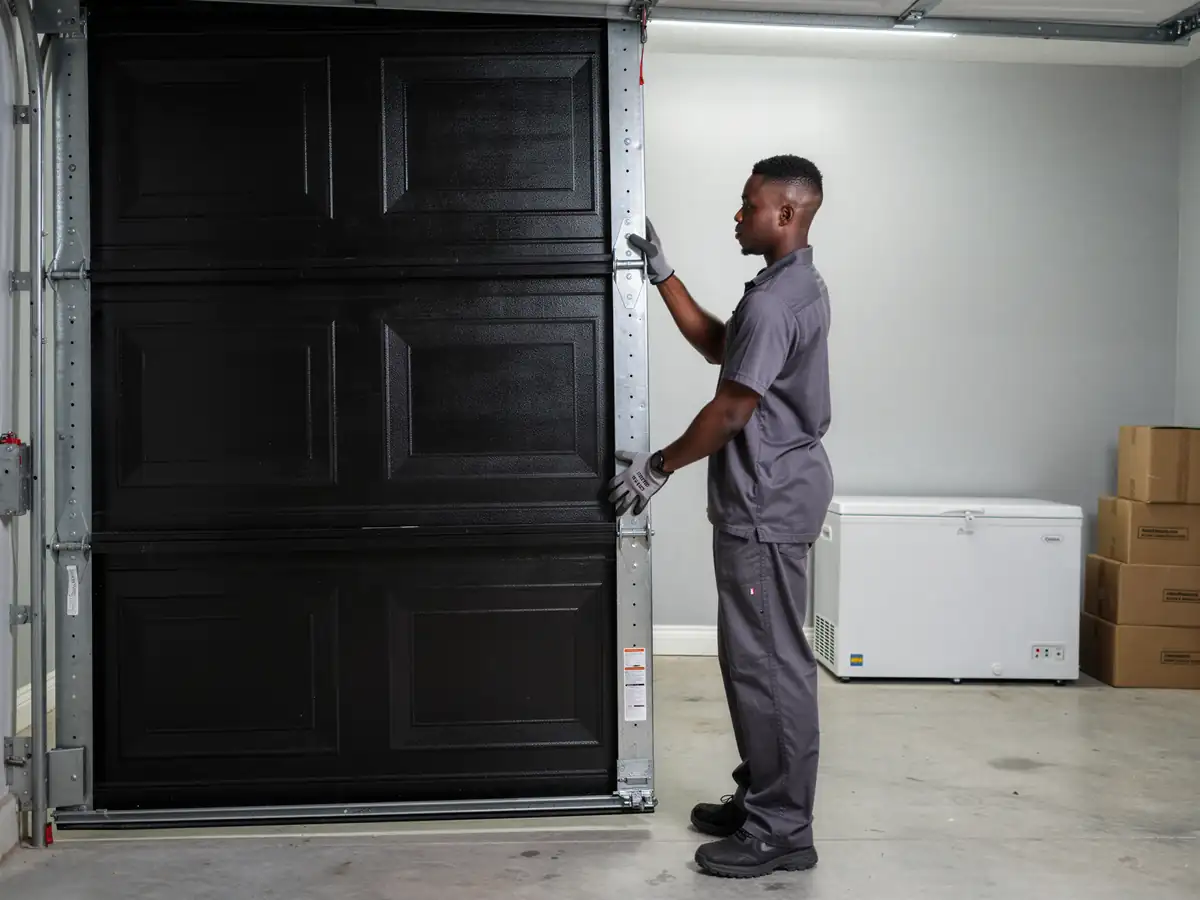
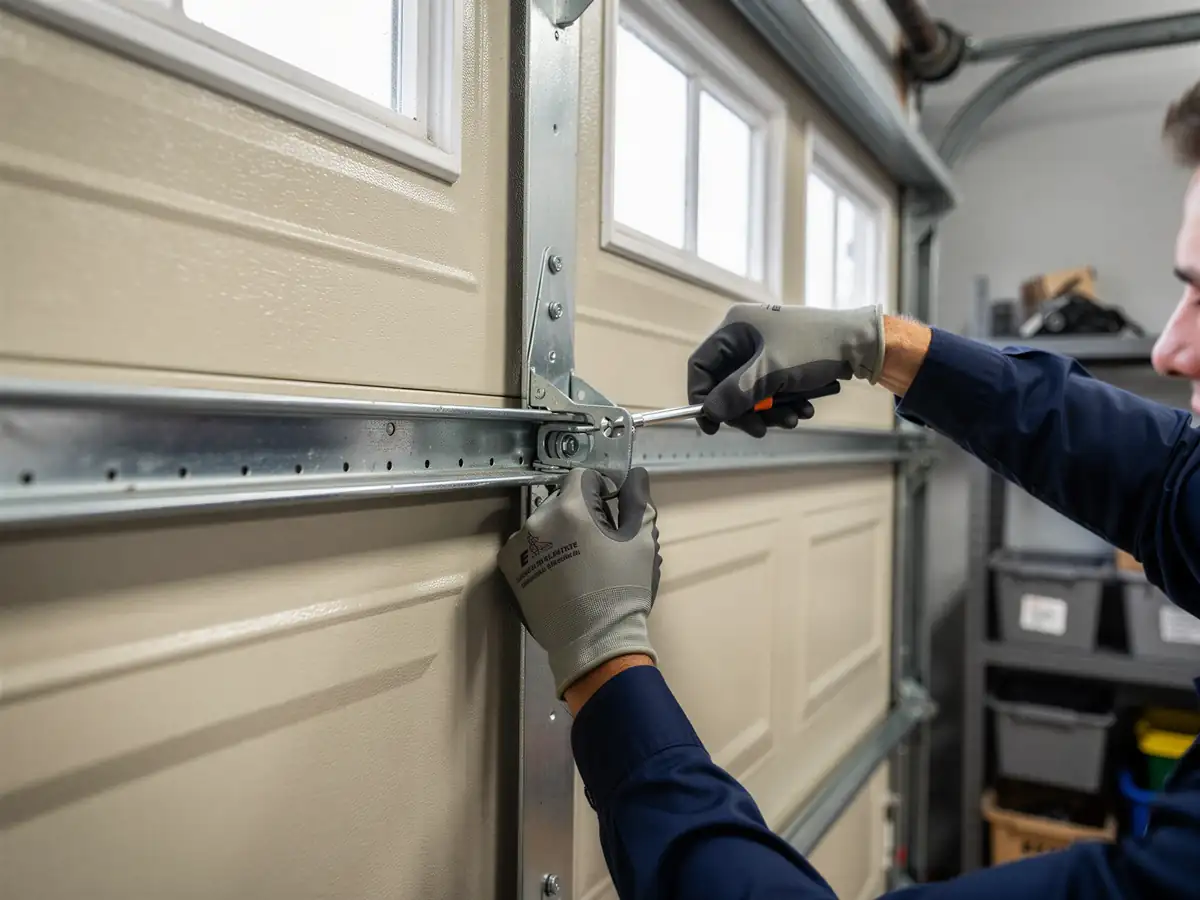
Most of the calls we get start the same way: the door won't move, or it moves wrong. A torsion spring snaps overnight and the door won't budge past six inches. A panel binds on the track and the opener strains, chirps, and finally gives up. Rollers seize on original steel track that's been painted over three or four times since it went in.
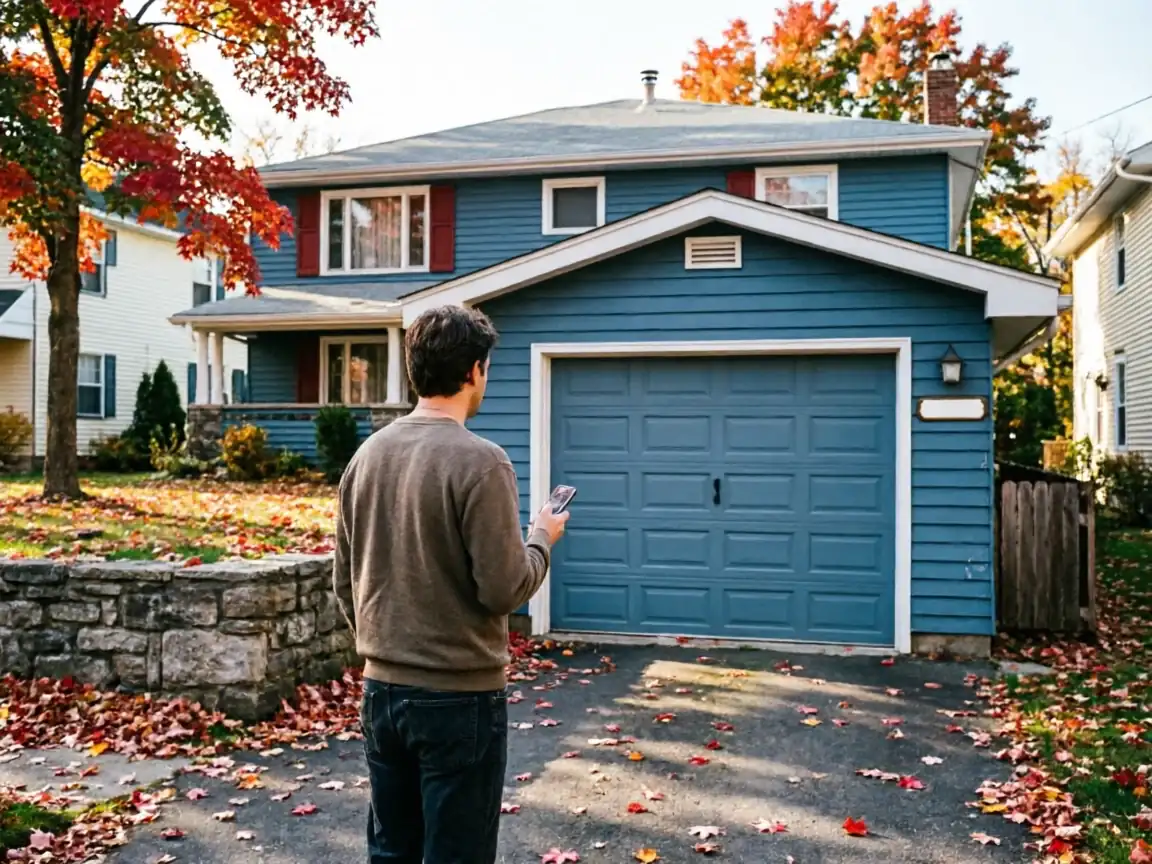
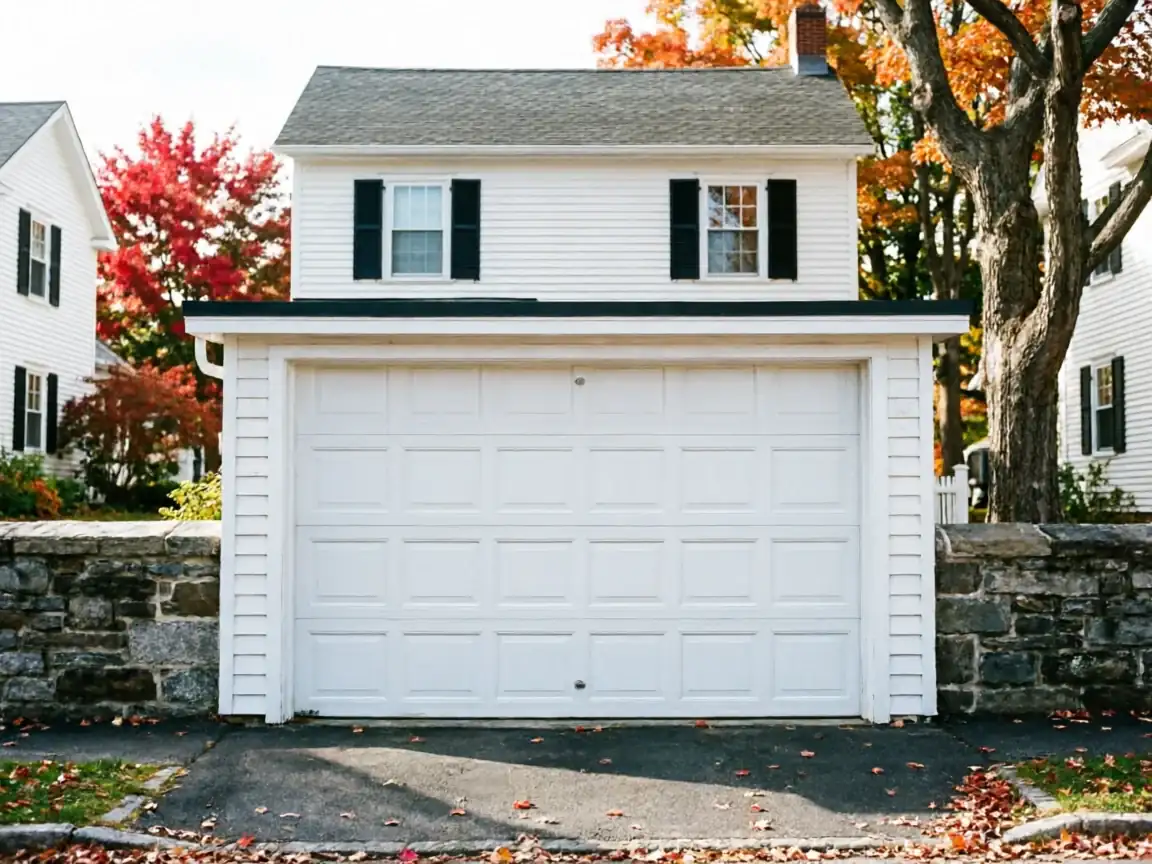
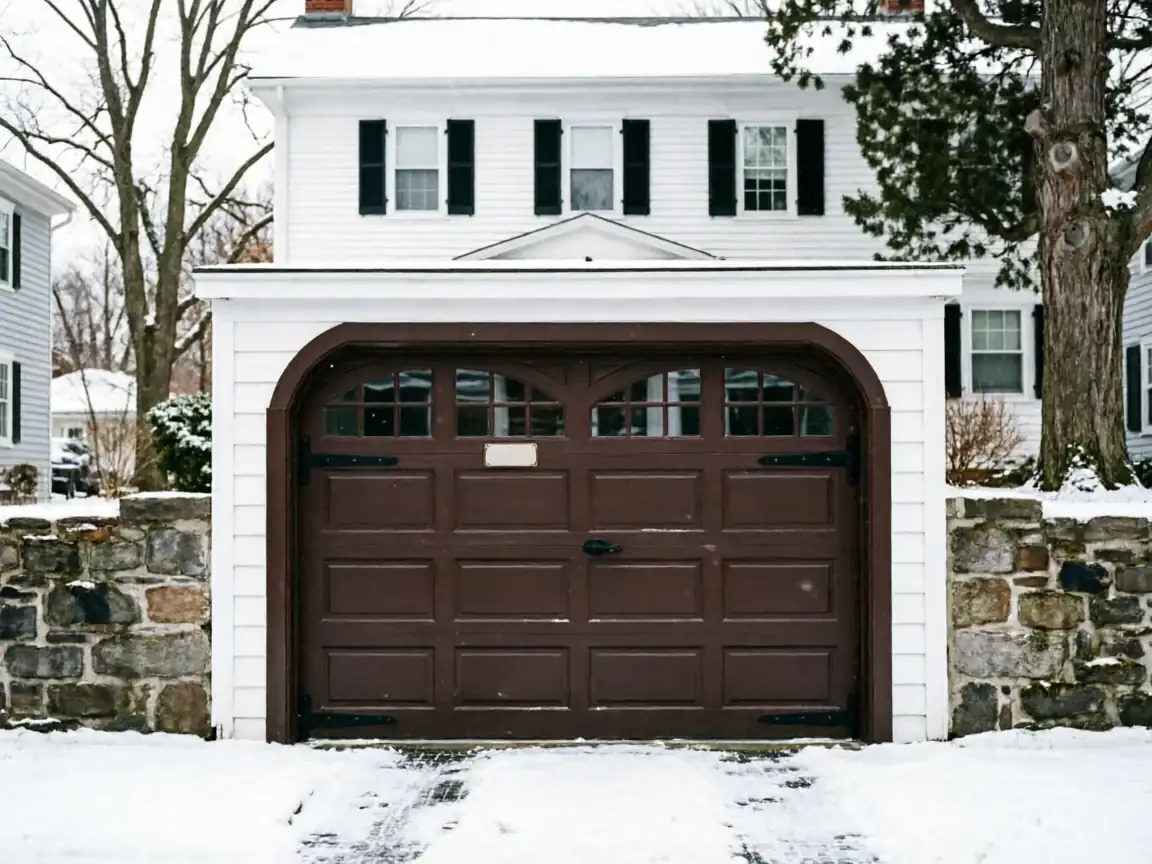
Hudson's housing stock runs mostly 1938 to 1969, with the heaviest concentration of builds in the 1960s and 70s. That matters here specifically because a lot of those doors still carry original hardware - torsion springs sized for the lighter steel doors of that era, center bearing plates that have never been swapped, and openers that are a second or third replacement bolted onto fifty-year-old track. When a spring on one of these doors finally goes, it's often because it's been cycling on the same coil since the Nixon administration, not because of anything the owner did.
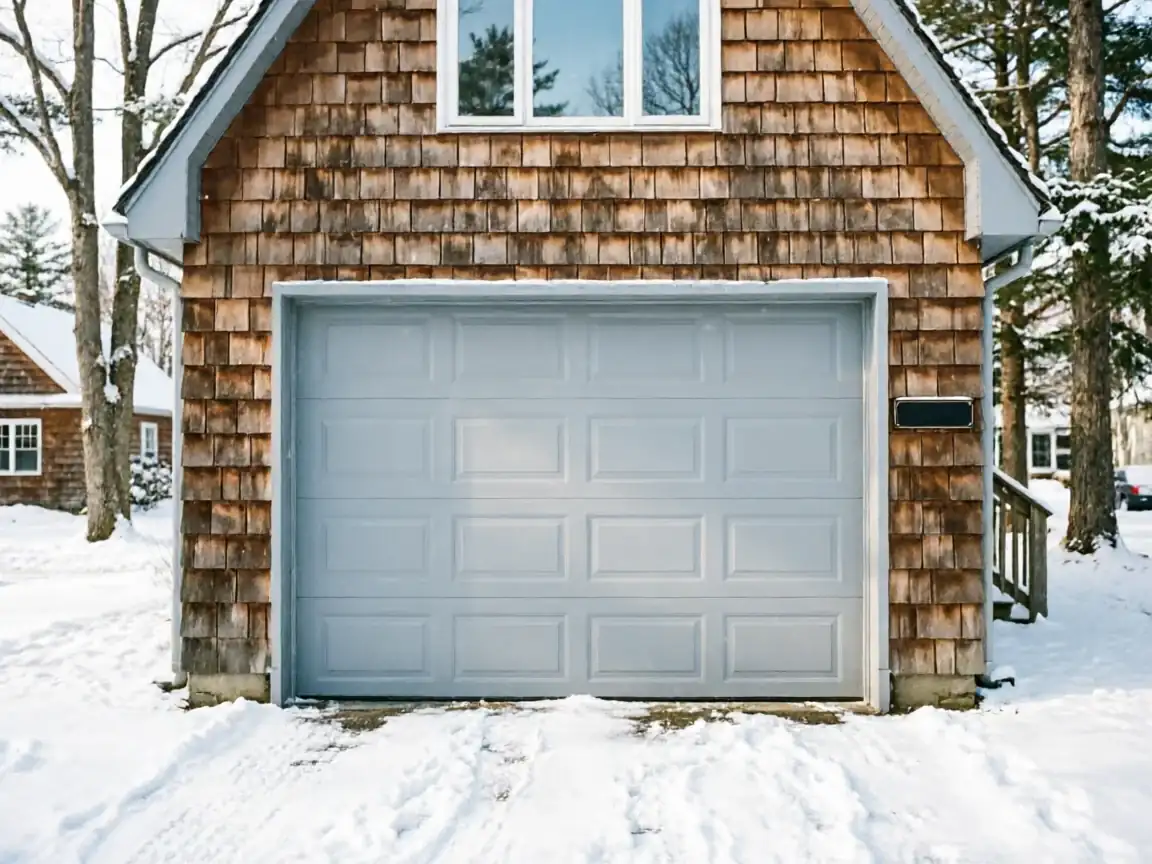
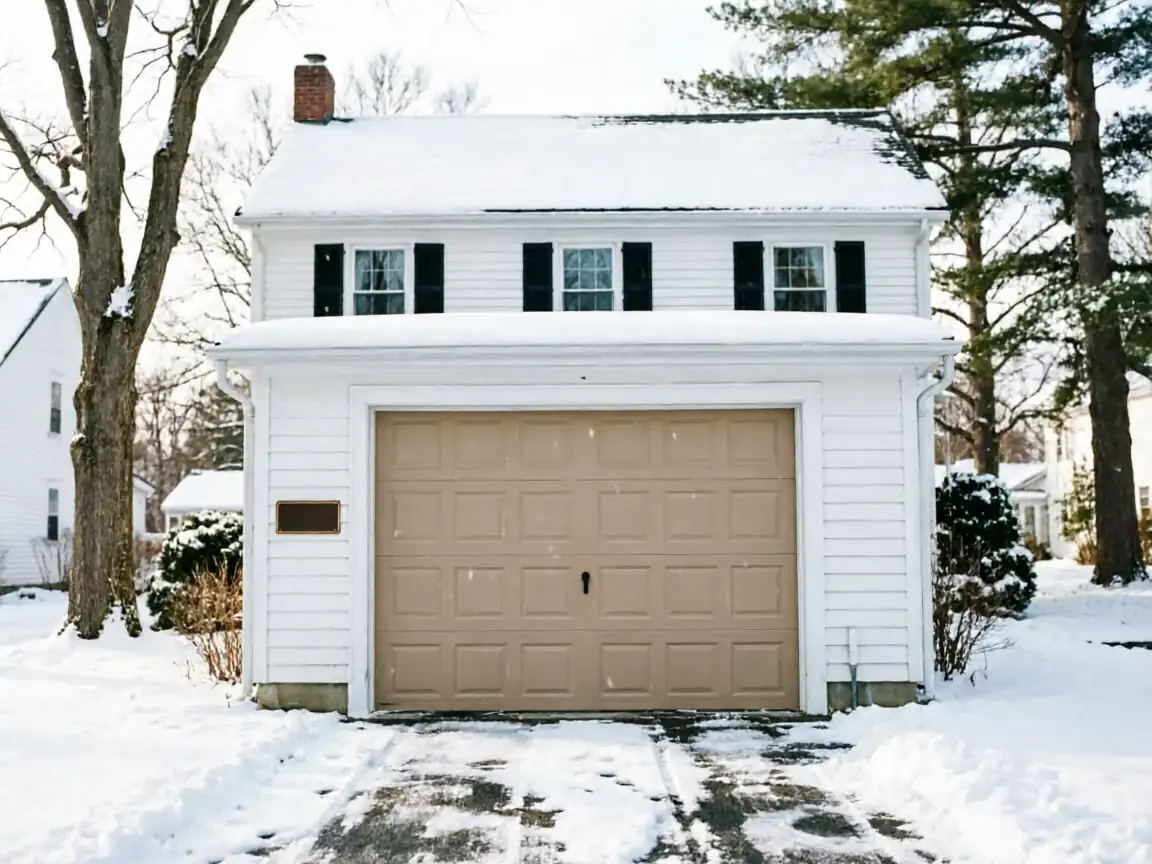
Cold makes all of this worse. Hudson sits in a severe cold-climate band, and steel contracts in a hard freeze. A spring already near the end of its life, in a garage that isn't heated, is far more likely to let go on a 10-degree morning than in August. If your door has felt heavier or slower the last few cold snaps, that's not your imagination - it's cold steel losing tension.
How to Book
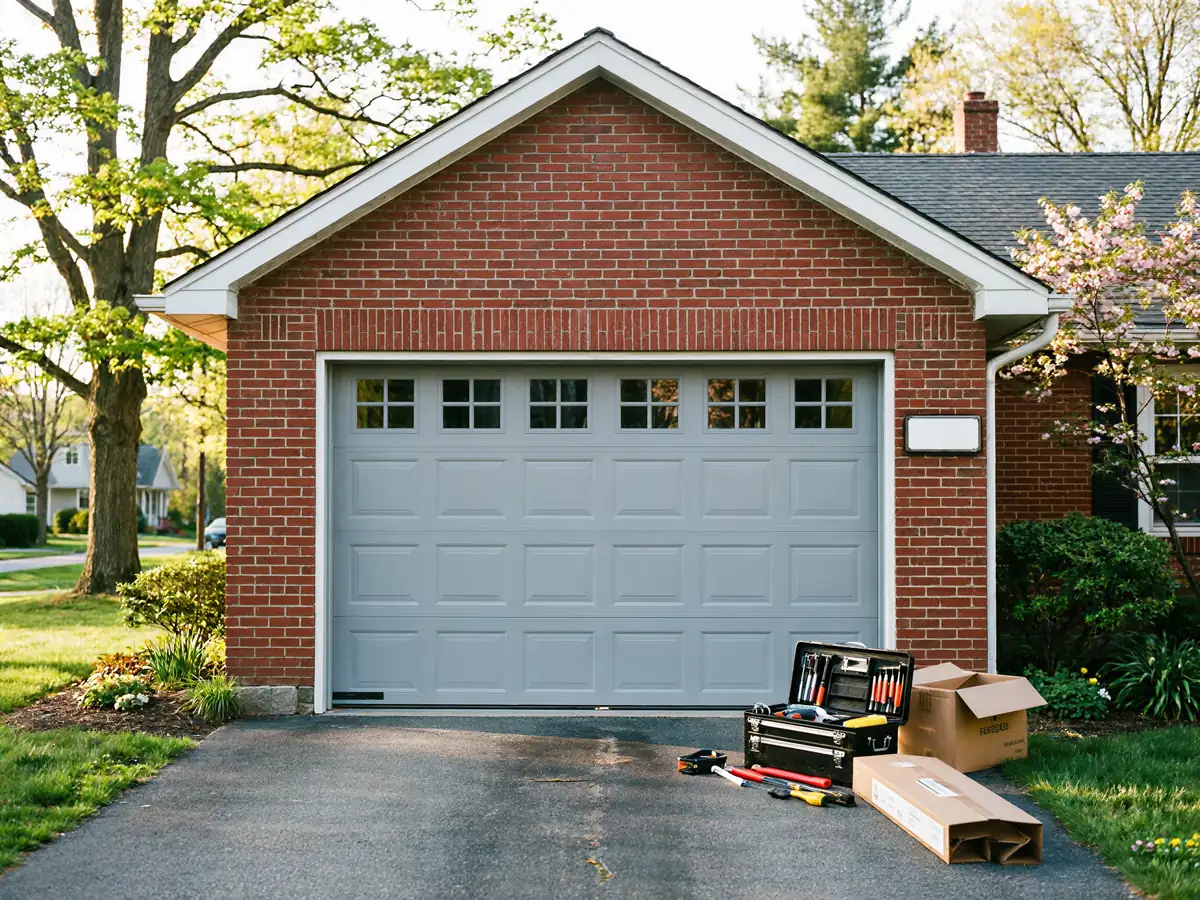
Call or use the contact form on our home page and tell us what the door is doing - won't open, opens and reverses, makes a bang and stops, opener runs but the door doesn't move. That detail decides what we load on the truck before we ever see the garage.
We don't run same-day guarantees we can't back up, and we won't tell you a time slot before we've actually talked through the job. What we can tell you is that a broken spring, a jumped cable, or an opener that's stopped engaging the trolley are all common, well-understood repairs on the door styles that show up around here - not mystery jobs.
One honest limit: if a part is unusual - an obsolete opener logic board, a discontinued panel style - we may need to order it, and that can take longer than the repair itself. We'll tell you up front if that's the situation rather than guess and miss a date.
What You Pay
We're not going to list prices here that don't hold up once we're standing in front of your door
Too many variables change the number: whether it's one spring or a matched pair, whether the drum or cable needs replacing alongside it, whether the opener is original or already a replacement, and whether the track is bent or just dirty.
What we can tell you is how we price it
We diagnose first, quote the repair before we touch anything, and the number doesn't move once you've said yes. With a median household income of $147,635 across the area we serve, most of the households calling us are deciding between a repair and a full replacement - and for a door that's otherwise sound, repair is almost always the cheaper and faster path.
- $147,635 median household income
Where we're upfront with people
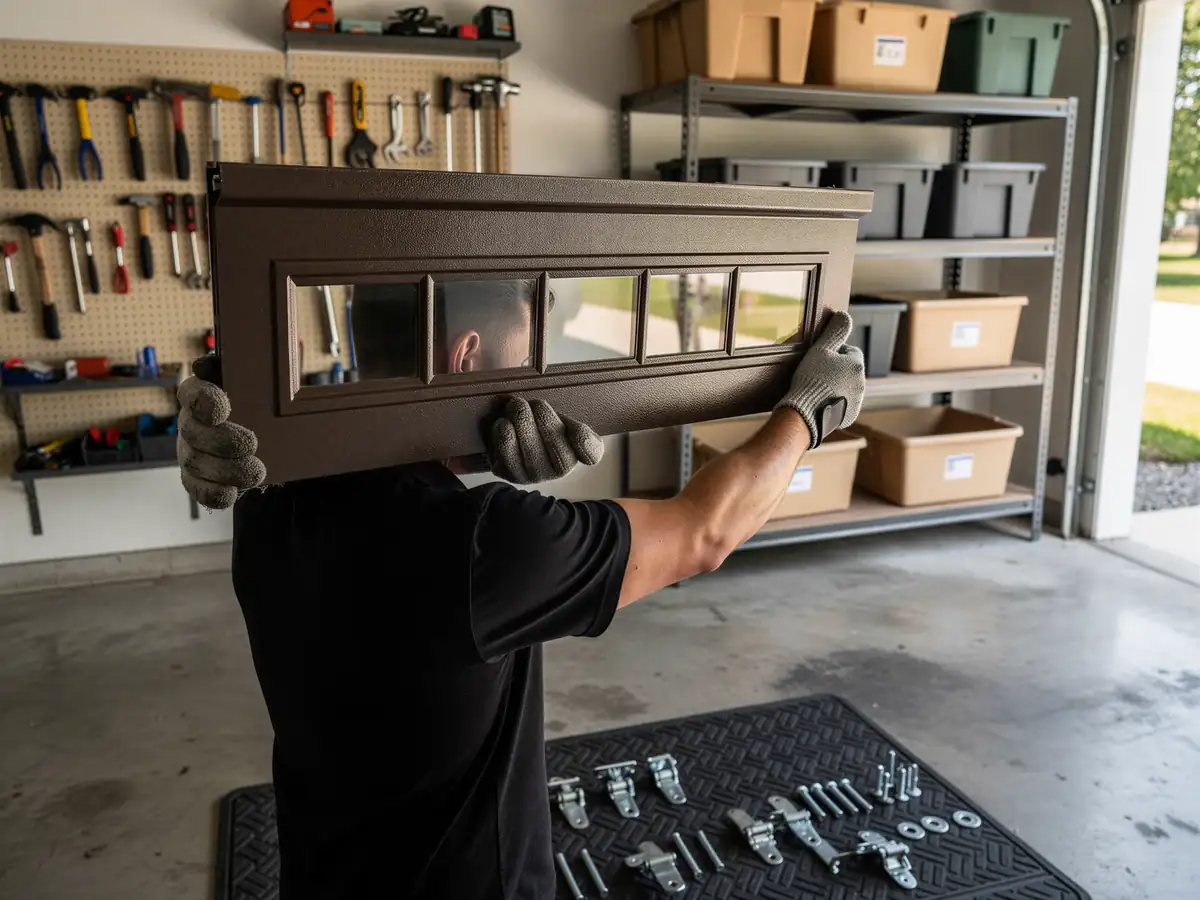
If your door is old enough that parts are getting hard to source, or if you're already on your second or third repair in a couple of years, we'll say so instead of patching it again. Sometimes the honest number is the cost of a new door, not another repair.
What Causes It Around Here
Two things drive most of what we see in Hudson: the age of the housing and the winters. With homes built mainly between 1938 and 1993 and the bulk from the 1960s and 70s, a lot of garages still run original torsion hardware that was never engineered for sixty years of cycling. Springs rated for a few thousand cycles have usually gone well past that count by now, quietly losing tension each winter until one finally snaps.
The cold does its own damage. In a severe cold-climate zone like this one, lubricant in old bearings thickens, steel cable stretches and frays at the drum, and wood jambs that doors are screwed into can shift slightly with frost, throwing the whole frame out of square. None of that is dramatic on its own, but stacked on fifty-year-old hardware it adds up fast.
Across the roughly 69,298 owner-occupied houses in this part of the service area, that combination - old steel and cold winters - is the single biggest reason doors fail here, more than anything an owner did wrong.