Serving Hudson, MA & nearby
(978) 203-3884
Hudson, MA

Why Your Safety Sensors Keep Drifting Out of Alignment

Hudson homes built 1938-1993 sit on slabs that move with the cold. Here's why your garage door sensors go out of alignment and what actually fixes it.

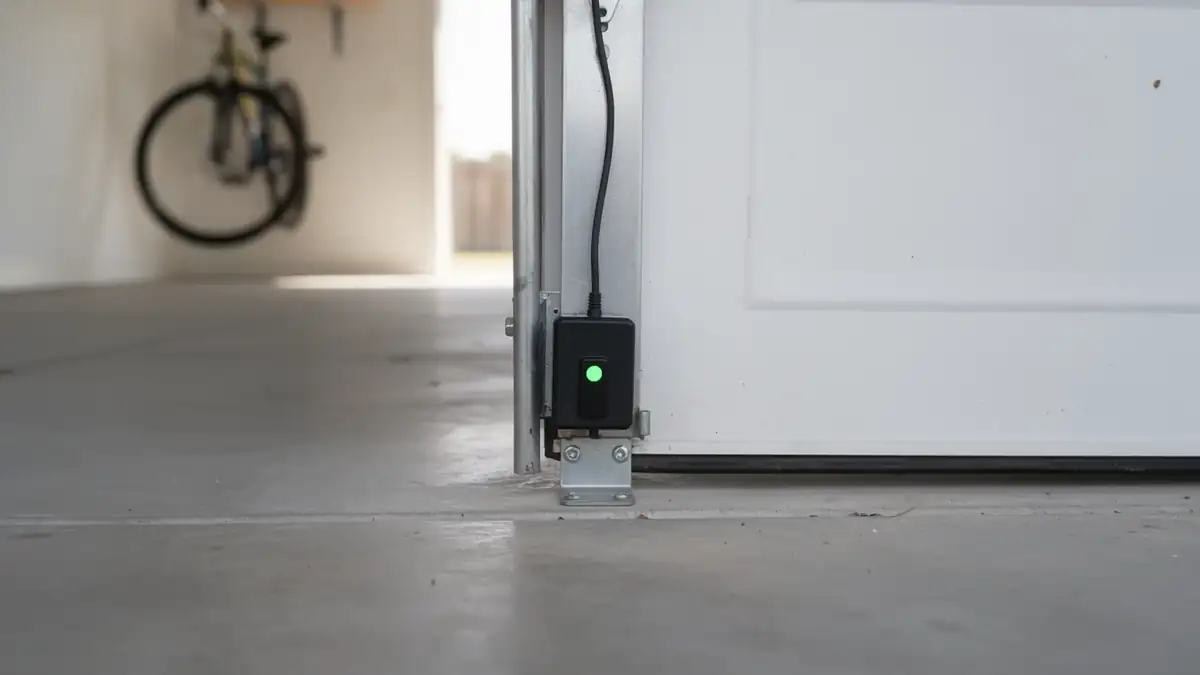
A safety sensor with a green light is mounted on a garage door track.

What Local Conditions Do

Hudson sits in a severe cold climate band, and that matters more for your sensors than most people think. The two photo-eye sensors mounted a few inches off the slab on either side of your door track a straight infrared beam between them. That beam only needs a fraction of an inch of misalignment to stop working, and a concrete slab in a severe cold zone doesn't stay perfectly still through a winter. Frost under the edge of a garage floor pushes up, then settles back down as it thaws, and the slab itself can tilt by a hair each cycle. Over one season that's barely noticeable. Over the life of a house built in 1969 - the median build year across this area - it adds up to brackets that have shifted from where they were installed. Houses here were not built with frost-protected shallow foundations the way newer code requires in some regions, so the garage slab moves more than people expect. That's the mechanical reason sensors in this area need more frequent realignment than a quick glance would suggest, and it's not a defect in the opener - it's the ground underneath it doing what cold ground does.

What Is Going On

Most of the housing stock across this part of Massachusetts went up between 1938 and 1993, and a lot of it dates to the 1960s and 70s boom that touched the 48 named communities around here. That generation of garage was often built as an afterthought to the house, with a lighter slab and simpler framing than you'd see in new construction. The sensor brackets usually got screwed straight into painted wood trim or a thin metal jamb, not into masonry anchors. Fifty-plus years later, that trim has swelled, dried, and shifted with every season, and the bracket moves with it even if the bolt itself hasn't backed out. Add a bump from a snowblower, a ladder leaned the wrong way, or a car mirror clipping the frame, and the beam is off by enough to make the opener reverse on a closing door or refuse to close at all. The fix is almost always the same: loosen the bracket, walk the beam back to center, and snug it down again. It's a five-minute adjustment when the bracket and wiring are sound. It's a bigger job when the bracket itself has rusted or the wire has been chewed by rodents in an older unfinished garage, which does happen in this housing stock.

Season by Season

Late fall into deep winter is when sensor calls spike here. As the ground freezes, the frost line pushes up under the slab edge unevenly, and that's when a sensor that was fine in October starts throwing an intermittent fault in December. Early spring brings the opposite problem: the thaw lets the slab settle back down, sometimes a little lower or at a different angle than before it froze, so a bracket that survived winter can still end up misaligned in March. Summer is usually the quiet season for this particular issue - the slab is stable, and most calls then are about tracks and springs instead. Fall is the best time to actually check alignment on purpose, before the first hard freeze: close the door, look at both sensor lights, and nudge anything that looks tilted while it's still easy to see what you're doing. Waiting until a January morning when the door won't close and you're already running late is the wrong time to find out a bracket walked half an inch over the summer.

What You Pay

We don't have a flat number to quote here, because what a sensor call costs depends on whether it's a clean realignment or a bracket and wiring replacement, and that split shows up a lot in a housing stock this old. A straight realignment is quick work. A bracket that's rusted through, or wiring that's been nicked by a rodent in an unfinished garage - common enough in houses built before 1993 - takes longer and costs more because we're replacing parts, not just adjusting them. One honest limitation: if the slab itself has settled unevenly enough that the door won't seat flat no matter how we adjust the sensors, that's a foundation or slab issue outside what a garage door call can fix, and we'll tell you that straight instead of chasing it with a wrench. Hudson's median household income sits well above the regional norm, and most of what we see here is homeowners choosing to fix the sensor properly rather than defeat it - which some older systems let you do but which isn't a safe long-term answer for a door that weighs what these do.
How it works

From “it’s stuck” to “it’s fixed”

A man stands in a driveway looking at a blue garage door on a blue house.

Tell us what’s wrong

Describe the symptom - won’t open, loud bang, opener runs but the door won’t move.

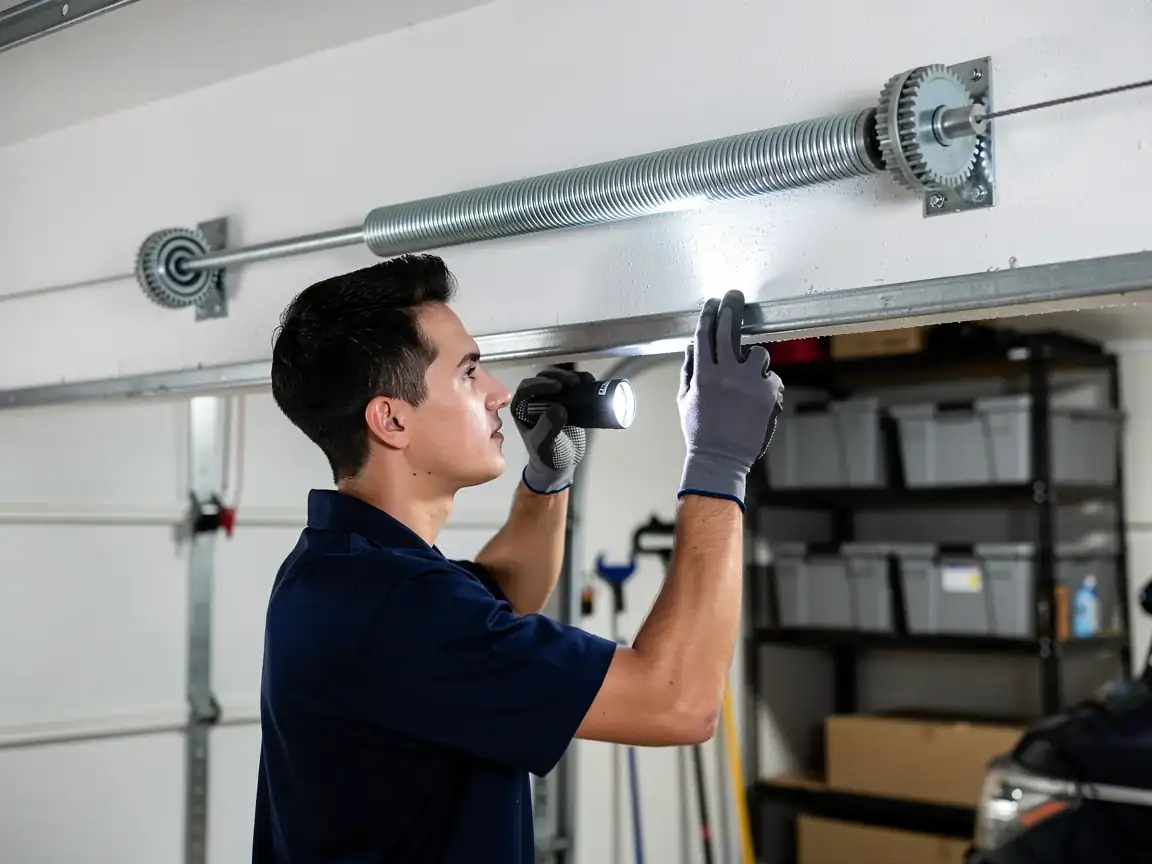
A technician in a blue shirt and gloves inspects a garage door track with a flashlight.

On-site diagnosis

A technician tests the door under power and by hand and finds what actually failed.

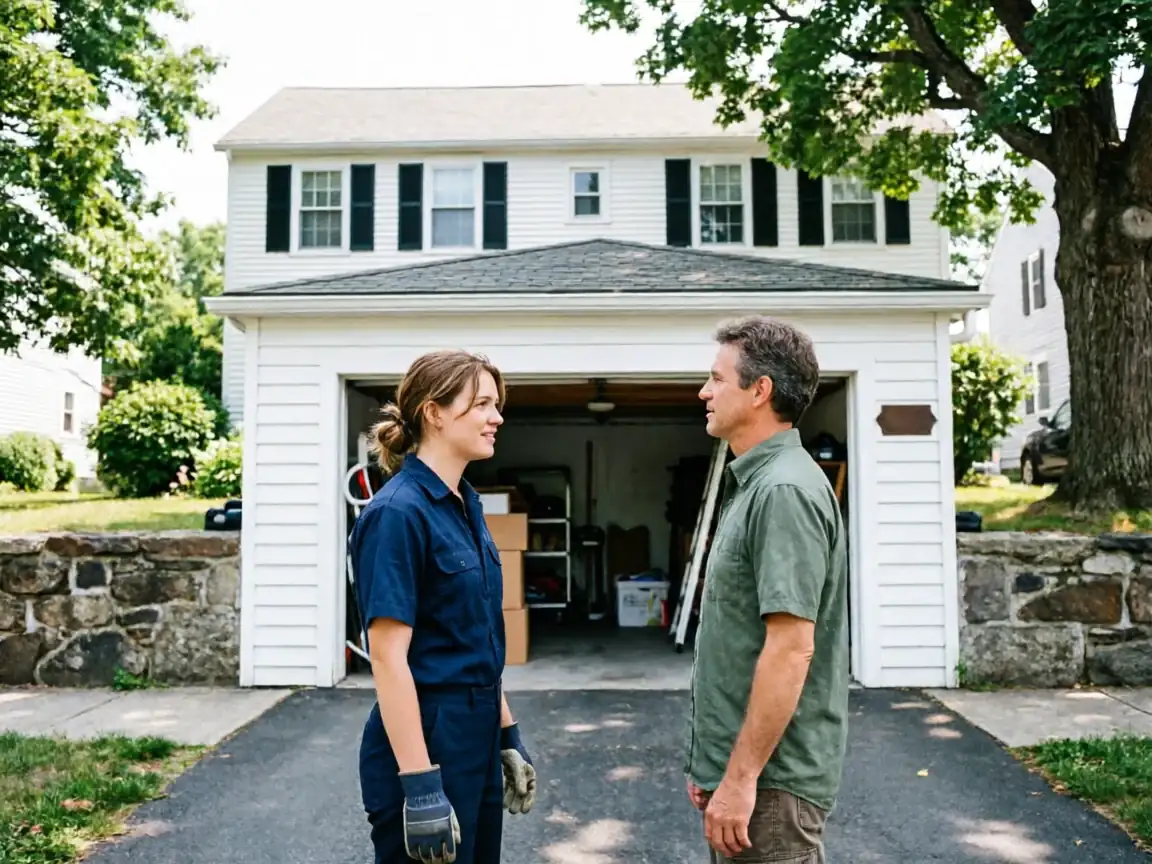
A technician in a blue uniform stands facing a man in a green shirt.

Clear, up-front plan

You get the fix that’s needed and what drives the cost - before any work starts.

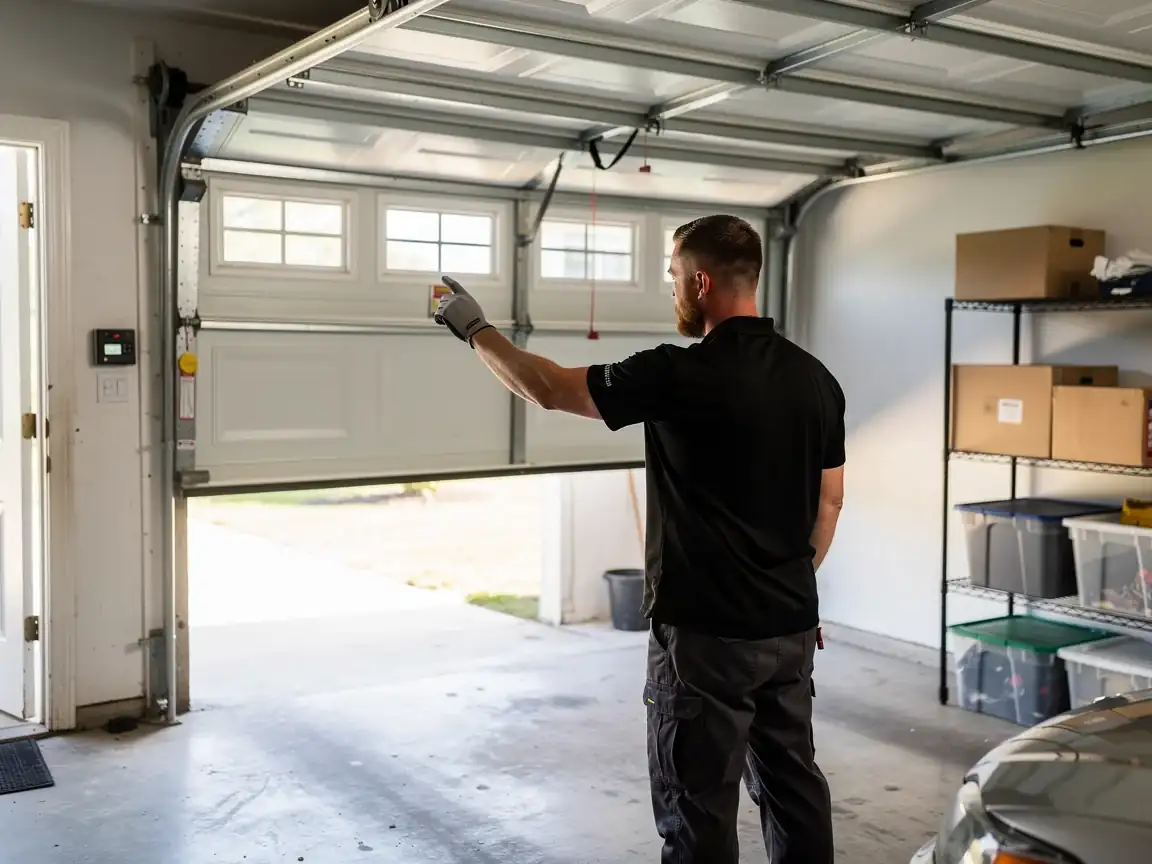
A technician points at an open white garage door with windows from inside a garage.

Repaired & tested

The repair is done, the door is set true and tested, and the work area left clean.

Not sure which repair your door needs in Hudson, MA? Describe what it’s doing - every job starts with a diagnosis.

6areas covered
How we work

What to expect

Diagnosis firstEvery visit starts by finding what actually failed - not a pre-written parts list.
The right part for the doorSprings and openers matched to the door’s weight and age, so the fix holds up.
Straight answersWhen a repair makes more sense than a replacement - or the reverse - you hear it plainly.
Clean, careful workTension released safely, hardware set true, the door tested under power before we leave.
What we do

Garage Door Services

Repair and installation work for Hudson homes and businesses.

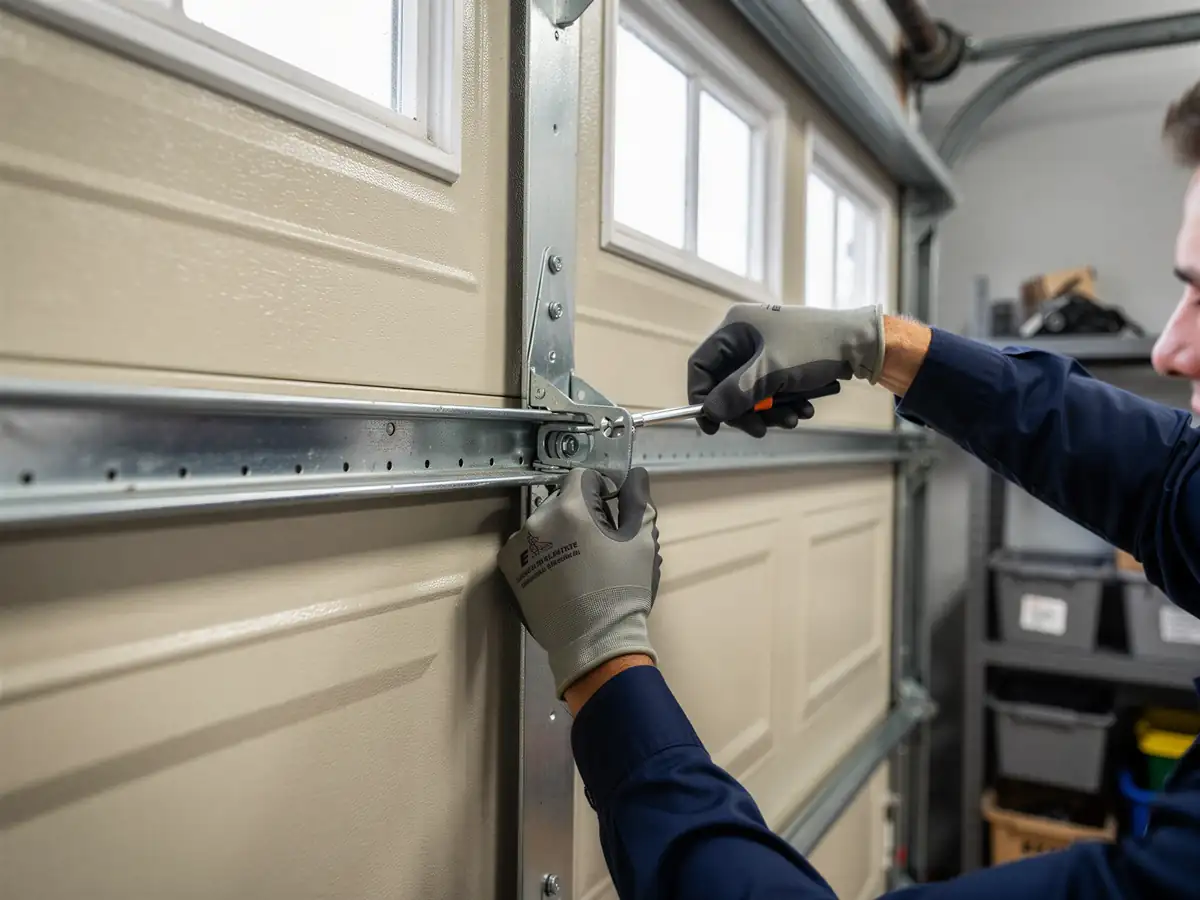
A technician in gloves adjusts a beige garage door with a screwdriver.

Garage Door Repair

Hudson Garage Door Pros fixes broken springs, stuck tracks, and dead openers on the 1960s and 70s doors that fill Hudson's older neighborhoods, in cold-weather conditions.

Learn more
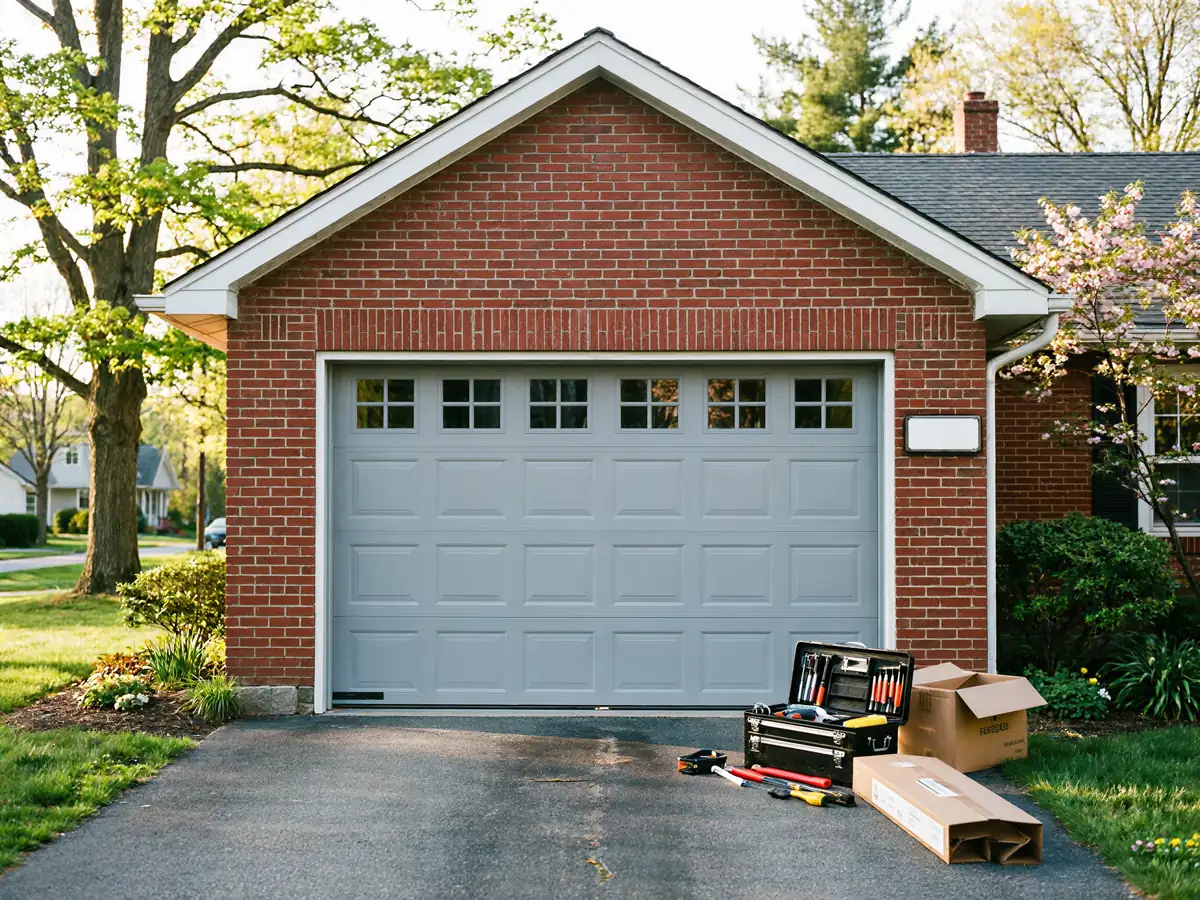
A gray garage door with windows on a brick house, with tools on the driveway.

Garage Door Installation

New garage door installation in Hudson, MA, sized for the area's 1960s-70s housing stock and built to hold up through a cold New England winter.

Learn more
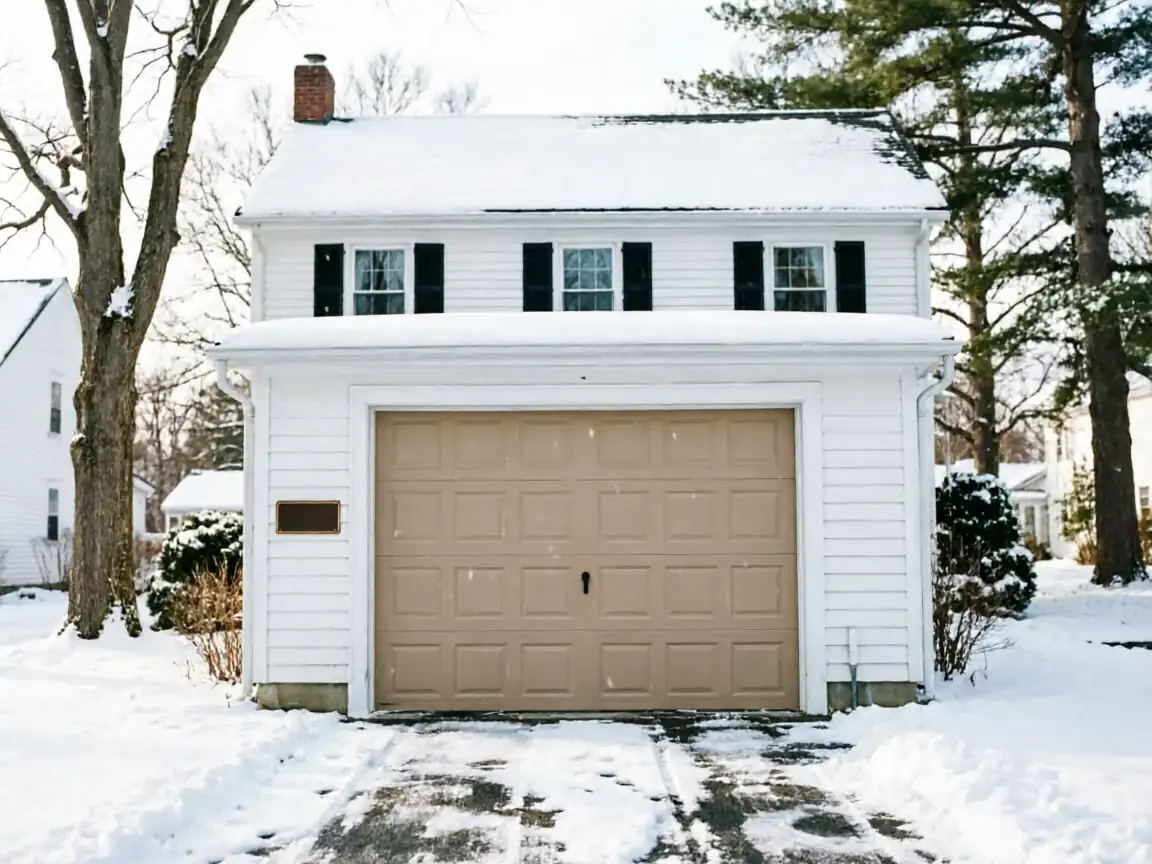
A white house with a tan garage door and black shutters is covered in snow.

Garage Door Service

Garage door repair and tune-ups for Hudson, MA homes built between 1938 and 1993, where cold winters and original hardware wear out springs and openers fast.

Learn more
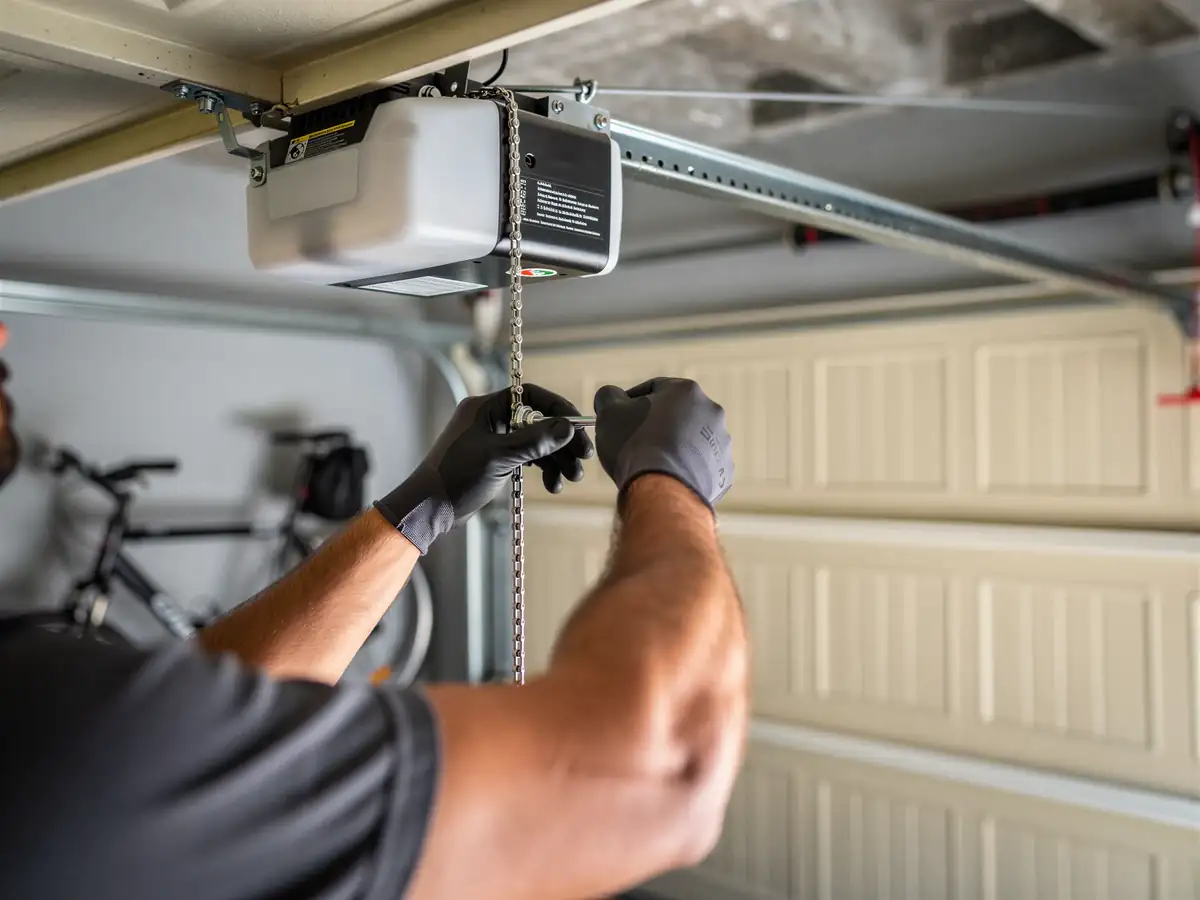
A technician adjusts the chain on a garage door opener.

Opener Repair

Opener repair for Hudson homes built mostly in the 1960s and 70s, where cold winters and original hardware wear out openers the same way, year after year.

Learn more
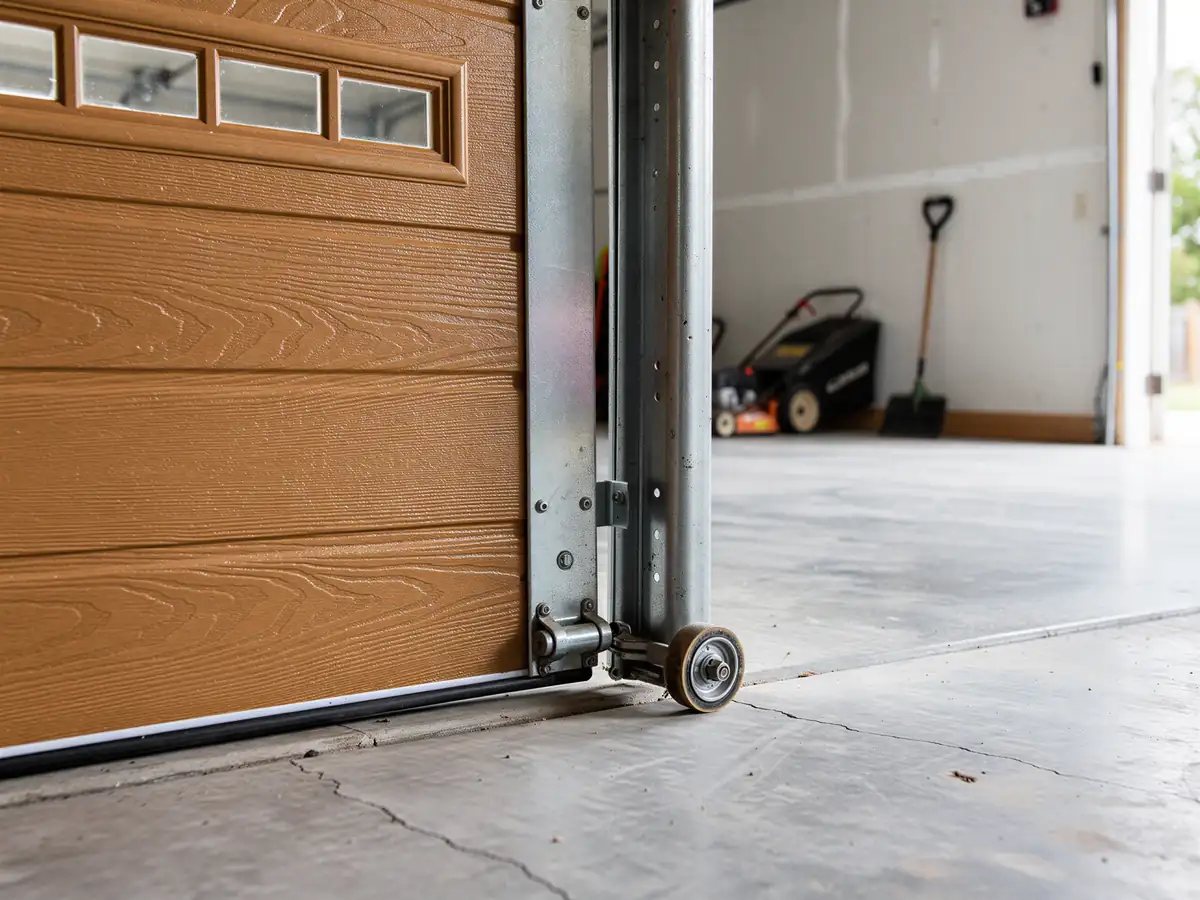
A brown garage door with windows and a roller on a track.

Off-Track Repair

Garage door jumped its track in Hudson, MA? We cover Hudson and the surrounding towns out to Harvard and Littleton. Same hardware, same fix, no guessing over the phone.

Learn more
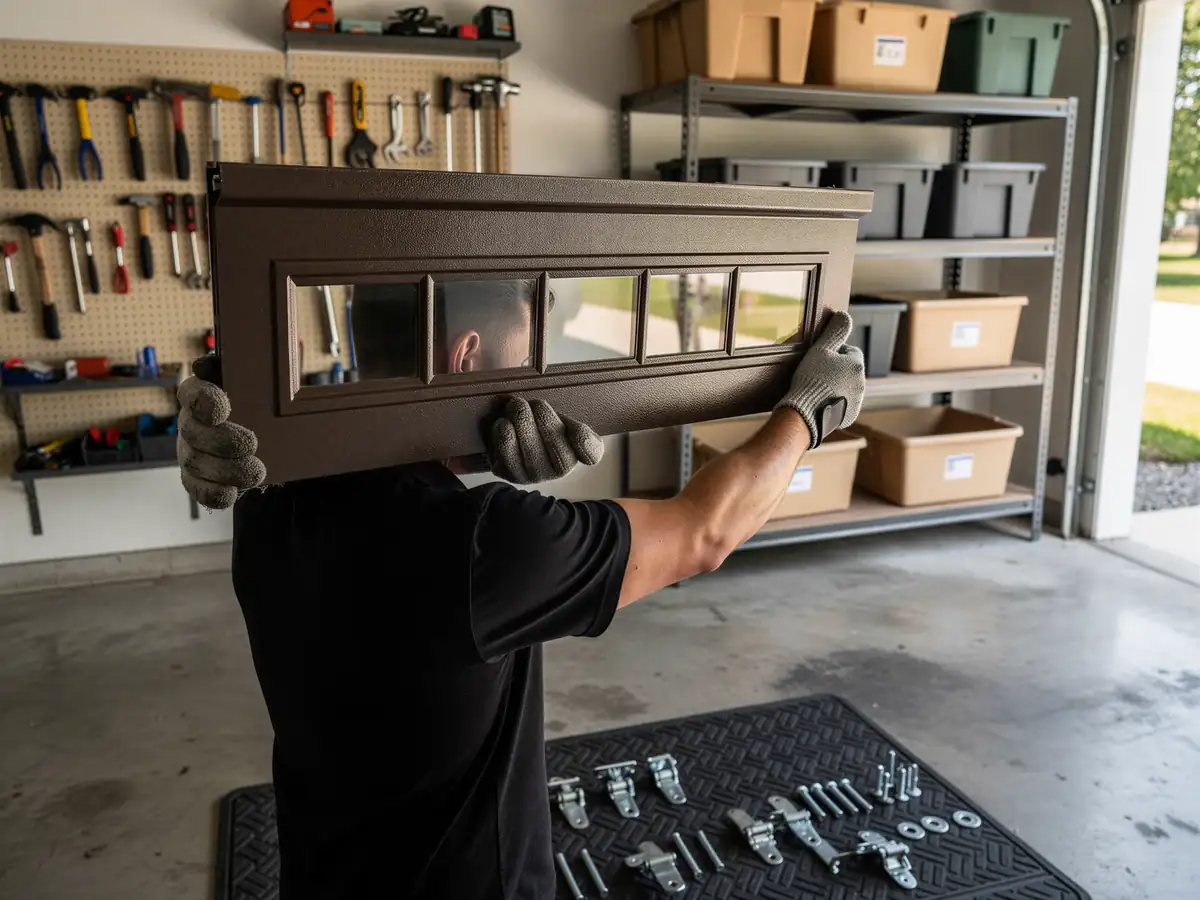
A technician holds a brown garage door panel with windows in a garage.

Panel Replacement

Cracked or dented garage door panels on Hudson's 1960s-70s homes need matching panels, not full doors. See what drives panel damage and how booking works.

Learn more
A technician in a gray uniform is adjusting a black garage door.

Maintenance

Keep your garage door running through Hudson's cold winters and older housing stock. Seasonal tune-ups for springs, tracks, and openers built before 1993.

Learn more
A technician walks toward a white house with a white garage door, carrying a tool bag.

Emergency Garage Door Repair

Spring snaps, track pulls loose, door won't budge. We explain why it happens so often in this area's 1960s-70s housing stock and cold winters, and how to get a truck out fast.

Learn more
Questions

Frequently asked

Straight answers about garage door repair in Hudson. Still unsure? Ask us directly.

Why does my garage door sensor only act up in winter?

The ground under your slab freezes and shifts slightly as frost moves through it, which can tilt the sensor brackets mounted near the floor. Hudson sits in a severe cold climate band, so this cycle repeats every winter. A realignment in the fall, before the ground freezes hard, usually prevents the worst of it.

Is a misaligned sensor dangerous?

Yes. If the sensors can't see each other, some openers will refuse to close the door at all, while older or bypassed systems may let it close without checking for an obstruction. A door that closes without that safety check can come down on a car, a pet, or a person. Don't disable the sensors as a workaround.

My garage is original to a 1960s house. Does that matter?

It does. A lot of the housing in this area dates to that era, and the garage slabs and bracket mounts from that period weren't built to today's standards. Older wood trim brackets shift more over decades than newer masonry-anchored ones, so these garages tend to need sensor checks more often.

Ready to get your garage door sorted?

Tell us what it’s doing and where you are in Hudson - we’ll take it from there.

Request a QuoteCall