How It Shows Up
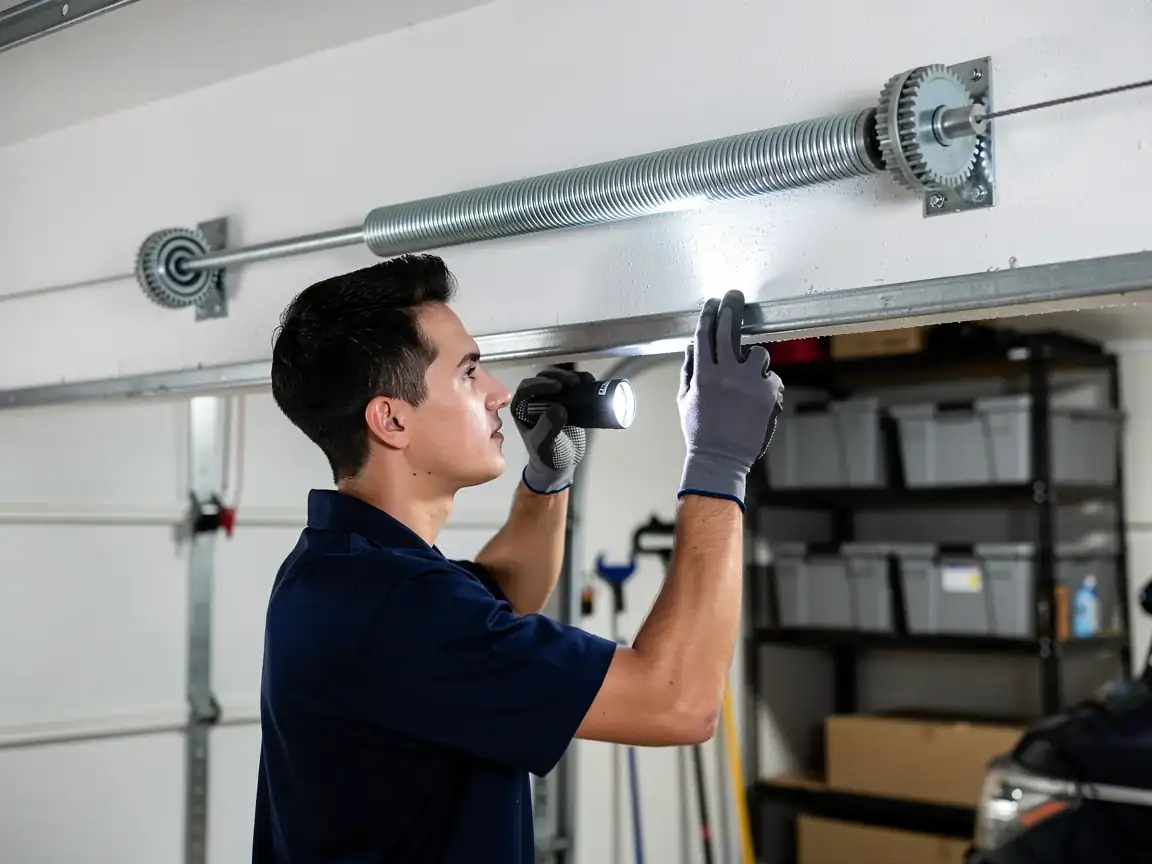
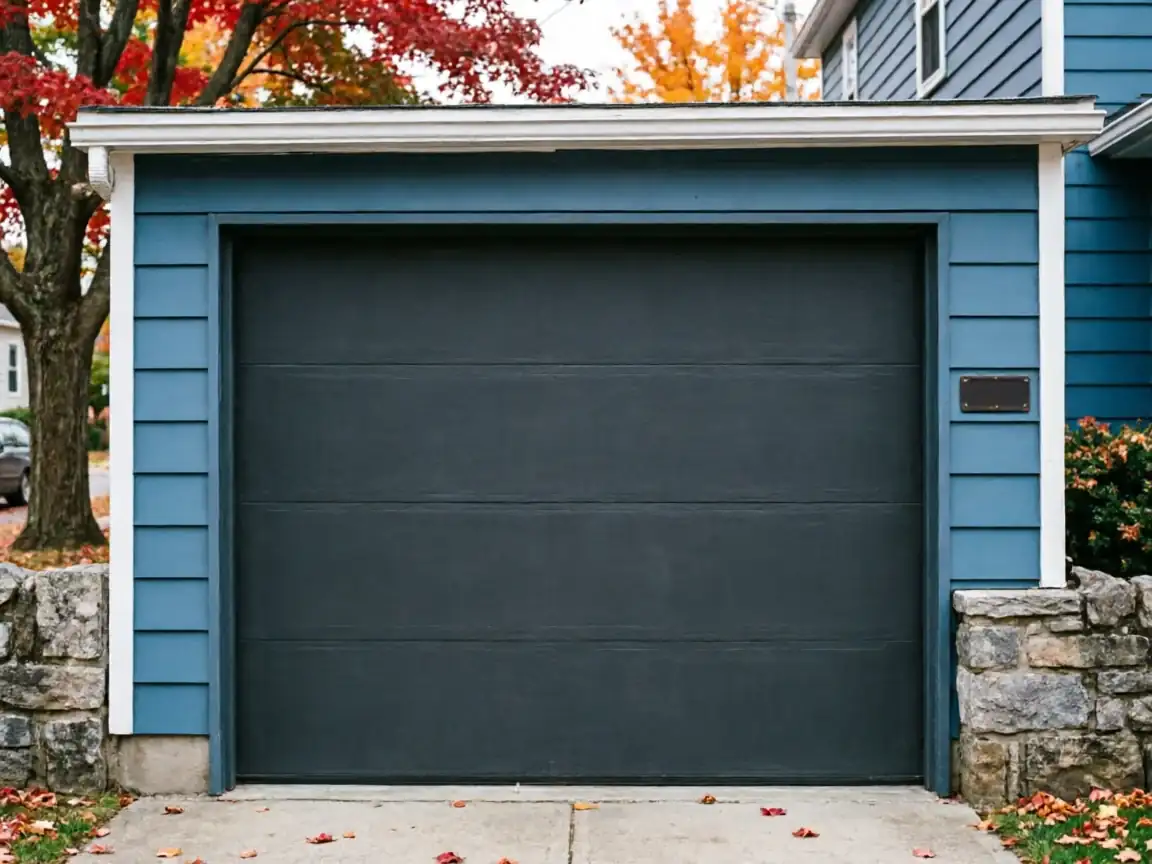
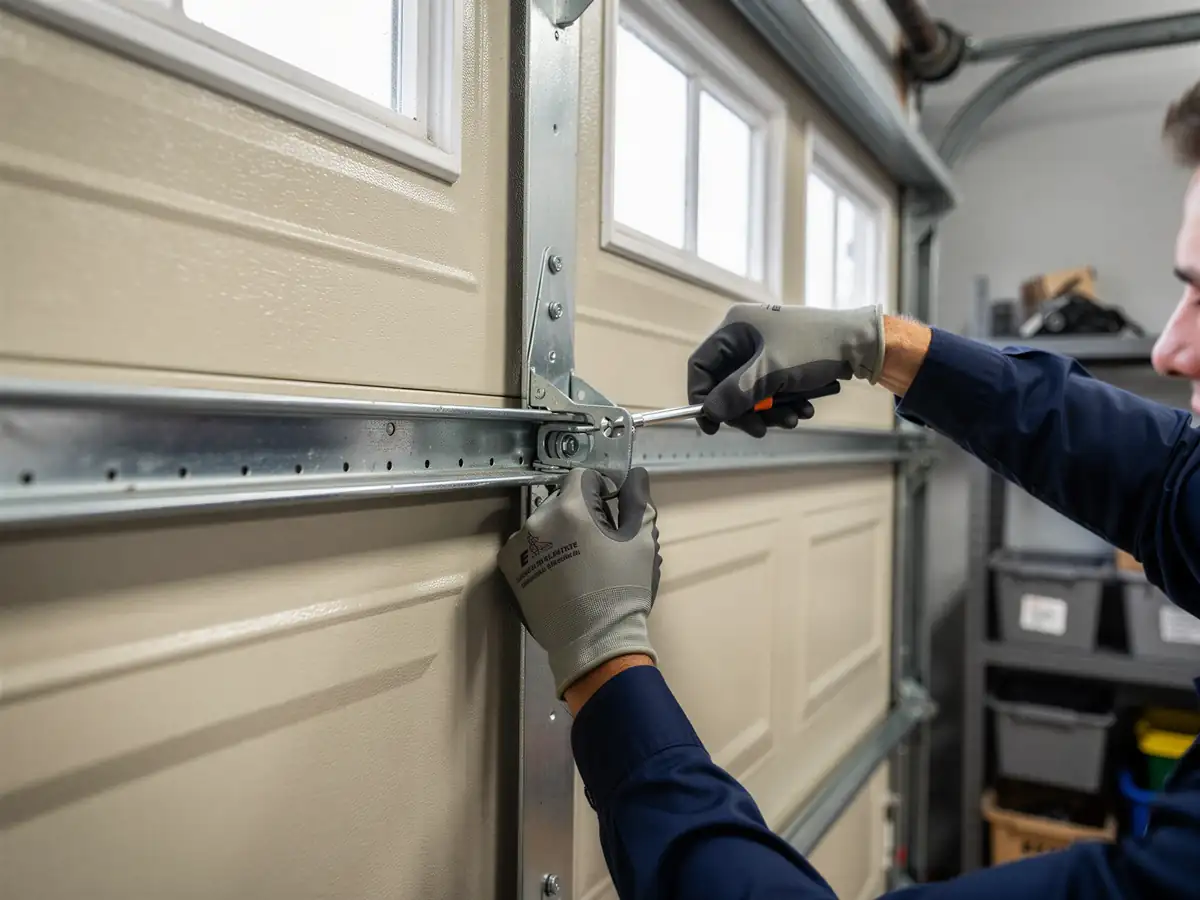
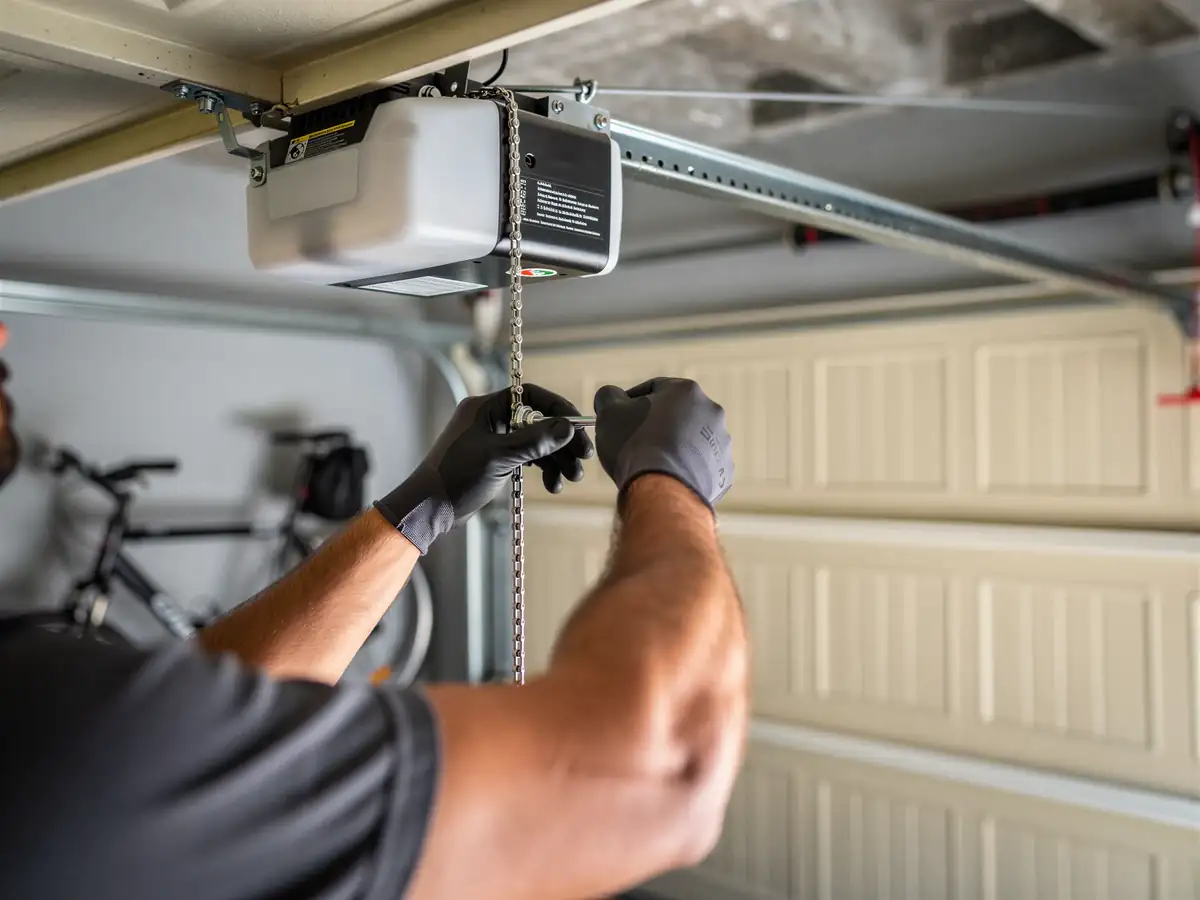
Most of the calls we get for a full install, not a repair, come from the same place: a door that was original to the house. A lot of Hudson's housing went up between 1938 and 1993, with the bulk of it dating to the 1960s and 70s, and those doors are reaching the end of what steel and old hardware can do. You'll see it as a panel that's bowed from decades of expansion and contraction, a track that's been re-shimmed so many times it's out of square, or an opener bracket pulling away from framing that was never built for today's heavier insulated sections.
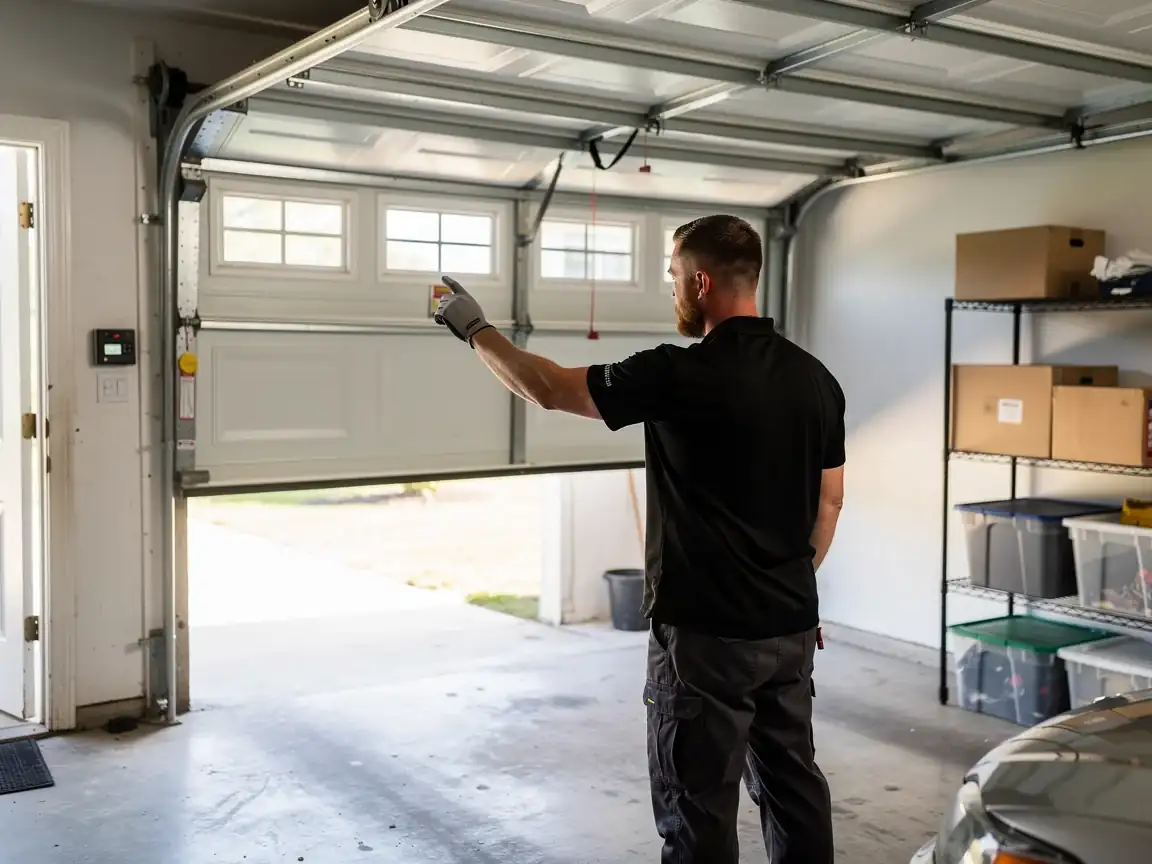
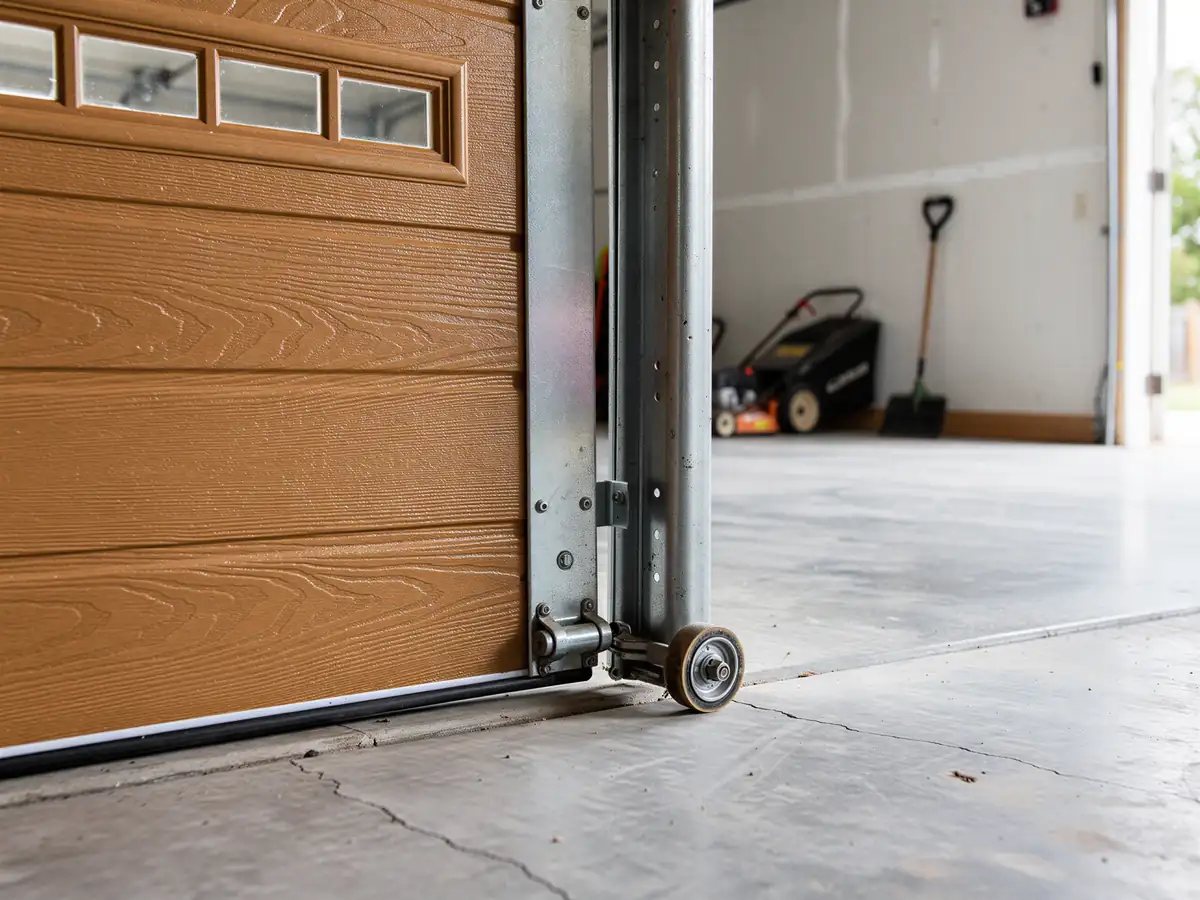
Cold-climate stress makes this worse here than it would be somewhere milder. Hudson sits in a severe cold band, and a single-layer steel door from that era was never built with the thermal break or weatherstripping channel that current doors use. On the coldest mornings the steel contracts enough that the door binds in the track before it ever gets to the opener. That's not a repair problem - it's an install problem, because the door itself is the wrong door for the house it's on now.
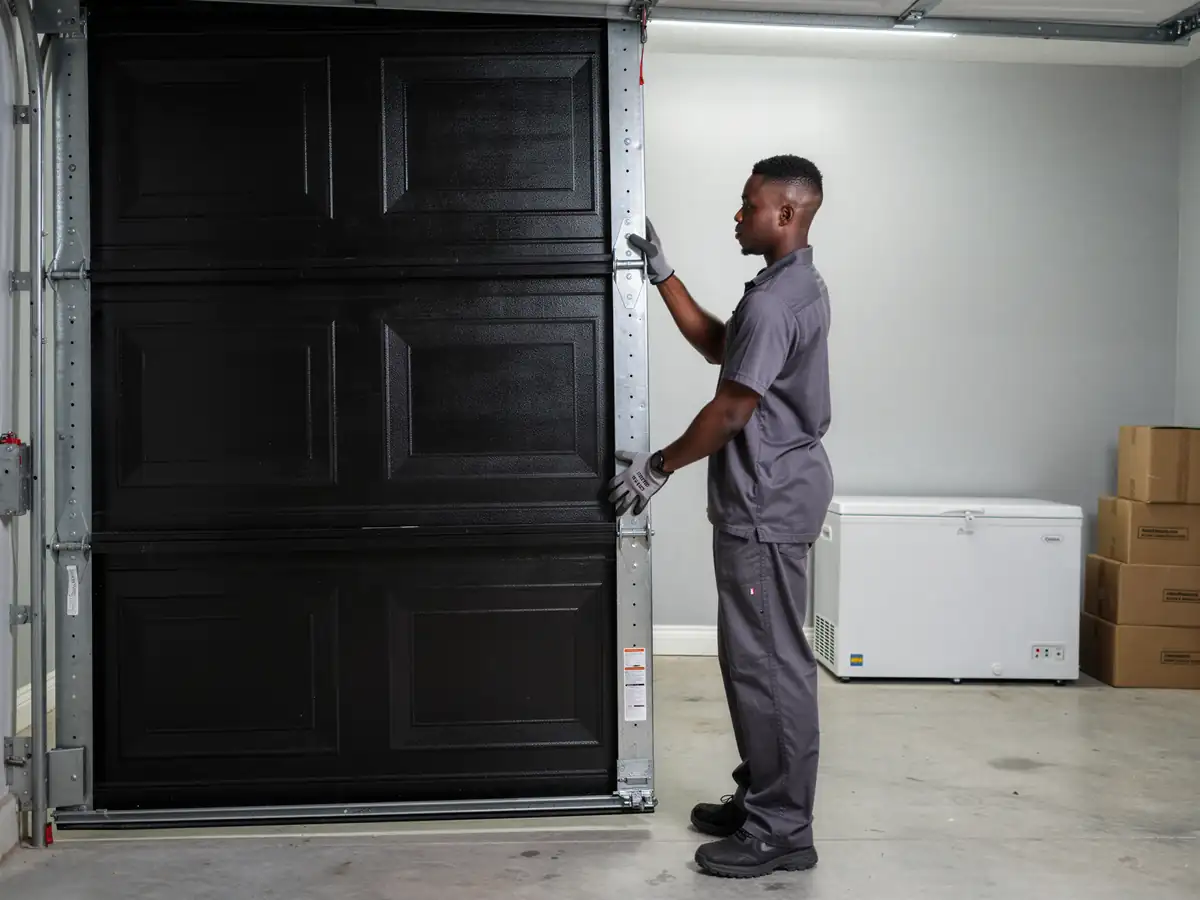
If your door is from that same build era and you're fighting it every winter, replacement usually solves what repair can't.
How to Book
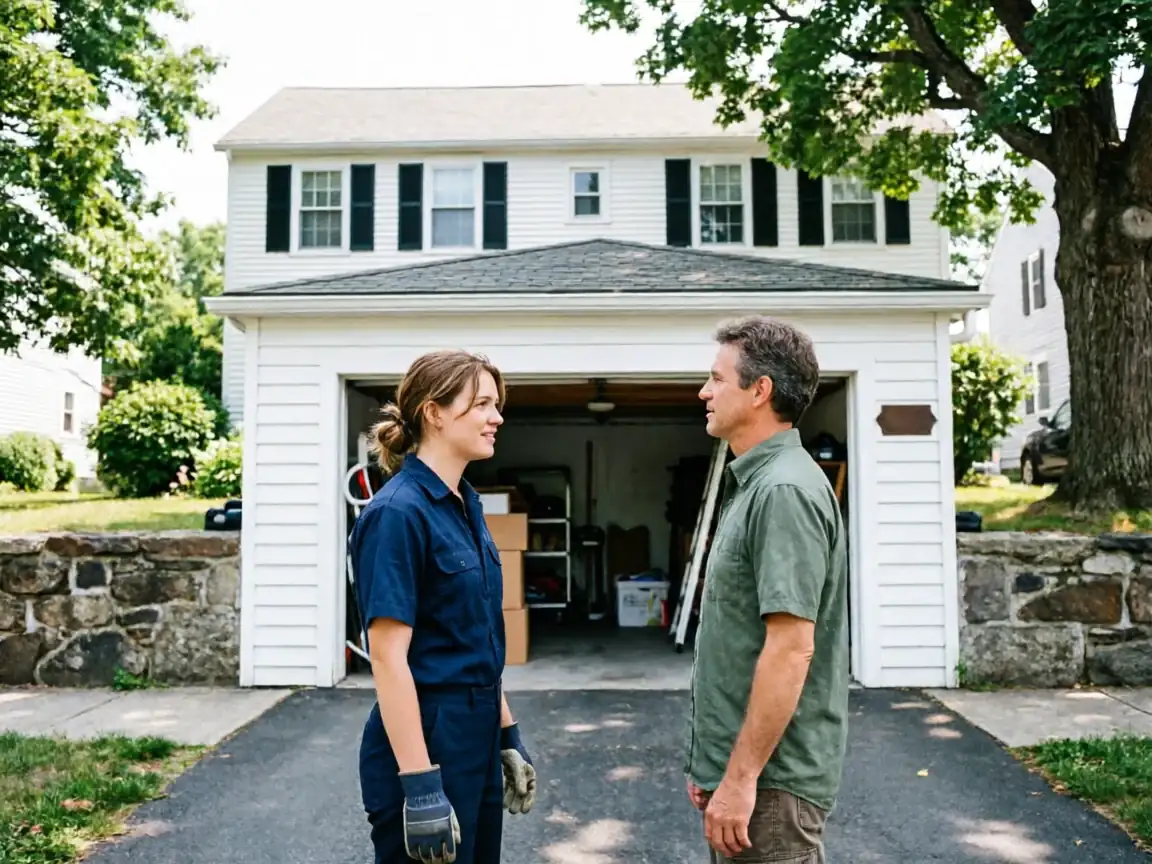
Call or use the contact form on our site to set up a time for a look at your opening. We need actual measurements - width, height, headroom, and backroom - before we can spec a door, so the first visit is about getting those numbers right, not guessing off a listing photo. Houses in this area vary a fair amount even on the same street, since so much of the stock was built in waves through the 60s and 70s rather than from a single developer's plan, so headroom and jamb condition aren't something we assume.
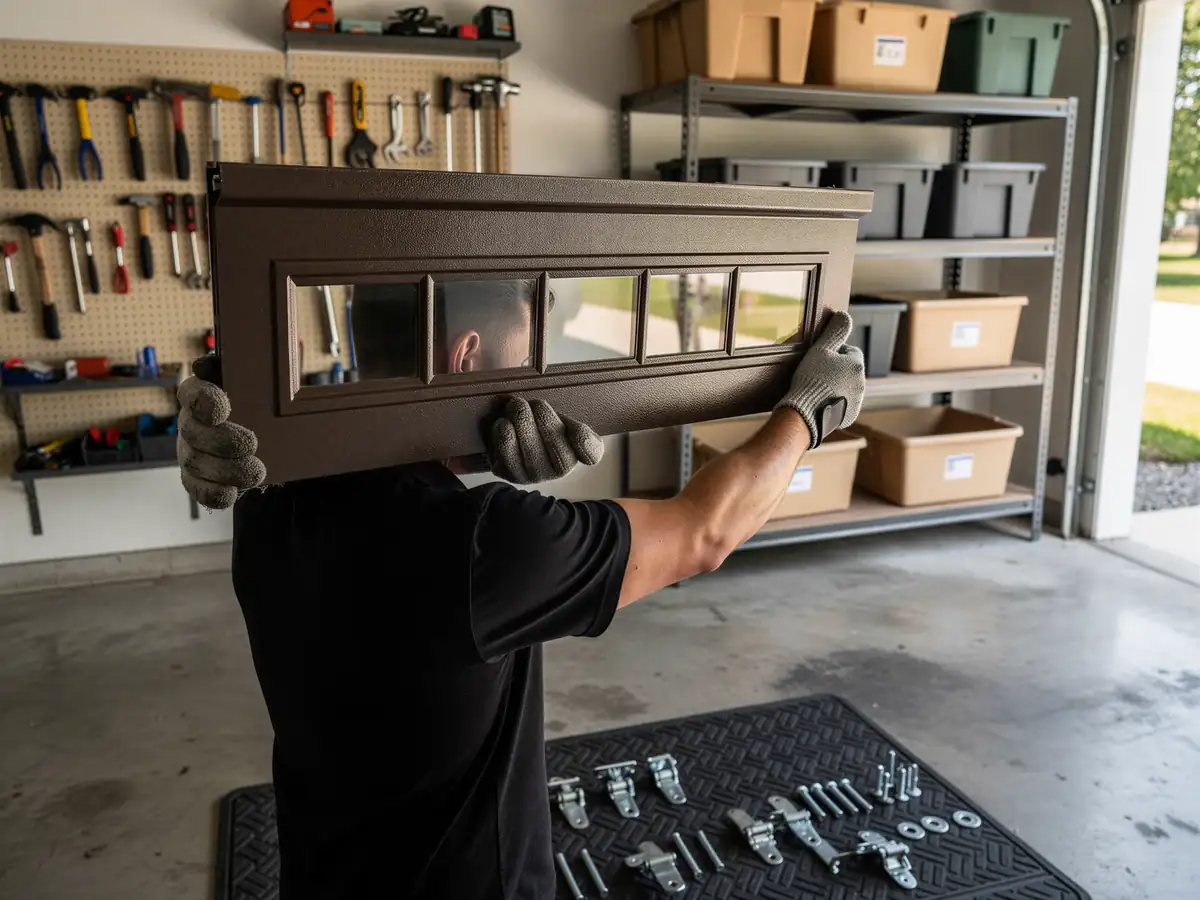
Once we've measured, we'll walk you through door options that fit both the opening and the house - insulation rating matters more here than in a lot of markets given the cold winters, so we'll talk through that specifically rather than defaulting to whatever's cheapest. We'll give you a firm install date at that point, not a vague window. If your existing jamb or header needs carpentry work before a new door can go in, we'll tell you that up front rather than discovering it the day of install.
We don't do same-day installs off a phone call - a proper install takes planning, and a rushed one is how you end up with a door that doesn't seal.
What You Pay
We don't post a flat number for installation because the honest answer is that it depends on the door
Steel versus insulated steel, single versus double, and whether we're also replacing track, opener, or jambs that have warped. What we can tell you is what drives the cost up or down for a house like yours. A standard-size opening on a house from the 1960s-70s era, with jambs still square, is the simplest and cheapest version of this job. A wider or taller nonstandard opening, or one where the framing has shifted over fifty-plus years, adds labor before the door itself even gets touched.
Given this area's median household income sits well above the national figure
We do see more customers choosing a fully insulated door with a better R-value up front rather than the cheapest steel option, since the cold-weather payoff is real here. That's a choice, not a requirement - we'll quote both and let you decide.
We'll give you a written number after the measurement visit, not before
Anyone quoting a install price over the phone without seeing your opening is guessing.
What Causes It Around Here
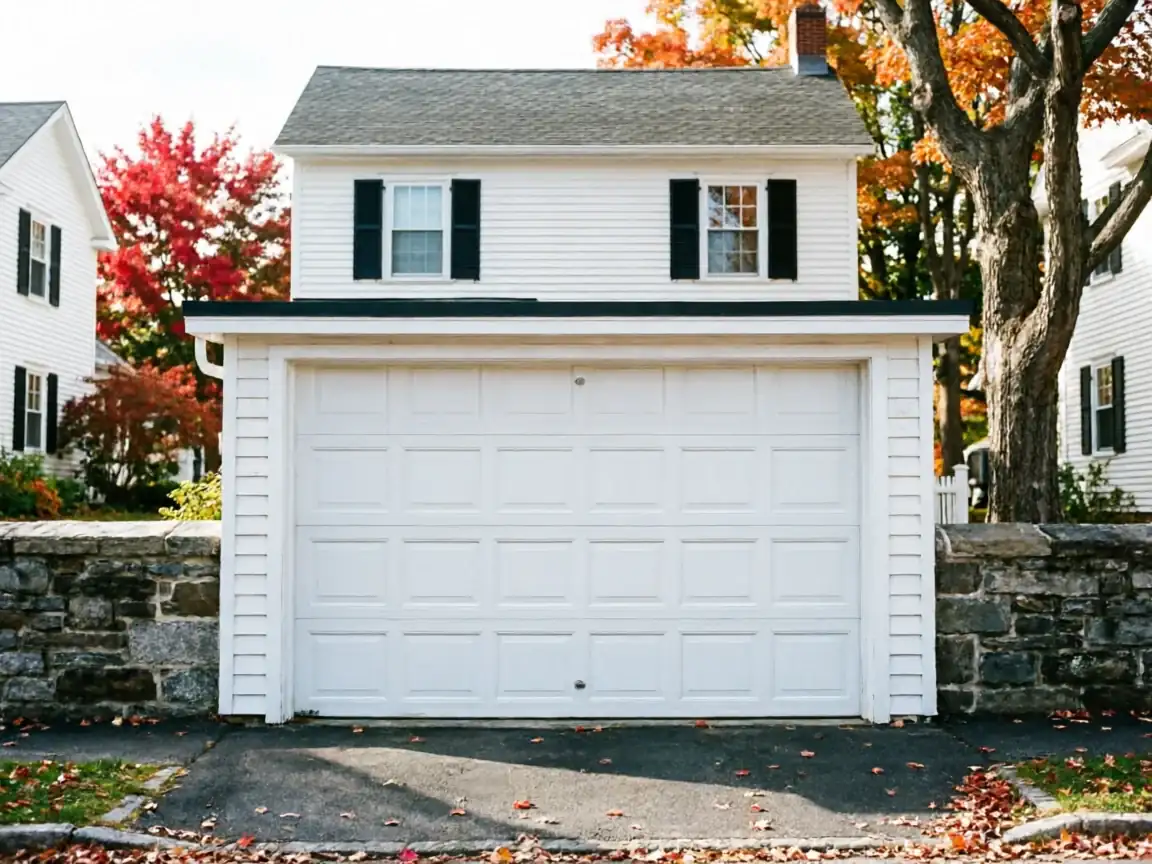
The pattern we see across Hudson and the towns around it - Berlin, Stow, Bolton, Maynard - comes down to the same two things: age and cold. Housing here runs from 1938 to 1993 with a median build year of 1969, which means a huge share of garage doors still in service were installed on houses before current insulation and hardware standards existed. Add a climate that sits in the severe cold band, and steel doors from that era are working against both age and temperature swings every winter.
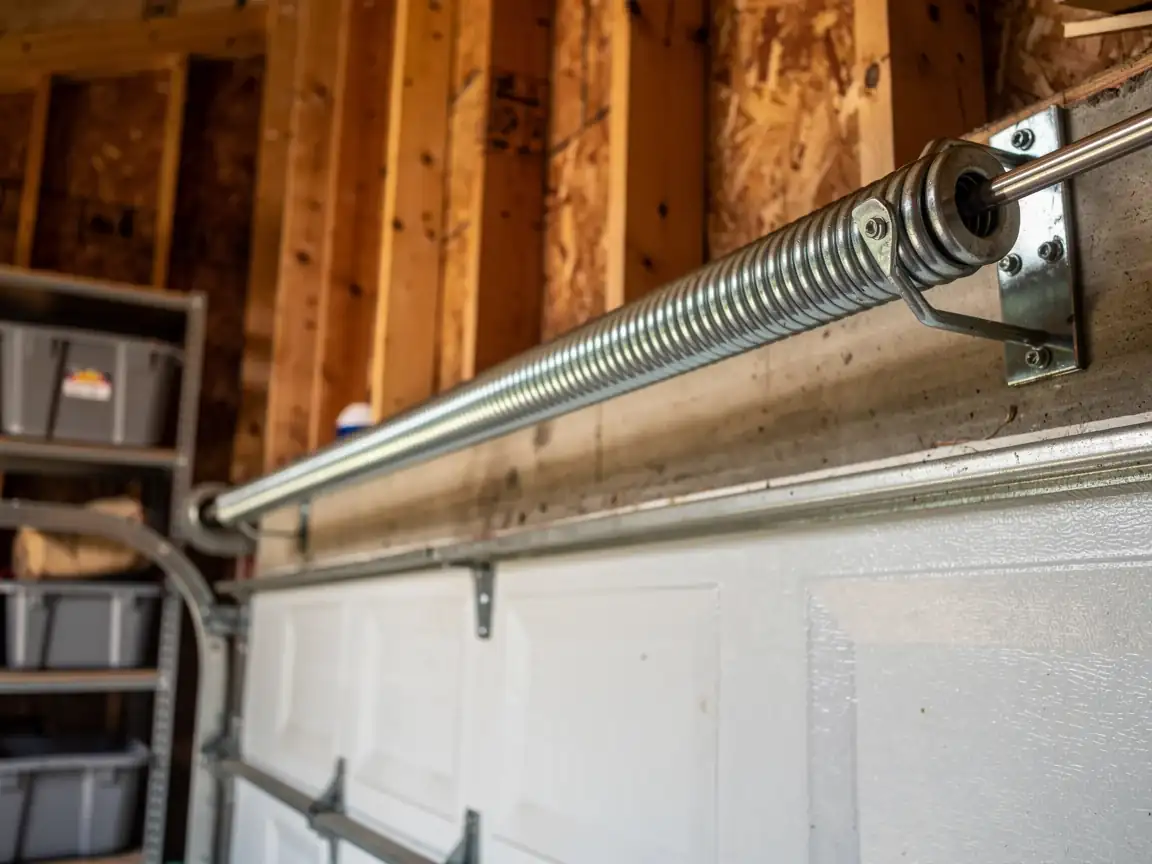
What we don't see much of, frankly, is doors failing from one dramatic event. It's cumulative: a track that's been slightly out of alignment for years finally lets a roller jump, or a spring rated for a lighter original door gets replaced with an equal-weight one instead of being resized for a heavier insulated panel. That second one is a mistake we catch often enough to mention - swapping in a modern door without resizing the spring system is a shortcut that costs the homeowner a service call within a year or two.
If your door is original to a house from that mid-century build wave, age and cold are doing the damage, not bad luck.