How It Shows Up
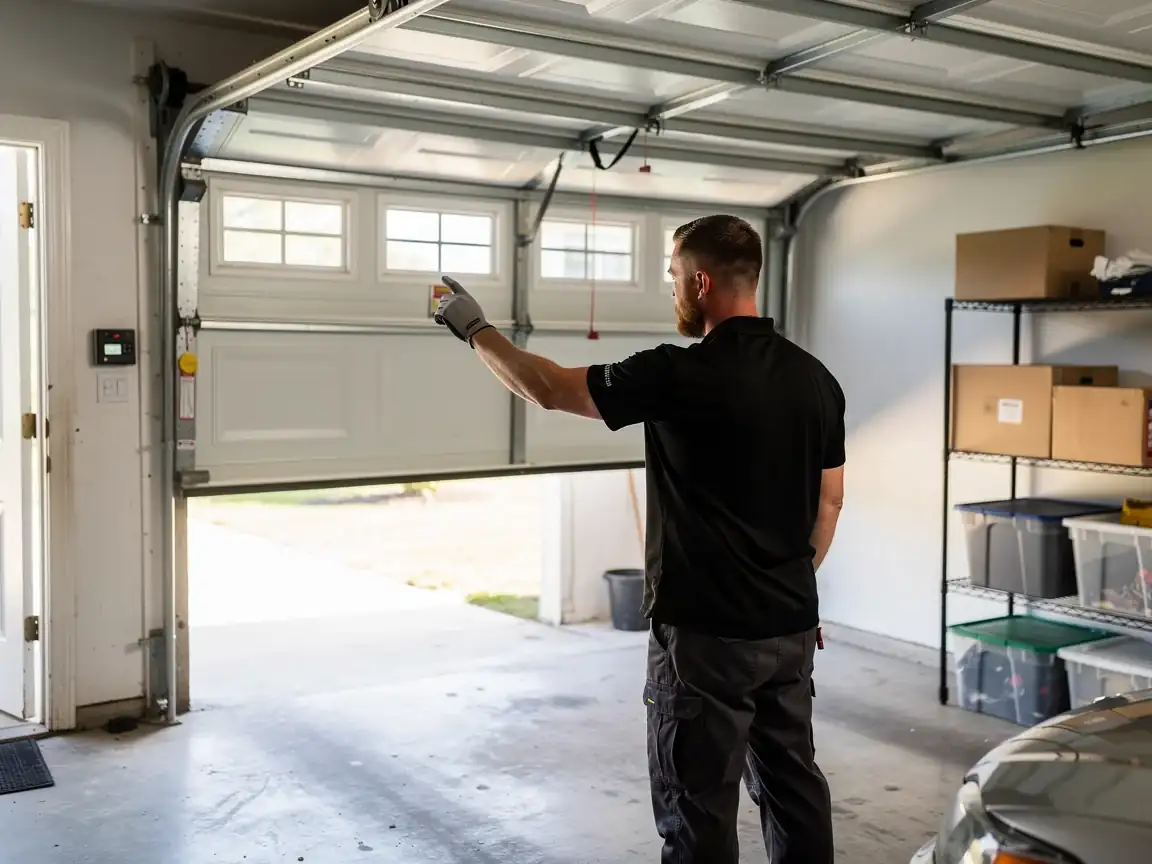
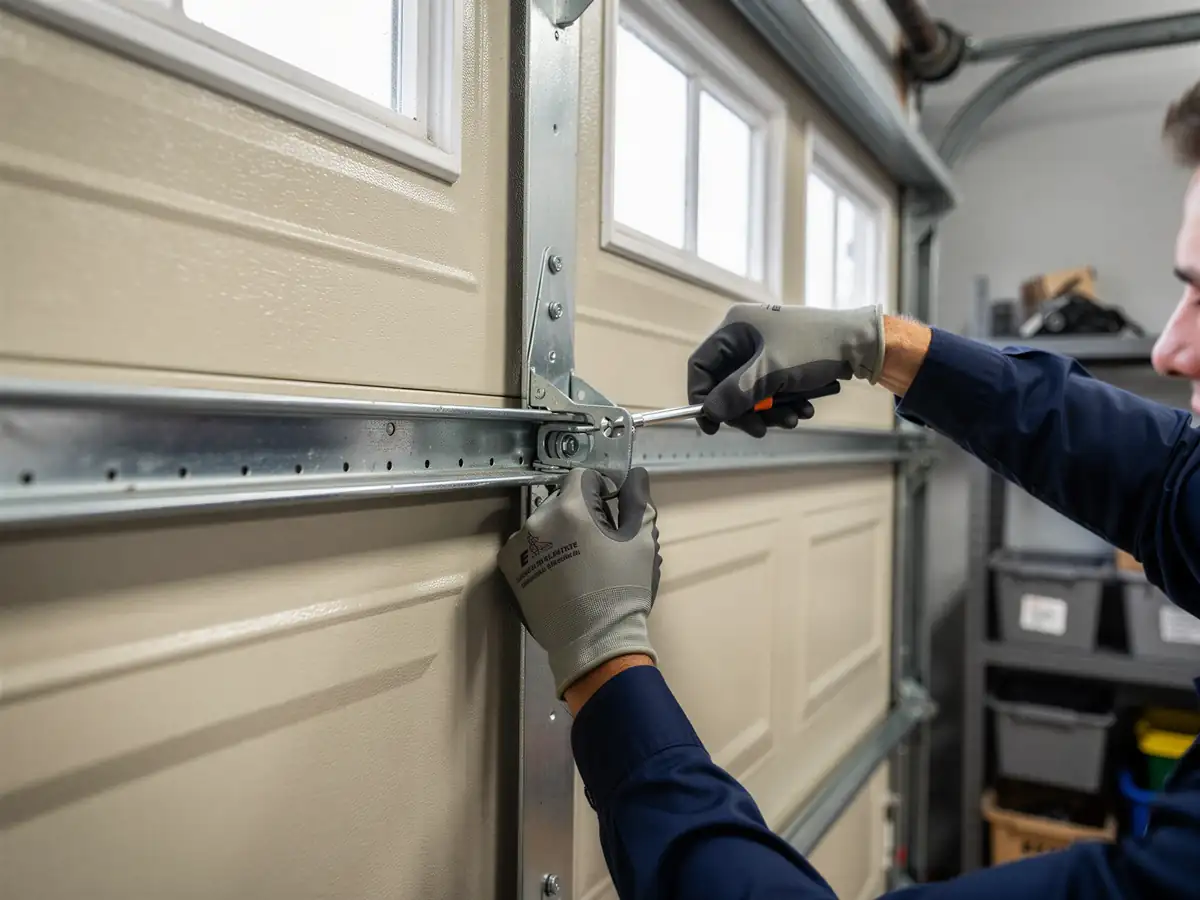
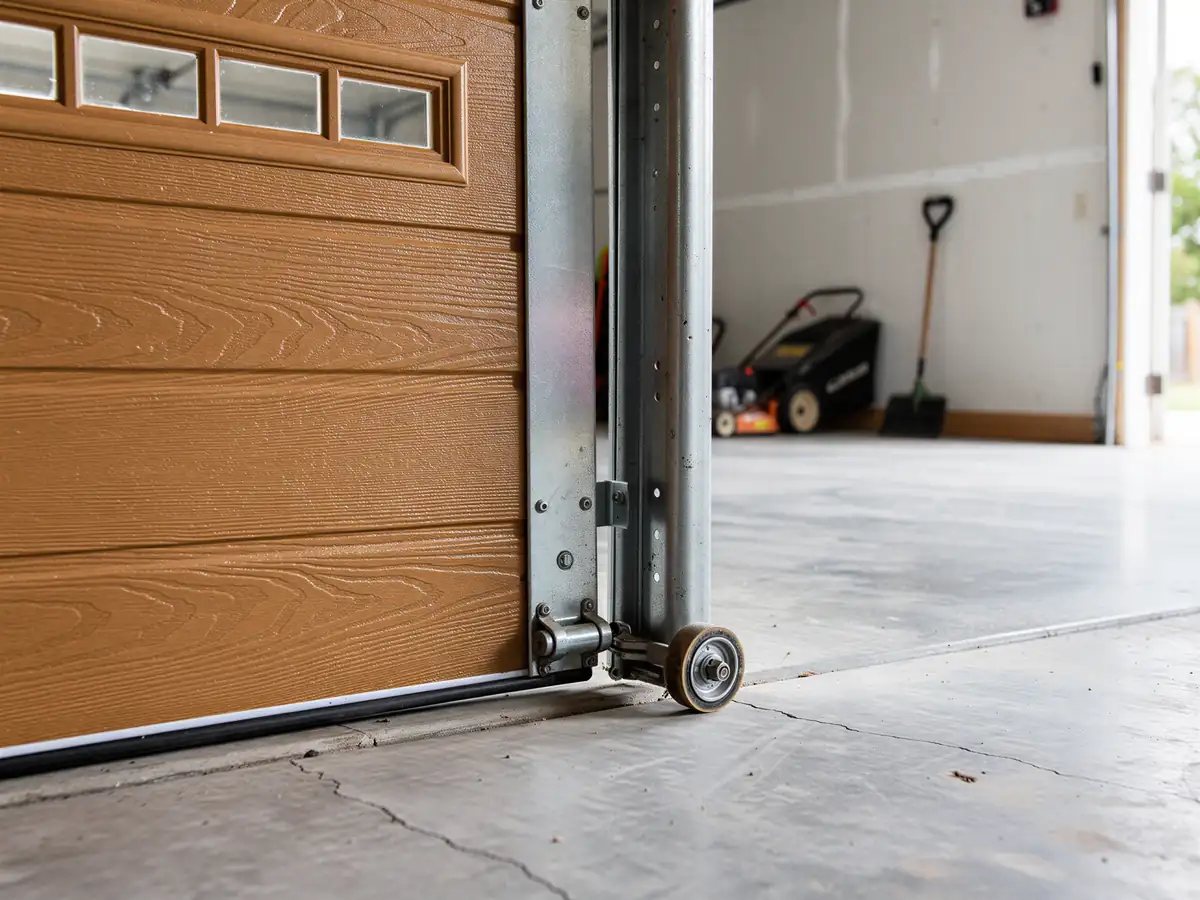
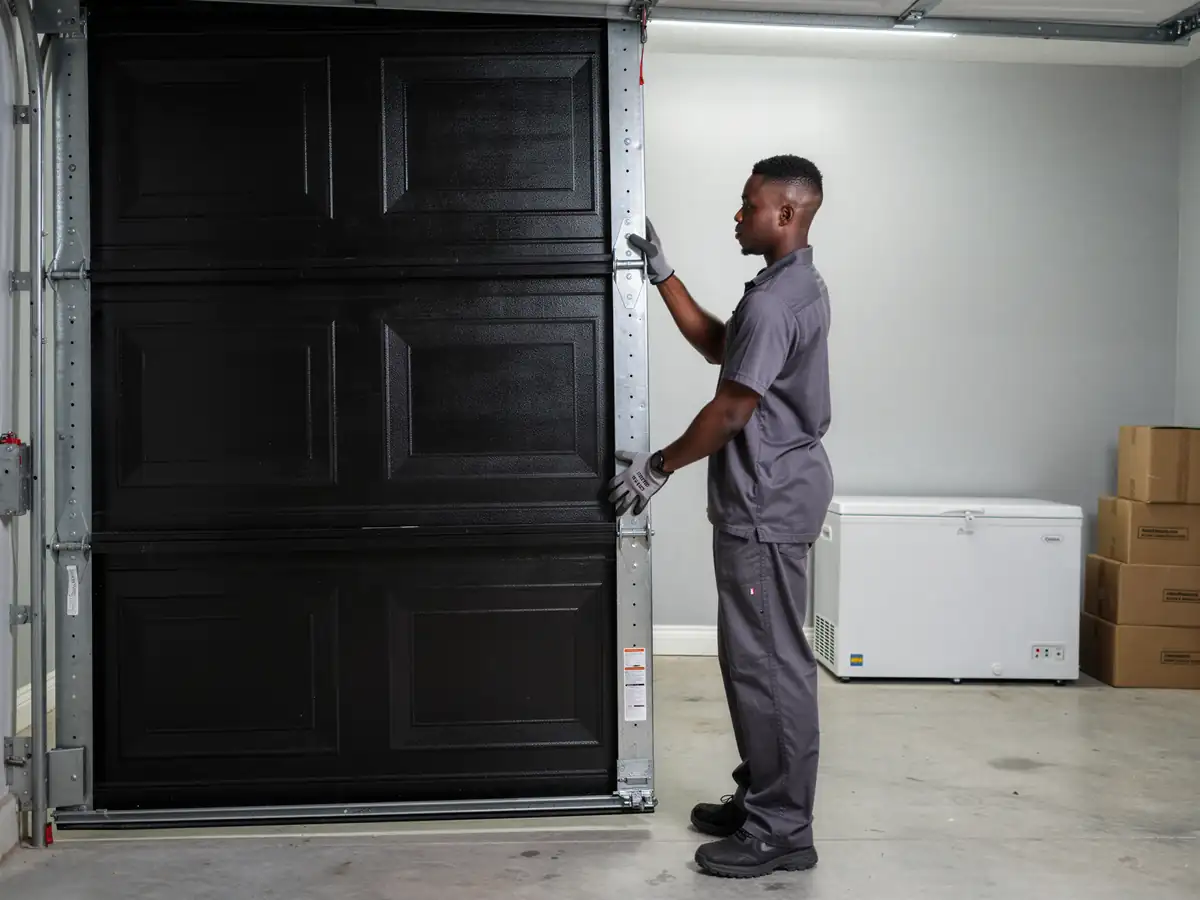
A damaged panel rarely shows up as just a dent. On a lot of the doors we see around Hudson, one bottom panel has taken the brunt of a car bumper, a snowblower, or a trash can rolling into it, and the steel has buckled enough that the roller on that section binds in the track. Sometimes it's not impact at all - it's a seam that's split from years of expansion and contraction, or a panel that's rusted through at the bottom where snowmelt sits against it every winter.
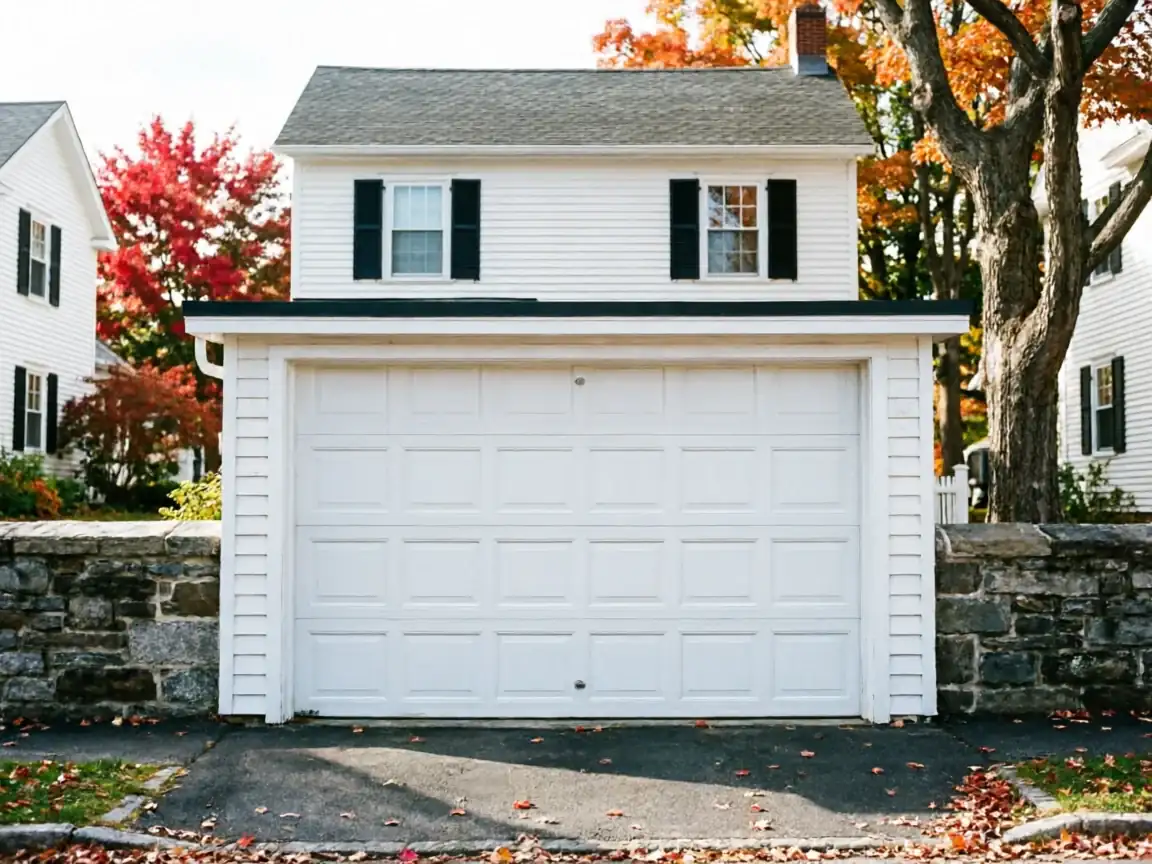
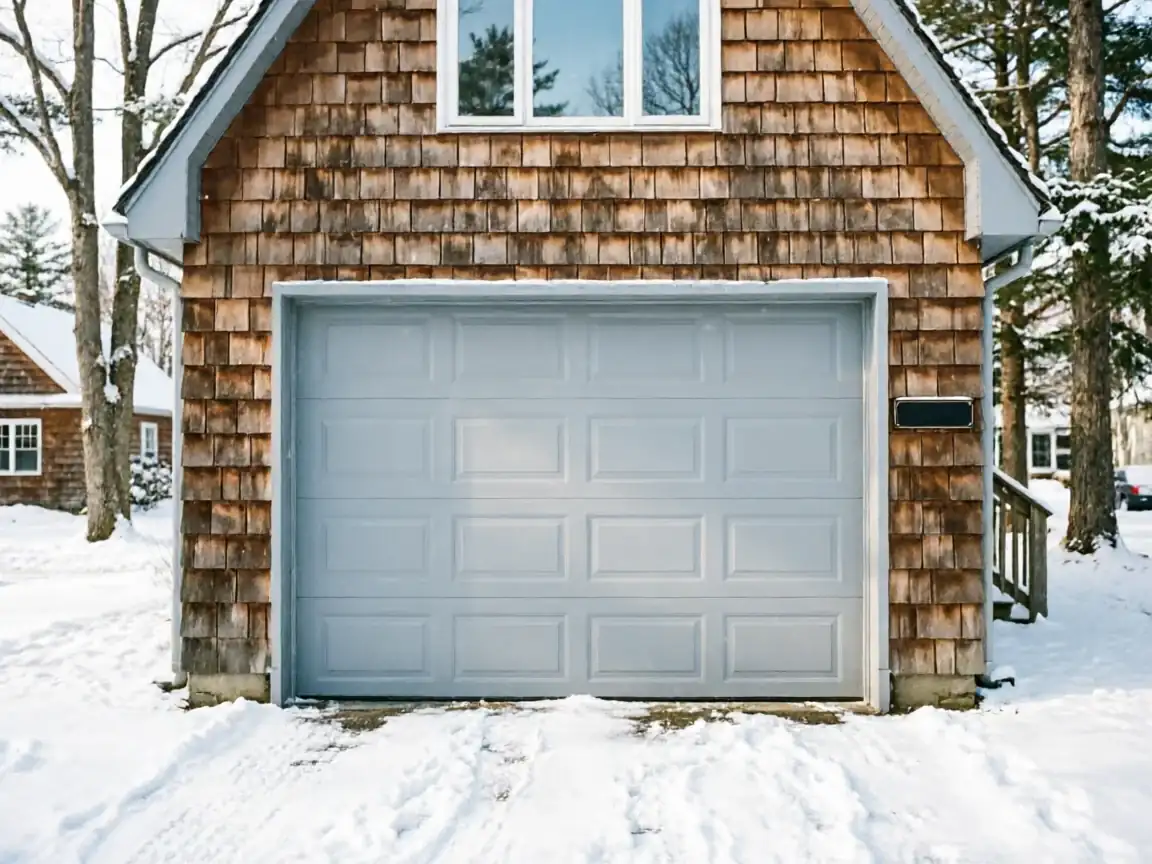
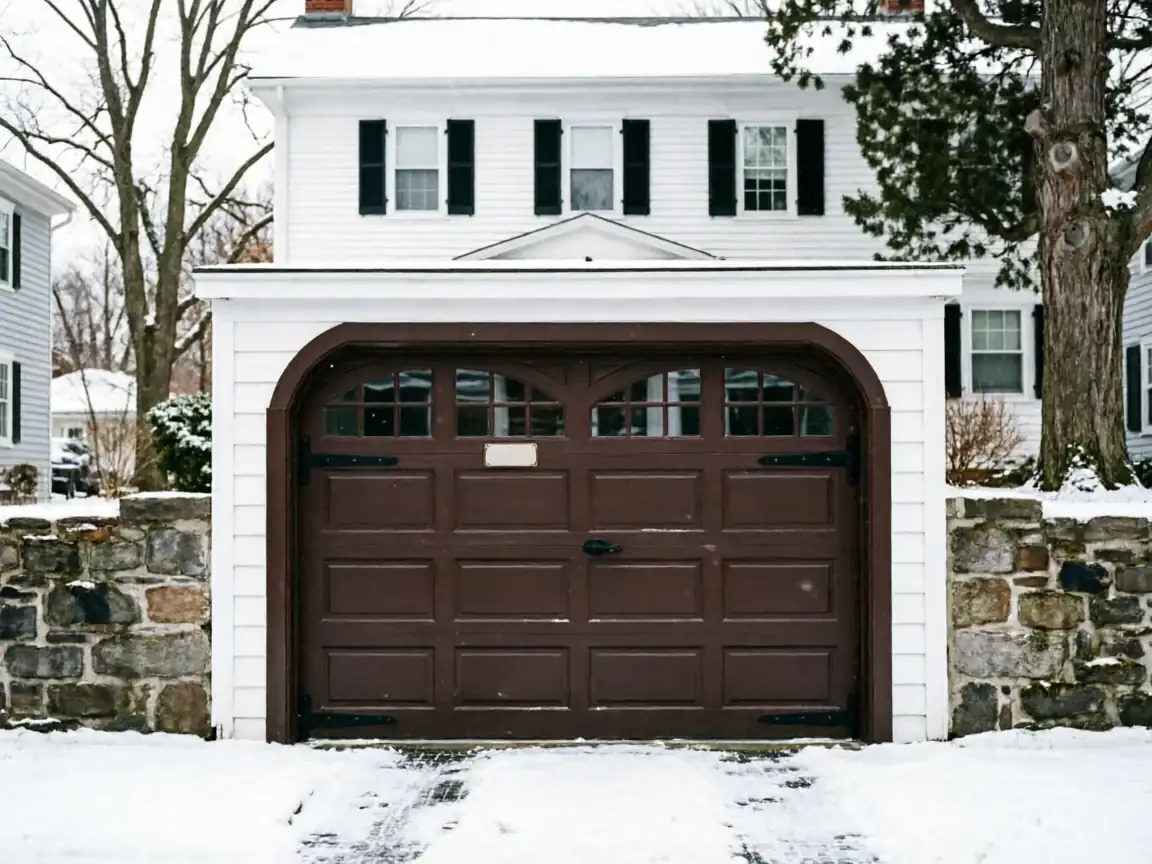
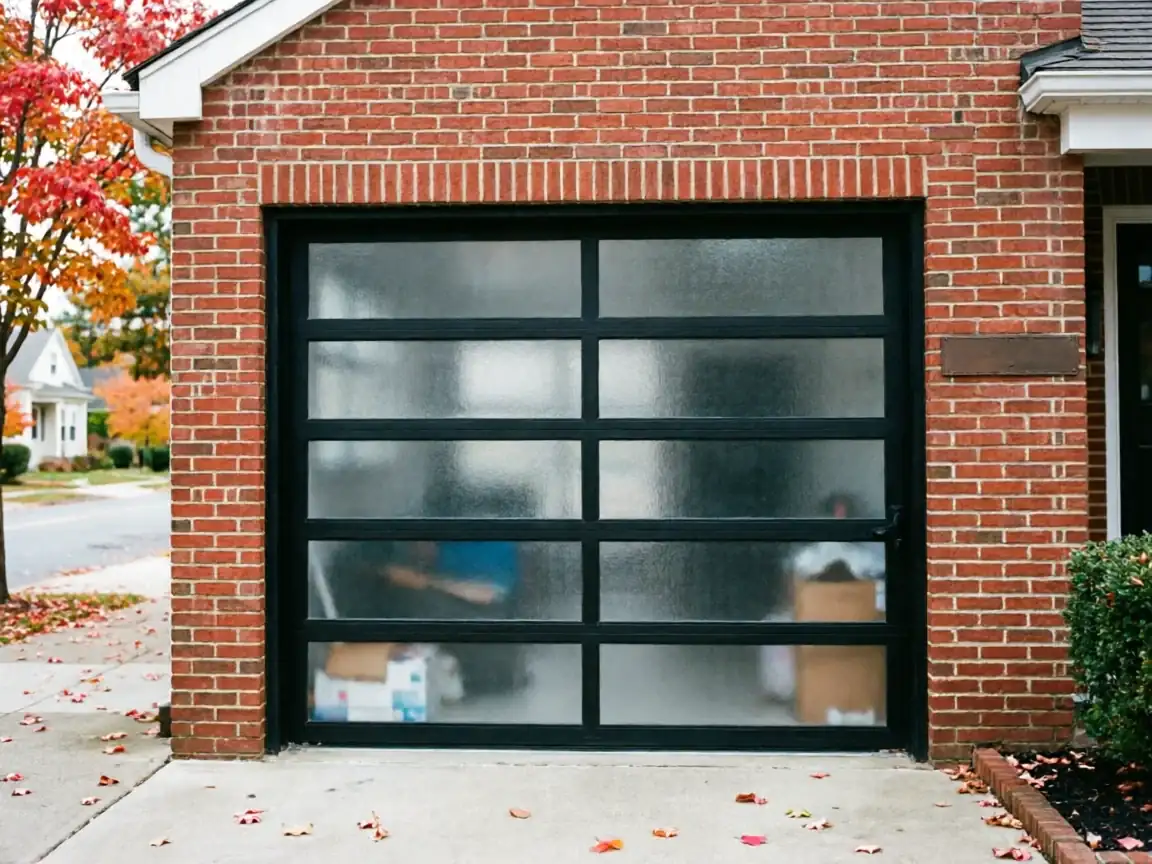
Because Hudson's housing largely dates to 1938 through 1993, with the bulk of it from the 1960s and 70s, a lot of these doors are original or close to it. That means the panel profile, the groove spacing, and the hardware mounts don't match anything a big-box store carries off the shelf. One bad panel on an otherwise sound door is a common call here - not because the whole door failed, but because one section took the hit and the rest is still square and tracking fine.
We also see panels that look fine but have lost their bond to the foam insulation inside, so the door feels lighter and sounds hollow when it closes. That's a slower failure, but it ends the same way: a section that needs to come out.
How to Book
Tell us the brand on the door if you can find it, how many panels are affected, and roughly how old the door is. A photo helps more than a description - send one through the site and we can usually tell from it whether this is a single-panel swap or something that calls for a different conversation.
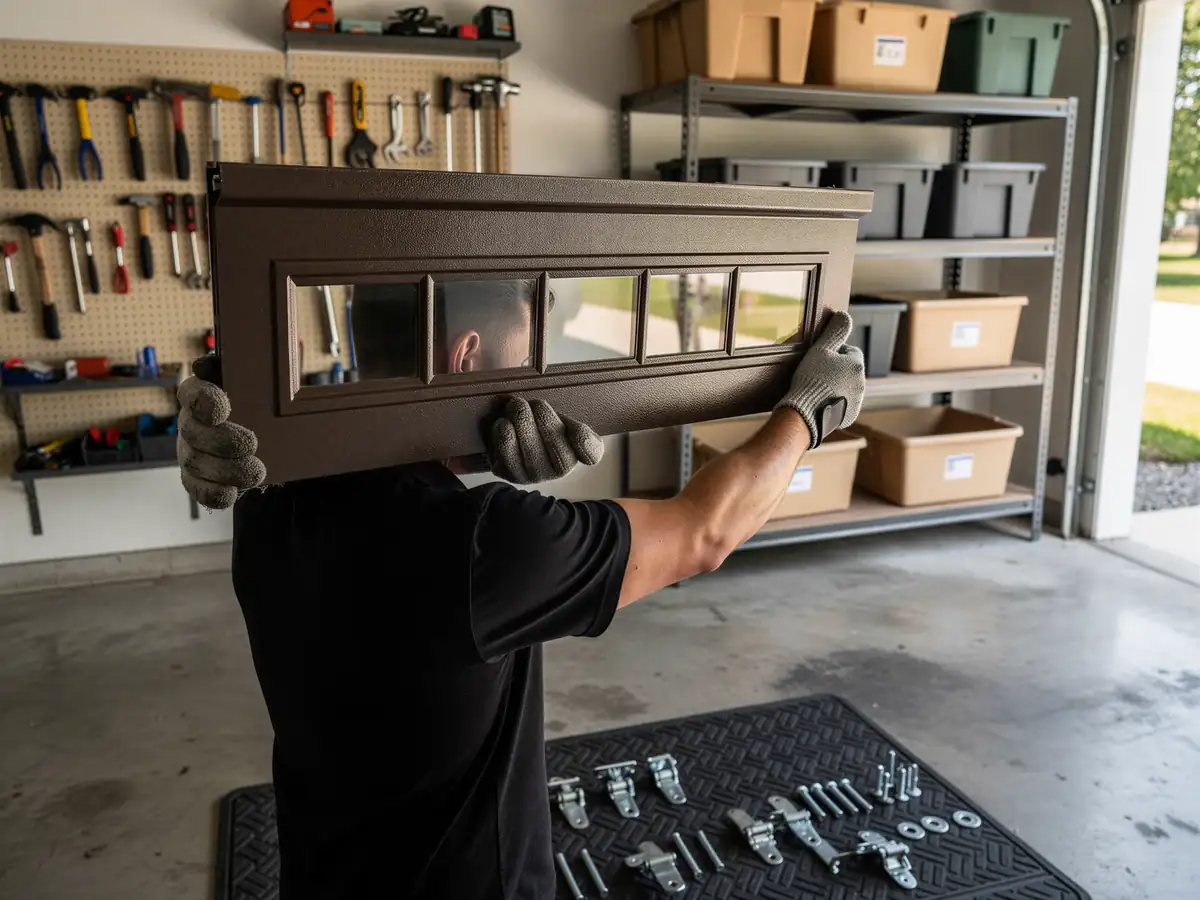
We schedule a look at the door before we order anything. Panel stock for a 20 or 30-year-old door isn't something we keep on a truck, so the first visit is about measuring the exact panel height, color, and window pattern (if there are windows), then finding a match or telling you honestly that one doesn't exist anymore.
If you want to get ahead of the scheduling step, you can request a visit through our site at /. We'll call back to confirm the door details before we commit to a repair date, since panel sourcing drives the timeline more than our calendar does.
What You Pay
We don't publish a flat number for panel replacement because the range is wide and it's driven by things that vary door to door
Whether the door is still in production, whether it's a steel sandwich panel or a thinner single-skin section, how many panels need to come out, and whether the color and window layout have to match an existing door exactly.
Here's the honest limitation
On some older doors, the manufacturer has discontinued that panel profile entirely, and a close color match is the best we can do - or it isn't worth chasing a match at all, and a full door replacement ends up cheaper and faster than hunting down a single obsolete panel. We'll tell you which situation you're in before we order anything, not after.
What we can say is that single-panel jobs on doors still in production are more straightforward, both in cost and lead time
Than multi-panel jobs on older doors where we're sourcing parts from the manufacturer's back catalog. We quote after we've seen the door, not before.
What Causes It Around Here
Hudson sits in a climate zone rated severe for cold, and that swing between summer heat and hard winter cold is what works steel panels loose at the seams over time - the metal expands and contracts enough, year after year, that the seams that hold adjacent panel sections together start to separate or crack. Add in the freeze-thaw cycle at the bottom edge of the door, where snowmelt sits and refreezes against the panel, and you get rust-through at the bottom section well before the rest of the door shows its age.
Across the roughly 69,298 owner-occupied houses in this service area, that combination of an older housing stock and a harsh winter climate means panel failure at the bottom section is one of the more common calls we get, separate from spring or opener trouble. Towns like Berlin, Stow, and Bolton, each about 4 miles from Hudson and Northborough a little further out, sit in the same climate band and carry a similar build era, so we see the same pattern of damage repeat house to house across that whole stretch, not just on one street in Hudson.