What Local Conditions Do
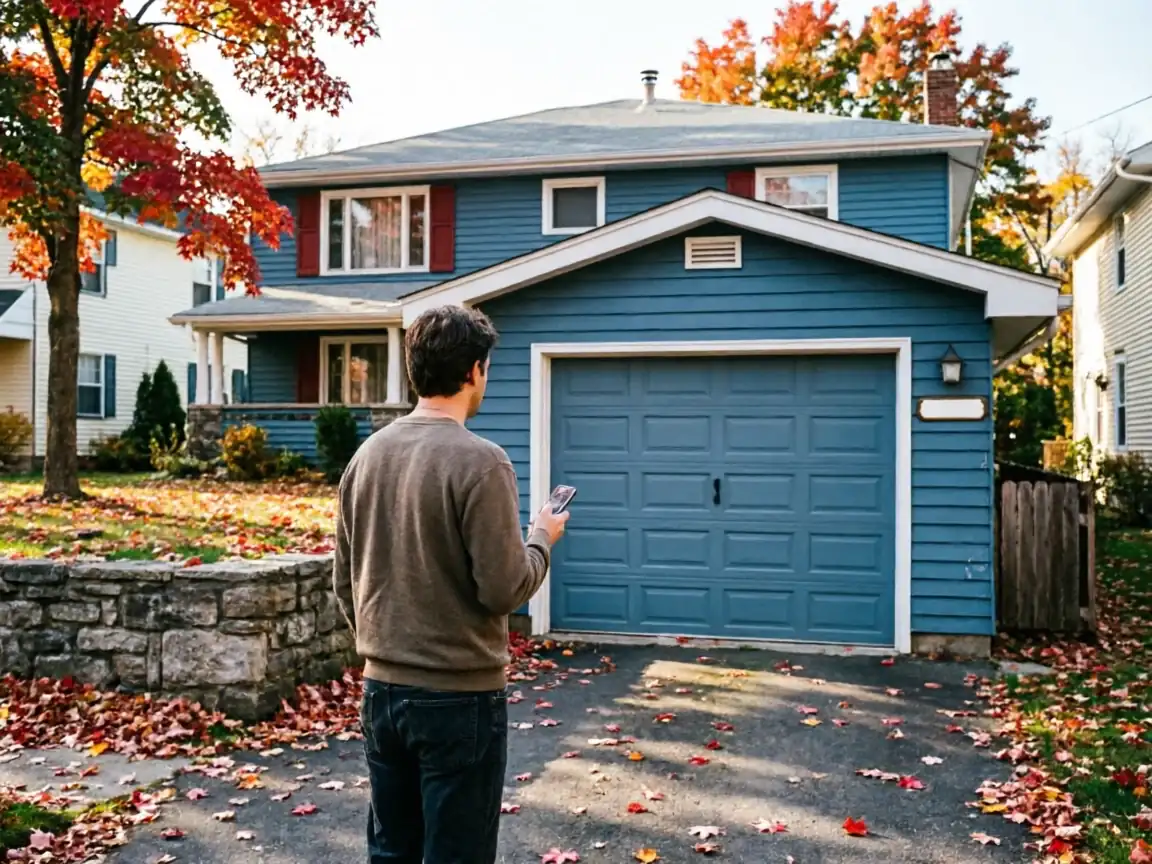
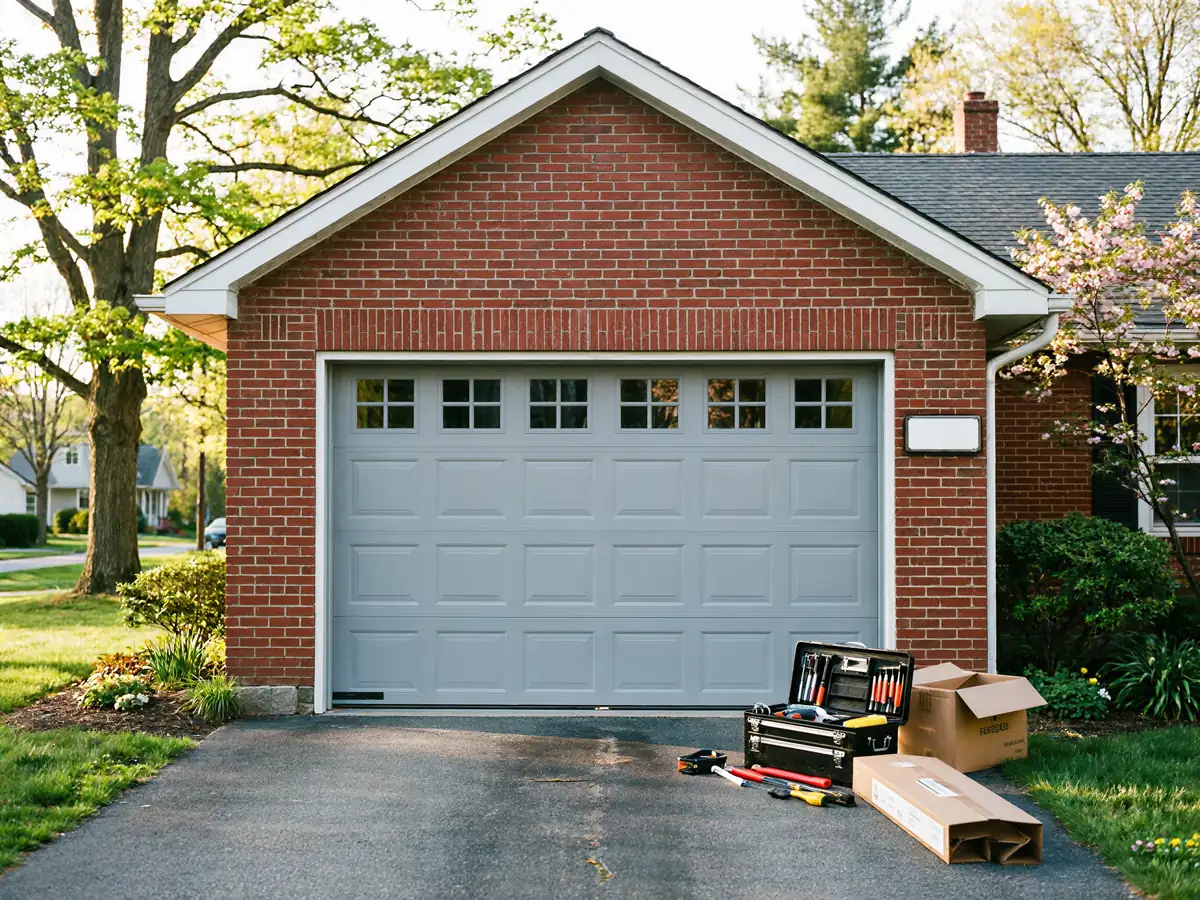
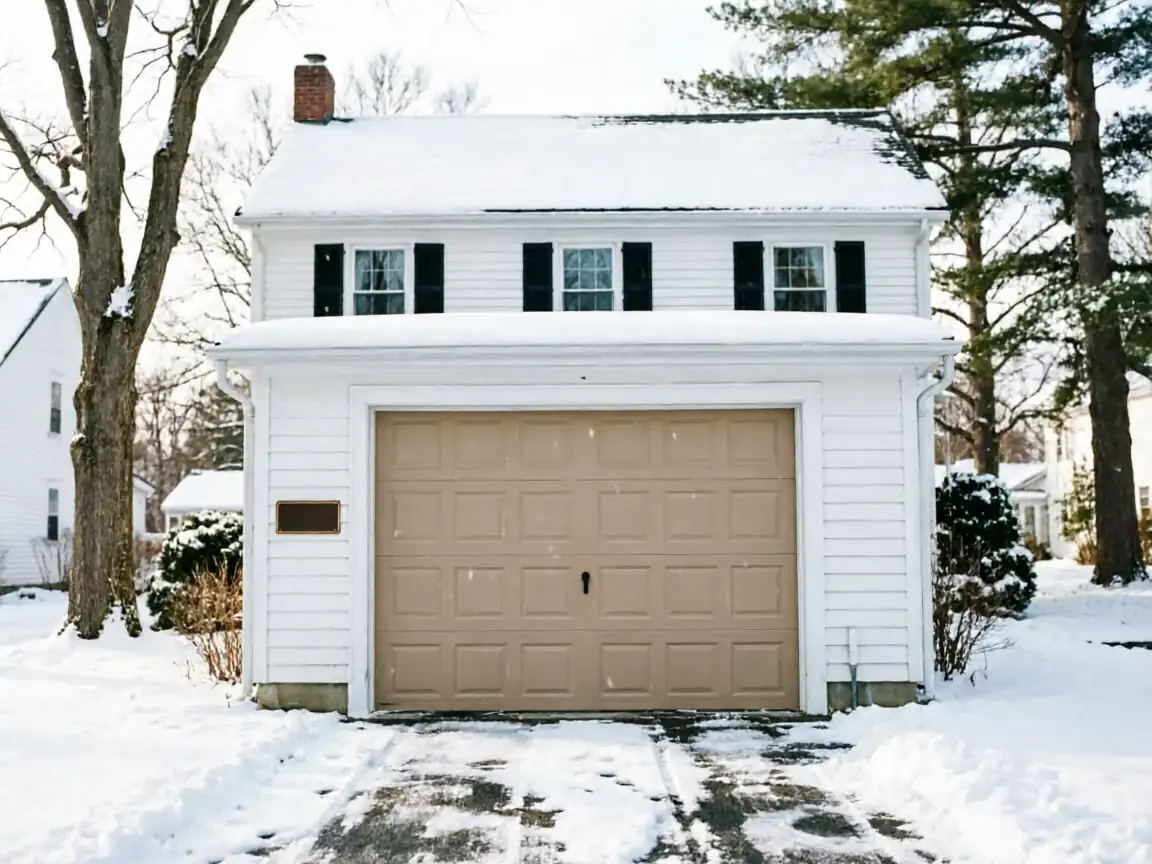
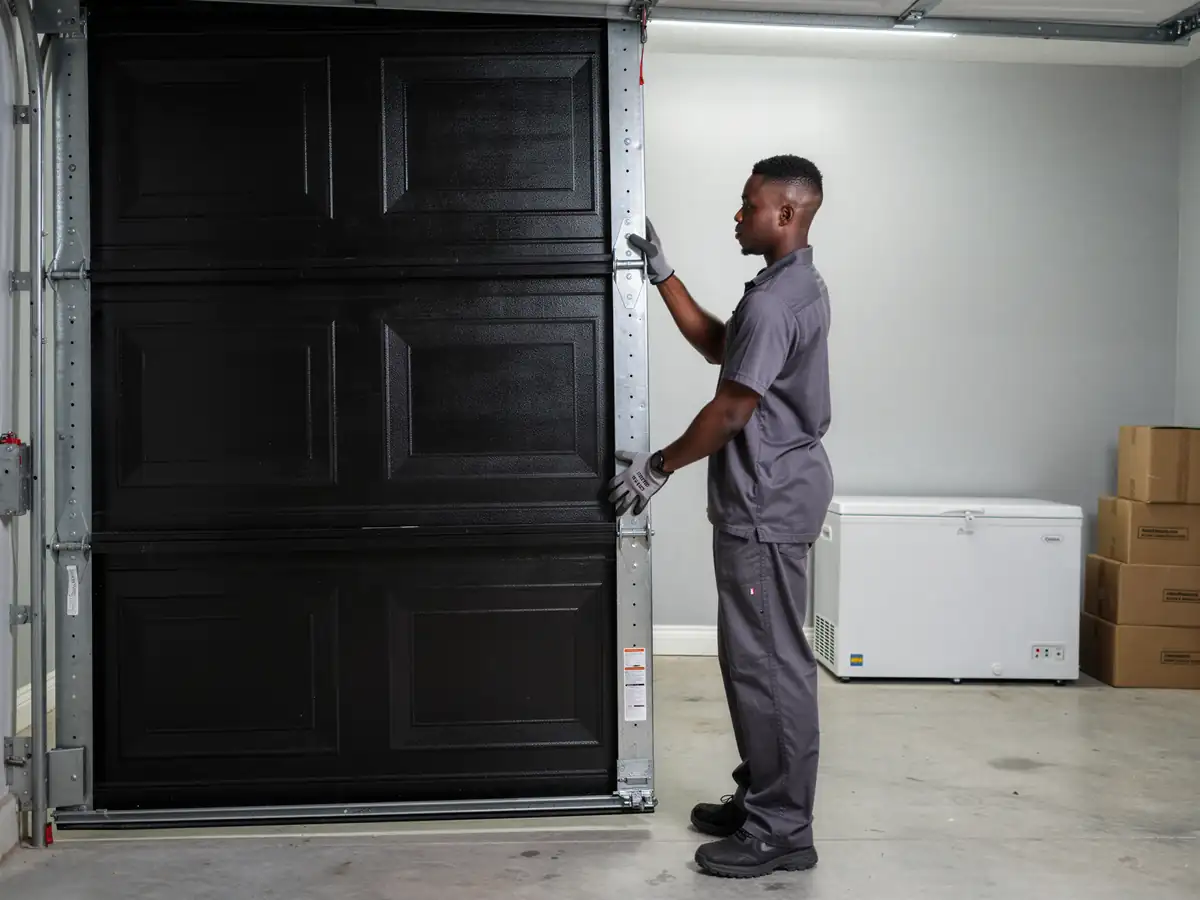
Hudson's housing stock runs from 1938 to 1993, with the typical house built around 1969, and most of the 48 named areas we work in fall squarely into that 1960s-70s band. That matters more than people think when it comes to garage doors. A door built for a house from that era was sized and hung for the framing standards of the time - jamb widths, header heights, and track clearances that don't always match what a modern door ships with off the shelf. When we go out to measure for a replacement, we're often working around an opening that was never perfectly square to begin with, because it wasn't built to today's tolerances. On top of that, Hudson sits in a climate band the federal data classifies as cold-severe, which means the door isn't just holding back weather, it's absorbing real freeze-thaw cycling every winter. Put those two things together - older framing and a demanding climate - and you get a town where a straightforward swap-the-panel job turns into a framing and insulation conversation more often than it would somewhere with newer, more standardized housing.
What Is Going On
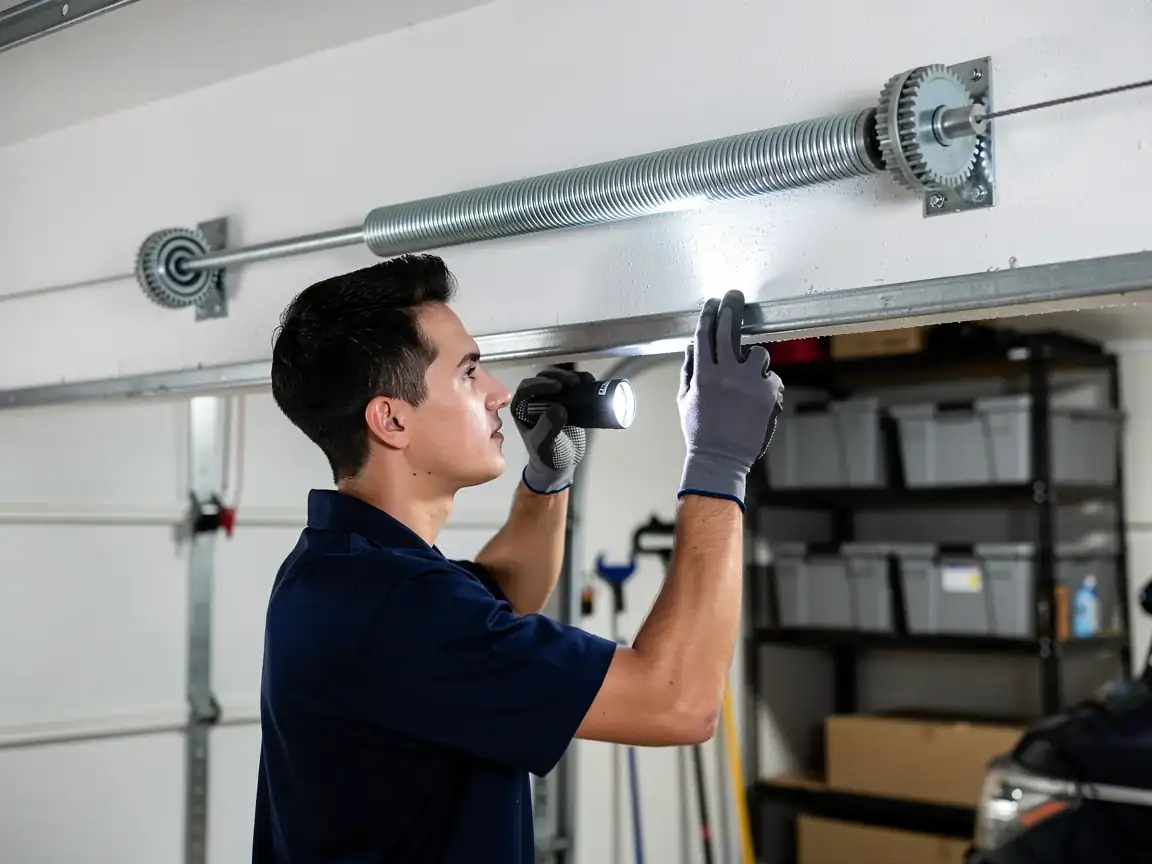
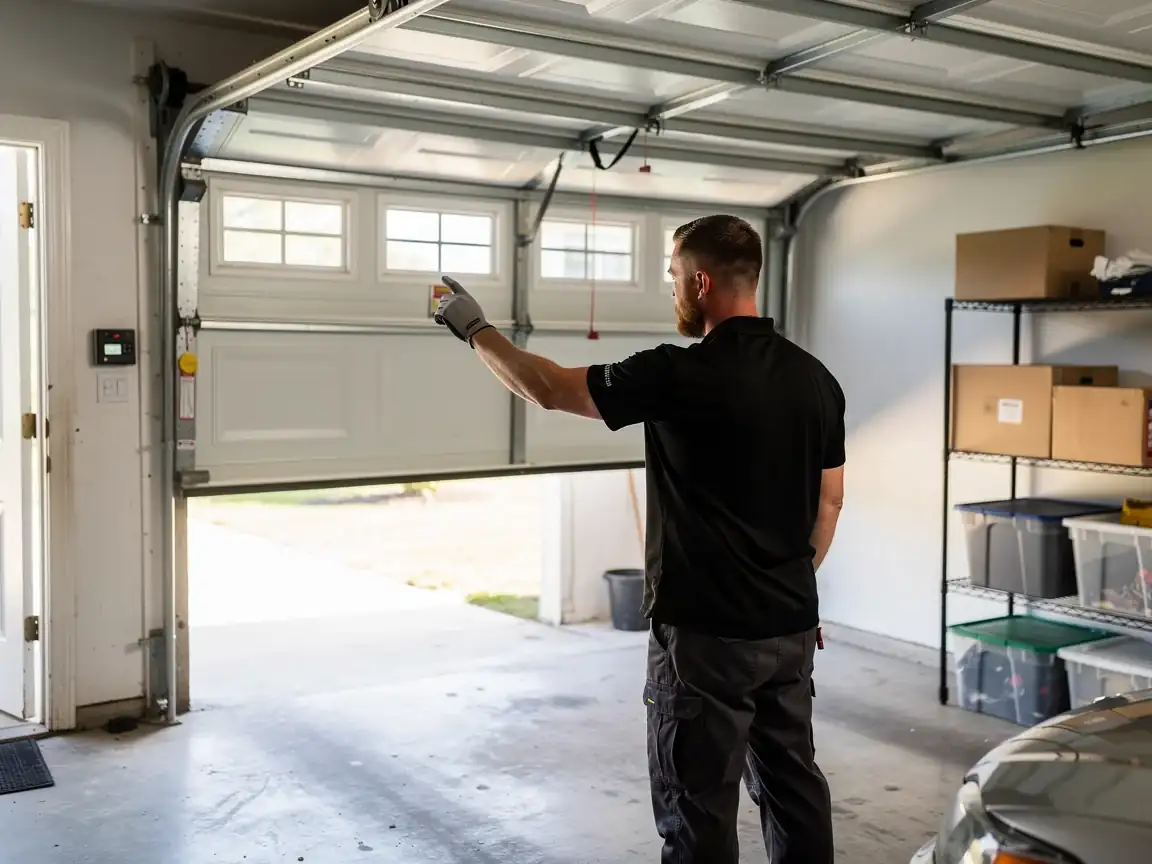
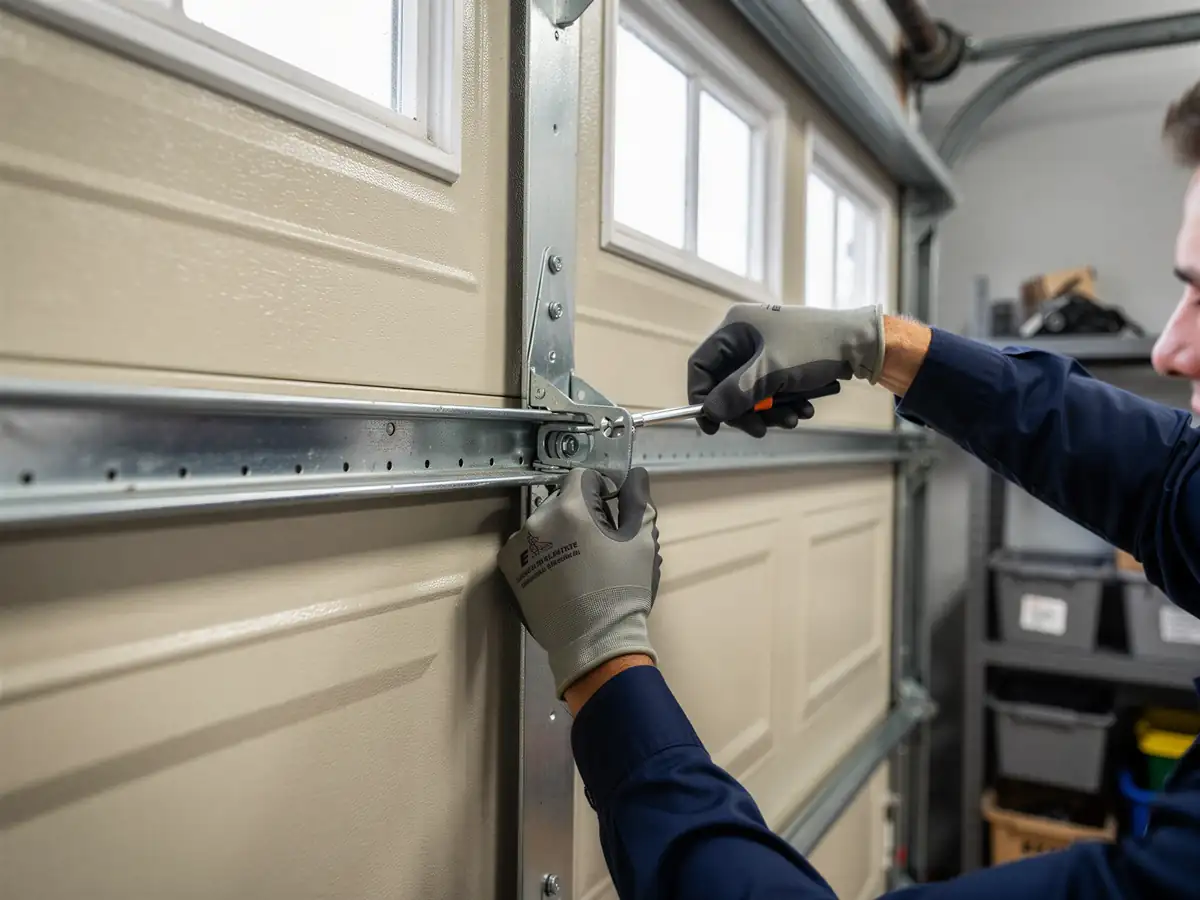
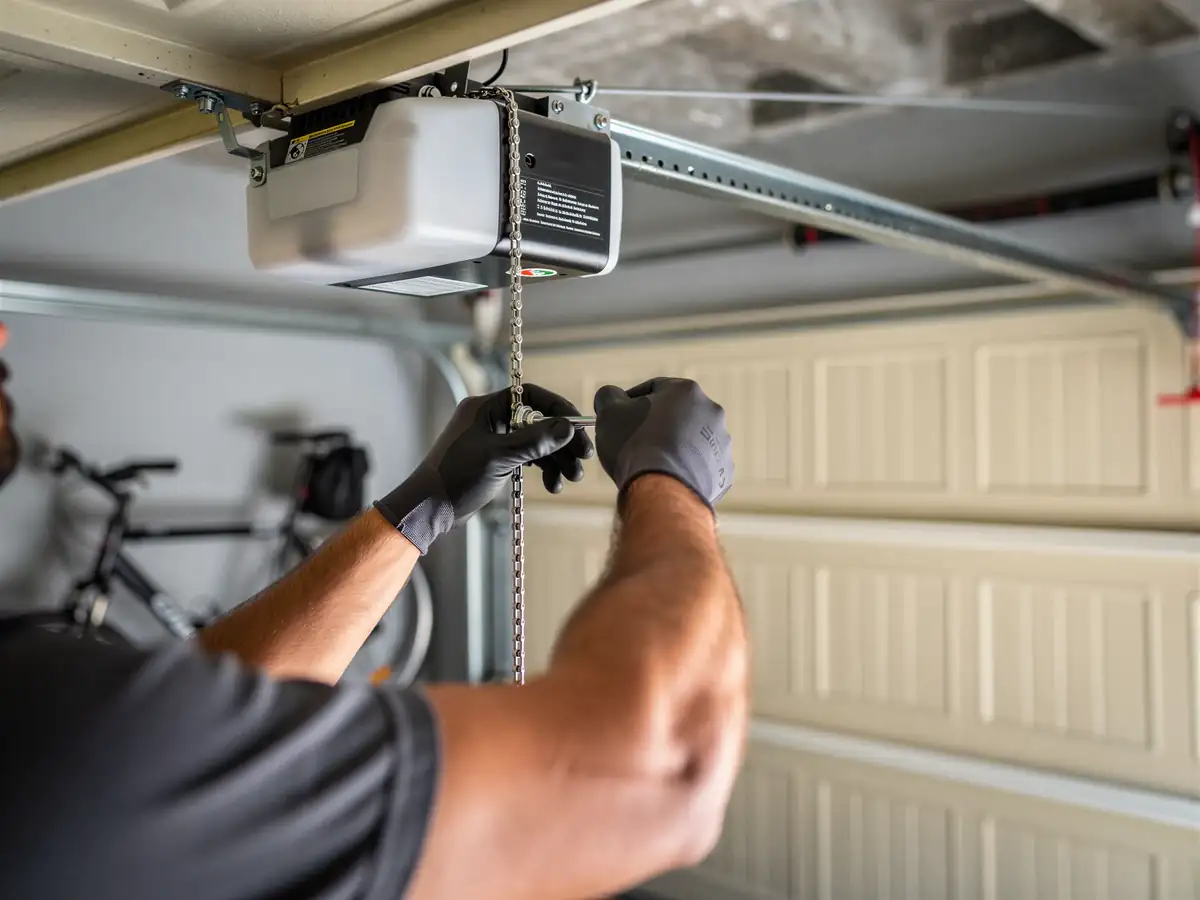
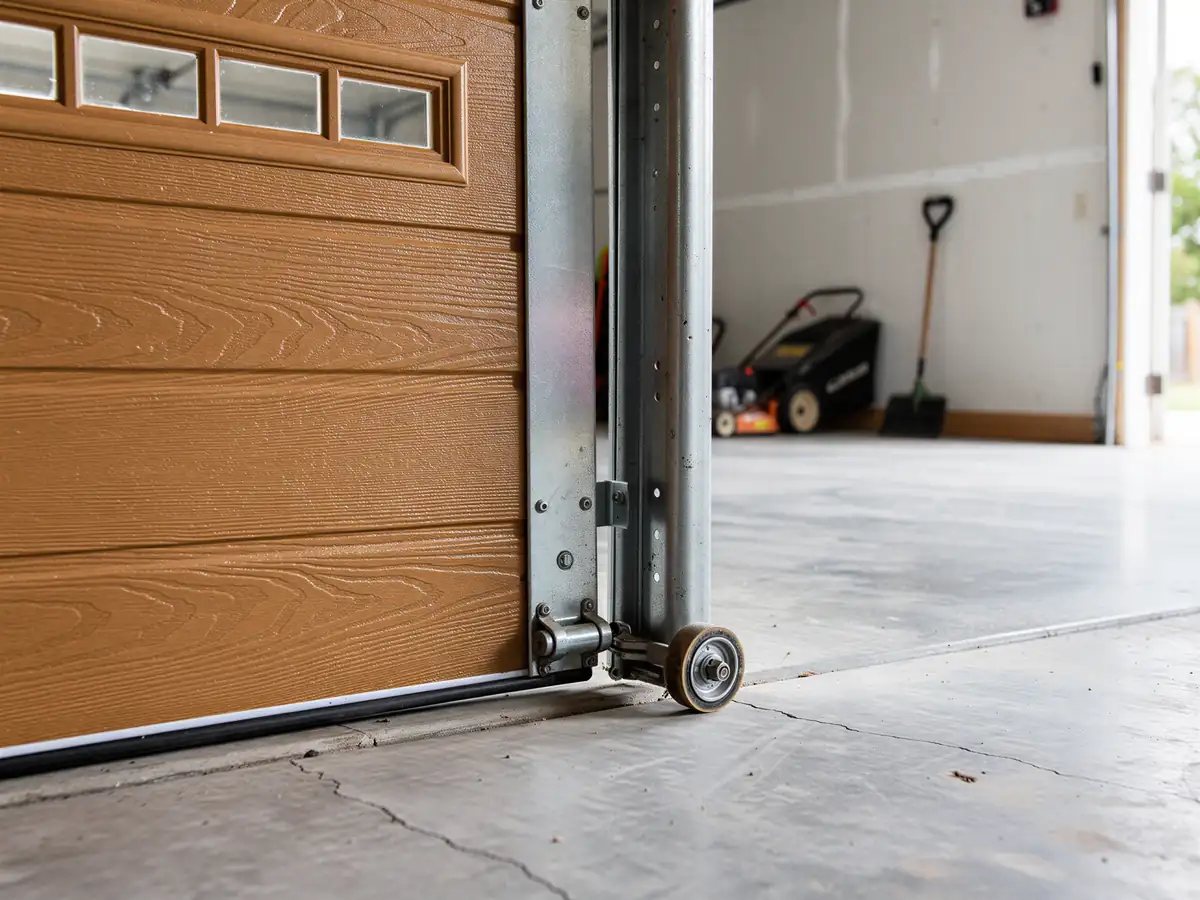
The pattern we see job to job in Hudson is pretty consistent. Houses from the 1960s and 70s stock typically came with single-layer steel or wood doors and torsion or extension spring setups that were adequate for the era but never insulated to any real R-value. Decades of cold-severe winters work on those seals and panels - not dramatically, just steadily, until the bottom seal is compressed flat and the panel itself is flexing more than it should on a windy day. We also run into original hardware that's outlived its own era: track brackets mounted with fasteners nobody makes anymore, or spring cones that don't match current safety cable standards. None of that means every older door needs replacing. Plenty of these doors are structurally fine and just need a seal, a cable, or a spring. But when a homeowner calls about a door that's sagging, binding, or letting in a clear line of daylight at the bottom, the age of the house is usually part of the explanation, not just the age of the door. We'll tell you straight when a repair makes sense and when the opening itself is the real problem.
What You Pay
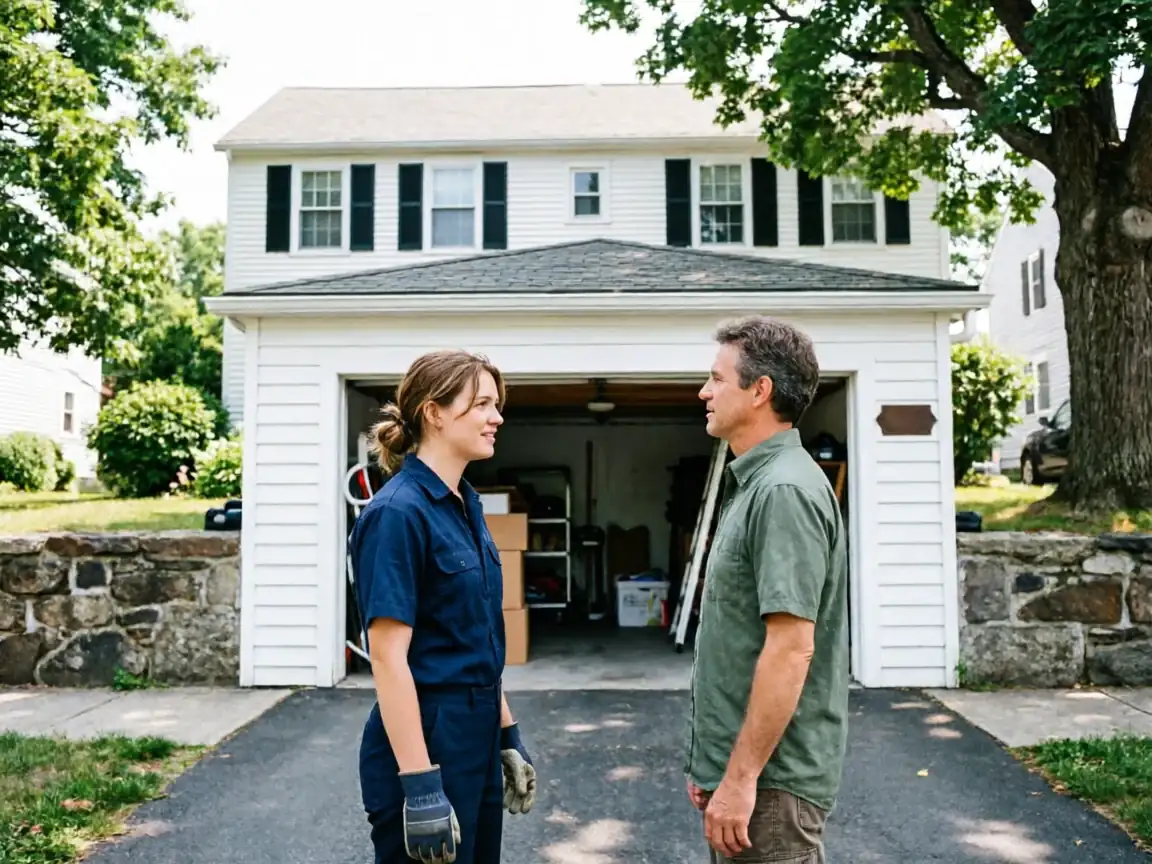
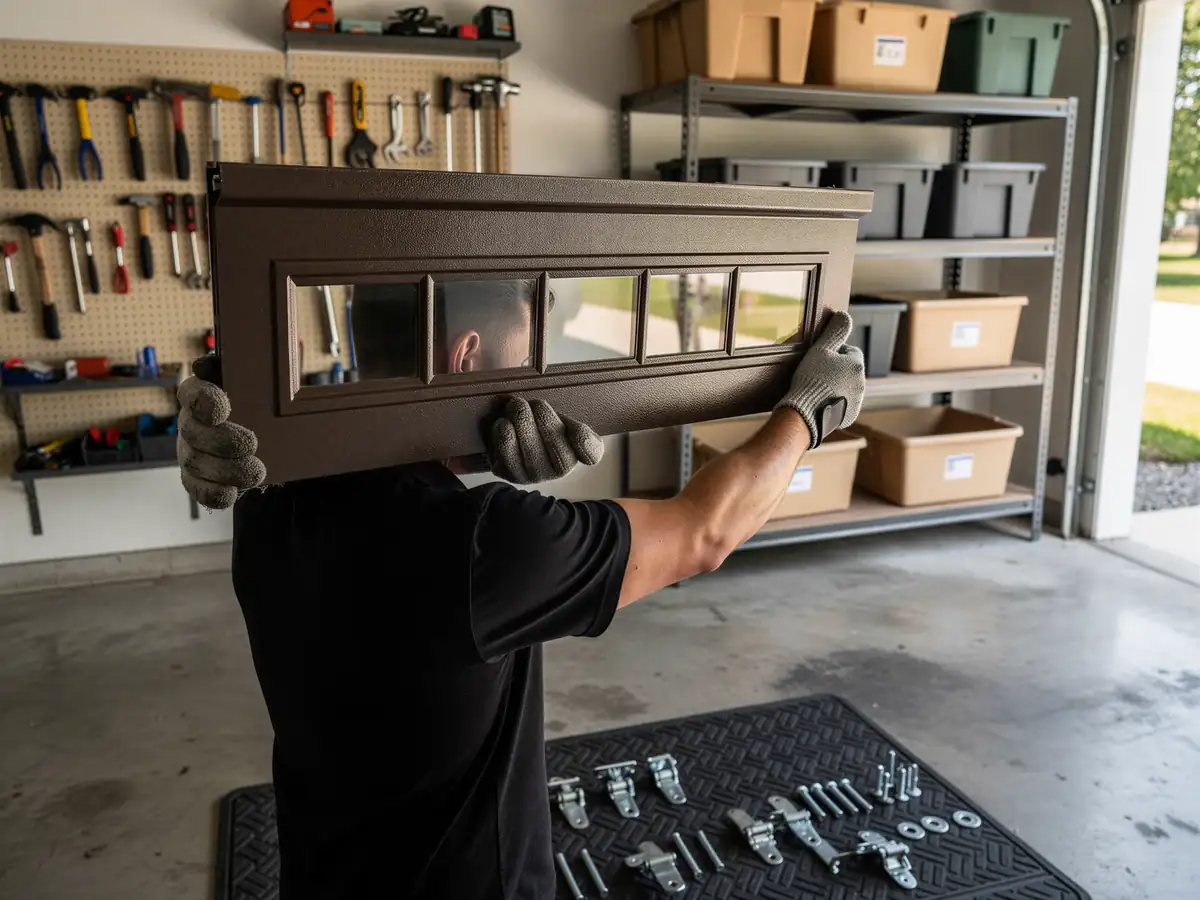
We're not going to put a number here that isn't backed by anything - pricing depends on the door size, insulation level, and whether the job is a straight swap or involves reframing an opening that's out of square, which, given how much of Hudson's housing dates to the 1960s and 70s, comes up more than you'd expect. What we can tell you is what drives the decision locally. Across the service area there are roughly 111,565 households and about 69,298 owner-occupied houses - the group actually in the market for a replacement rather than a landlord deferring maintenance. Median household income in the area runs $147,635, and in practice that shows up as steady demand for insulated steel doors with a real R-value rather than the bare single-layer panels still hanging on a lot of the older housing stock. The honest limitation: we can give you a firm number once we've seen the opening and the framing, not before, because on a house this old the opening itself is sometimes the bigger line item than the door.