What Local Conditions Do
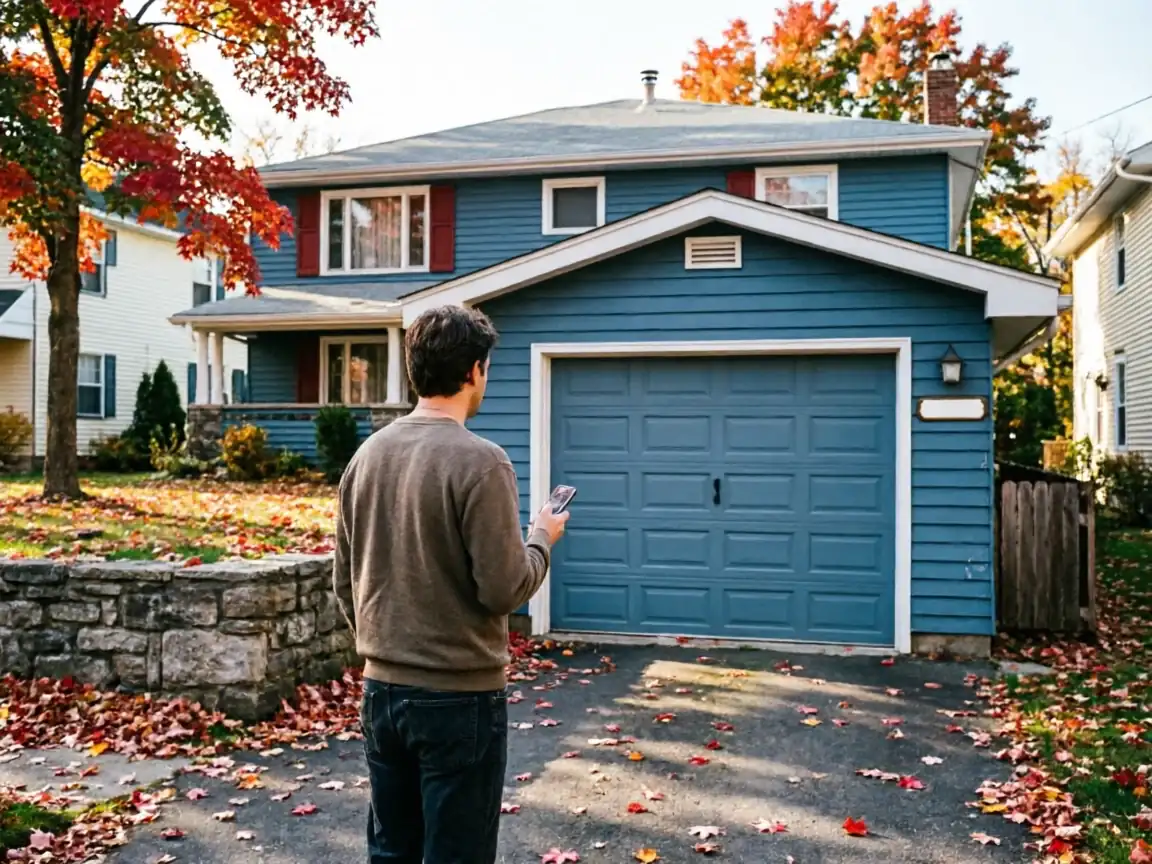
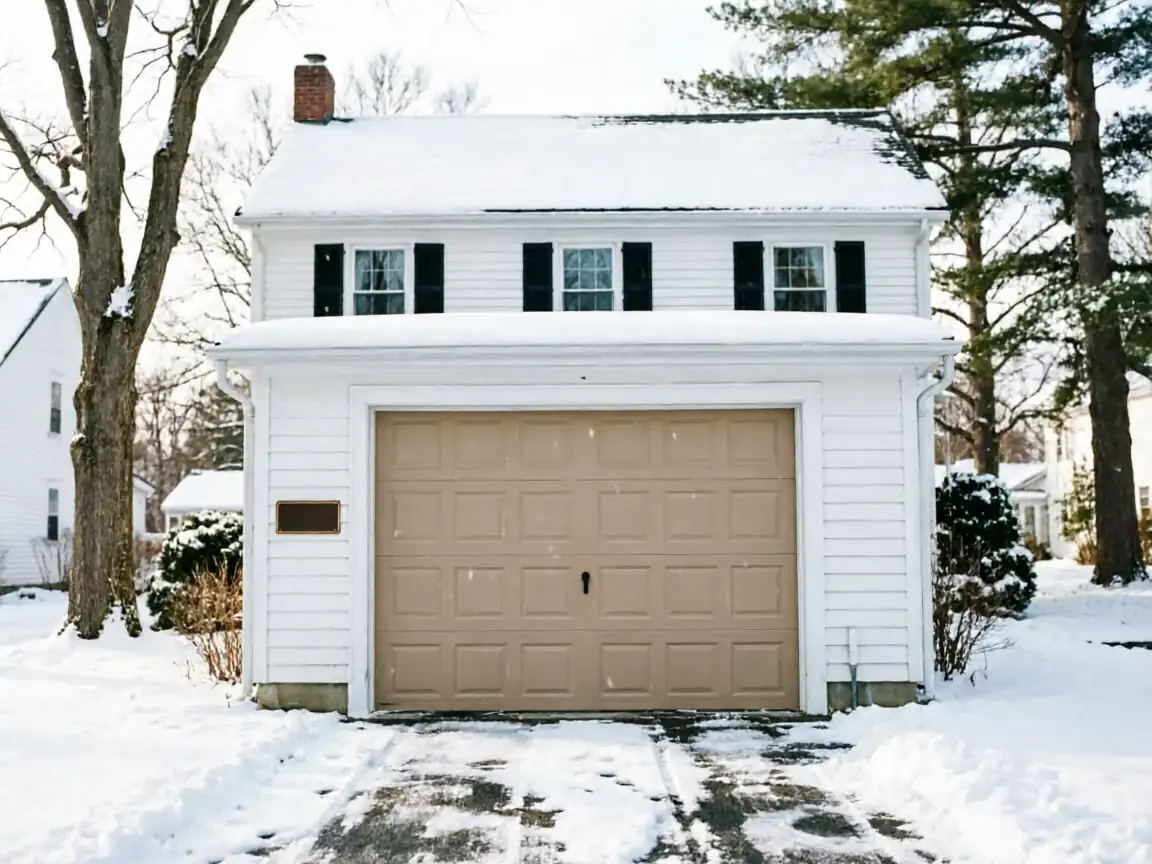
Most houses on this side of Hudson went up between 1938 and 1993, with the bulk of that stock dating from the 1960s and 70s. That matters more than people think when it comes to garage doors. A door installed when the house was built, or close to it, has been through fifty-plus winters of a cold climate rated severe on the federal scale. Steel fatigues. Hardware that was standard in 1969 - lighter gauge torsion springs, single-layer panels, drum-and-cable setups with no safety cable - either isn't made anymore or isn't made to the same spec. With a median build year of 1969, a lot of the doors still on these houses are the originals, run on hardware nobody has made parts for in years. That doesn't mean every old door is a lost cause. It means the decision to fix or replace has to account for what era the door and opener actually come from, not just how it looks from the driveway. A door that looks fine from the street can be running on a spring system that was already outdated when it went in.
What Is Going On
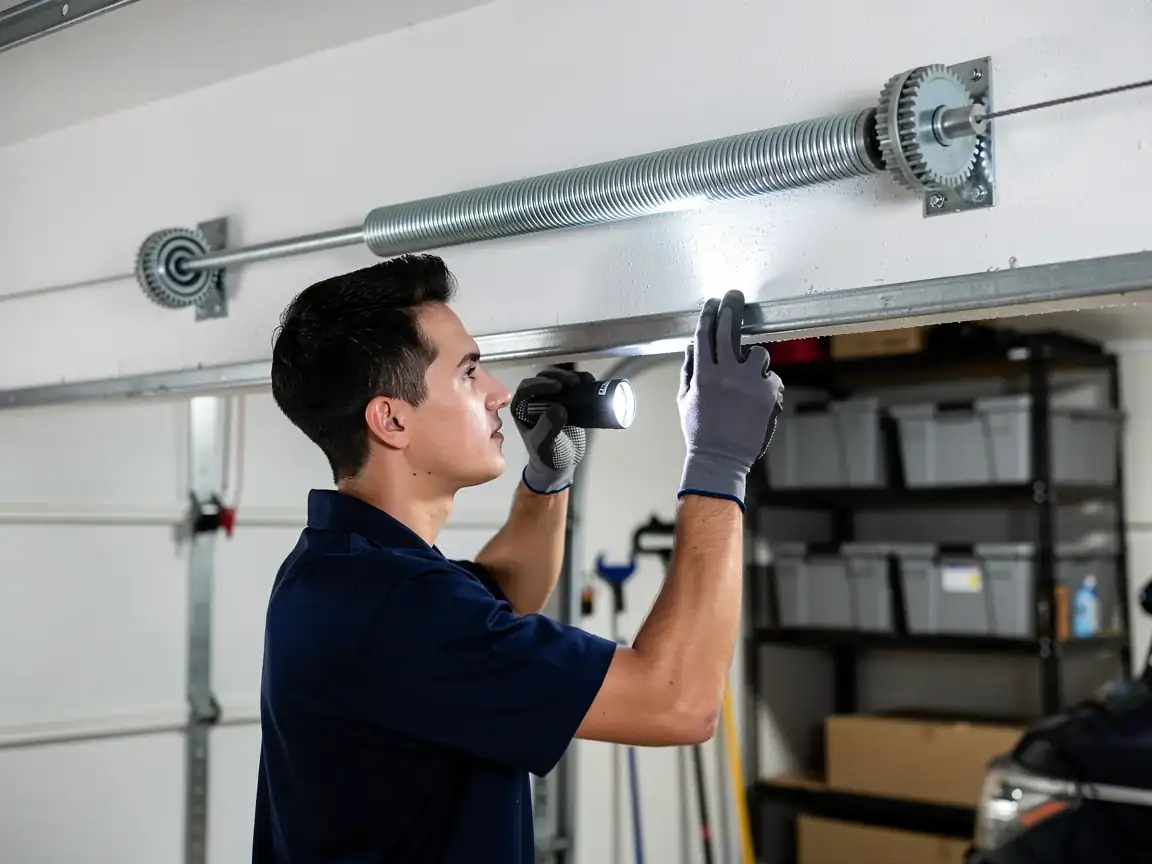
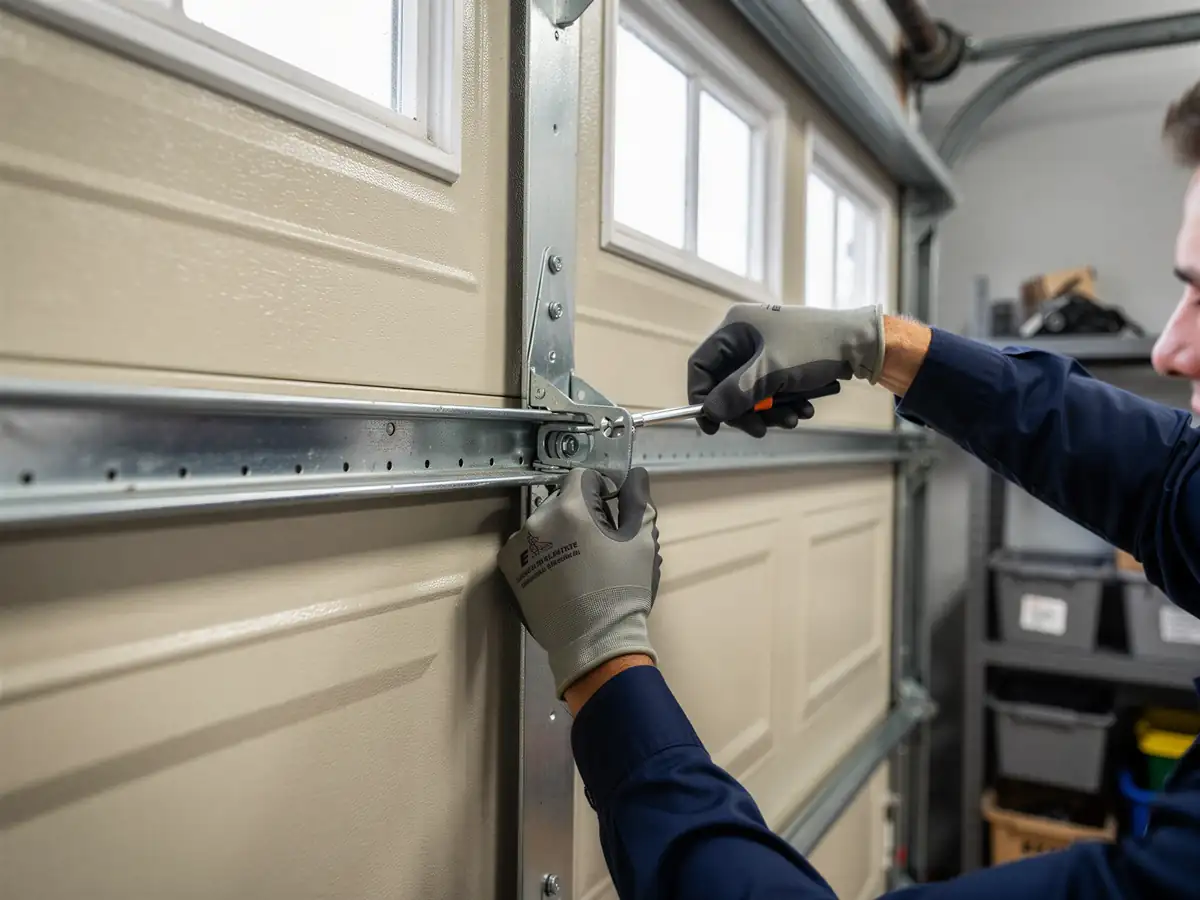
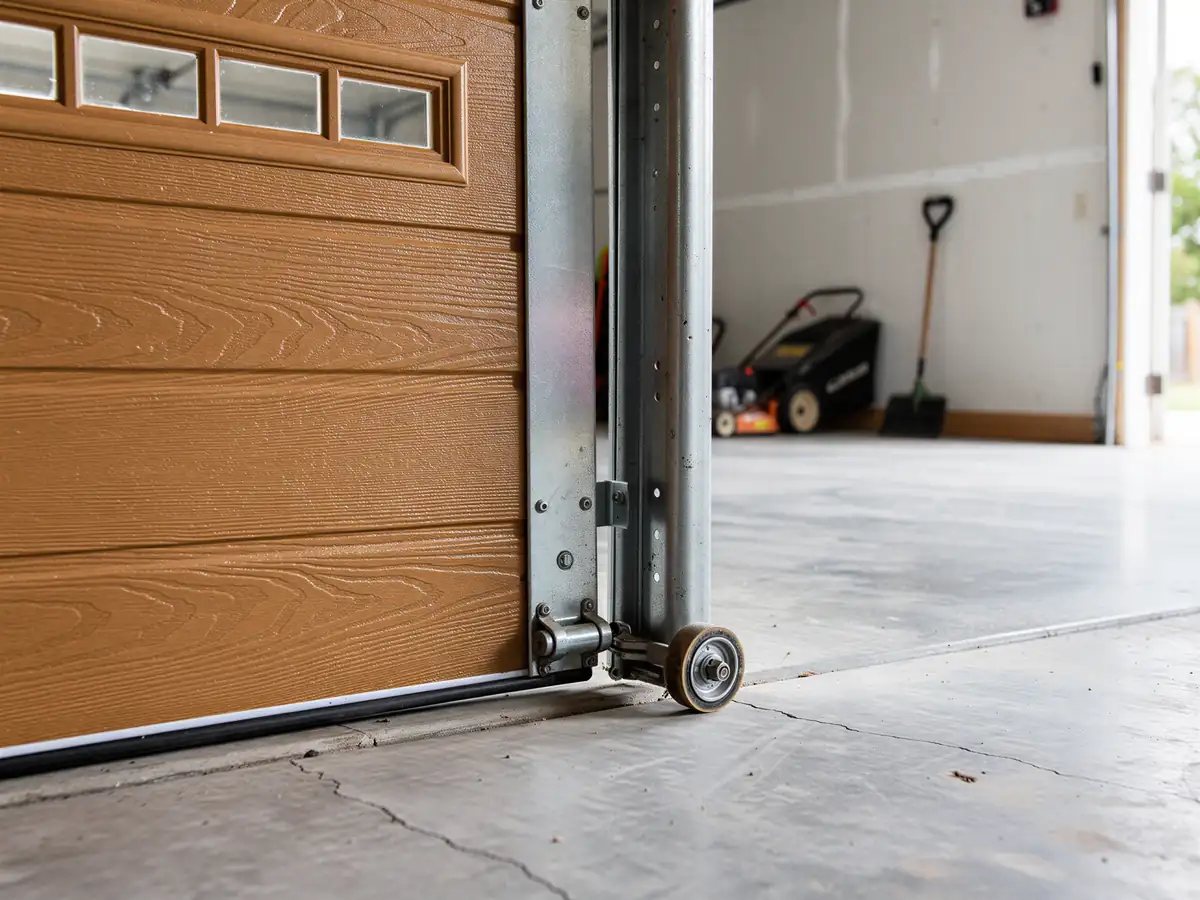
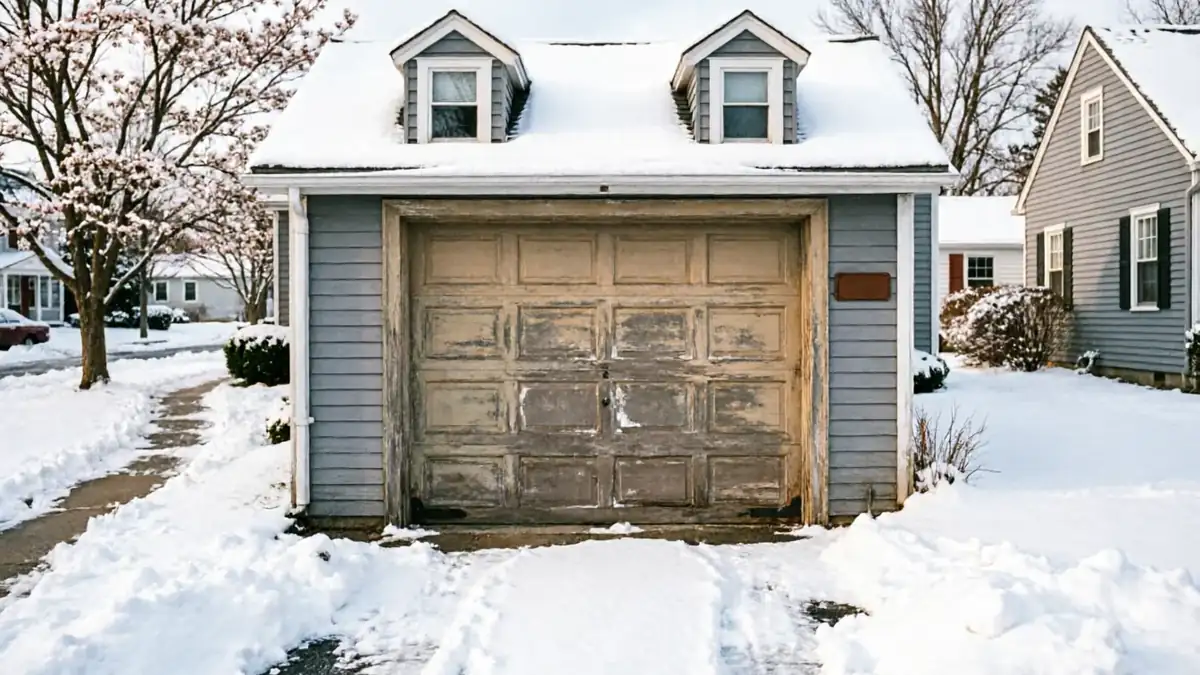
Across the towns we cover - Berlin, Stow, Bolton, Maynard and the rest within a dozen miles - the pattern repeats: 1960s and 70s construction, original garage, original or second-generation door. With roughly 69,298 owner-occupied houses in this service area, most still carrying the torsion or extension hardware that came standard in that period, wear patterns are consistent block to block. What we see most is panel rot at the bottom section from decades of ground moisture, hinges stretched out of round from repeated cold-weather binding, and springs that were sized for a lighter door than the one now hanging on them after an insulation retrofit. None of that is dramatic. It's just fifty years of use on hardware built for a different set of expectations. The honest limitation here: once a steel panel has rusted through at the bottom rail, patching it is a short-term fix. We can swap a panel if the manufacturer still makes a match, but on doors this old that match often doesn't exist anymore, and mixing a new panel into a faded 1970s door looks worse than it sounds.
What You Pay
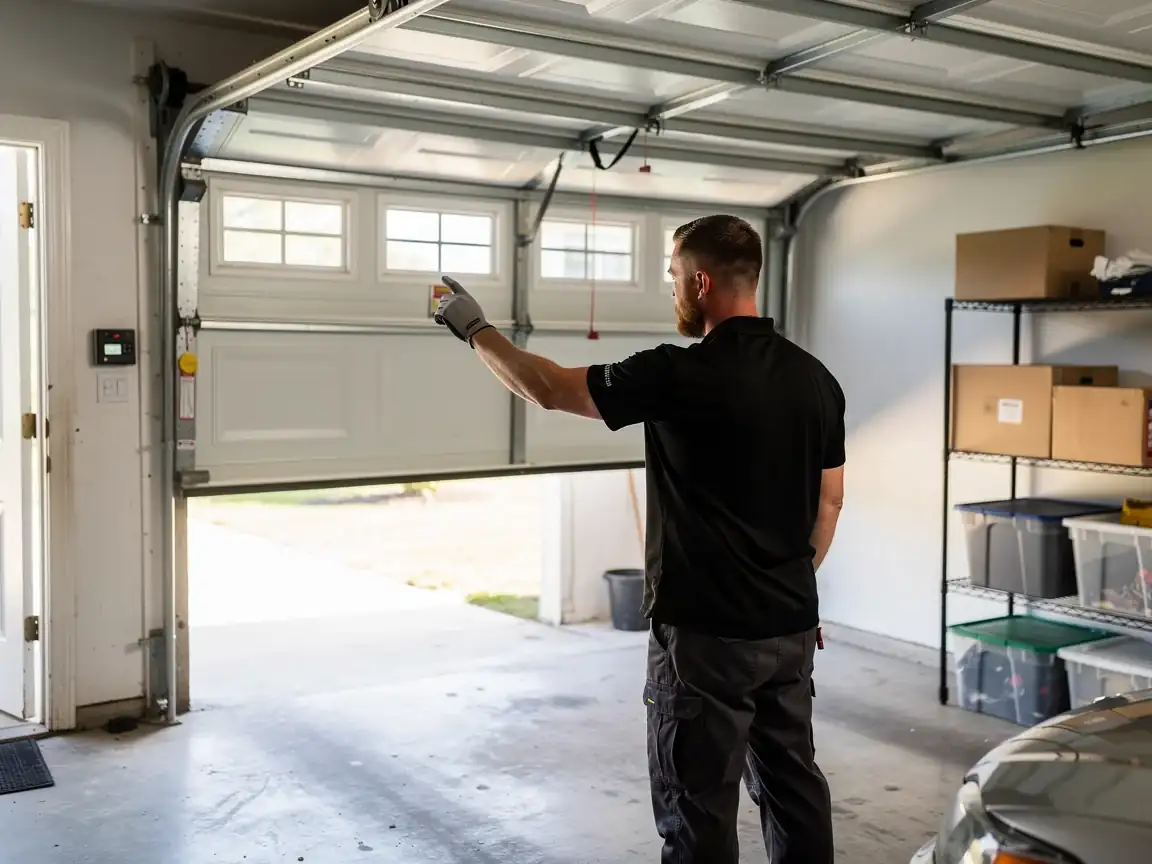
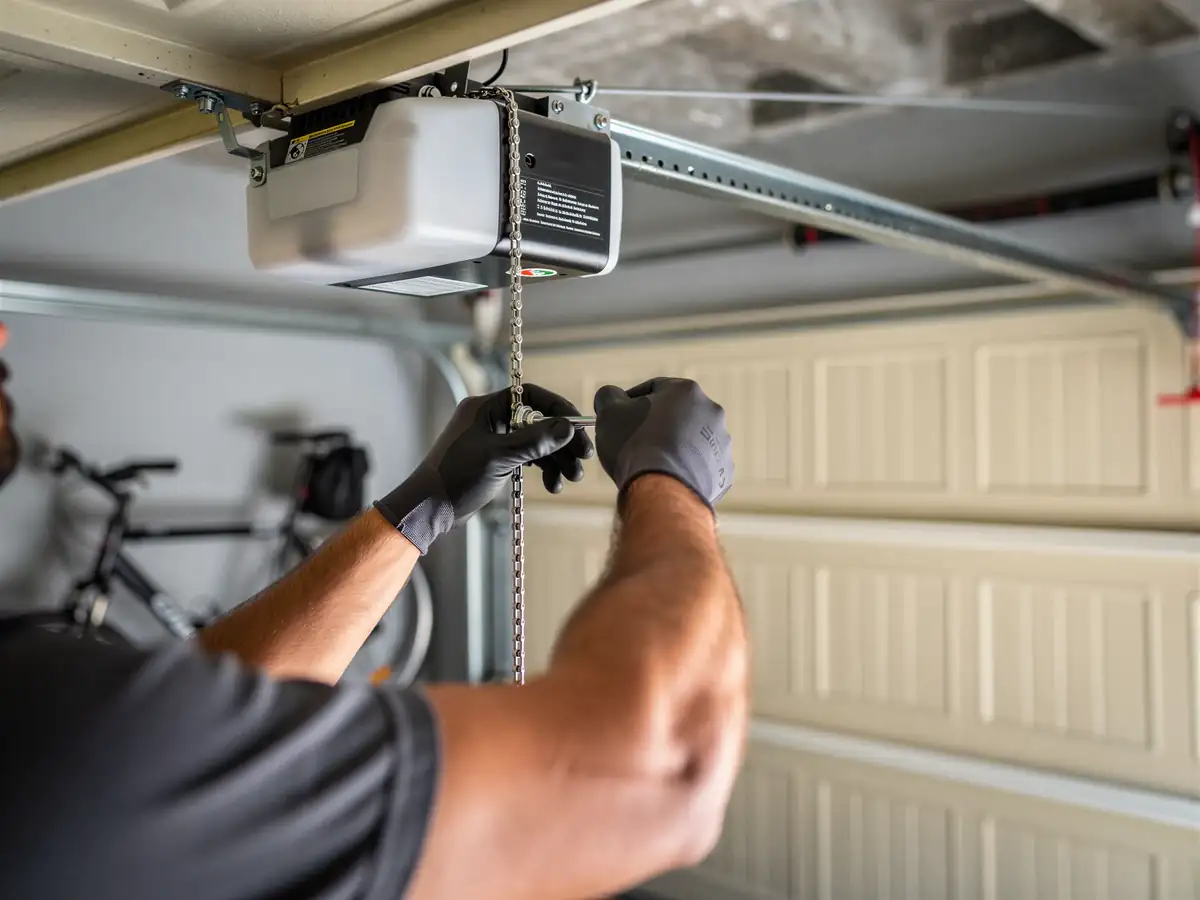
We don't have a flat number to hand you here, because what a repair costs depends entirely on what's underneath - whether the track is still true, whether the opener is original or already replaced, whether parts for that specific panel profile still exist. What we can tell you is how owners around here tend to decide. Across the towns we serve, median household income runs $147,635, which is part of why so many owners choose a clean replacement over a string of patch repairs on a door already past its expected service life. When the springs, the opener, and the panels are all original to a house built in the 1960s or 70s, the math usually favors replacement - you're not paying to keep extending the life of three failing systems at once. When it's a newer door with one bad spring or a dented panel, repair almost always makes more sense. We'll tell you which situation you're in before we tell you what it costs.