How It Shows Up
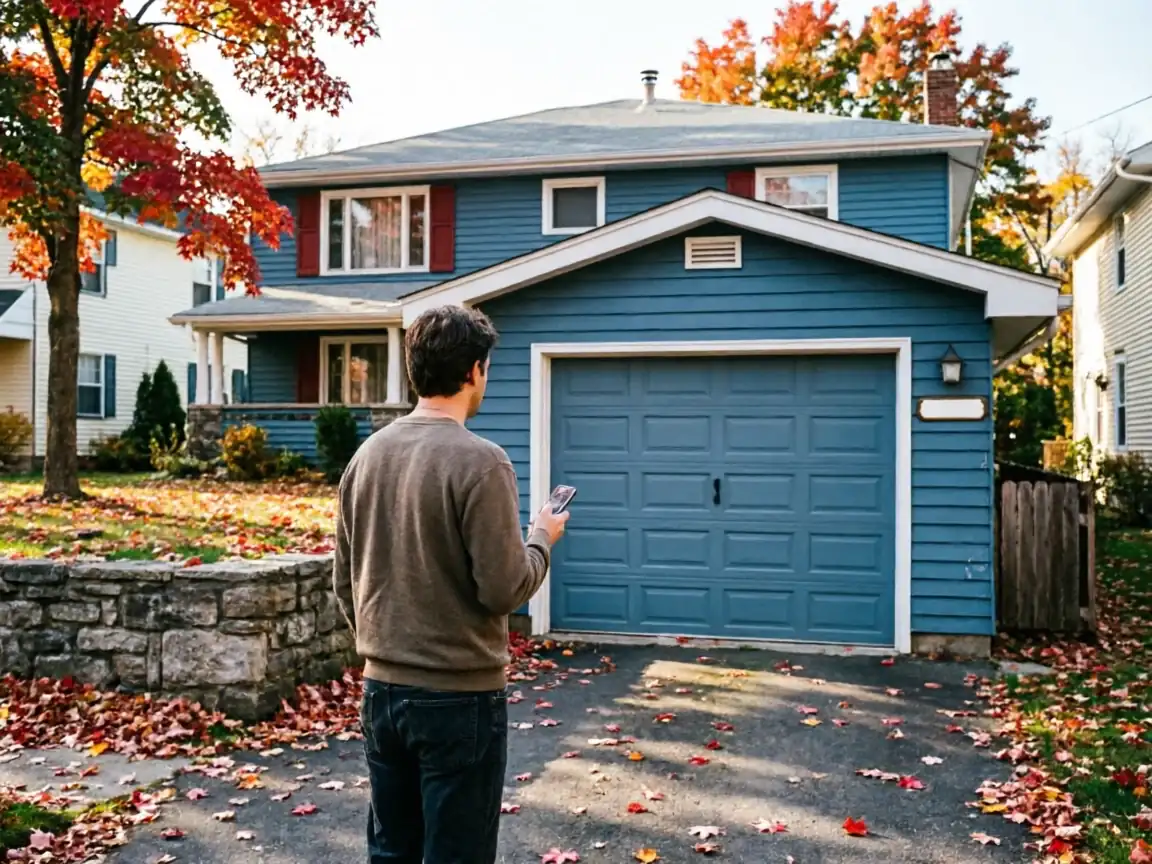
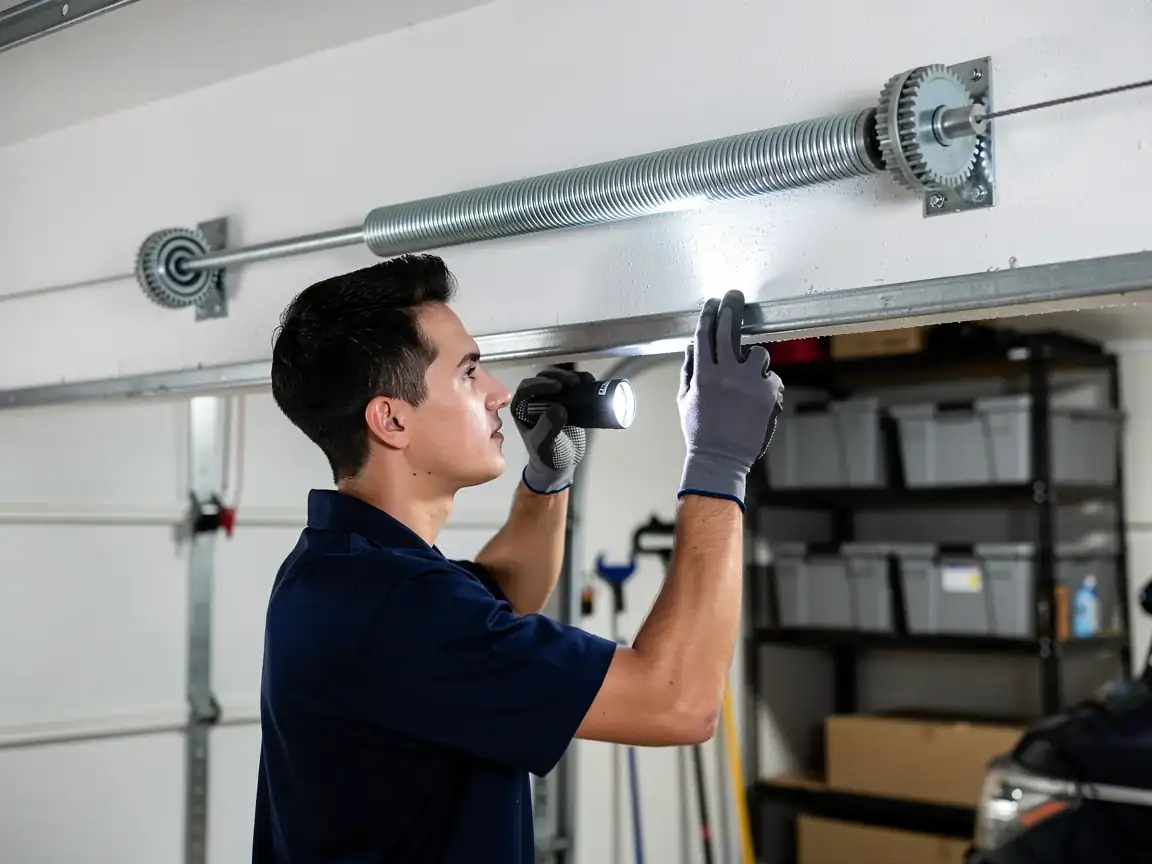
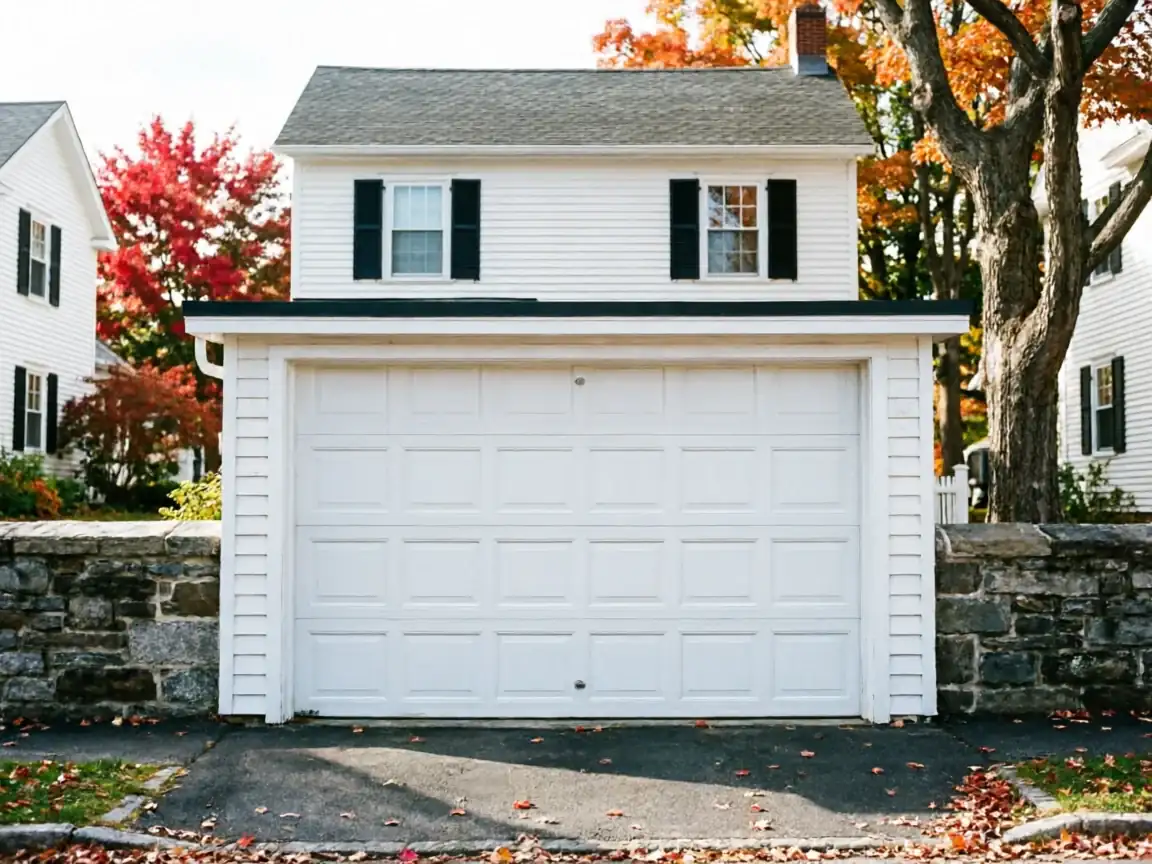
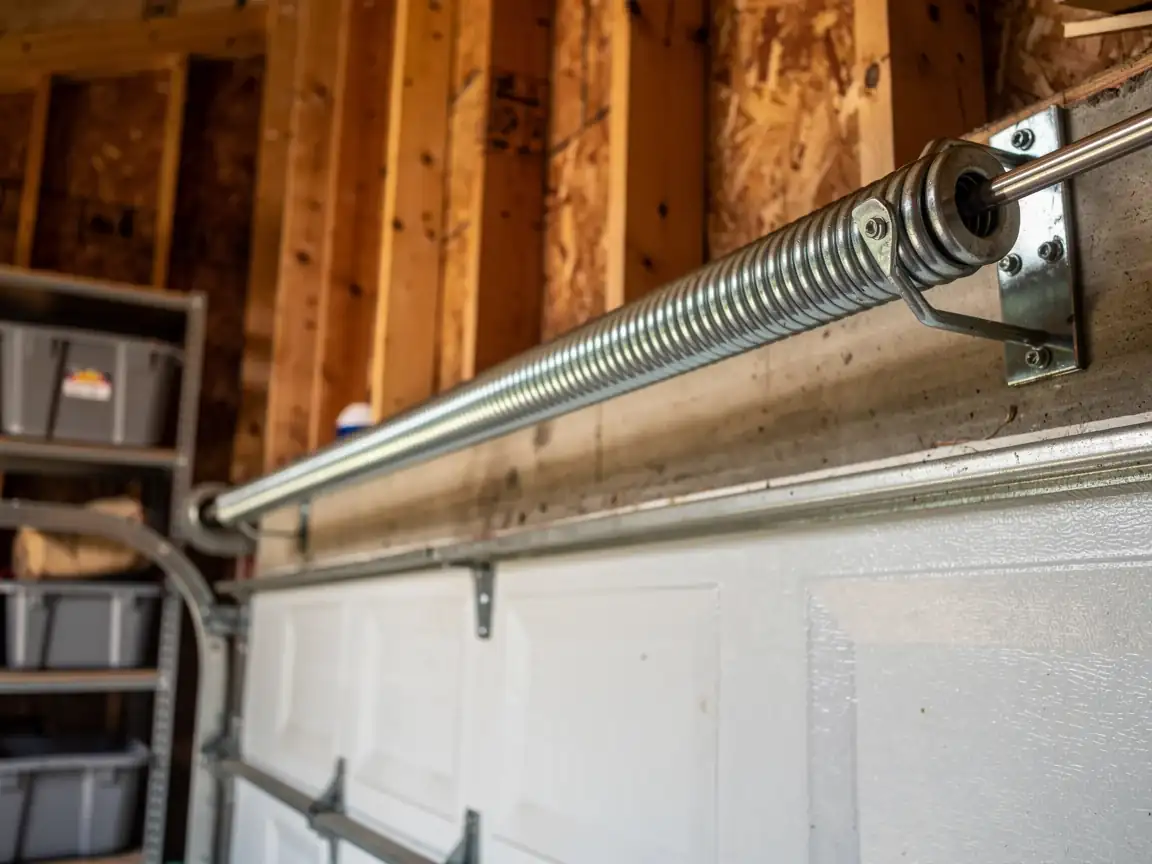
In Hudson, most of the trouble calls we get trace straight back to the age of the housing stock. The typical house here went up in 1969, with the range running from 1938 to 1993, so a huge share of garages still have the torsion springs, tracks, and openers that came with the house decades ago. A spring rated for a builder-grade steel door from 1969 was never built to run thousands of cycles past its design life, and most of them are well past that line now.
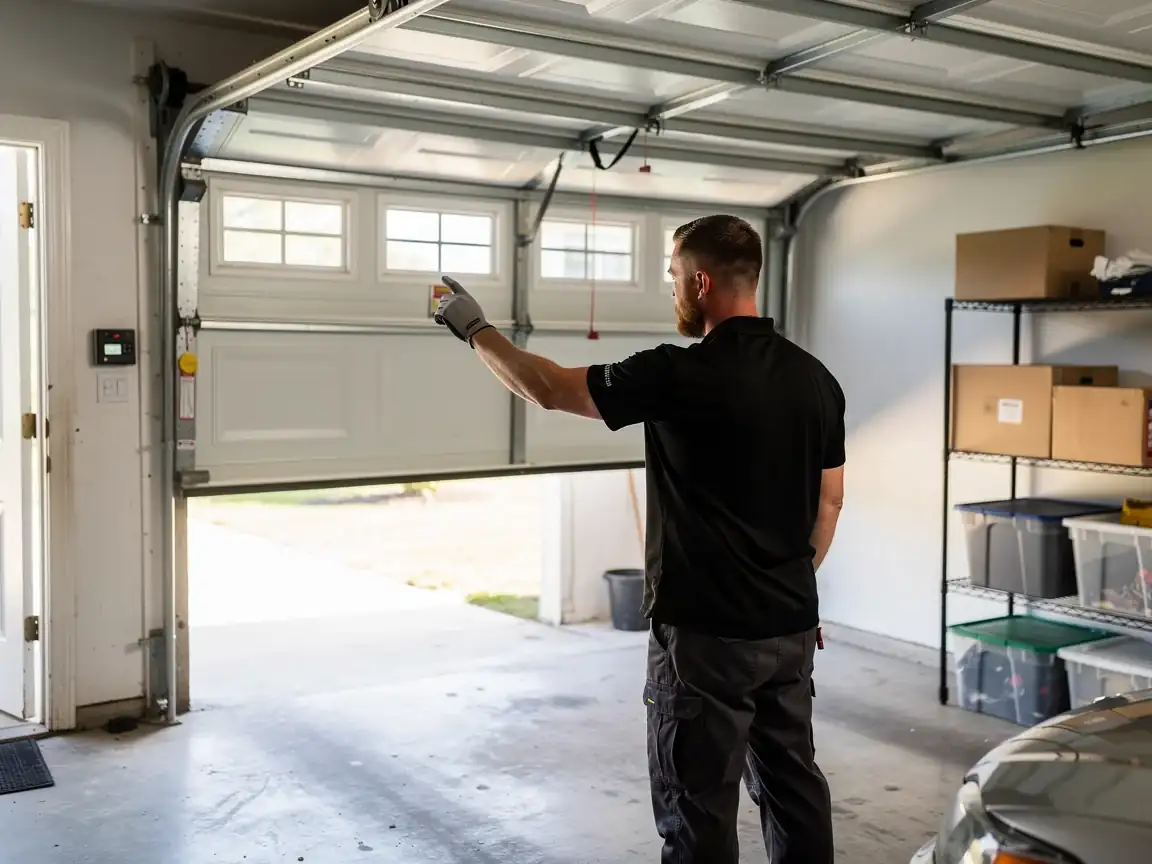
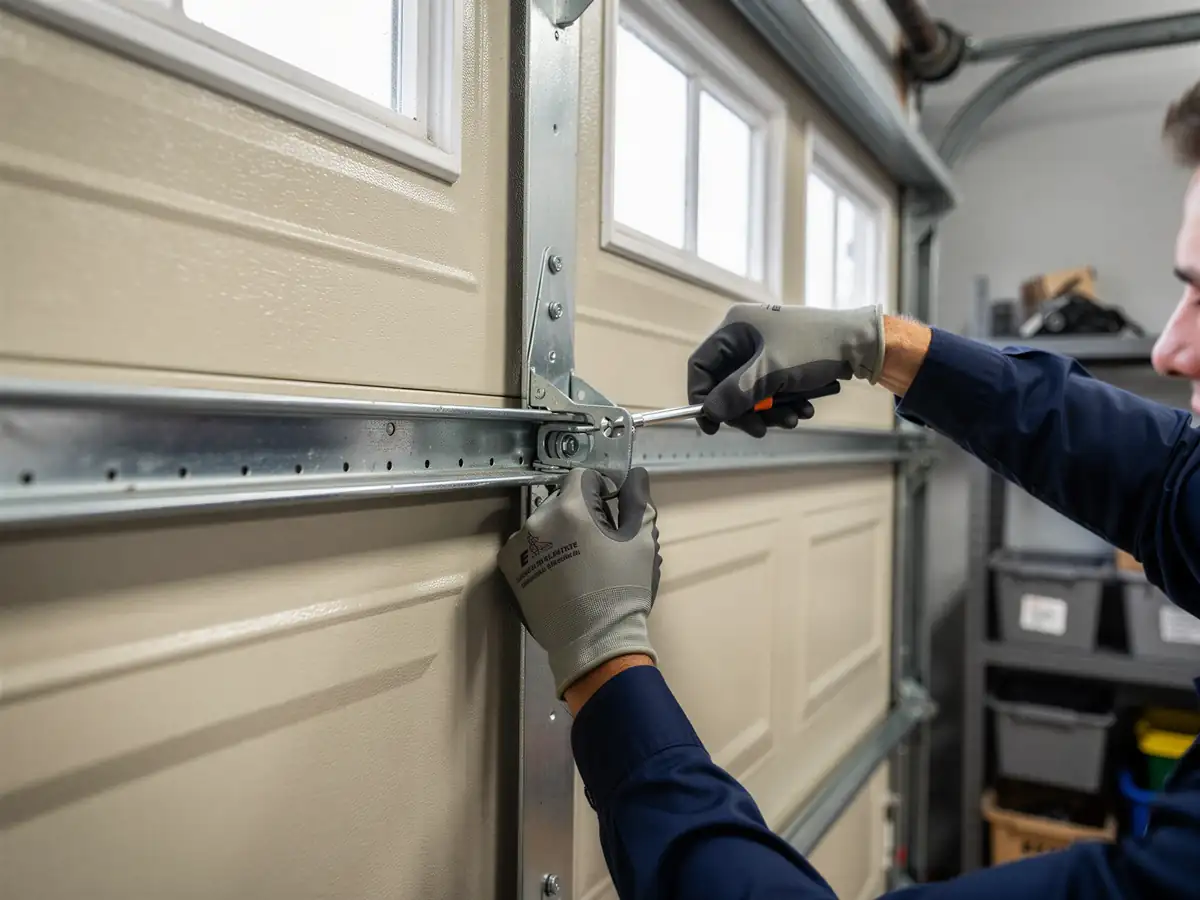
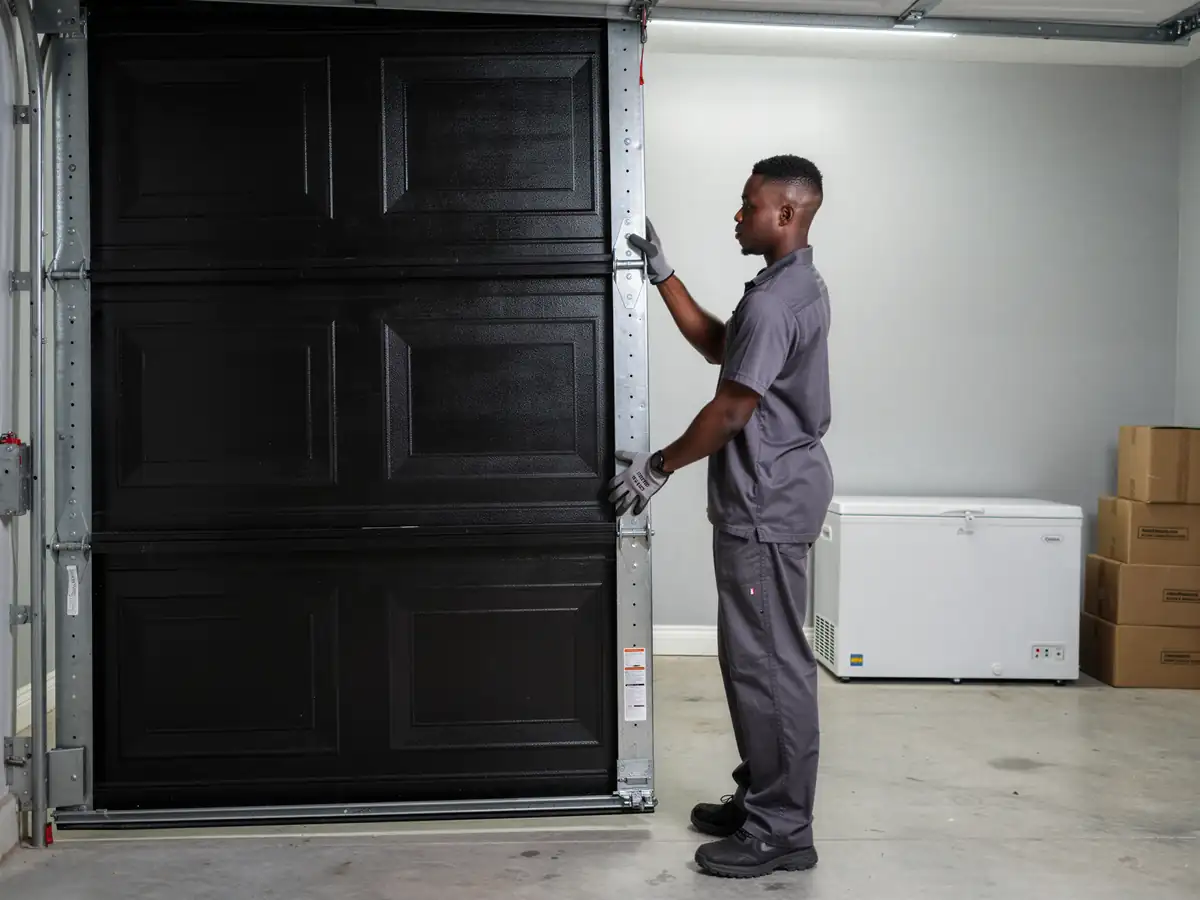
You'll hear it before you see it: a loud bang in the garage, usually overnight, and then the door won't budge or drops unevenly when you try the opener. Sometimes it's quieter - a door that's gotten noticeably harder to lift by hand, or an opener that strains and reverses partway up. On older torsion setups, the cable can jump the drum once the spring loses tension, which locks the whole door sideways in the track. We also see a lot of worn rollers and bent track on these same original systems, since nobody's touched the hardware since it was installed.
If your opener dates to the same era as the house, the gears inside the drive unit are usually the next thing to go, especially after a spring finally lets go and the motor's been straining to compensate for weeks or months without anyone noticing.
F1, F2
How to Book
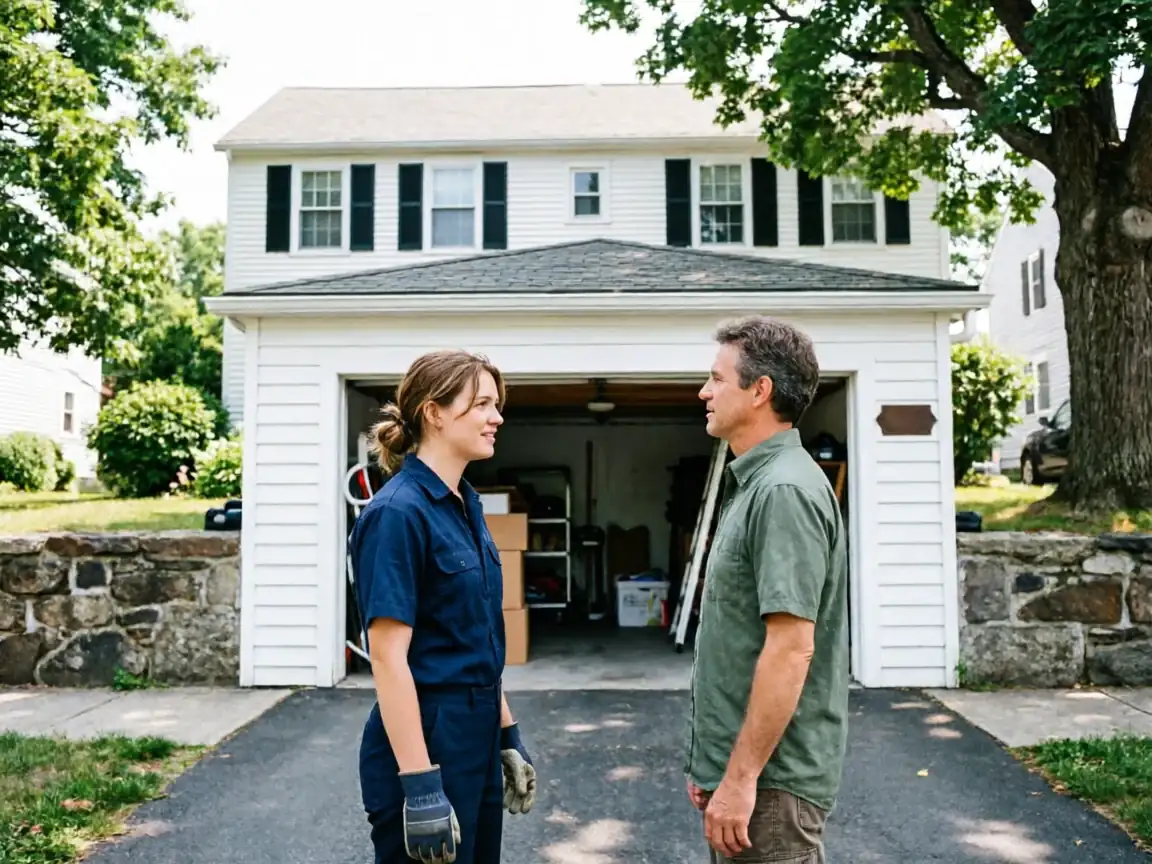
Call and tell us what the door is doing - whether it's stuck, off track, making noise, or just slow to respond to the opener. That one description usually tells us what to bring on the truck the first time, which saves a second trip.
We work Hudson and the towns around it: Berlin, Stow, Bolton, Maynard, Southborough, Boxborough, Northborough, and the rest of the towns within a roughly 15-mile ring.
We don't do emergency dispatch with a guaranteed arrival window - we don't have a published response time to quote you, and we'd rather tell you that plainly than promise something we can't back up. What we can do is give you a realistic estimate of when we'll be there based on where you fall on the day's route.
If the door is a safety issue - off the track, a cable snapped, a panel caved in - say that when you call so it gets prioritized ahead of routine tune-up requests.
What You Pay
We don't have a flat published rate to print here, and we're not going to make one up
Garage door pricing depends on what's actually broken - a torsion spring job is a different cost than an opener gear replacement, and both are different again if the track is bent or a panel needs replacing. What we can tell you honestly: we quote the job once we know what it is, not before.
One thing worth knowing if you're budgeting
Replacing a spring on an original 1960s or 70s door sometimes turns up a second problem once the door is off tension, like a rusted bottom bracket or a cracked roller stem that wasn't obvious while the spring was still holding weight. We'll tell you before we do extra work, not after.
If your door and opener both date to the house's original build, there's a point where repair stops making sense
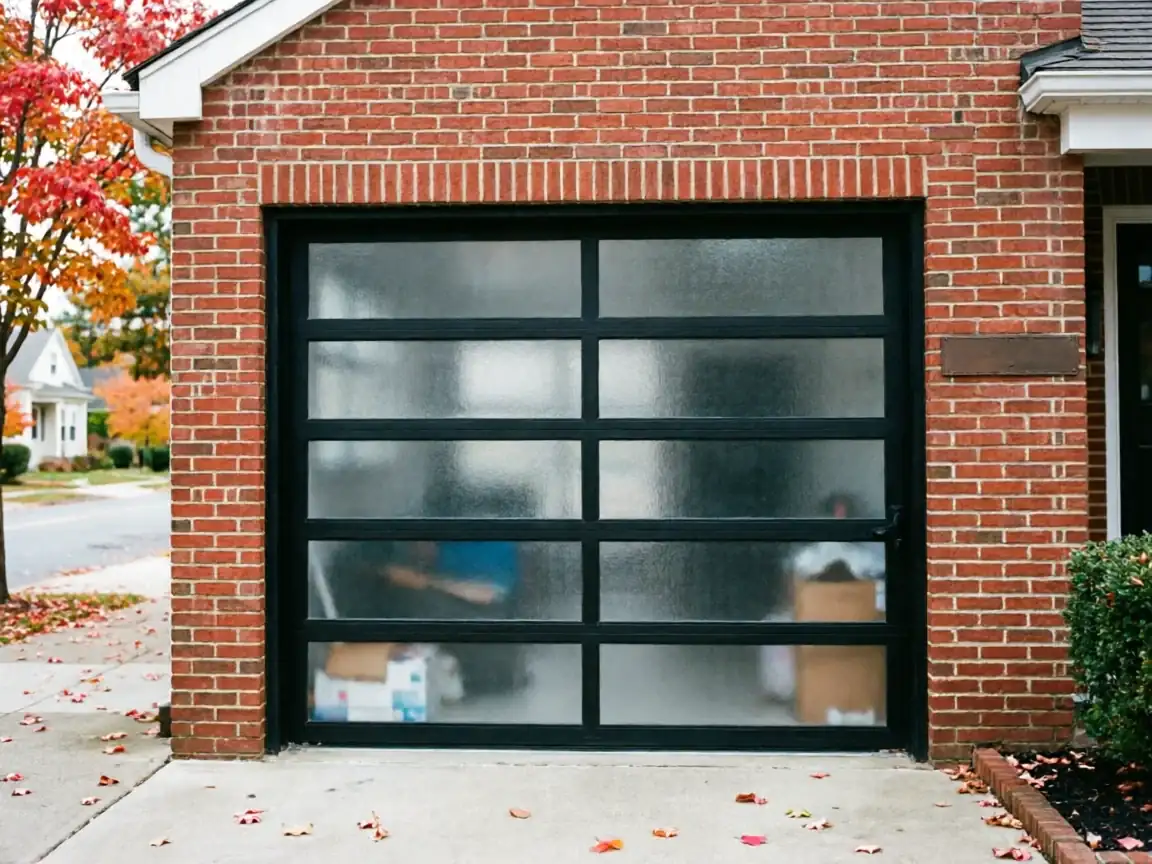
Sinking money into a 50-year-old door with obsolete hardware costs more over time than replacing it once. We'll tell you straight if you're at that point instead of patching it again.
What Causes It Around Here
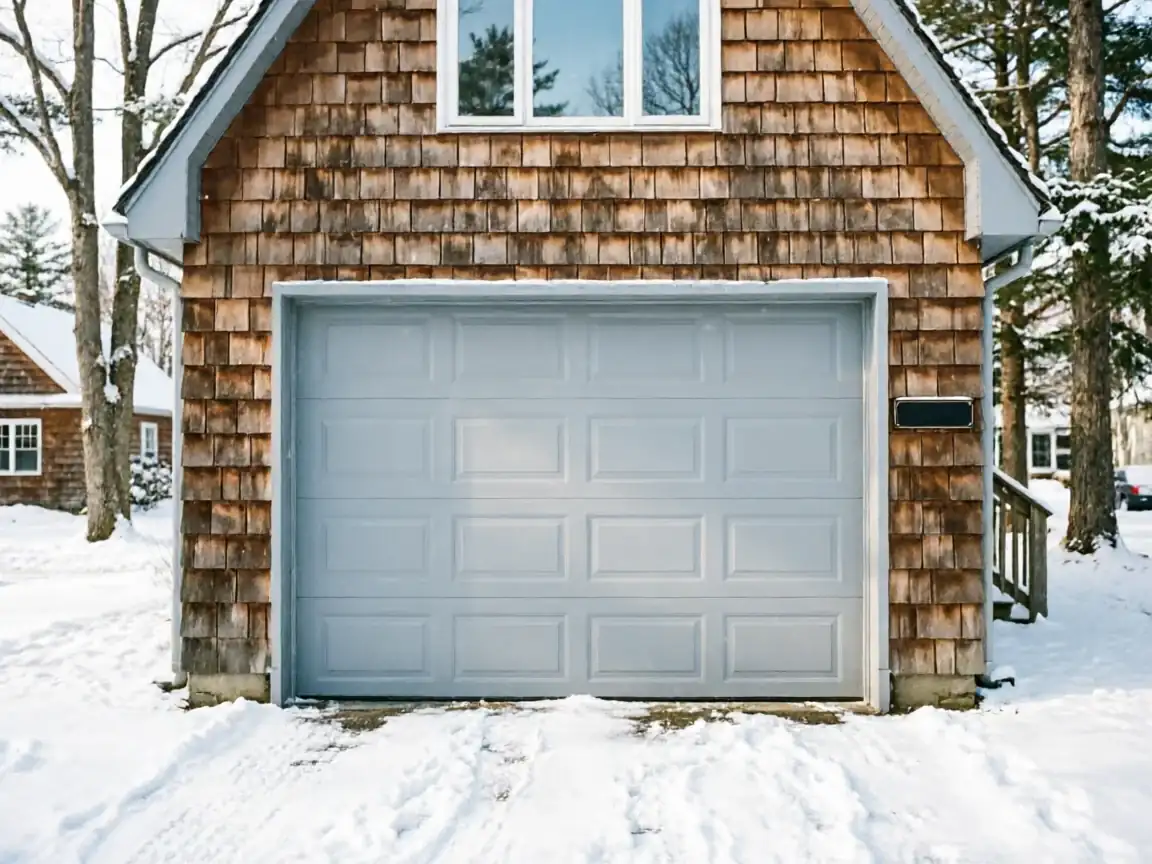
Hudson sits in a cold-climate band with severe winter conditions, and that matters more for garage doors than people expect. Steel contracts in the cold, torsion springs lose a little flex with every hard freeze-thaw cycle, and lubricant that was fine in September turns thick and sluggish by January. On a spring that's already decades old from a house built in 1969, a cold snap is often the thing that finally snaps it rather than some dramatic failure.
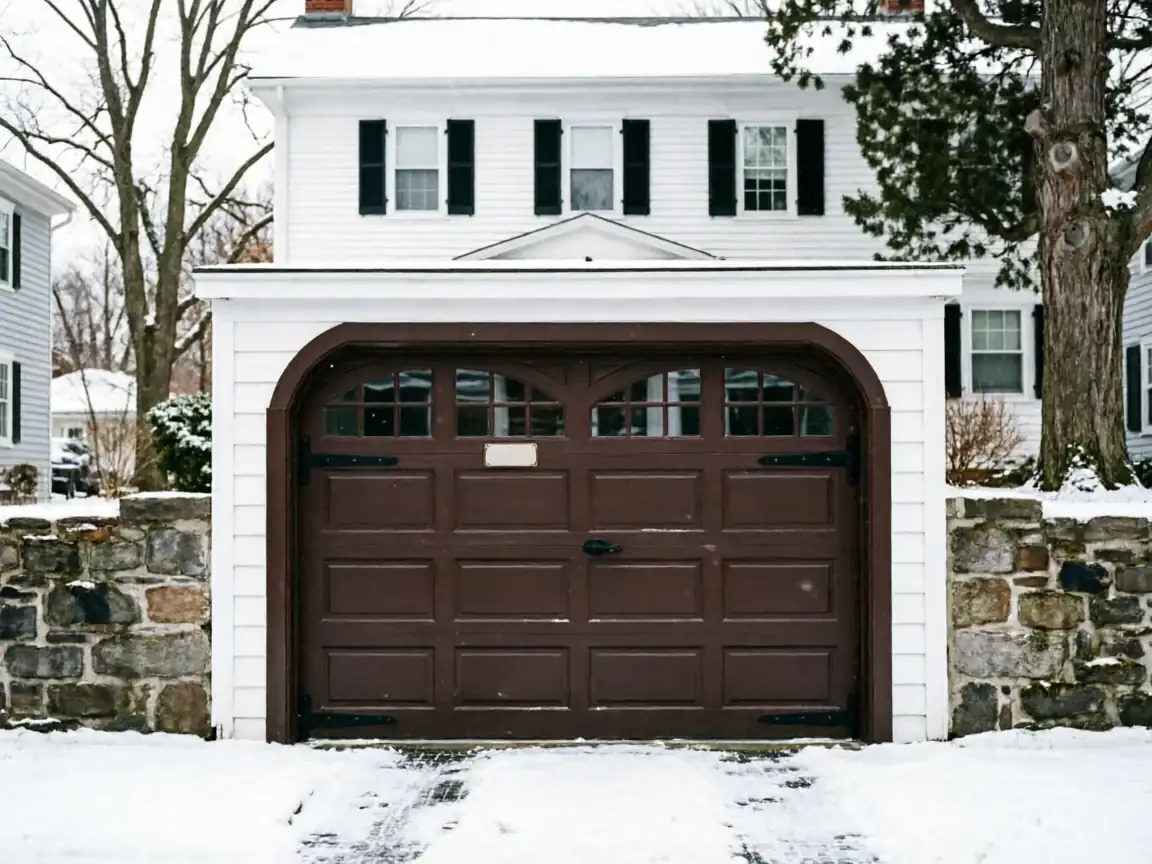
The other factor is simply how much of the local stock falls in the same window - homes built between 1938 and 1993 across this area means a lot of original one-piece and sectional doors running galvanized torsion springs that were never upgraded. Nobody replaces a spring until it breaks, so the installed base skews old.
Openers follow the same pattern. A chain-drive unit from the 60s or 70s wasn't built with modern safety reversal sensors, and when it finally fails, it's often the whole drive assembly going at once rather than one easy part.