What Local Conditions Do
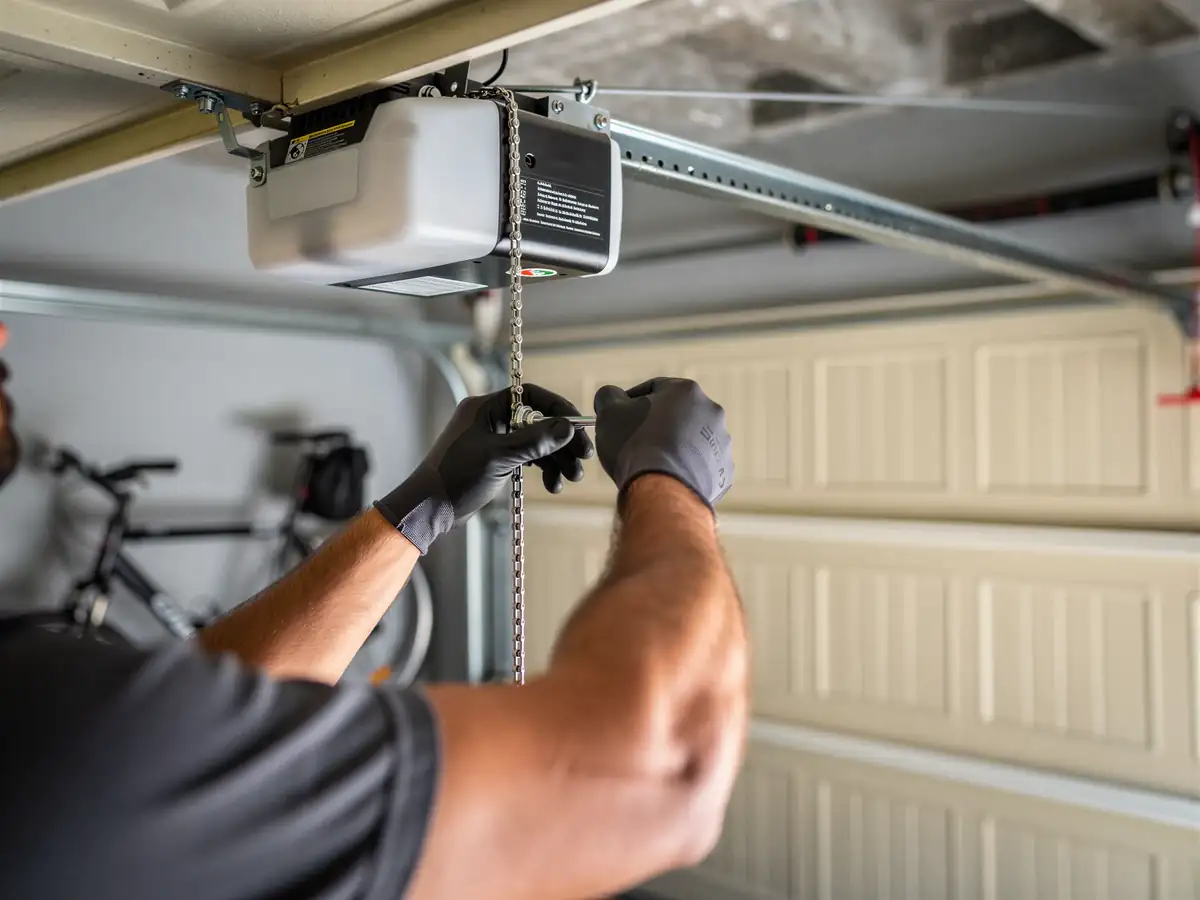
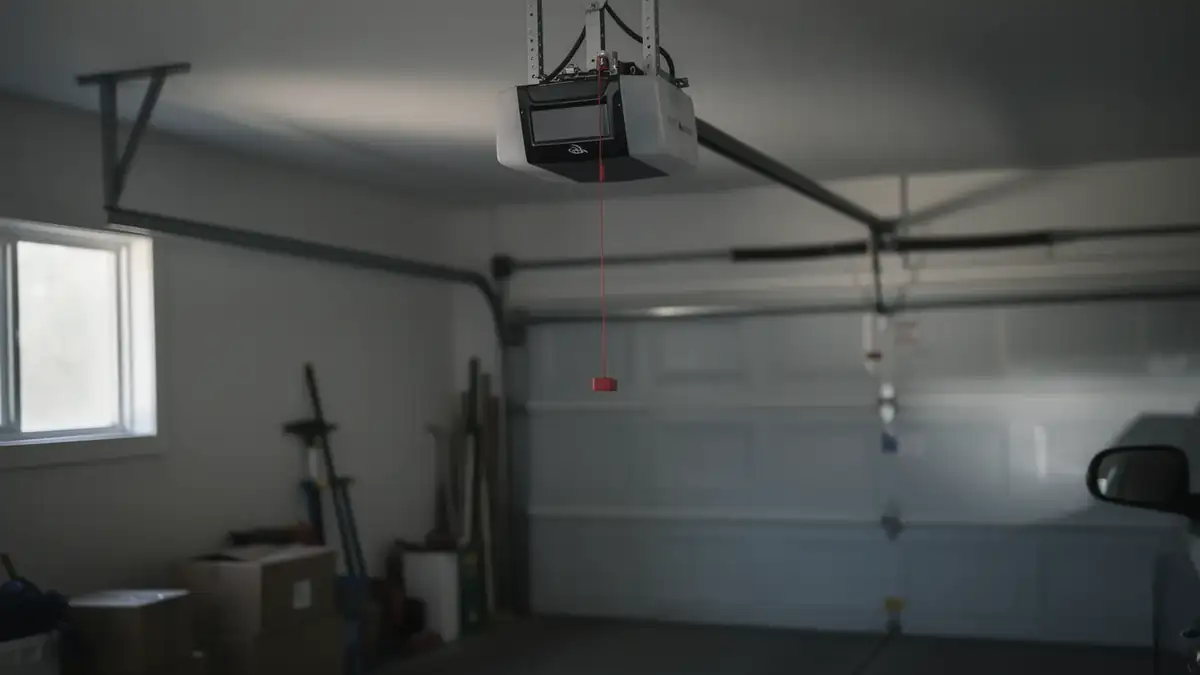
Hudson's housing mostly went up between 1938 and 1993, with the heaviest run in the 1960s and 70s across the 48 named areas we track locally. That matters for openers more than most people think. A lot of these houses came with chain-drive openers wired straight into a single circuit, no surge protection, no battery backup, because that's what builders put in during that stretch. Forty, fifty, sixty years on, those same circuits are still carrying the load, sometimes with an opener that's been swapped once but wiring that never was. When the power blips - and in a cold-climate zone like this one, it does - that old wiring and an aging opener board don't always come back cleanly. You get a door that won't respond to the wall button, a light that blinks but the motor doesn't turn over, or a remote that works intermittently. None of that means the opener is dead. It usually means the board took a hit it wasn't built to shrug off, and on a house this old, the fix starts with the wiring, not the opener.
What Is Going On
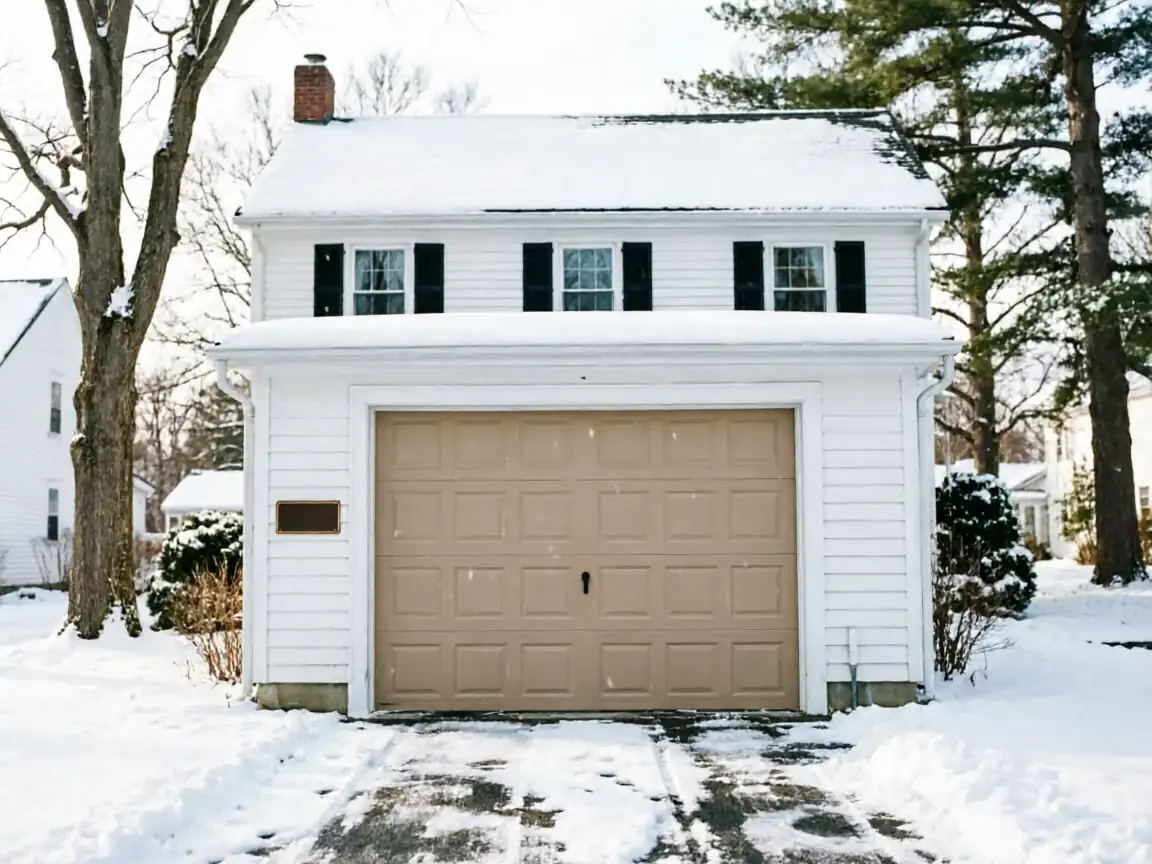
Hudson sits in a severe cold-climate band, and that band drives most of the opener calls we see that aren't simple spring failures. Cold doesn't just stiffen grease in the track - it shrinks the plastic gears inside a chain-drive opener's gearbox, and on units original to 1960s and 70s construction, those gears were never rated for the duty cycle a modern household puts on a door. Power cuts compound it. A short outage during a cold snap can corrupt an opener's logic board or wipe the travel limits it learned when it was installed, so the door opens six inches and stops, or reverses before it touches the floor. We also see a lot of battery-backup units installed after the fact, bolted onto houses that were never wired for them, which is its own kind of patch job. One honest limit here: if the opener is original to a house built before 1970 and the board has already failed once, we'll tell you straight that replacing it is usually cheaper over time than chasing a second repair on a board that old.
What You Pay
PLACEHOLDER