The DIY Question
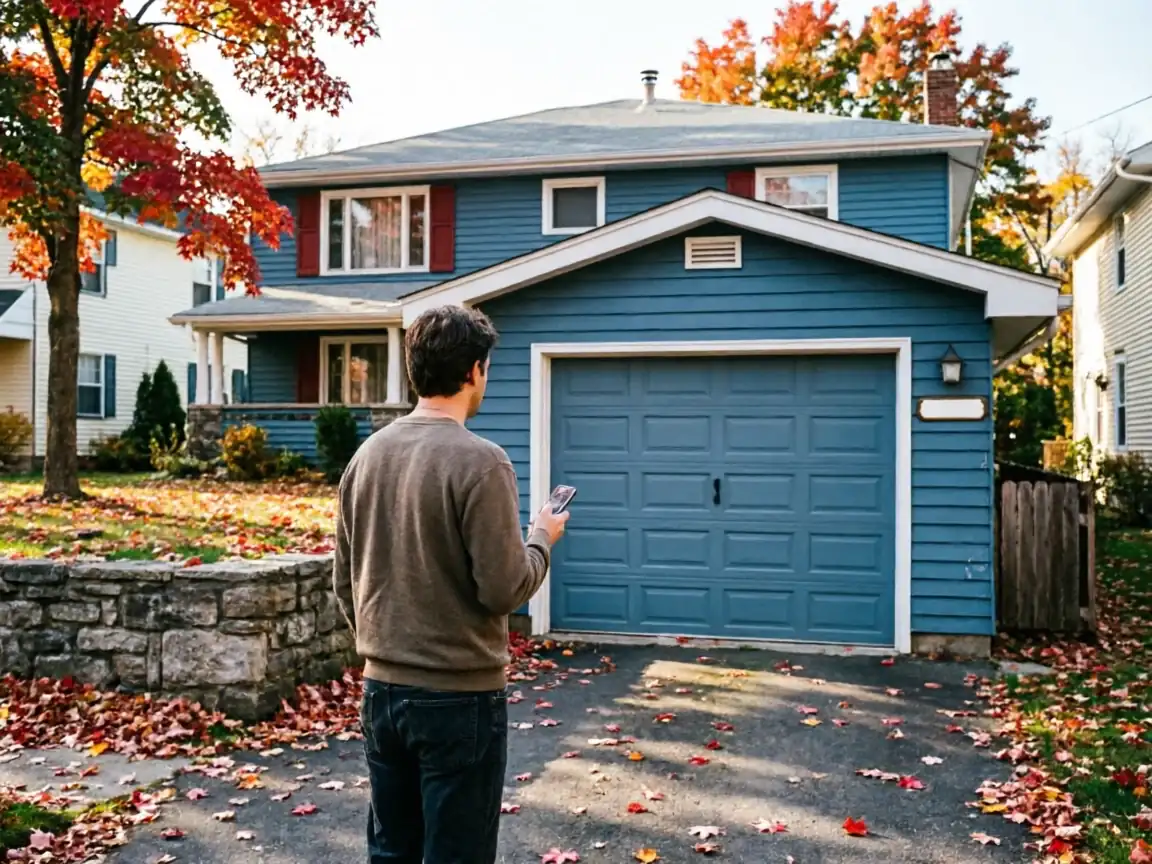
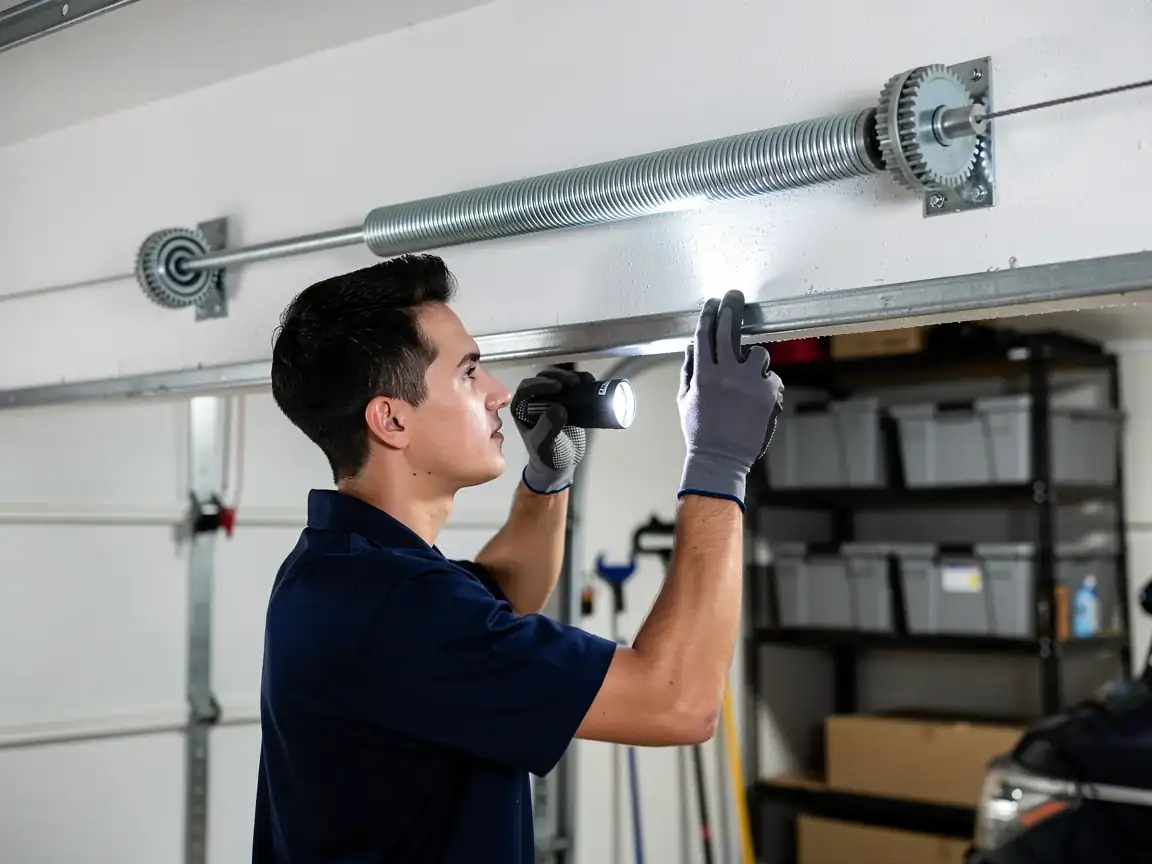
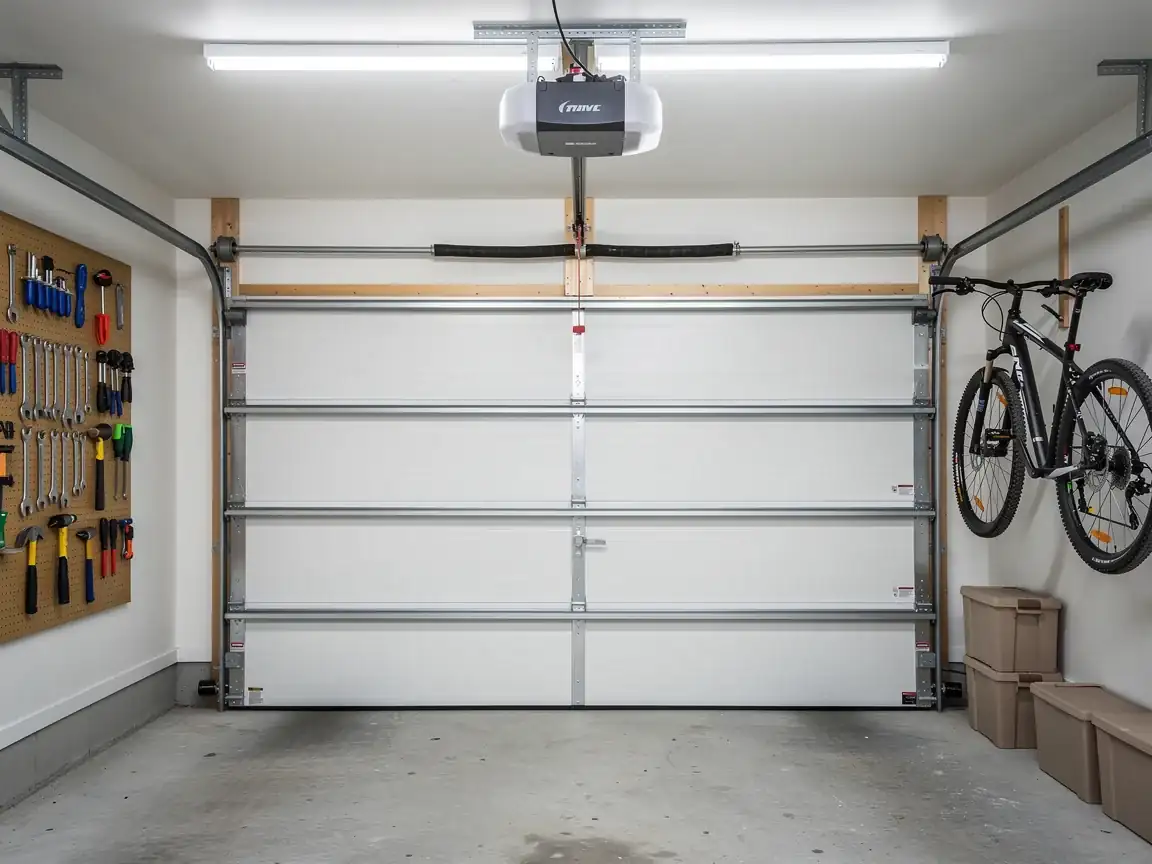
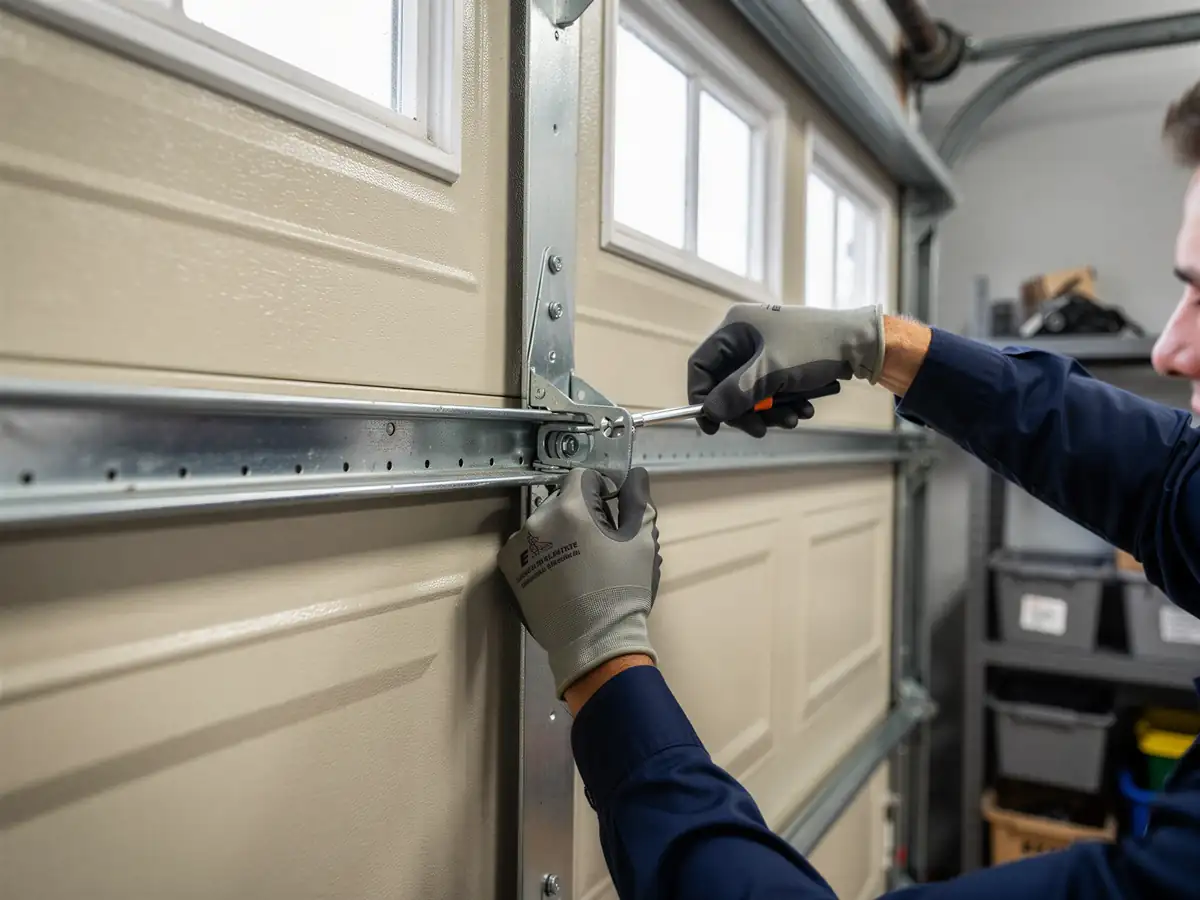
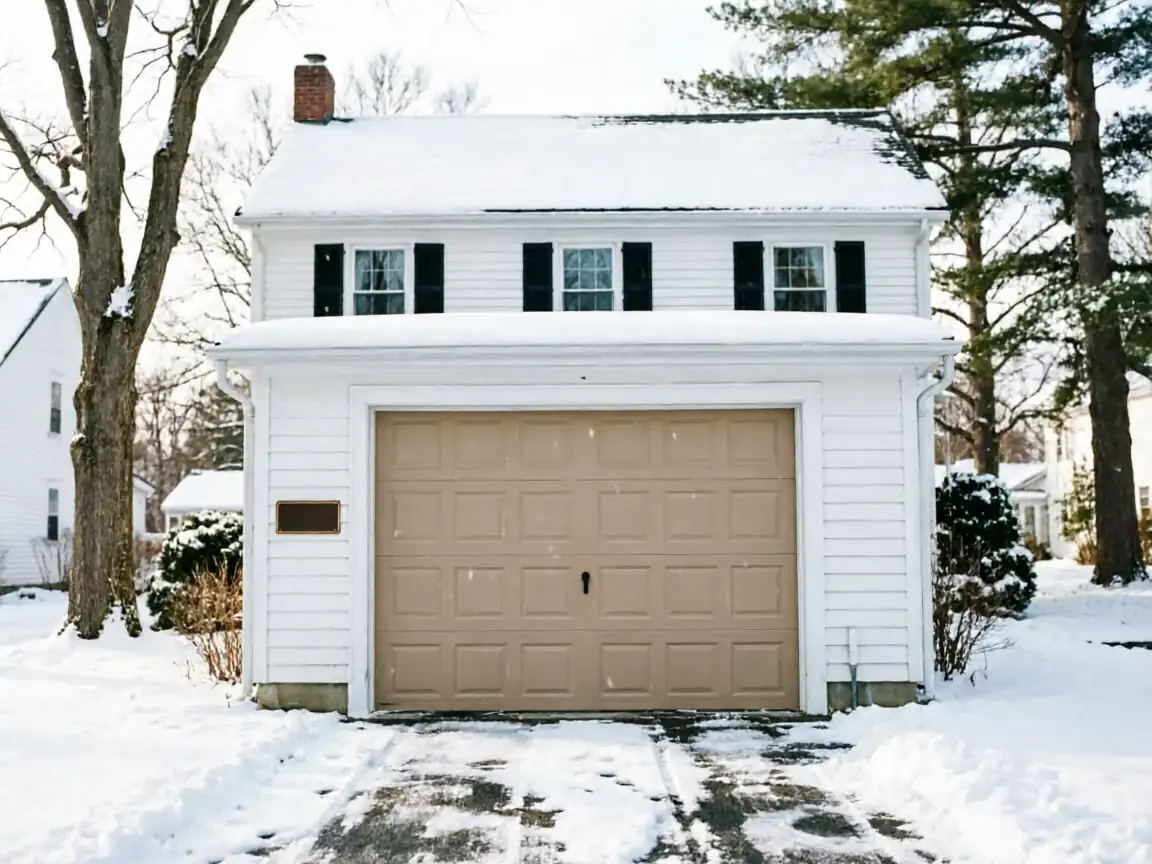
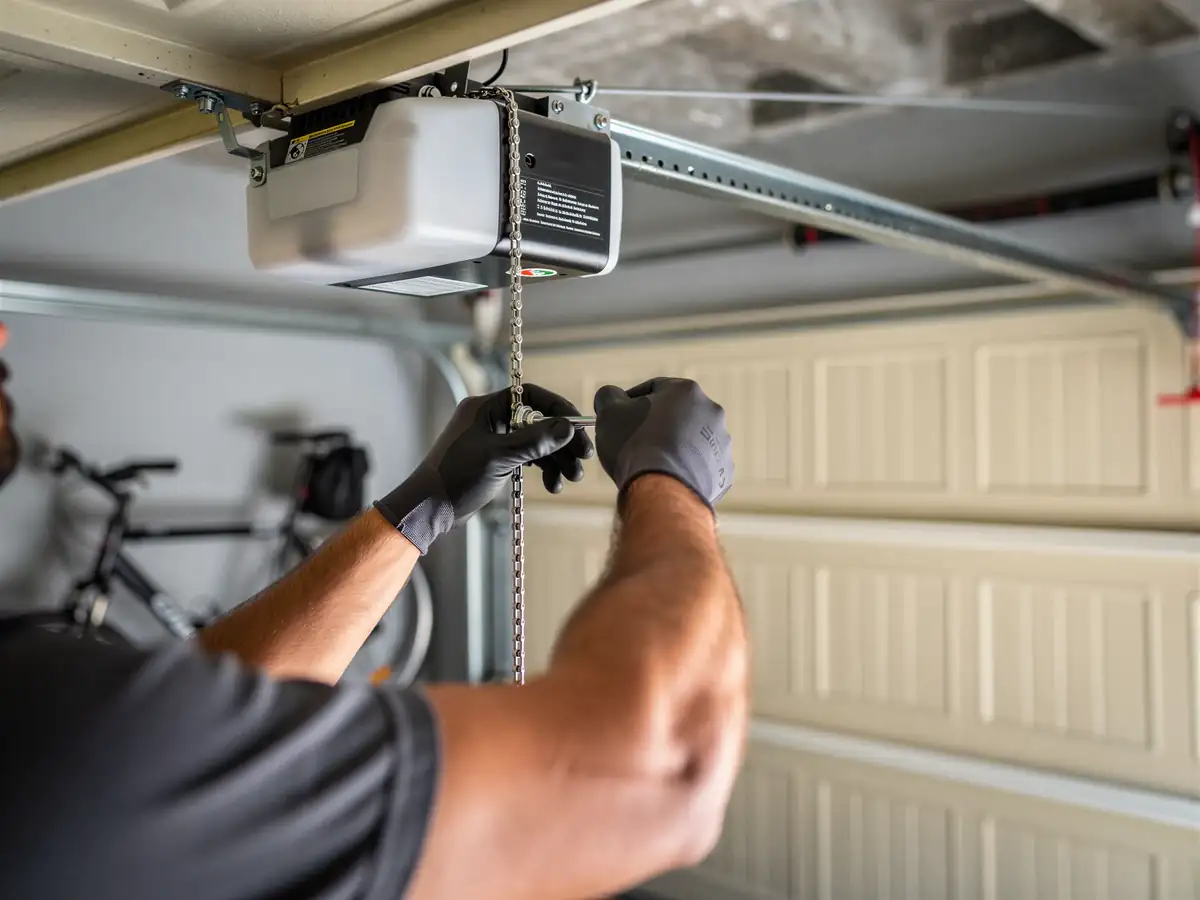
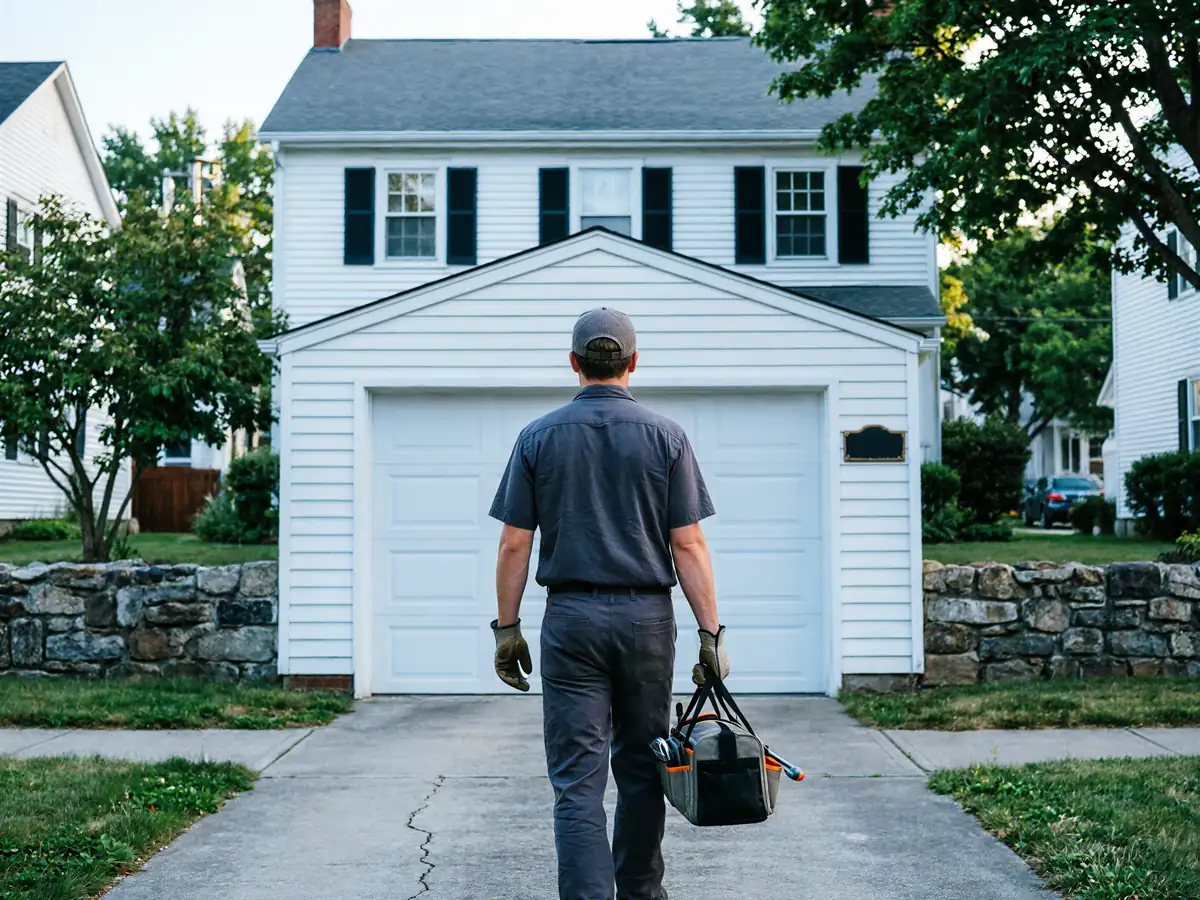
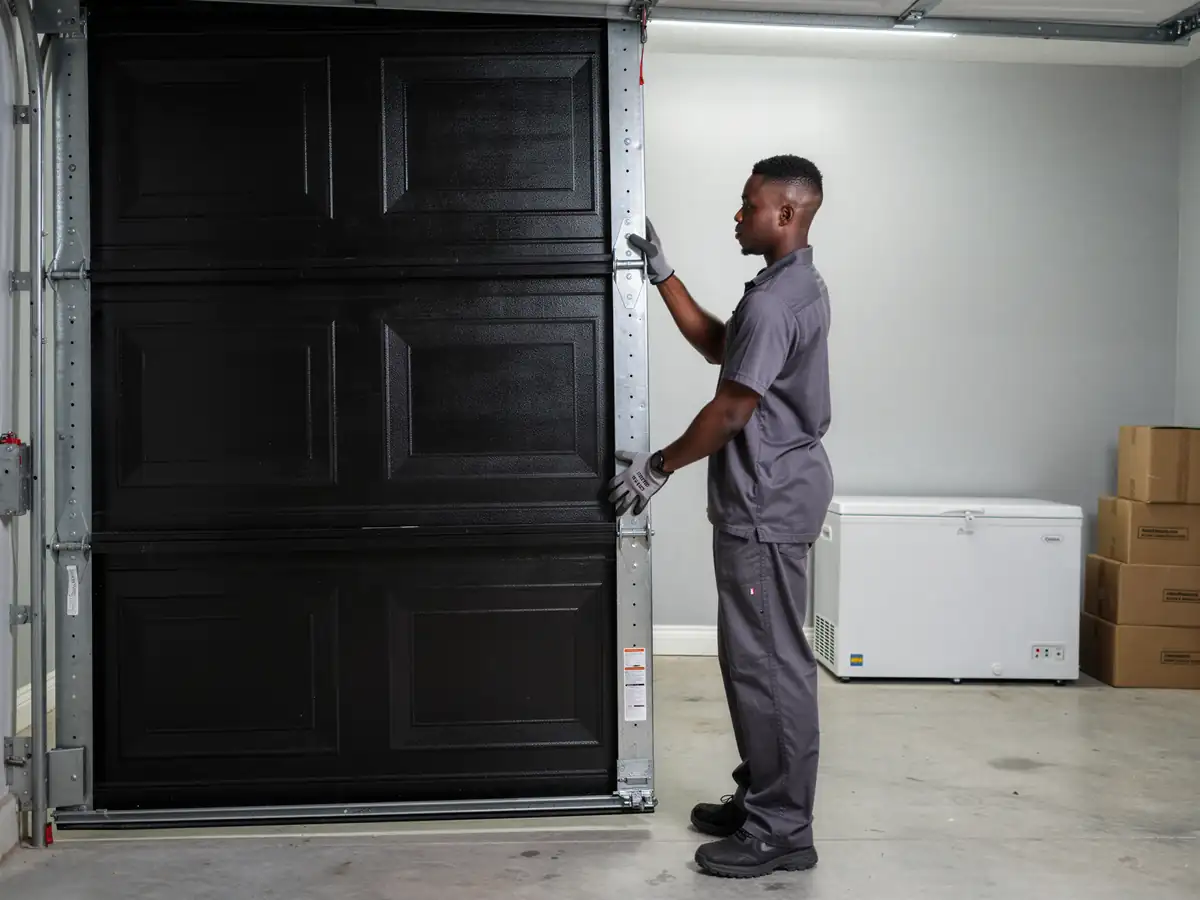
Lancaster's homes carry a median build year of 1967, which puts most of the town's garage doors and openers squarely in the same generation of hardware we see across the wider service area's 1960s-70s housing (median 1969 regionwide). That's good news for the DIY-minded: the tracks, springs, and drums from that era are simple, visible systems, no circuit boards hiding the problem. You can reasonably handle lubricating hinges and rollers, checking the weatherstrip at the bottom panel, and tightening loose hardware on the track brackets yourself. What you shouldn't touch is the torsion spring itself. A door built around 1967 likely still runs on a single-spring torsion system sized for the original door weight, and that spring is under enough stored tension to break a bone if it lets go while you're adjusting it. We also don't recommend DIY on anything involving the cable drums or the opener's force settings, since getting those wrong doesn't just risk injury, it can also strain the opener motor and shorten its life. If a job needs a torque wrench on a wound spring, that's the line where it stops being a weekend project.
What Can Go Wrong
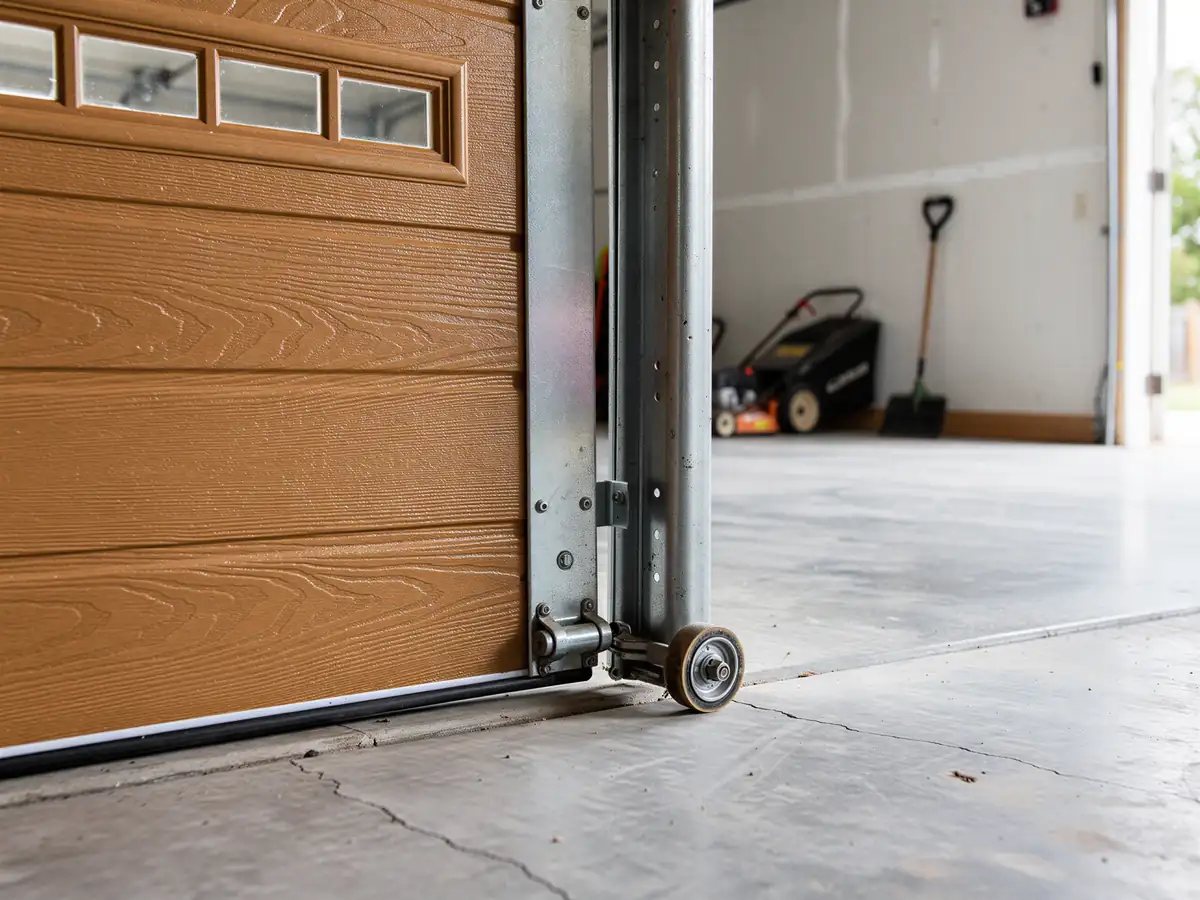
The region sits in a cold climate band with severe winters, and that matters more for a door built in the late 1960s than for a newer one. Original steel panels from that era often lack the thermal break found in doors made after insulation codes tightened, so the panel itself contracts in the cold and can bind against the track if the rollers have gathered winter grit. Torsion springs lose a measurable amount of lift force as temperatures drop, which is why a door that closed fine in October can start sounding strained by January, the opener straining to make up for a spring that's no longer pulling its full share. Nylon rollers on original 1960s-era hardware also get brittle with age and cold combined, and a cracked roller binding in the track is one of the more common calls we see on housing stock this age. None of this means your door is failing, but it does mean a yearly check before the cold sets in catches problems while they're still a $40 adjustment instead of a broken spring on a Saturday morning.
What You Pay
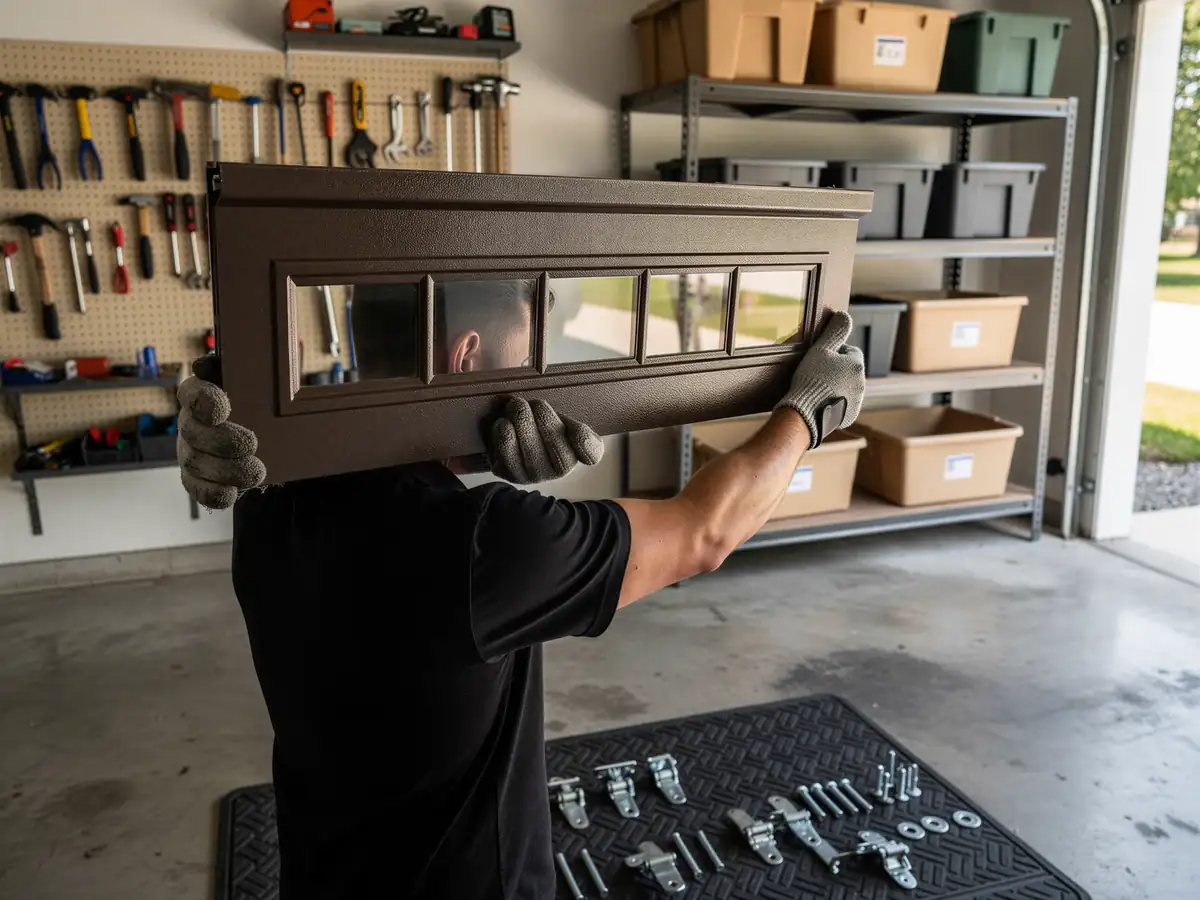
We don't have a Lancaster-specific price list to quote here, and we're not going to make one up. What we can tell you is that Lancaster's median household income, $130,444, runs below the wider service area's $147,635, and across roughly 2,944 households here the housing itself tends toward the same mid-century construction common across the region's 48 named areas. None of that sets a price, it just tells you the kind of door and hardware a technician is likely walking up to: an older single-spring torsion system rather than a newer double-spring or insulated steel unit. Actual cost depends on what's on your door and what it needs, and that gets quoted when we see it, not before.