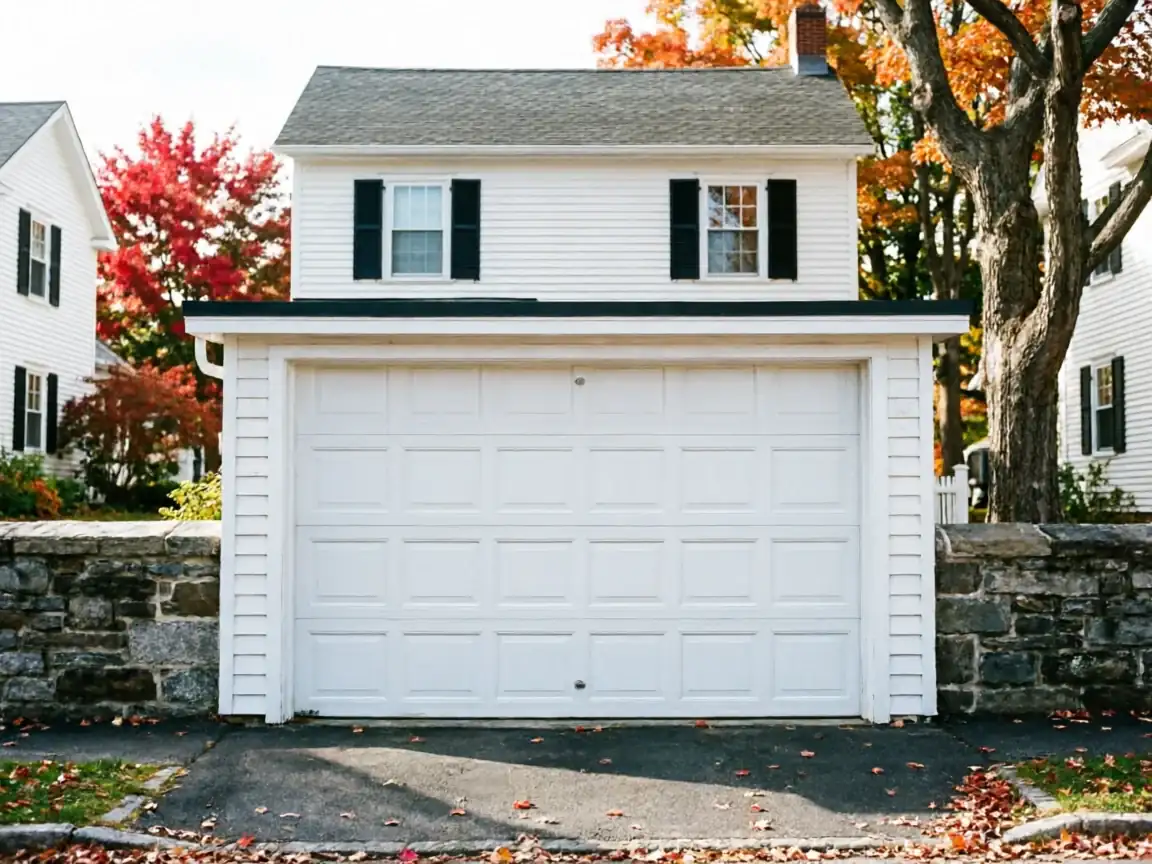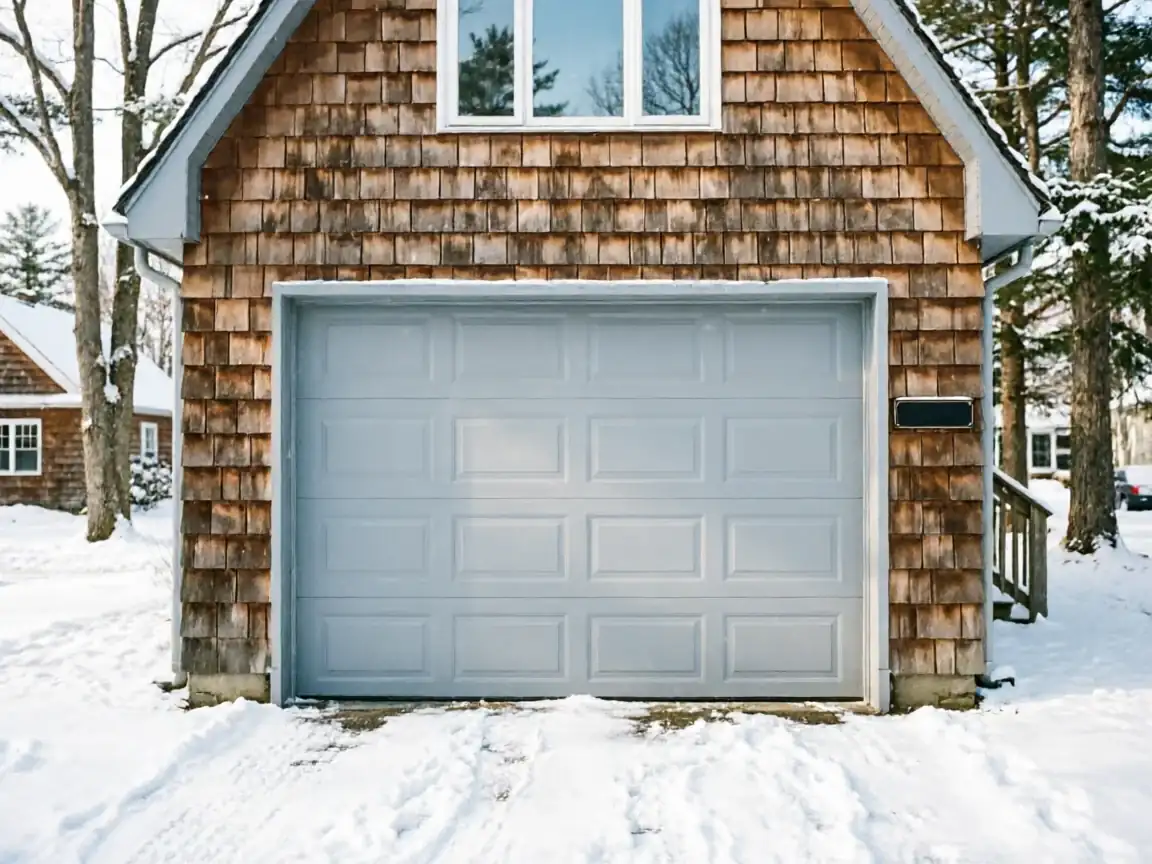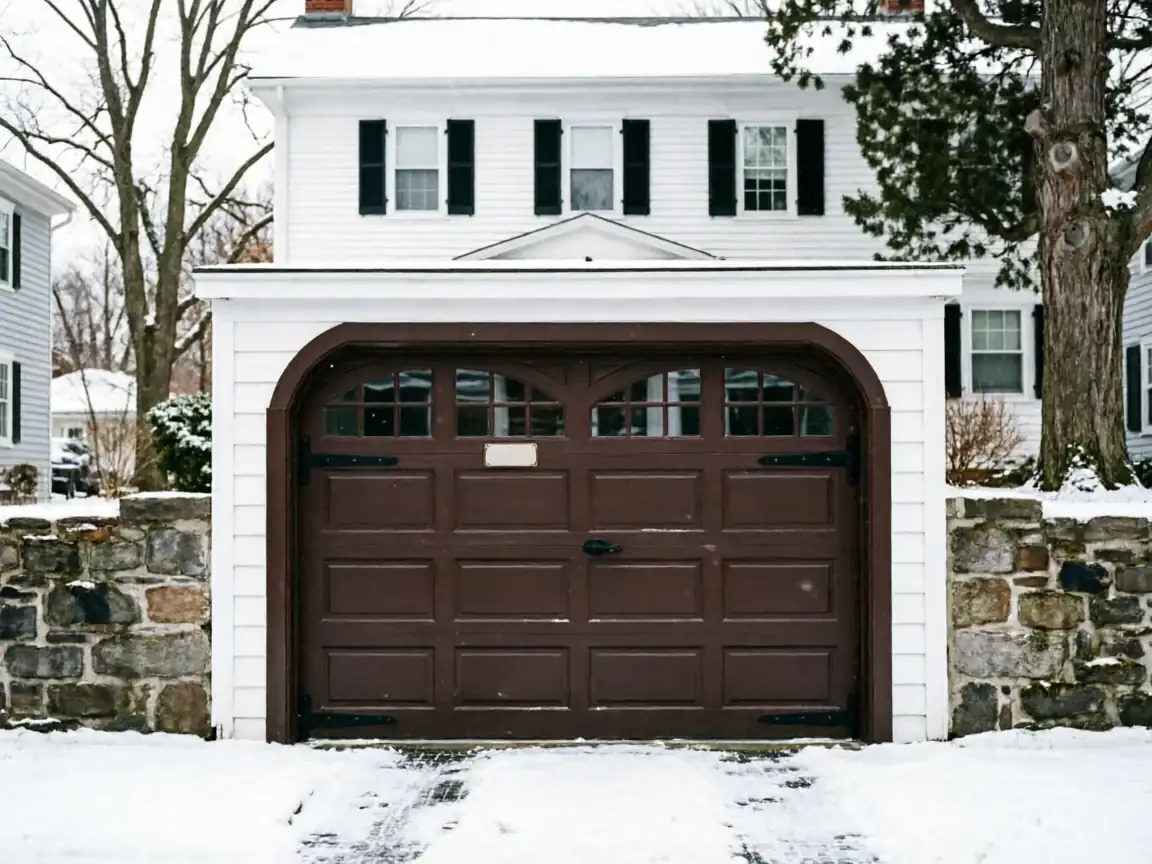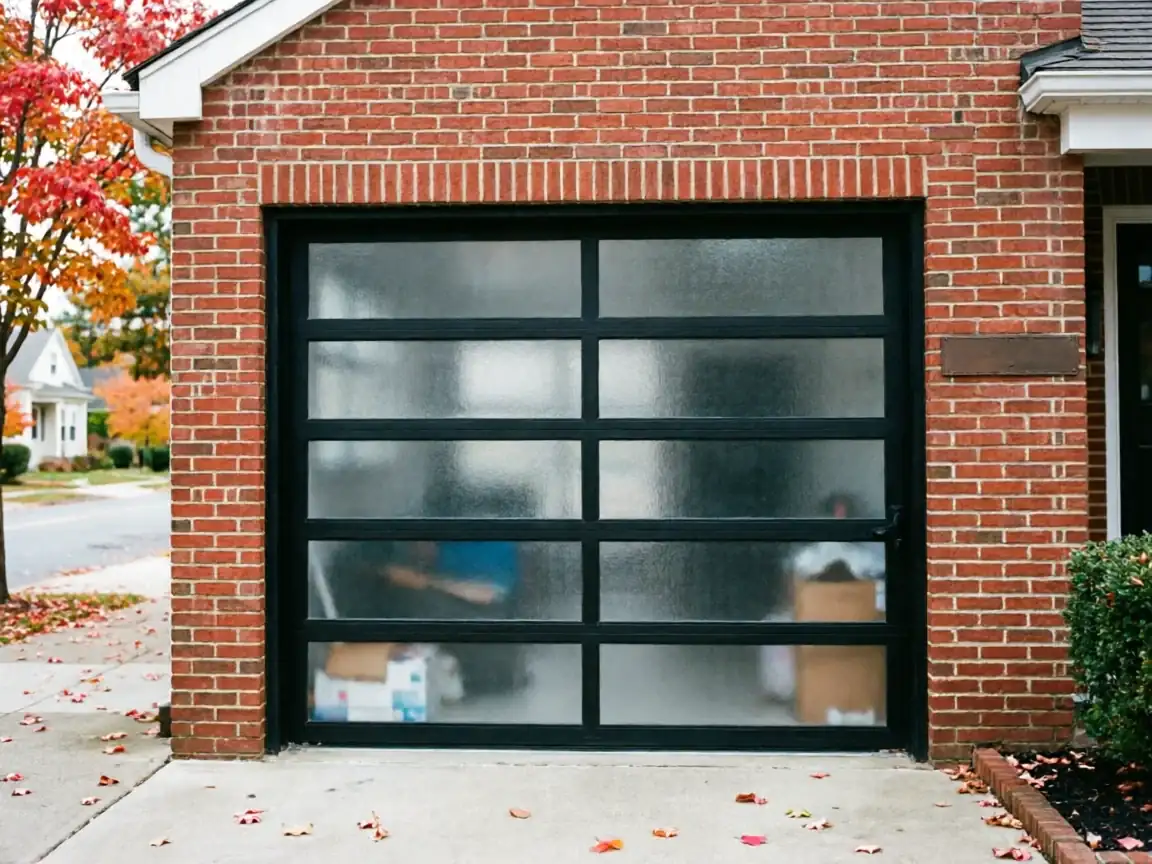
The DIY Question
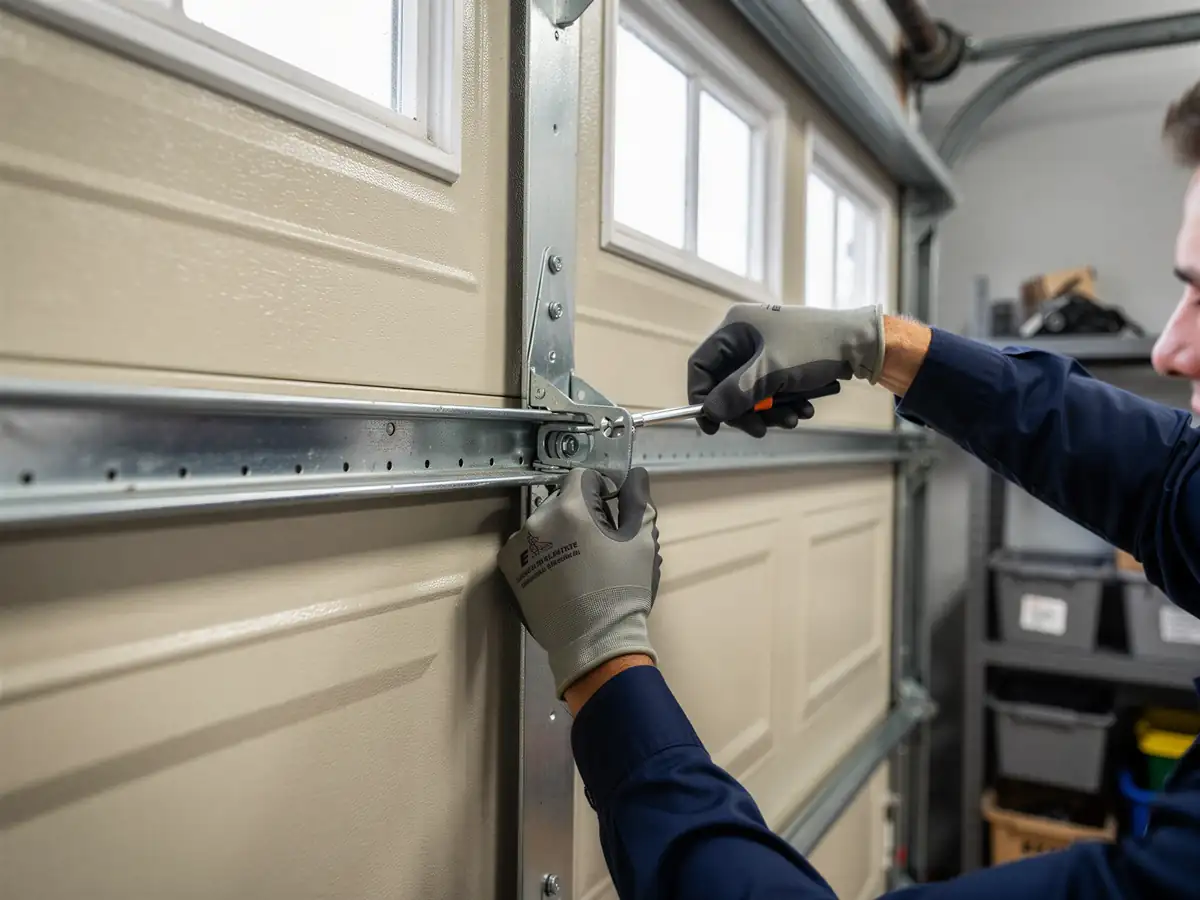
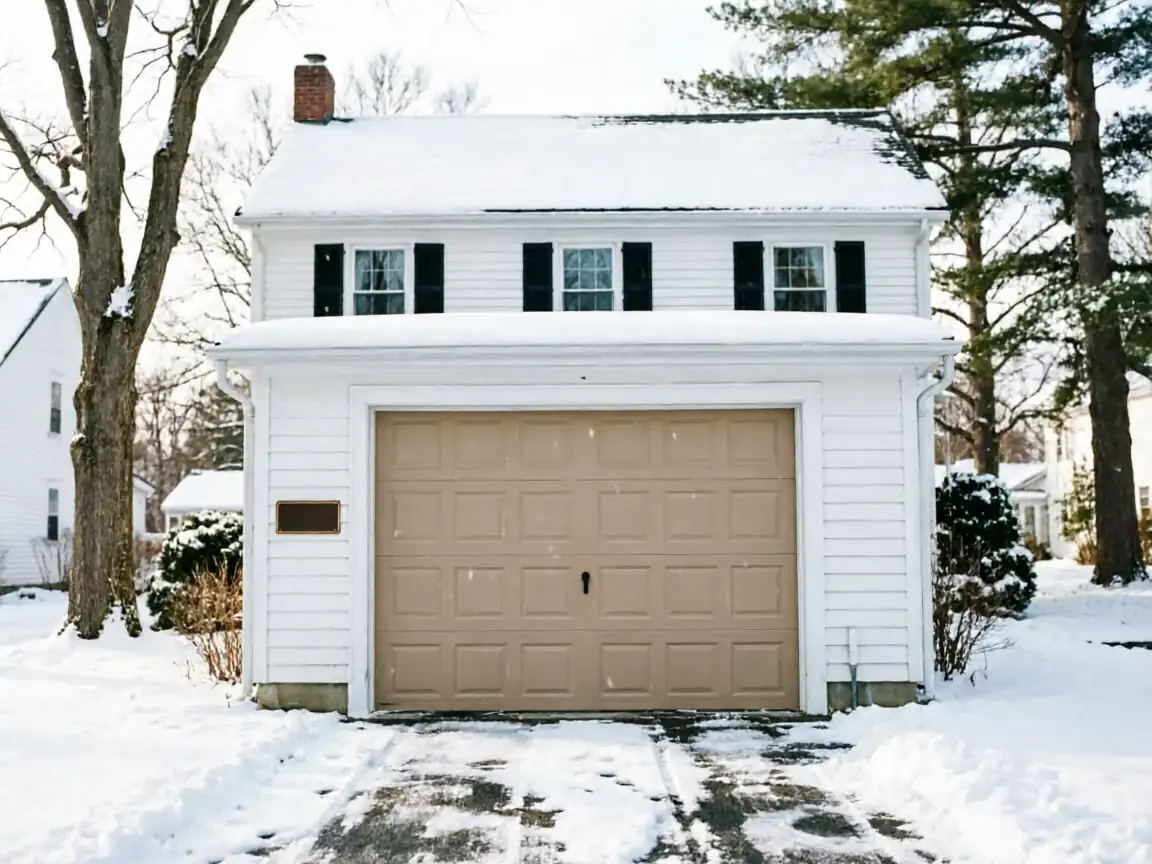
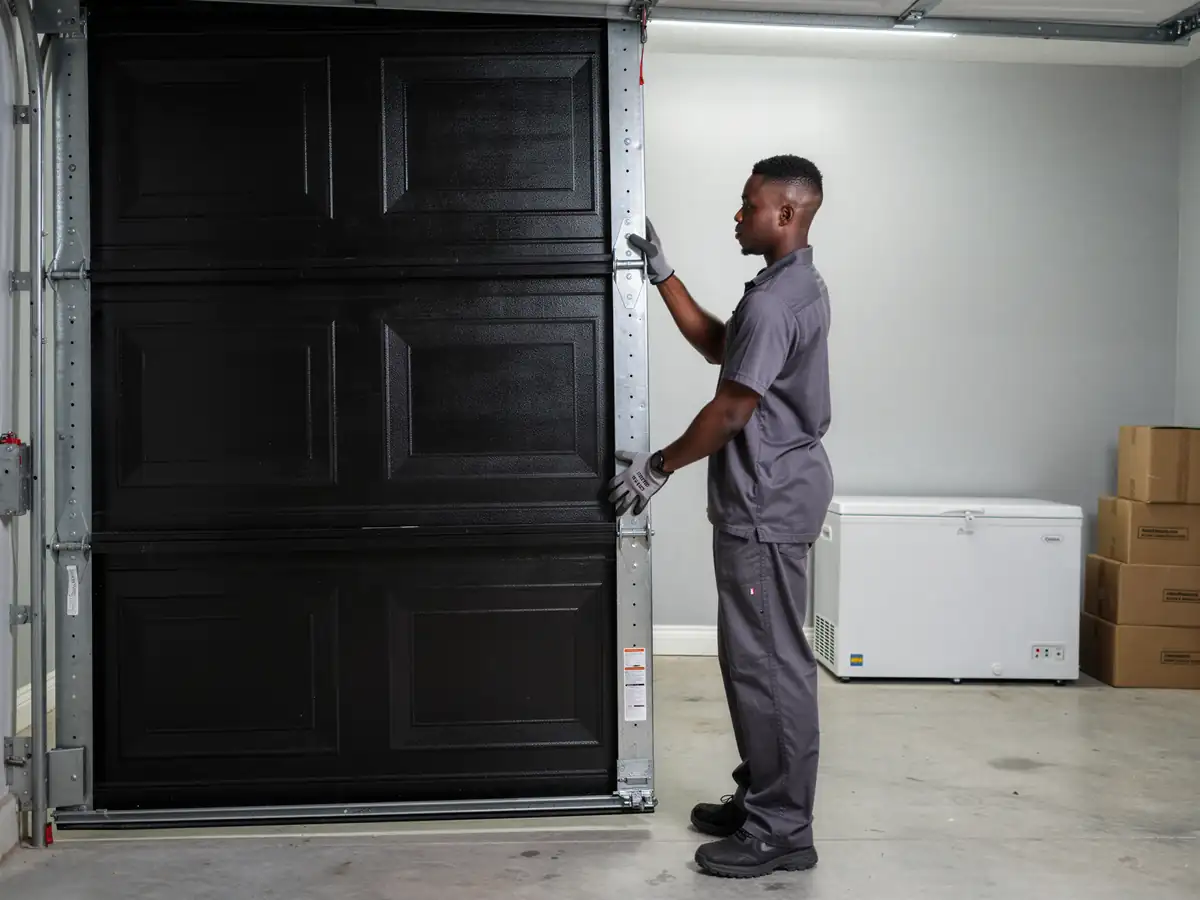
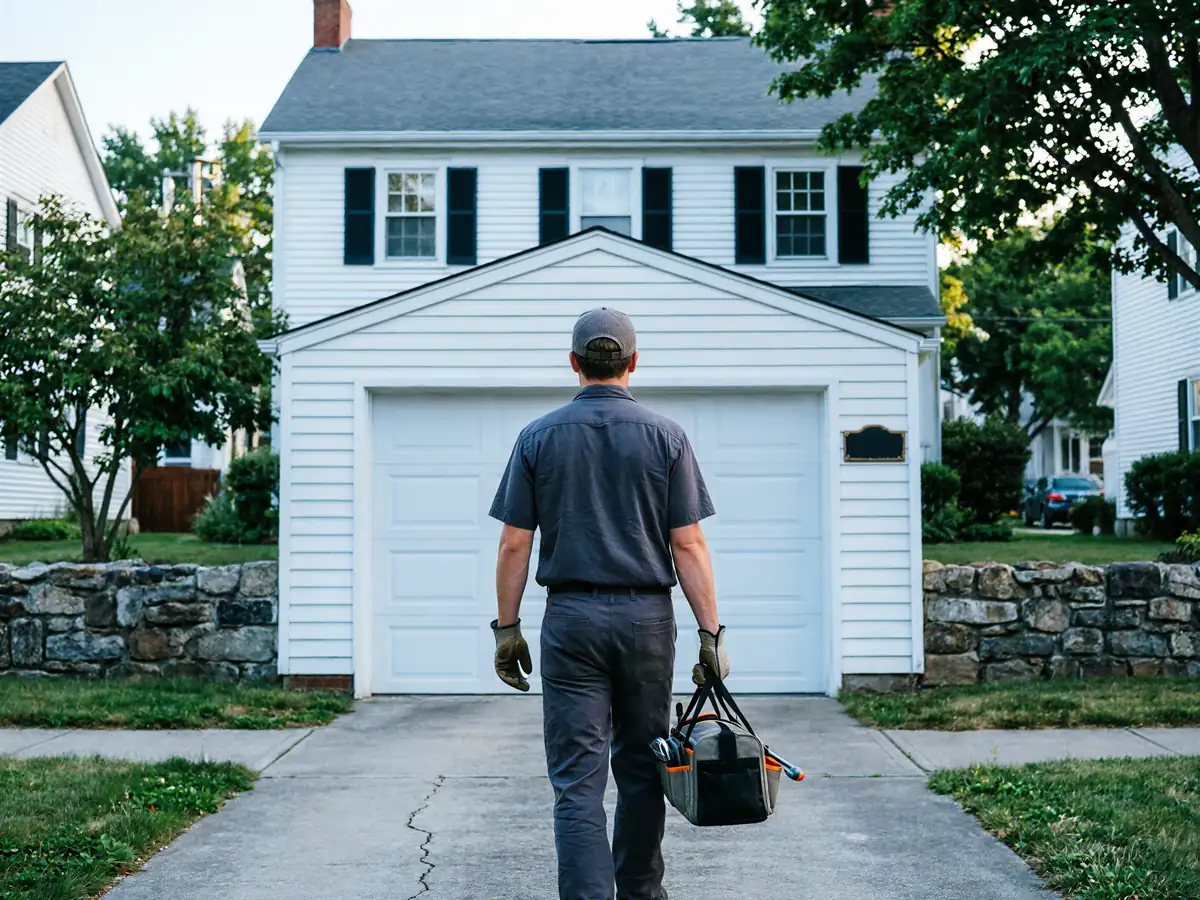
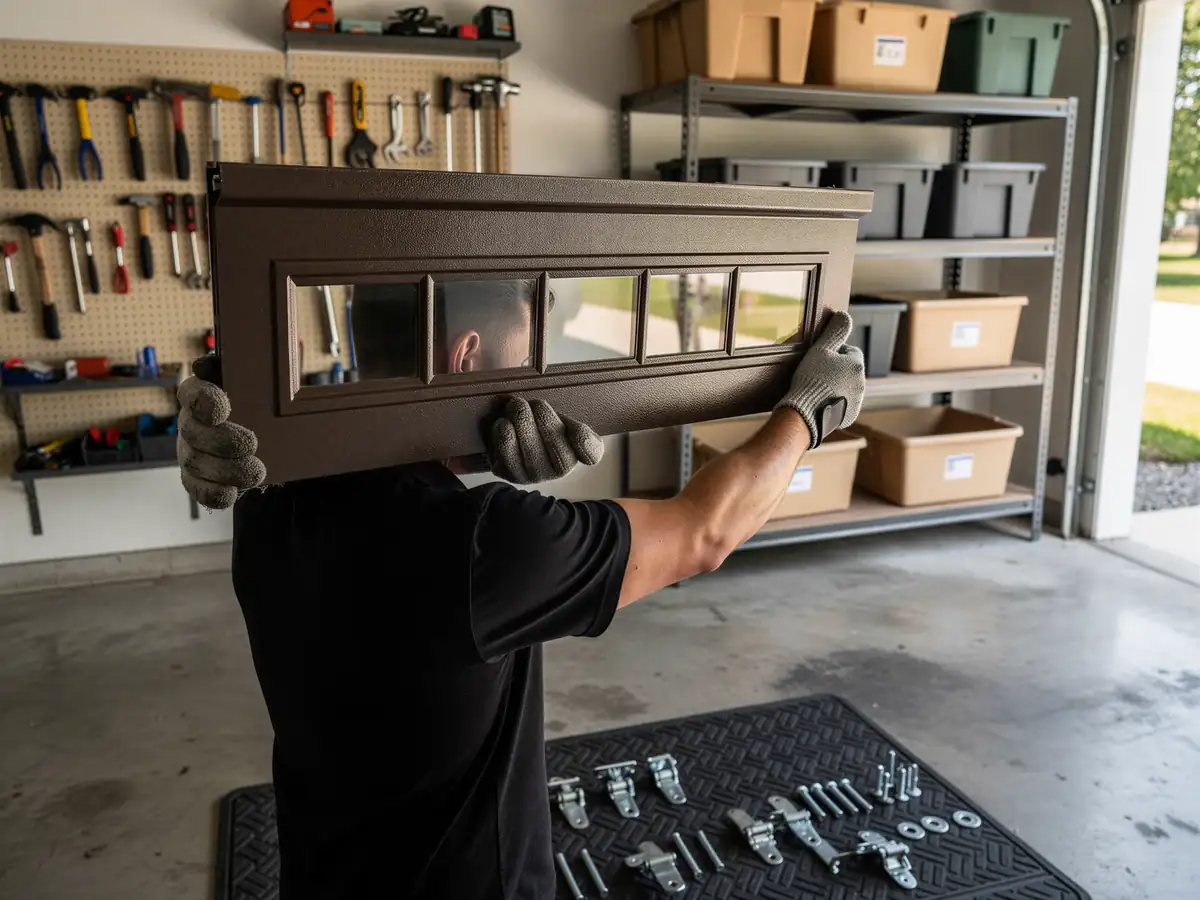
A lot of the garage doors standing in Lancaster today went up around 1967, when the house did. That era means single-layer steel sections, often with no foam backing, bolted to tracks sized for the smaller cars of the day. Panels from this period are thin compared to what gets installed now, which is exactly why one bad backing-out job or one winter's worth of ice at the bottom corner leaves a visible dent or a split seam rather than a shrugged-off scuff. Matching a replacement section to a 1960s door is the real obstacle. The original run was likely discontinued decades ago, so a single new panel rarely matches the faded paint or the exact rib pattern next to it, and ordering the wrong width for an old single-car bay means a return trip. If the damage is one panel on a newer door, a homeowner with the right clamps and a free Saturday can sometimes swap it. If it's an original-era door, we'd rather look at it in person before anyone orders a part, because getting the hinge spacing and panel height wrong on a 55-year-old door is common and expensive to undo.
What Can Go Wrong
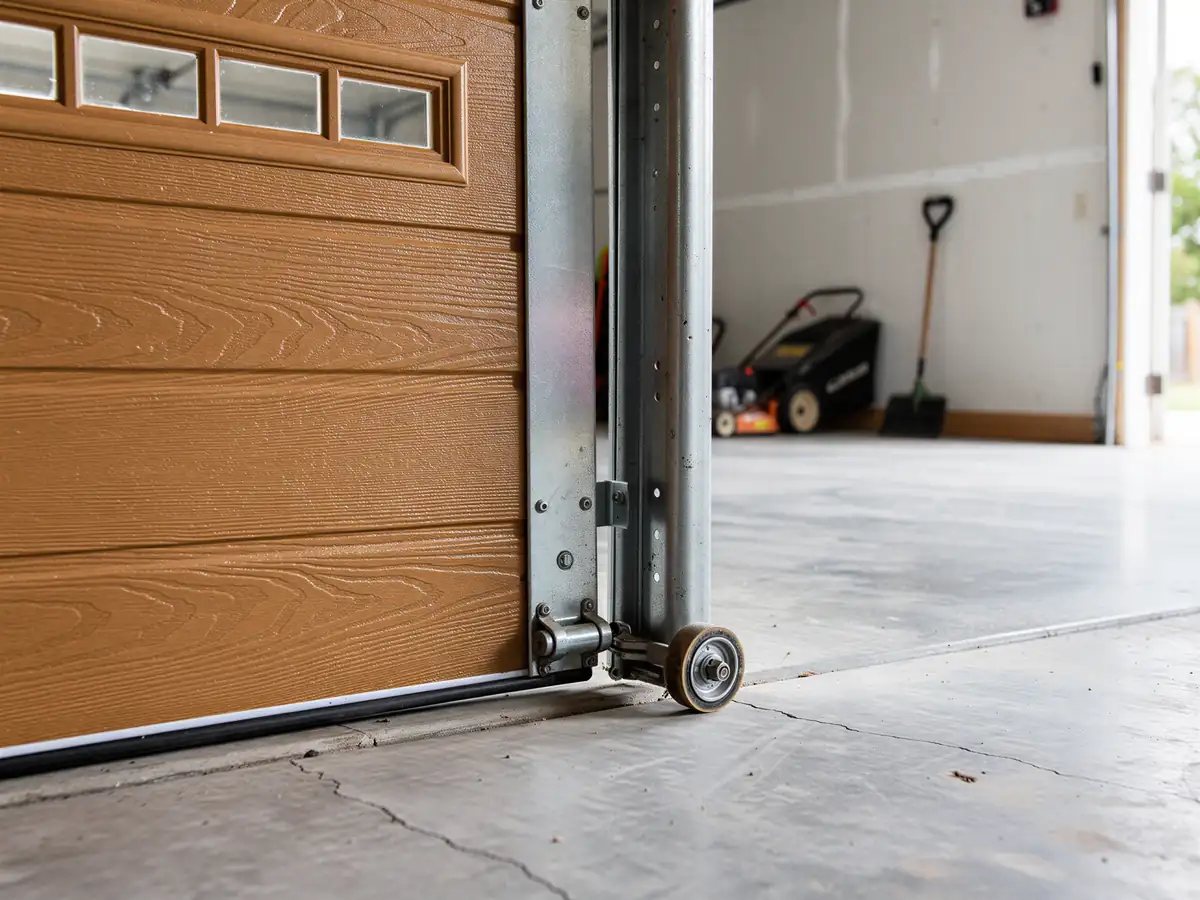
Steel from this period dents instead of flexing, and once a bottom panel cracks at the seam, the rest of the door racks slightly out of square every time it opens. On a house built around 1967, the panel, the hinges, and the track hardware are usually all original or close to it, so pulling one bent section can reveal that the roller brackets are worn thin too - a job that started as one panel turns into hinges and rollers the same afternoon. Lancaster's winters put real stress on this stock: a door this cold-climate region treats as 'severe' cycles through freeze and thaw enough times a year that a cracked panel seam lets water in, and that water finds the particleboard core on older wood-look steel doors and rots it from the inside before it shows outside. We won't pretend every panel can be saved - if the track's bent along with the section, or the door's narrow enough that parts aren't made for it anymore, replacing the whole door costs less in the long run than chasing one panel at a time.
What You Pay
We don't have a flat number to quote here that would hold up - panel cost swings hard depending on whether your door is a standard double at 16 feet wide or one of the narrower single bays still common on houses from the late 1960s, and whether insulated foam-core sections or plain steel panels. What we can say is that households in this part of the service area report a median income noticeably higher than the regional figure, which tends to mean more owners choose full-door replacement over chasing a color-matched panel repair on an older door - it's a judgment call we'll walk through with you on site, not something we price over the phone sight unseen.