The DIY Question
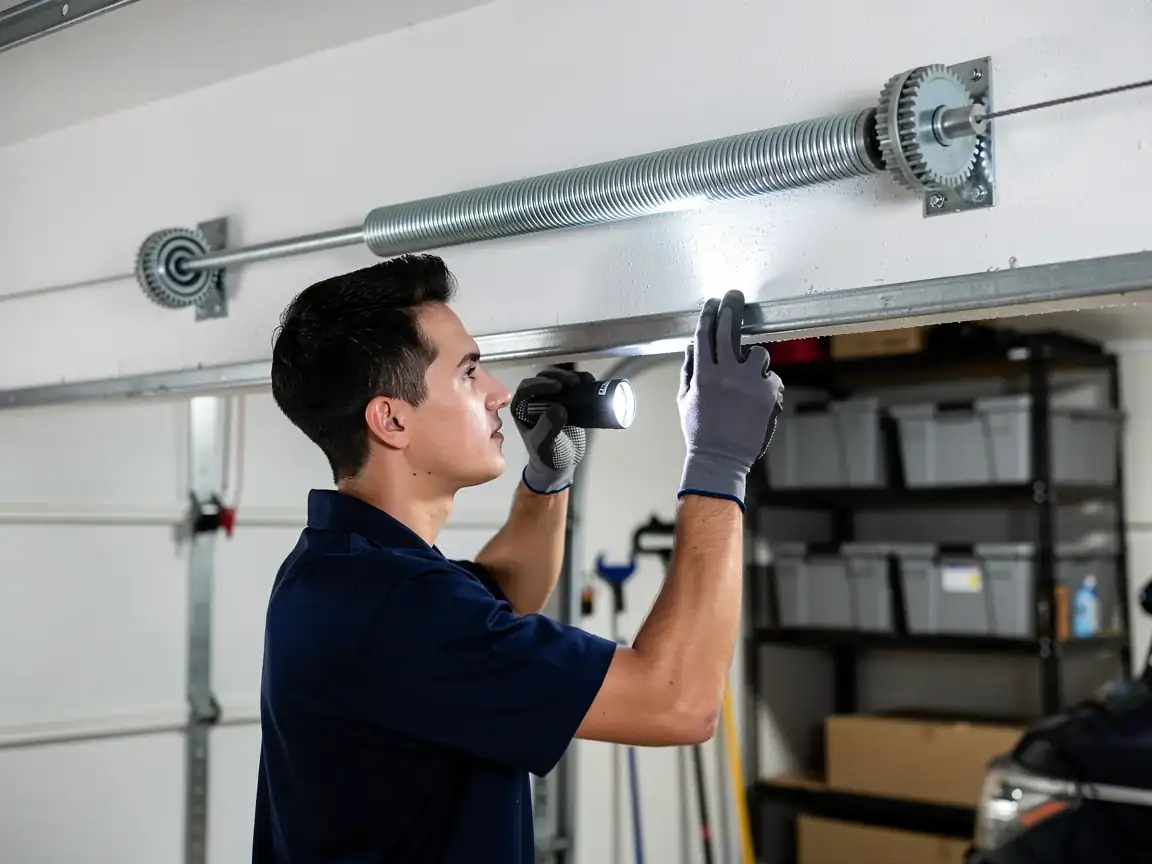
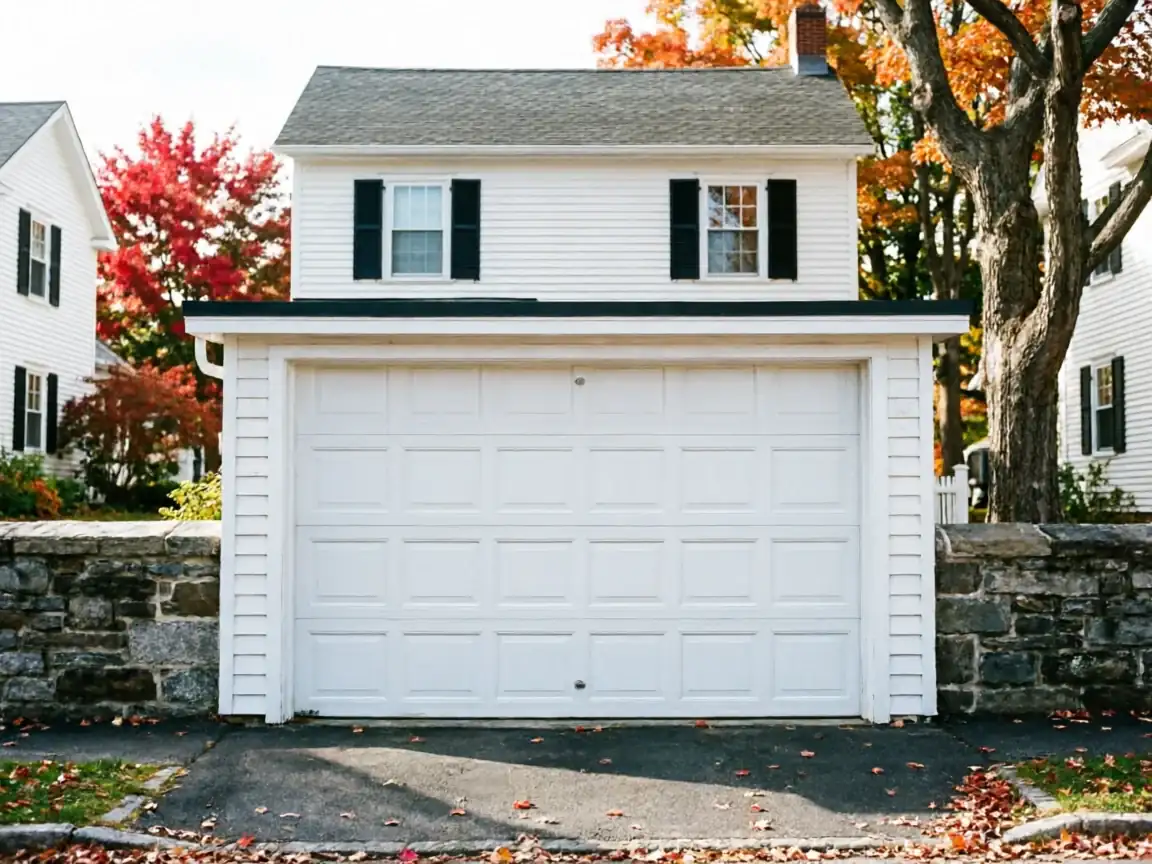
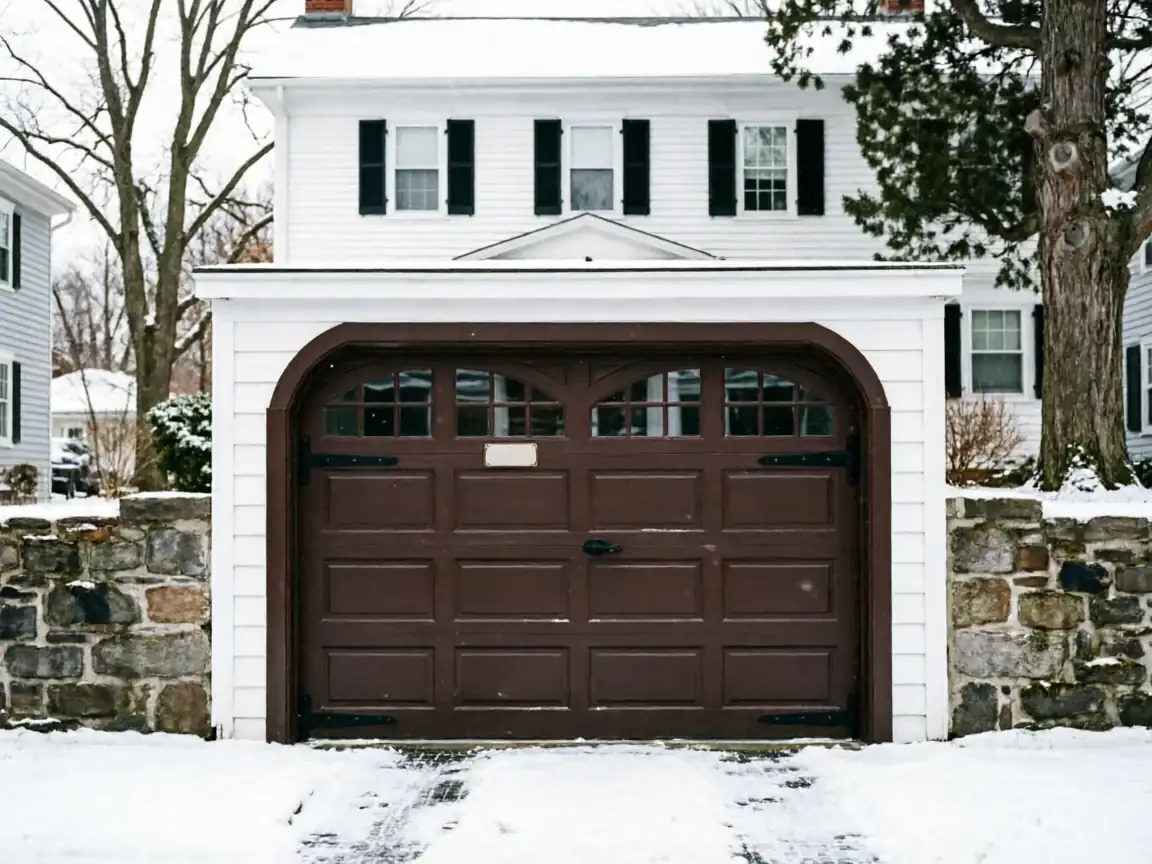
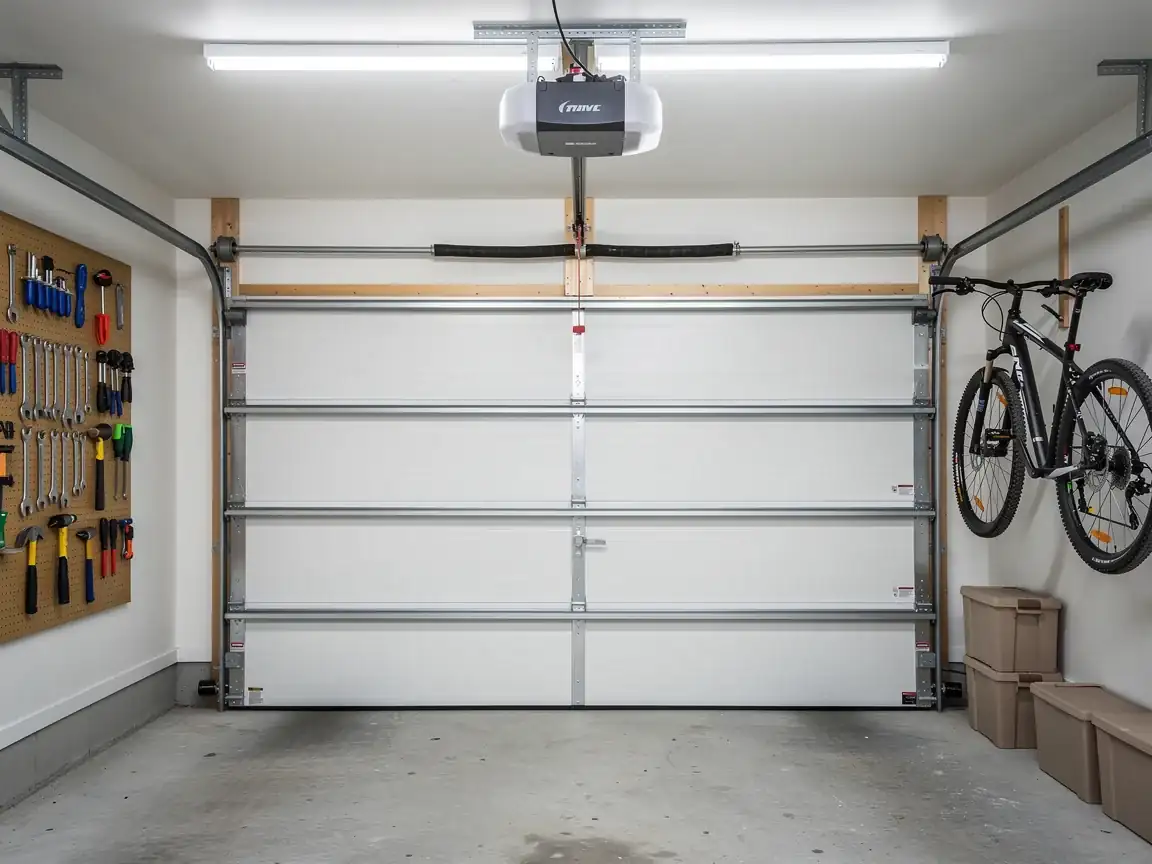
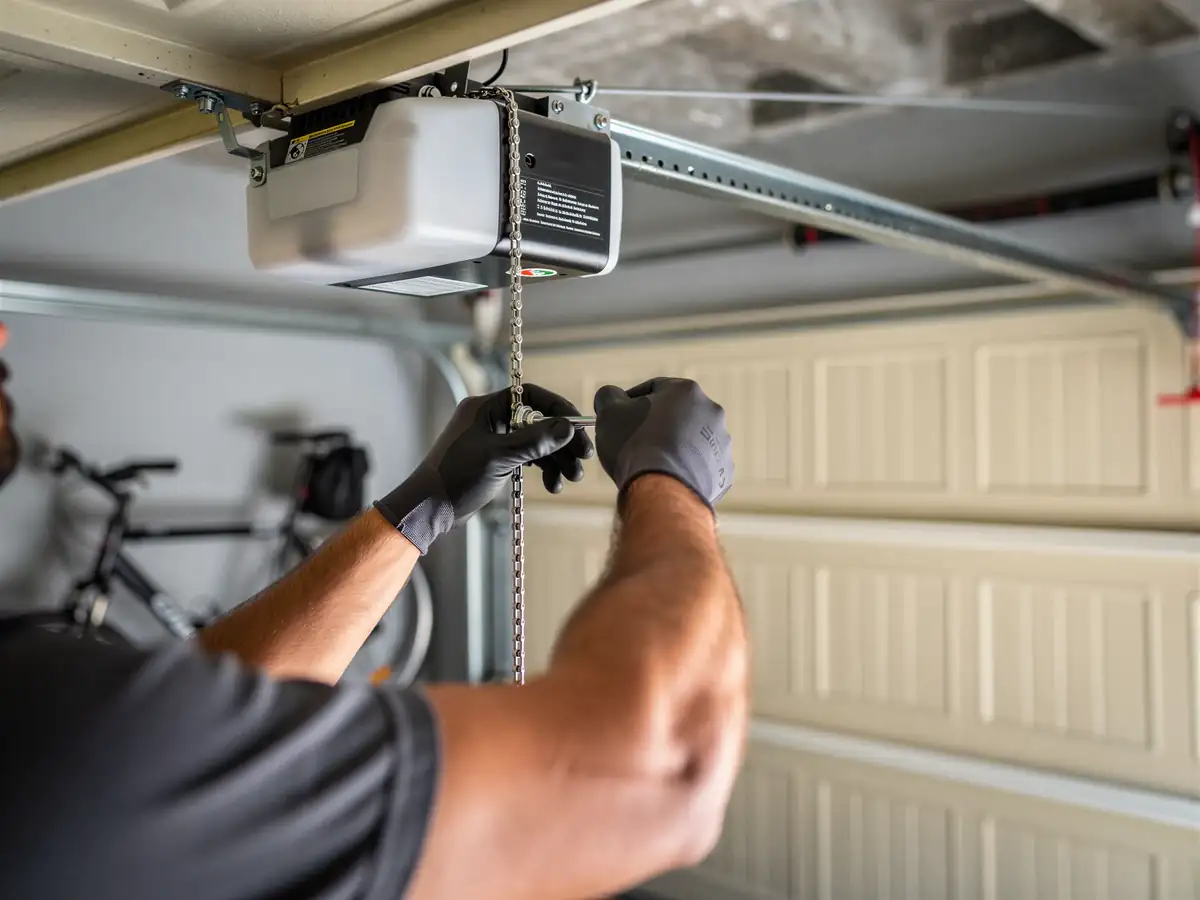
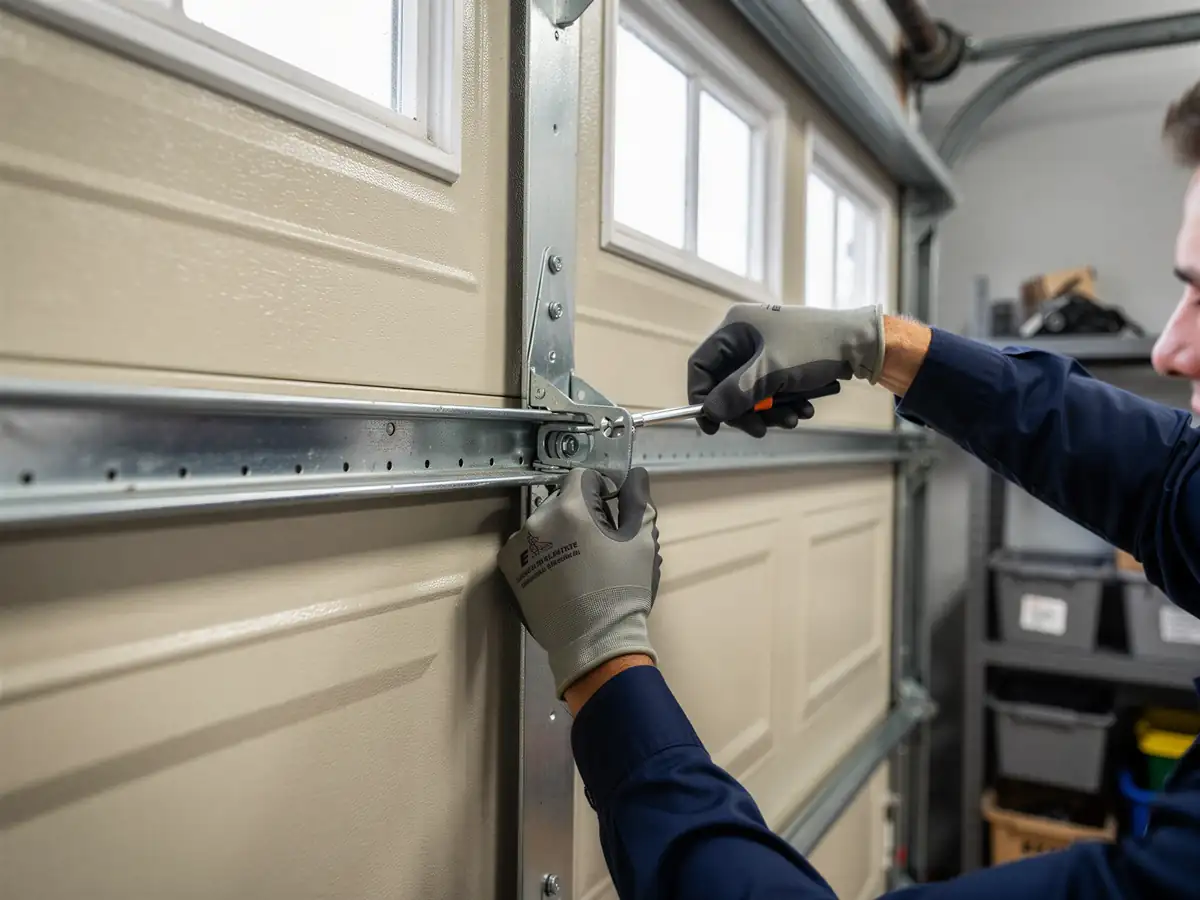
Lancaster's housing stock has a median build year of 1967, which puts a lot of these garages right at the point where extension springs on a single rail were still common but torsion conversions were starting to show up in replacement jobs done over the decades since. That mix matters for what you can safely touch yourself. Tightening a loose opener bracket or swapping a worn roller on a door built this era is reasonable DIY, as long as the door is a standard one-piece or sectional with exposed hardware you can see and reach. What you should not touch is anything involving the spring system itself. A wound torsion spring under tension can break a hand or worse, and on a door this old the spring may already be undersized for a panel that's been replaced with a heavier insulated one at some point - we see that mismatch often in houses from the late 1960s. If the door won't move, or moves unevenly, that's a hardware problem, not an adjustment problem. Call before you start unbolting anything near the spring bar.
What Can Go Wrong
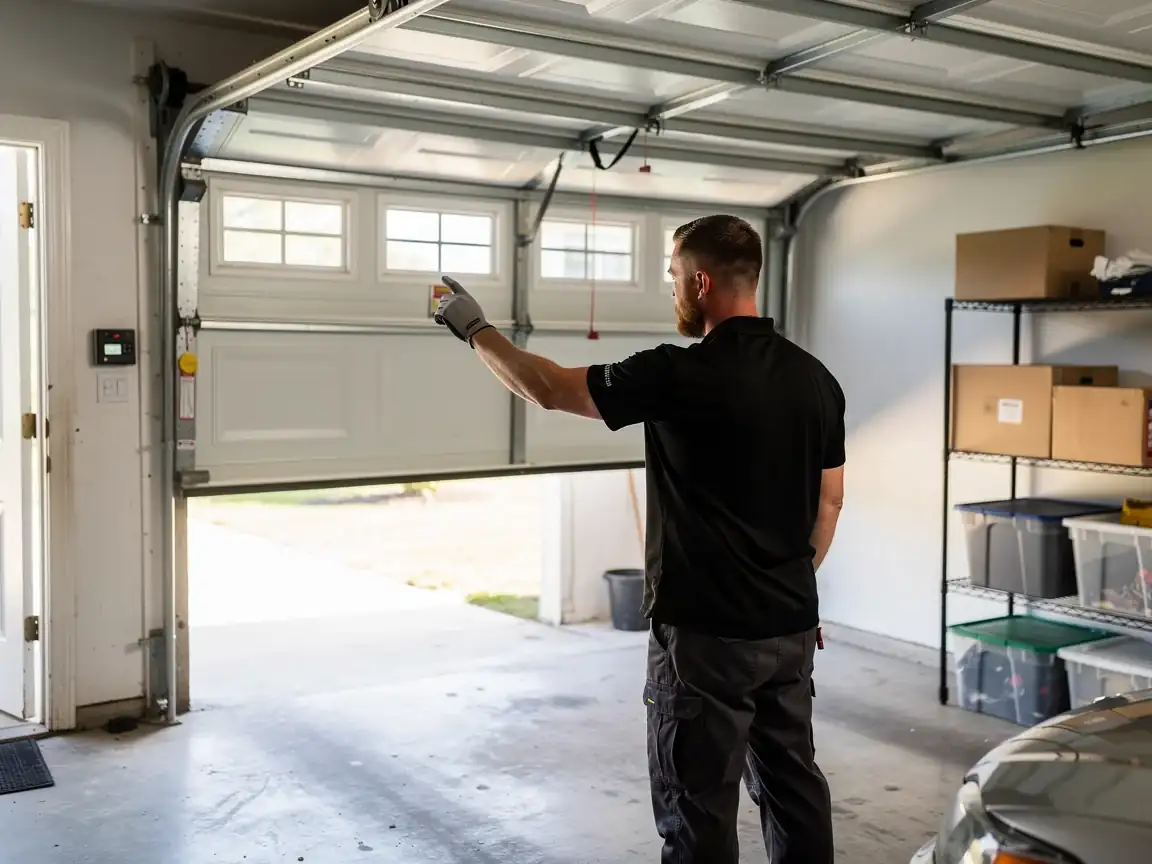
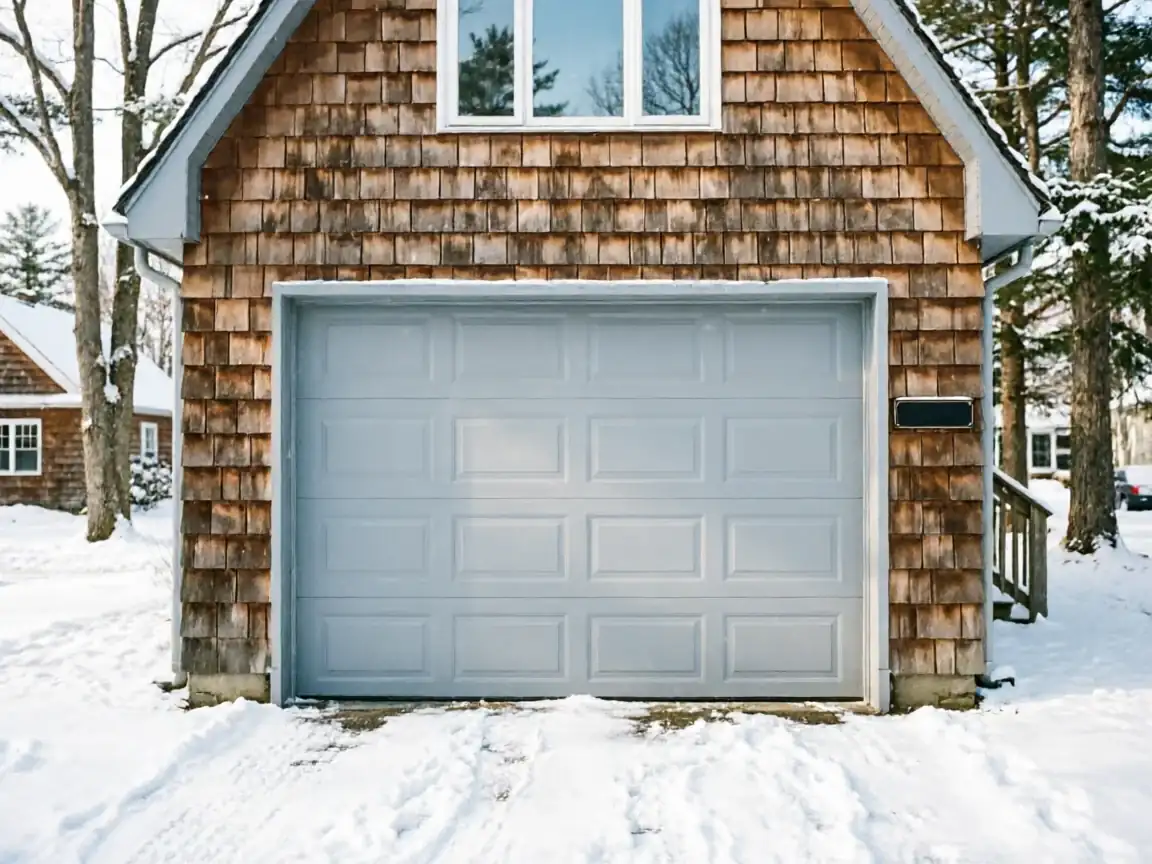
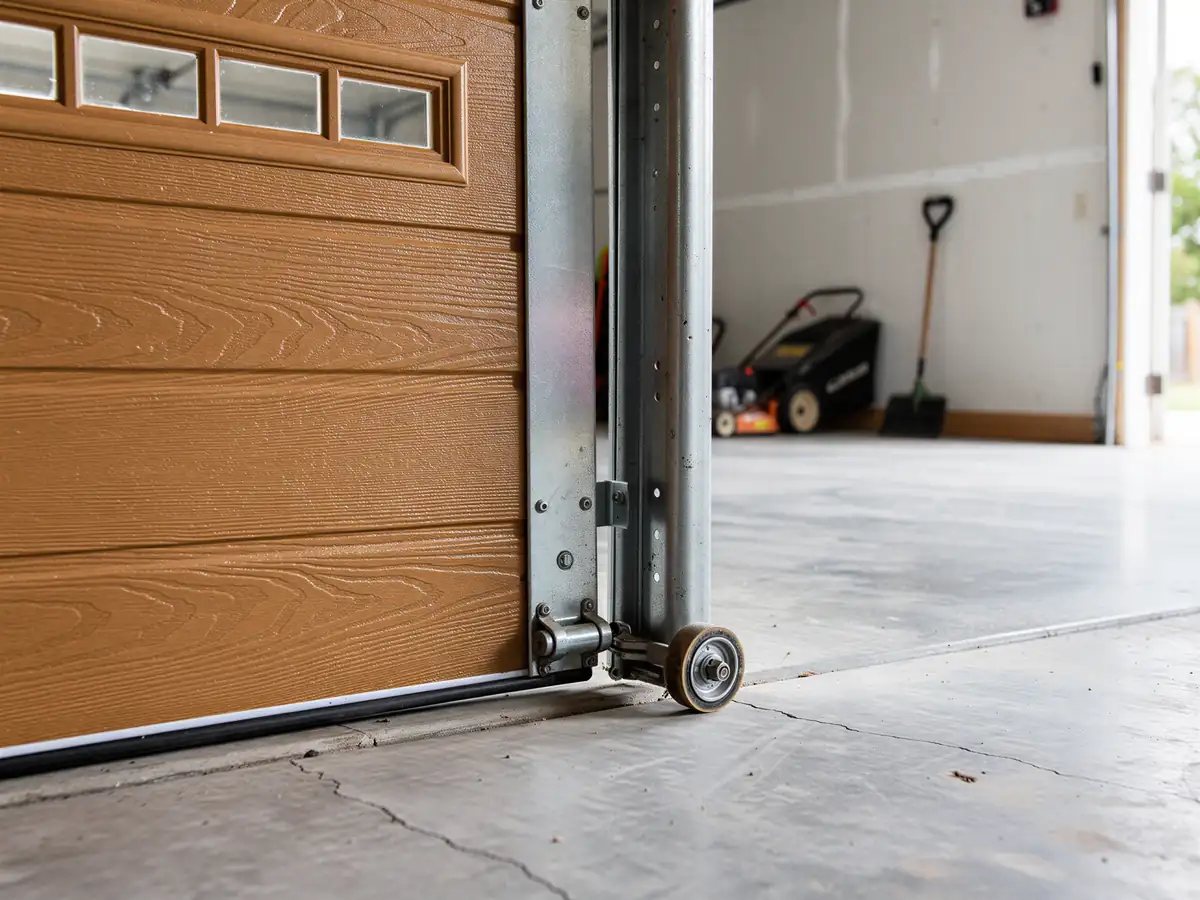
With 2,944 households in Lancaster and most of the housing dating to the late 1960s, the failures we see here cluster around original or near-original hardware that's outlived its design life. Steel tracks from that era were lighter gauge than what's sold now, and decades of a Massachusetts winter - this is a cold-climate zone with real freeze-thaw cycling - work the bolts loose and pit the rollers. Cold also stiffens the lubricant in old ball-bearing rollers and makes a tired spring feel even weaker on the first cold morning you try to lift the door by hand. The other common fault is a cable that's frayed at the drum from thirty-plus years of the same wind pattern; it looks fine until it isn't. None of this is unique to one house - it's what happens to door hardware installed when Lyndon Johnson was president and never fully replaced since.
What You Pay
We don't have a Lancaster-specific price list to quote you, and we're not going to invent one just to fill this section. What we can tell you is that median household income here runs around $130,444, higher than a lot of the towns we cover, which tends to mean owners replace worn hardware rather than patch it repeatedly - a full spring and cable replacement on an aging door often costs less over five years than three separate service calls for the same tired parts. If you want an actual number for your door, that takes a look at the spring size, the opener, and whether the track is original. We'll give you that on the call or at the door, not here.