The DIY Question
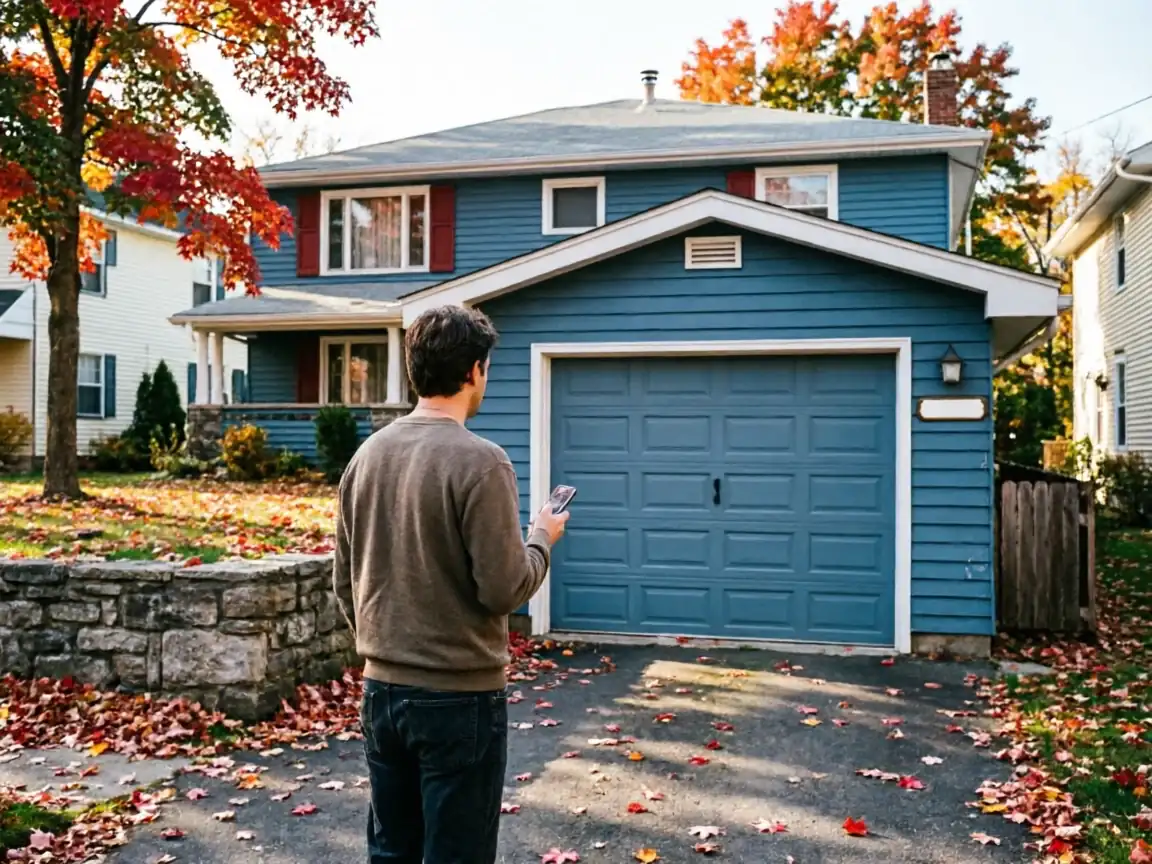
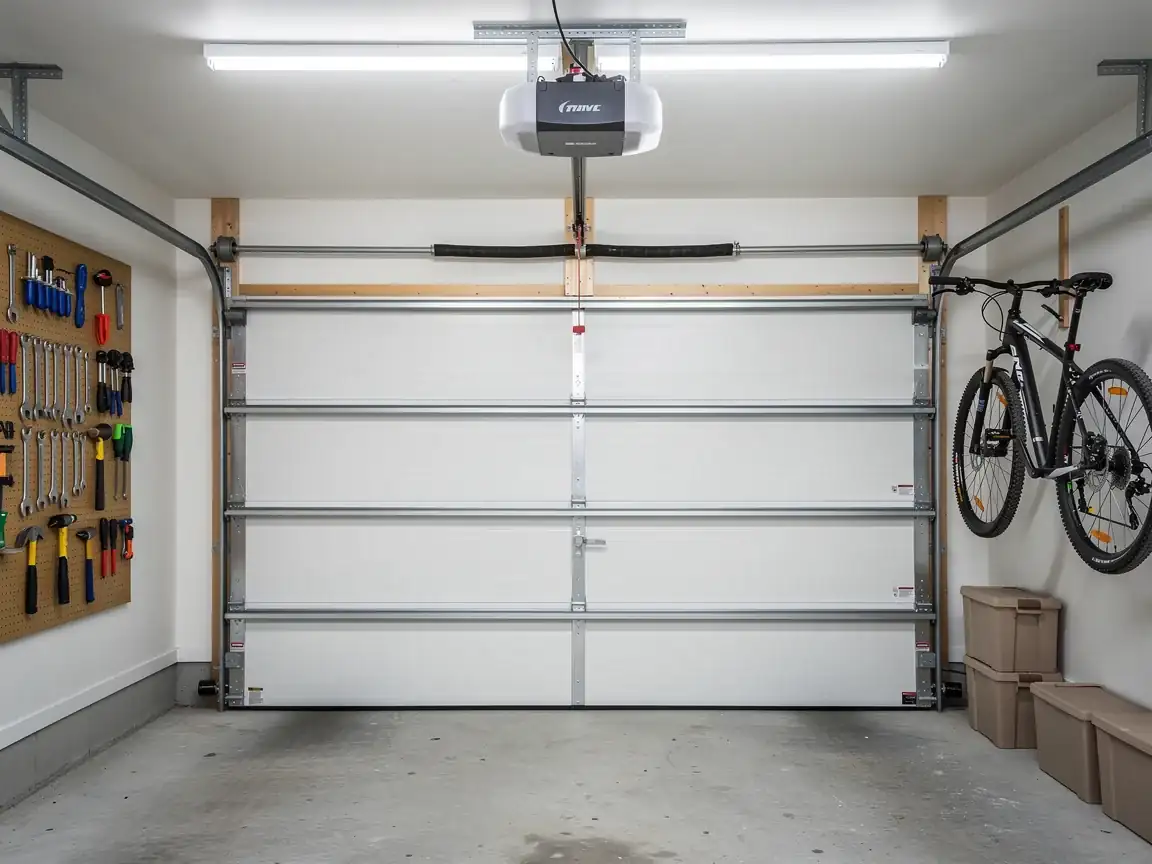
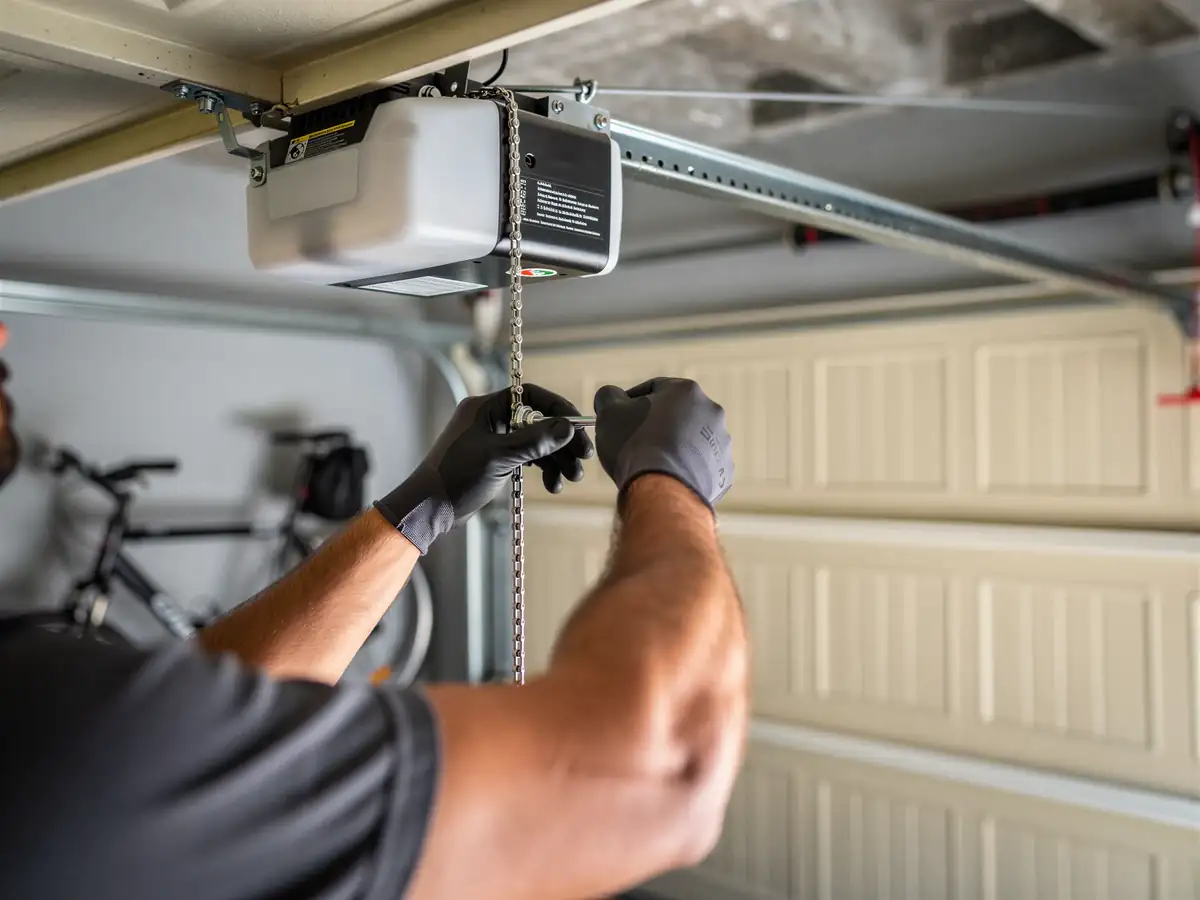
In Lancaster, the median house was built around 1967, and a lot of openers on this side of town are not the original unit but the first or second replacement for it - a chain-drive box bolted to the same ceiling bracket that's been there since the Johnson administration. That matters for DIY. If your opener is from that era of replacement, say the 1980s or 90s, the logic board is simple and the troubleshooting is usually mechanical: a stripped gear, a worn sprocket, a sensor that's drifted out of alignment. Those are reasonable to look at yourself with the unit unplugged and the door manually disengaged first.
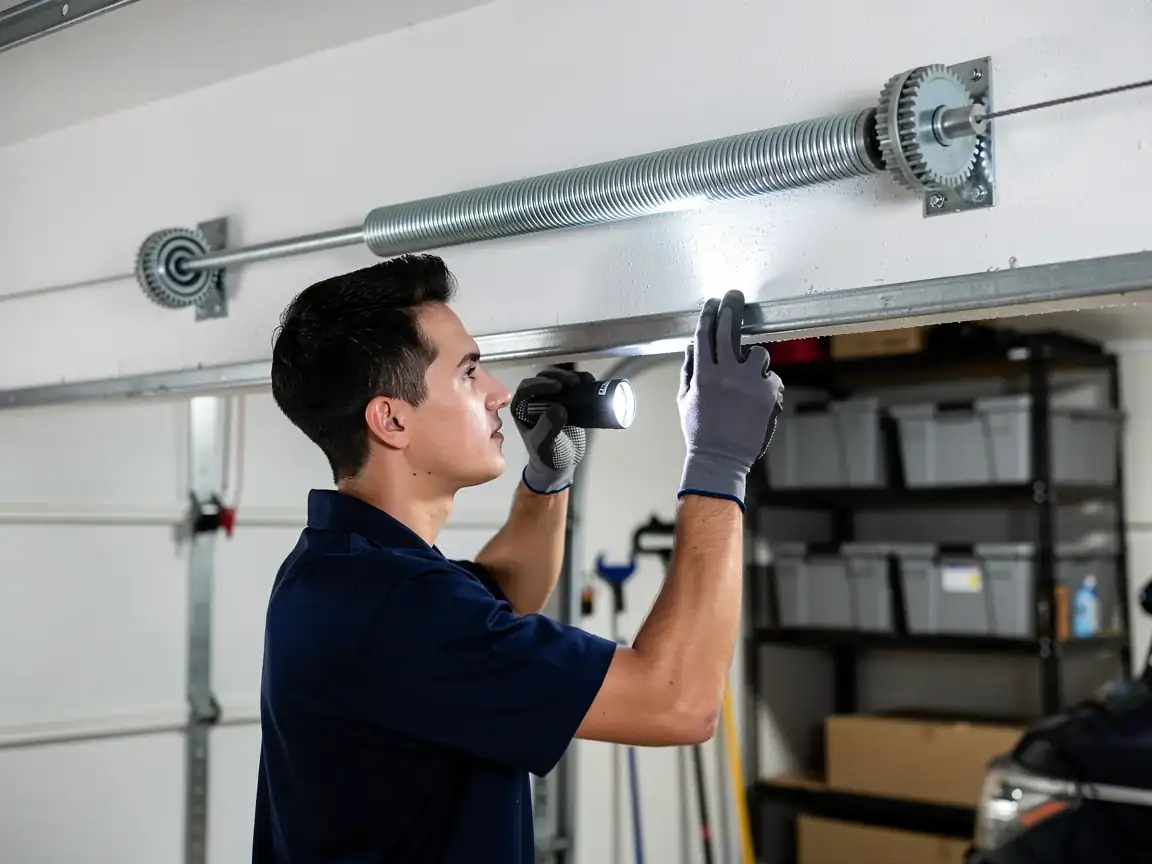
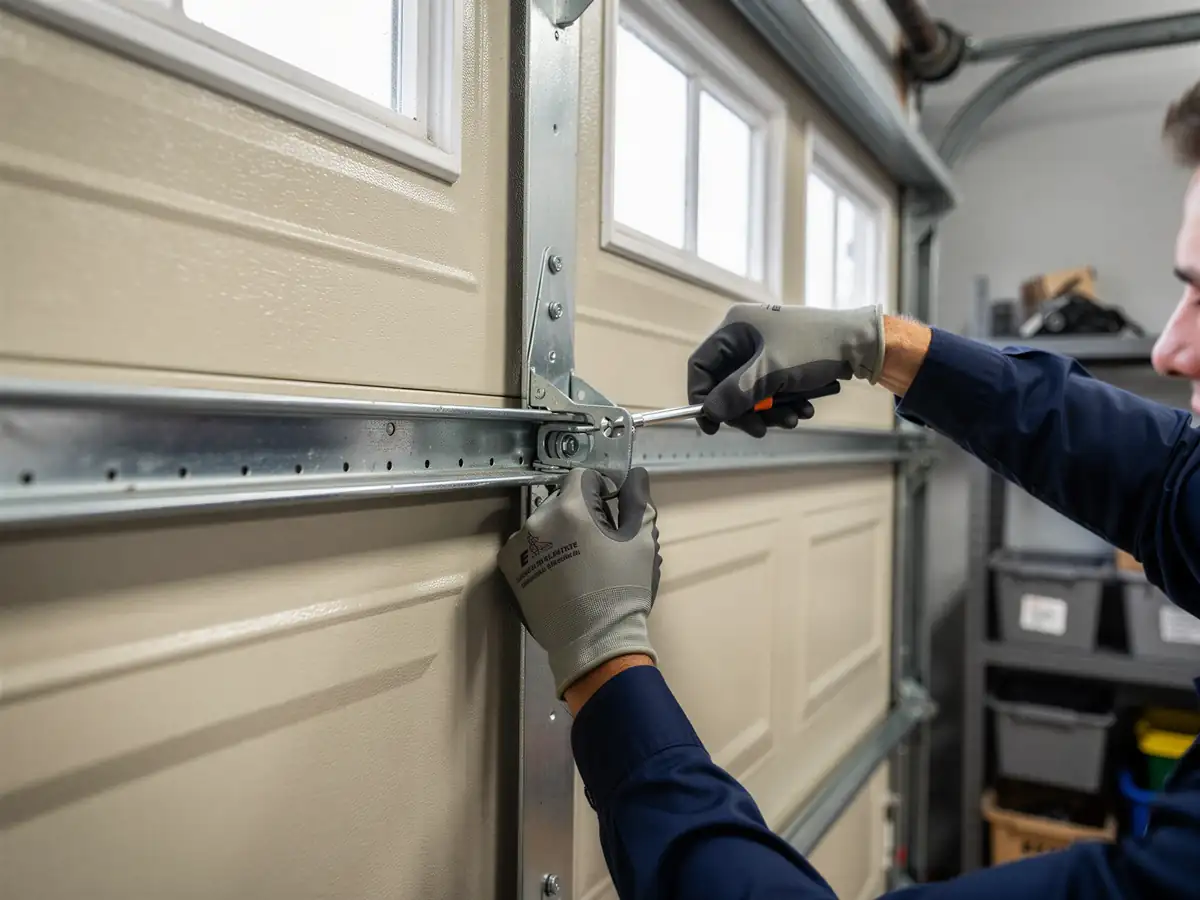
What isn't reasonable to DIY is anything involving the torsion spring system on the door itself, or a motor that runs but won't lift - that's load, not logic, and it can put a coil of wound steel under enough force to break a hand. We travel from Hudson, about 8 miles west, and we'd rather talk you through what's safe to check over the phone than have you find out the hard way which category your problem falls into. If the opener hums and doesn't move, stop pulling the cord and call.
What Can Go Wrong
With a build year clustered around 1967, Lancaster has more older chain-drive and screw-drive openers per household than newer subdivisions nearby, and the failure pattern tracks the hardware's age, not just the motor's. Capacitors in older motor units dry out and the opener strains without lifting. Logic boards from the 80s and 90s don't talk to modern remotes, so a dead remote sometimes gets misdiagnosed as a dead opener when it's really a compatibility gap. Limit switches drift on screw-drive units that have been running the same travel distance for decades, and the door starts reversing before it's shut.
Winters here fall under the same severe-cold climate band as the rest of this part of Massachusetts, and cold makes old grease in a worn gearbox seize just enough to trip the motor's overload protection - the opener clicks and goes nowhere on the first hard freeze of the season, every year, until the gearbox gets replaced. We see that pattern enough on calls from this area that it's worth checking before the cold sets in, not after the door's stuck down.
How to Book
We're based in Hudson, roughly 8 miles from Lancaster
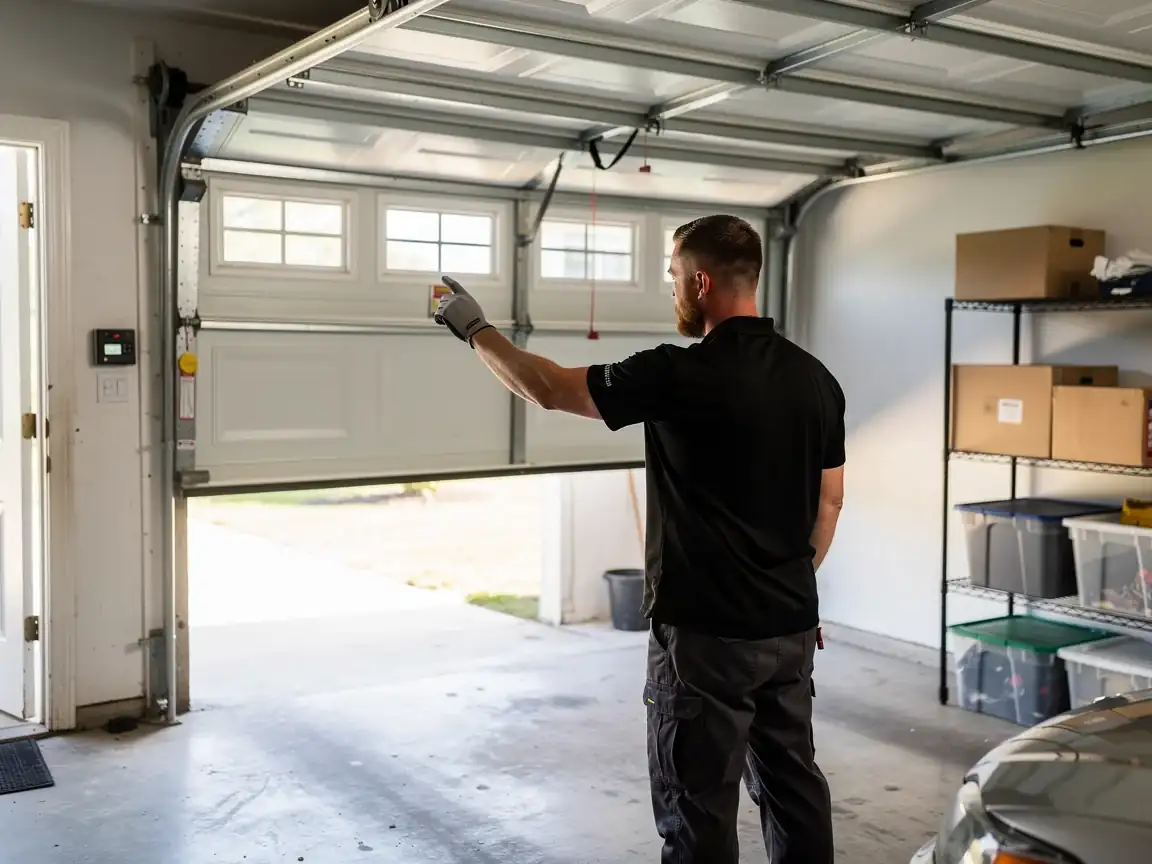
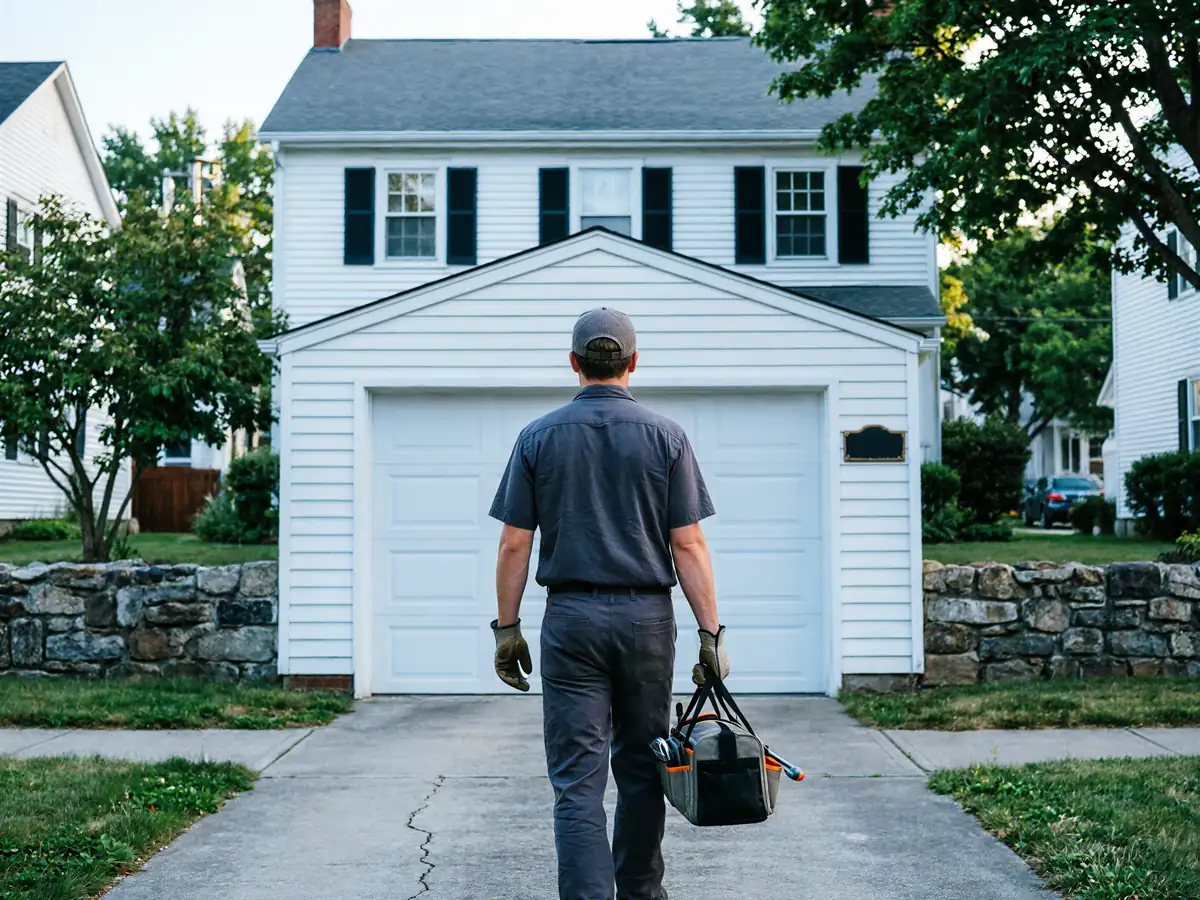
And we schedule opener calls out here the same way we do anywhere else in the service area - by phone, with a description of what the opener's doing (or not doing) before we load the truck. Because we're driving out rather than working from a depot in town, we ask for a clear symptom up front: motor runs but door doesn't move, remote works but wall button doesn't, door reverses partway, or opener is silent. That lets us bring the right part instead of guessing twice.
- 8 miles
We don't keep a branch or staff in Lancaster itself
So same-day availability depends on the day's route out of Hudson rather than a local response time we can promise in print. Ask when you call and we'll give you a straight answer for that day, not a generic window.
What You Pay
We don't have a published price list for opener repair specific to Lancaster, and we're not going to make one up to fill this space. What we can tell you is what drives the cost on a call like this: whether the fix is a part swap (sensor, gear kit, capacitor, limit switch) or a full motor and logic board replacement, and whether the mounting hardware from the original install is reusable or needs updating to meet current standards. On a house with 1960s-era framing, that second question comes up more than it does on newer construction, because ceiling brackets and header mounts weren't always sized for today's heavier belt-drive units.
One honest limitation: if your opener is old enough that the manufacturer no longer makes boards or gear kits for it, repair isn't always the cheaper road - sometimes a new opener costs less than hunting down a discontinued part, and we'll tell you that straight rather than charge you to find out the hard way.