The DIY Question
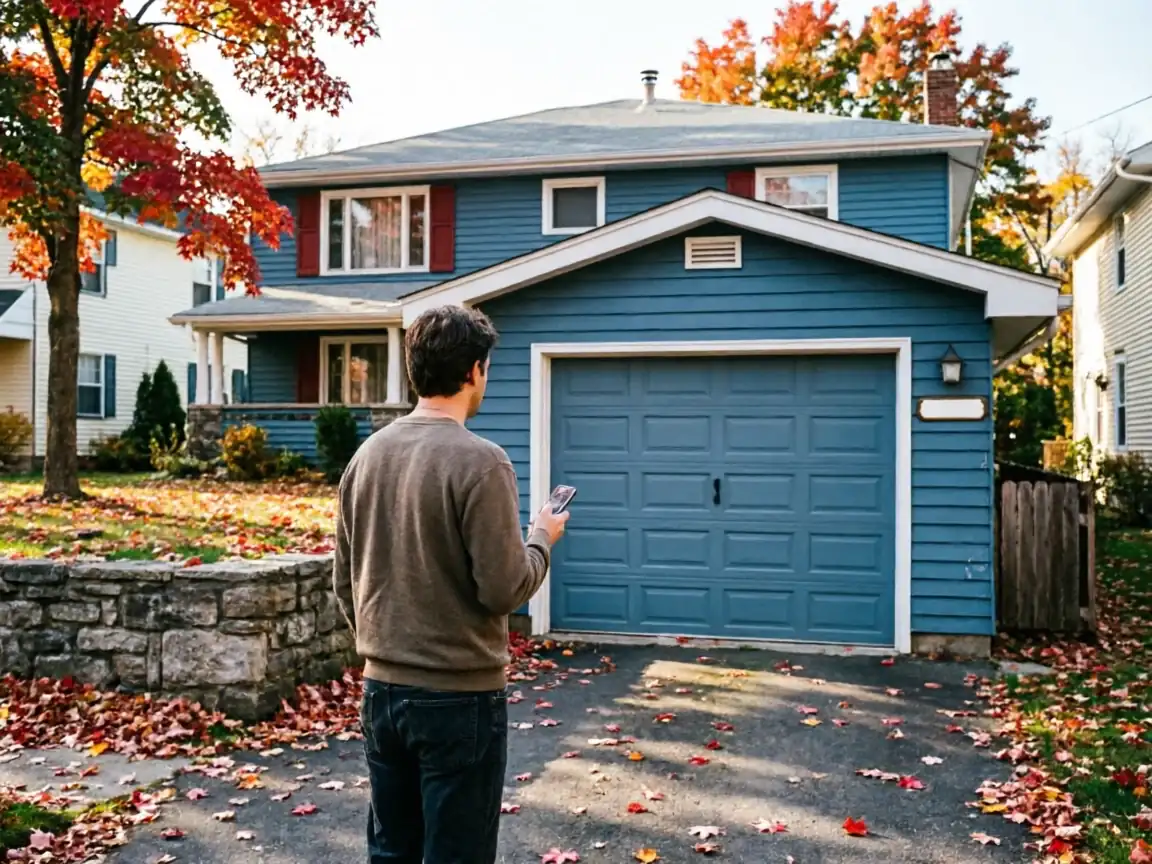
Lancaster is a small town - roughly 2,944 households, nowhere near the volume a crew sees in a bigger suburb. That matters for installation because the work here doesn't come in waves of the same cookie-cutter tract house; it comes one job at a time, on openings that were mostly framed around 1967, when the broader area's housing stock ran 1960s-70s standard.
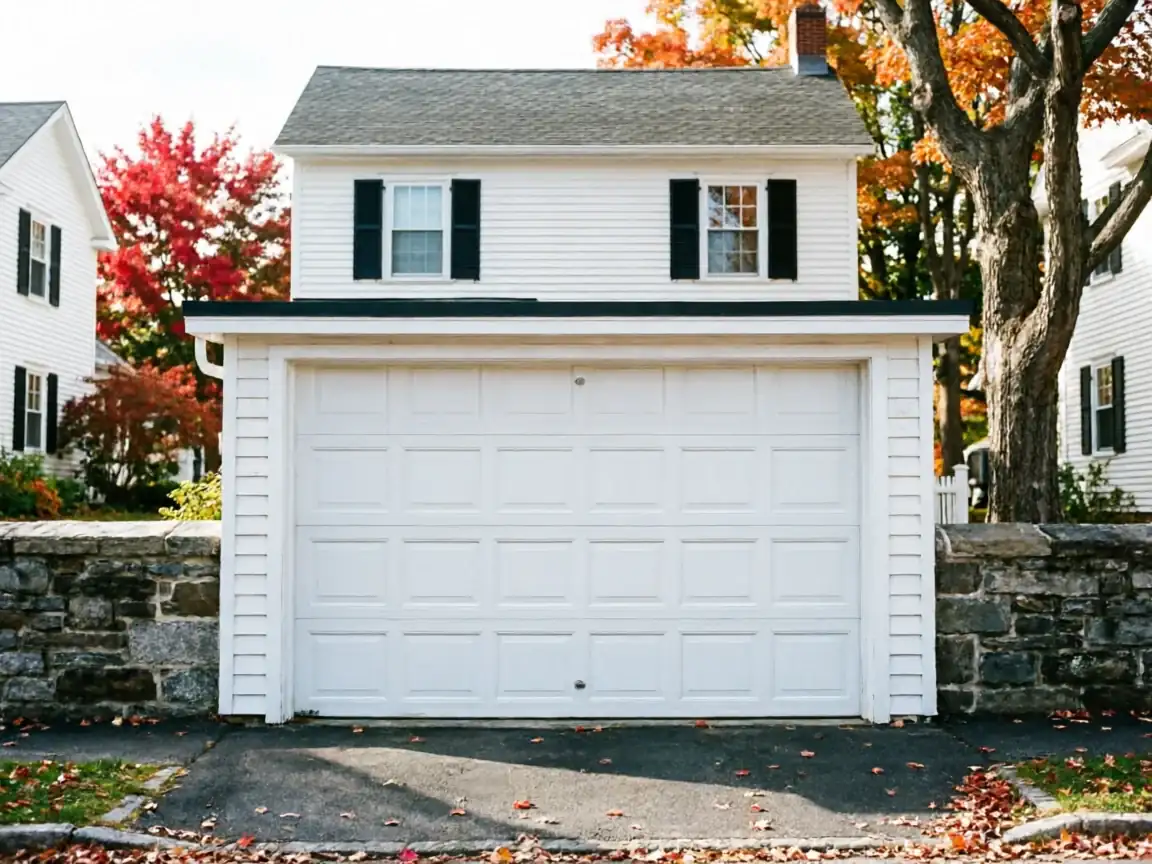
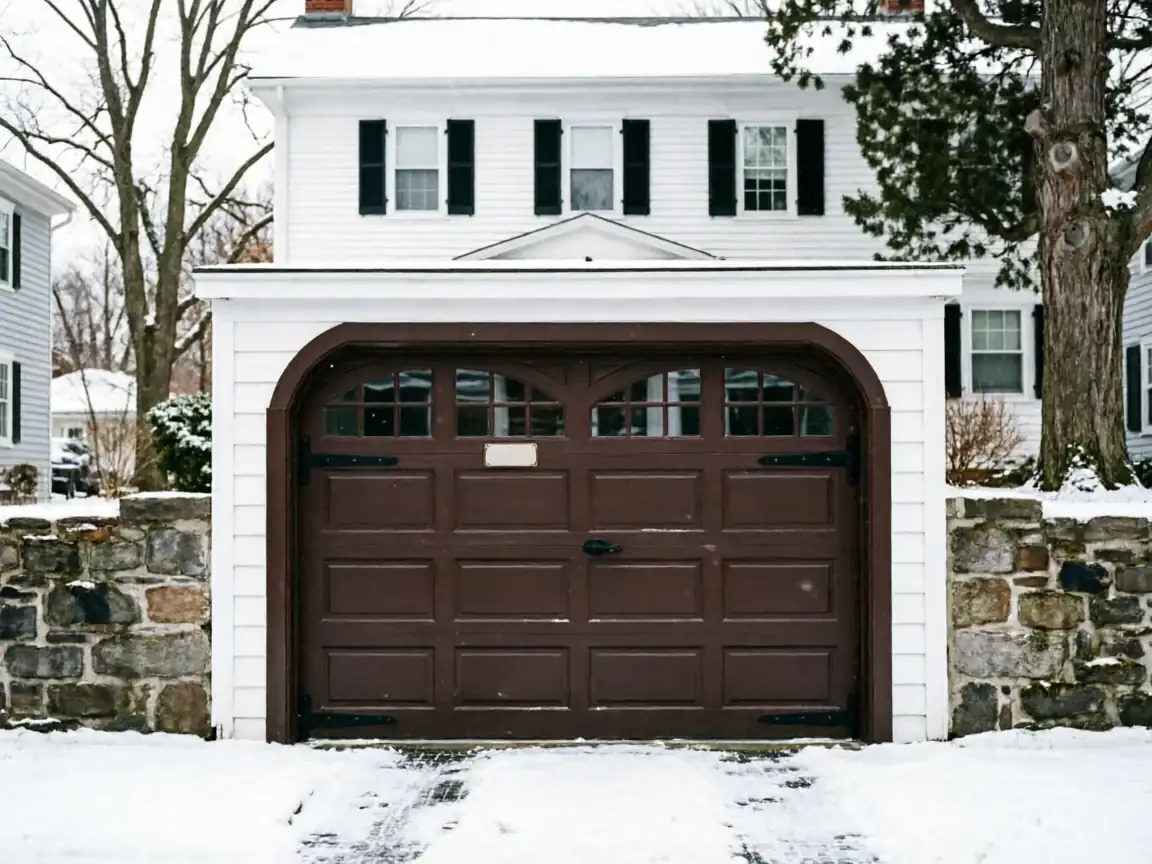
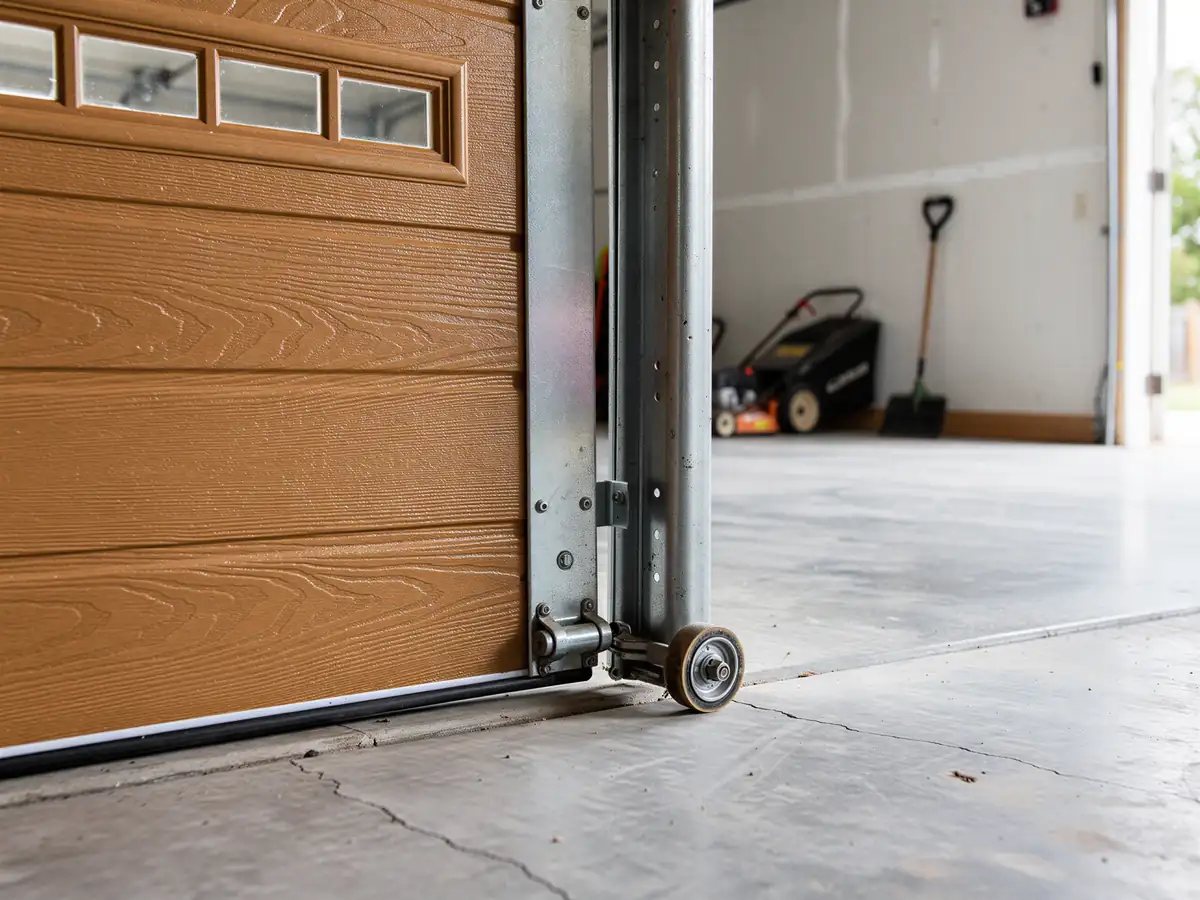
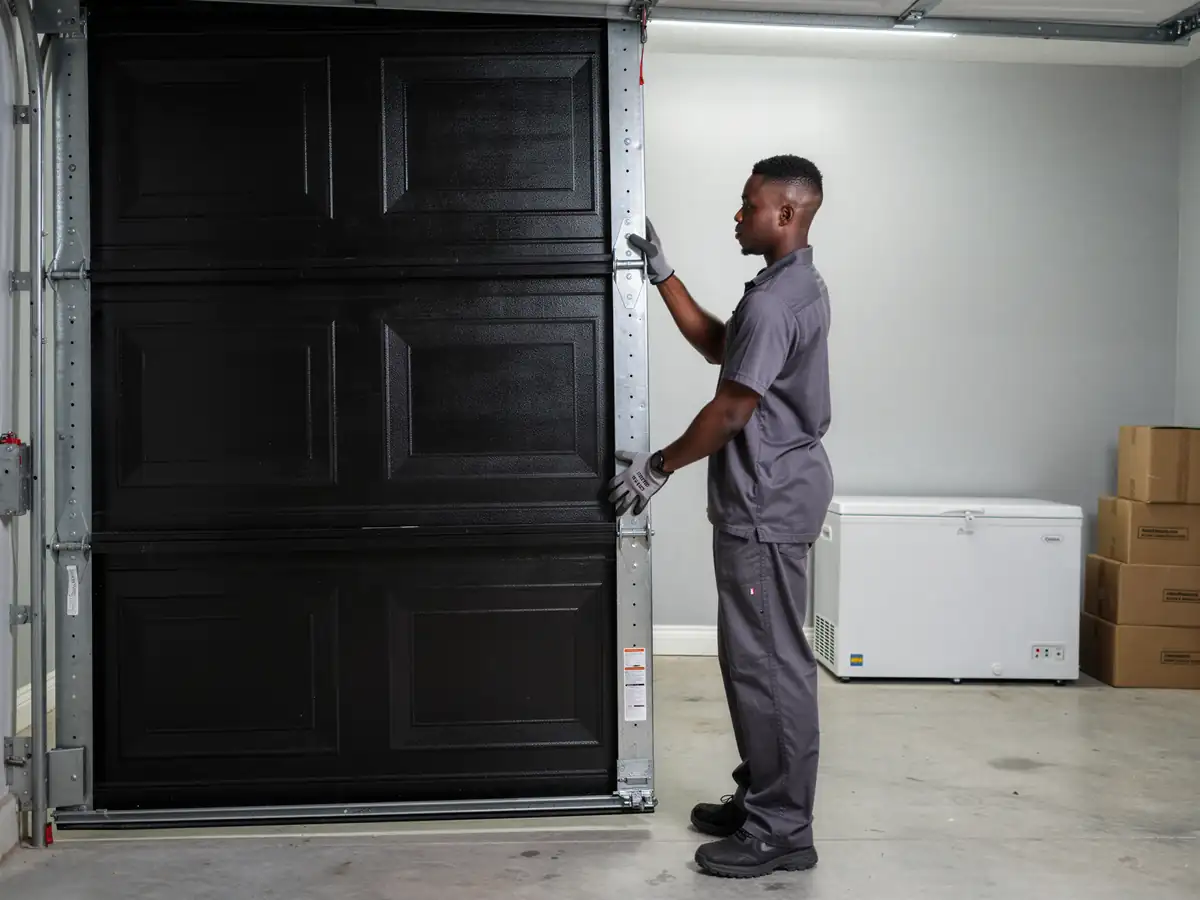
A single-car or double-car door from that era usually fits a known rough opening, so ordering the panel isn't the hard part. The hard part is the track and jamb behind it. Fifty-plus years of settling can leave a frame slightly out of square, and a new door hung on an old, unsquared jamb will bind, rub, or pull itself out of alignment within months. That's not something you catch by measuring the opening with a tape and ordering online.
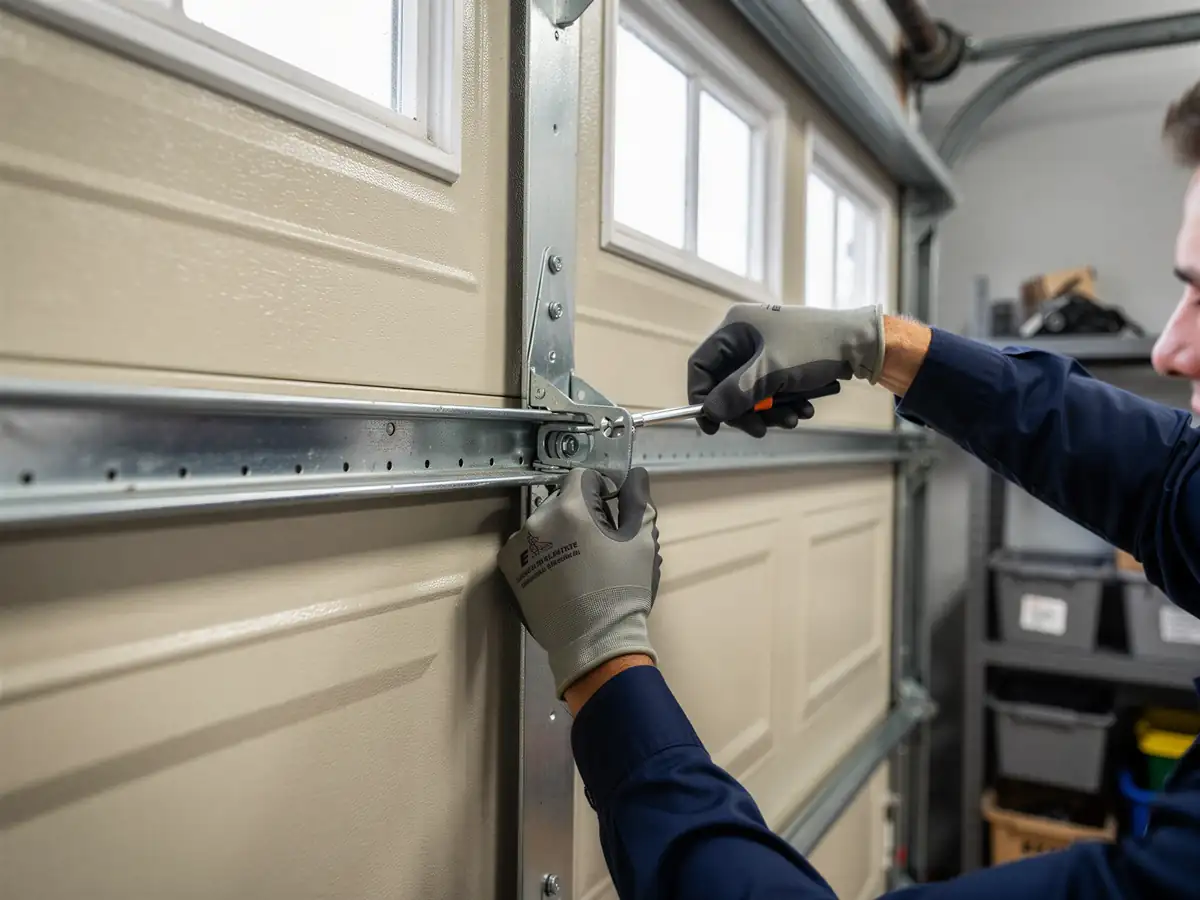
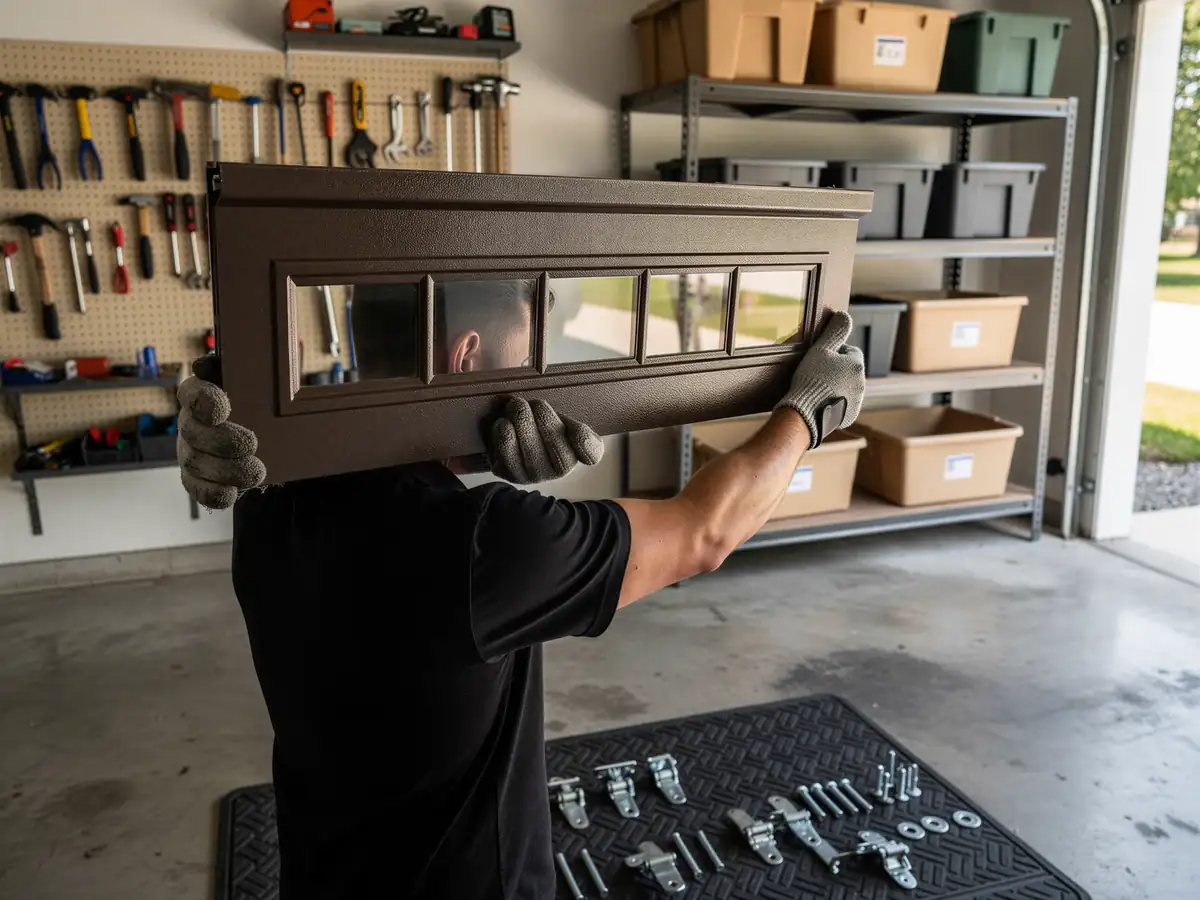
If you're set on doing it yourself, at minimum get the jamb checked for square and plumb before you buy anything. If it's off by more than a small amount, you're looking at carpentry work before the door ever goes up - and that's where a lot of DIY installs in older housing stock go sideways. We'll say plainly: a straightforward swap on a square, modern-dimension opening is doable for a handy homeowner. A crooked 1967 jamb is not a weekend project.
What Can Go Wrong
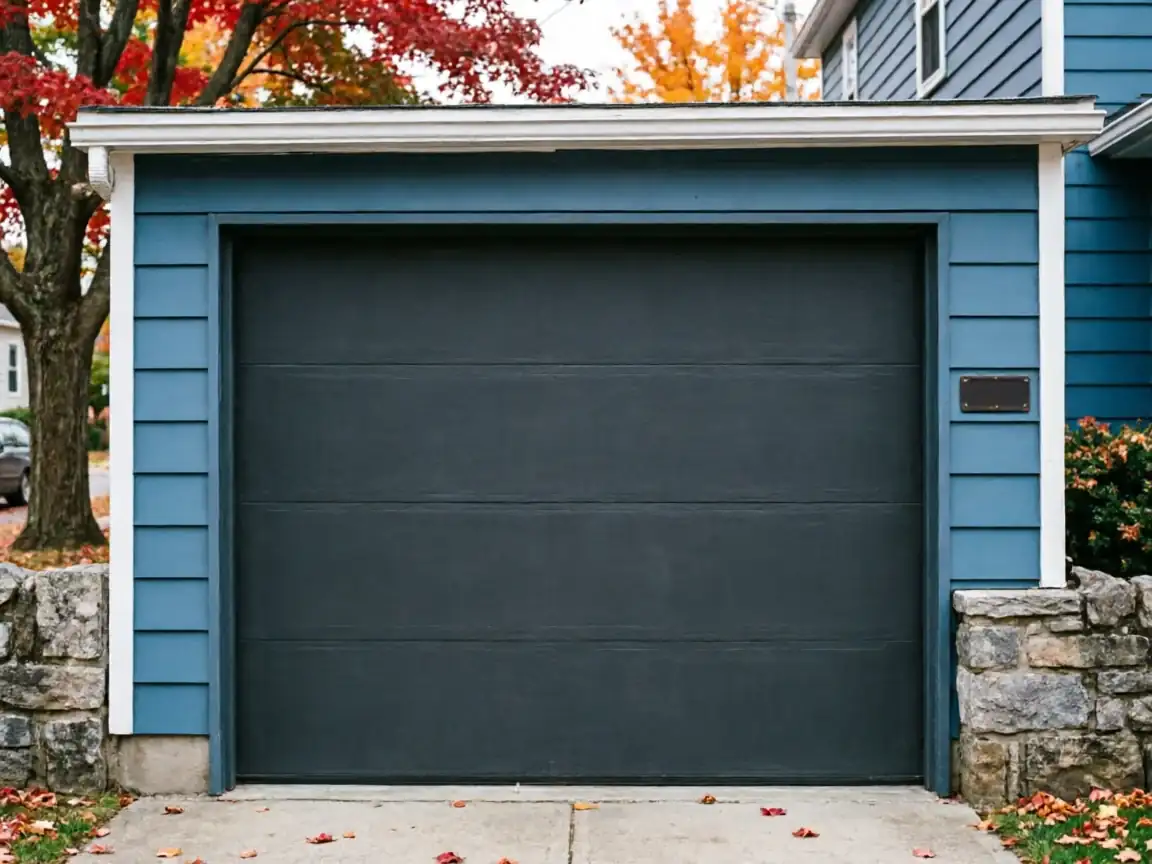
The most common surprise on a 1960s-70s-era opening in this part of the state is non-standard framing - a rough opening that's an inch or two off from what current door sizes assume, usually because the original builder worked to a local lumber supply rather than a catalog spec. That means some jobs need a header extension or jamb packing before the new door track goes on, which is extra labor nobody budgets for until they see it.
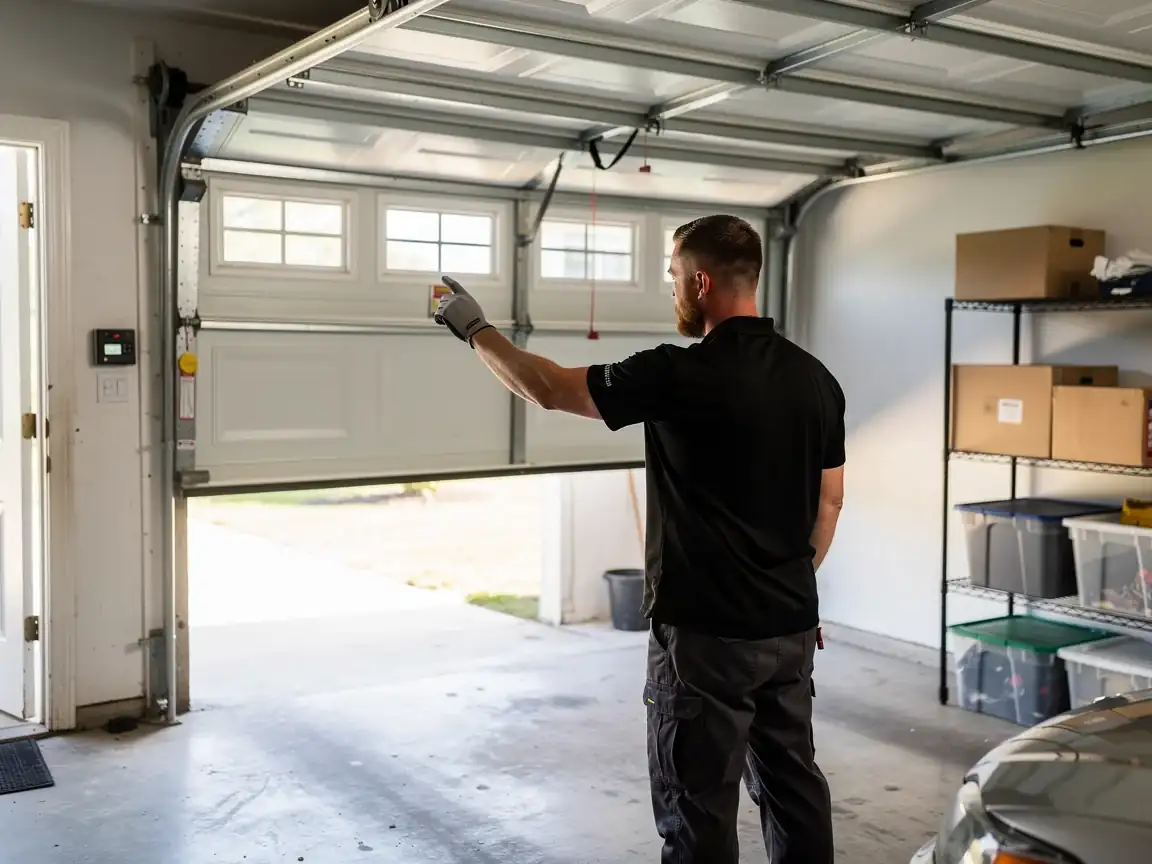
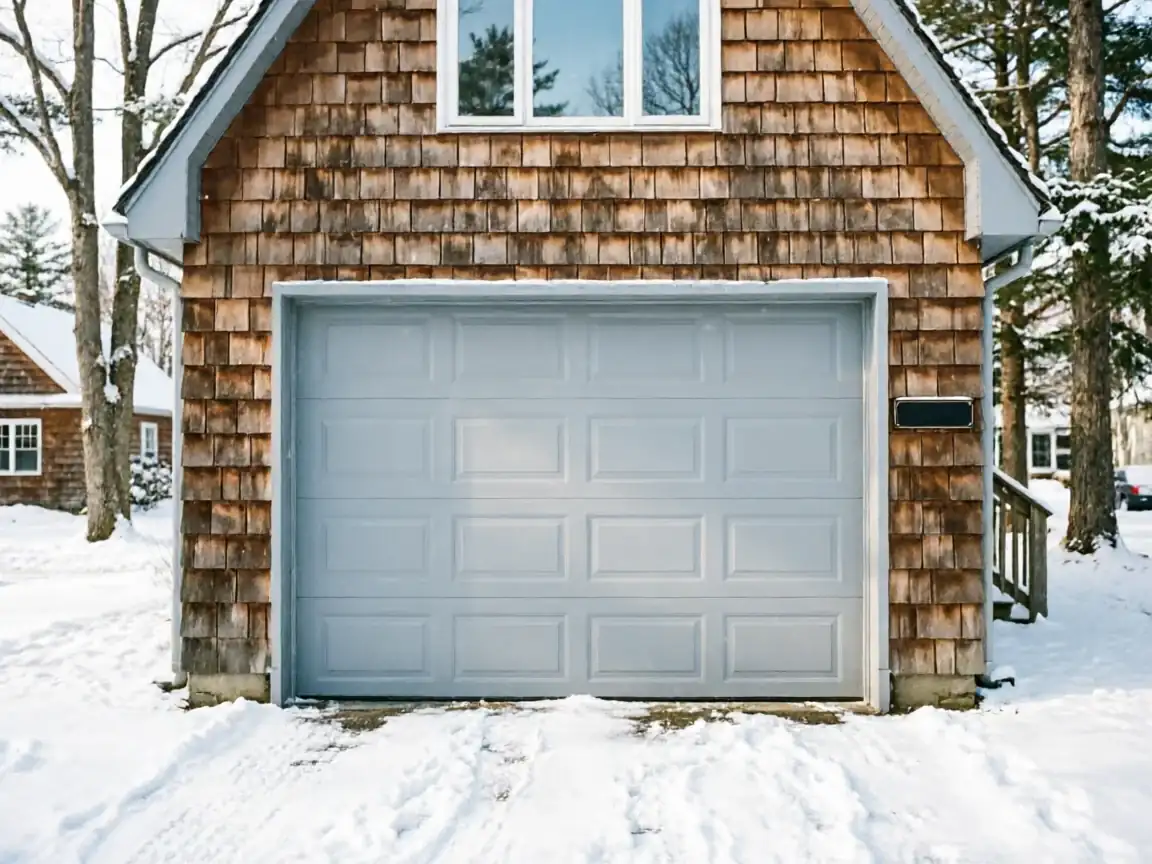
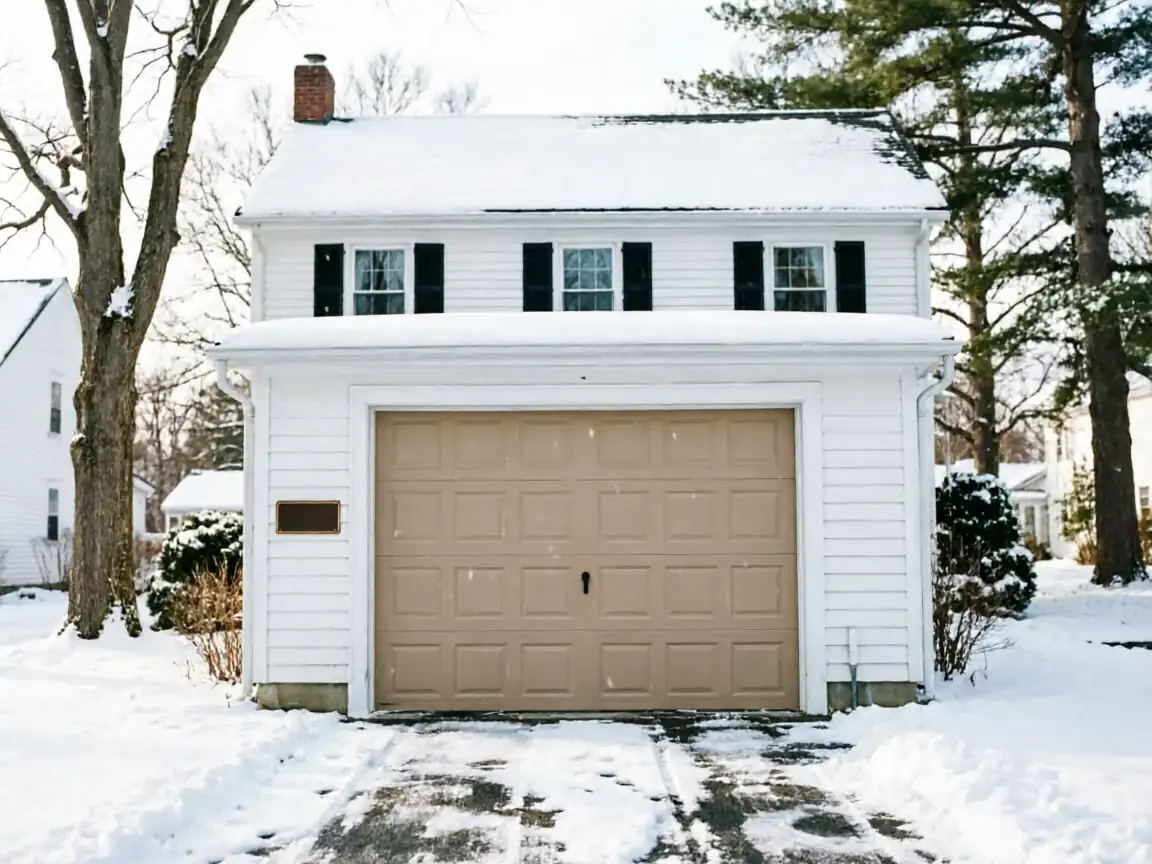
The second issue is winter. This area sits in a cold-climate band with real seasonal severity, and a lot of original doors from that build era were single-layer steel with no insulation. Installing a replacement without addressing the weatherstrip and bottom seal just swaps one draft problem for a slightly newer one. An insulated panel with a tight astragal seal is worth the upgrade here, not as a luxury add-on but because the cold actually gets into an unsealed garage bay.
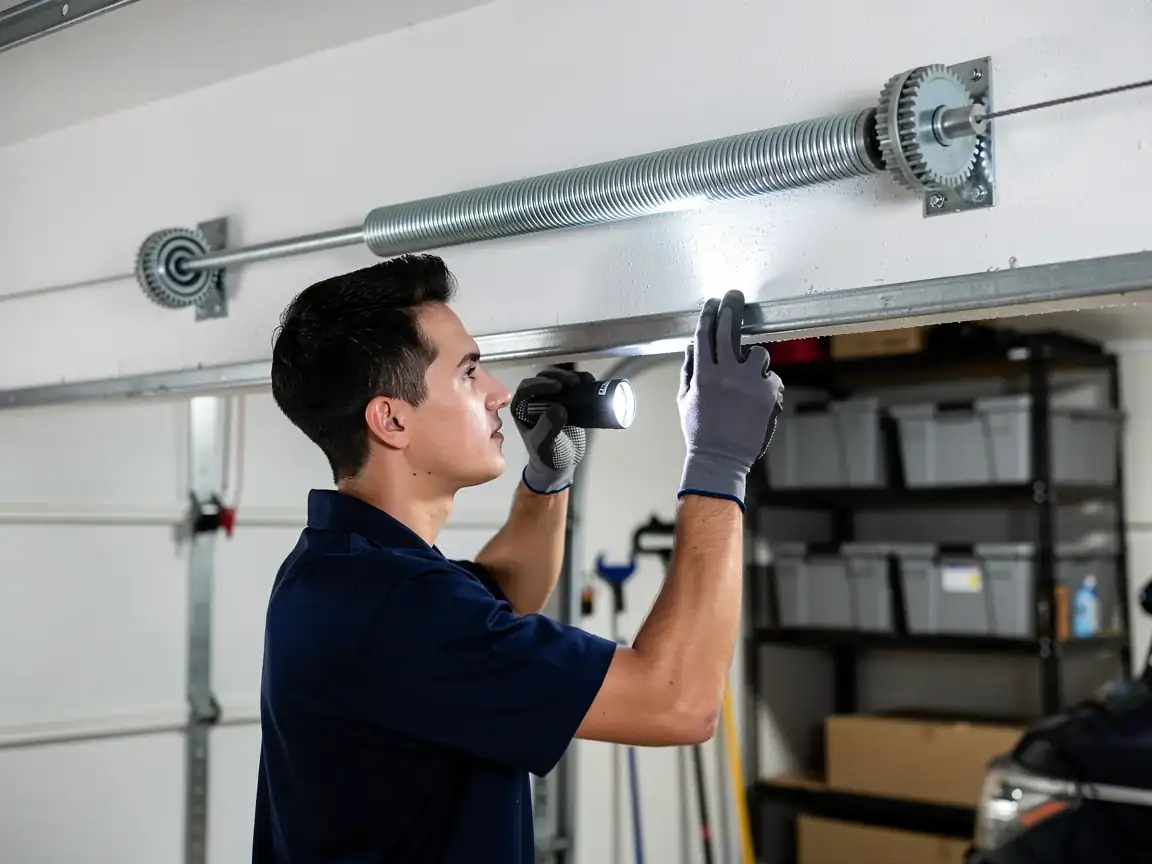
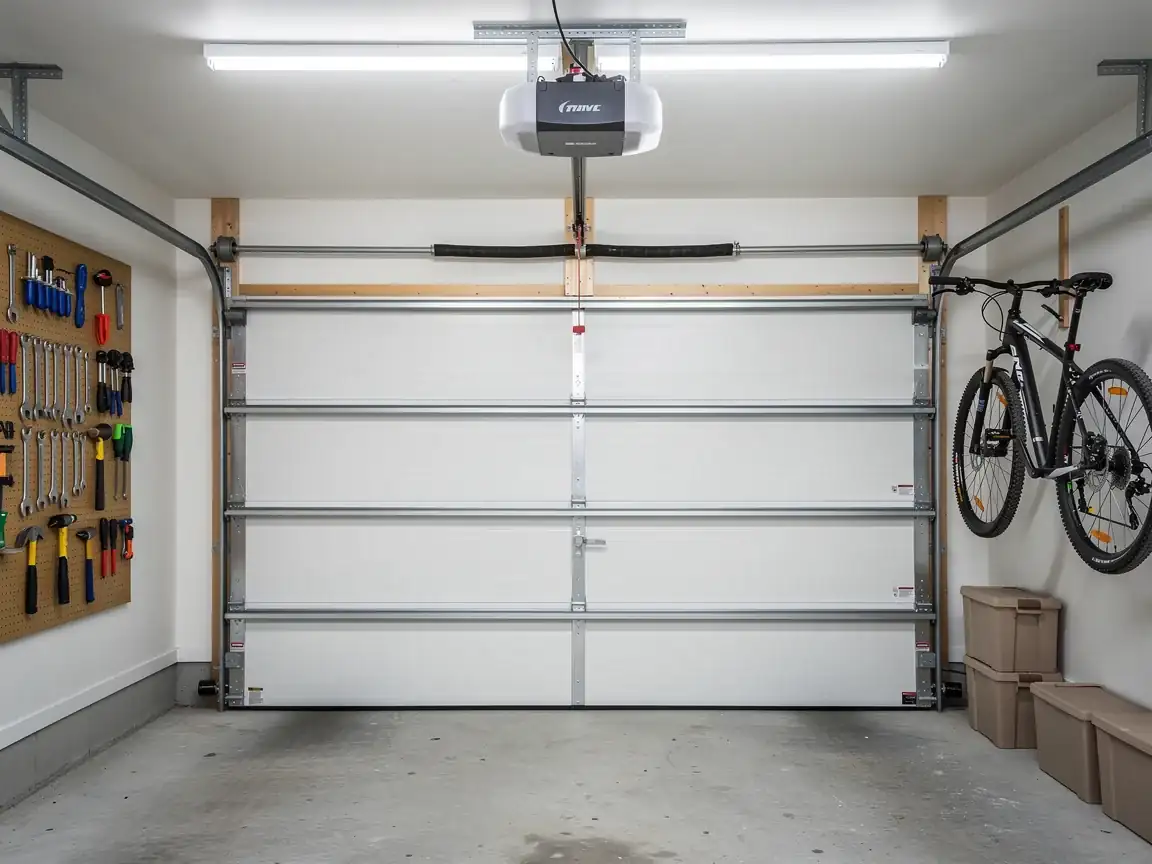
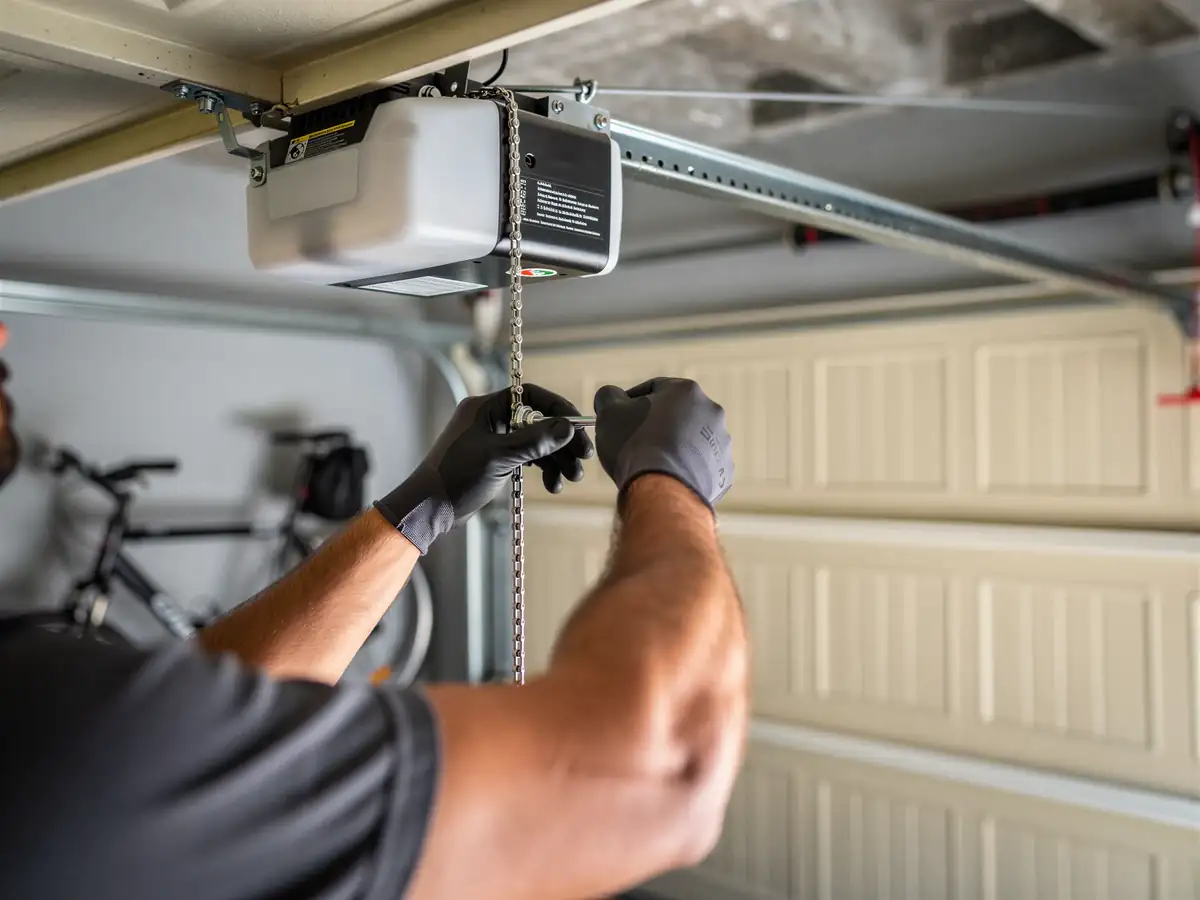
Third: original torsion hardware on houses this age is frequently undersized for a heavier insulated door. Reusing old springs and a light-duty opener bracket on a new, heavier panel is a shortcut that fails - sometimes within the first winter, when cold stiffens the grease in old bearings and the spring has to work harder to lift a door it wasn't sized for.
How to Book
Hudson Garage Door Pros covers Lancaster from Hudson, about 8 miles away
There's no branch office in town, so what you're paying for is the install itself, not overhead from a local storefront - but it does mean scheduling runs through the Hudson shop rather than a Lancaster-based crew.
- 8 miles
To book, start on our Hudson installation page or the Lancaster area page and describe the opening
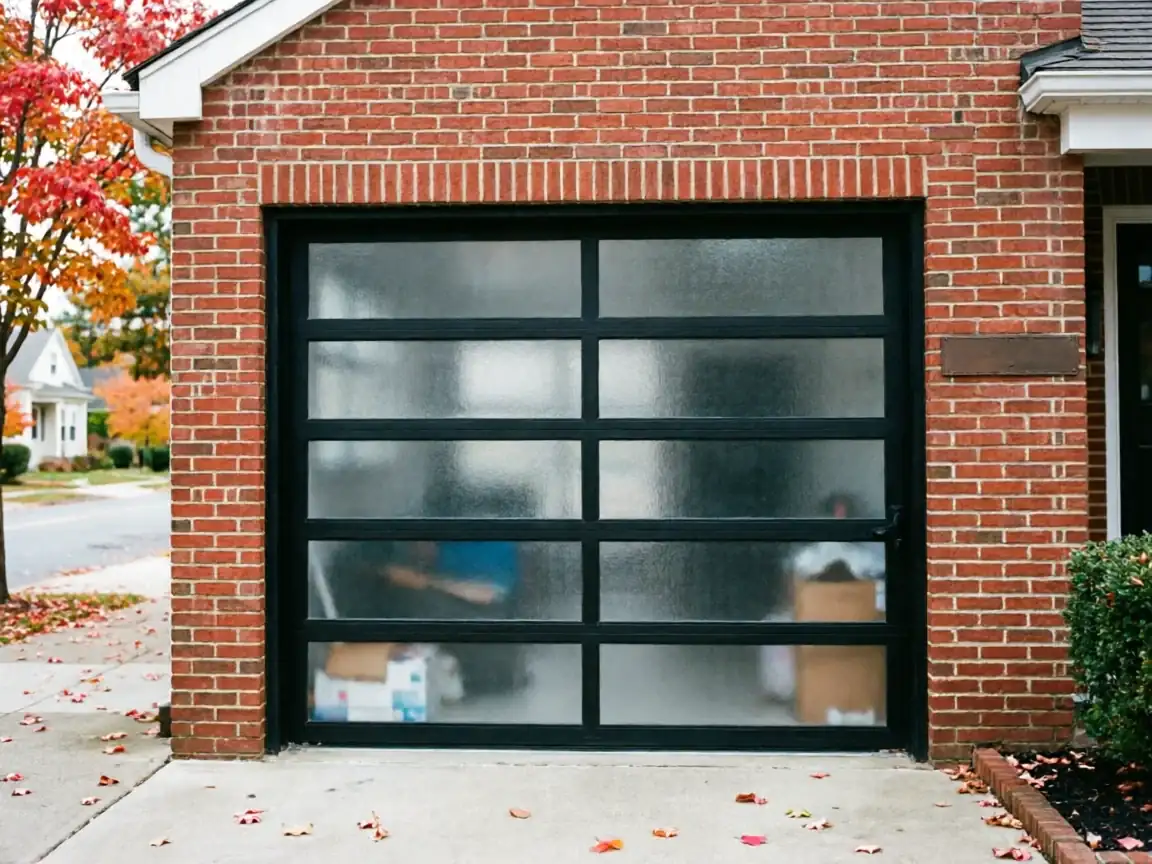
Age of the house if you know it, current door type, and whether you want insulated steel, a different material, or a straight swap of what's there. If you know the house was built anywhere near 1967, say so - it tells us what hardware and jamb condition to expect before the truck even leaves Hudson.
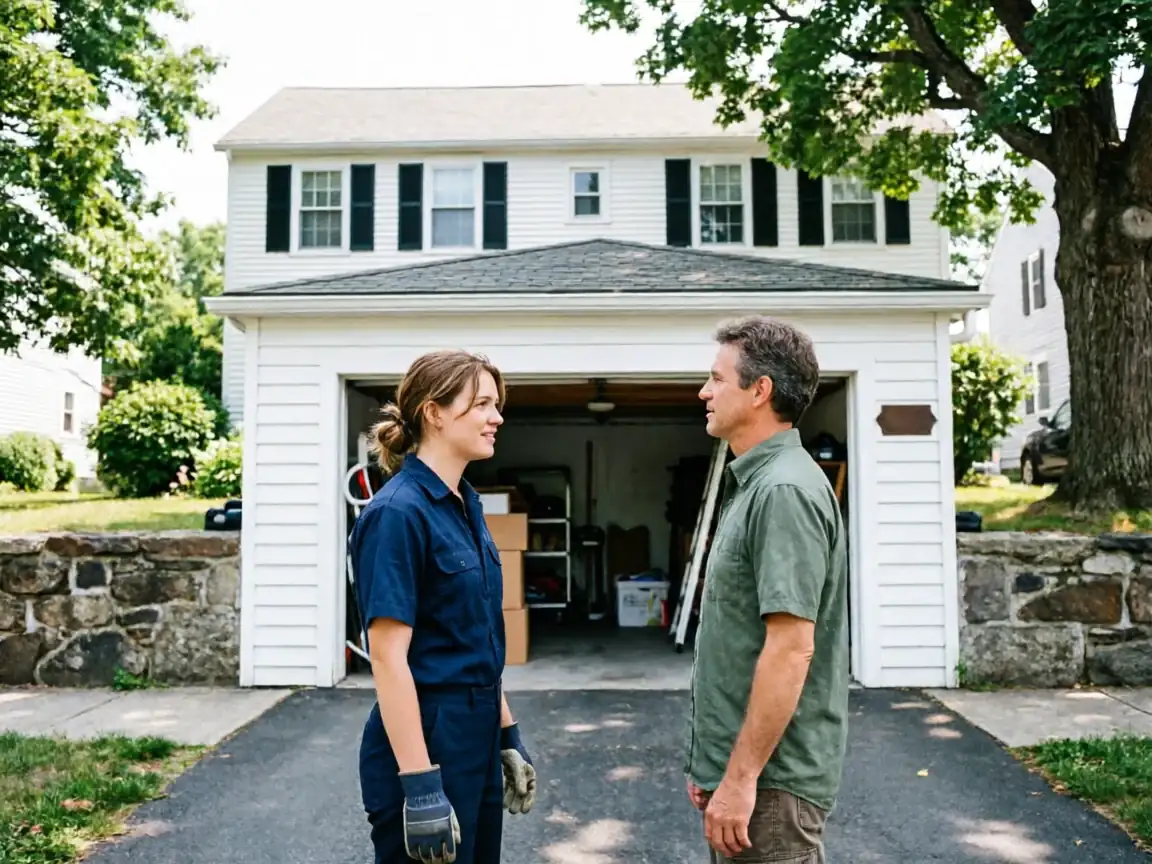
We'll ask for the opening dimensions or offer to measure on site
For older homes where the jamb hasn't been touched since the original build, we'd rather look at it in person than quote blind off a phone measurement. That's not us padding the process - it's the one thing that actually determines whether install day is a few hours or a longer one.
What You Pay
We don't have a published price list for this page, and we're not going to invent one - what a door costs depends on size, material, insulation level, and what the existing jamb needs before the new door goes in, and that last part varies house to house in Lancaster more than it does in newer subdivisions.
What we can say: Lancaster's median household income runs around $130,444, which is solidly above the service area's overall median. In practical terms, homeowners here more often choose insulated steel or a heavier-gauge panel over the thinnest base-grade door, since the difference in upfront cost is less of a stretch than it would be in a lower-income area. That's an observation about what gets chosen, not a guarantee of what any one job costs.
The honest limitation: if your jamb needs carpentry work because it's out of square - which shows up more often on houses from the 1967 era - that's additional labor on top of the door itself, and we won't know the scope until someone looks at it. We'd rather tell you that upfront than quote a number that falls apart once the old framing is exposed.