The DIY Question
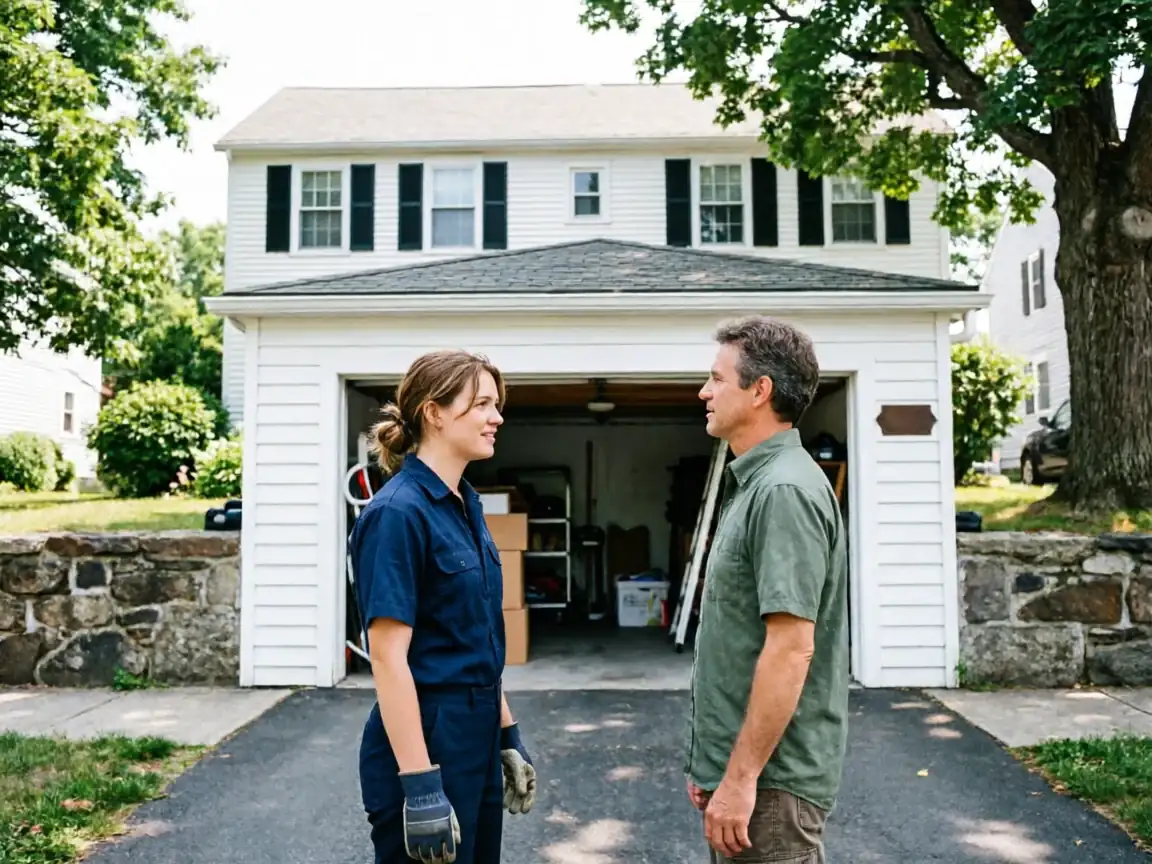
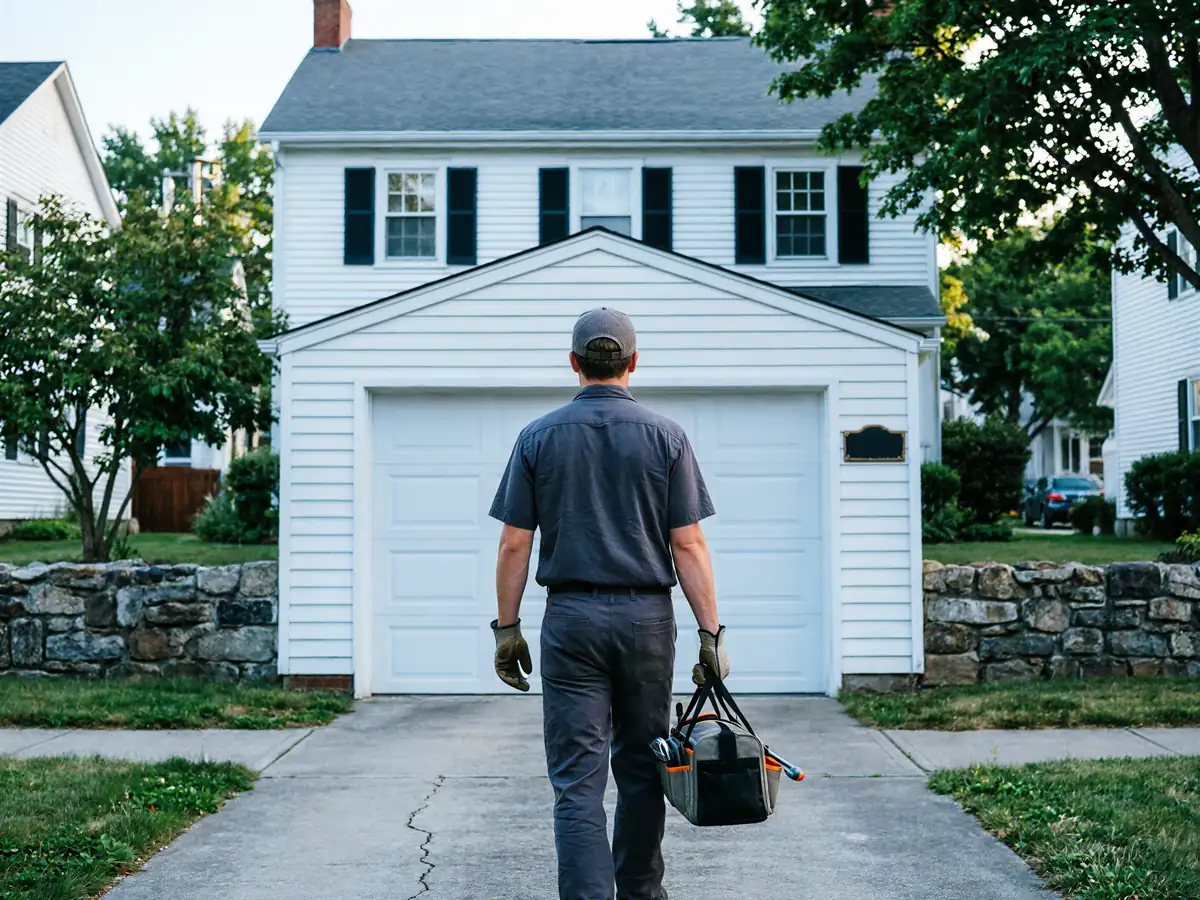
Lancaster sits about 8 miles out from our shop in Hudson, which matters more than it sounds like it should. It's close enough that a same-day call isn't a stretch, but it's far enough that we'd rather talk you through what's actually wrong before a truck rolls, especially if there's a chance it's something you can safely check yourself first.
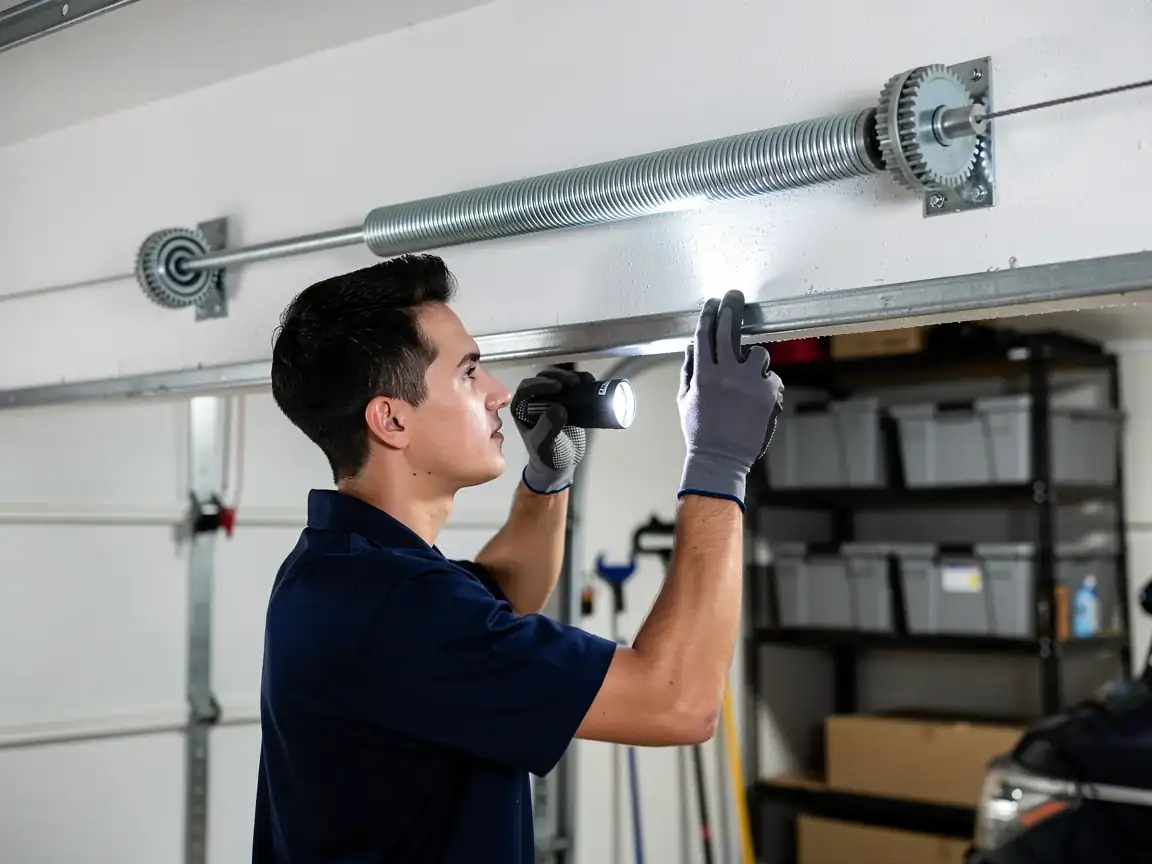
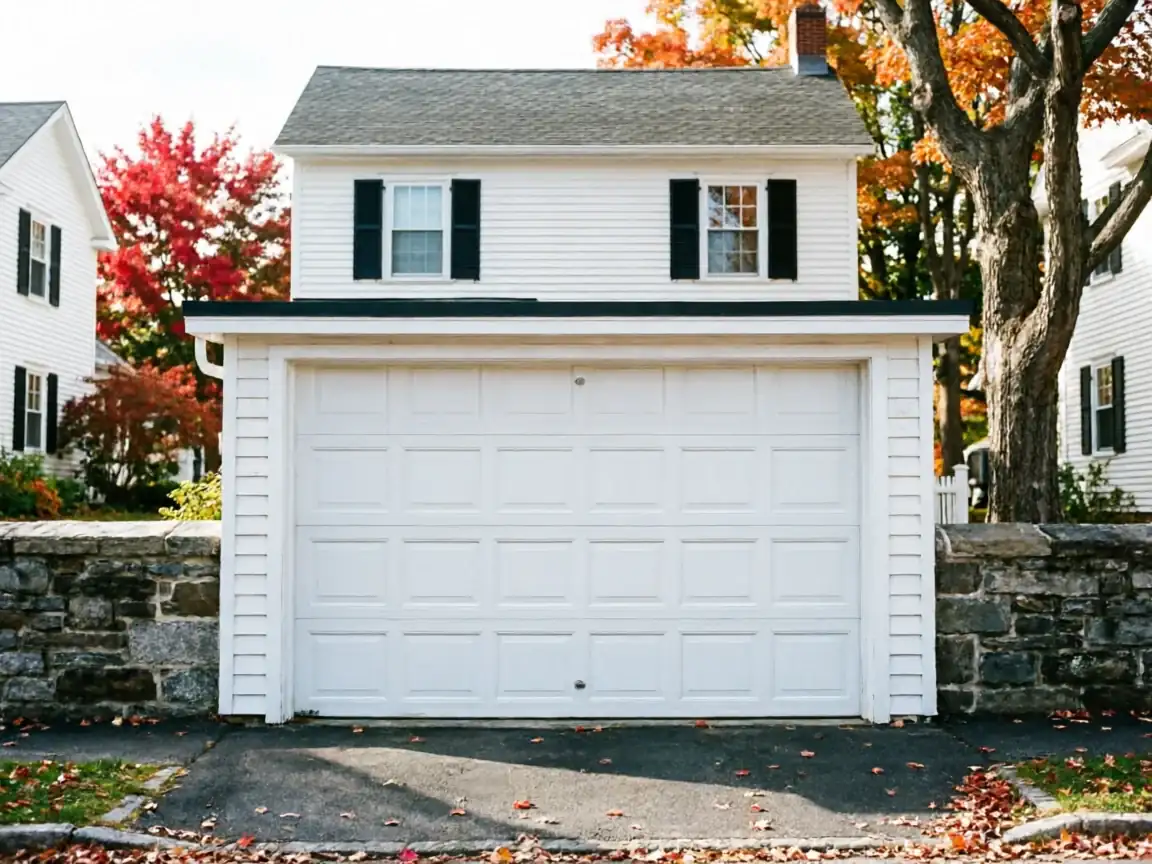
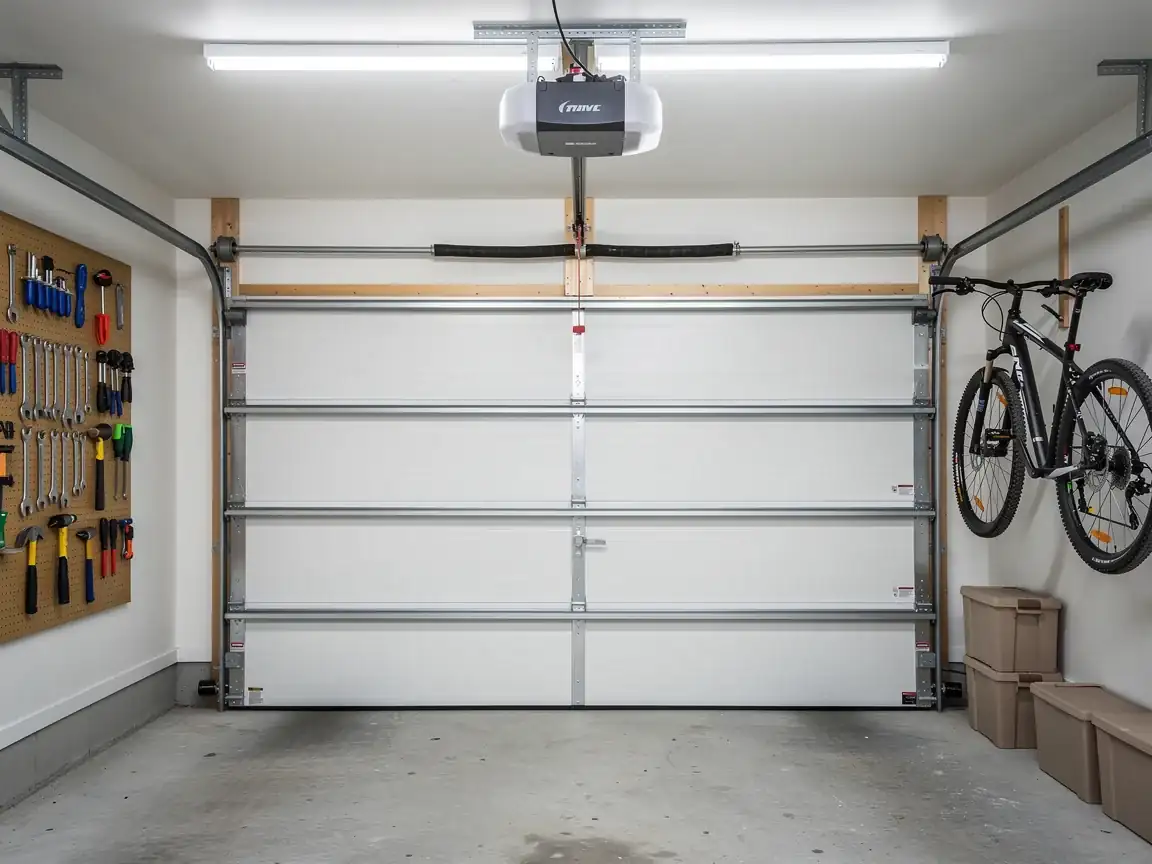
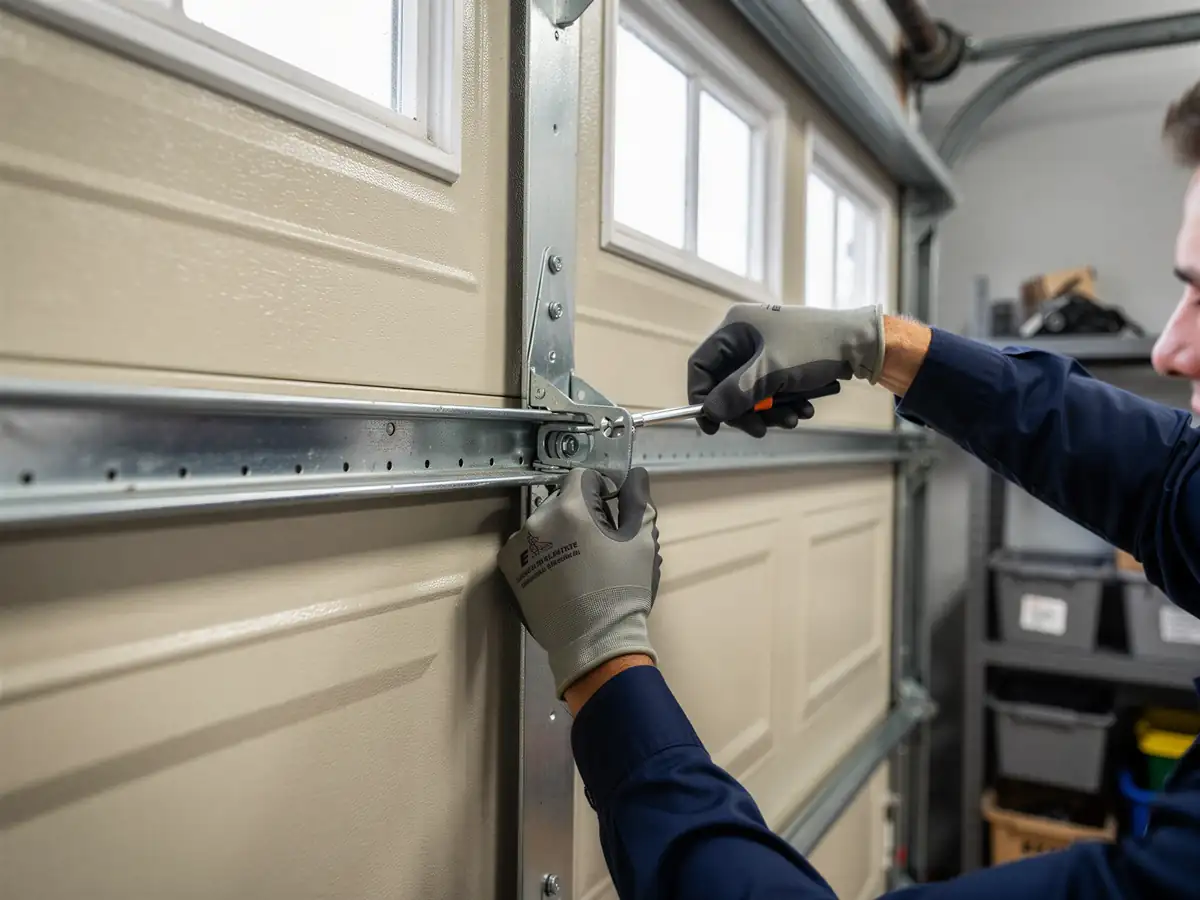
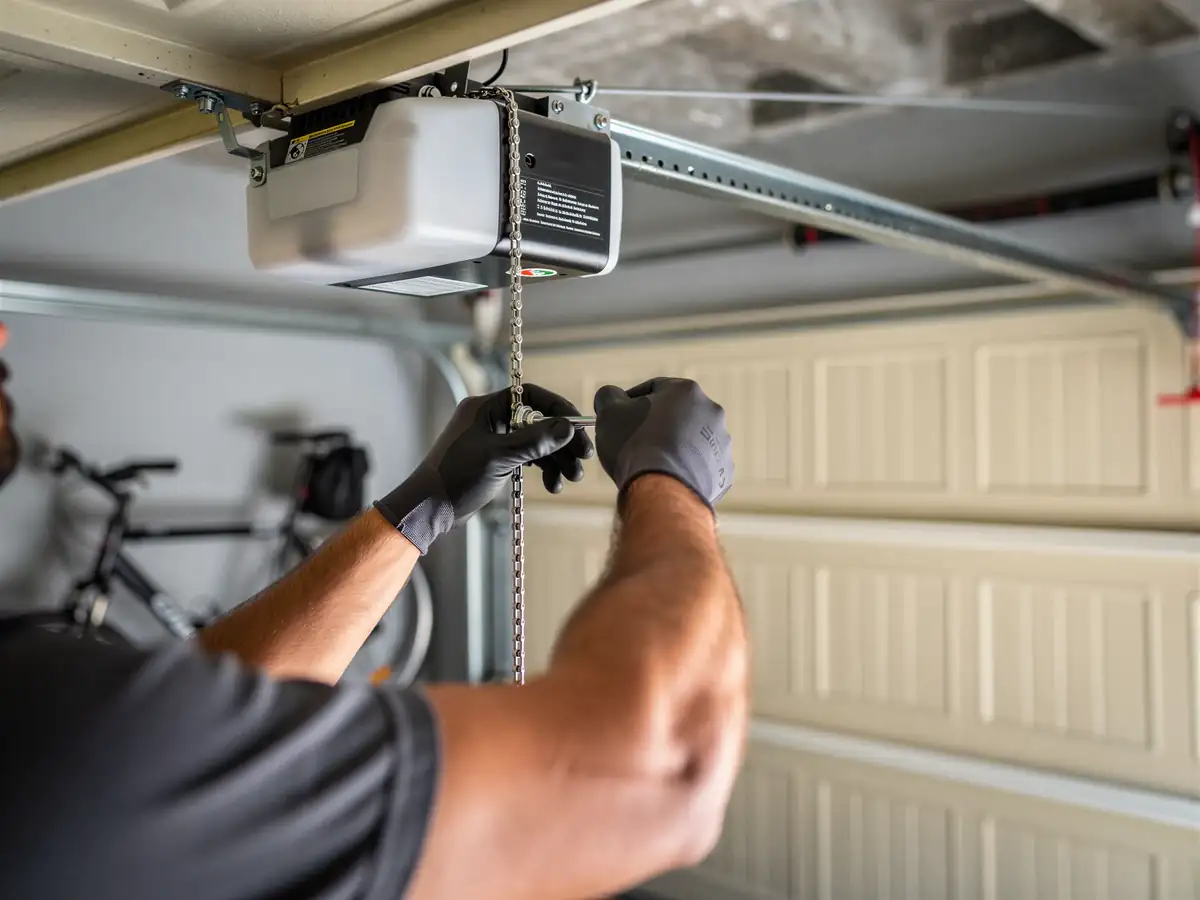
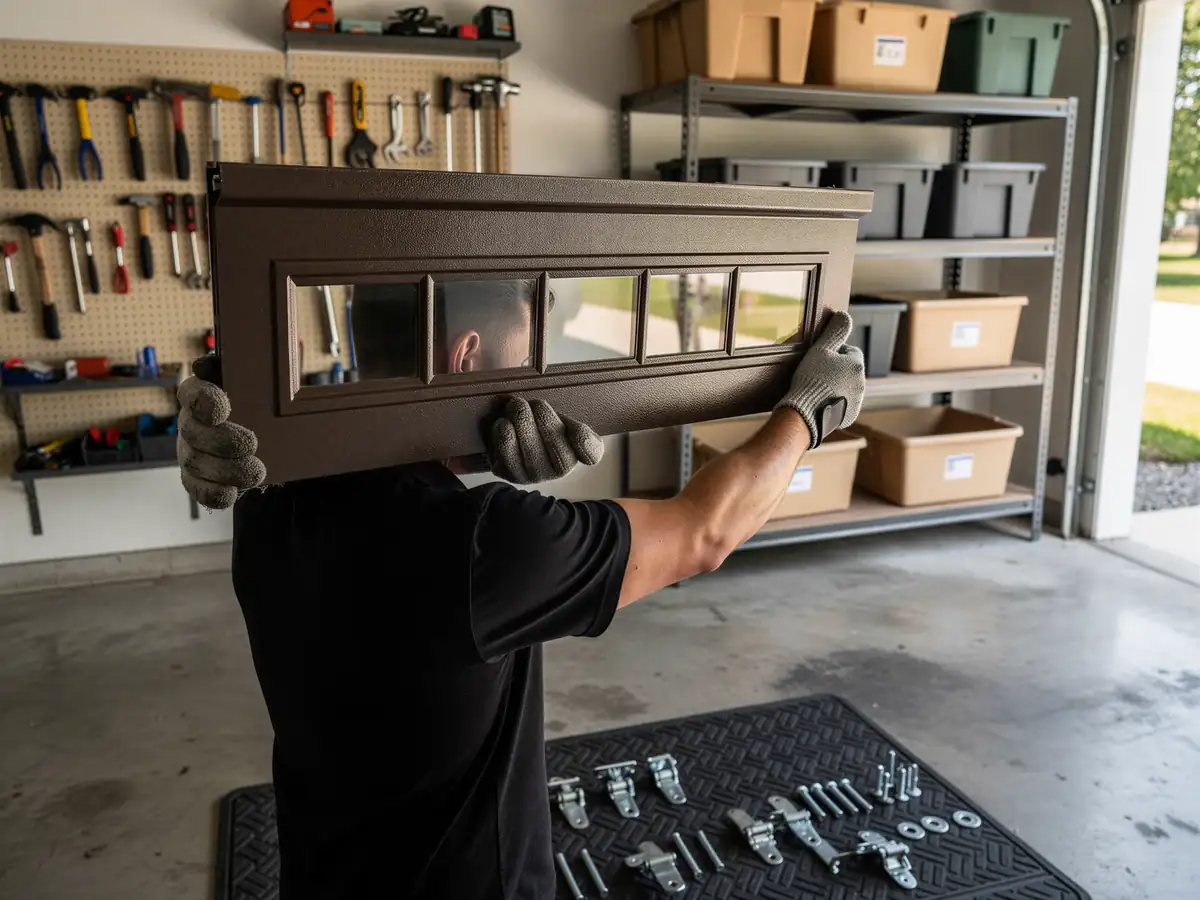
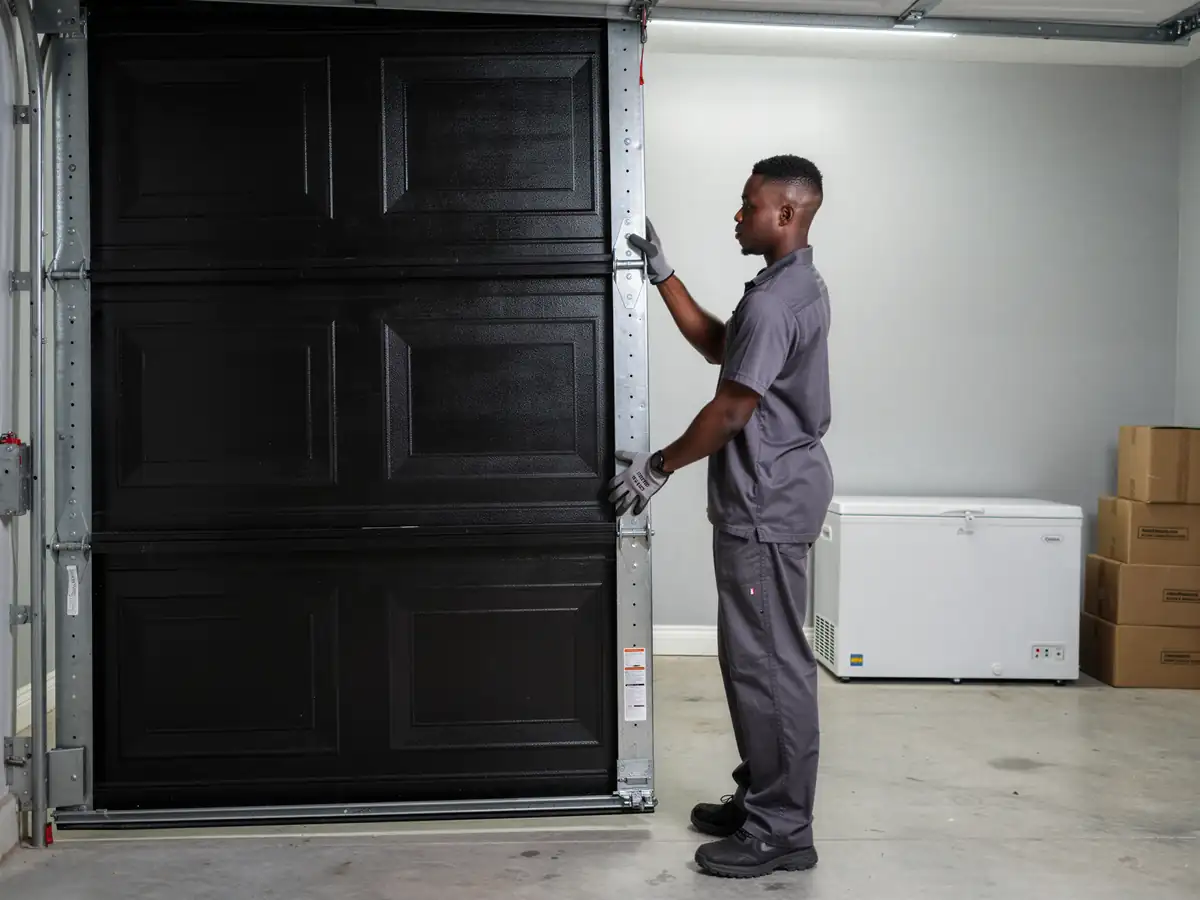
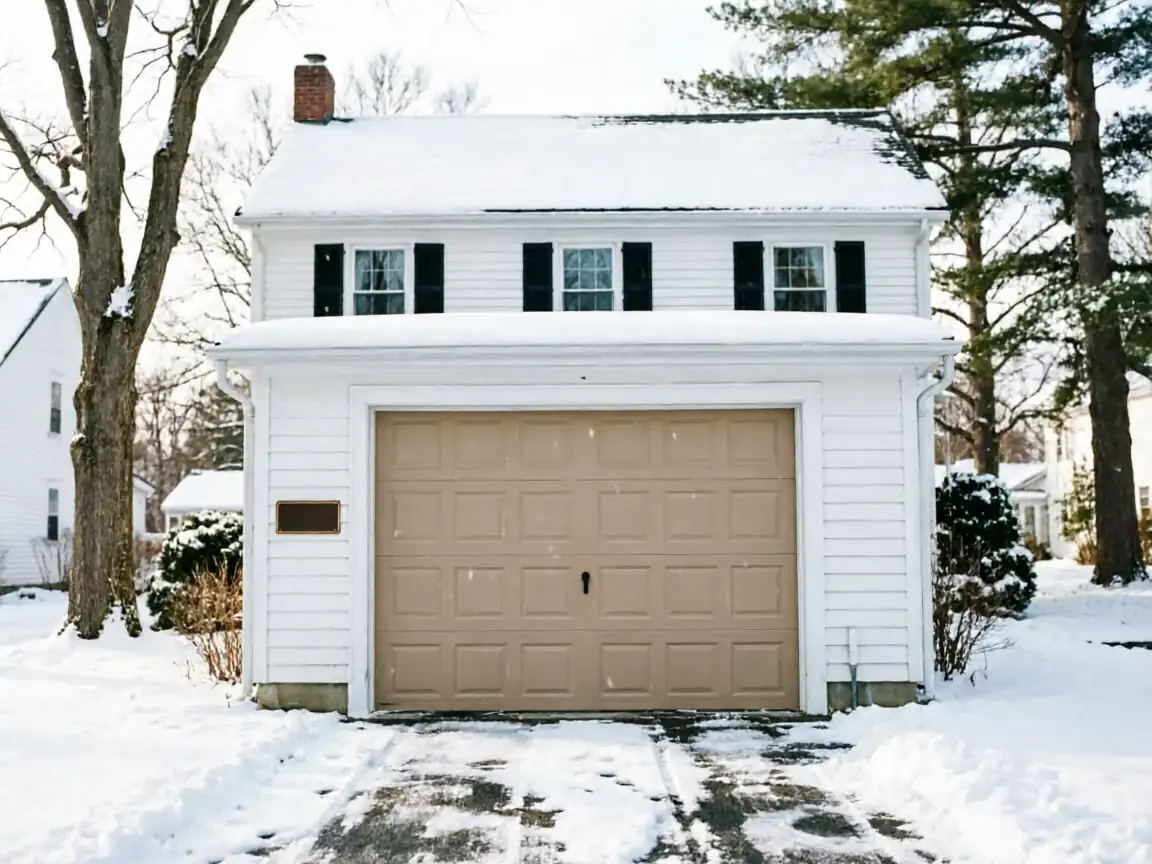
Most homes in Lancaster went up around 1967, putting the town square in that mid-century build wave. If your door still has its original hardware, you're looking at a torsion spring system that's older than a lot of the replacement parts on the shelf today. A homeowner can safely handle lubricating rollers, tightening loose hinge bolts, or clearing a dirty photo-eye sensor. What you should not touch is the torsion spring itself or anything under tension on that older hardware - the spring size and winding cone on a door from that era often don't match what's sold off the rack now, and a mistake there is not a bruise, it's a trip to the ER.
We'll always tell you straight if it's a five-minute fix you don't need us for. That costs us a call, but it's the right call.
What Can Go Wrong
With a housing stock centered on 1967, Lancaster has a lot of doors running original or first-replacement springs and openers that are decades past their rated cycle count. The most common failure we see on houses this age is a torsion spring that's simply worn out from age, not misuse - metal fatigue doesn't care how well you maintained the door.
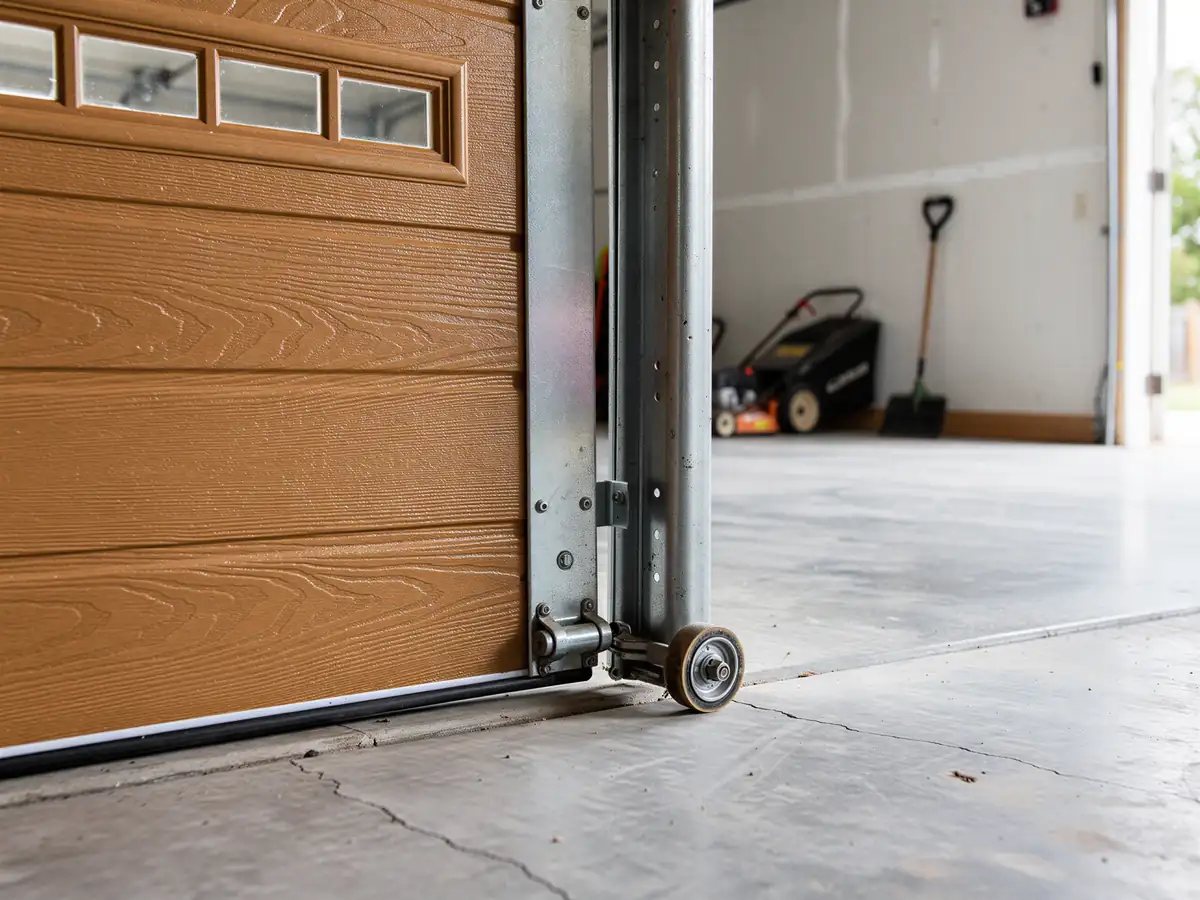
Second most common: track hardware that's been painted over or rusted at the mounting brackets, which throws the door out of alignment slowly enough that owners don't notice until a panel starts rubbing or a roller jumps the track entirely.
Winters here fall in the severe end of the cold climate band, and a garage that sits unheated through repeated freeze-thaw cycles puts extra stress on steel springs and nylon rollers alike - cold metal is brittle metal. That's not unique to this one street or that one house; it's a function of the climate this whole area sits in, and it shows up most on hardware that's already near the end of its service life.
With only 2,944 households in Lancaster itself, we're not running a dozen trucks through town on a given day - we come out when you call, from Hudson.
How to Book
Booking a job in Lancaster works the same as anywhere we cover from Hudson
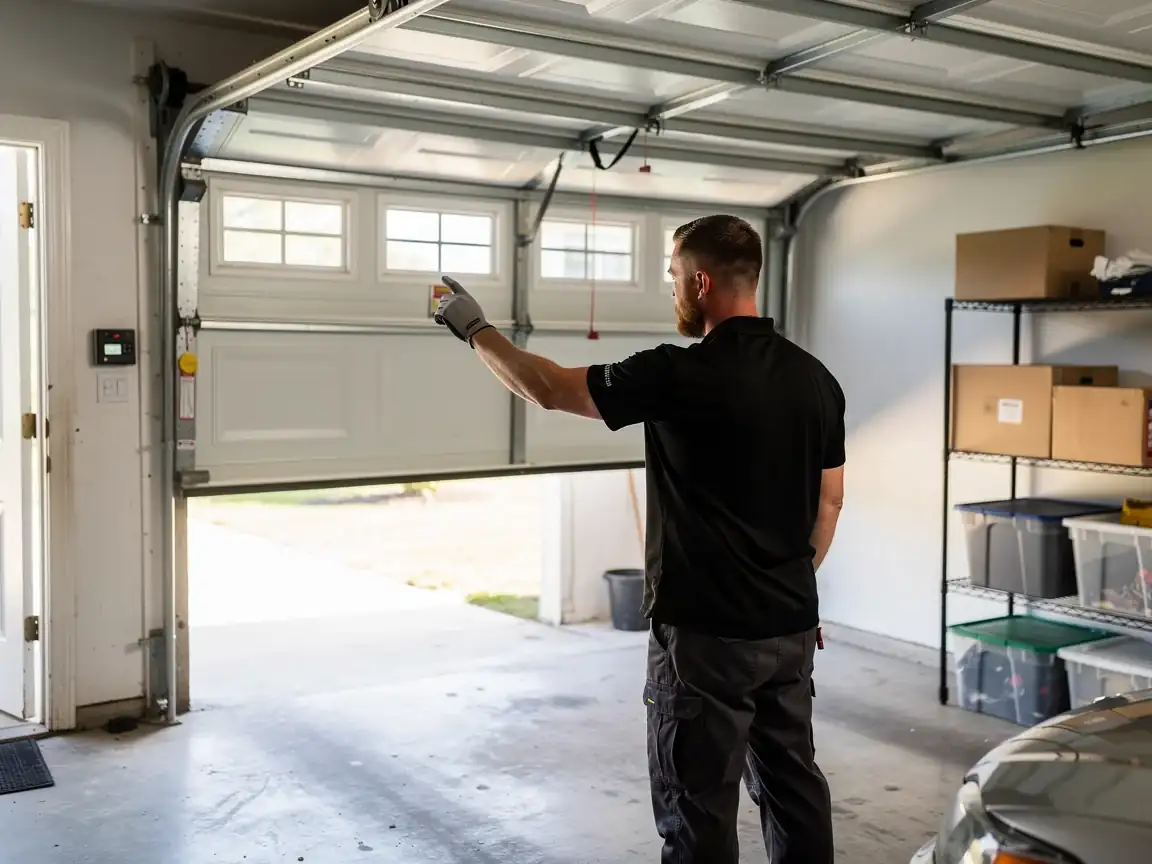
You call, we ask what the door is doing (or not doing), and we schedule a visit. Because the shop is in Hudson and the drive out is around 8 miles, we try to batch calls in this direction when we can, so don't be surprised if we ask what else is going on with the door before locking a time - a spring job and a sensor check can often happen on the same visit instead of two.
- 8 miles
If you're not sure whether it's worth a call, tell us the age of the house if you know it
A door original to a 1960s build is a different conversation than one installed in the last ten years, and it helps us bring the right spring size and the right opener parts on the first trip instead of a second one.
We don't keep a standing crew stationed in Lancaster
Every job here is a dispatch from Hudson, which is worth knowing if you're expecting a walk-in storefront. There isn't one. There's a phone call and a truck.
What You Pay
Pricing on a service call to Lancaster isn't padded for the drive - it's set by the job itself: what's broken, what parts it needs, and whether your hardware is standard stock or something we have to source for an older door. Lancaster's median household income runs around $130,444, somewhat below the $147,635 median across the wider area we cover, and that's part of why we quote the actual repair rather than a flat area rate.
We don't have a published price list to hand you here, and we're not going to invent one. What we can tell you is that a worn torsion spring replacement is usually the most common call in a neighborhood built out in the late 1960s, and a full opener swap costs more than a spring job but less than most owners expect once they call around.
One honest limit: if your door's track or frame is bent badly enough, or the hardware is obsolete enough, replacement beats repair on cost alone - we'll tell you that up front instead of billing you for parts that won't hold.