How Long It Takes
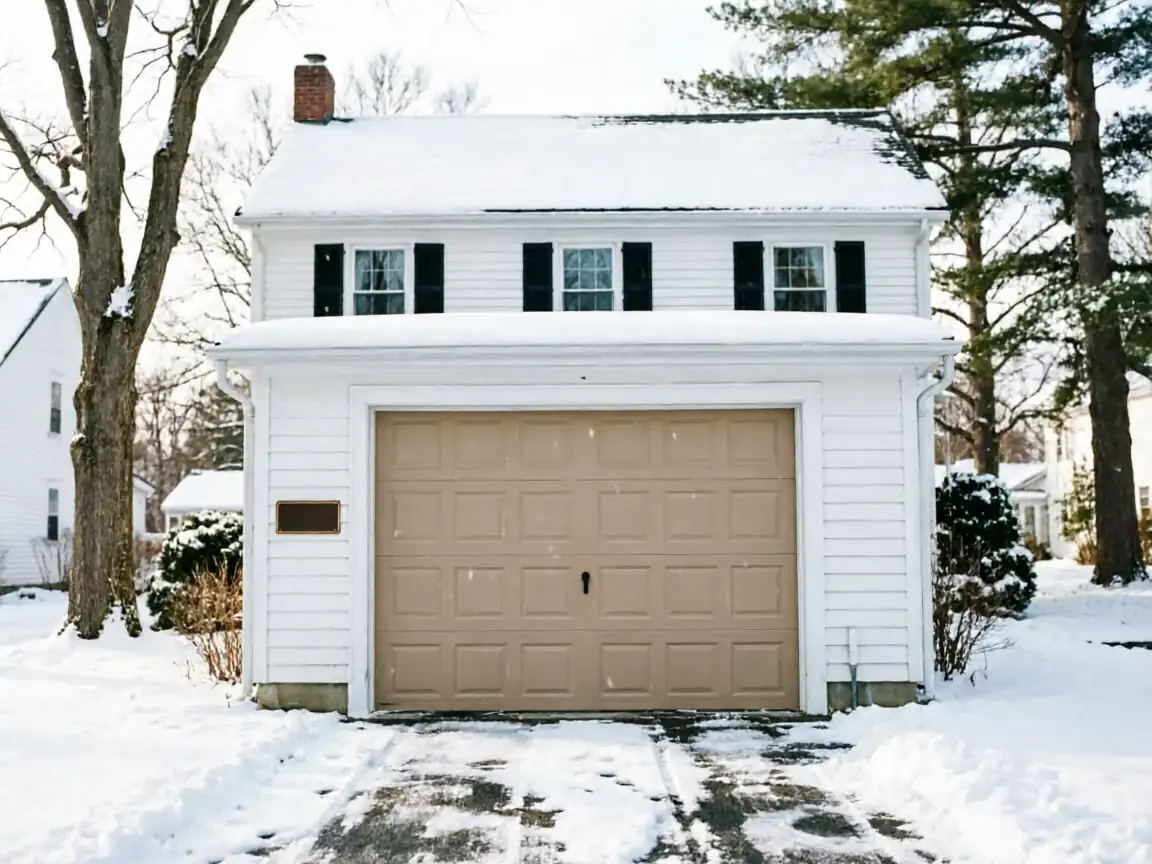
Stow's housing stock runs newer than much of the rest of the area we cover from Hudson - median build year here is 1973, compared with a service-area median of 1969 across stock dated 1938 to 1993. That difference matters for panel work because 1970s-era garage doors are almost always steel sectional units, and a damaged section on one of these doors is usually a panel swap, not a full door replacement.
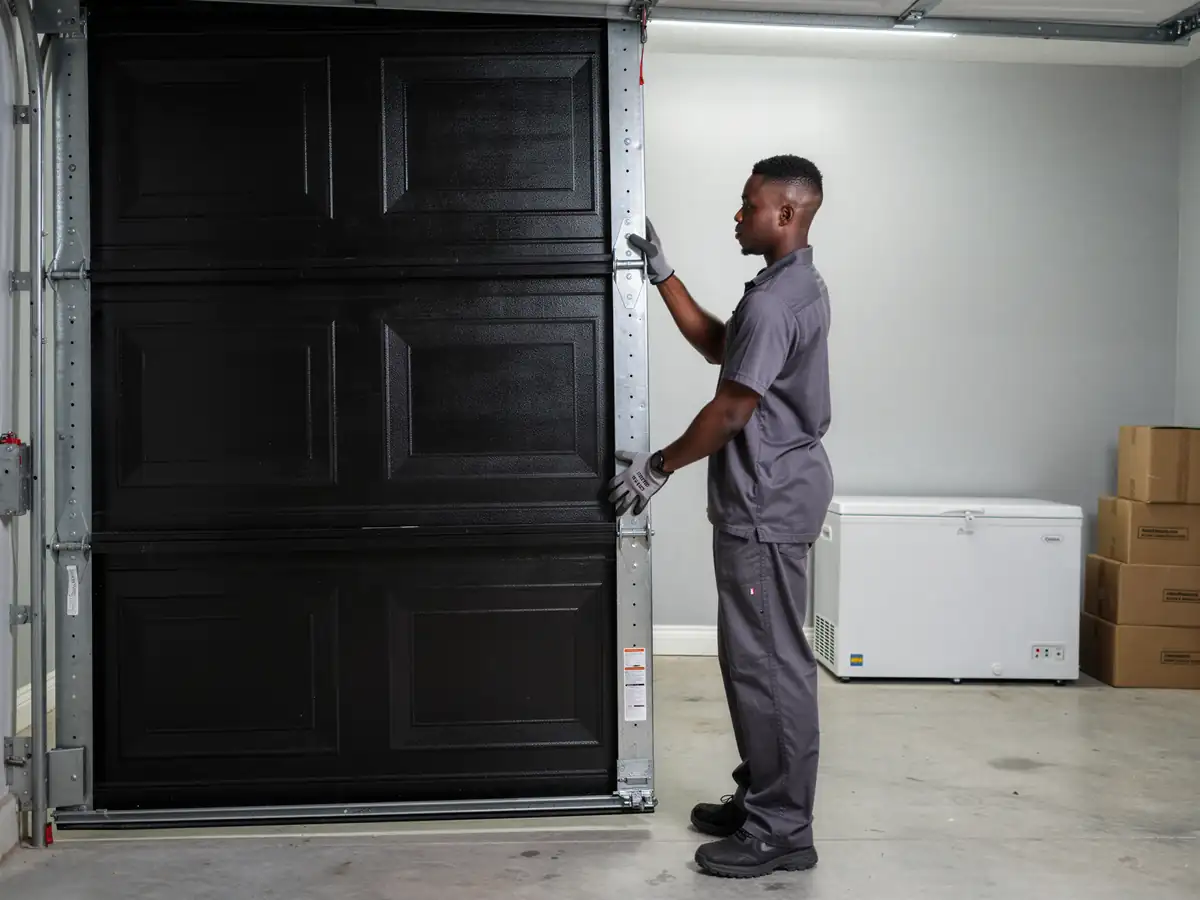
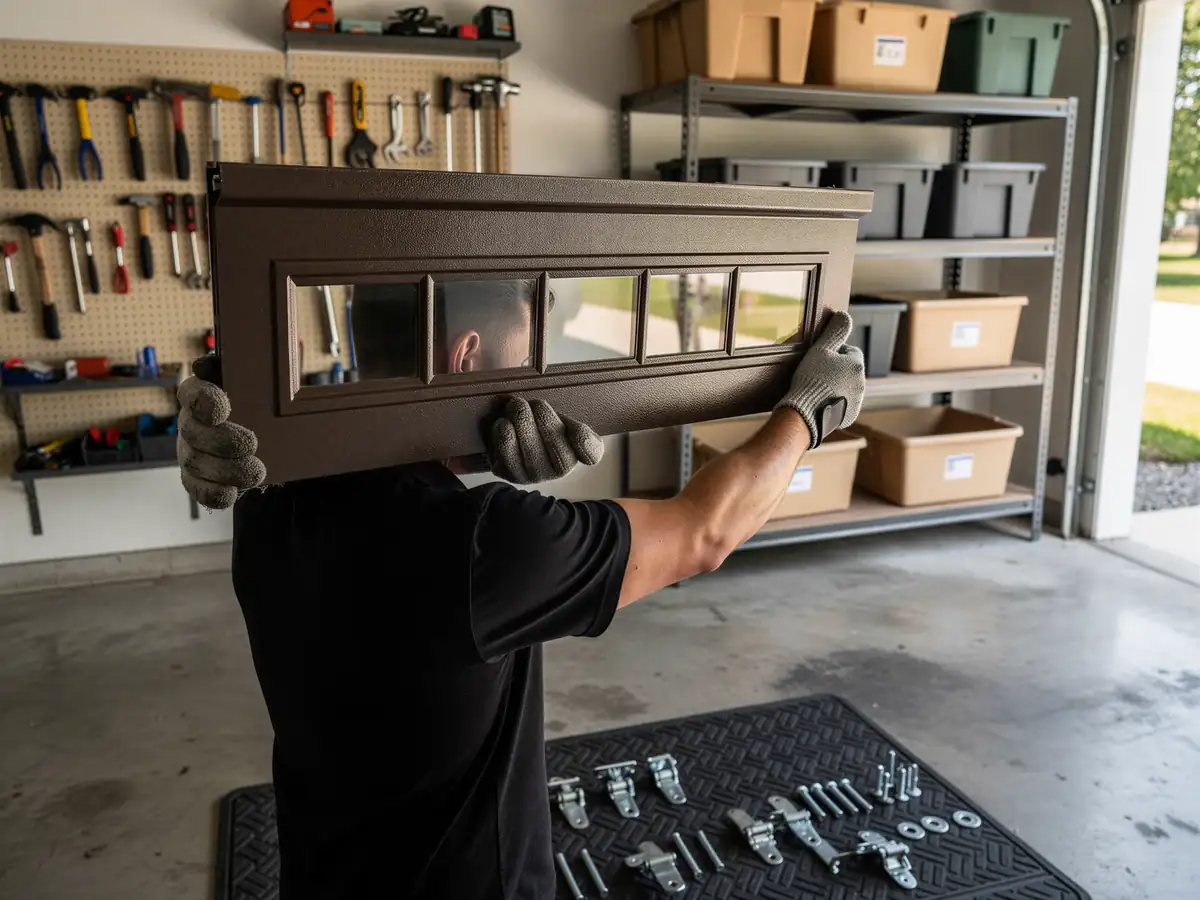
The actual time on site for a panel swap is short once the part is in the truck. What takes longer is matching the panel: a 1973 door might carry a color or rib pattern that the current manufacturer line no longer stocks off the shelf, so we sometimes order before we schedule the job rather than after. We don't quote a single turnaround time for every door in Stow, because it depends on whether your panel is a common profile or a discontinued one. We'll tell you which one you have before we book the install, not after. See our broader write-up on garage door panel replacement from Hudson for how we handle doors across the full service area.
How It Shows Up
The area sits in a cold climate band with severe winter conditions, and that's the condition that drives most panel damage we see on steel sectional doors like the ones common in Stow's 1970s-built homes. Repeated freeze-thaw cycling works at the seams between panel sections, and a dent that would stay cosmetic in a milder climate turns into a crease that catches on the track in cold weather.
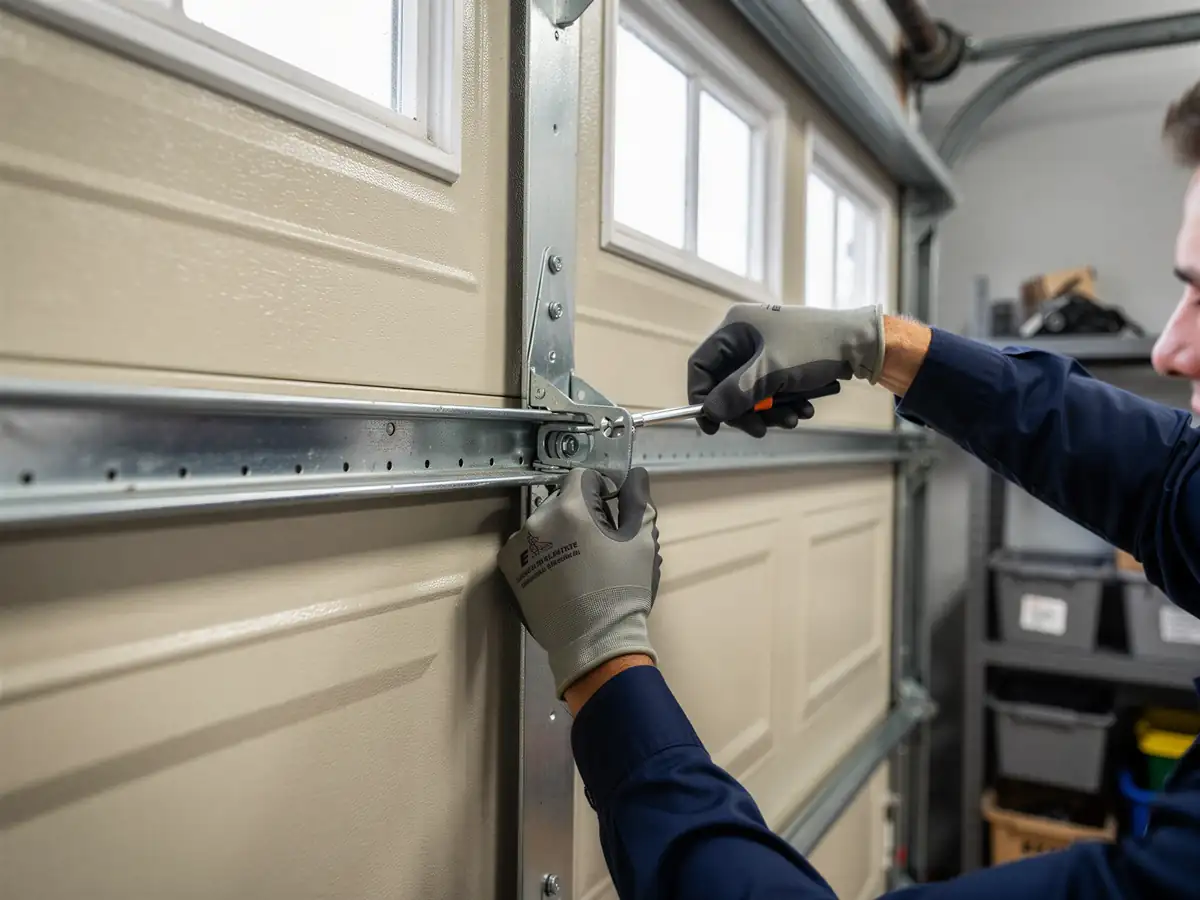
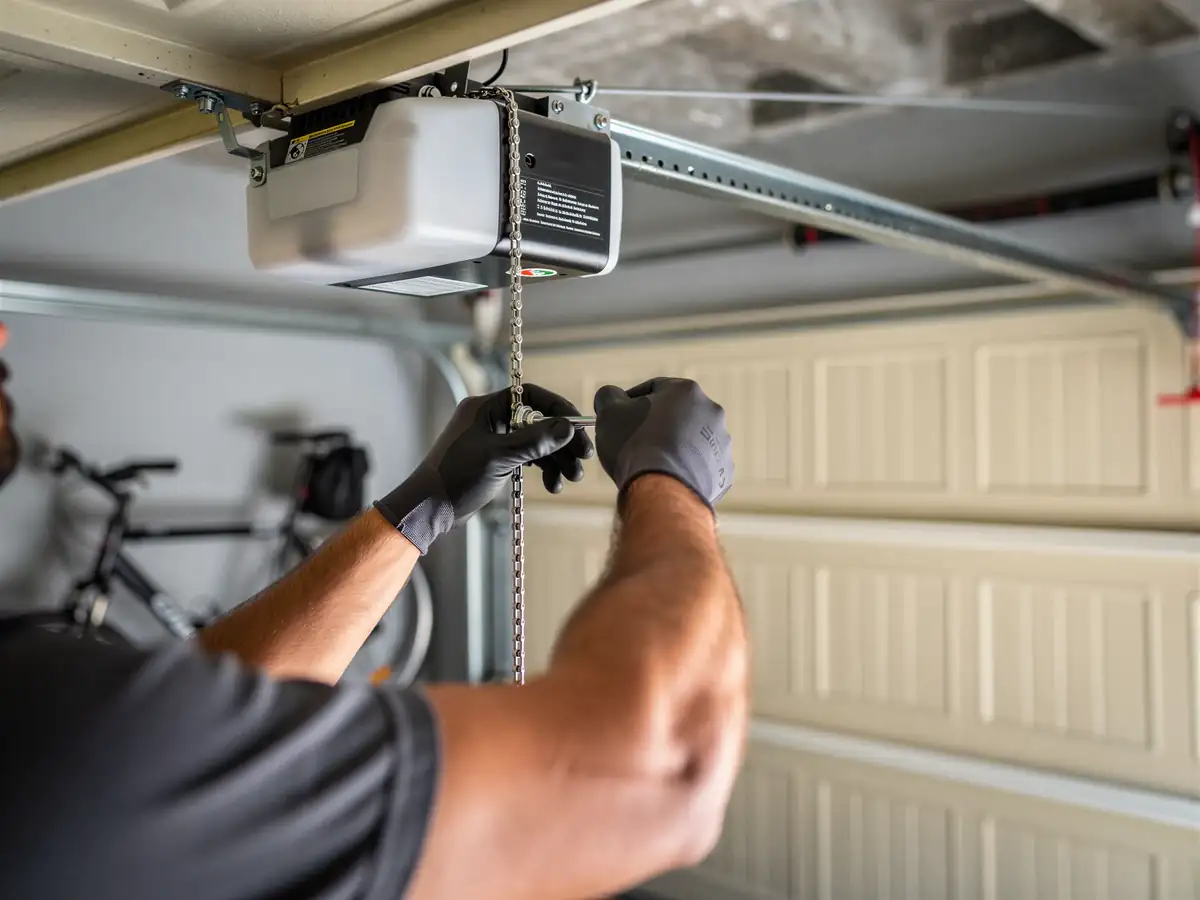
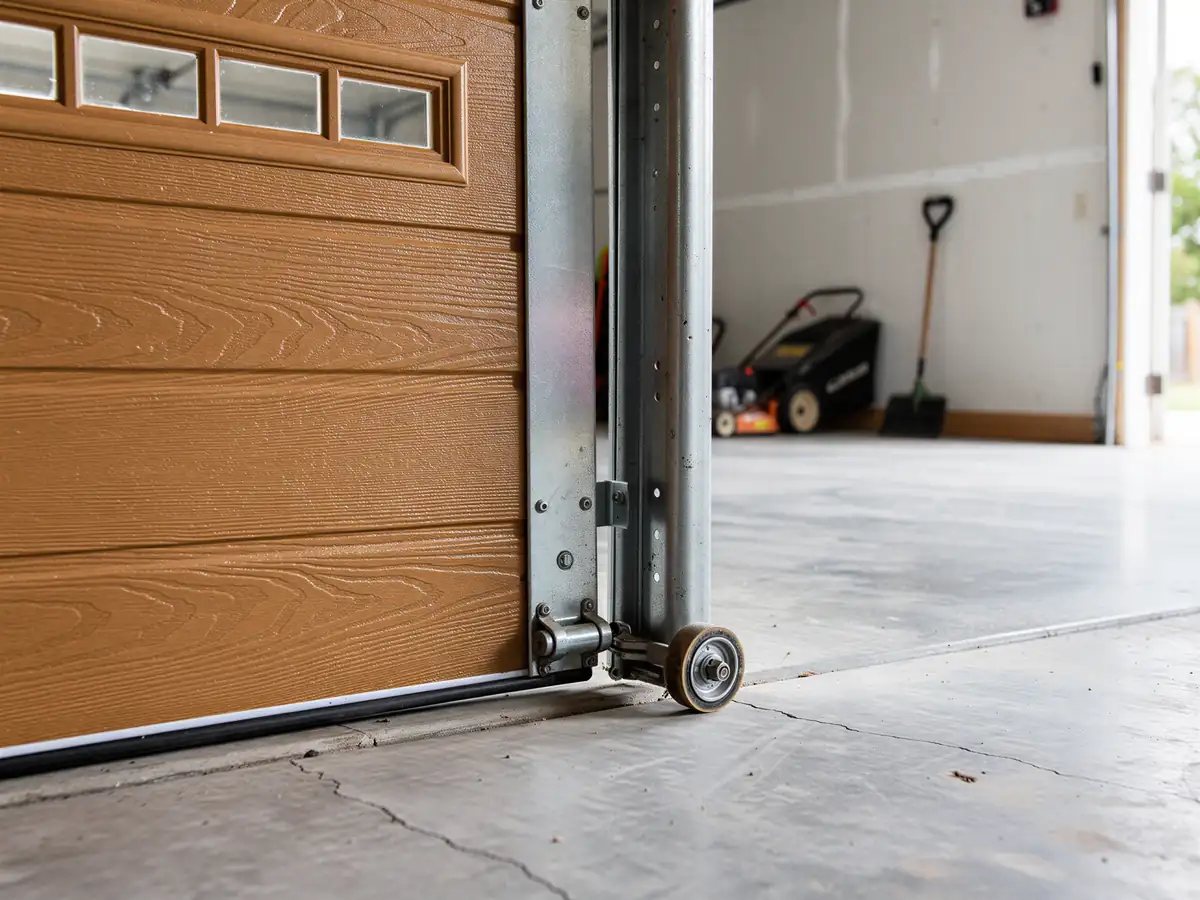
You'll usually notice it as a section that doesn't sit flush with its neighbors, a visible bow across one panel when the door is down, or a scraping sound as that panel passes the rollers partway through a cycle. Rust along the bottom panel's lower edge is also common on steel doors of this era, especially where runoff sits against the panel seam. On a door built around 1973, the panel itself is usually the weak point - the track and opener hardware behind it are often original equipment that's simply tired, not broken, and don't need touching.
What Can Go Wrong
The complication with panel replacement on an older steel door is matching, not mechanics
A 1973 door's panel profile and color run are both candidates for discontinuation, and the service area runs 111,565 households and 69,298 owner-occupied houses spread across decades of door styles - enough variety that no single supplier stocks every match. If we can't get an exact panel, we'll say so before ordering, and you decide between a close match on one section or a full-door replacement instead.
- 111,565 households
- 69,298 owner-occupied
Another thing that goes wrong
Homeowners sometimes order a panel online themselves before calling, and it arrives in the wrong width or wrong hinge spacing for their track hardware. We'd rather measure the door first.
The honest limitation here
If your opener or track hardware is also original to a 1973 install and worn past adjustment, a panel swap won't fix a door that's already failing somewhere else. In that case we'll tell you plainly that panel replacement is the wrong job, even on a trip already out from Hudson.
What You Pay
We don't post a flat number for panel replacement because the two variables that set the cost - whether your panel is a stocked profile or a discontinued one, and whether one section needs replacing or several - are different on every call. Stow's median household income runs $177,862, well above the $147,635 median across the wider area we serve from Hudson, and higher-income areas tend to ask for exact-match replacement more often than a mixed-panel repair, which changes what the job costs even on an identical door.
What we can tell you up front: a single discontinued panel costs more to source than a common stocked one, and ordering before scheduling usually saves a second trip out from Hudson, four miles away. We'll give you the number for your door once we've seen the panel and the track behind it, not before. You can see other work we've covered near Stow on our area page.