How Long It Takes
Stow is four miles west-southwest of Hudson, a short enough drive that a maintenance visit doesn't turn into a half-day commitment the way some of the farther towns in this area do. That matters for scheduling - it means a tech can get to a tune-up, catch what's wrong, and still make the next call without the day running long. It also means if something turns up mid-visit that needs a part, there isn't a long round trip involved in going back for it.
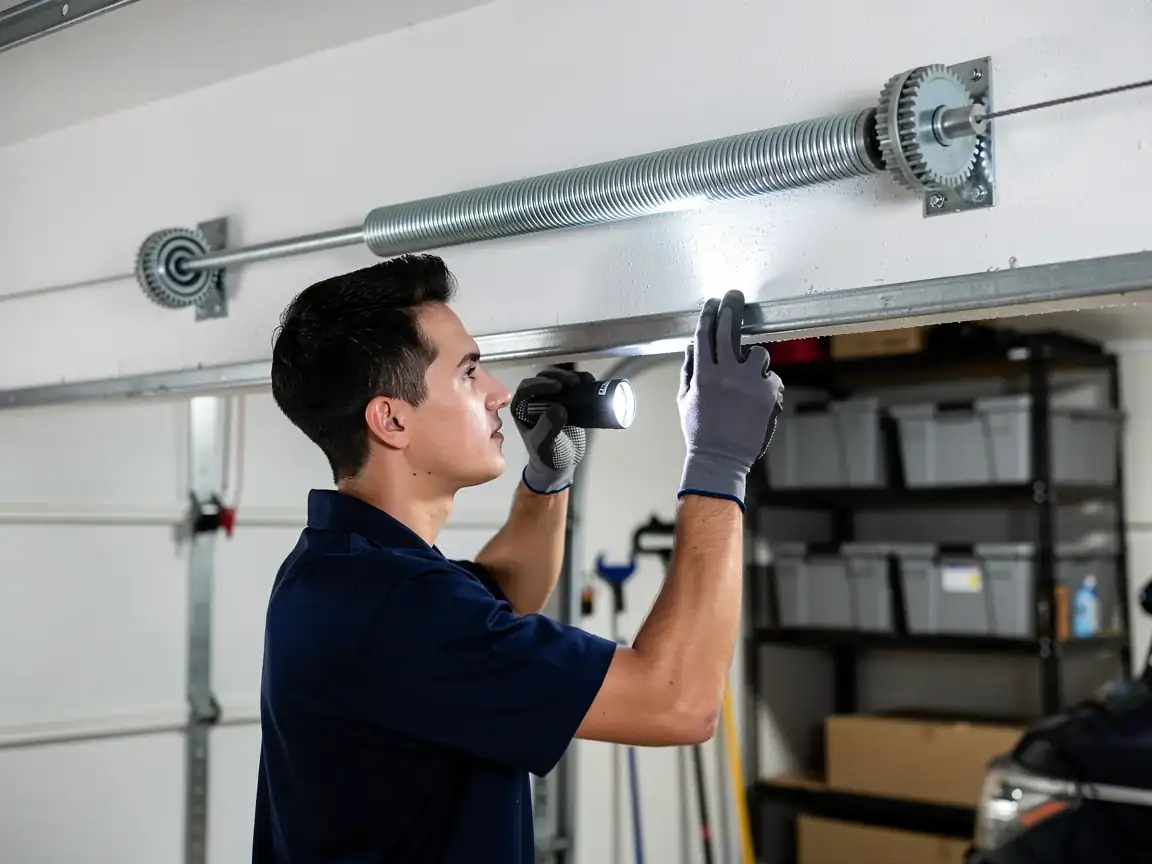
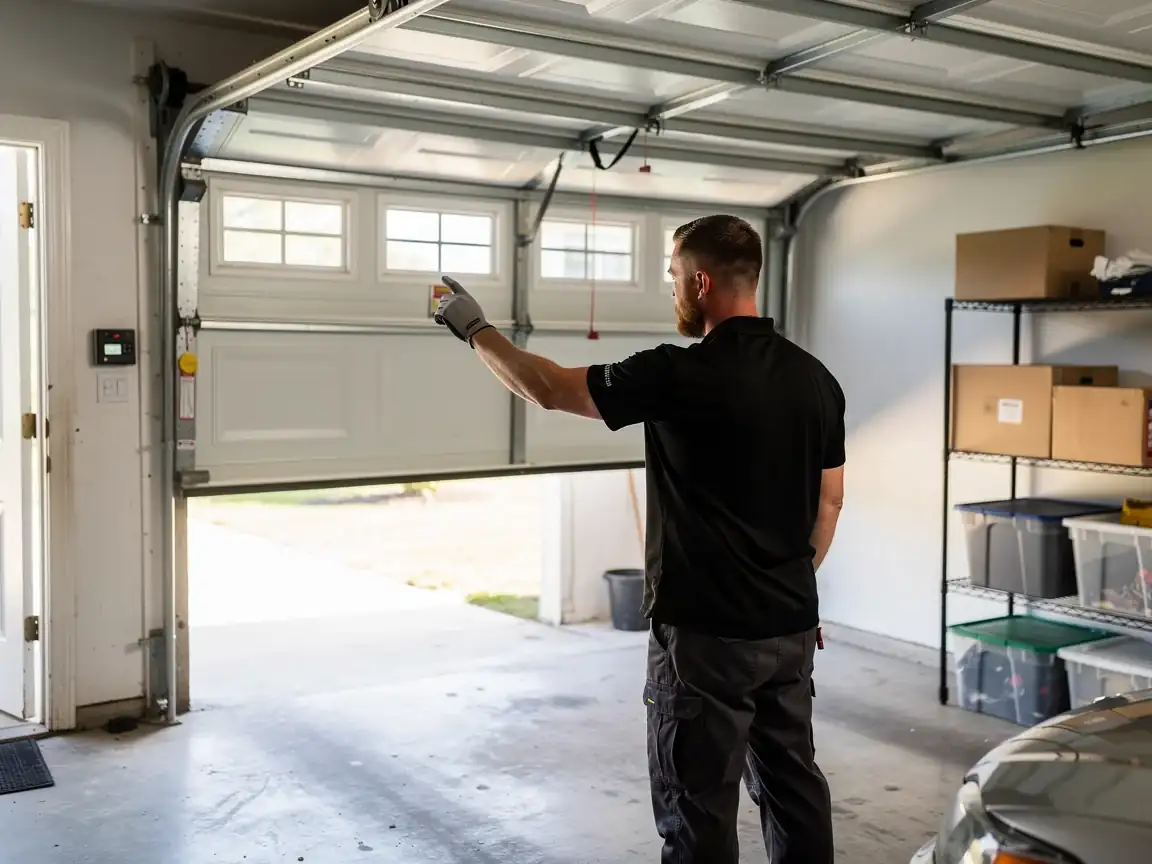
The drive itself isn't the interesting part, though. What it means is that a maintenance call here isn't rushed to make up time lost on the road, which is the kind of thing that leads to a tech skipping the parts of an inspection that take an extra five minutes - checking cable wear at the drum, checking how the torsion spring sits in its cone. Four miles doesn't buy you a faster truck. It buys a tech enough time in the appointment to actually look.
How It Shows Up
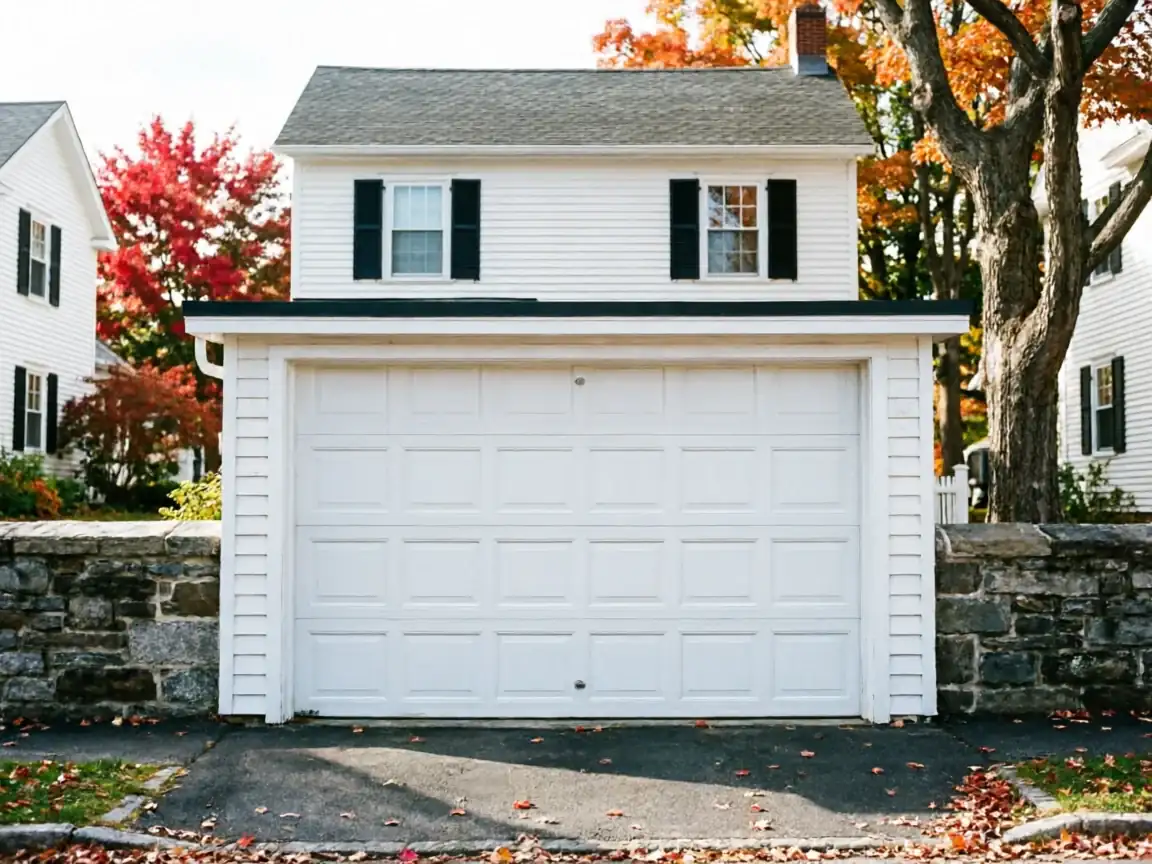
Stow's housing stock runs a little newer than a lot of what's covered out of Hudson. Median year built here is around 1973, compared to a median closer to 1969 across the wider service area and a build range stretching back to 1938. That difference shows up in the hardware. A lot of Stow garage doors are original or close to original from the early-to-mid 1970s, which usually means extension springs mounted over the horizontal tracks rather than the side-mounted torsion setups common on older housing stock nearby.
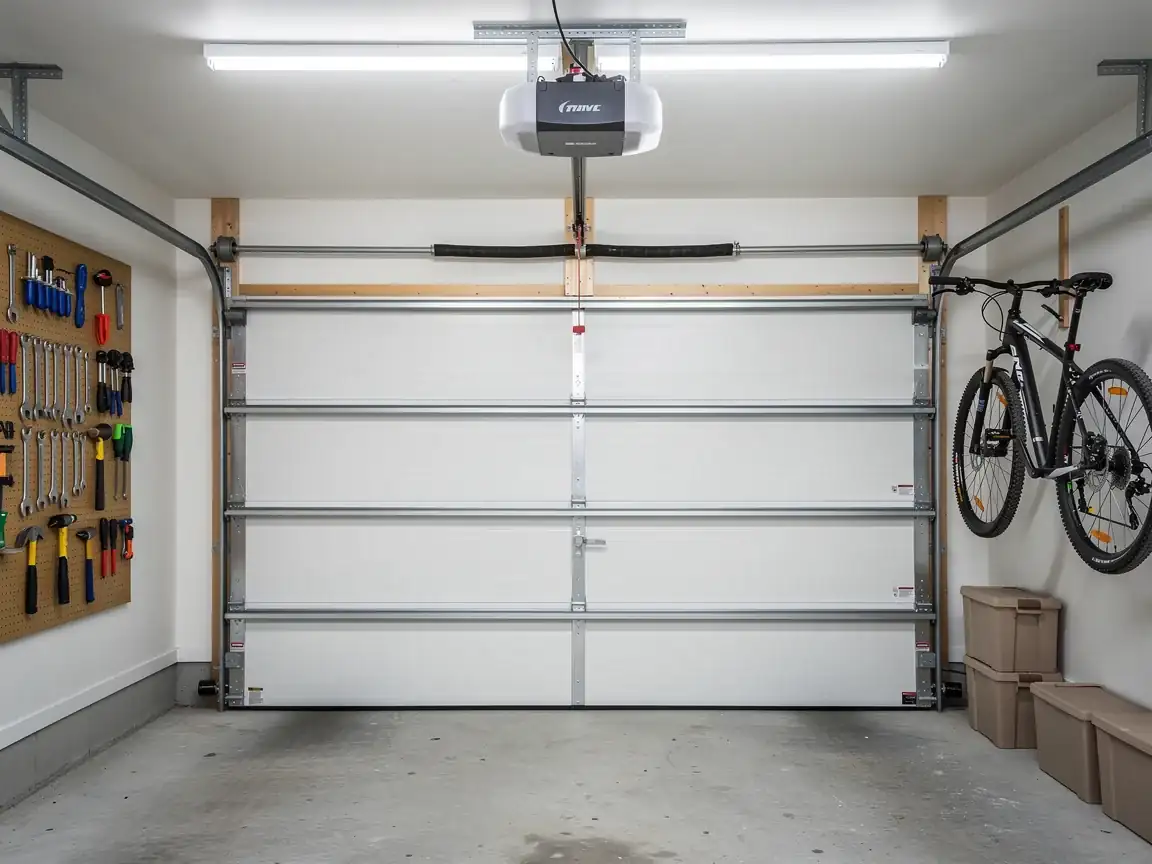
Extension spring setups fail differently than torsion setups. They stretch and sag before they snap, and the first sign is usually a door that won't sit level when it's down, or one side that drops faster than the other when you let it close. On a torsion system the spring just lets go, often without much warning. If your Stow door has been getting slower to open or closing unevenly, that's consistent with aging extension hardware from that era, not something to wait out.
What Can Go Wrong
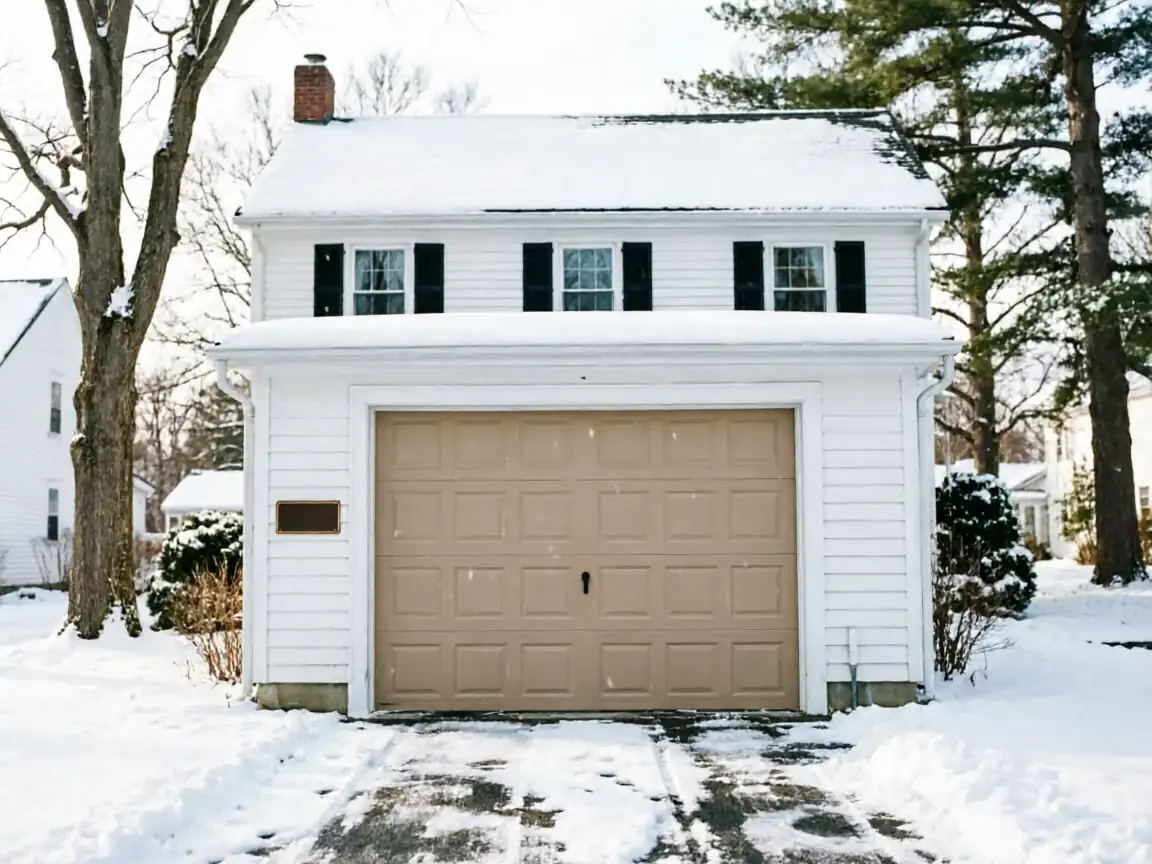
Winters here are cold enough, under the same severe cold climate band as the rest of this part of Massachusetts
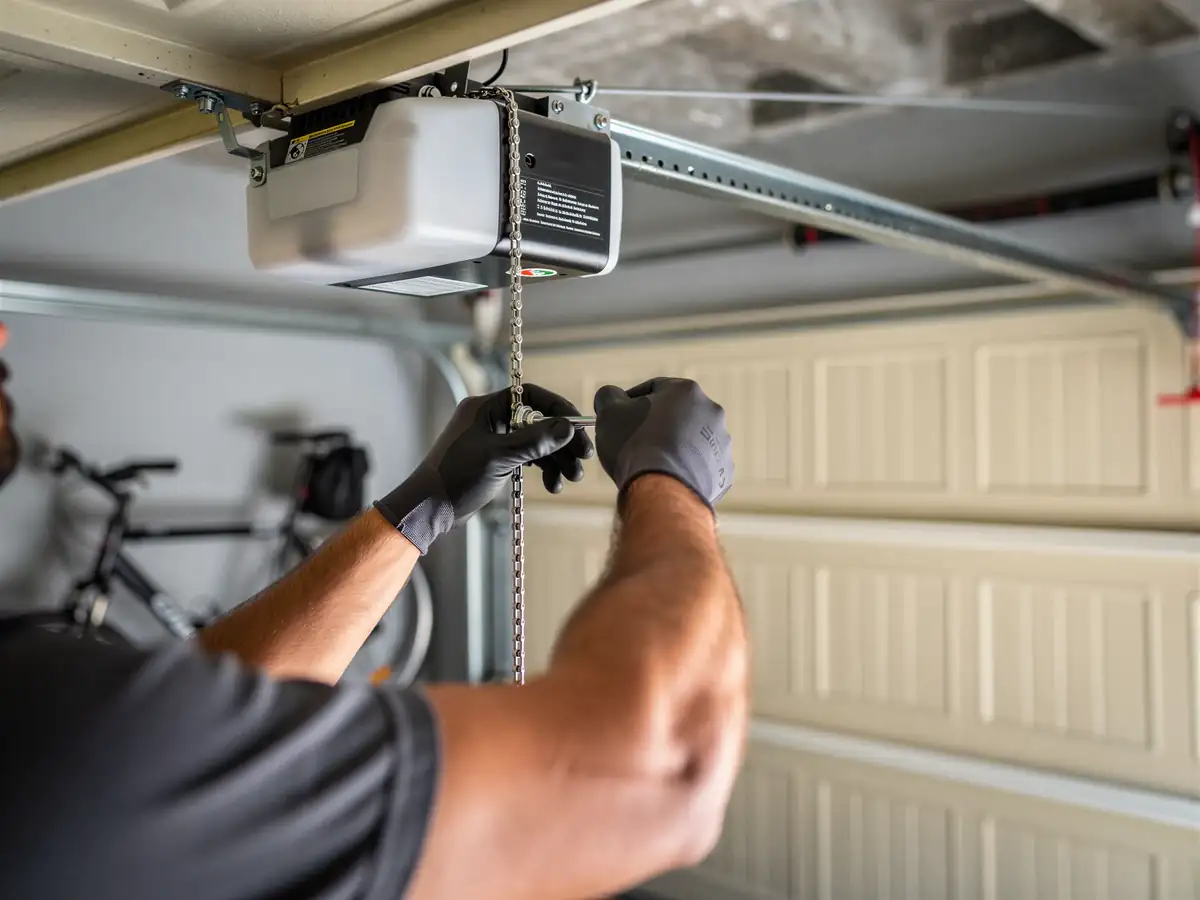
To work hard on anything with moving metal parts. Cold tightens steel cable and stiffens the grease in an opener's gearbox, and on a door that hasn't had its hardware lubricated before the season starts, that stiffness shows up as a door that groans, hesitates, or needs a shove partway through its cycle.
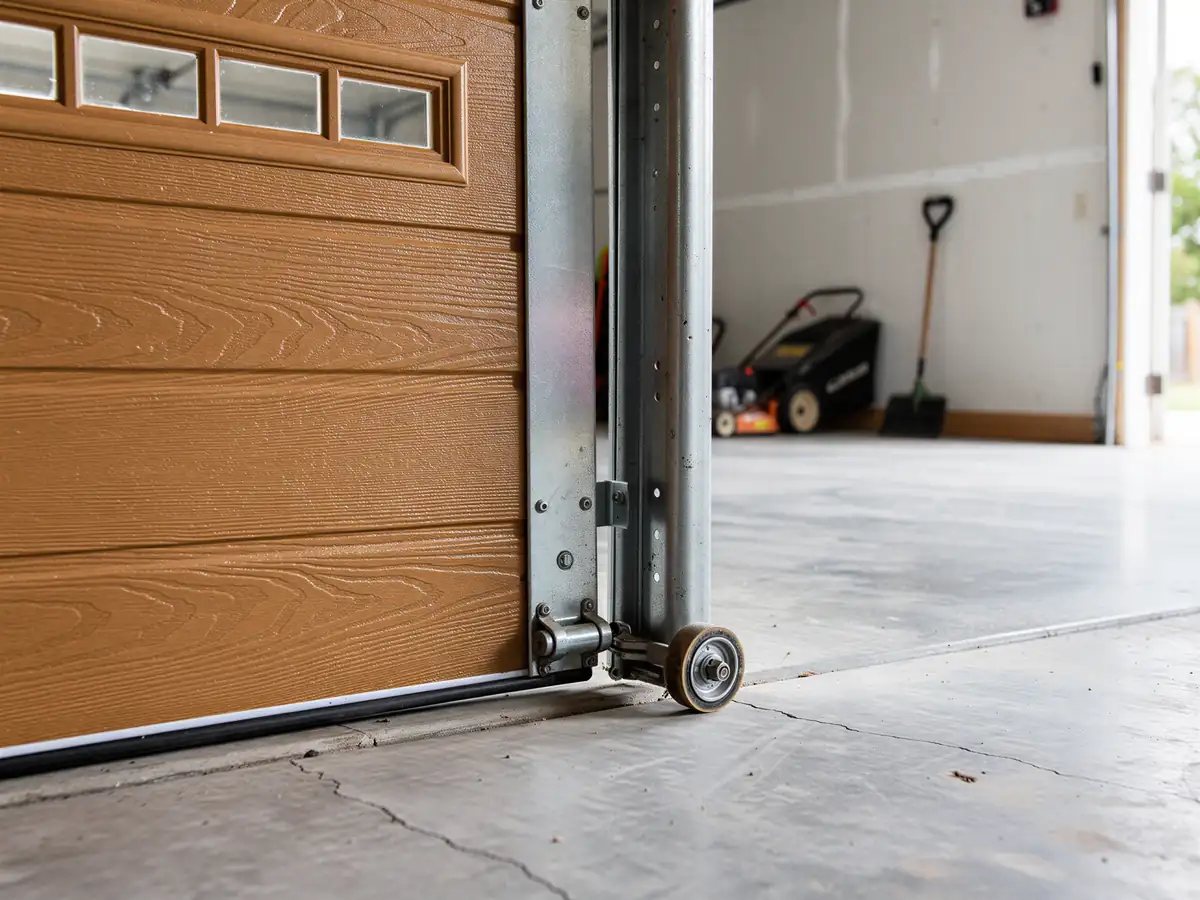
Rollers are the other common failure point on 1970s-era doors that are still running original hardware
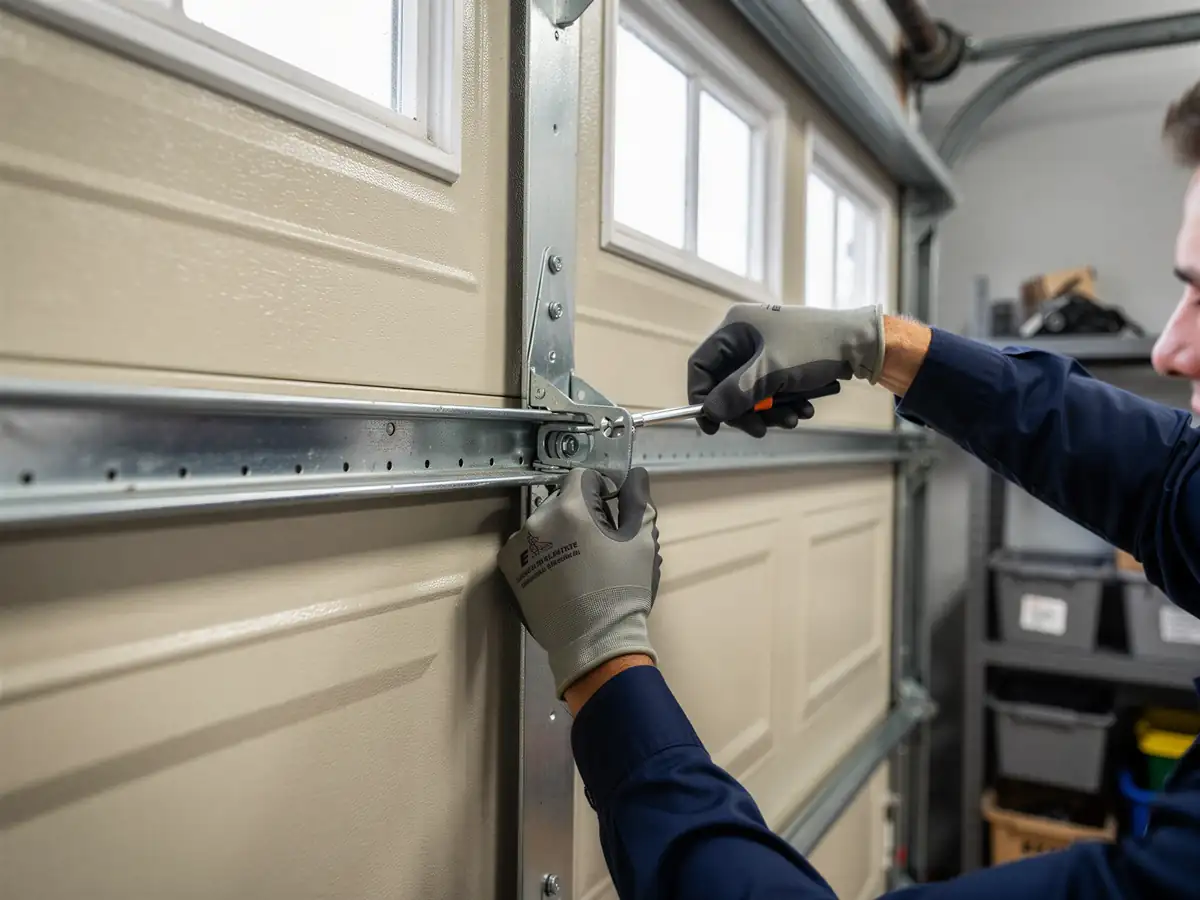
The steel rollers from that period wear grooves into the track over the decades, and once that happens the door rides rough no matter how well the springs and cables are maintained. A maintenance visit on a door this age should include a look at roller wear and track alignment, not just a spring check, because by this point in the door's life the roller and the spring are often failing on close to the same timeline.
What You Pay
I don't have a published price list for maintenance visits broken out by town, and I'm not going to invent a number here - what a visit costs depends on what the door needs once a tech is looking at it. What I can tell you is that Stow's household income runs well above the wider service area's median of $147,635, and in a town like this, deferred maintenance on an original-era door usually costs more down the line than a straightforward tune-up now, simply because original 1970s hardware is getting harder to source parts for every year it keeps running.
One honest limitation: if your door's springs or rollers are original from the early 1970s, a maintenance visit might turn into a conversation about replacement parts instead of a simple adjustment, because some of that original hardware isn't something we can just grease and send on its way. That's not an upsell - it's what forty-plus-year-old steel actually does.