How Long It Takes
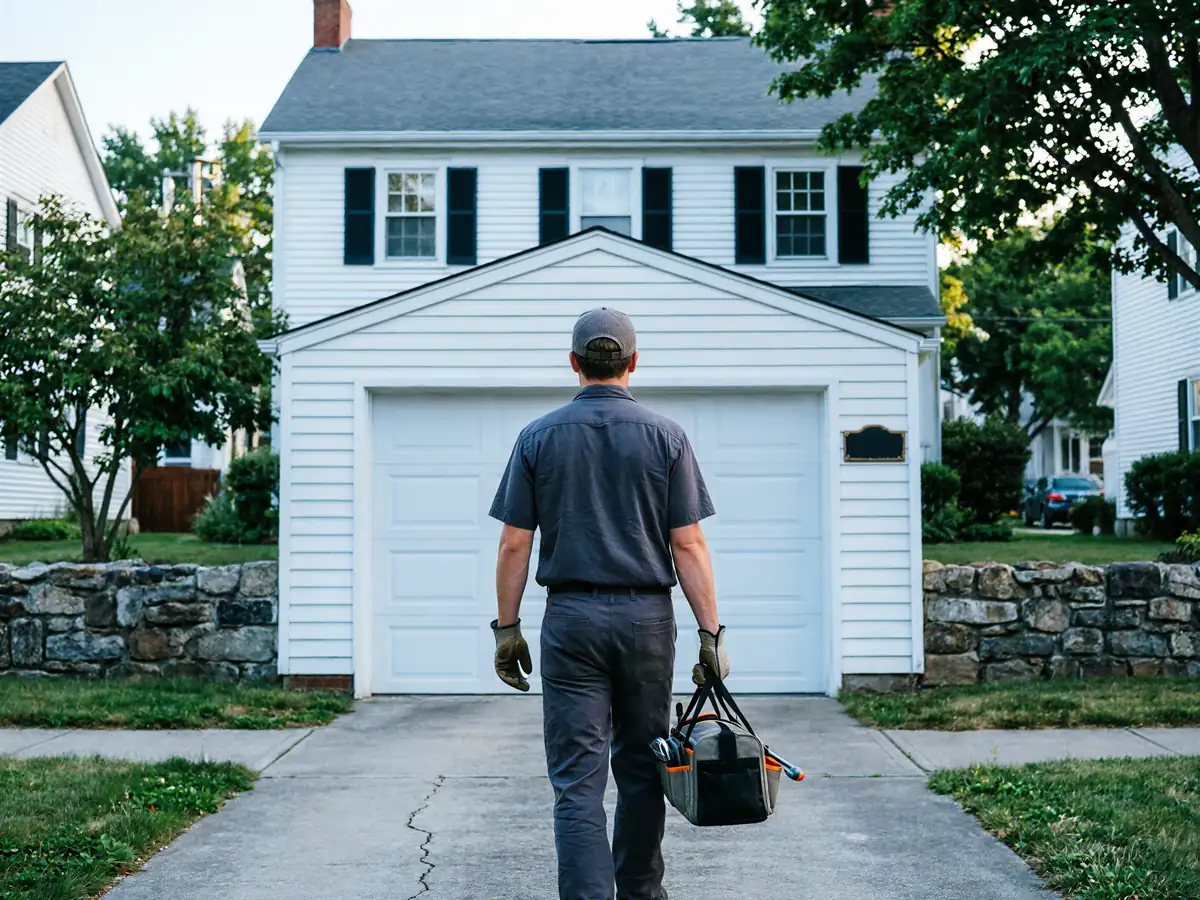
Stow sits at a median household income of $177,862, well above the wider service area's $147,635 median. That number matters more than it sounds like it should, because it sets where the repair-or-replace line actually falls. At this income level, most owners we talk to would rather pay once for a new opener with a modern logic board than spend half that on patching a 1970s unit that's going to need another part next winter. We still repair when repair makes sense - a bad capacitor or a worn sprocket is a quick fix regardless of income - but we won't talk you into nursing along a motor that's already near the end of its service life just to save a visit. We travel from our Hudson shop, four miles away, so there's no local branch adding a markup; the quote reflects the part and the drive, not overhead you're not getting anything for.
How It Shows Up
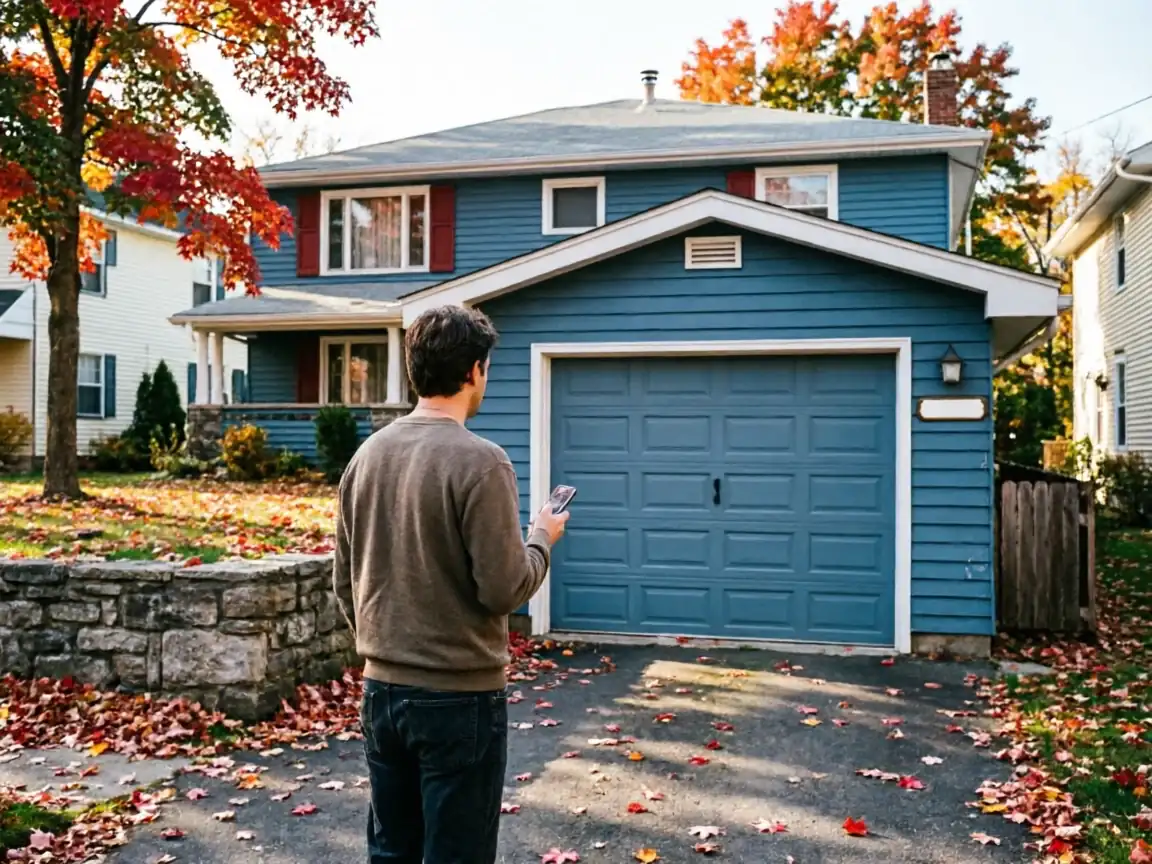
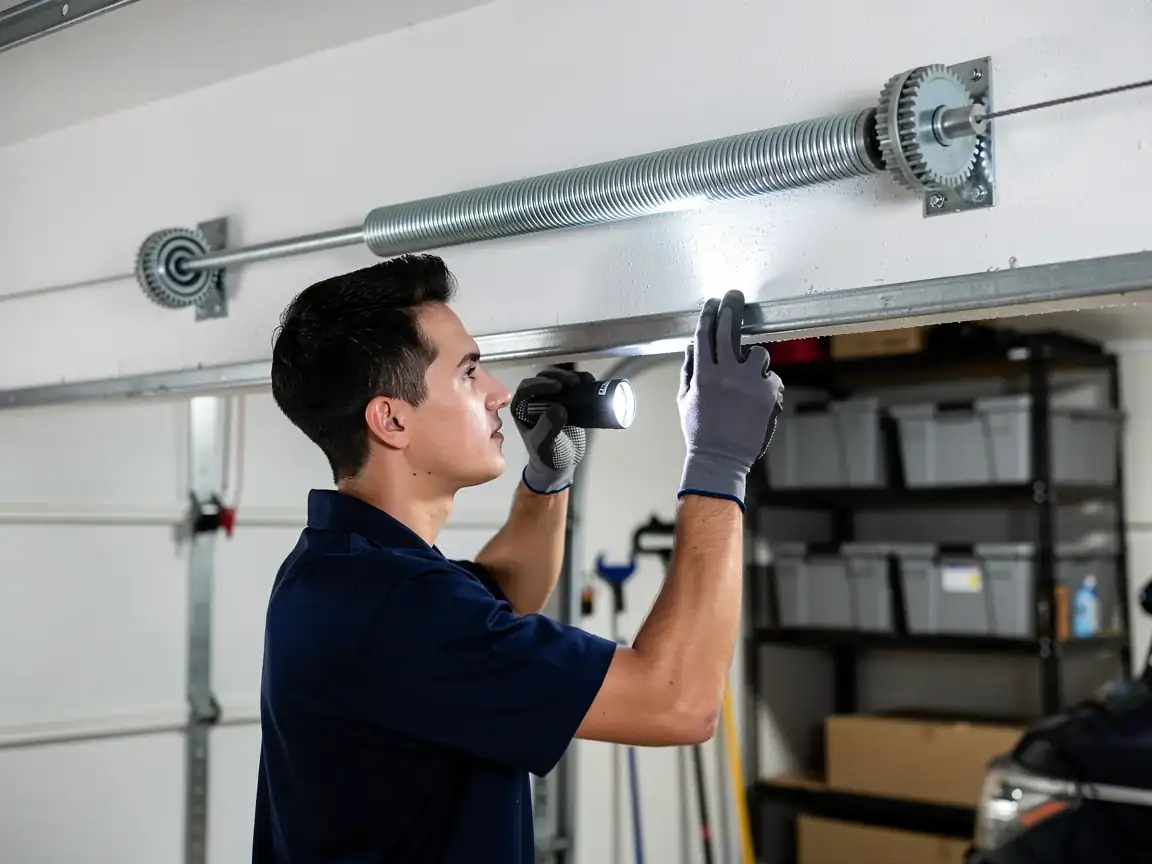
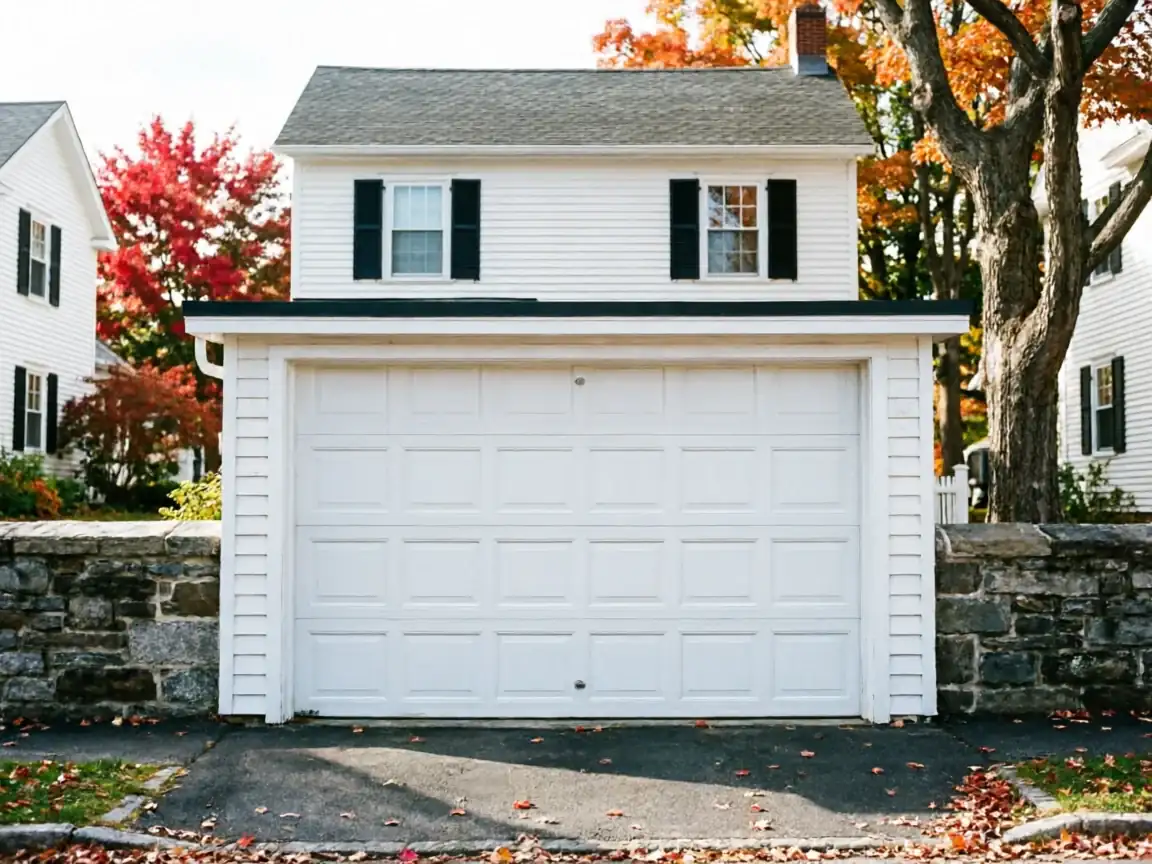
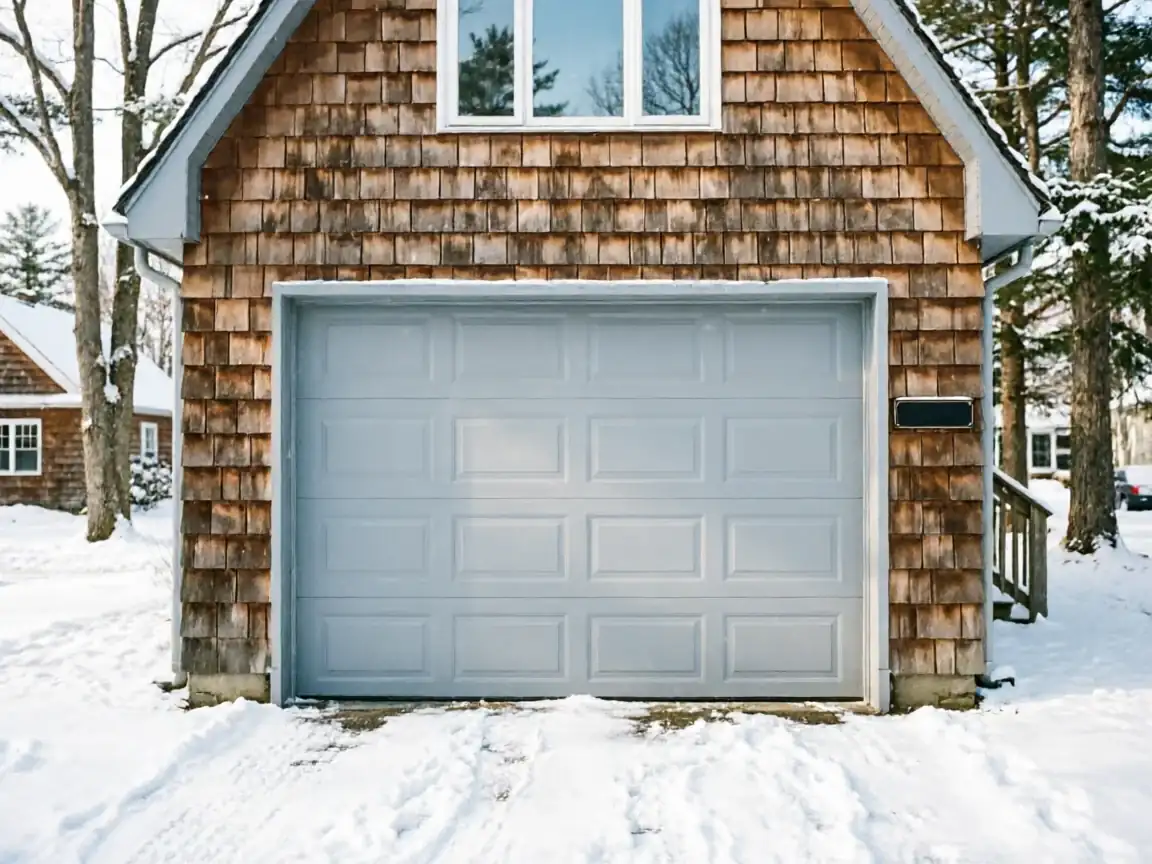
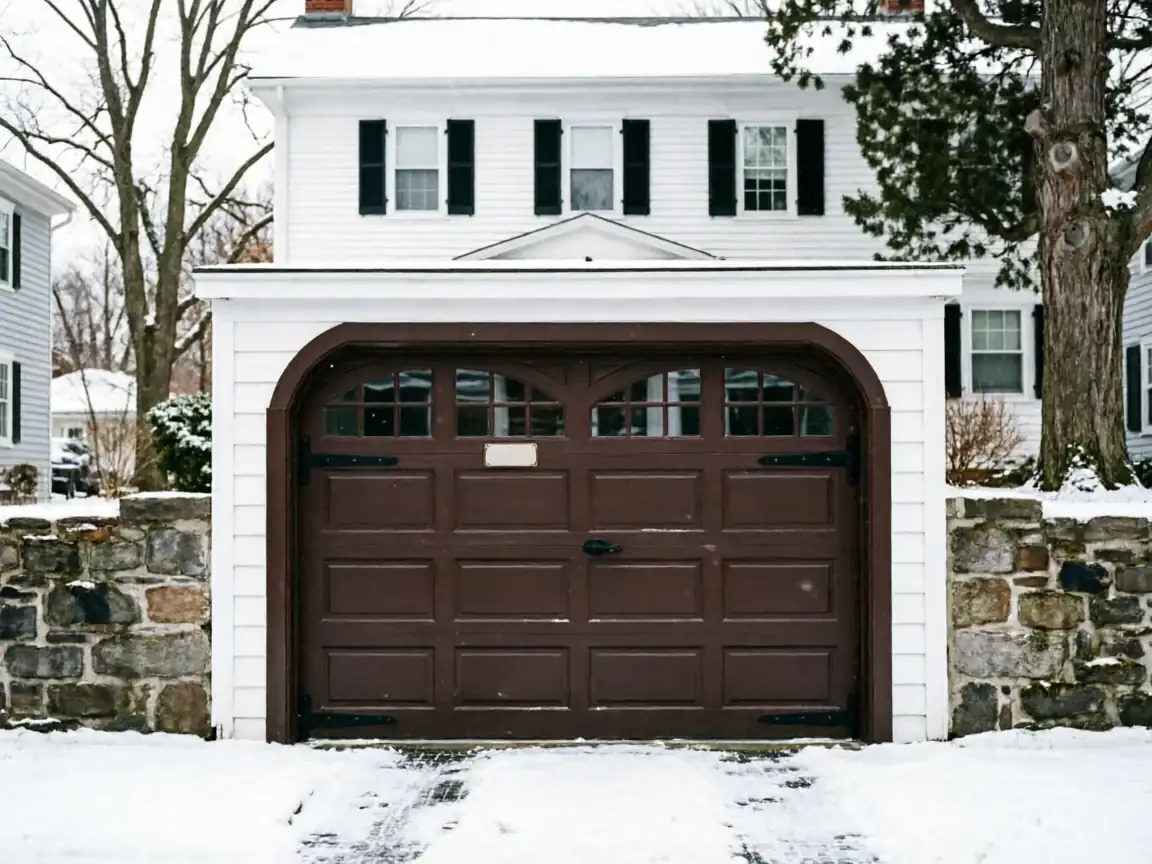
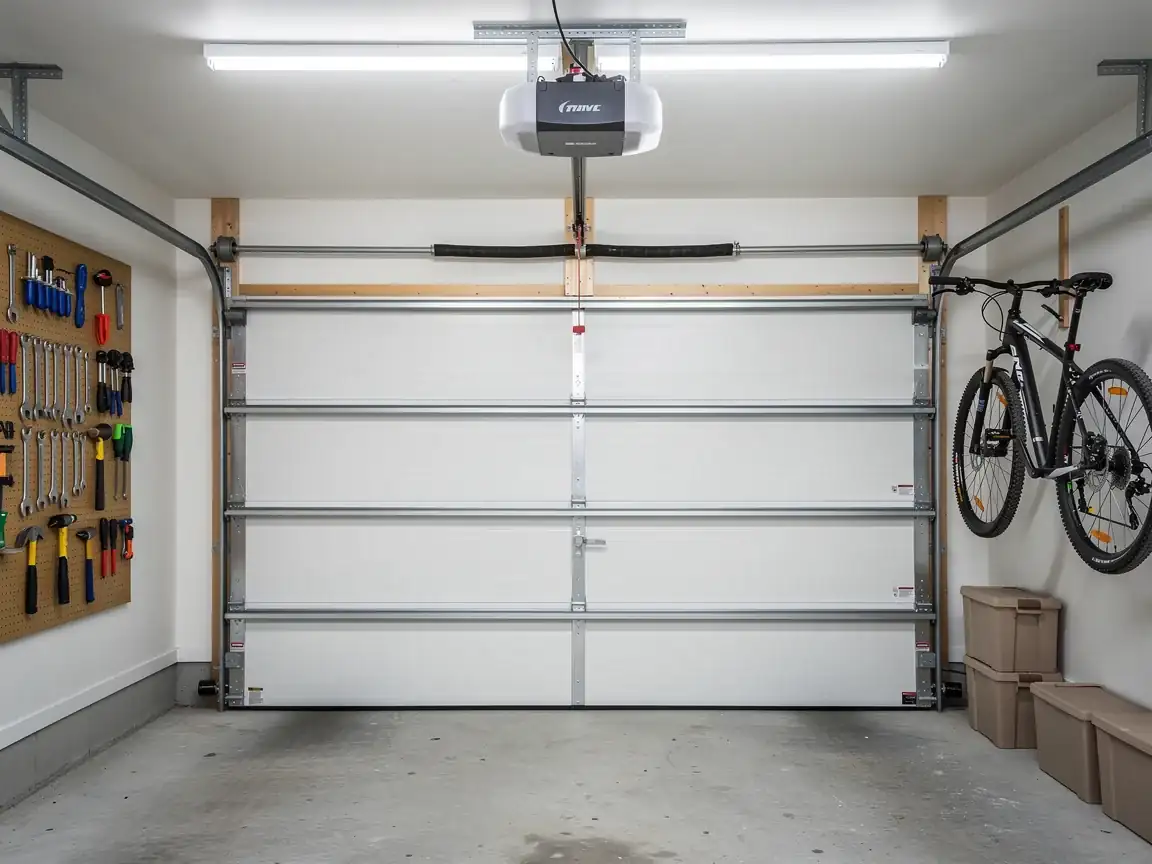
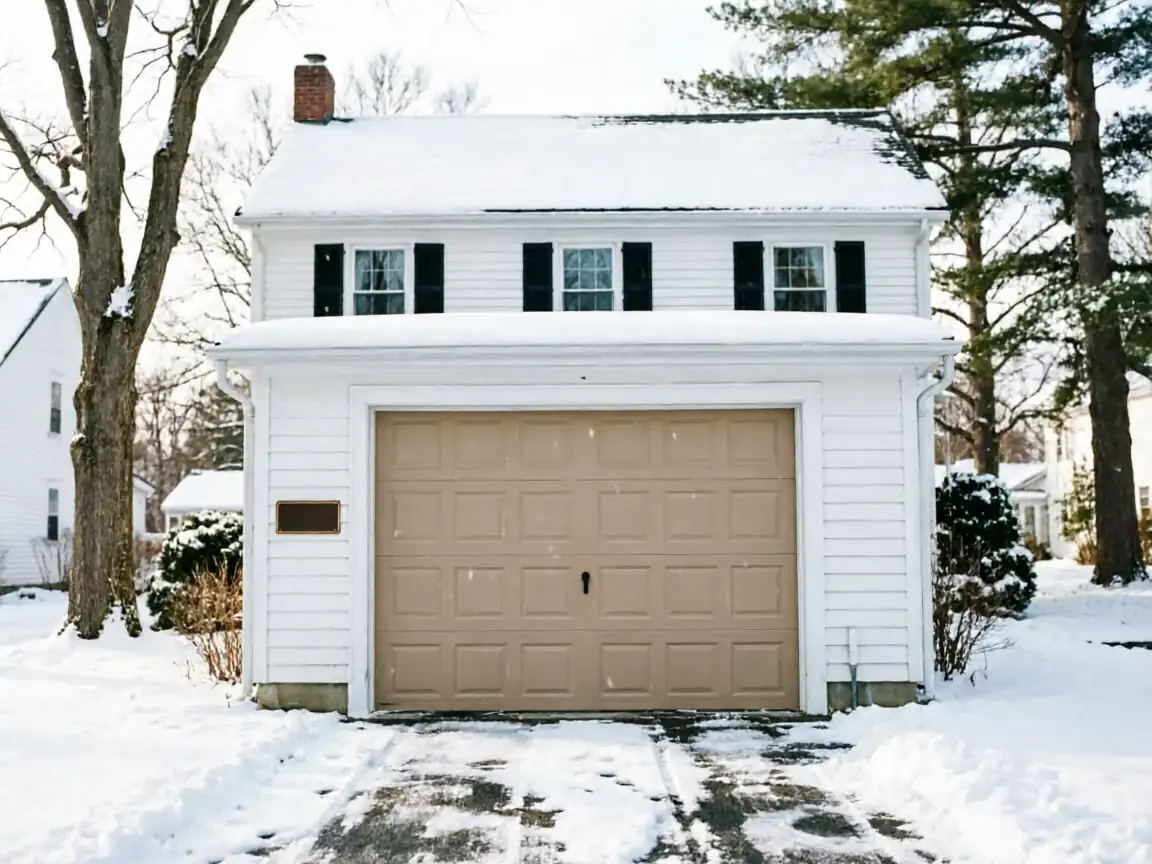
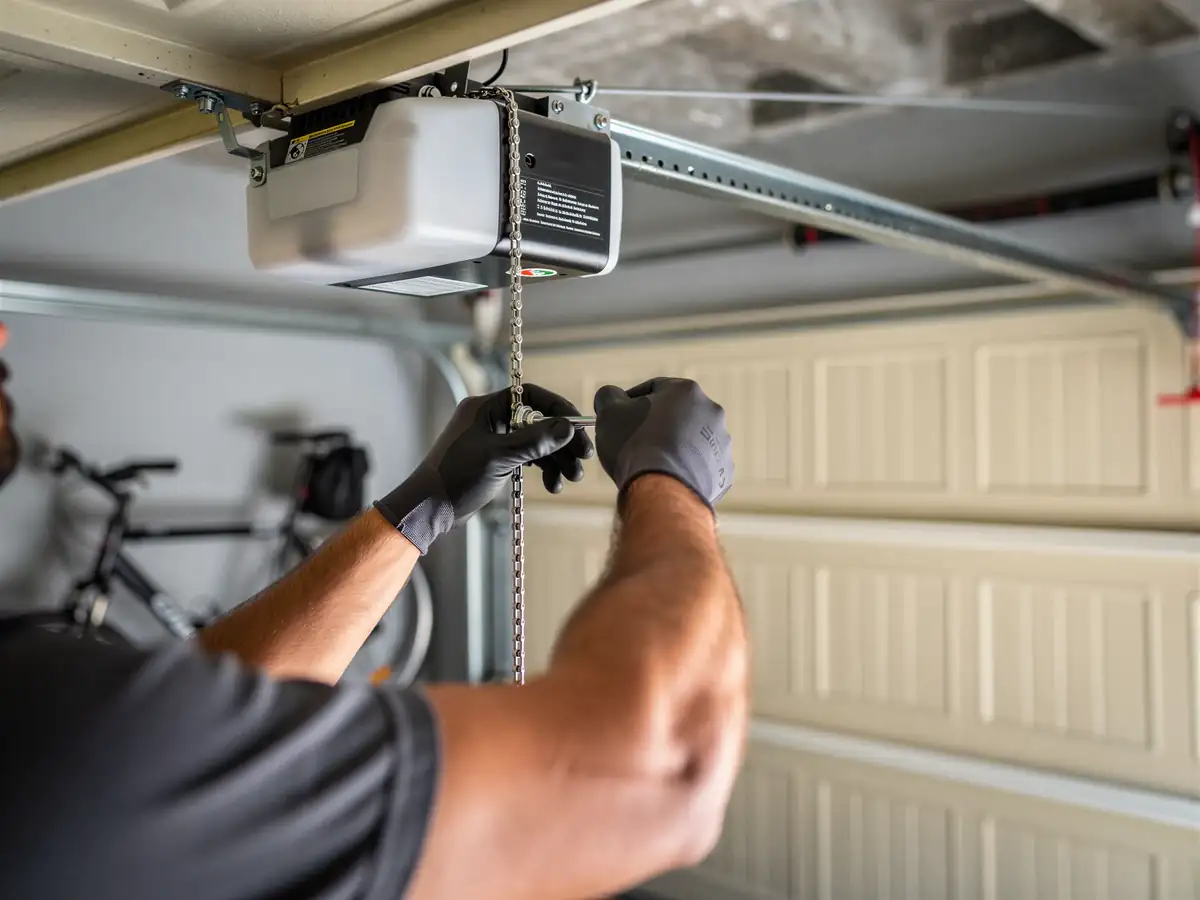
Stow's housing stock has a median year built of 1973, which lines up with the broader area's 1960s-70s build-out. That era means a lot of chain-drive openers, simple relay-based control boards, and in some cases units that predate photo-eye safety sensors entirely - they were retrofitted later, sometimes with mismatched hardware. The failure pattern we see from these houses is pretty consistent: the chain stretches and starts skipping teeth, the drive gear strips from decades of grinding against a stretched chain, or the circuit board degrades after enough winters of temperature swings. In a COLD-climate area like this, grease inside an old chain-drive unit thickens hard in deep winter, which puts extra load on a motor that's already tired. That's often the real first failure point, not the motor windings themselves. Newer belt-drive and screw-drive openers handle that cold cycling a lot better, which is part of why replacement comes up so often here instead of a second repair on the same unit.
What You Pay
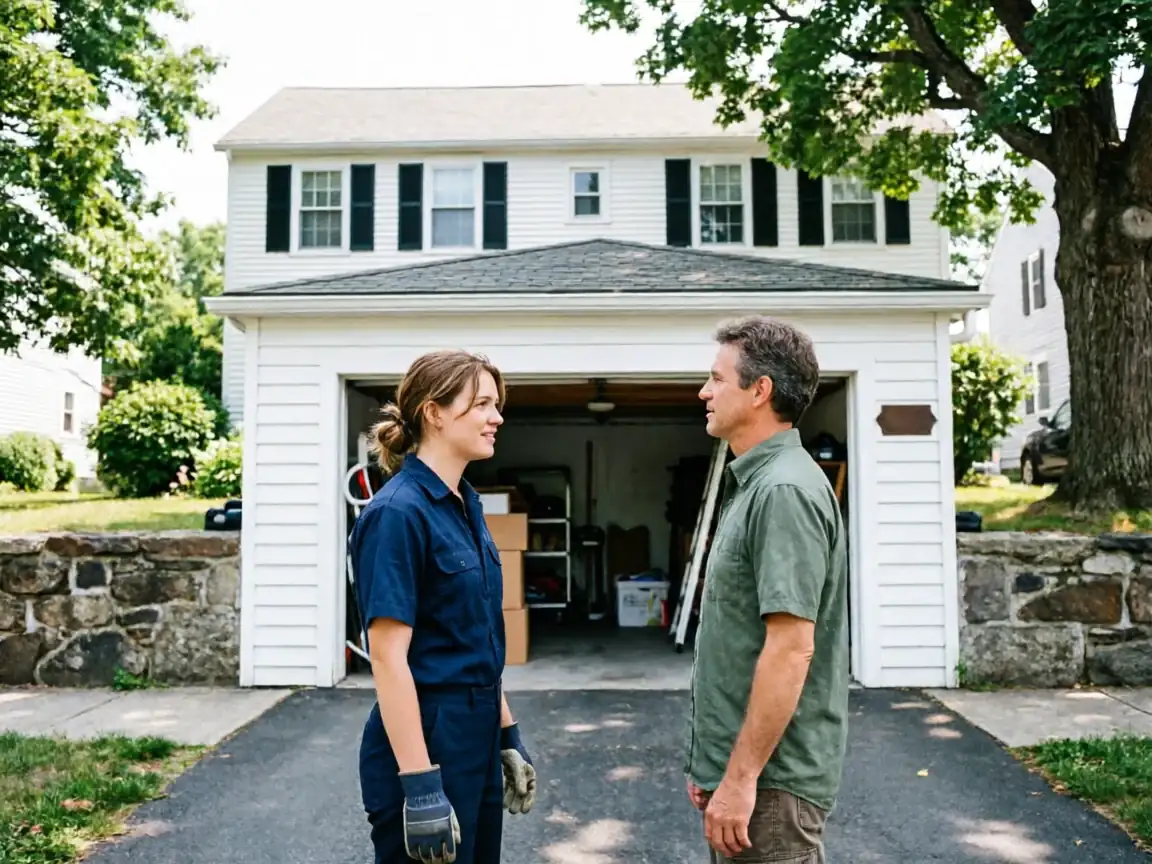
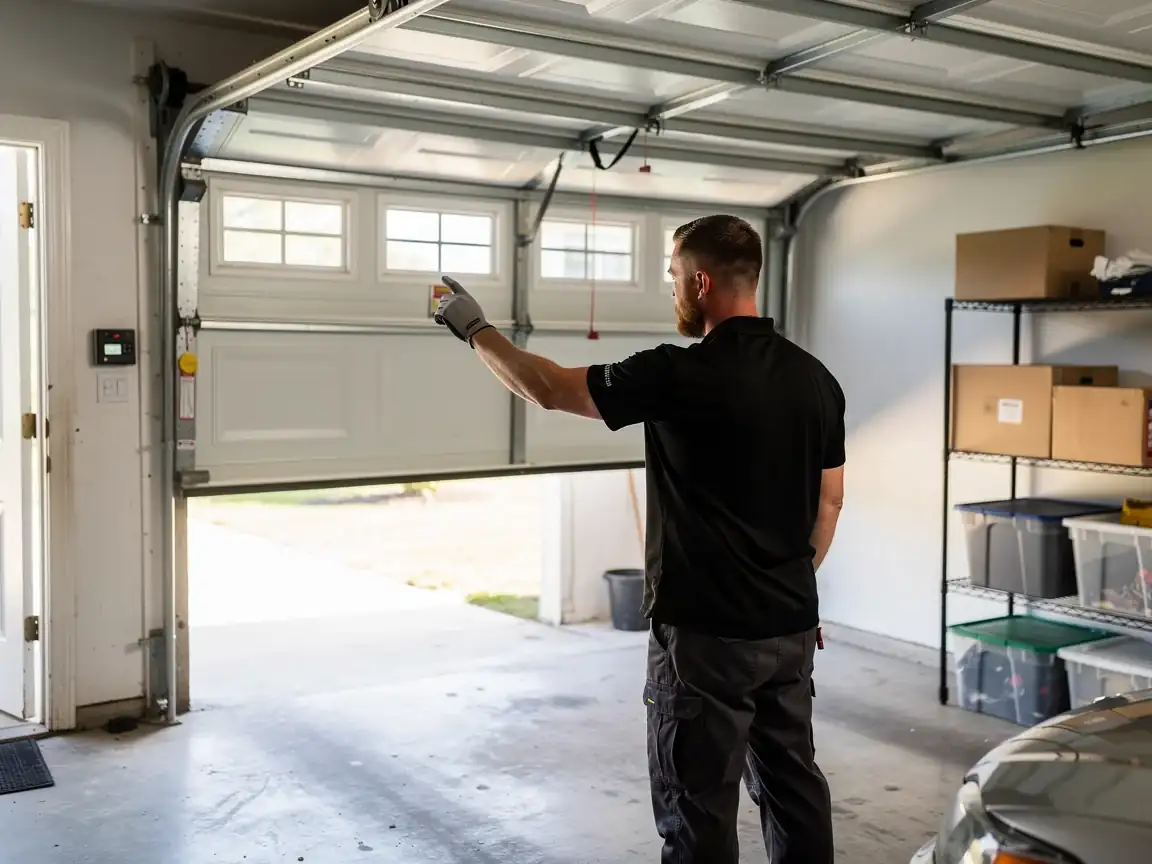
We don't quote opener repair pricing sight unseen, because the fix for a stripped gear and the fix for a dead board aren't the same job or the same part cost. What we can tell you is how the decision tends to go in Stow specifically: given the income level here and the age of the housing stock, most calls on a chain-drive unit from the 1970s end up as a replacement conversation rather than a repair ticket, simply because the parts for the original unit are getting hard to find and a new opener comes with a warranty the old one never had. If your opener is newer - say, installed in the last fifteen years - repair is almost always the right call, and that's a straightforward parts-and-labor job. We'll tell you which situation you're in before we start any work, not after.