How Long It Takes
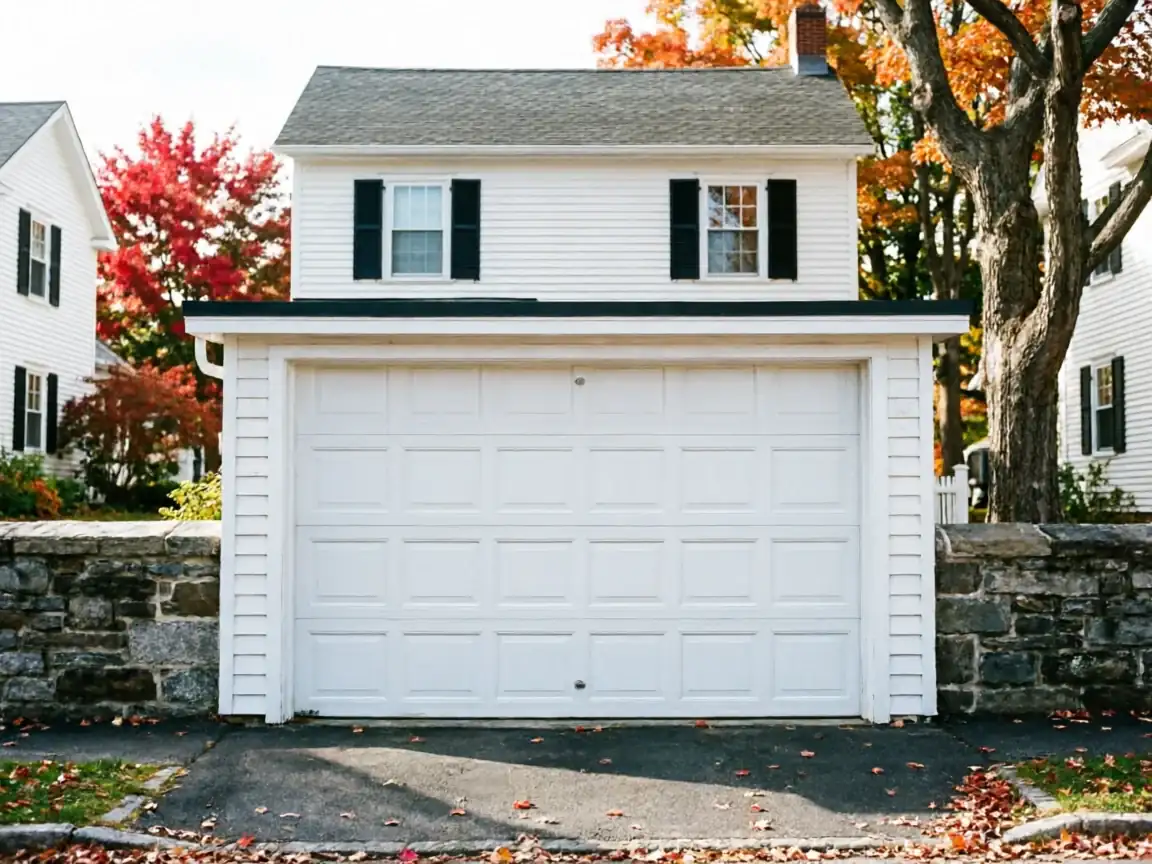
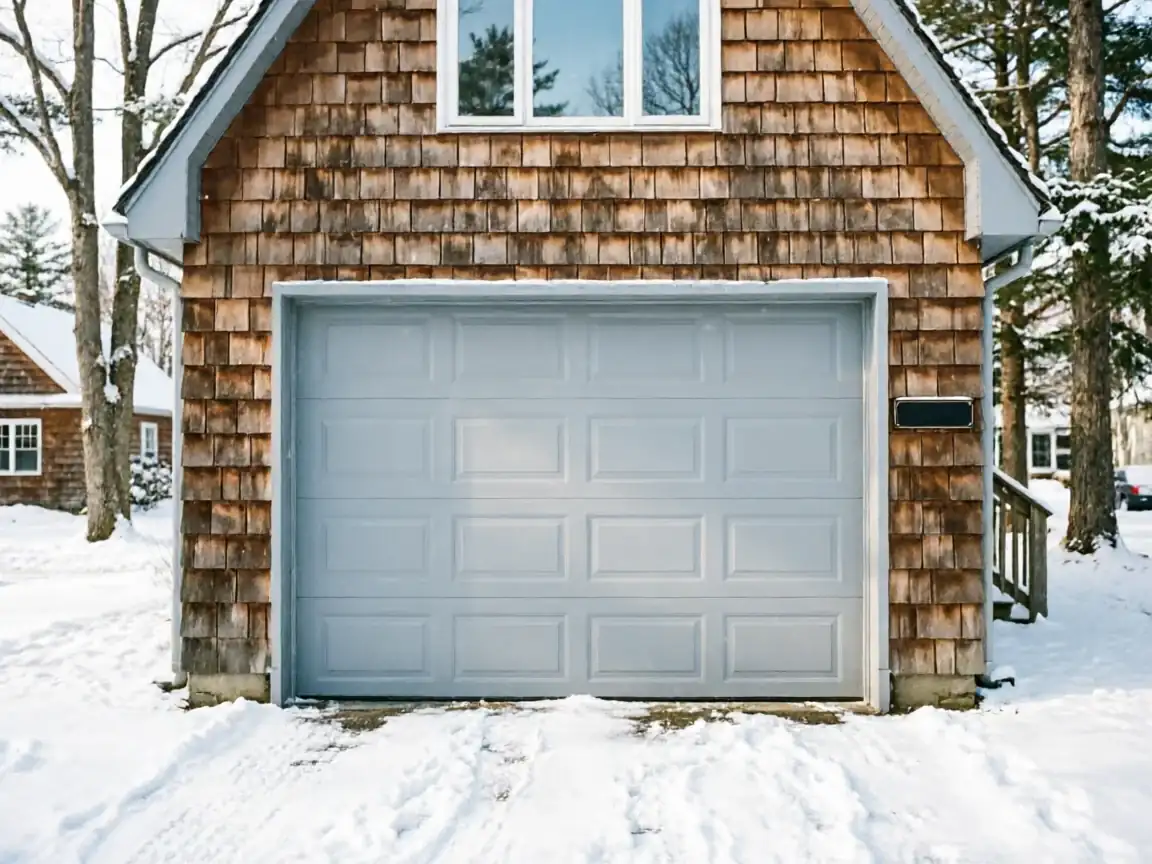
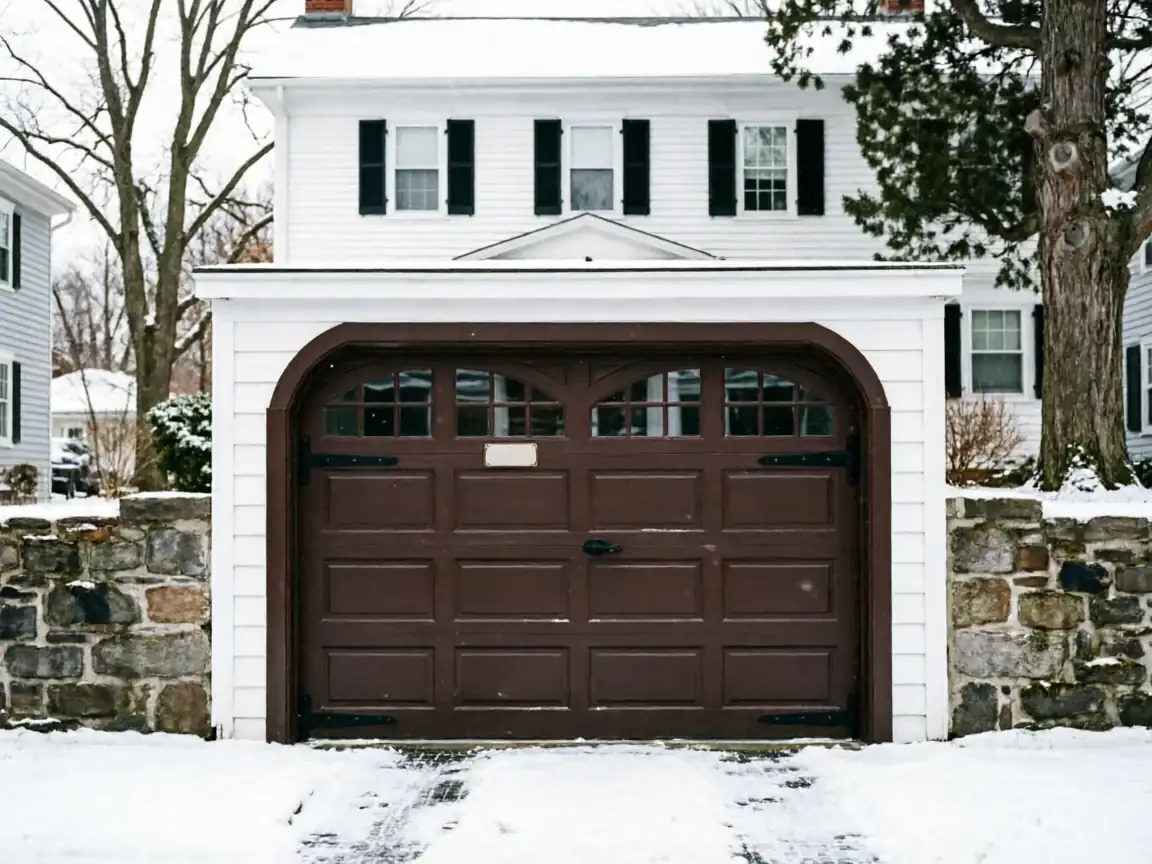
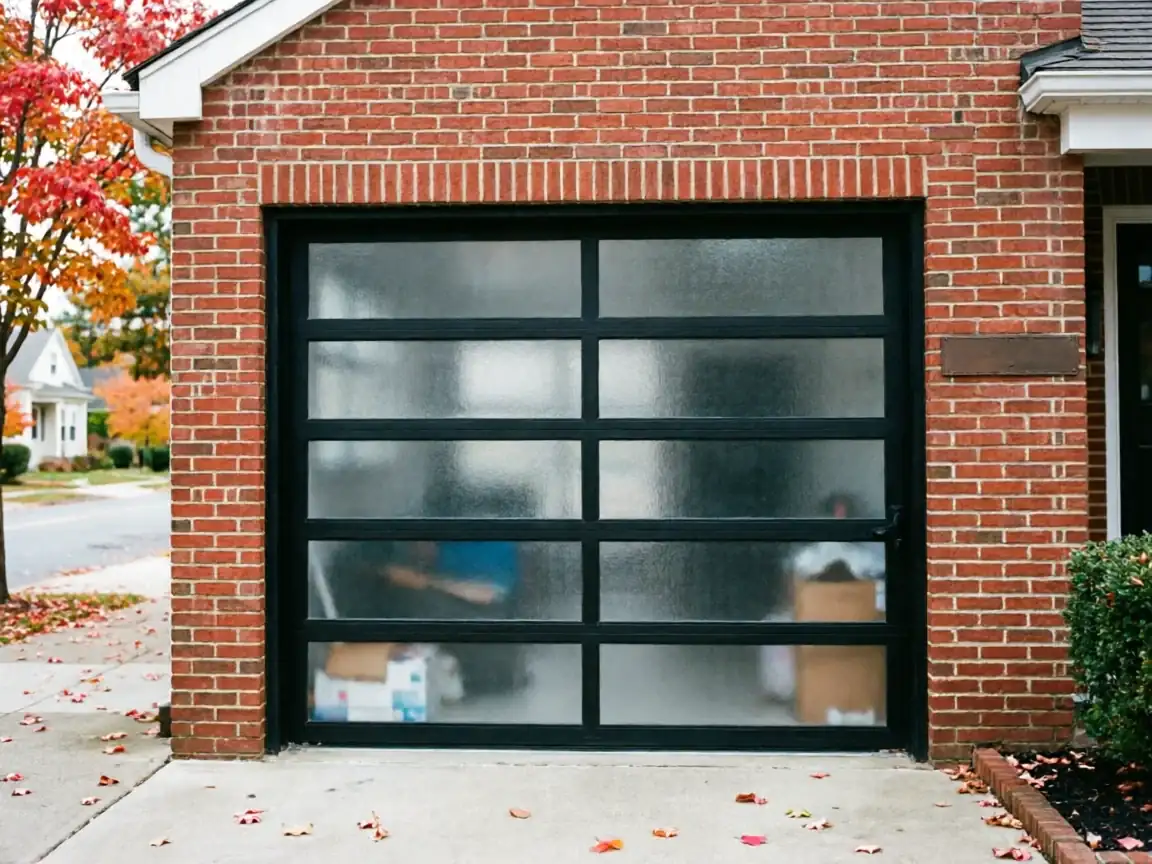
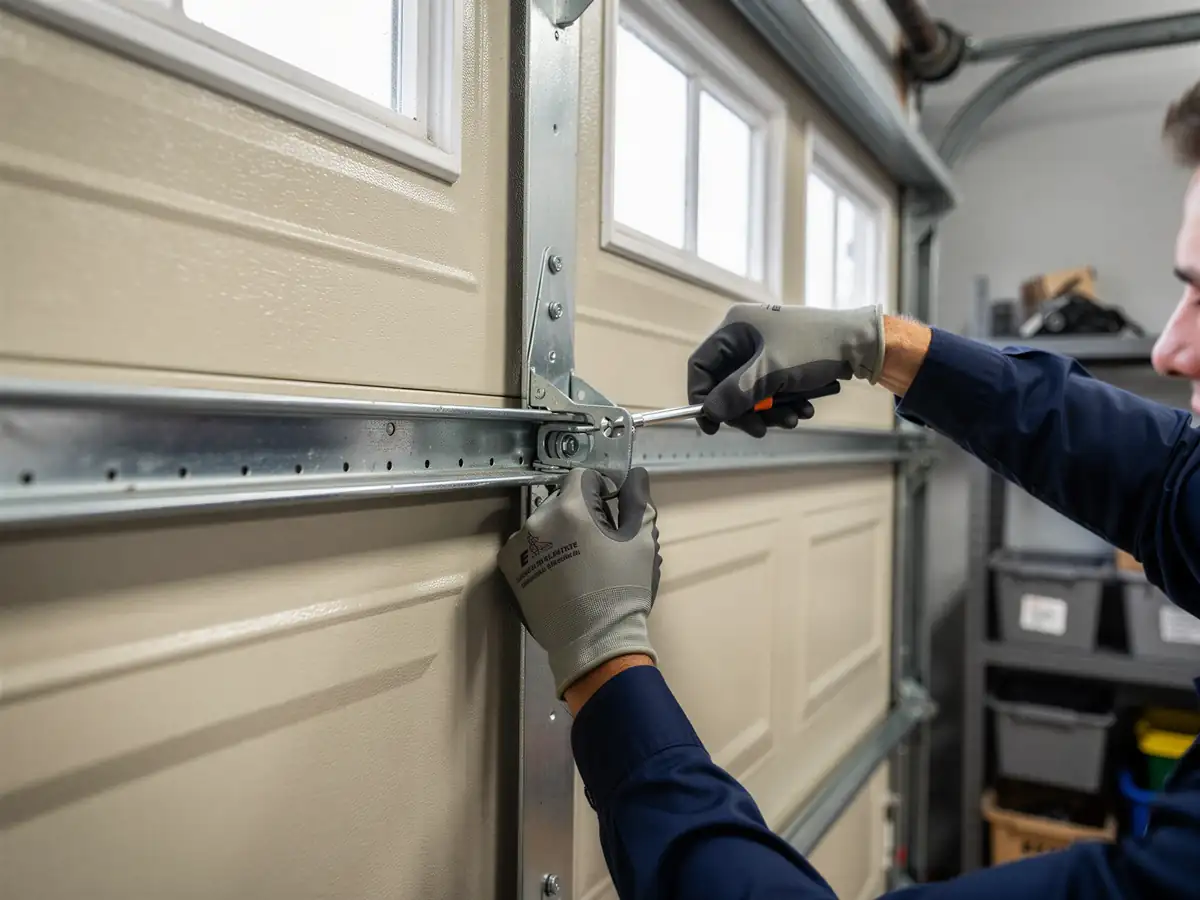
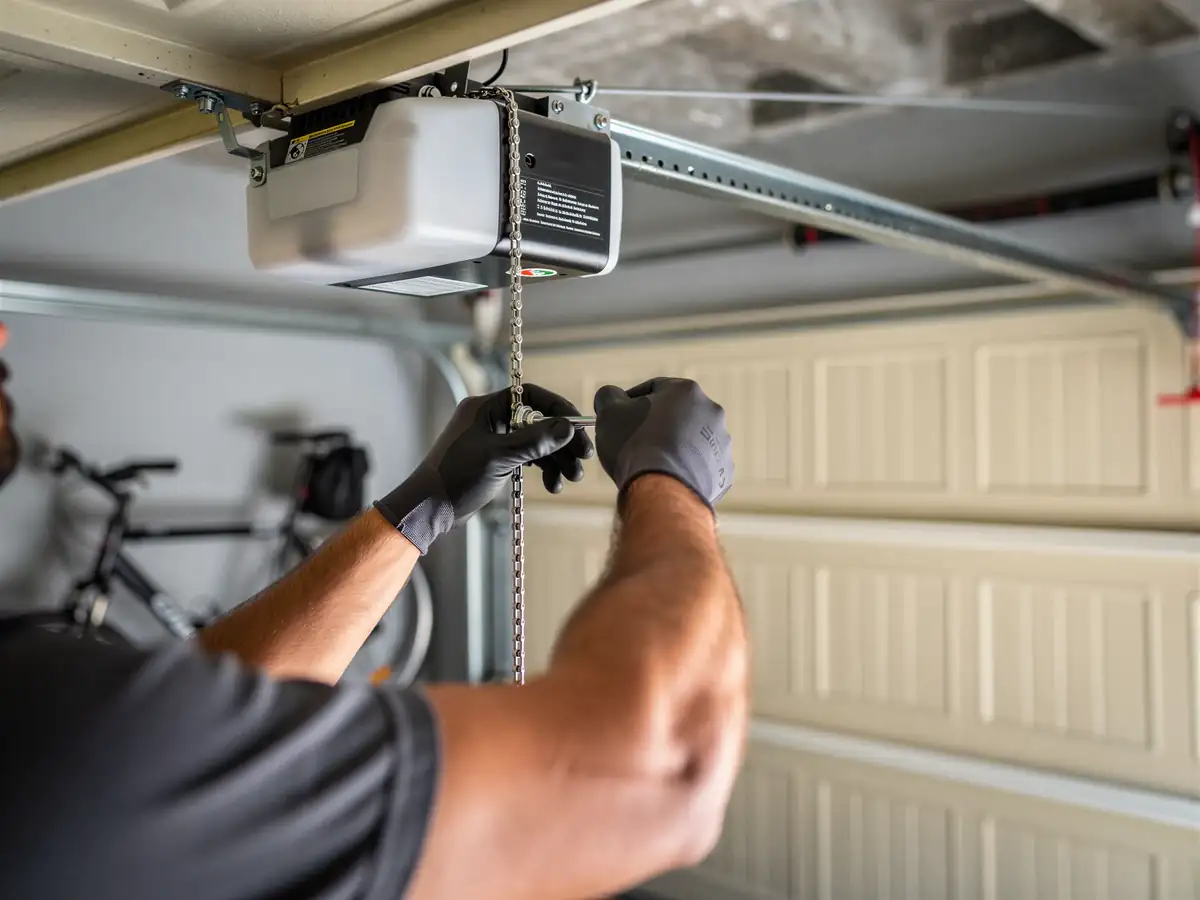
Stow's median home dates to 1973, which puts a good share of the town's garage doors and openers right at the edge of the chain-drive era rather than the belt-drive doors going up in newer subdivisions. A door from that build year has likely had one replacement cycle on the opener motor but never touched the track or the hinges, because those parts don't fail on a schedule - they fail when a spring finally lets go. We come from Hudson, 4 miles away, so getting a truck to a Stow address isn't the bottleneck; diagnosing a door that's running on 50-year-old track alignment usually is. A straightforward spring swap or opener replacement is a same-visit job. A door where the track has been shimmed and reshimmed over five decades to compensate for a settling slab takes longer, because straightening that out properly means resetting the whole vertical track rather than patching the symptom. We'll tell you up front which kind of job you've got before we start billing time for it. With 2,731 households in town and a housing stock built mostly in a tight band around the early 1970s, we see the same handful of failure patterns repeat house after house - which is useful, because it means we're rarely guessing.
How It Shows Up
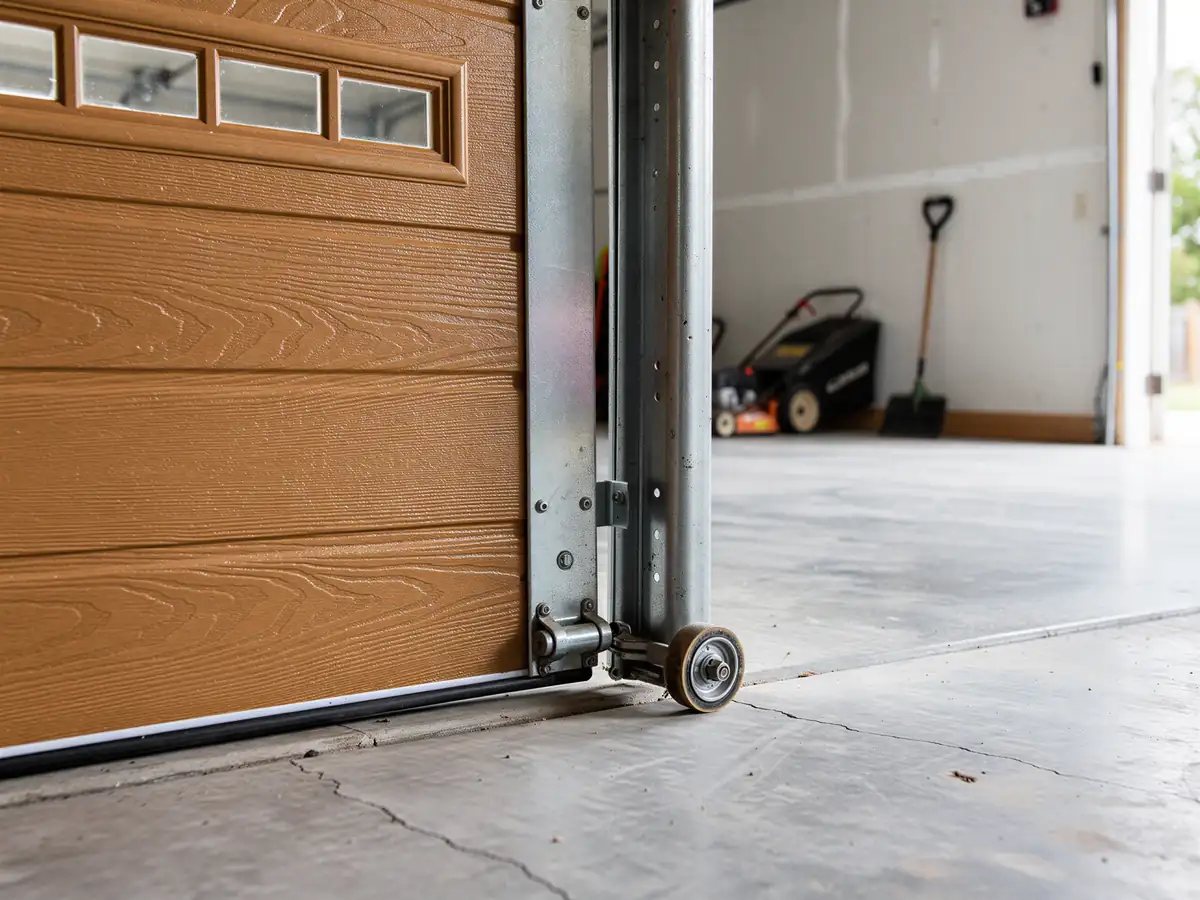
On a door this age, trouble rarely starts with a door that won't open at all. It starts smaller: a door that shudders a few inches off the slab before smoothing out, a remote that works some mornings and not others, a grinding noise from one side of the track that the other side doesn't make. Those are symptoms of hardware built for a lighter door than the one that's probably on the house now - a lot of original single-layer doors in this build era got swapped for heavier insulated panels at some point without anyone upgrading the spring to match. The region sits in a cold-climate zone with severe winter conditions, and that combination - old hardware, heavier door, hard freezes - is what turns a minor shudder into a snapped cable by January. If your door is noisier in cold weather than it is in July, that's not your imagination; metal hardware from the early '70s wasn't speced for the loads a modern insulated door puts on it once the grease has thickened up in the cold.
What You Pay
Stow's median household income runs well above Hudson's own town figure, at $177,862 against a broader service-area median of $147,635, and that shows up less in what we charge - our pricing doesn't change by zip code - and more in what homeowners choose to do once we're out there. We see more full opener replacements and fewer patch jobs in this part of the territory, because the cost difference between fixing a 50-year-old motor and replacing it outright isn't large, and most people here would rather not get a second call in two years. Across the wider area we work, there are 69,298 owner-occupied houses out of 111,565 households, and the ones built in the 1960s and '70s band - Stow's included - are the ones generating the bulk of our spring and track calls. We don't carry a different price list for a bigger house or a bigger town. The job scope decides the price, not the address.