How Long It Takes
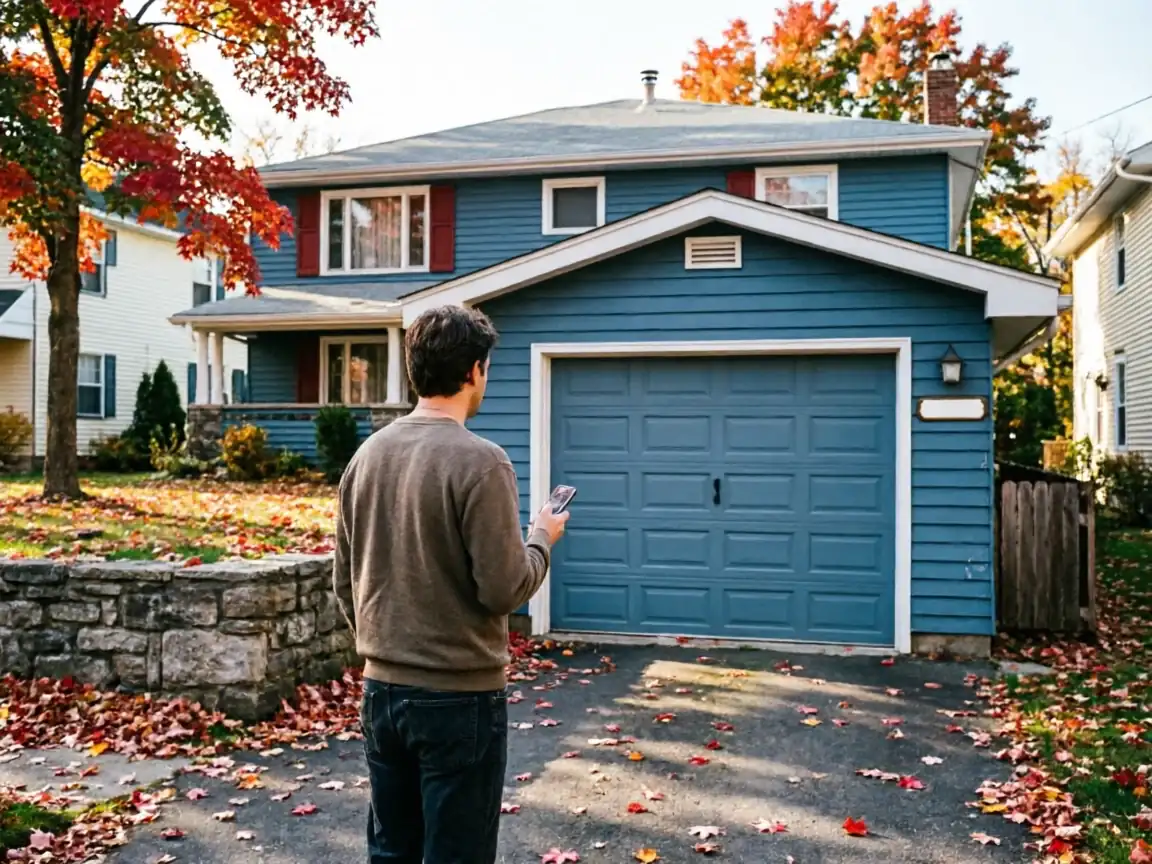
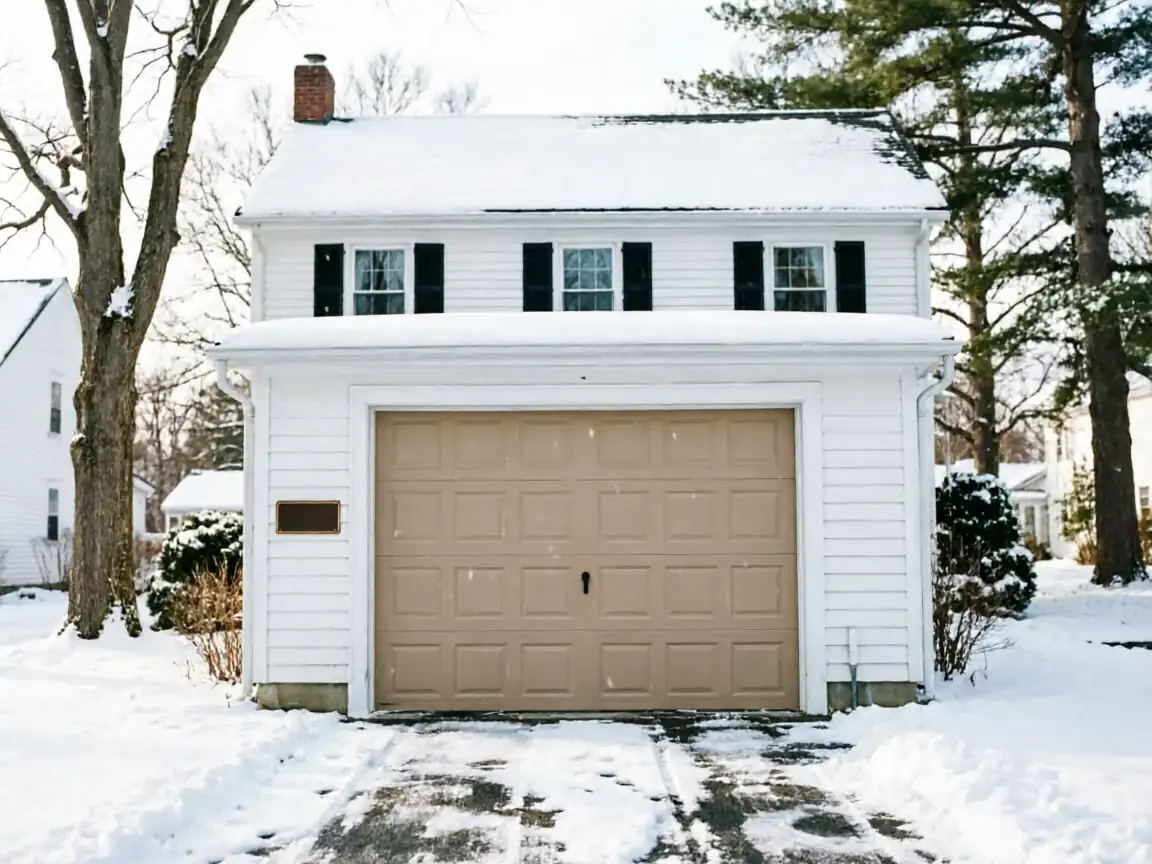
A garage door in Stow is usually a different animal than one four miles away in Hudson. The town's median house dates to 1973, which puts most garages here a decade or two newer than the older stock closer in - openings built for a single steel door on a light-duty torsion spring, sized to the smaller cars and narrower driveways of that building period. There's rarely a need to reframe the opening or rebuild the jamb before a new door goes in, because the rough opening from that era is a known, standard size.
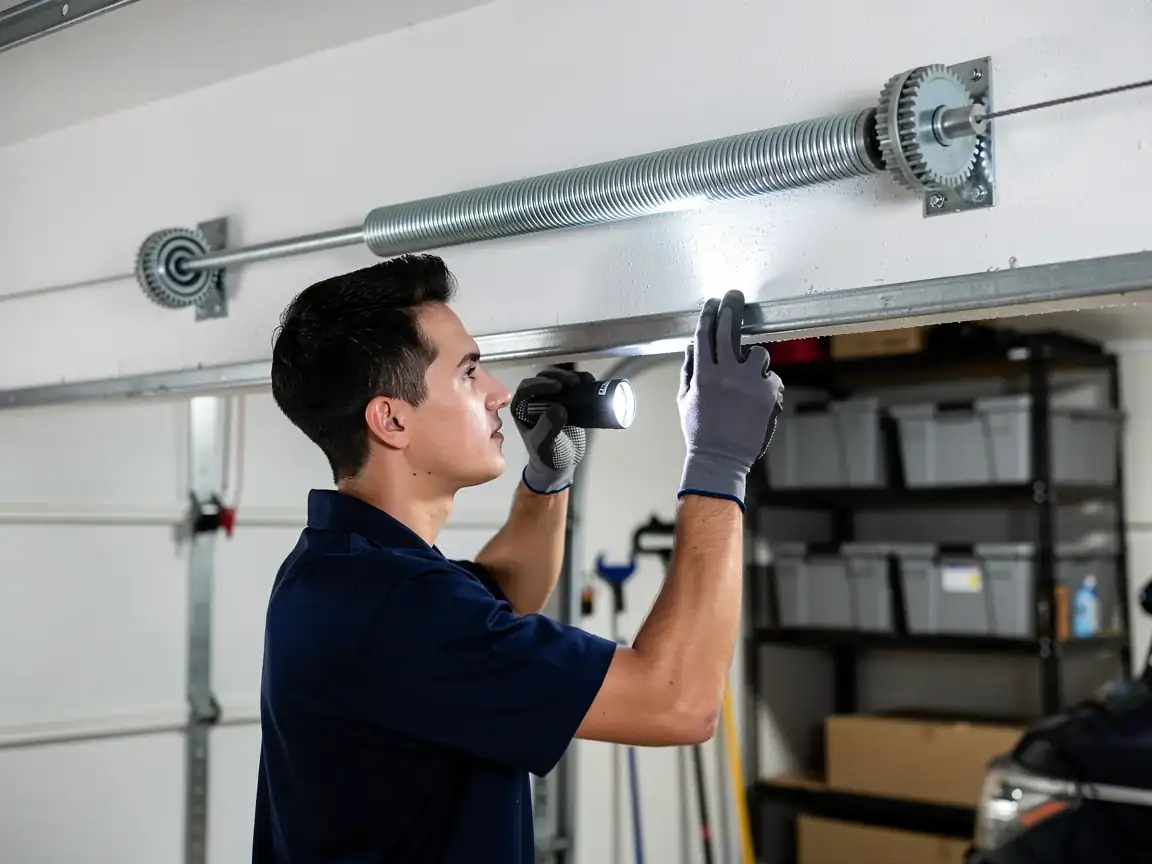
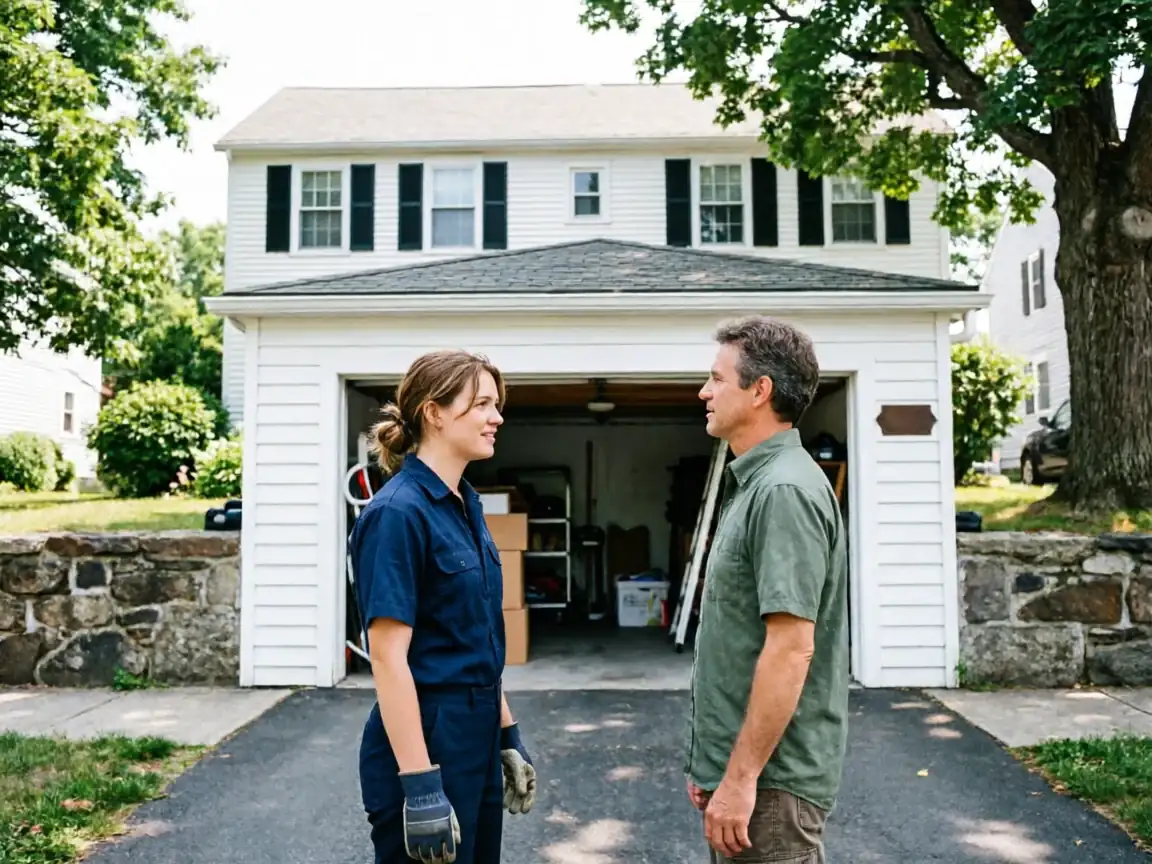
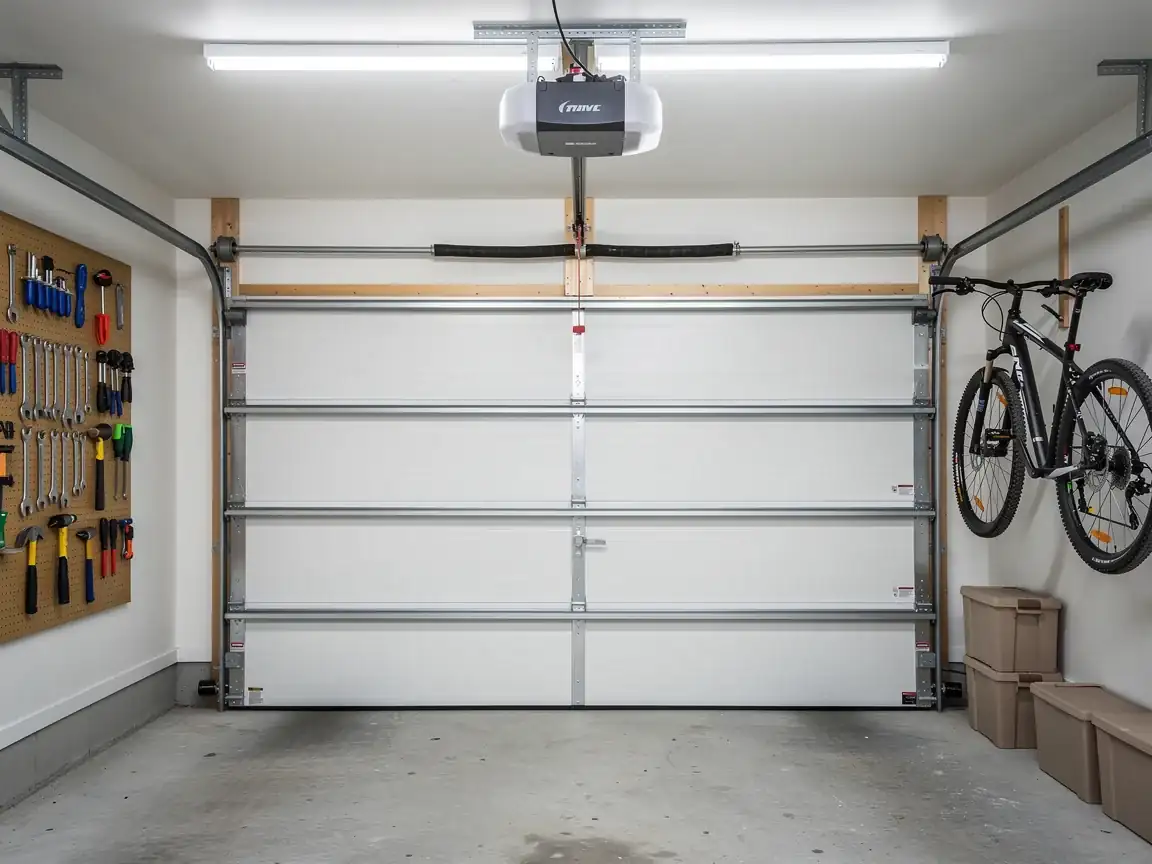
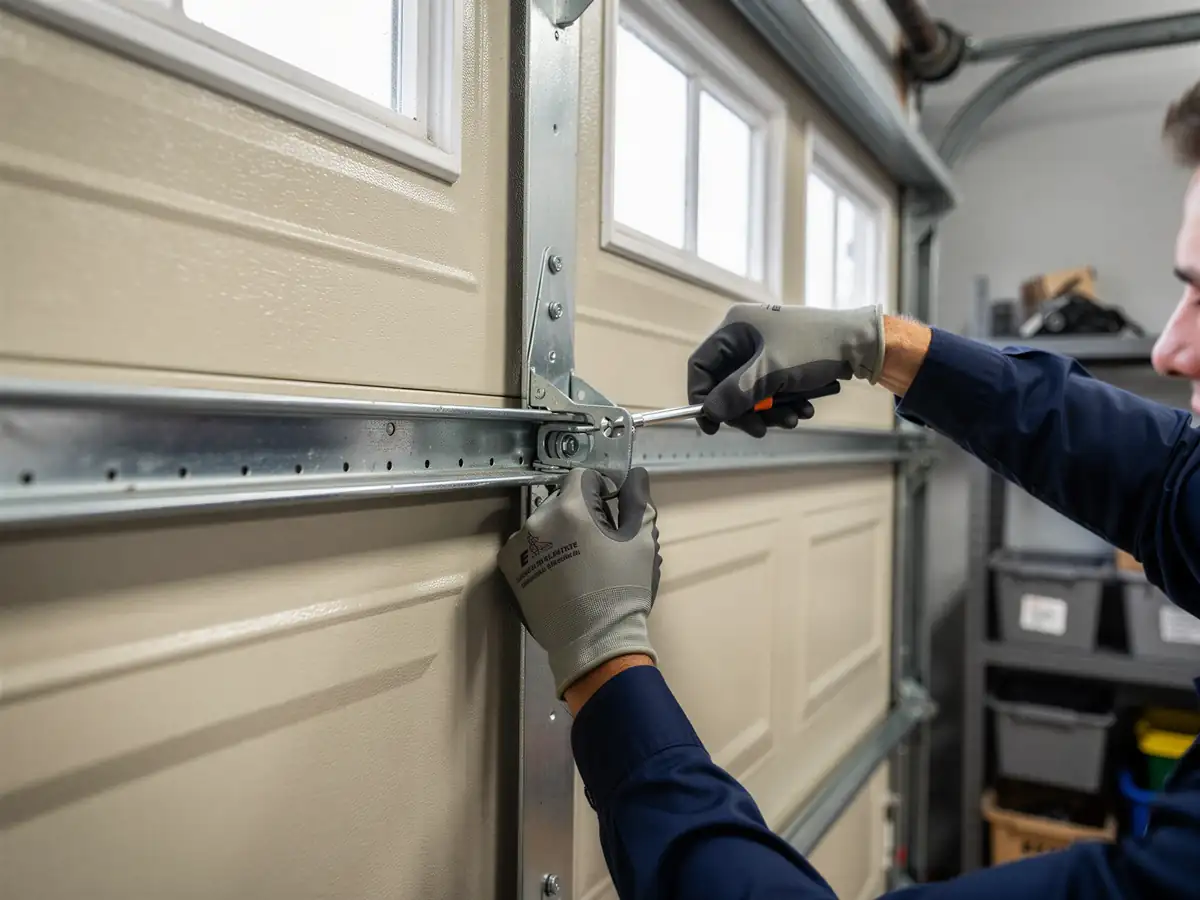
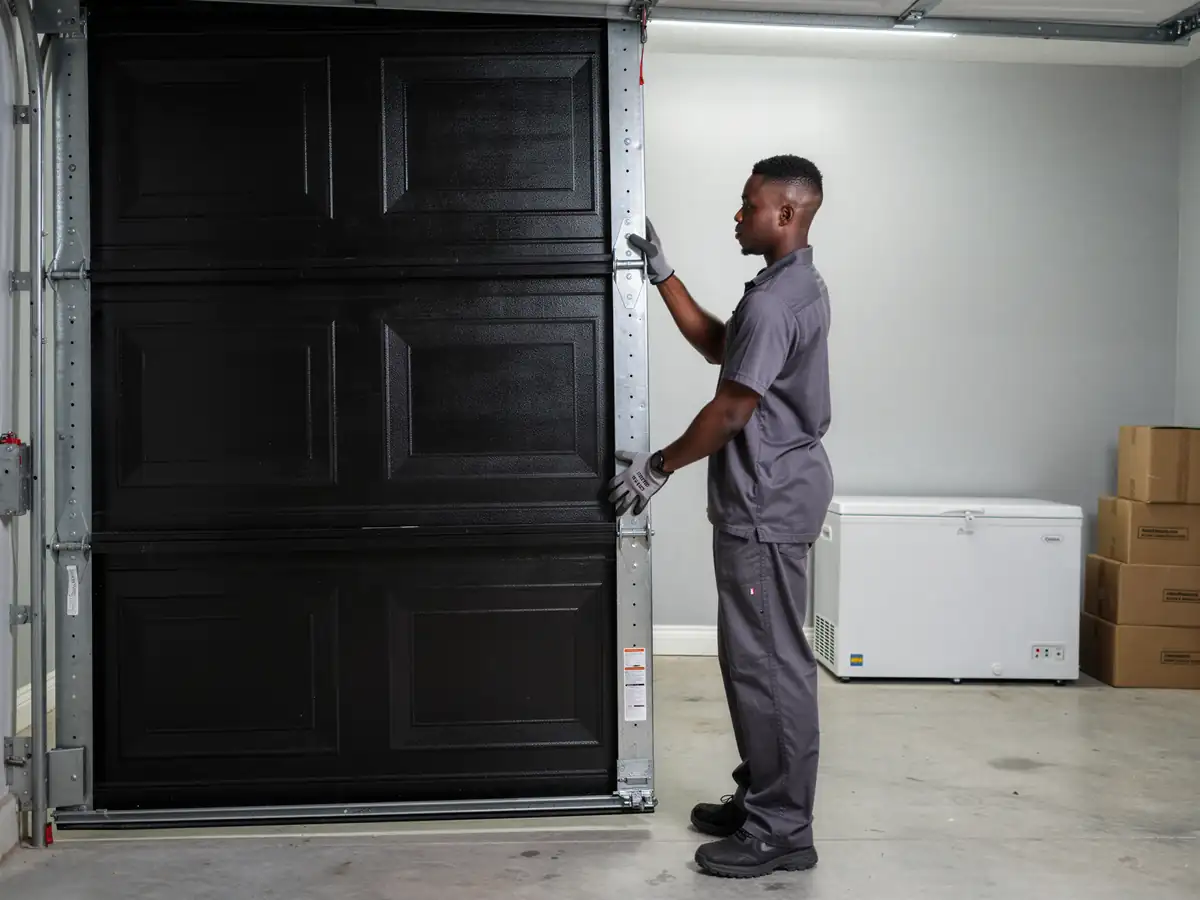
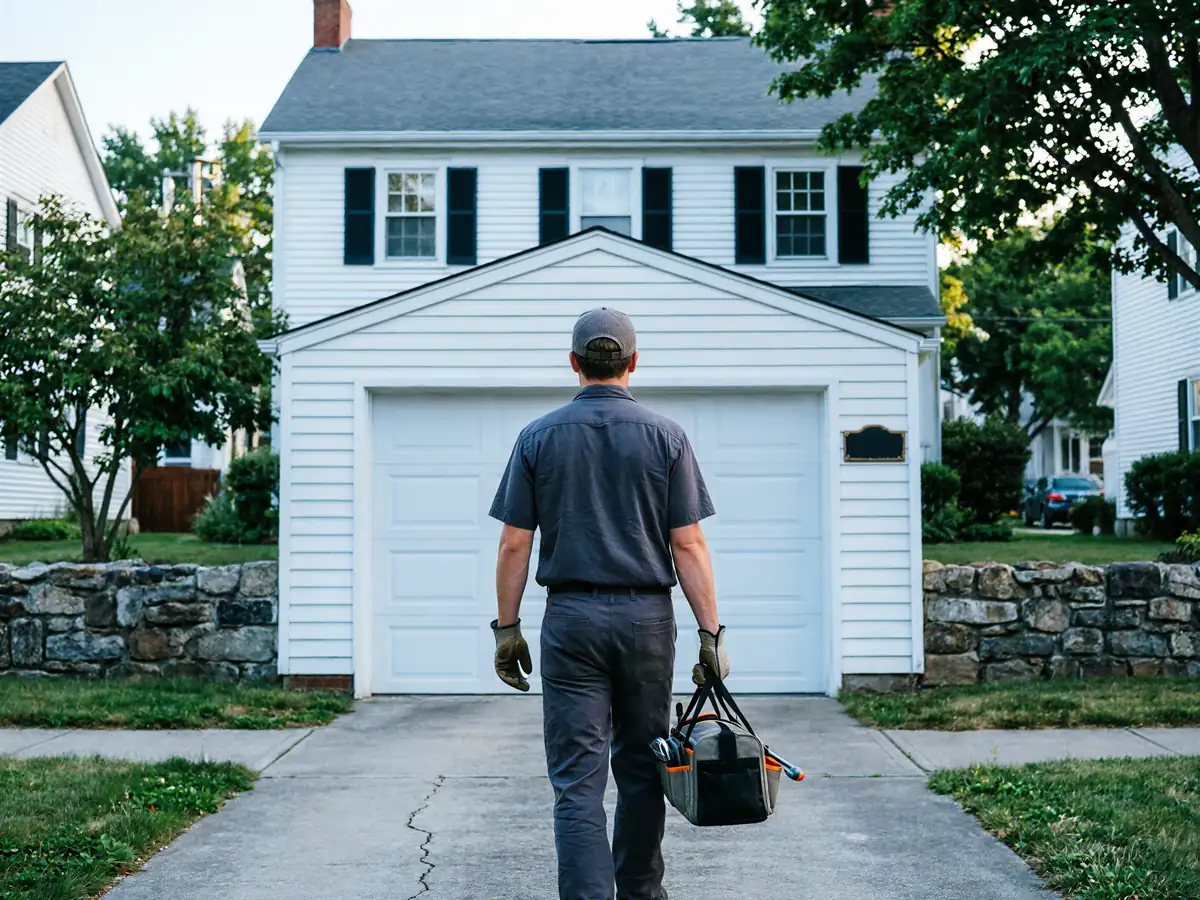
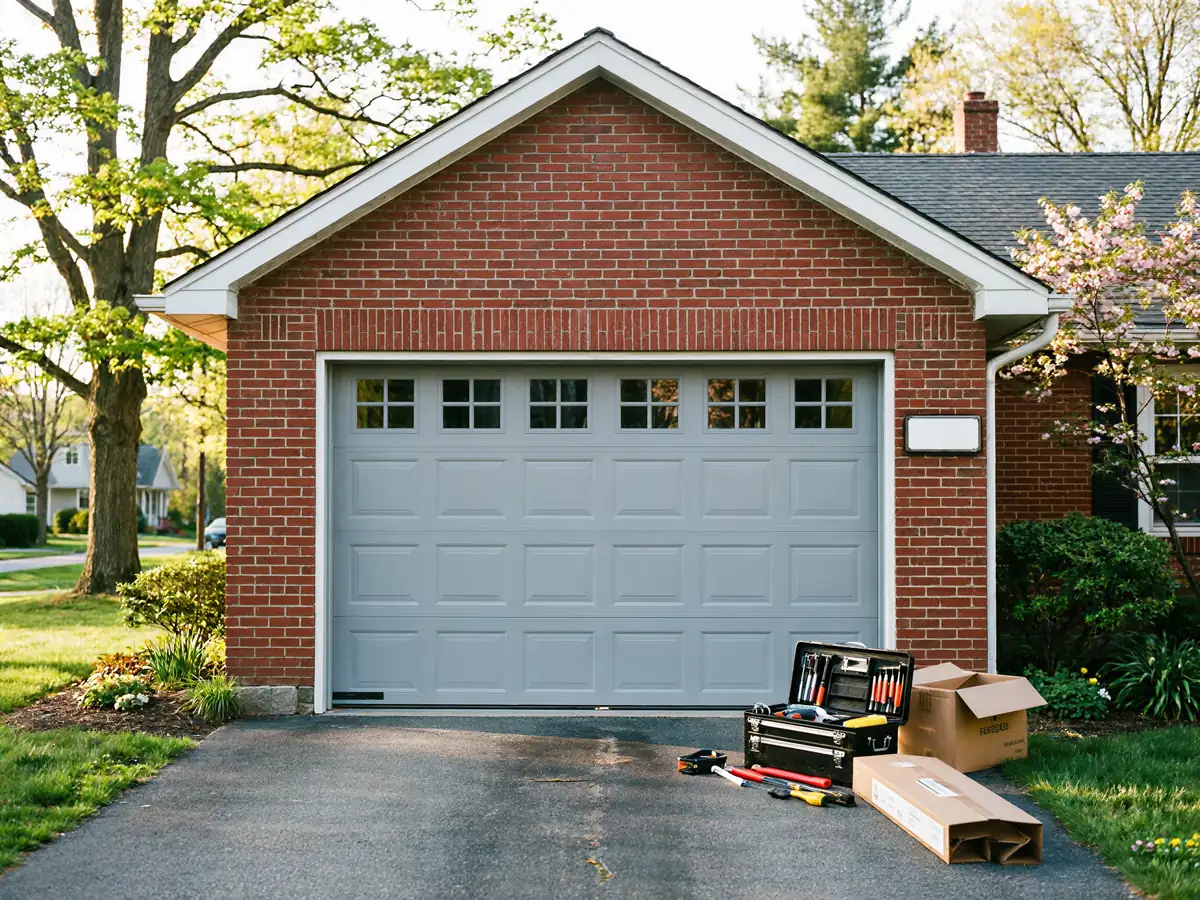
We drive out from Hudson, four miles east, so there's no local branch waiting on your street - the truck comes to you with the door and the opener on it. A single door swap, track and all, generally runs a few hours once we're on site. A double door with a new opener takes longer, closer to most of a day, especially if the old torsion hardware is seized from decades of use and has to come off the header before the new shaft goes up.
How It Shows Up
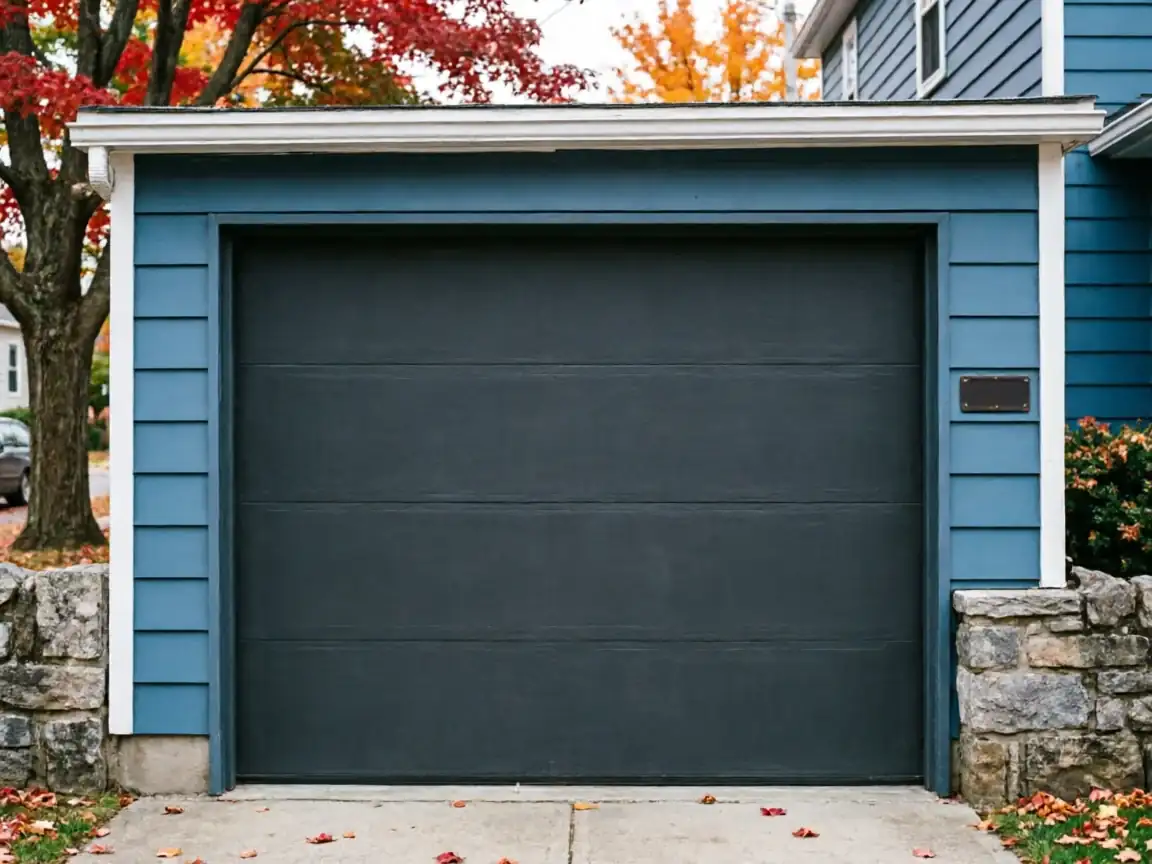
On a house built in the early 1970s, the tell is usually the panel itself before it's the spring. Steel doors from that period were built without a foam core, so homeowners notice the door is loud, flexes in wind, and runs cold to the touch in winter compared to the rest of the garage wall. In a cold-climate winter, uninsulated steel contracts and the gap along the bottom seal widens, which is why a door that closed fine in August starts letting in a cold draft by January.
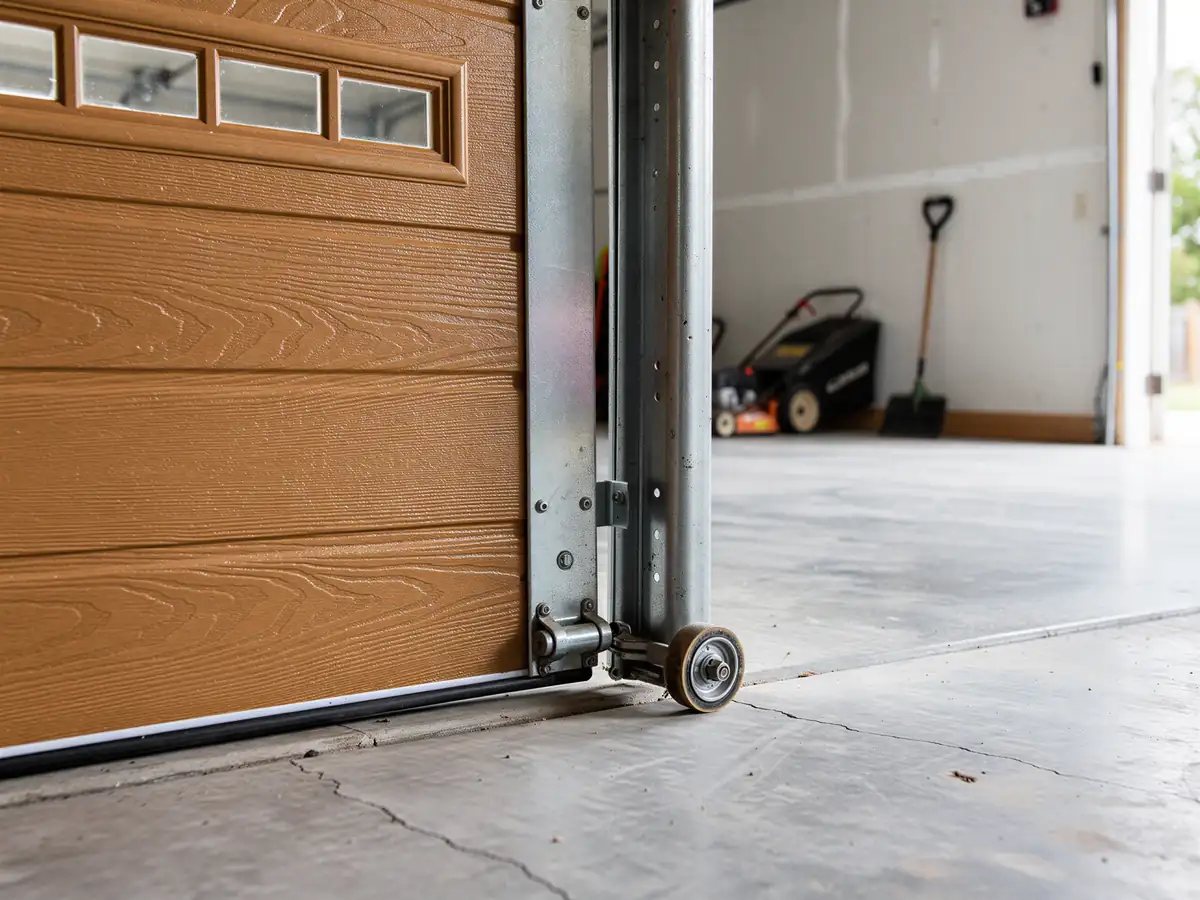
Rust at the bottom panel seam is common too, where decades of snowmelt off the car sat against the steel. Tracks that were plumb when the house was new can rack out over fifty years of settling, so a replacement door sometimes reveals that the track needs resetting, not just the door swapped on the old rail. None of this means the whole garage structure is bad - it's wear that matches the age of the house, not damage.
What Can Go Wrong
The most common surprise on a 1970s-era opening is a header that was never built to carry a heavier insulated door
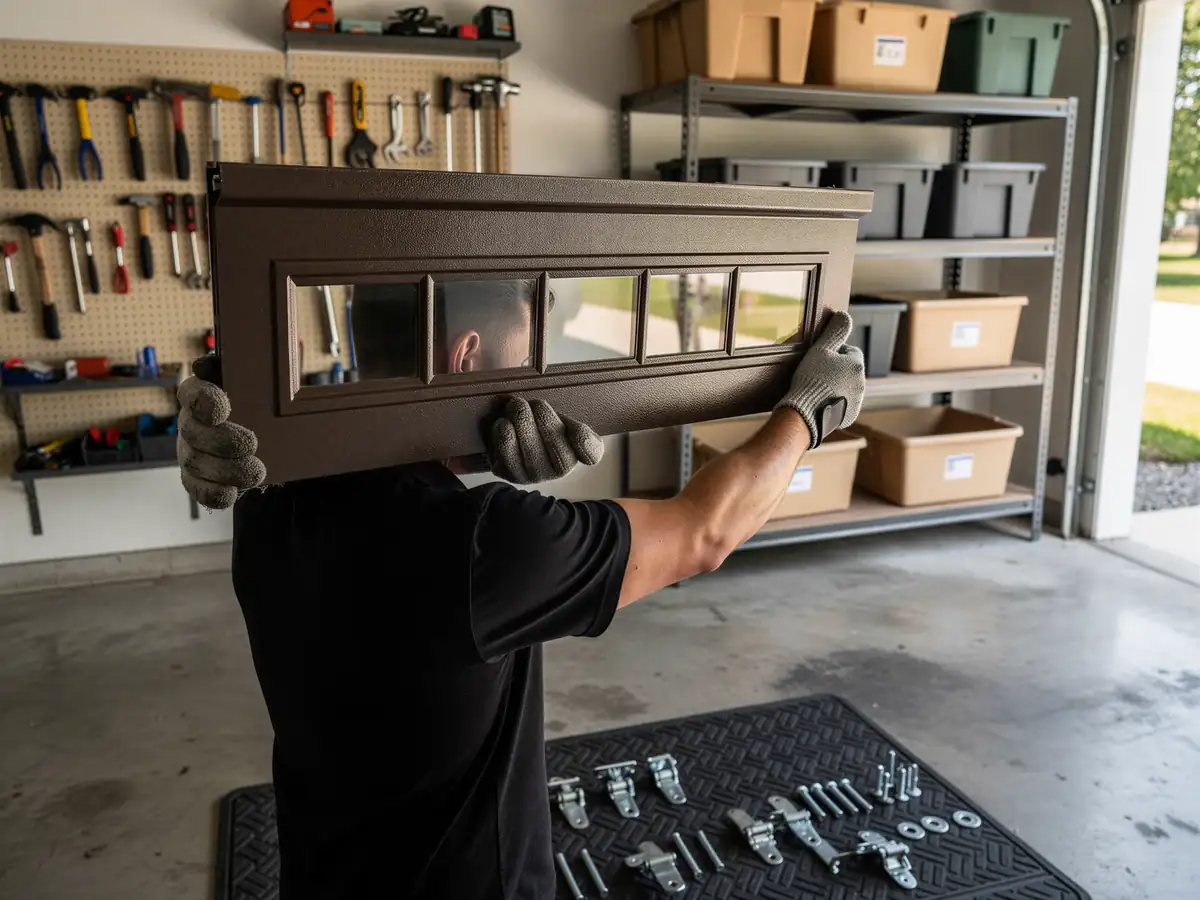
Original lightweight steel doors put little load on the jamb; a modern double-layer steel or insulated door weighs more, and if the header is undersized or the jamb has shifted with age, we have to shim or reinforce before the new door goes up rather than just bolting new track to old wood.
The other common issue is the opener
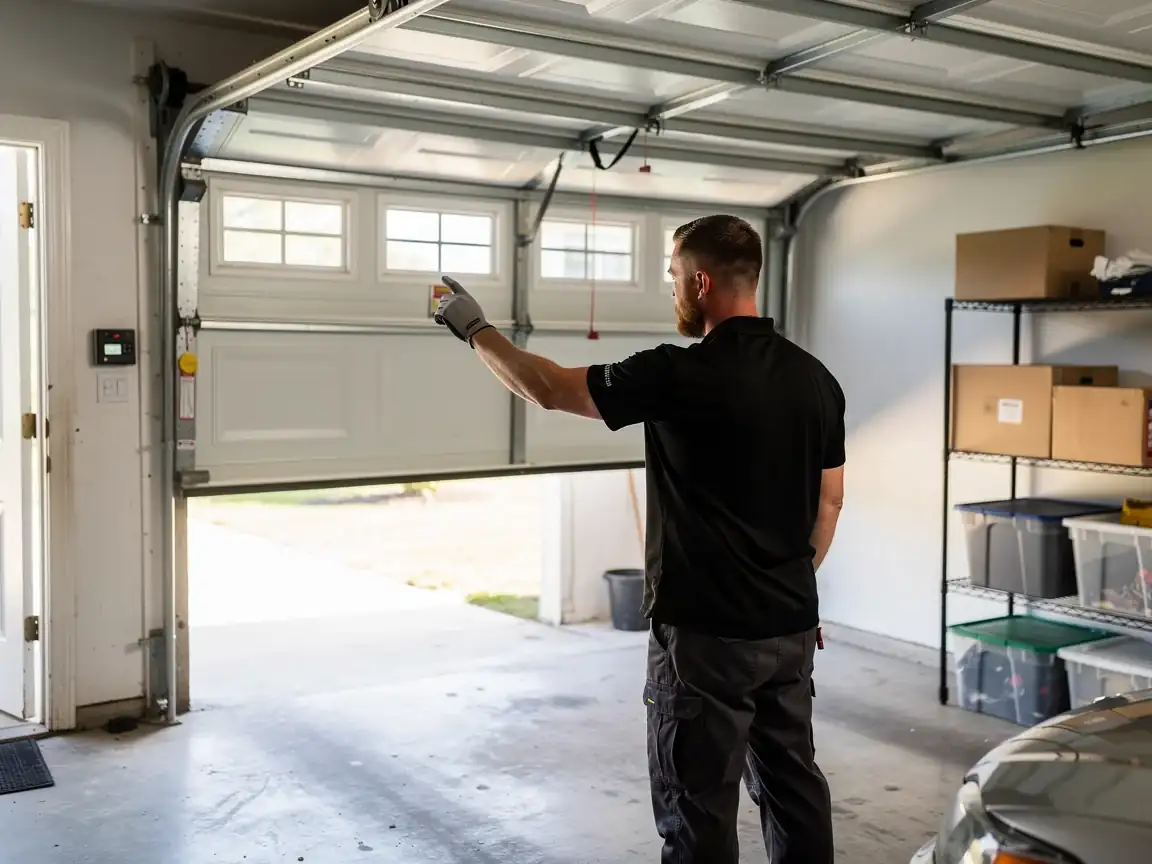
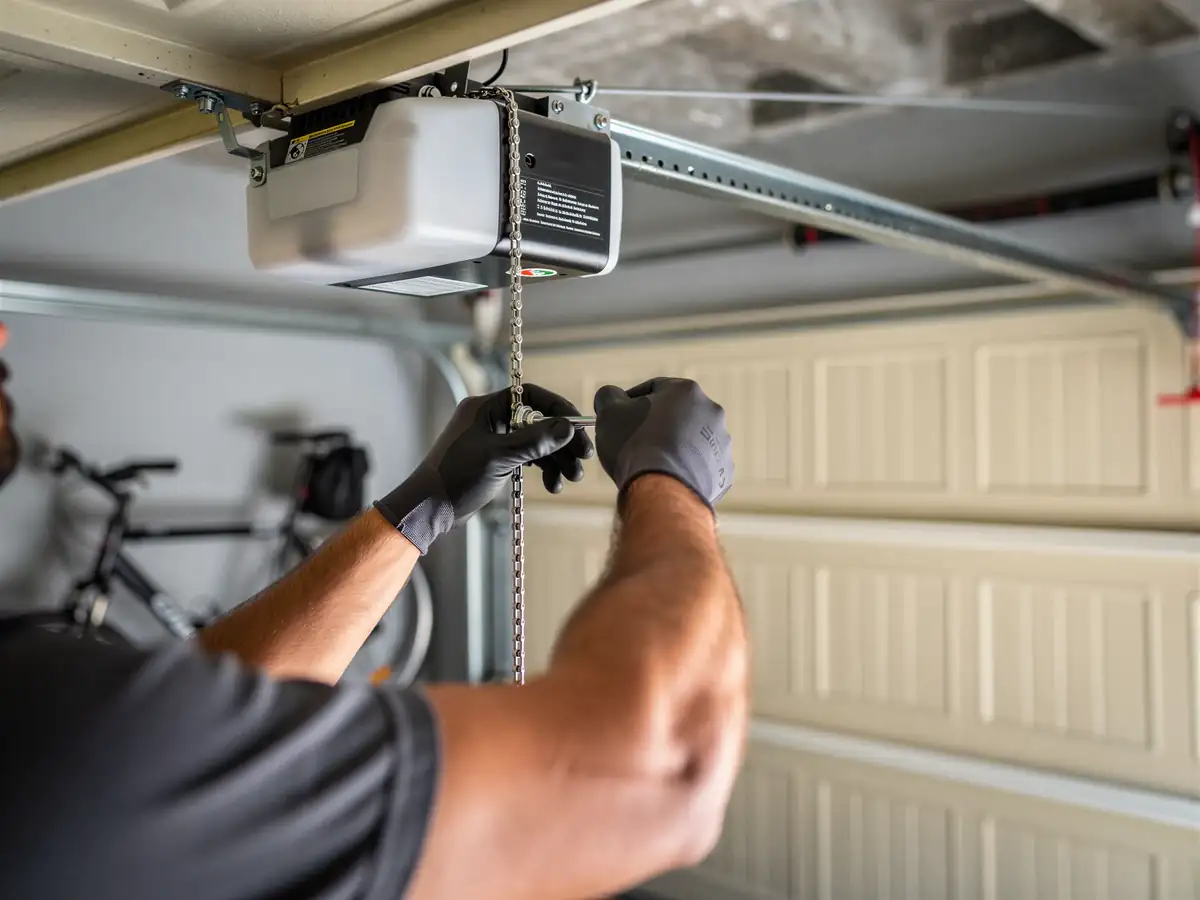
A lot of these garages still run the original chain-drive unit, and its mounting bracket and travel limits were set for the old door's weight and height - they don't carry over cleanly to a heavier replacement. We won't force an old opener onto a new door that's outside its rated capacity; if the bracket or the motor isn't up to the new door's weight, that gets flagged before install, not discovered after.
One honest limit: we don't stock every width and height combination on the truck
An oversized or custom opening can mean a short wait on the specific door from the supplier before we can get back out to Stow to finish the job.
What You Pay
Stow's median household income runs well above the $147,635 median across the wider area we cover from Hudson, and that shows up in what people here choose - more insulated steel and composite doors, fewer bare single-layer panels, when it's time to replace rather than patch. We don't post a flat price here because the door itself, the opener, and whatever the old track and header need drive the number more than the town does.
What we can tell you without seeing the opening: a straight swap, same size door on an opening that doesn't need header work, costs less than a job where the jamb needs reinforcing or the opener has to be replaced to match a heavier door. We give that number on site, not over the phone, because guessing on a fifty-year-old opening usually guesses wrong in one direction or the other.