The DIY Question
Harvard sits eight miles out from our Hudson shop, which changes how we handle a panel job here versus a same-town call. We're not driving past twice to check a measurement or swing by with a part we forgot. That means we confirm the panel section, the door's width, and whether it's insulated or not before the truck leaves, usually over the phone with a photo. A single dented panel on a steel sectional door is often a fair DIY swap if you can get the exact match - same manufacturer, same year run, same groove profile. Where it stops being a weekend project is on an insulated door where the panel is part of a sandwich construction, or where the track alignment shifted when the panel got hit. At that point you're not swapping a piece, you're resetting geometry, and that's where a mismatched DIY panel starts binding on the rollers inside a month.
How It Shows Up
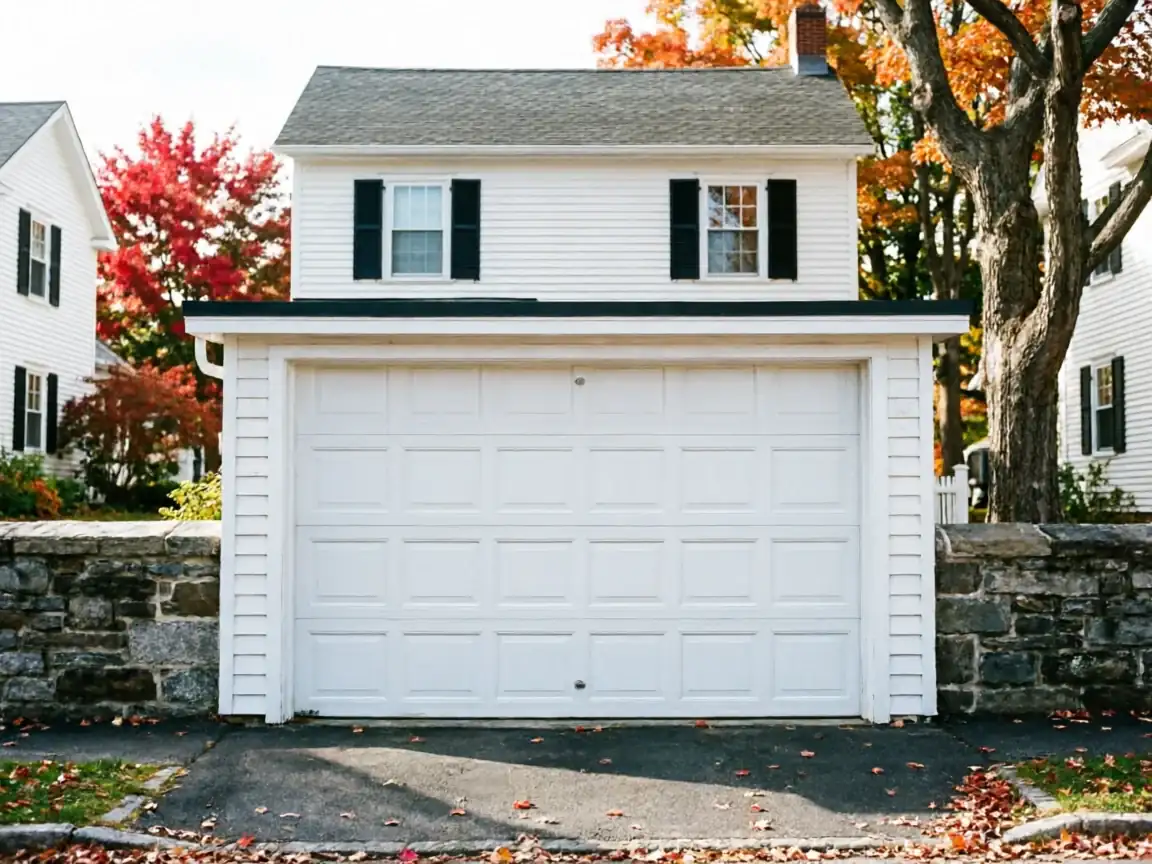
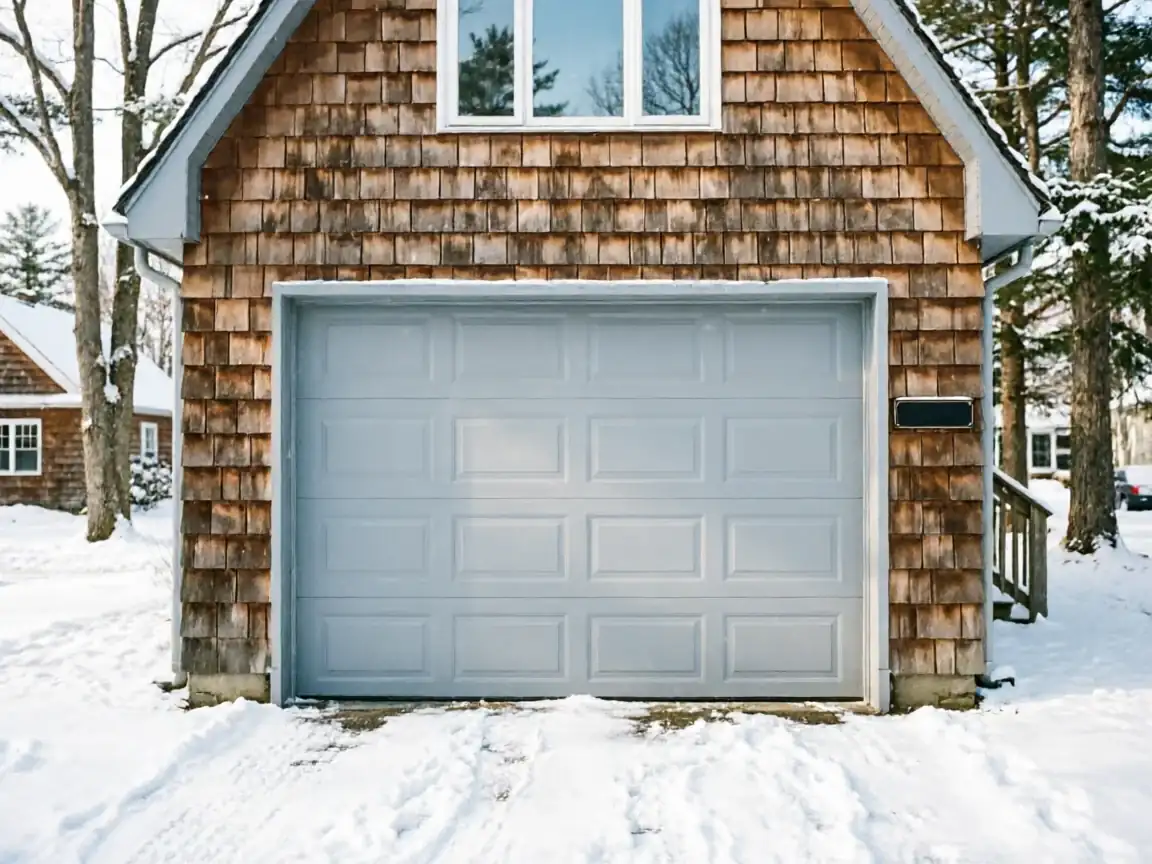
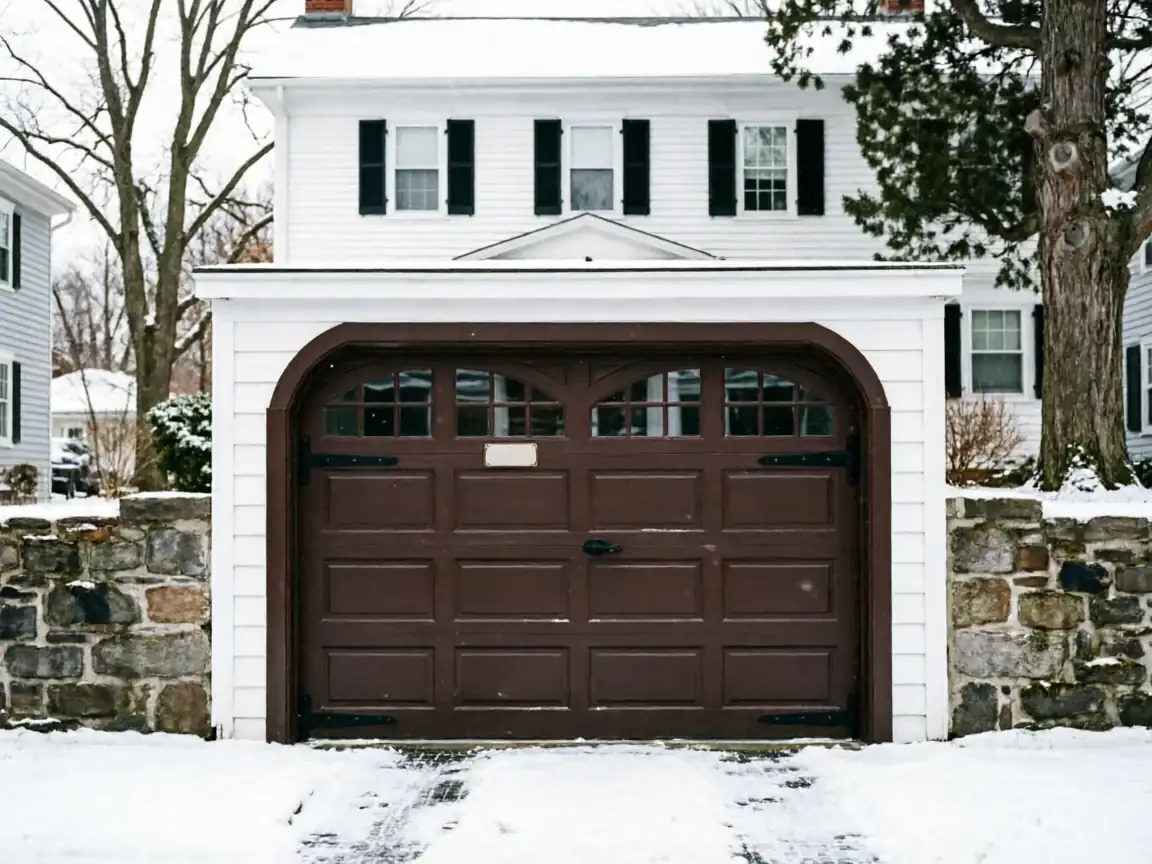
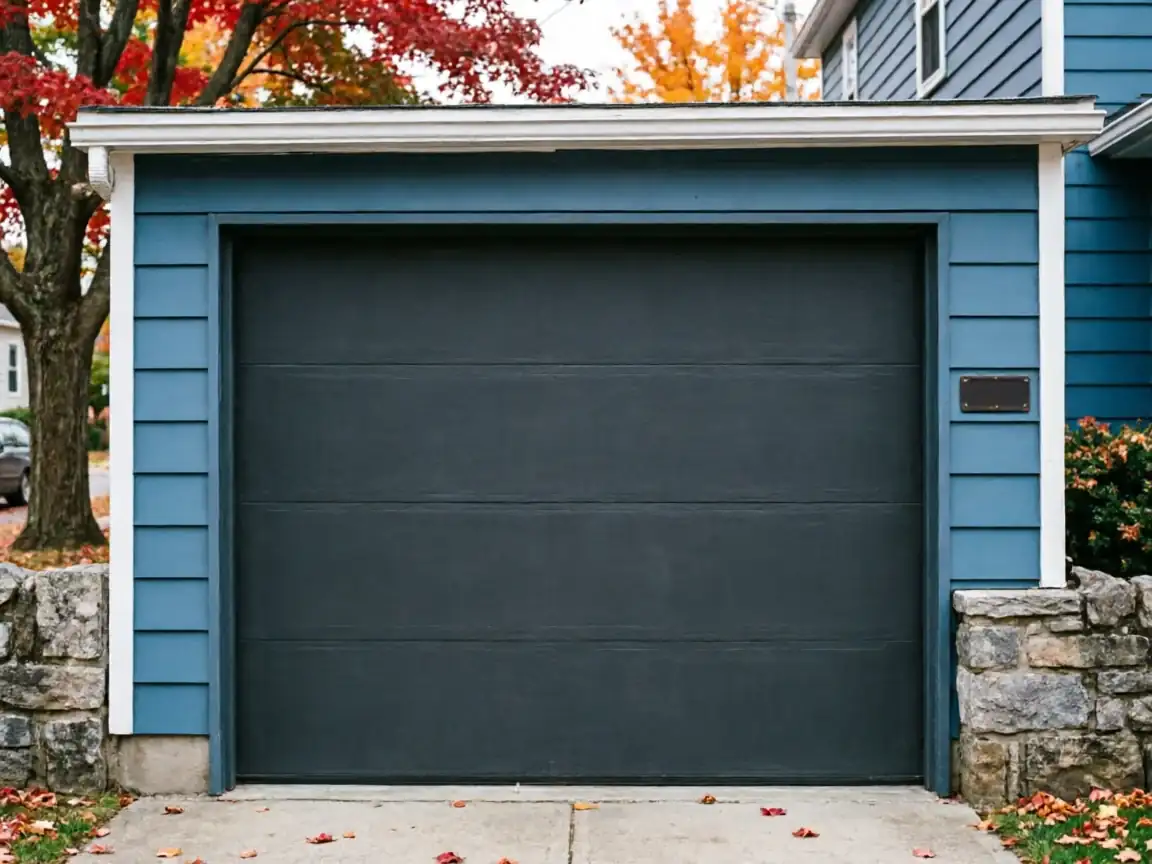
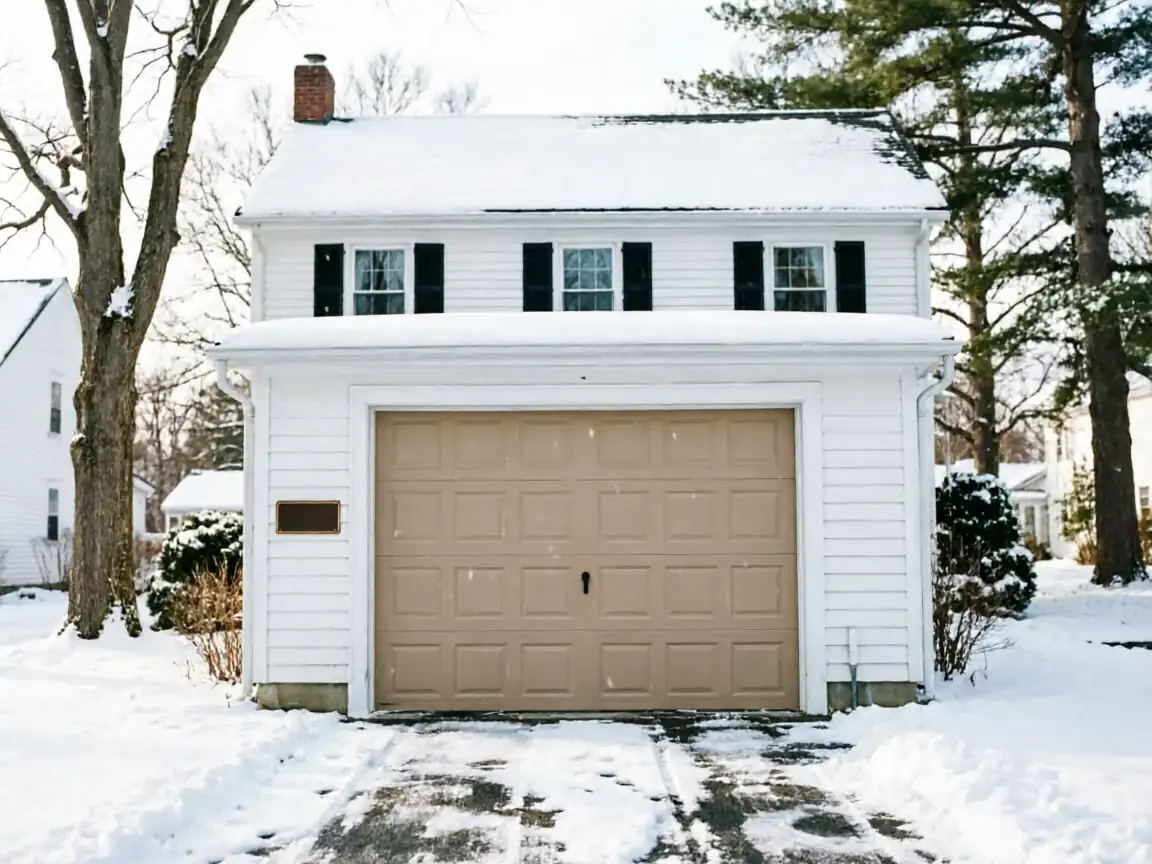
Harvard's housing stock runs newer than a lot of what we see closer to Hudson - median build year here is around 1974, compared to a service area median closer to 1969 with homes going back to 1938. That later build date usually means steel sectional doors rather than the older wood-panel swing or single-piece slab doors you still find on the oldest houses nearby. The failure mode on these later steel doors is less about the panel material rotting and more about the finish: a dent from a backed-into trash can, a crease from a kid's bike, or bowing where the insulation foam has pulled away from the skin after years of hard freezes. With winters here falling in a severe cold band, that foam-to-skin bond takes a beating every season, and a bowed panel on an otherwise sound door is a common call.
What the Fix Involves
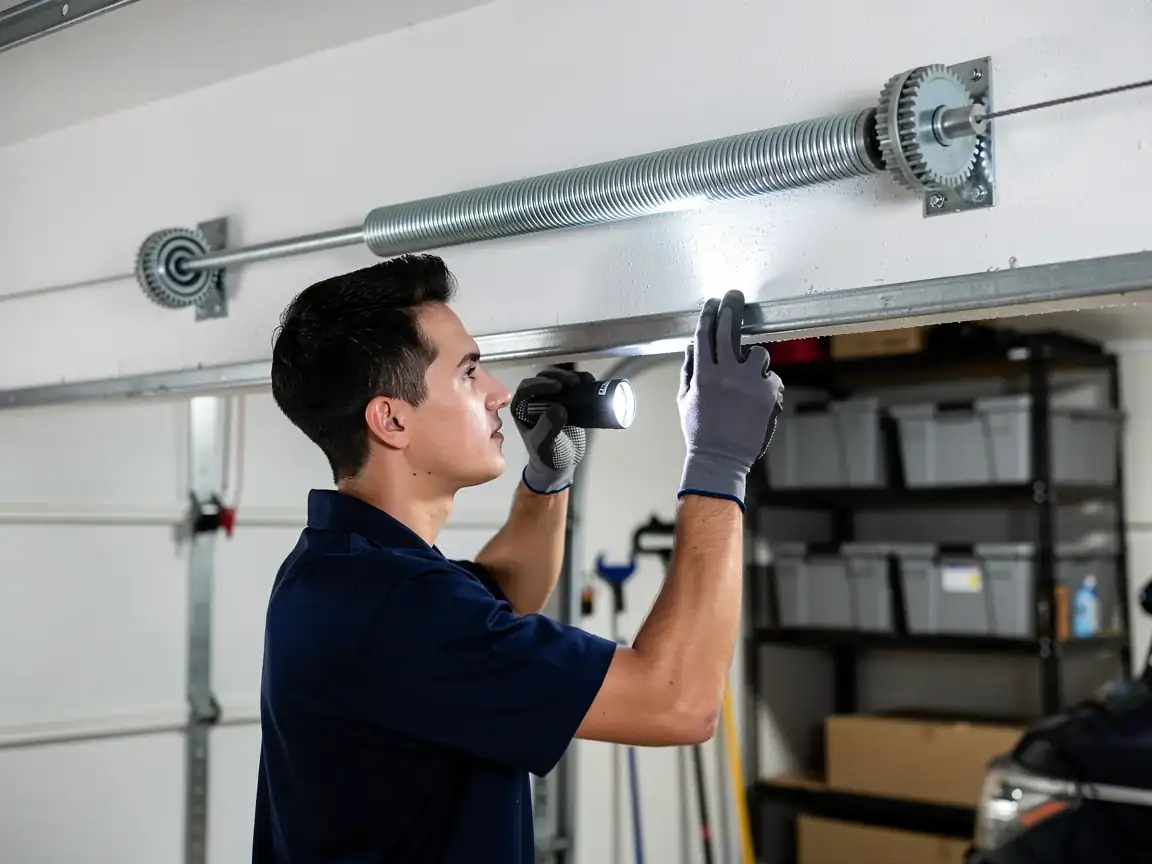
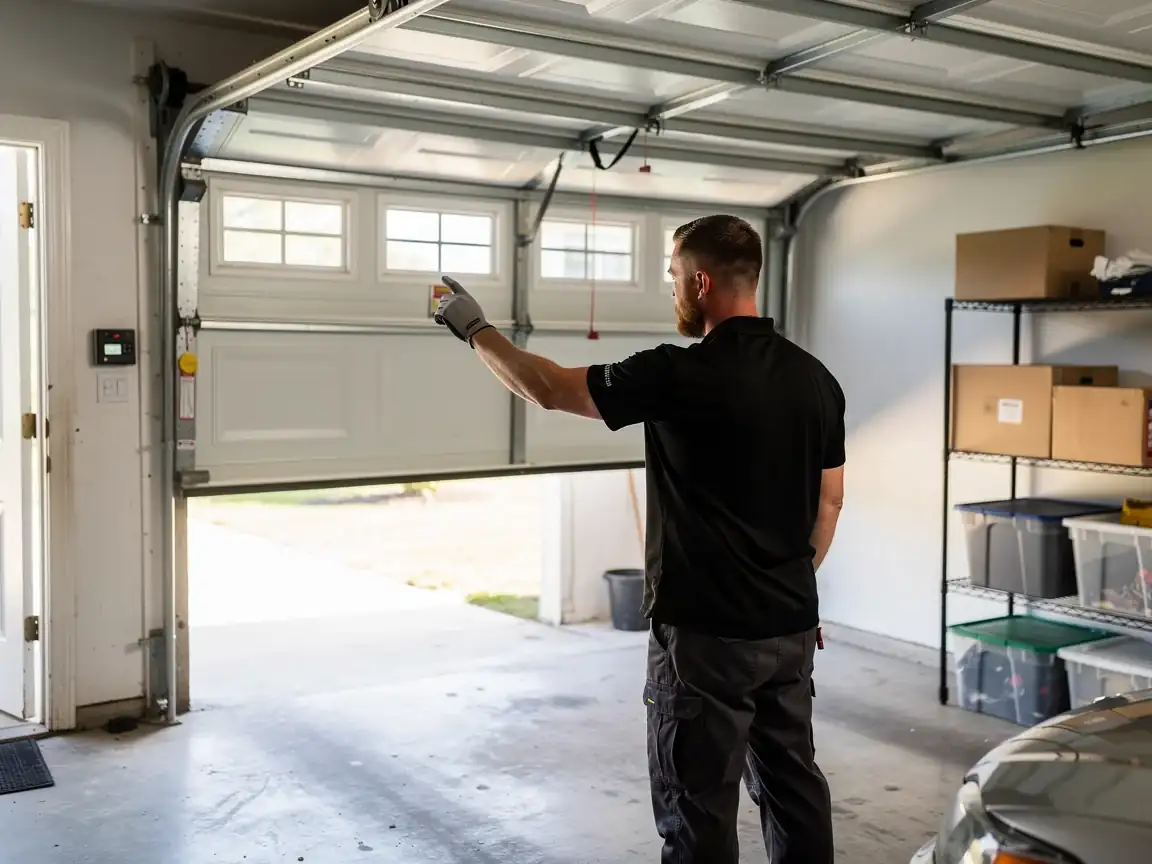
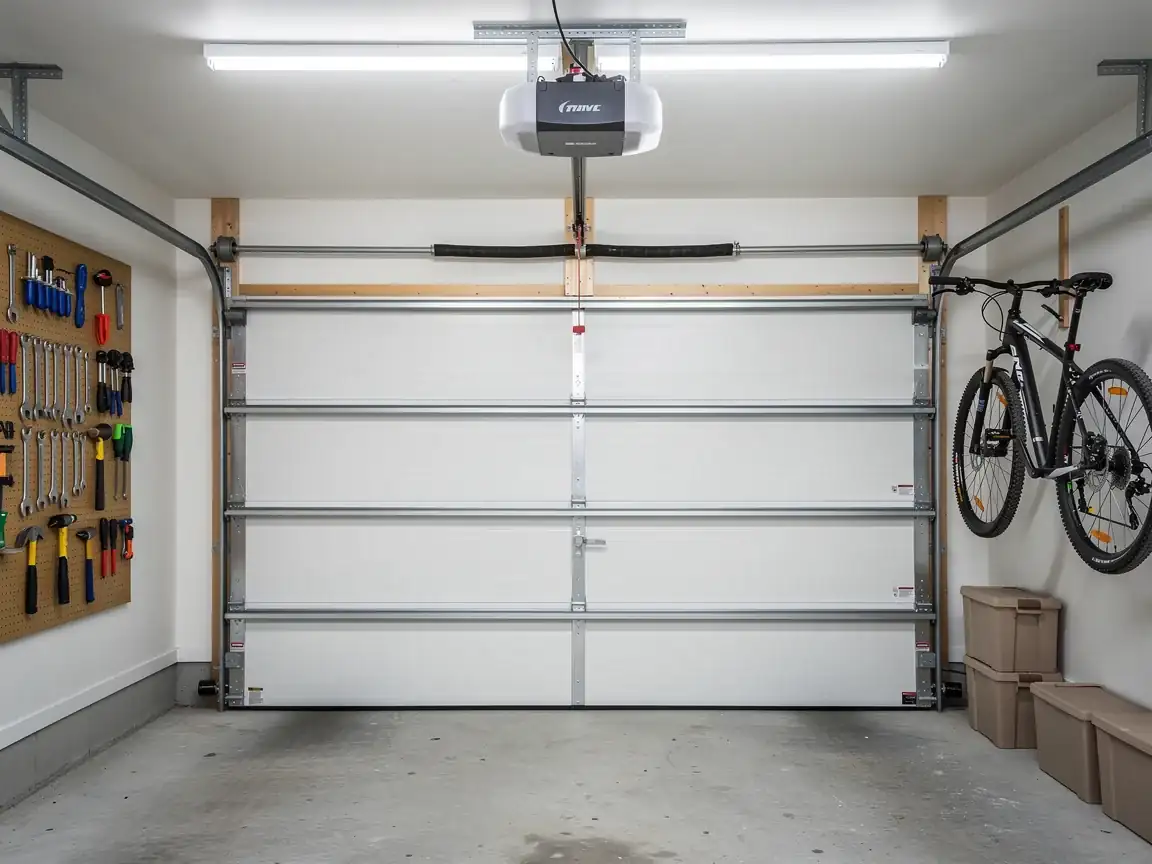
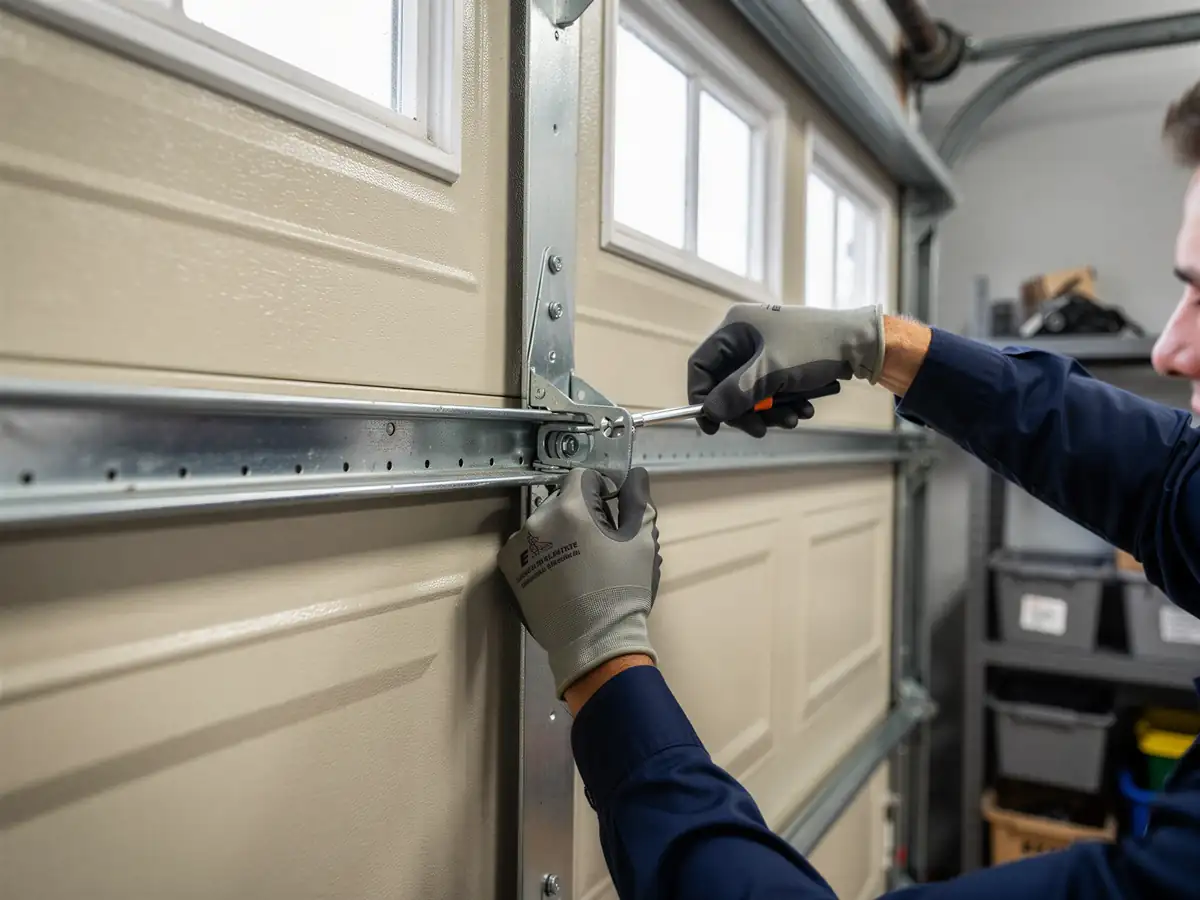
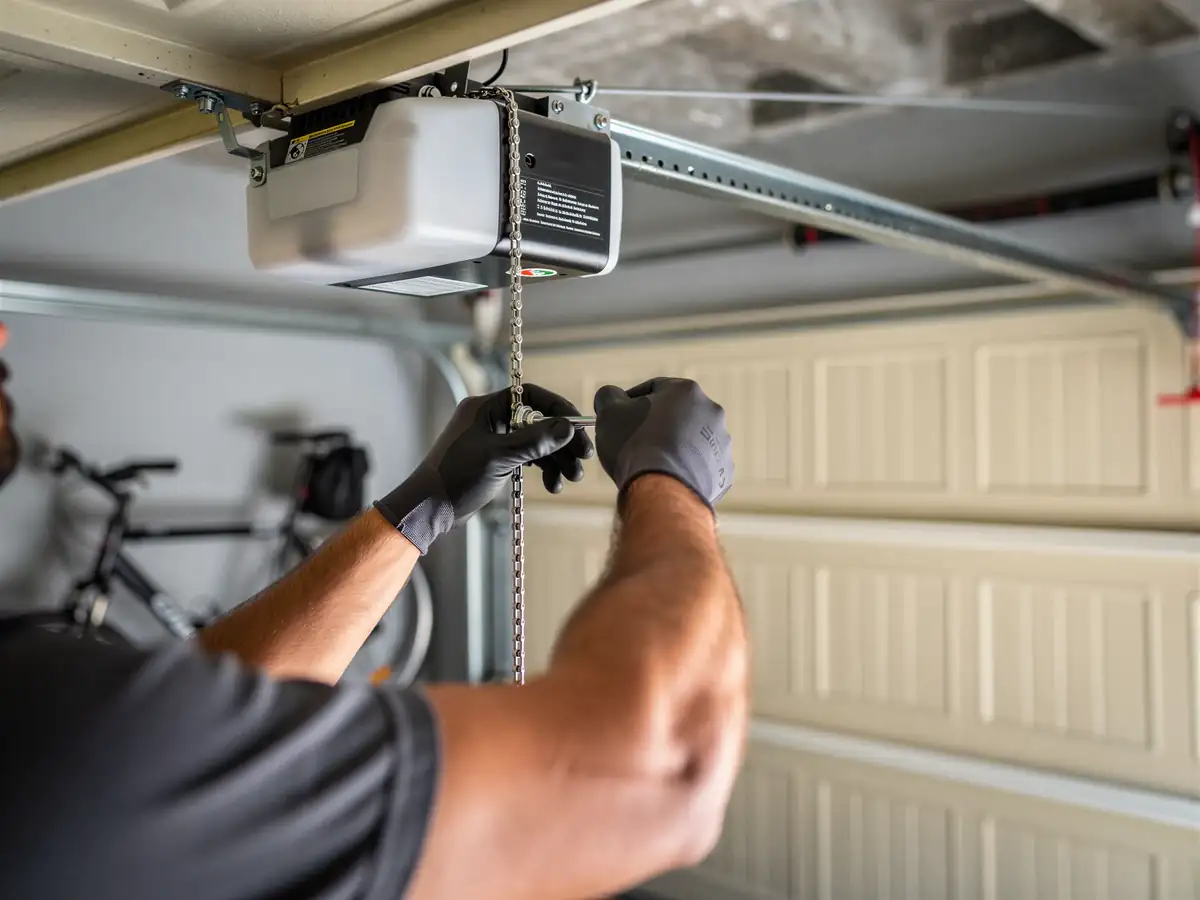
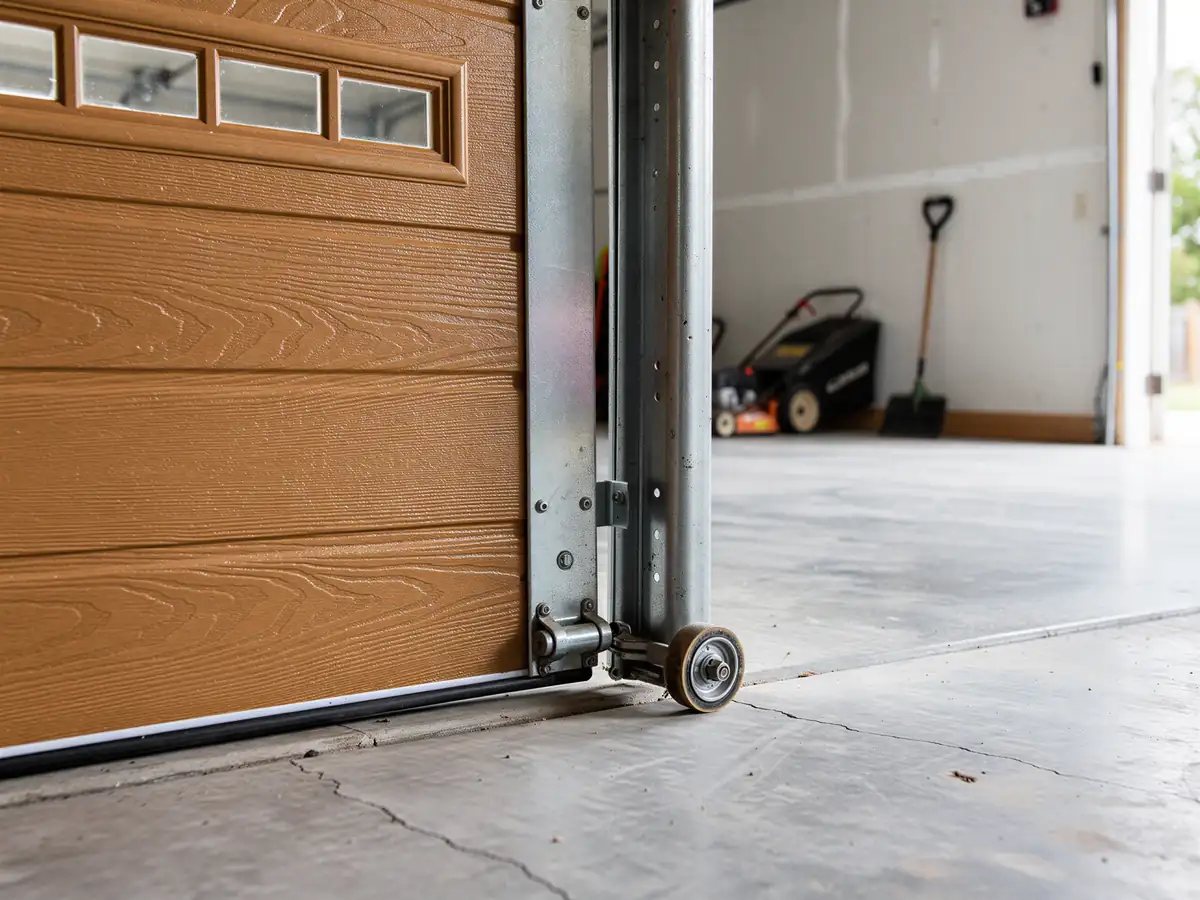
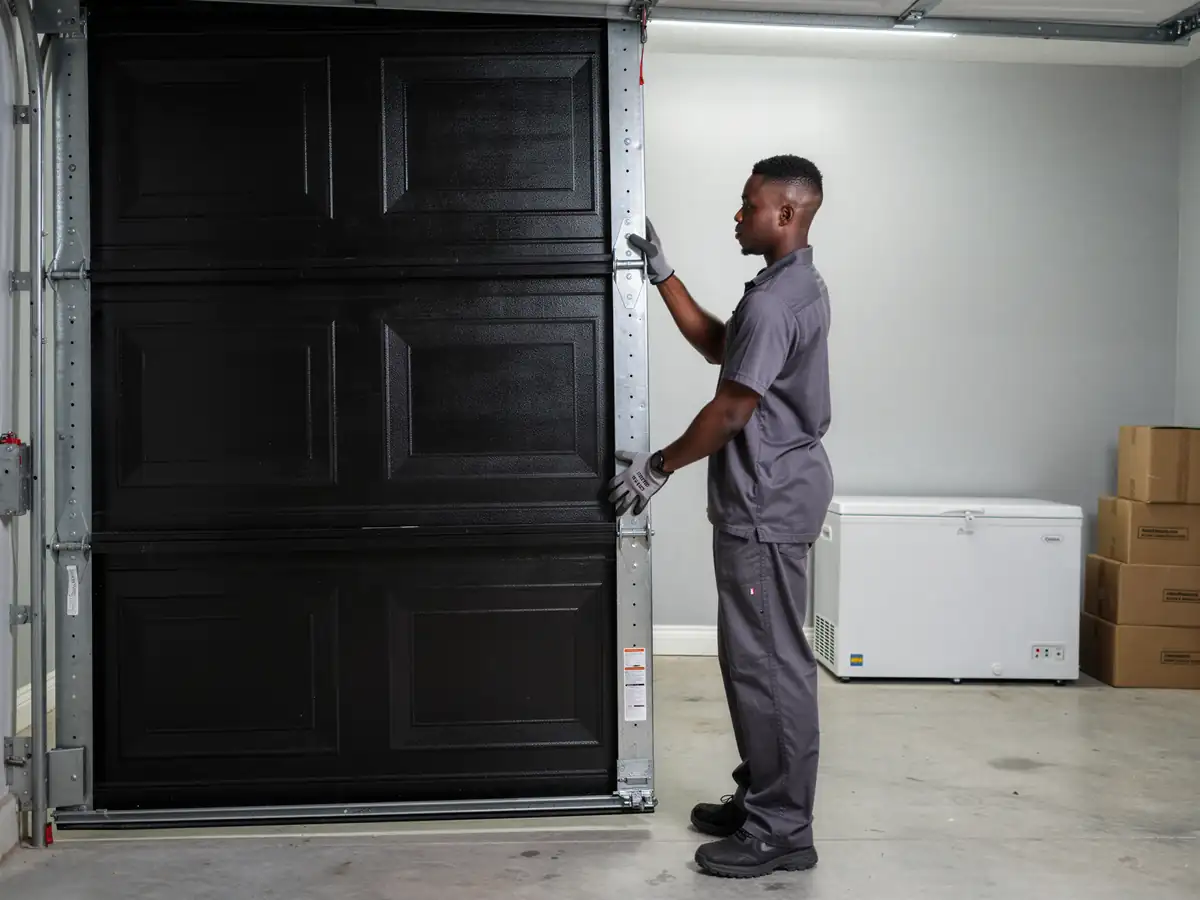
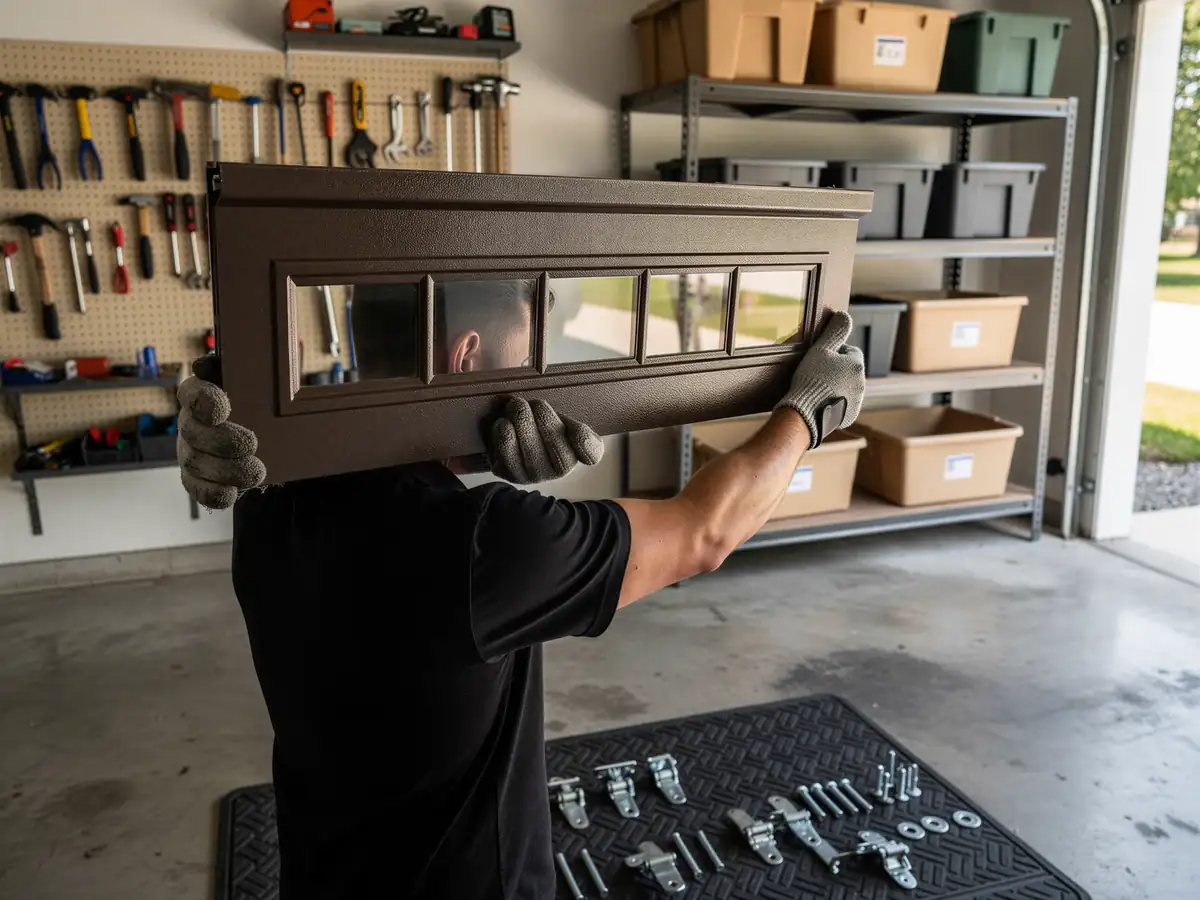
A clean panel swap starts with disconnecting the opener and supporting the door on vice grips at the track so the section can come out without the whole door racking. We pull the hinges, slide the damaged section out, and set the new panel in using the same hardware where it's still sound - hinges and rollers take a beating too, and reusing a stretched or pitted hinge on a new panel just transfers the problem. For insulated doors, which is most of what we're pulling off Harvard builds from the 1970s on, we check the foam core is intact on the replacement and that the thermal break around the panel seats flush, since a gap there is where cold air gets in during a hard winter. We test the balance after reassembly - a new panel changes the door's weight slightly, and on an older spring setup that's enough to throw off the balance point.
What Can Go Wrong
The most common problem isn't the install, it's the match. Panel profiles change across manufacturer production runs, and a door that looks identical to its neighbor can have a slightly different panel height or screw pattern from a run five years apart. We've had jobs where the stocked panel is close enough to bolt on but leaves a visible seam line once painted. The other issue is springs: if the original door is old enough that the springs are near end of life, swapping in a new panel and then having the spring go a few months later means paying for two service calls instead of one. We'll flag that during the first visit if the spring looks worn, but we don't replace parts that aren't failing yet just to bundle the job.