The DIY Question
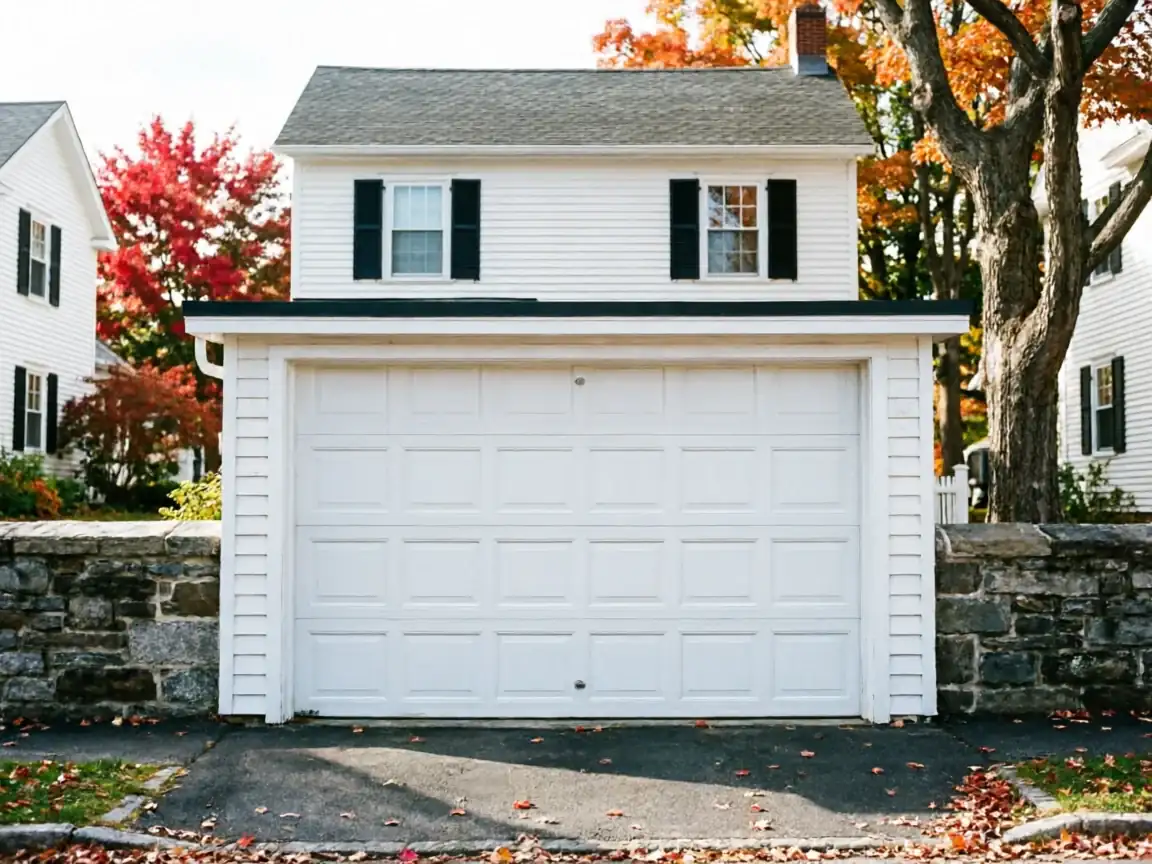
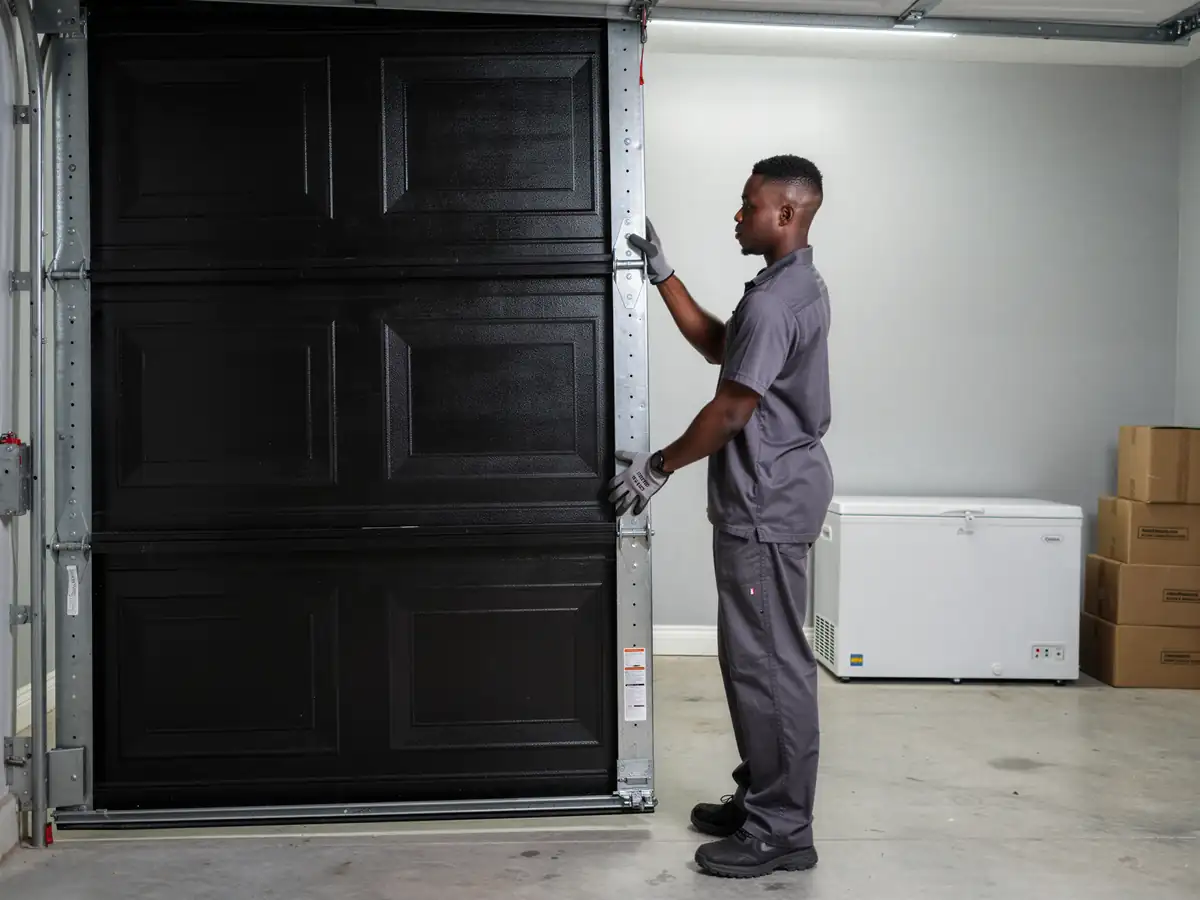
Harvard's housing stock centers on 1974, which puts most garage doors in town at roughly fifty years old. A door that age has likely had its torsion spring swapped once or twice - springs don't last five decades - but the track, the hinges, and the roller brackets are often still the original pieces bolted on at construction. That's the part worth checking before you decide this is a weekend job. Lubricating hinges and testing balance is fine to do yourself with a can of white lithium grease and ten minutes. Pulling a worn track bracket that's been carrying the same door since the Nixon administration is a different matter, because the mounting holes in older jamb lumber can be stripped or split in ways you won't see until the bracket lets go under load. With household income in Harvard running well above the regional median, cost isn't usually the reason people put this off - it's just not knowing which parts are original and which have already been replaced. A quick inspection answers that question faster than guessing does.
How It Shows Up
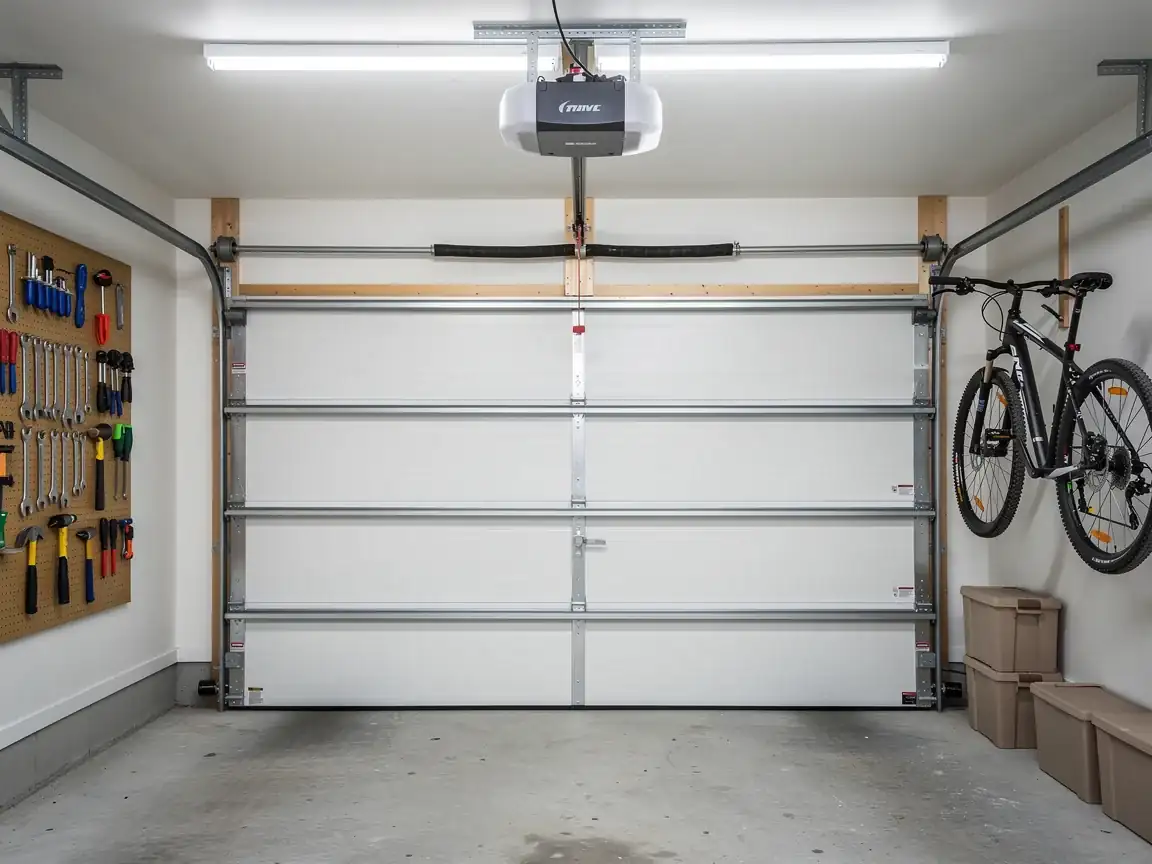
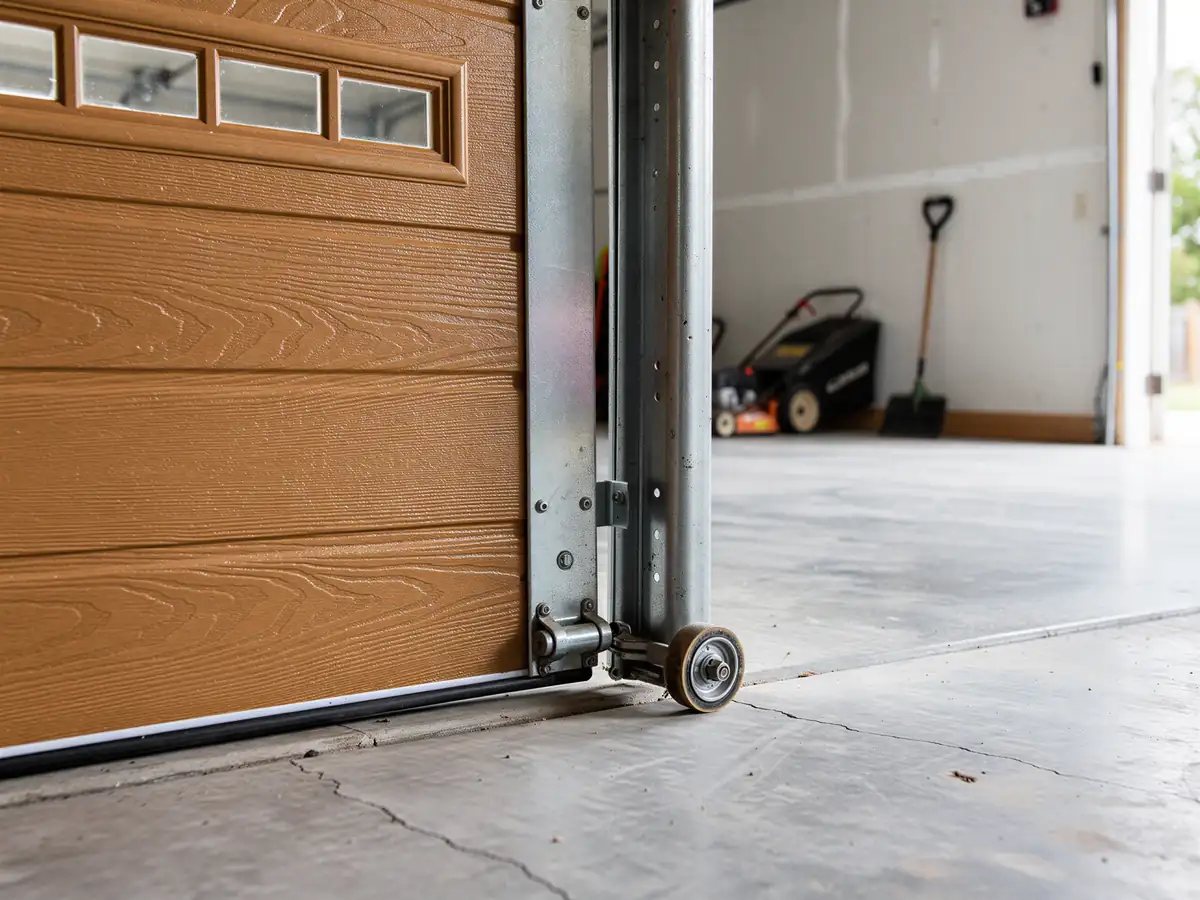
On a door with original 1974-era hardware, the failure pattern is usually hinges first, then rollers, then the track brackets they're both riding on. You'll hear it before you see it - a grinding or popping sound as the door travels, especially on the second or third panel up from the bottom, where the hinge takes the most twist. Cold-climate swings matter here too. Harvard sits in the same severe-cold band as the rest of this service area, and steel hardware that's fifty years old has gone through fifty winters of contraction and expansion. That's a lot of cycles on metal that was never going to be replaced until it failed outright. If your door has started catching for a half-second partway through its travel, or the opener strains harder in January than it does in July, that's the original hardware telling you it's near the end, not an opener problem.
What the Fix Involves
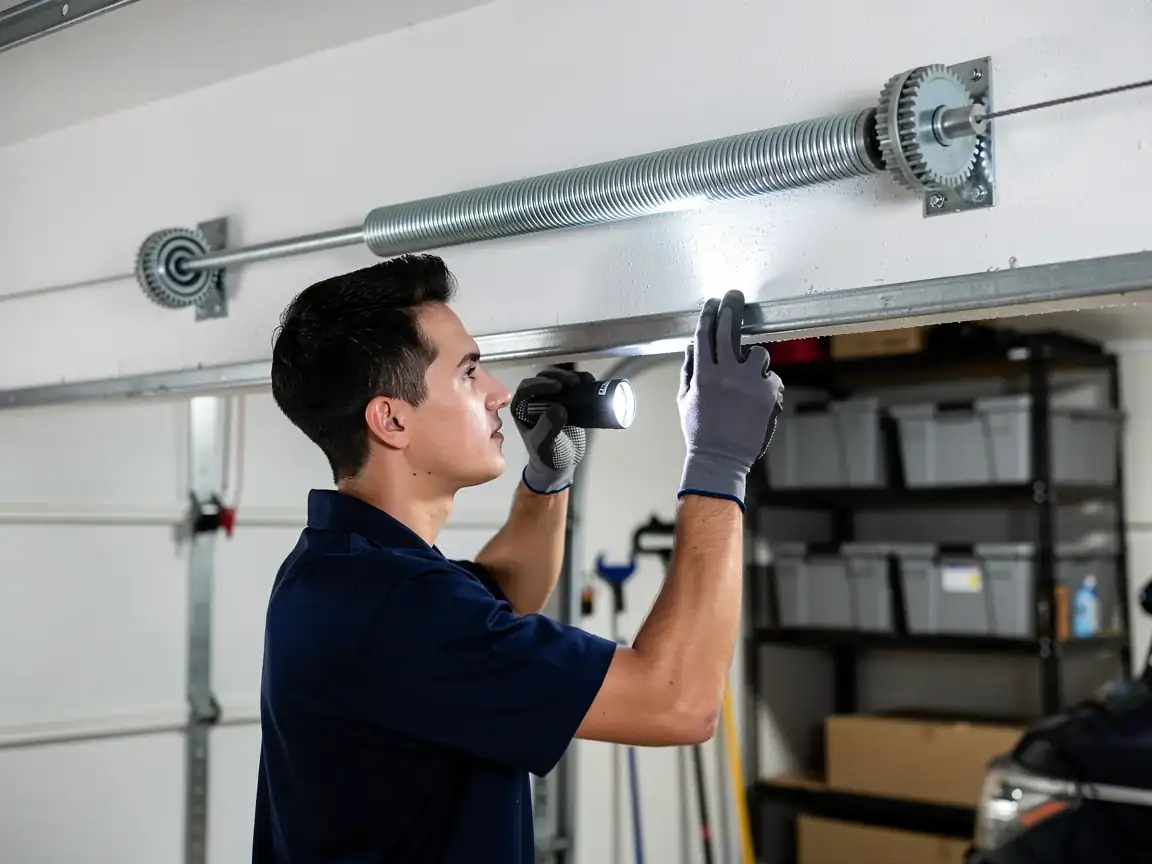
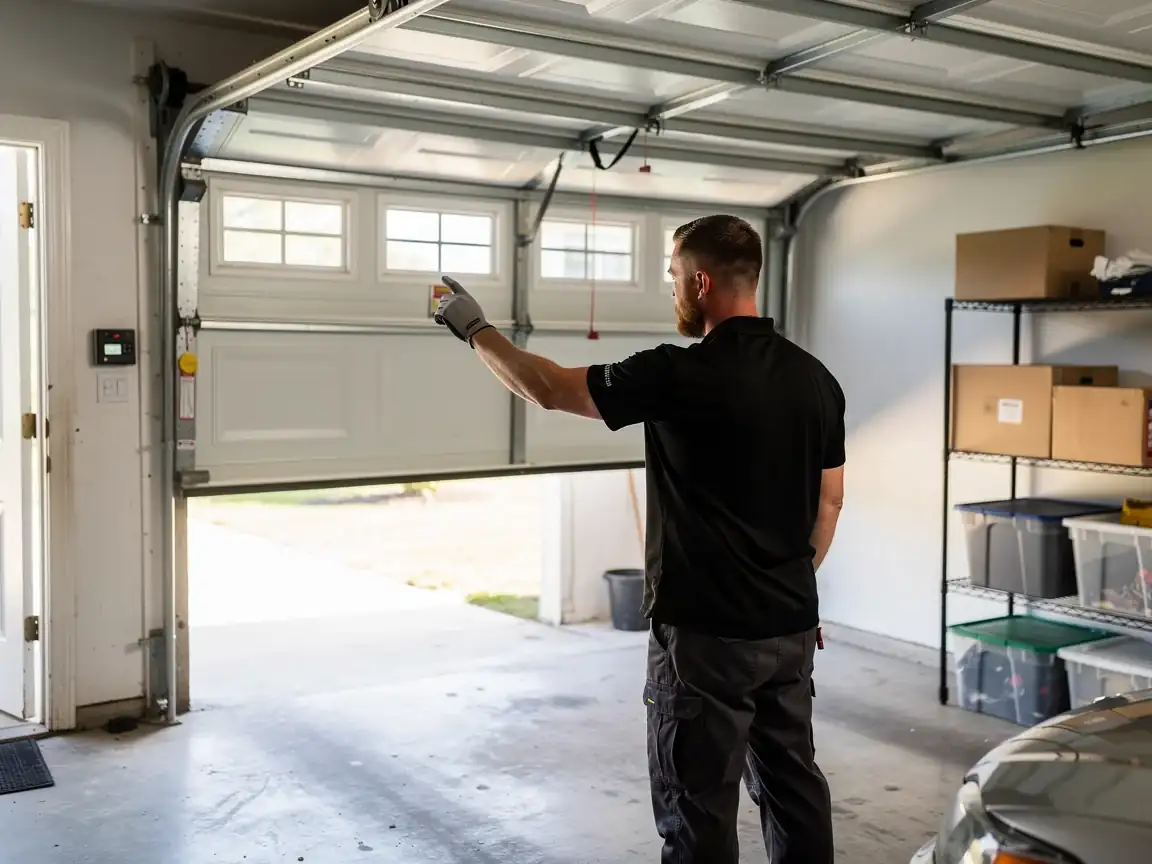
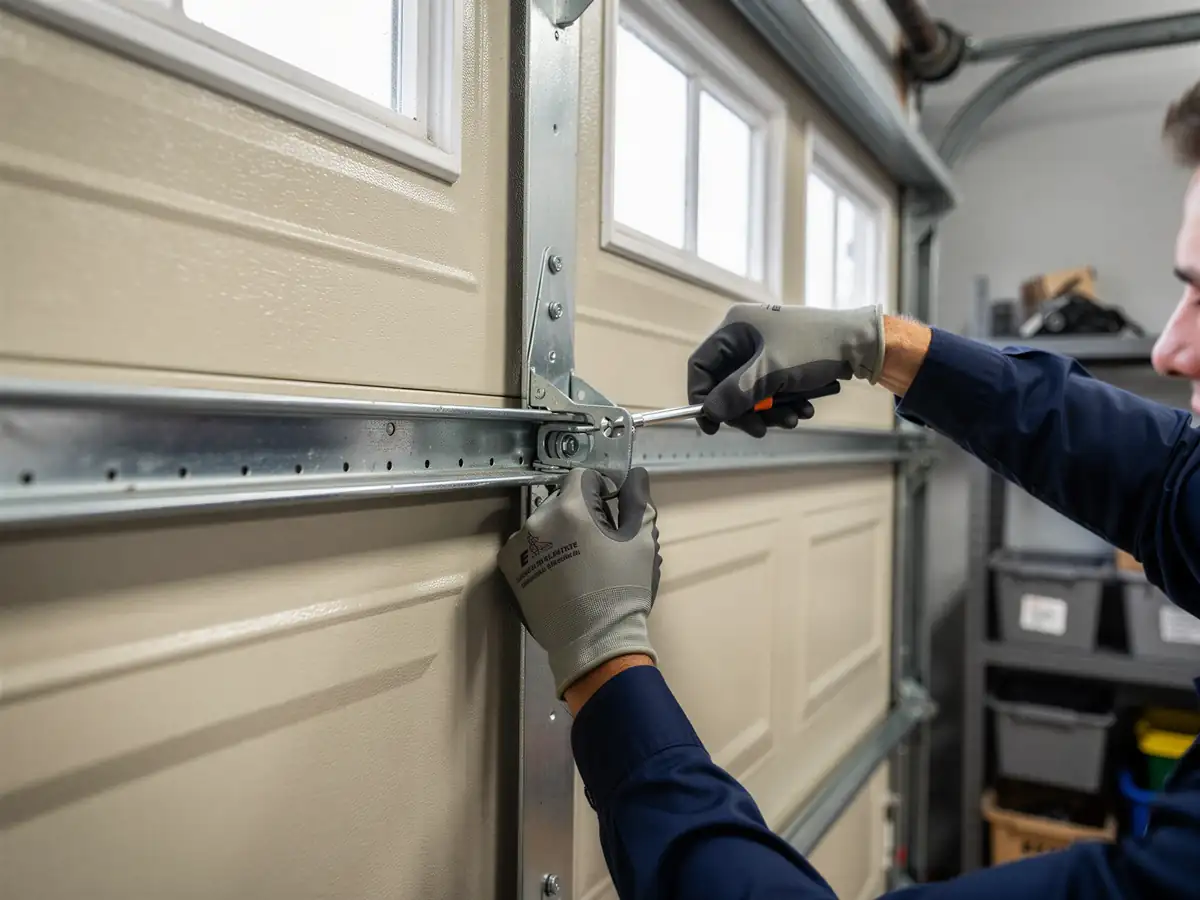
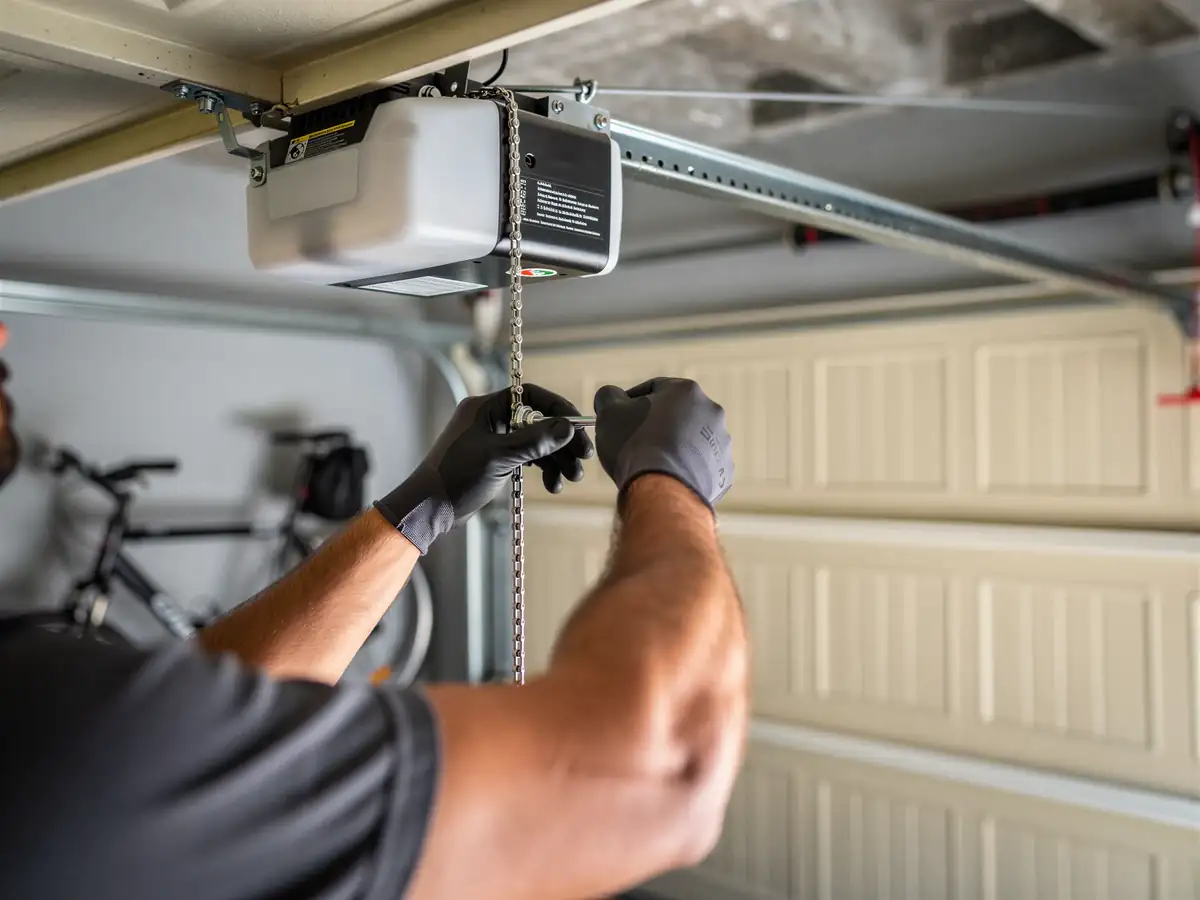
A maintenance visit on a Harvard door built anywhere near 1974 starts with identifying what's actually original. We check hinge wear by hand - a worn hinge has play you can feel, not just see - and we check the track for bow or rust pitting, since track from that era is often a lighter gauge steel than what's sold today. Rollers get inspected for flat spots and cracked nylon, both common once a roller's logged fifty years of door cycles even with intermittent use. We test spring balance by disconnecting the opener and lifting the door by hand; a door that won't hold position mid-lift has a spring that's lost tension, whether or not it's the original spring. None of this requires removing siding or touching the opening itself, since we're working on the door and its hardware, not the structure around it. If the track brackets are the original ones and they're pulling loose from the jamb, that's flagged separately - it's a carpentry issue as much as a garage door one, and worth knowing about even if it's not part of the maintenance scope that day.
What Can Go Wrong
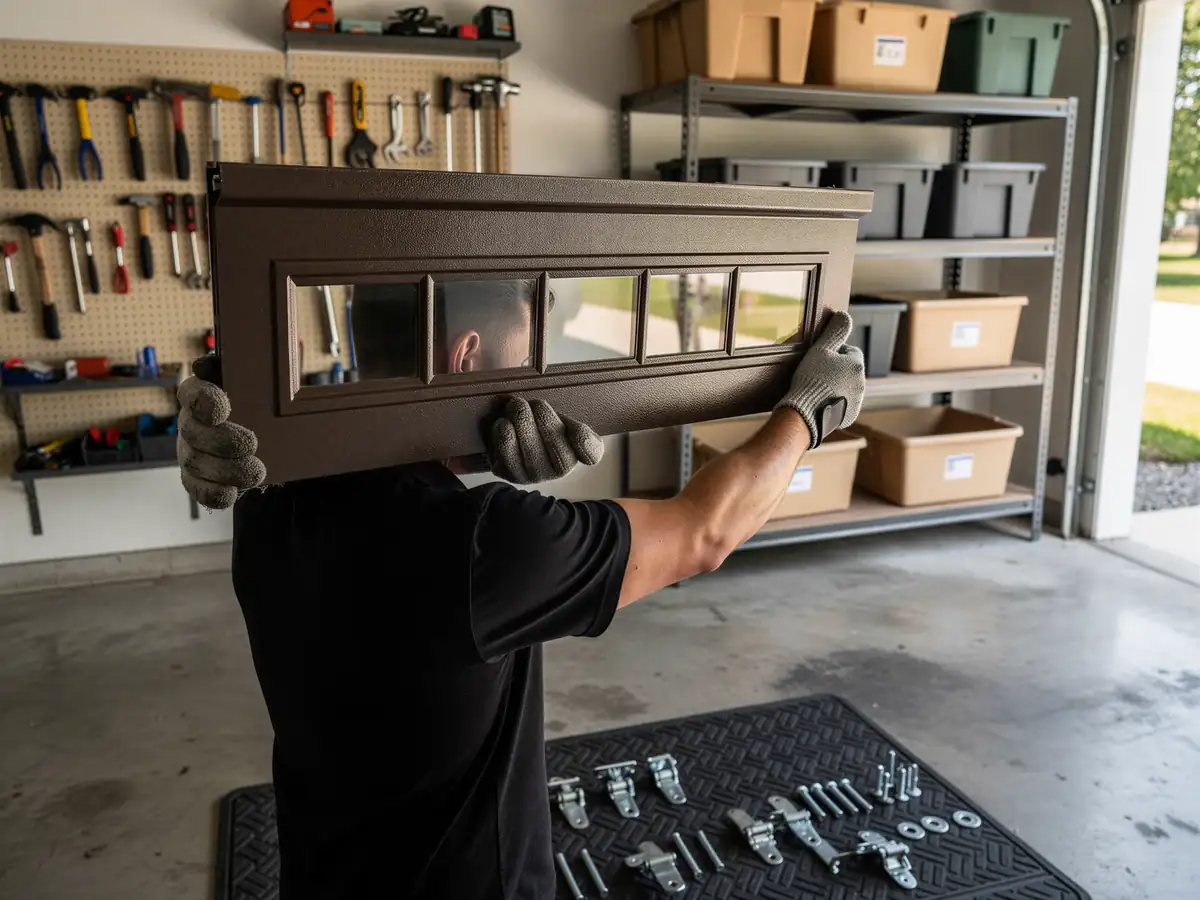
The honest limitation here: if a door's original 1974 track brackets have worked loose in old jamb wood, tightening the same screws back into the same stripped holes doesn't hold for long. That sometimes means a repair beyond standard maintenance, and we'll say so rather than charge for a fix that won't last. On a door this old, there's also a point where individual part replacement stops making sense - if the track, rollers, and hinges are all original and all worn, replacing them piece by piece can cost more over a year than replacing the door section outright. We'll tell you when we see that line, rather than keep selling parts for a door that's past the point of patching.