The DIY Question
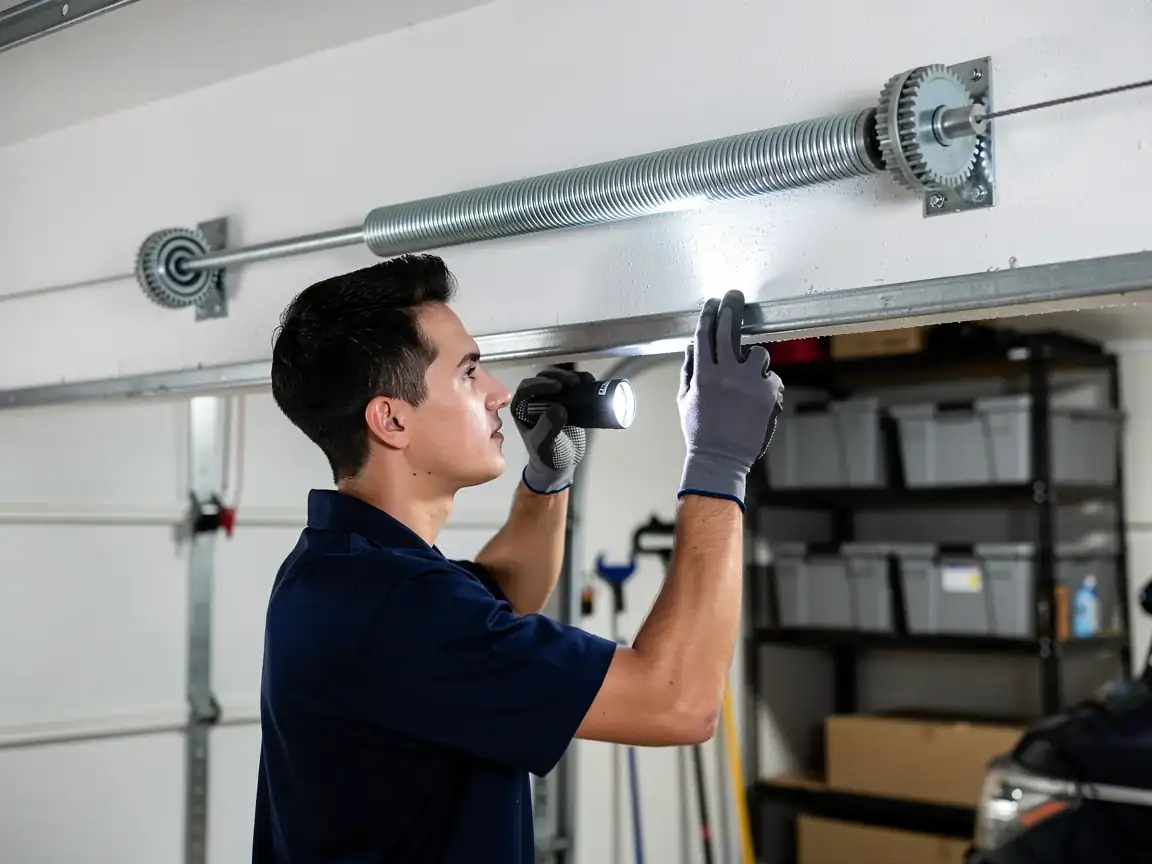
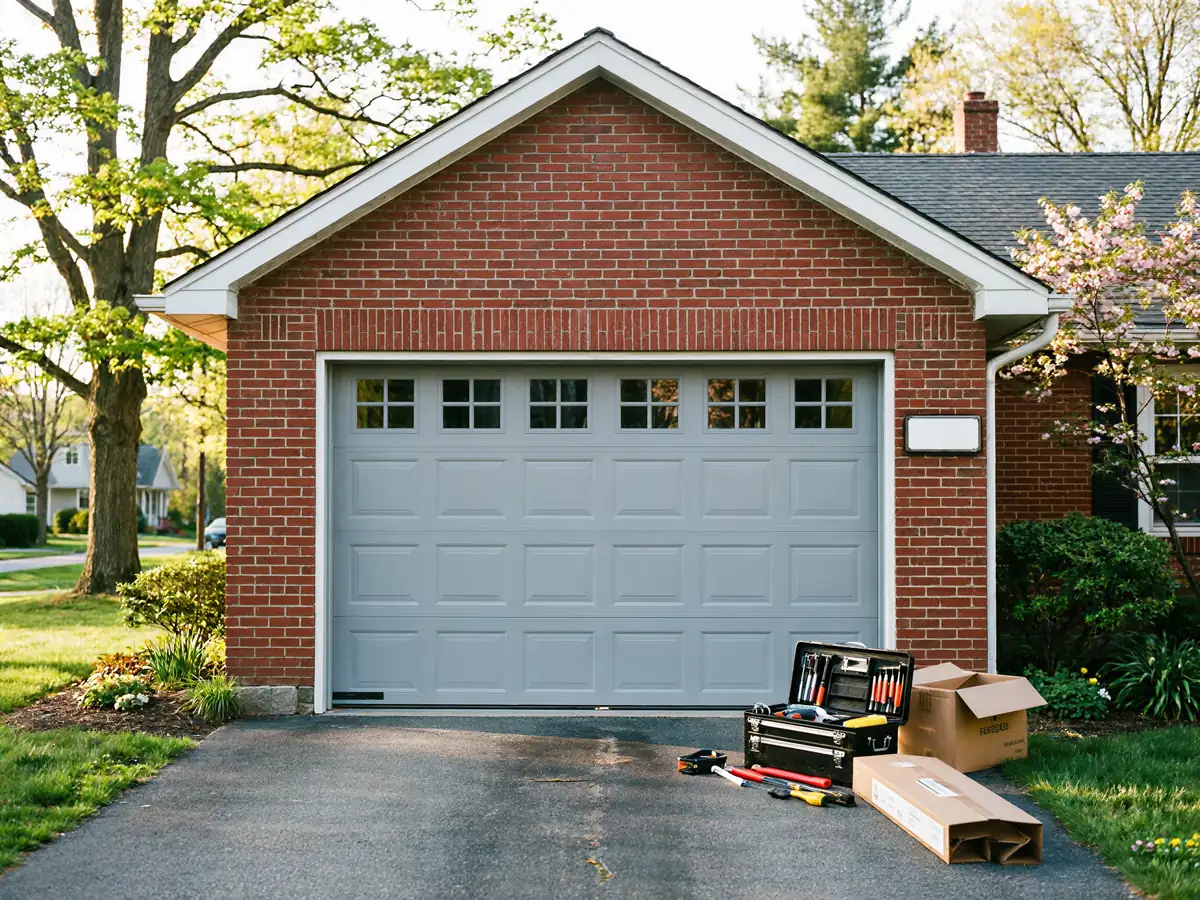
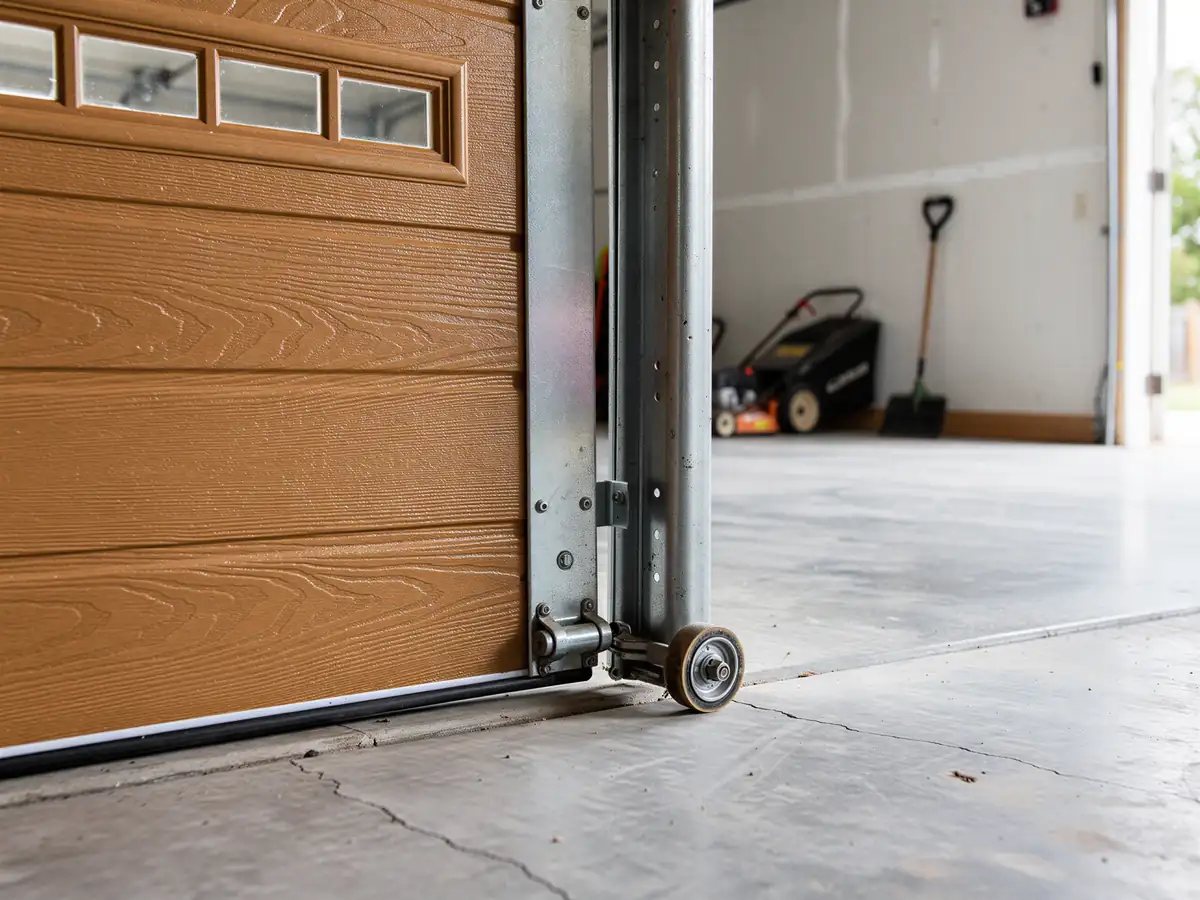
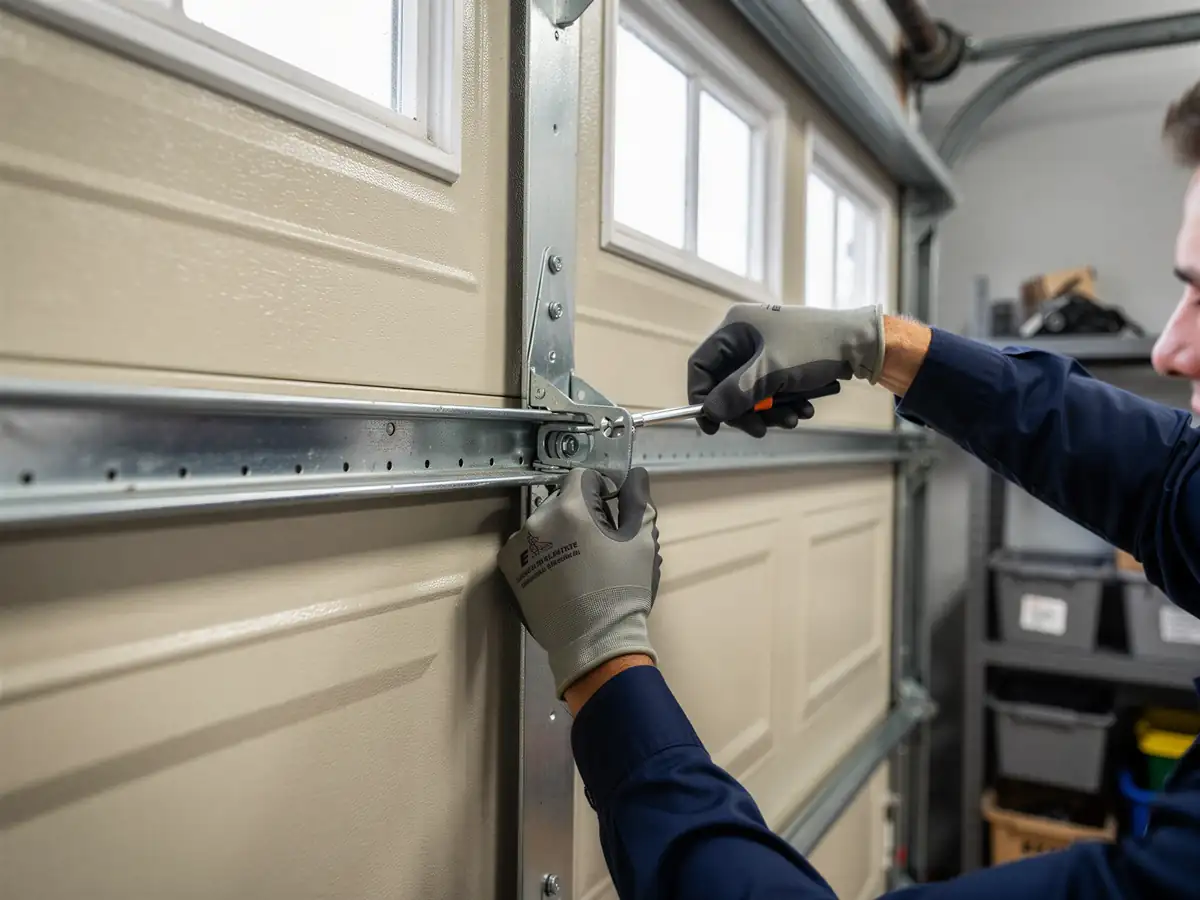
Harvard is a small town - 2,029 households total - so the garage door calls that come out of it aren't the volume kind. They're the kind where someone's been living with a door that sticks or slams for a few months before deciding to deal with it. That matters for the DIY question, because a low-traffic area like this doesn't have a hardware store on every corner stocking torsion springs or steel rollers sized for a 1970s-era door. You can replace a roller or tighten a loose hinge yourself without much risk. What you shouldn't touch is anything holding tension - torsion springs, extension spring cables, or the drums they wind around. A spring under load that lets go while you're working on it can break fingers or worse, and with median household income here at $200,688, the cost of a service call is rarely the reason to risk it. If the door won't open, won't stay open, or makes a bang when it closes, that's a call, not a project.
How It Shows Up
Harvard's housing has a median build year of 1974, a few years past the broader service area's 1969 median, which puts a lot of garages here squarely in the builder-grade extension-spring era. These doors usually run two spring-and-pulley setups mounted along the horizontal track rather than a single torsion bar over the opening. When one side's spring stretches or frays, the door racks sideways on its way up, binding in the track or dropping fast on one corner. That's the failure pattern that shows up most from this part of the service area: uneven travel, a grinding or popping sound as it reaches the top, or a door that reverses itself for no clear reason. The area's cold band compounds it - steel track bolted during a mild fall can shift out of plumb once the ground freezes and heaves the slab underneath the garage, so a door that worked fine in October starts binding in January with nothing mechanically broken, just misaligned.
What the Fix Involves
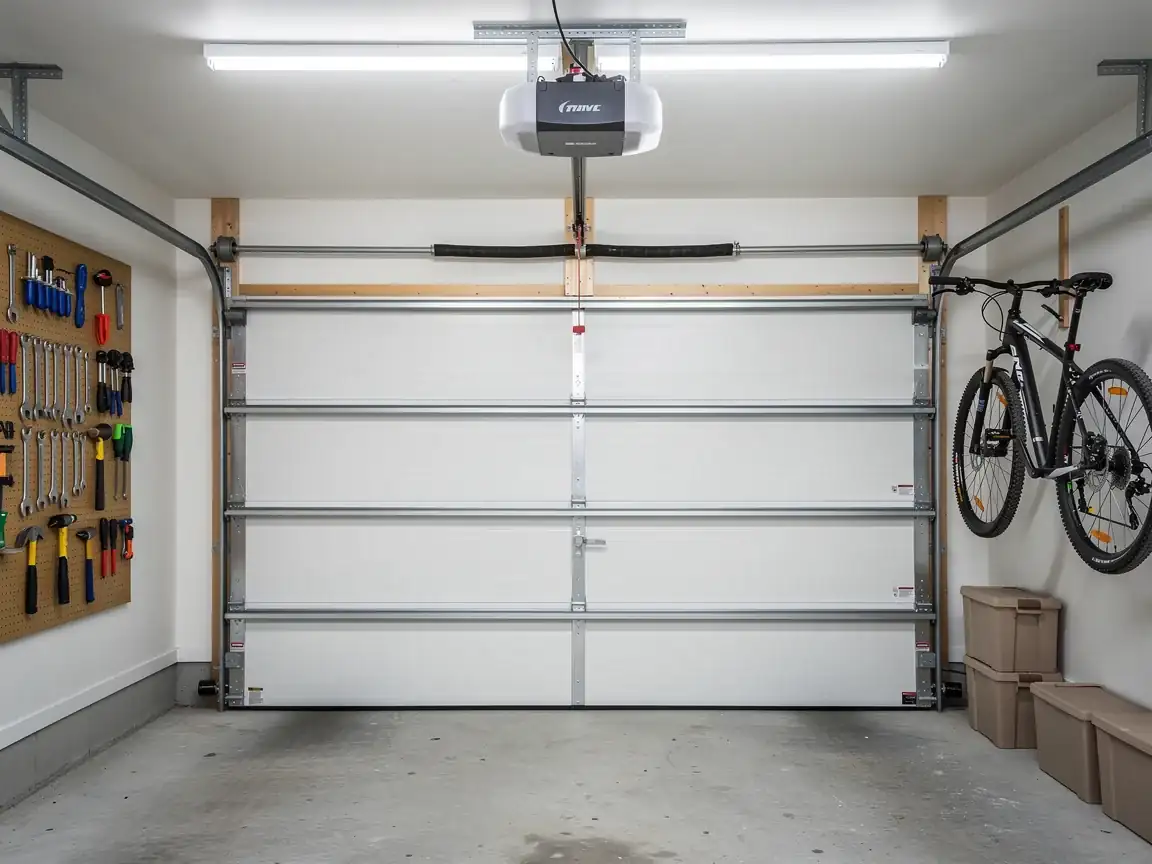
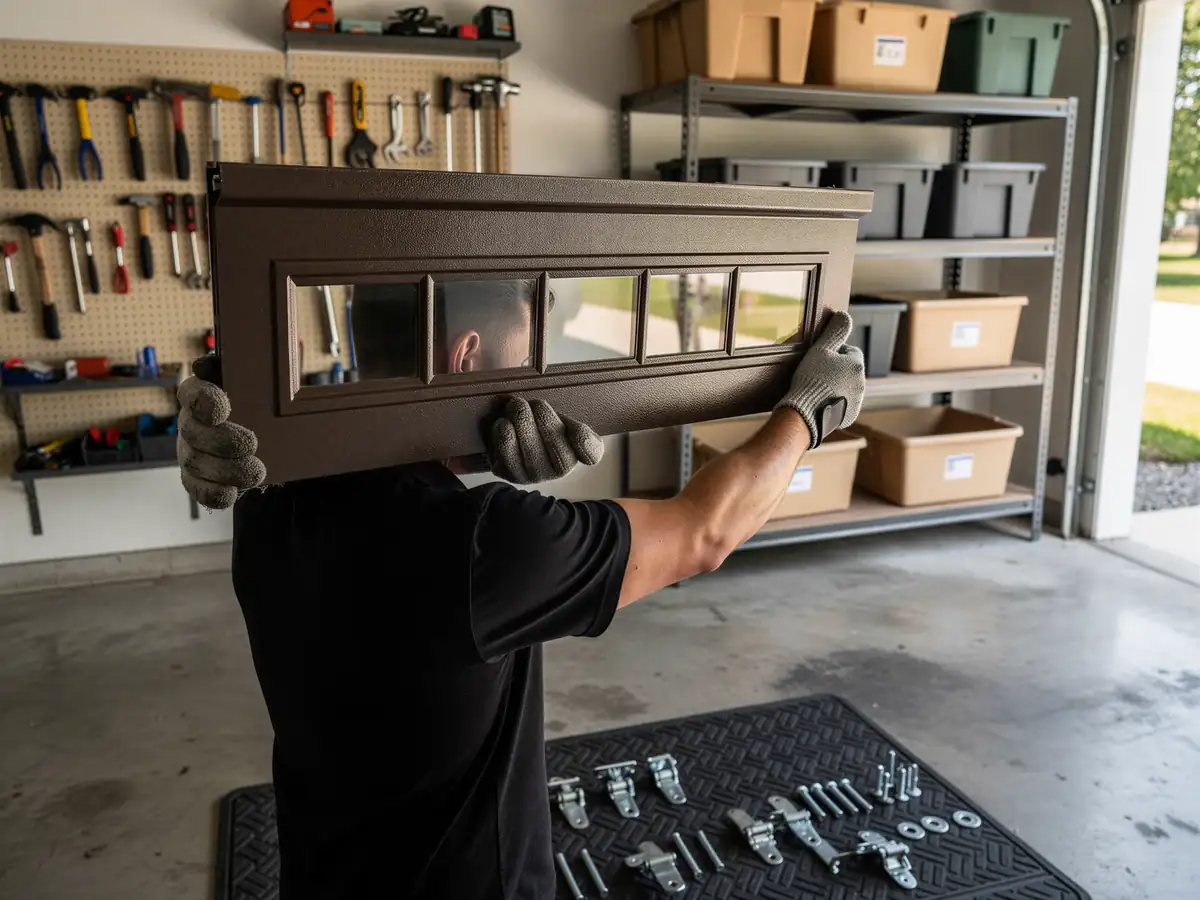
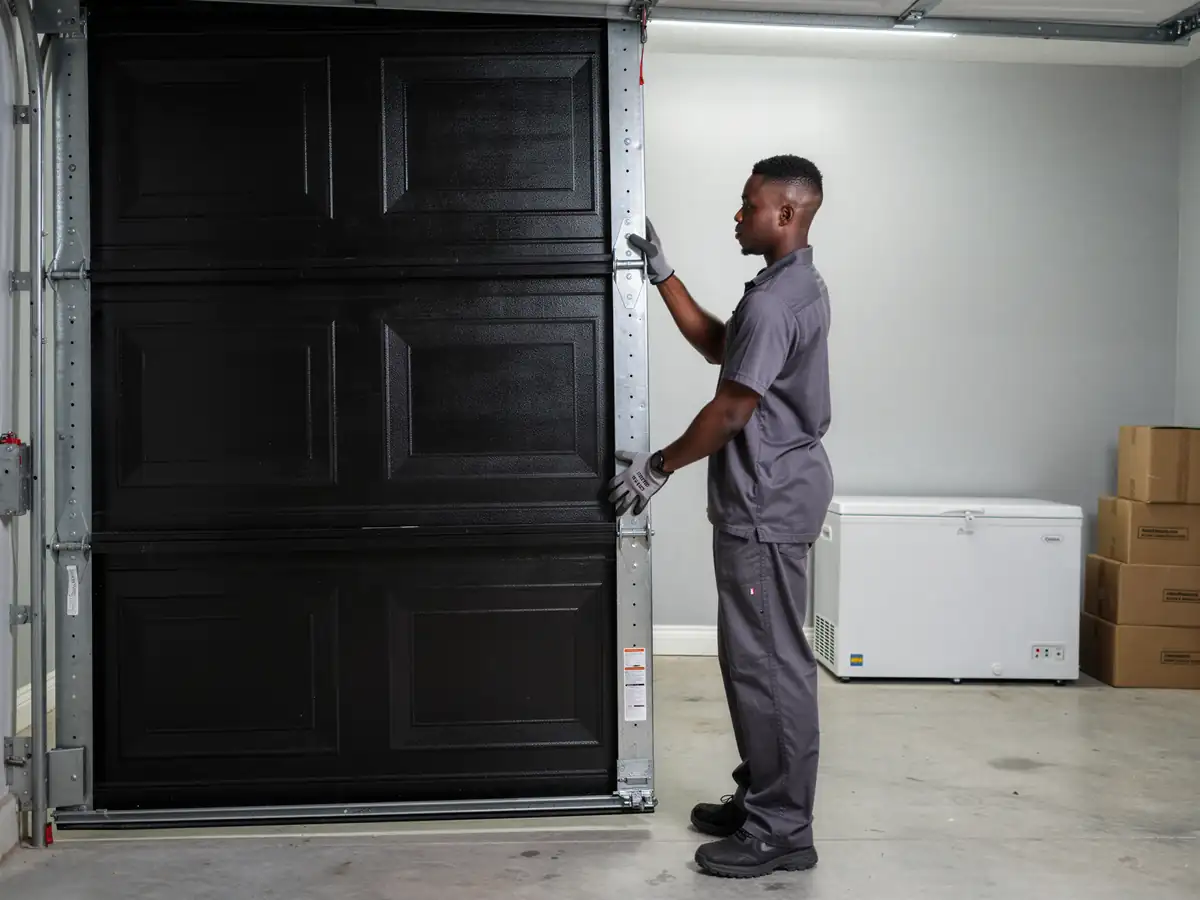
For a lot of the extension-spring doors still running in Harvard, the actual fix is a torsion conversion - pulling the old spring-and-pulley setup off the track and replacing it with a torsion bar and springs mounted over the header. It costs more up front than just swapping a frayed extension spring, but it holds tension safer and doesn't need two matched springs to stay balanced. Given the income level in this town, more owners ask for that conversion outright rather than patching the original system again. Where the door itself is sound but insulation isn't, swapping in a steel door rated for the area's severe cold band is the more common ask - original 1970s panels were rarely insulated, and a cold garage next to a heated house loses more than people expect. Track realignment after frost heave is usually quick: loosen the brackets, replumb the rail, reset the rollers. It's one of the few fixes here that doesn't involve ordering a part.
What Can Go Wrong
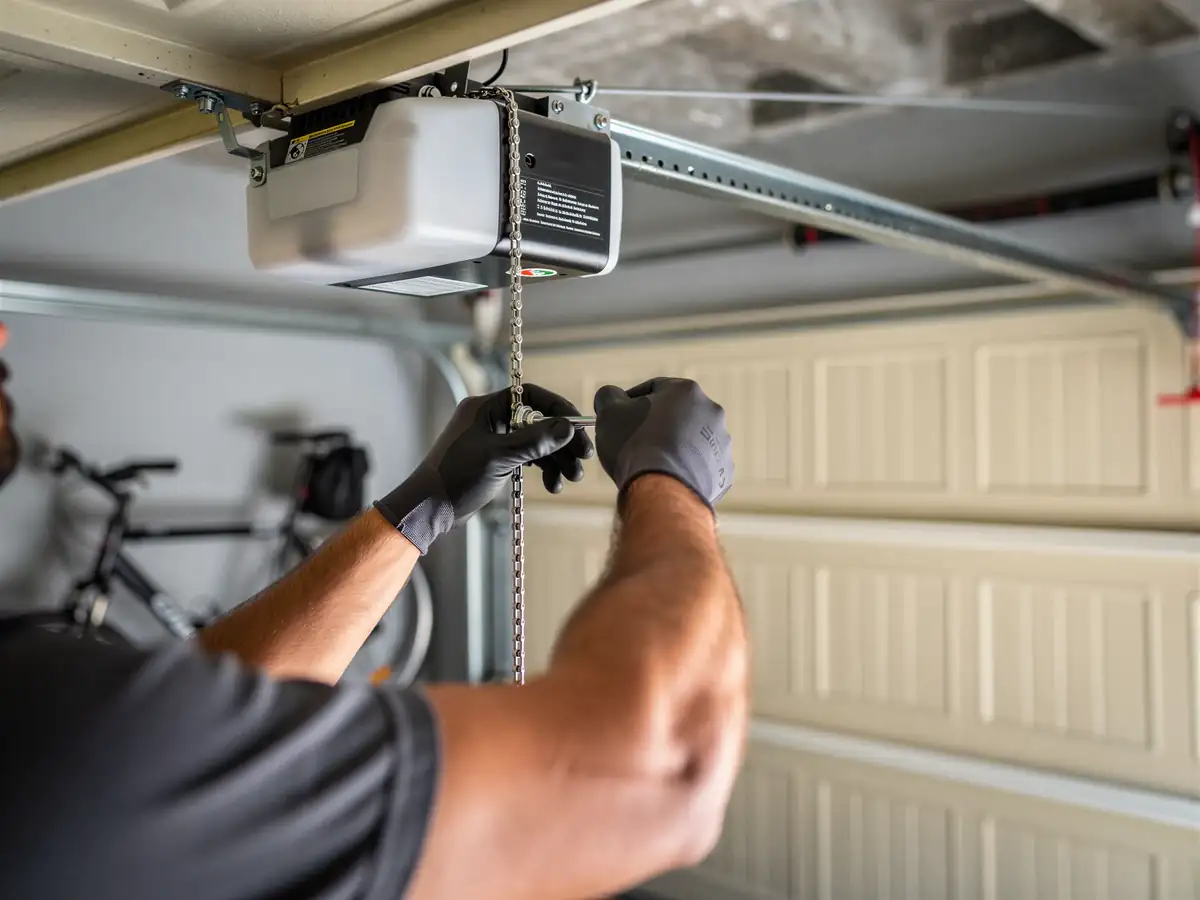
The most common failure on Harvard's older doors is a snapped extension spring cable, which can let a door drop hard and fast if the safety cable running through the spring is missing or broken - a lot of 1970s installs never had one added. Rust is the other recurring issue; the area's cold winters mean salt and moisture work on exposed spring coils and track bolts over the decades, and a spring that looks fine can fail without warning once it's corroded through. Openers from that era, if they're still original, tend to lose torque gradually rather than quitting outright, so a door that used to shut all the way starts stopping a few inches short. None of this is dramatic to fix, but ignoring a grinding sound or a door that's started reversing itself is how a $150 spring job turns into a cracked panel from a door that came down wrong.