The DIY Question
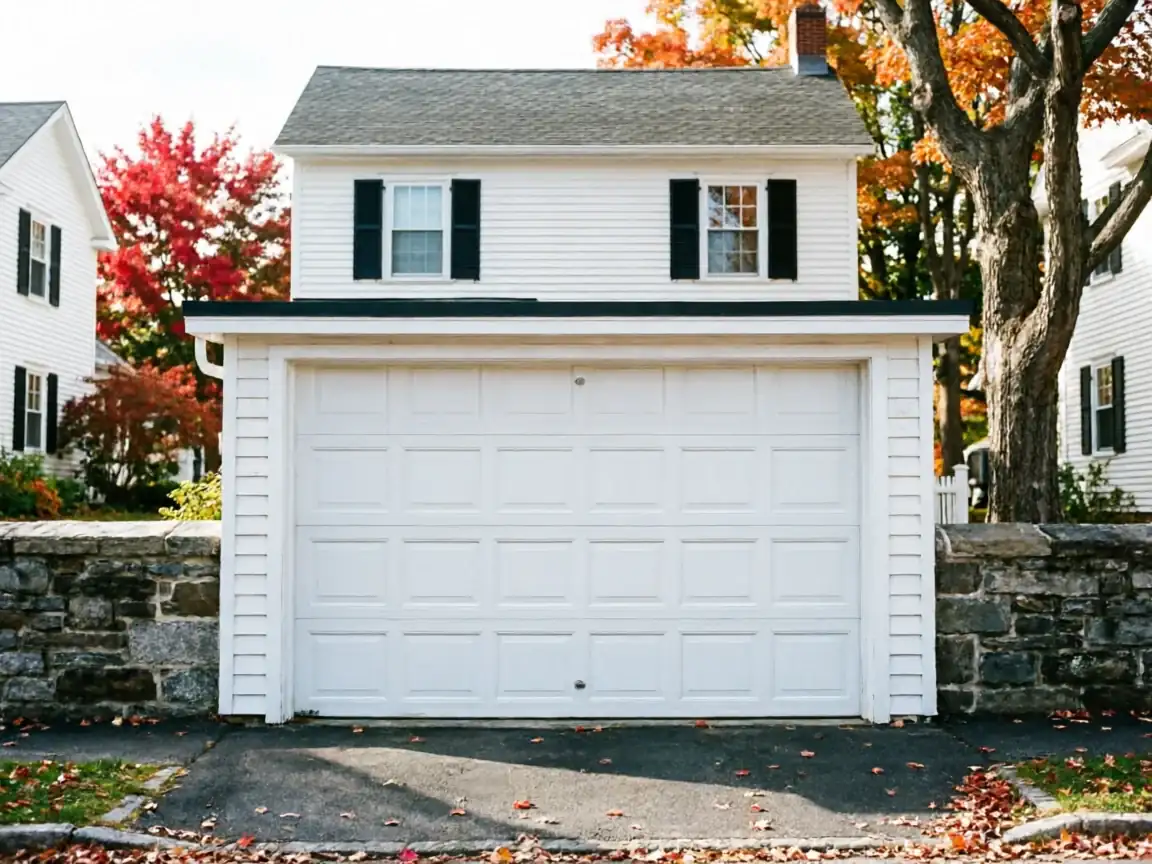
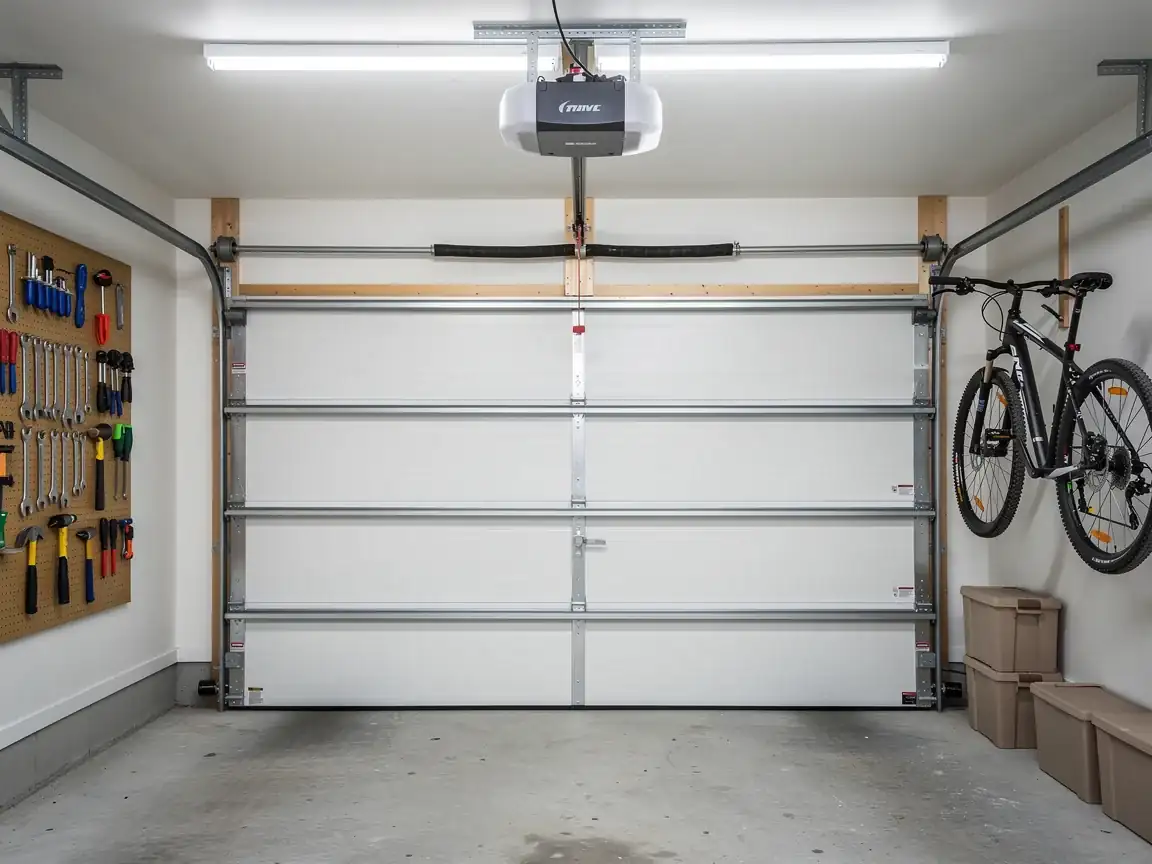
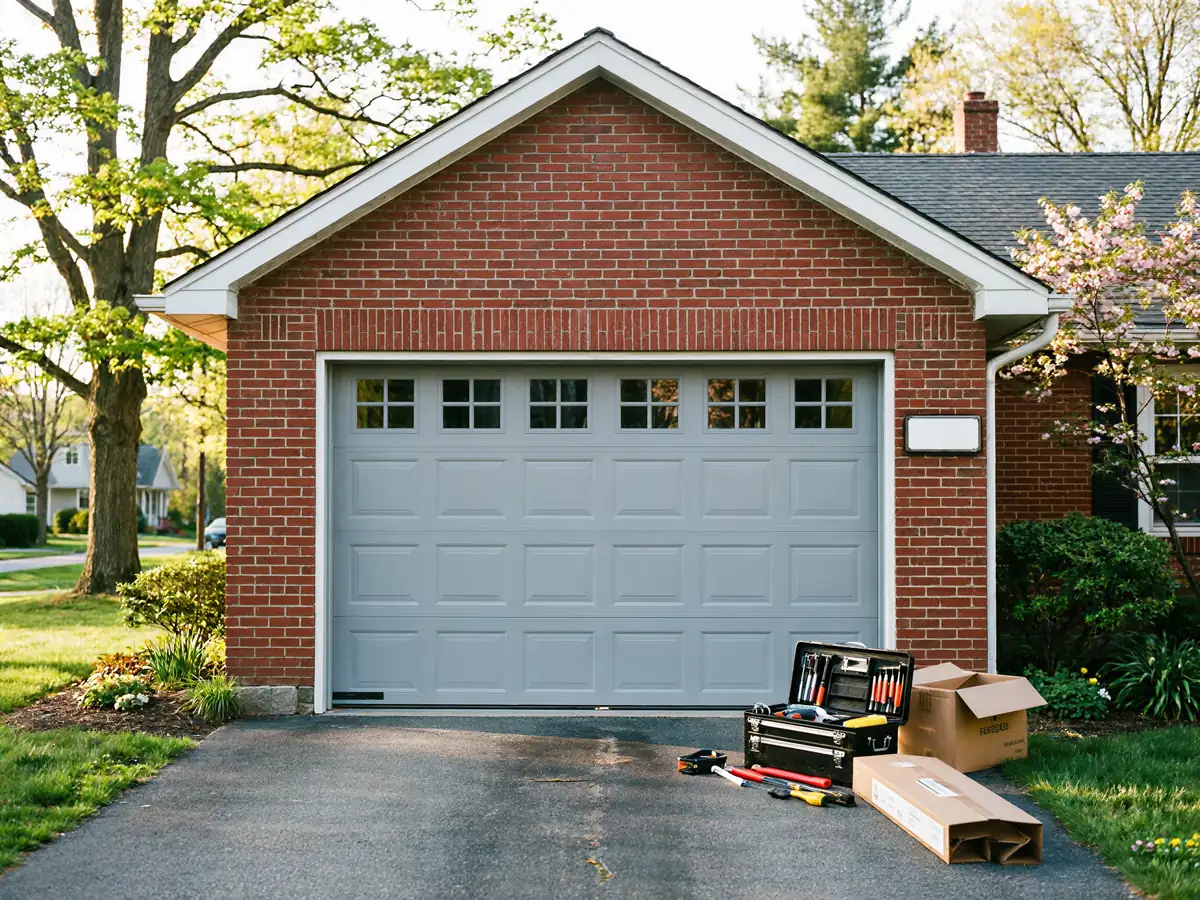
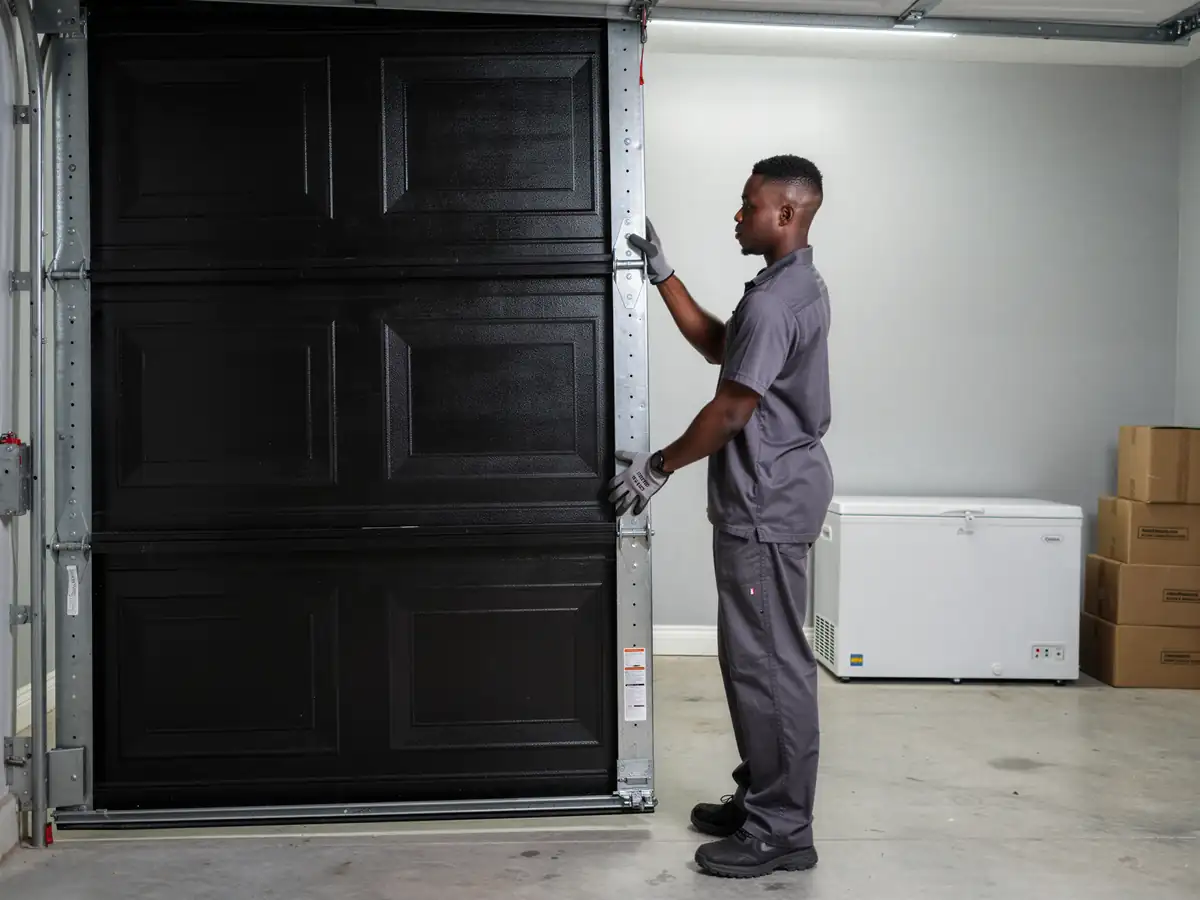
Most houses in Harvard went up around 1974, which means the garage door hanging on them is a wide, two-car steel sectional on extension springs, not the narrow single-bay wood door you'd find on older 1960s stock elsewhere in the service area. That size and spring type changes what you can safely touch. If the door jumped track because a box or a bike got shoved against it, you can usually push the door back onto the rail by hand with the opener unplugged and the door down. If the track itself is bent, or a cable has come off the drum, leave it. A door that size carries real weight on extension springs under tension, and forcing it back on a bent track just bends it worse. We'd rather talk you through the five-minute fix over the phone than drive out for something you could've nudged back into place yourself. That's the honest split: cosmetic misalignment, try it; anything involving a cable, a drum, or a spring, don't.
How It Shows Up
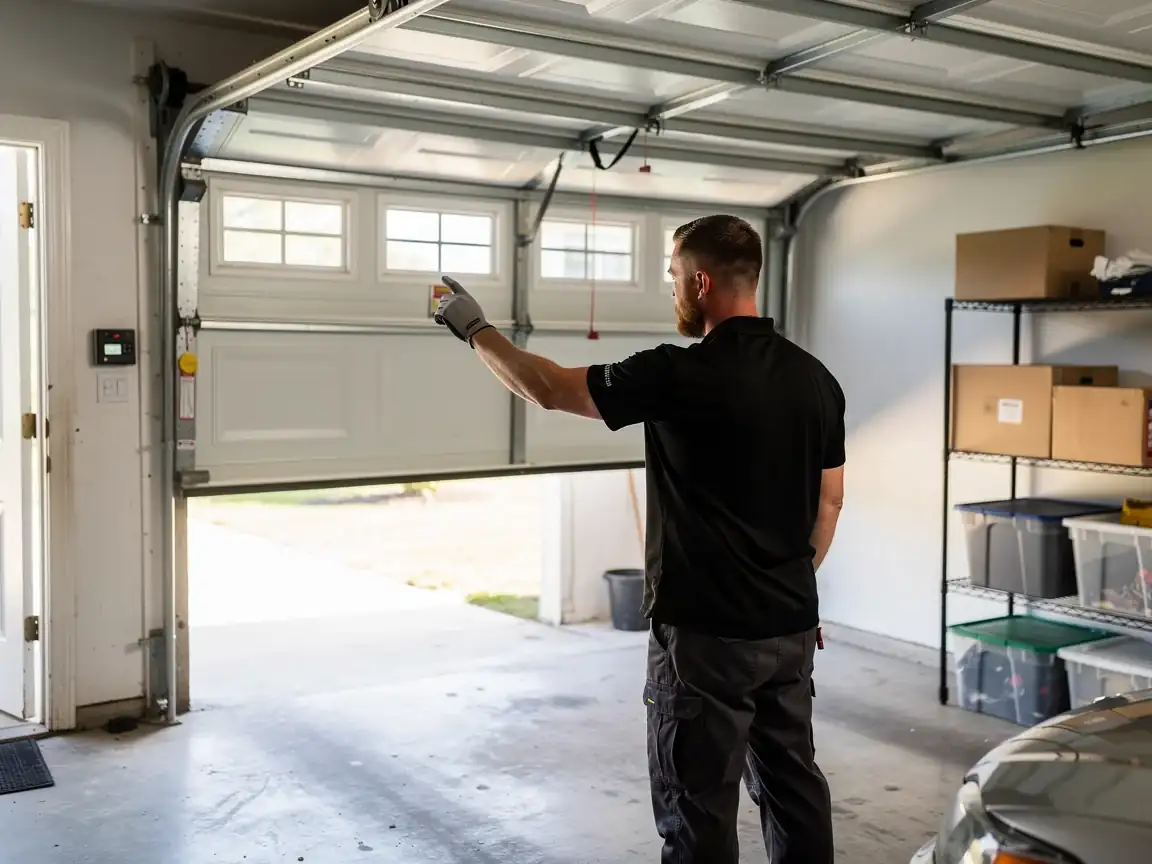
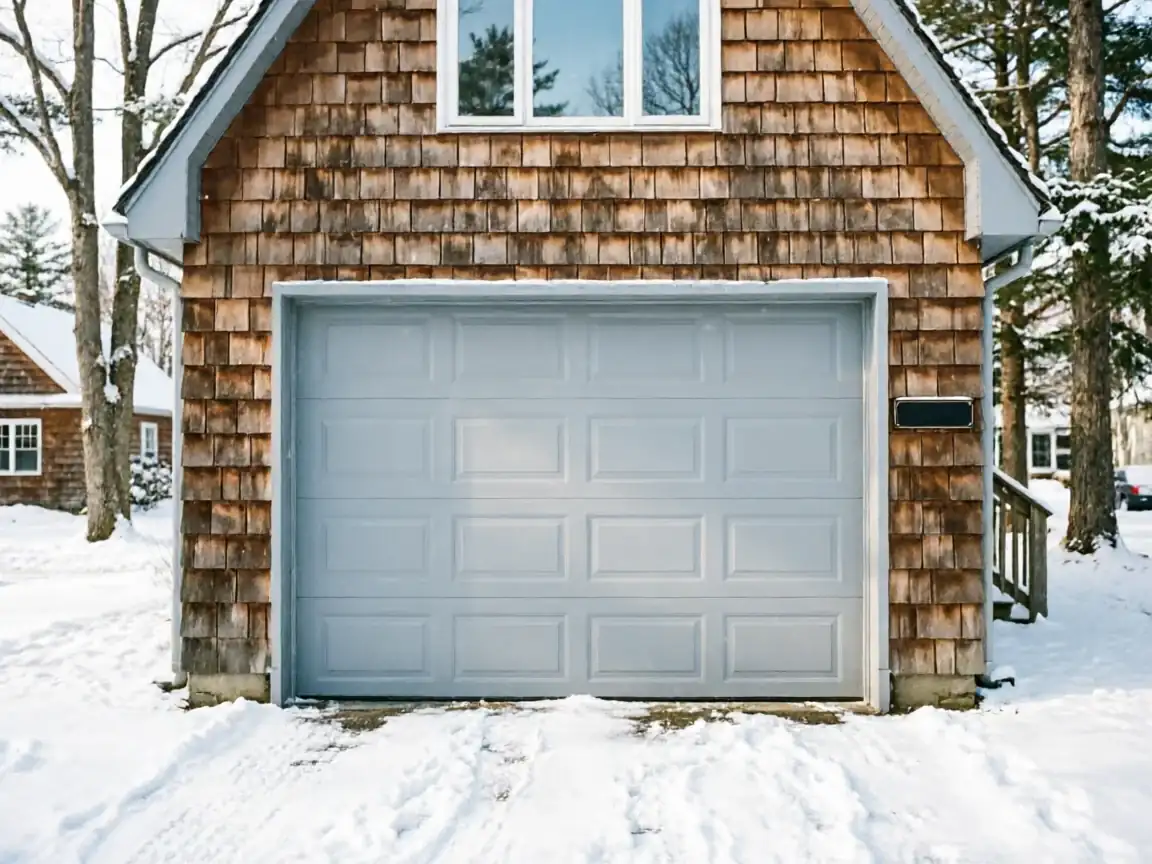
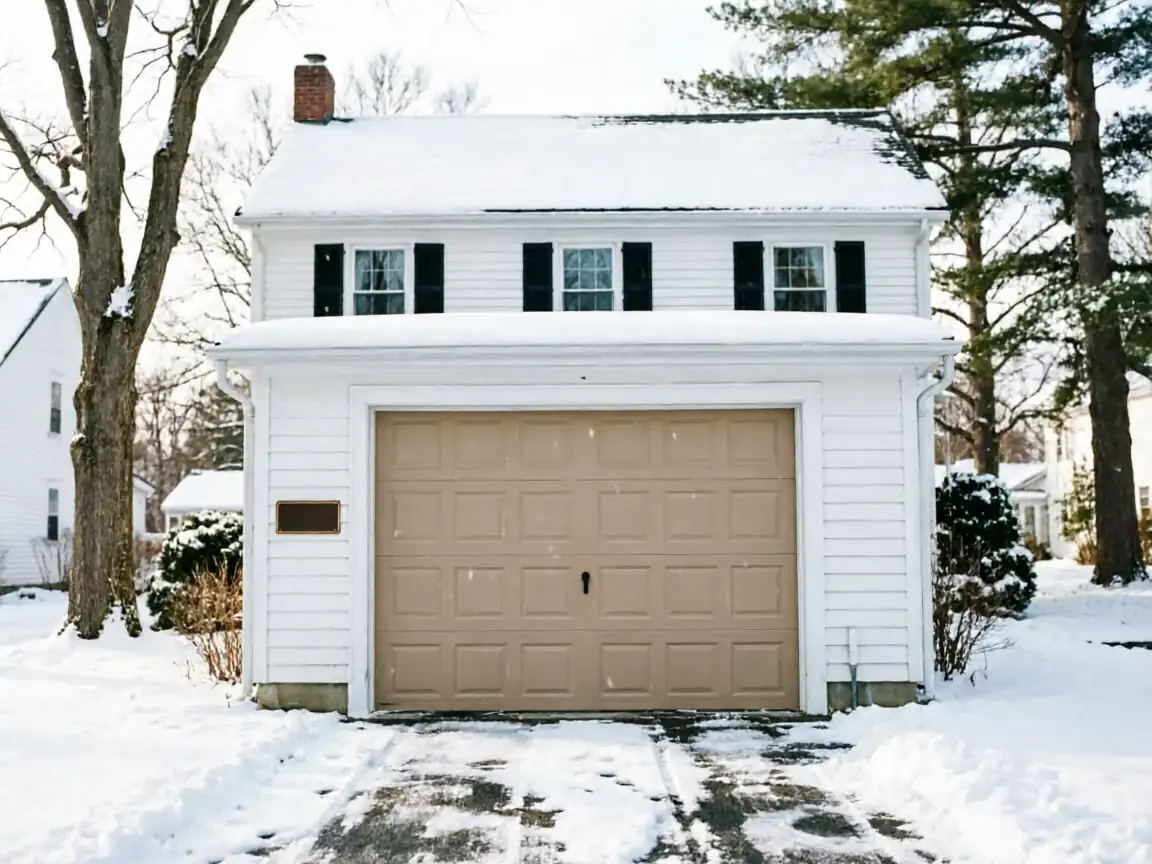
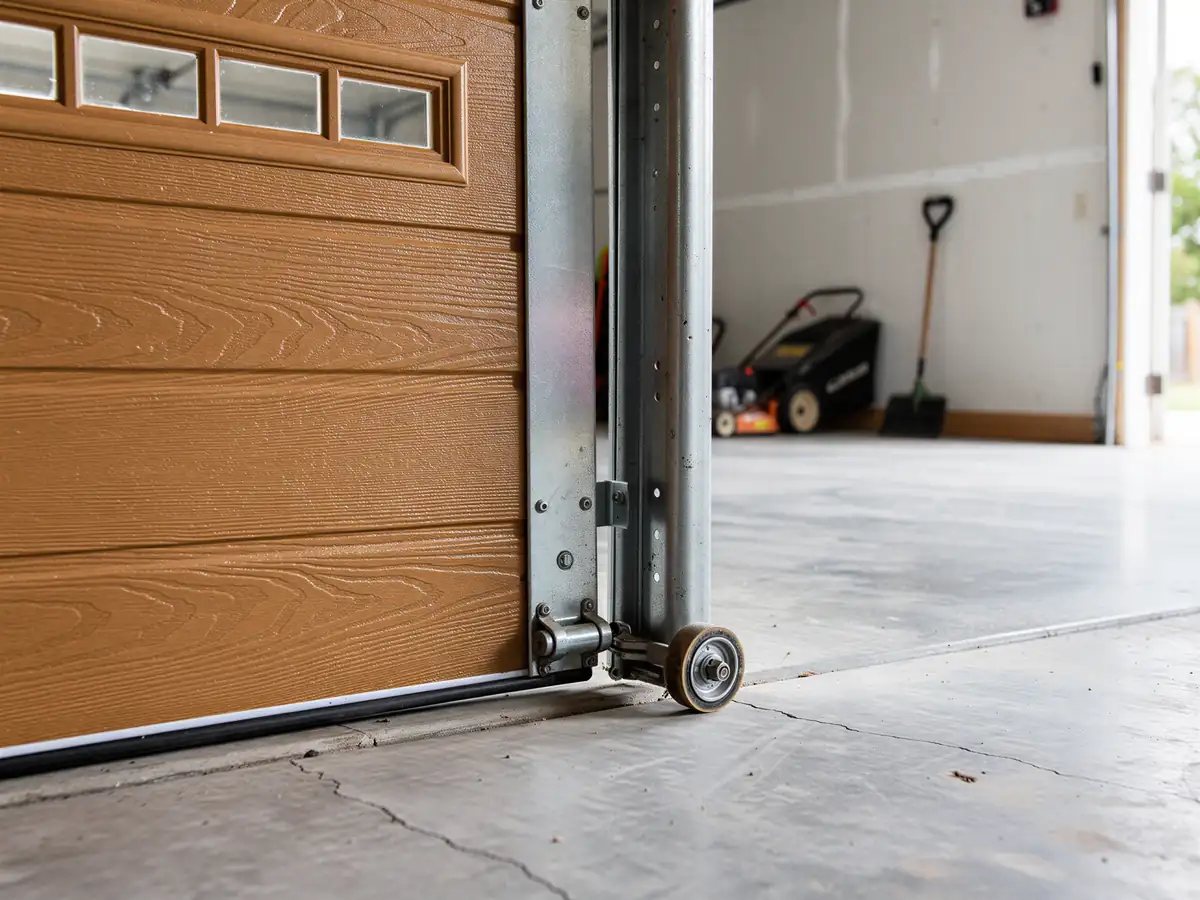
On a wider two-car door, off-track usually announces itself as one side riding higher than the other, a panel that bows at the seam, or a roller that pops clean out of the track when the door's partway up. Because this is a cold-climate area, the first cold snap of the year is when a lot of these calls come in. A track bracket that was a little loose all fall finally lets go once the metal contracts, and a roller that's been grinding quietly all summer seizes up and jumps. You'll hear it before you see it most of the time: a bang, a scrape, or the opener straining against resistance that wasn't there last week. Sometimes it's subtler - the door closes unevenly, leaving a gap at one bottom corner that lets weather in. On a house this size, that gap isn't just cosmetic; it's a draft point on a door built in an era when insulation specs were a lot thinner than what's installed today.
What the Fix Involves
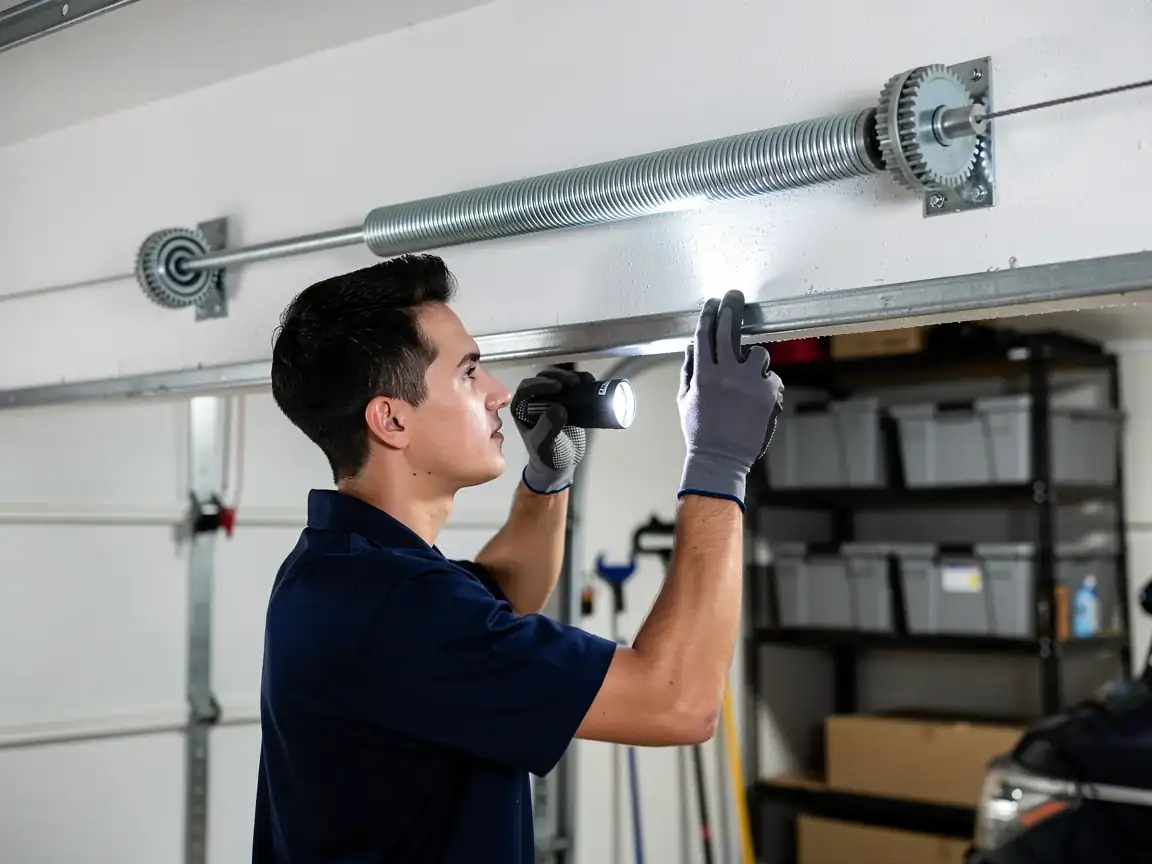
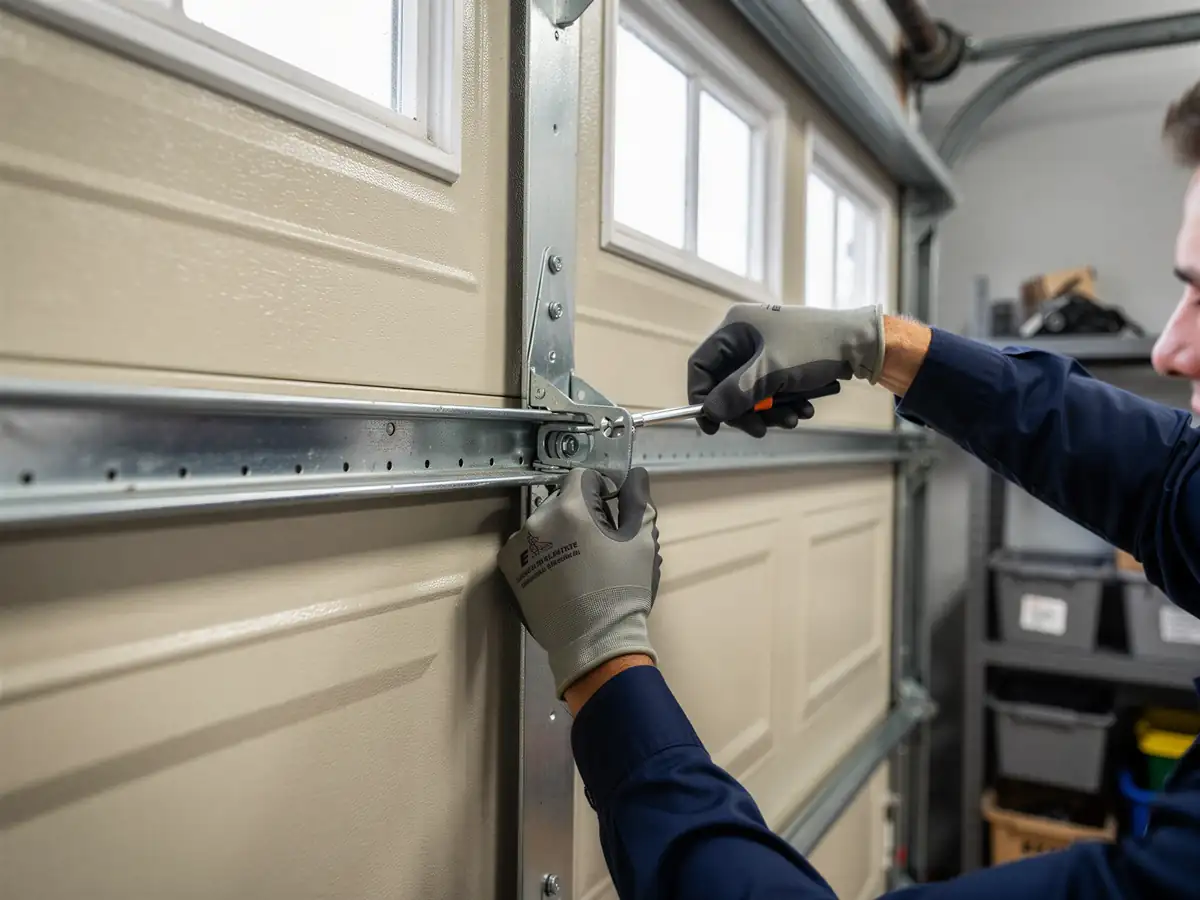
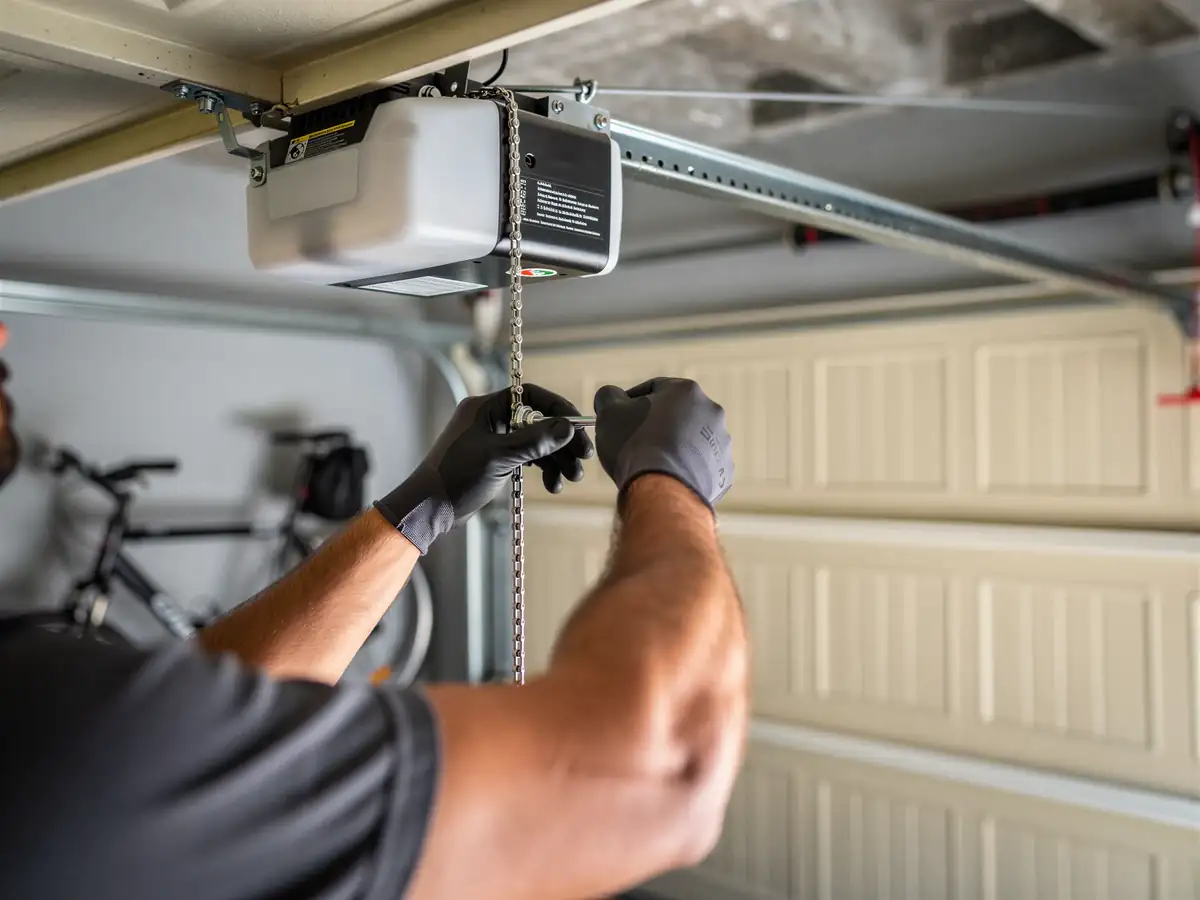
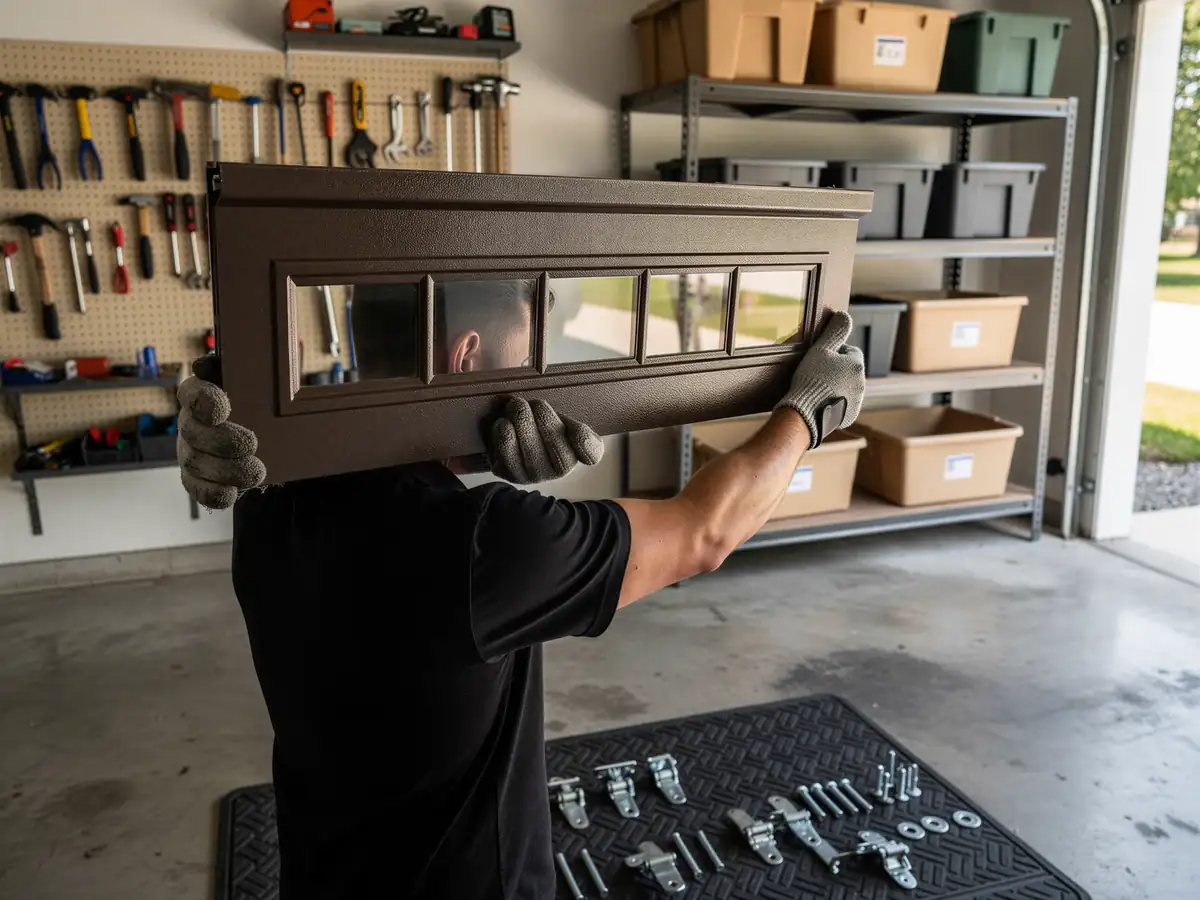
For a door that's hopped its track but the track itself is straight, the fix is mechanical: release tension, reseat the rollers, square the track brackets, and run the door through a full cycle to check it tracks true top to bottom. For a bent track - common once a roller's been grinding against a loose bracket for a while - the bent section gets replaced, not hammered straight, because a straightened track rarely holds true a second time. On the wider two-car doors common to Harvard's 1974-era housing, that means more hardware per job than on a narrow single door: two tracks, four to six rollers, and often both cable drums need checking since a jump on one side puts uneven load on the other. We also check the extension springs themselves while we're in there, since a door that's been running off-balance for weeks has usually been stressing them unevenly.
What Can Go Wrong
The thing people get wrong is waiting. A door that's off-track but still technically closing often keeps getting used for another week or two, and every cycle on a bent track chews the rollers down further and can crack a panel seam on a wide sectional door. Given that median household income in Harvard runs well above the $147,635 average across the rest of the service area, a fair number of these are newer insulated steel doors - and a cracked panel on one of those isn't a cheap patch, it's a panel order with a lead time. The other failure mode is a cable that slips off a drum rather than snapping clean: the door looks fine sitting closed, then drops unevenly or won't lift at all on the next try. We don't recommend running a door in that state even once more to see if it clears a tight spot. It usually doesn't.