The DIY Question
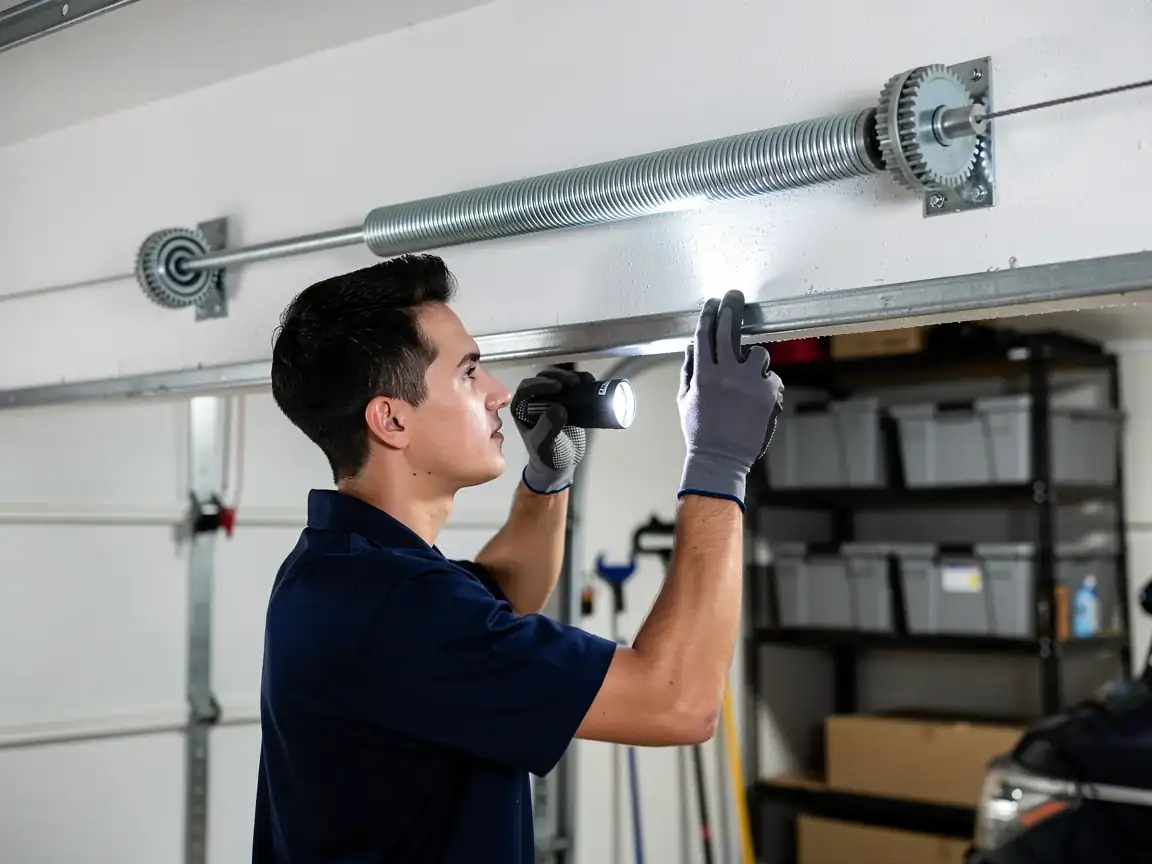
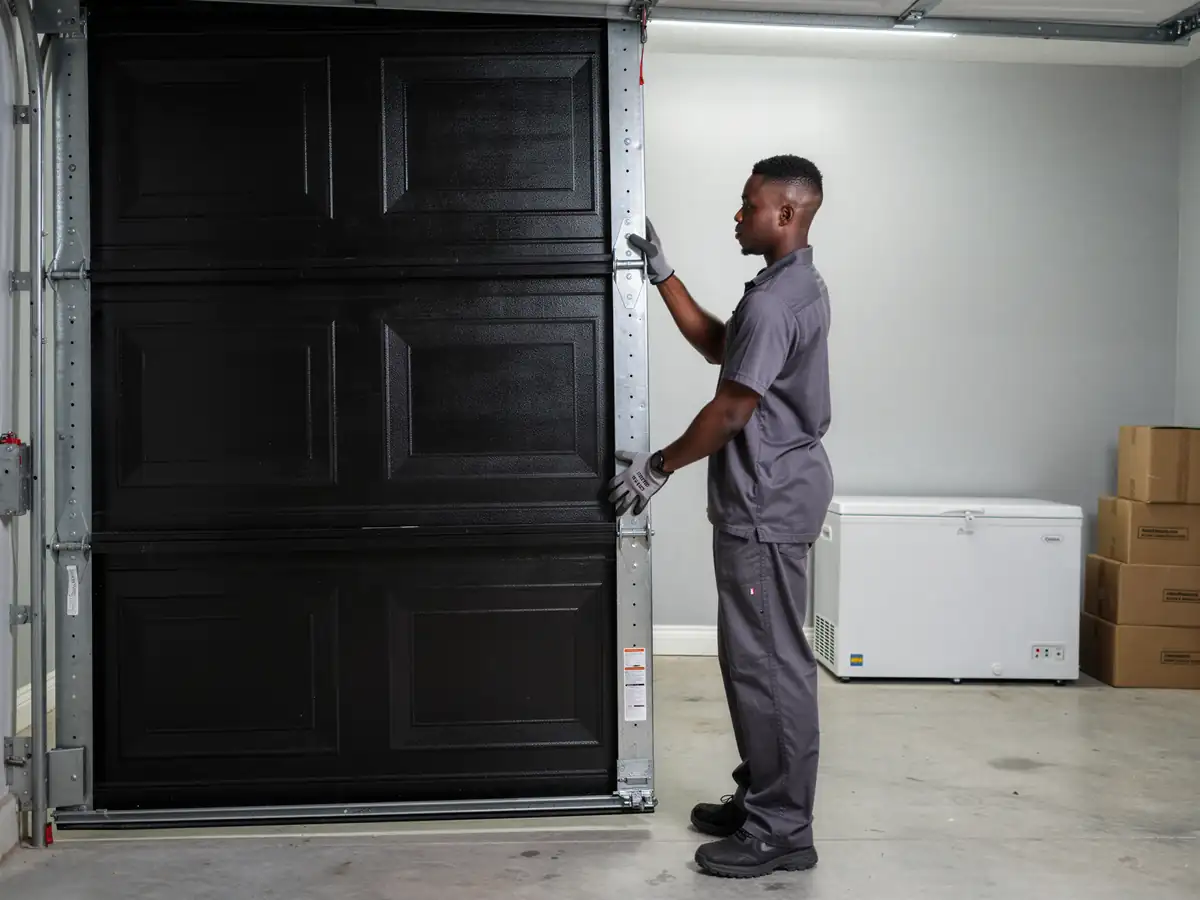
The fault we see most in Harvard isn't a worn-out remote or a squeaky roller. It's a spring or cable that's failed outright, usually on a door that's been opening and closing the same way since the house was built. A spring under tension can take a finger off if you don't know what you're doing, and on these older torsion setups the drum, shaft, and cable all have to come off in the right order or you make the job worse.
That matters more here than in a newer subdivision. The median home in Harvard went up around 1974, which puts a lot of original hardware right at the end of its service life now - we're talking 50 years on springs that were rated for maybe 10,000 cycles. If your door is from that era and something just let go, the honest answer is: don't try to re-tension it yourself. Opener issues are a different story. A dead capacitor or a sensor knocked out of alignment is often something you can check before calling anyone. But once a spring, cable, or torsion bar is involved, that's a call, not a project.
How It Shows Up
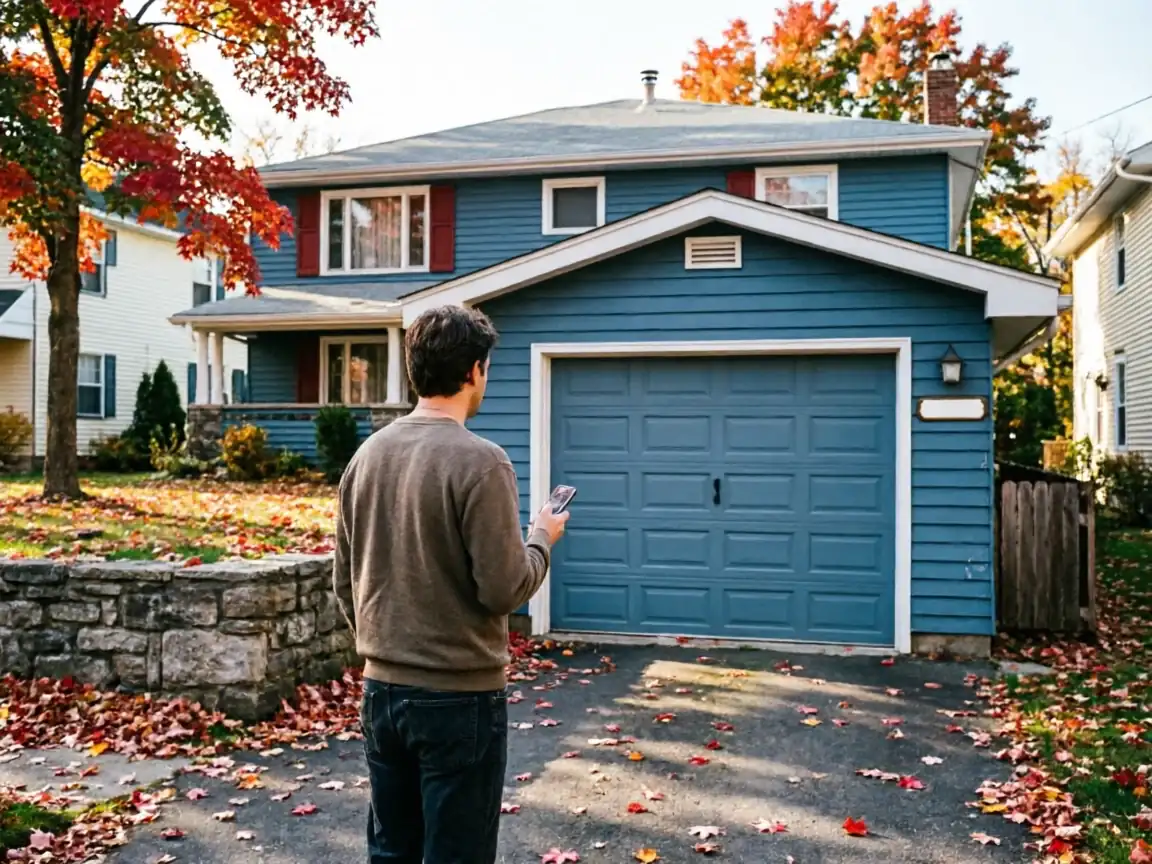
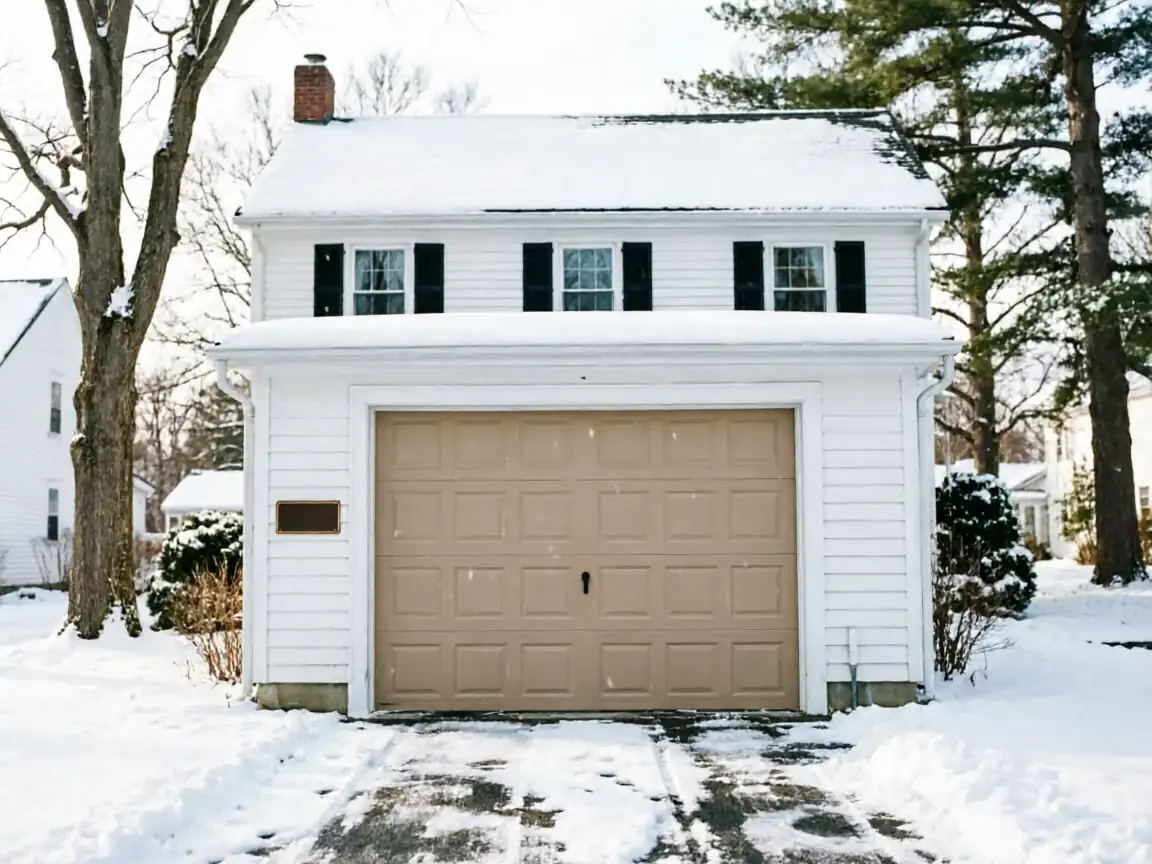
Across the wider service area the housing stock runs 1960s to 1970s, and Harvard sits right in that band. What that means in practice: steel sectional doors with the original hardware, chain-drive openers that are starting to grind, and cables that have seen more winters than they were built for. The cold-climate stretch this region sits in doesn't help - a severe winter freeze-thaw cycle works metal fatigue faster than mild weather does, and a cable or spring that's already near its limit tends to let go on the coldest morning of the year, not a mild one.
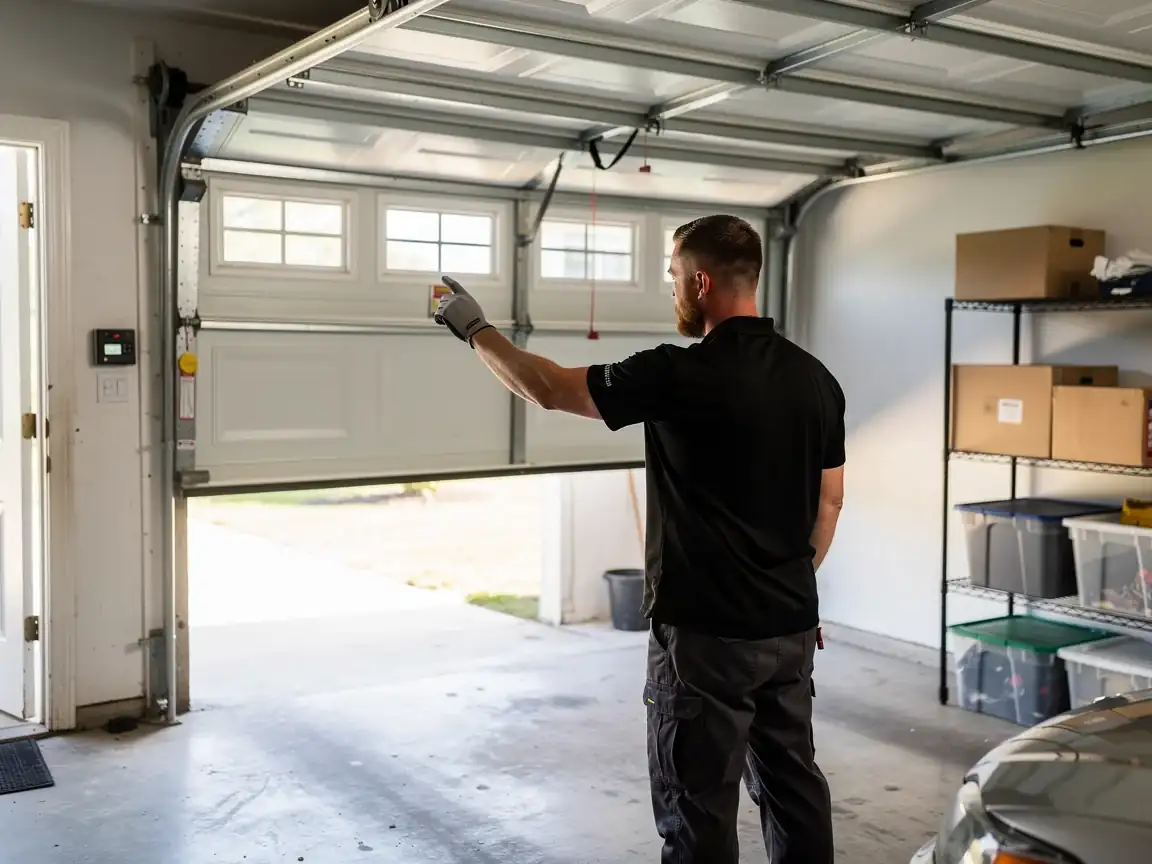
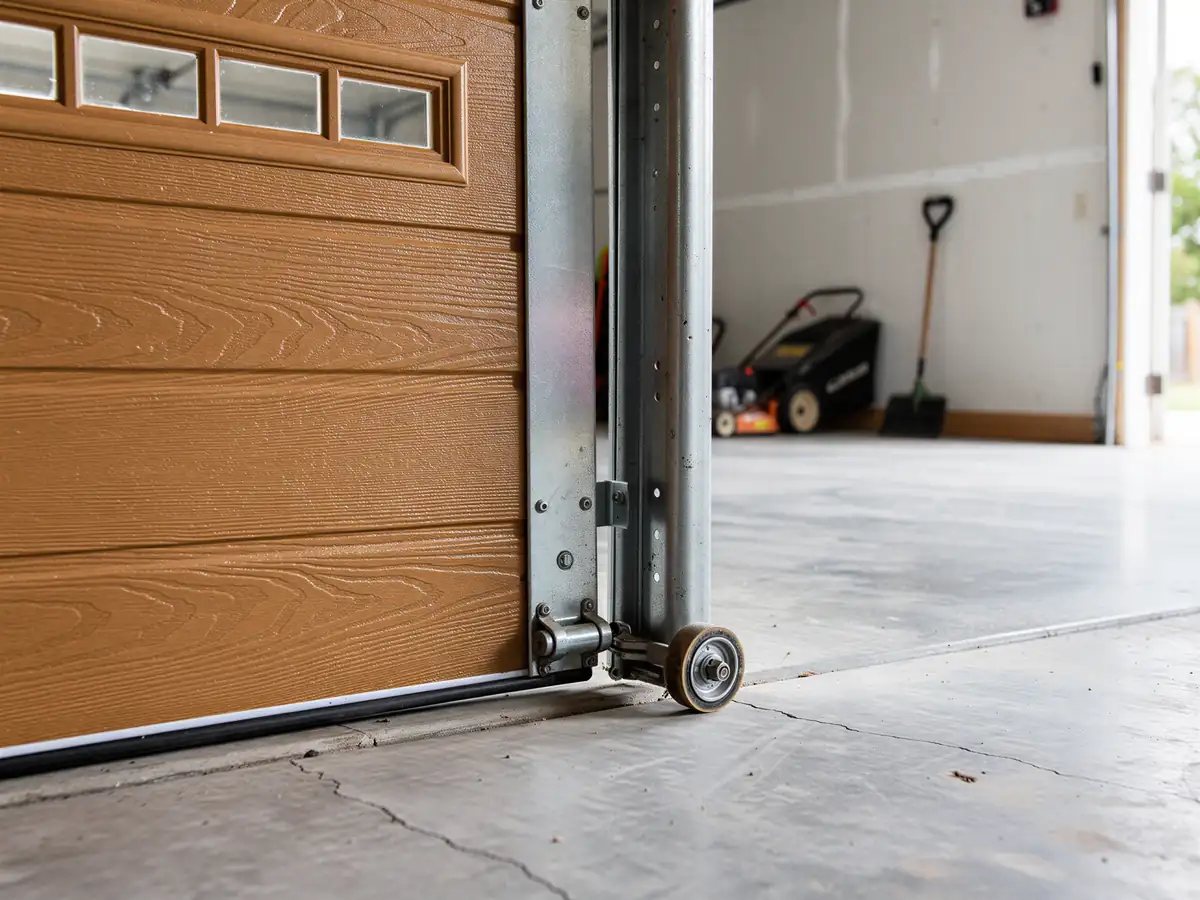
In Harvard specifically you'll usually see one of three things: the door stops halfway and won't budge either direction (spring gone), the opener runs but the door doesn't move (a snapped cable or a stripped gear), or the door drags and binds on one side (a track that's shifted out of alignment, often from age rather than impact). None of these get better by themselves, and running the opener against a stuck door usually turns a spring job into a spring-and-track job.
How to Book
We run out of Hudson
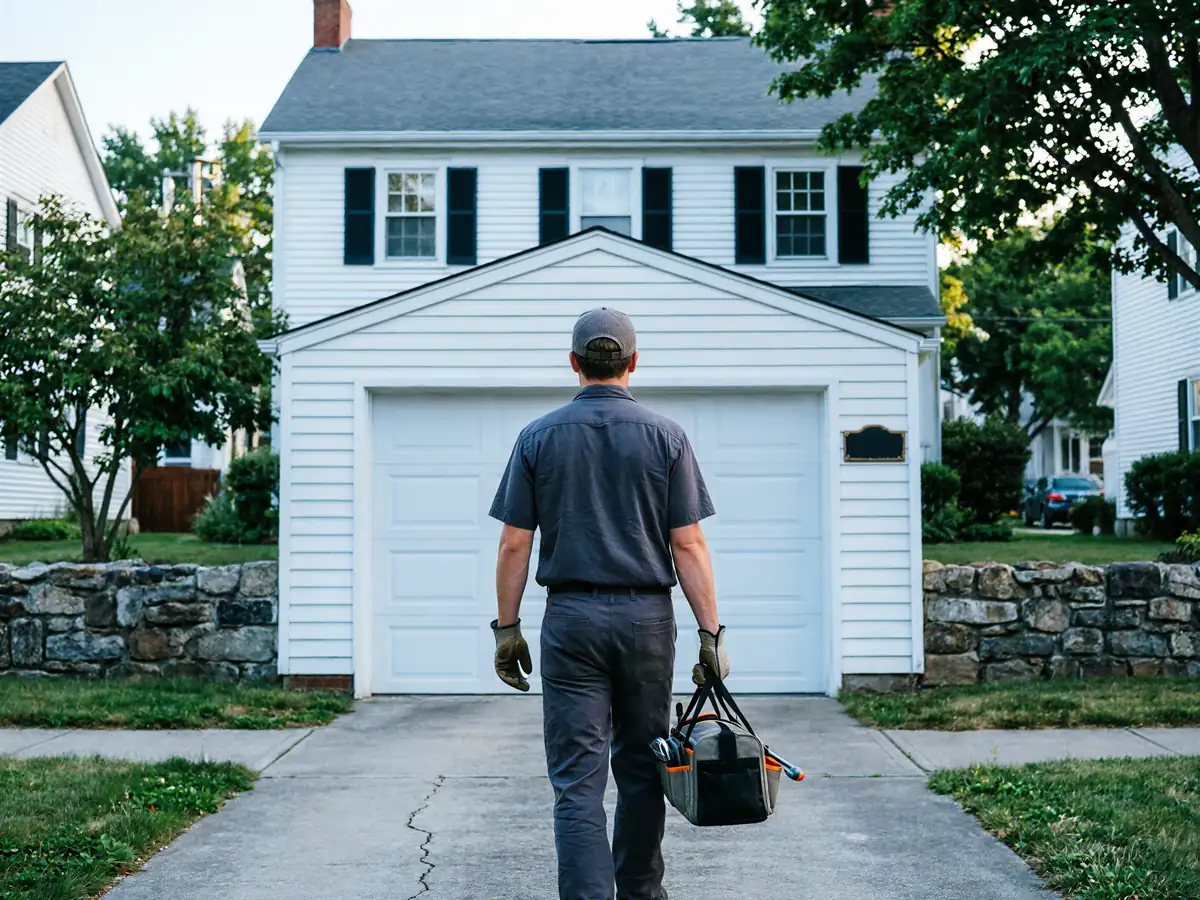
And Harvard is about 8 miles from there - close enough that we treat it like a normal stop on the route, not a special trip, but far enough that we plan the drive rather than drop by on a whim. Call and describe what the door is doing: stuck open, stuck shut, opener running but door not moving, grinding noise, whatever it is. That tells us what to bring.
- 8 miles
We don't keep a branch or a drop-box in Harvard itself, so everything starts with that call
If you want to see what else we cover out this way, the Harvard area page lays out the towns nearby, and the main Hudson emergency repair page covers the service in general if this isn't the page you needed.
What the Fix Involves
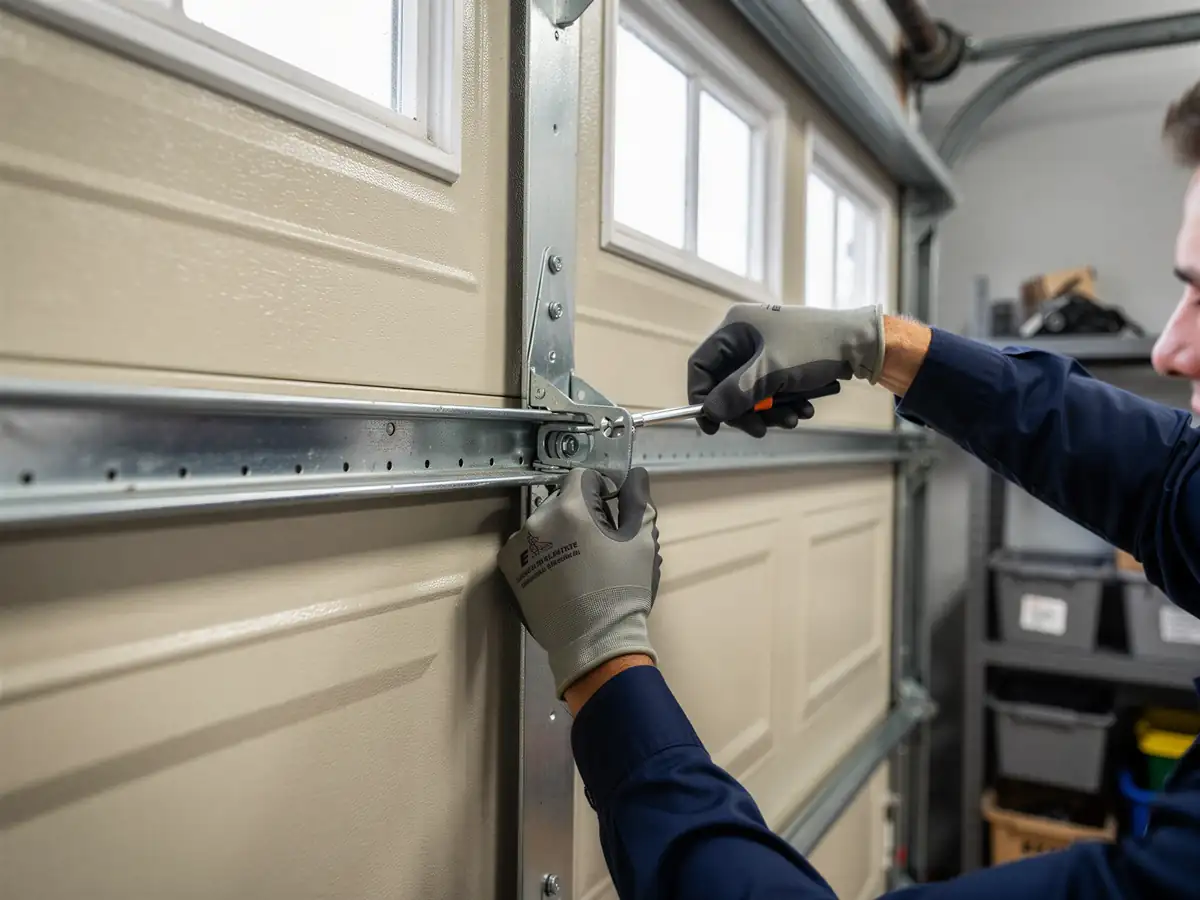
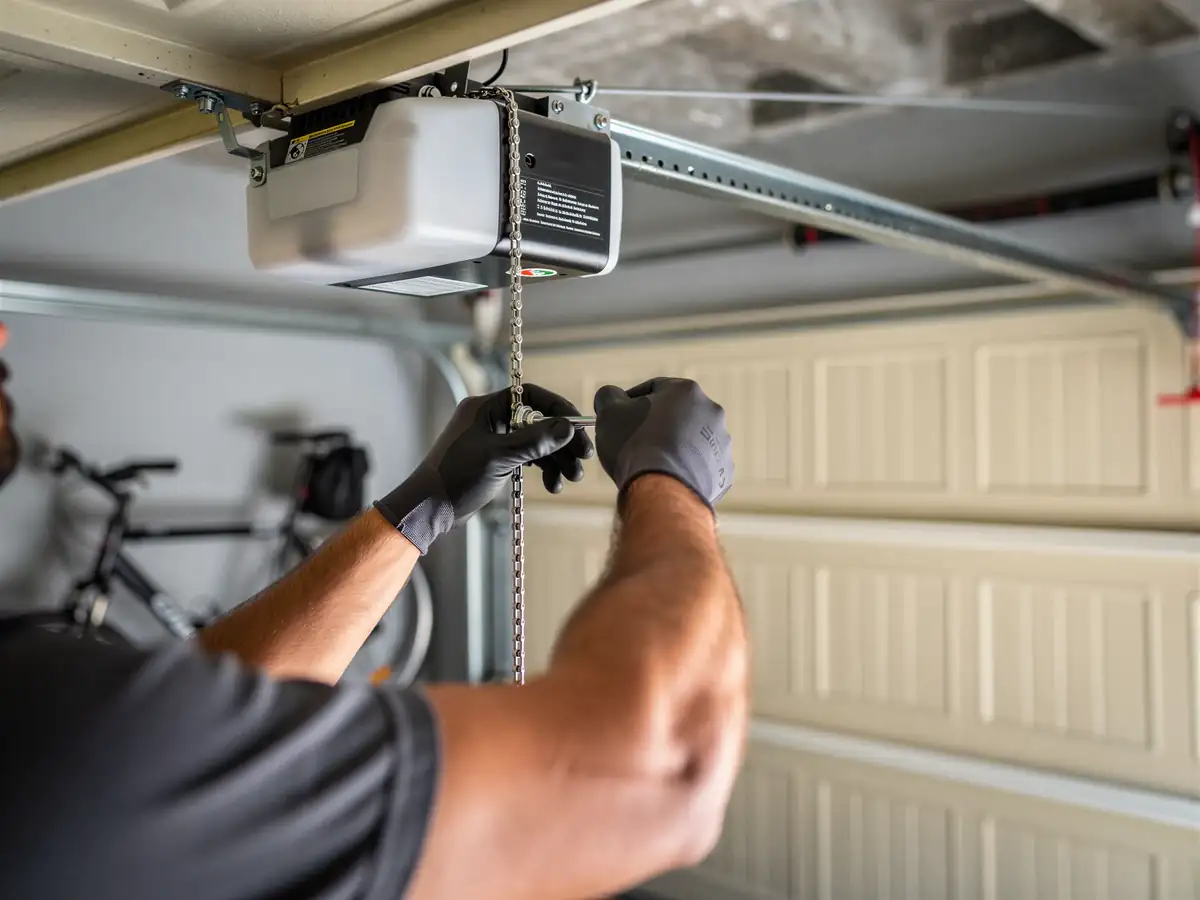
Most emergency calls in Harvard break down into one of two jobs: spring replacement or opener repair, sometimes both on the same door if one failure caused the other. Spring work means pulling the old torsion spring (or pair, on a lot of these older doors), matching the wire size and wind to the door weight, and setting the new one under proper tension - not something to eyeball. Opener repair usually means swapping a dead board, a burnt-out motor, or replacing the unit outright if the one on the wall is original to the house and parts for it stopped being made years ago.
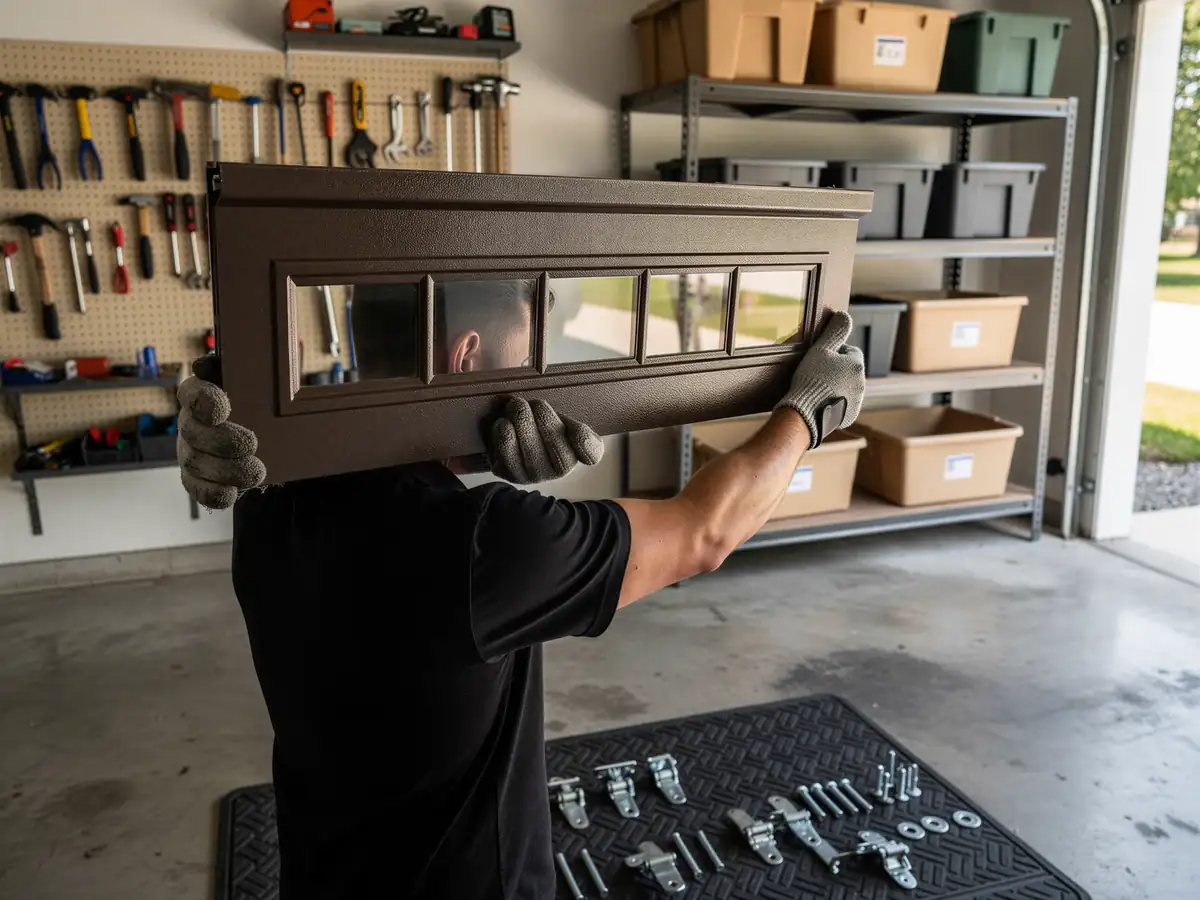
Here's the limitation worth saying plainly: if your door is old enough to need an exact panel match - say a section is dented or rusted through on a door built in the 1970s - we may not have that profile on the truck, and sourcing an original match can take longer than the repair itself. In that case replacing the section with a close match, or the whole door, is often the faster and more honest fix than waiting on a part that may not exist anymore.
What Can Go Wrong
The most common mistake on a house like the ones in Harvard is guessing at spring size. A torsion spring that's close but not exact will either strain the opener or fail again within months, and on a door this old the original spec isn't always marked on what's left of the spring. We measure the door weight and set the wind to match rather than go by what was there before.
The other risk is rust and age hiding damage you can't see until the door's apart - a track bracket that's corroded through, or a cable drum that's worn past where it should be. Given the income level in this part of the service area, a fair number of owners choose to replace an aging opener outright rather than keep patching a 1970s unit, and that's often the more sensible call once you're already inside the housing. We'll tell you straight if a repair is a stopgap versus a real fix - we'd rather lose a smaller job now than have you call back in six months with the same problem.