The DIY Question
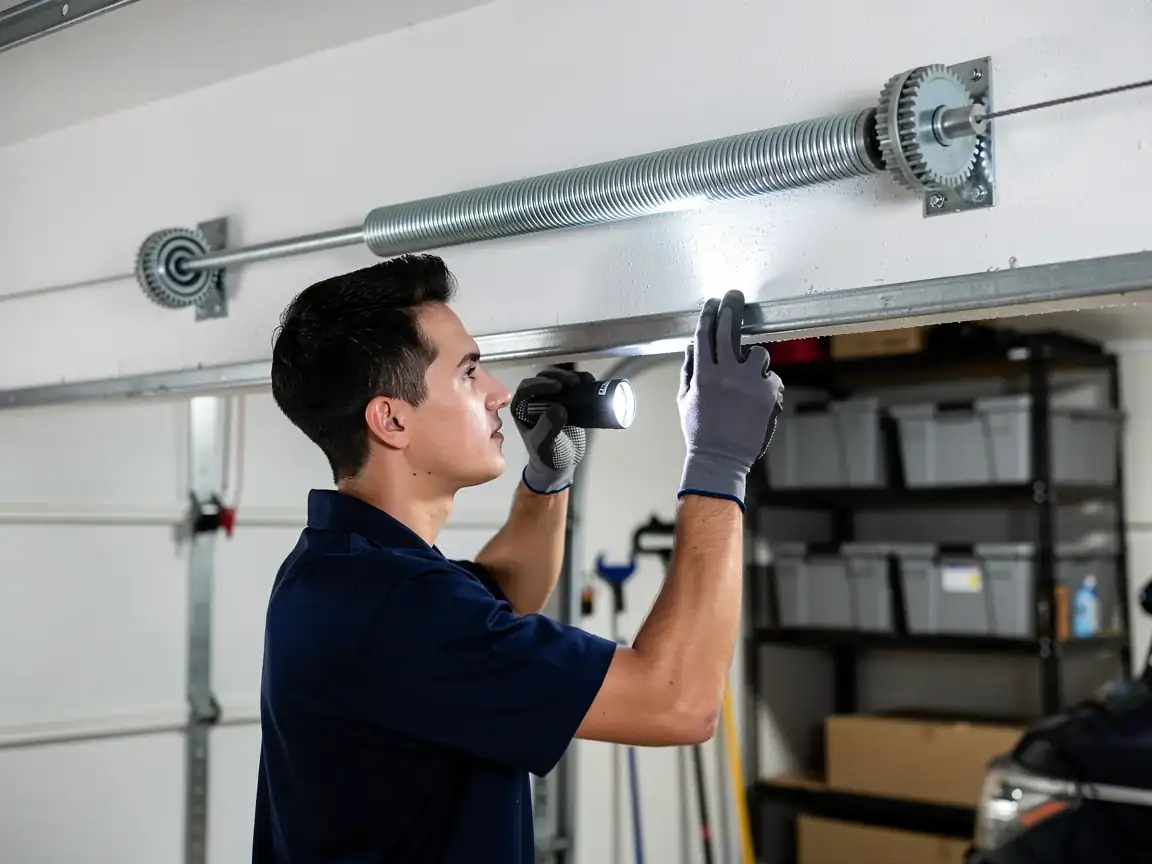
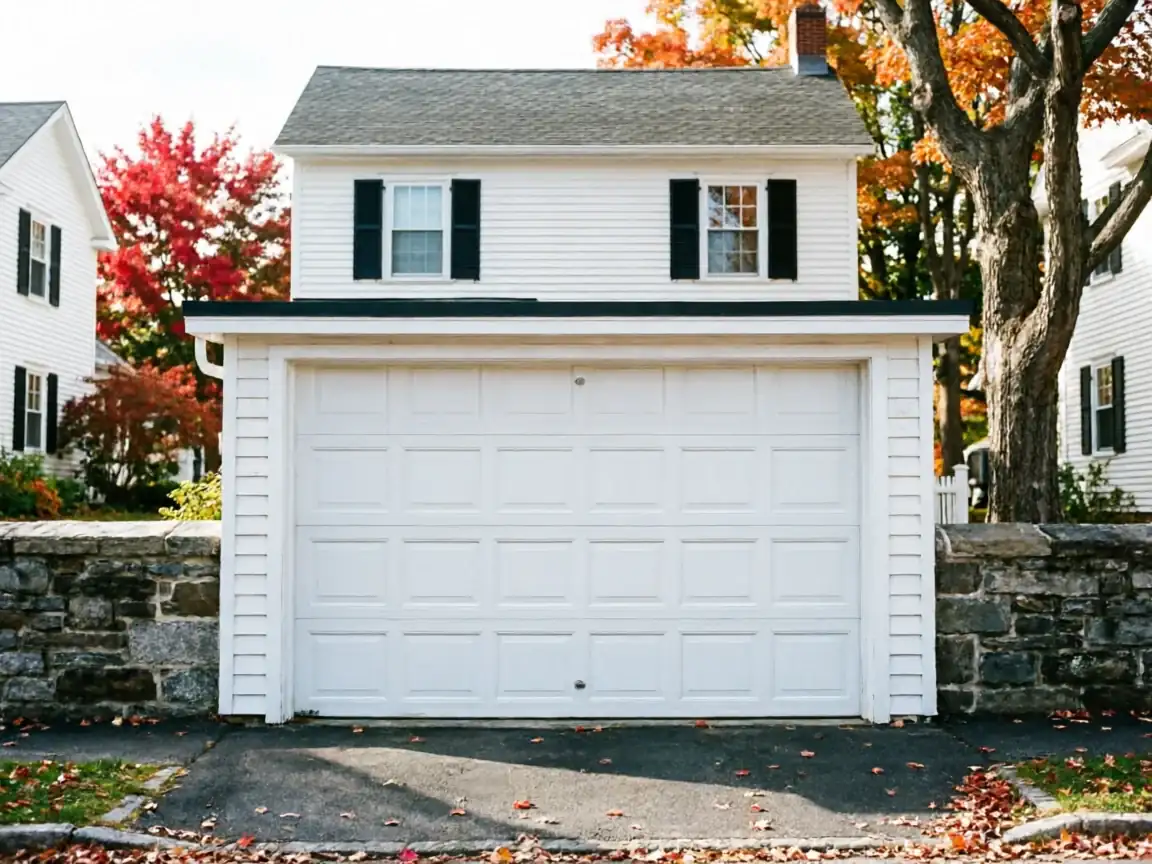
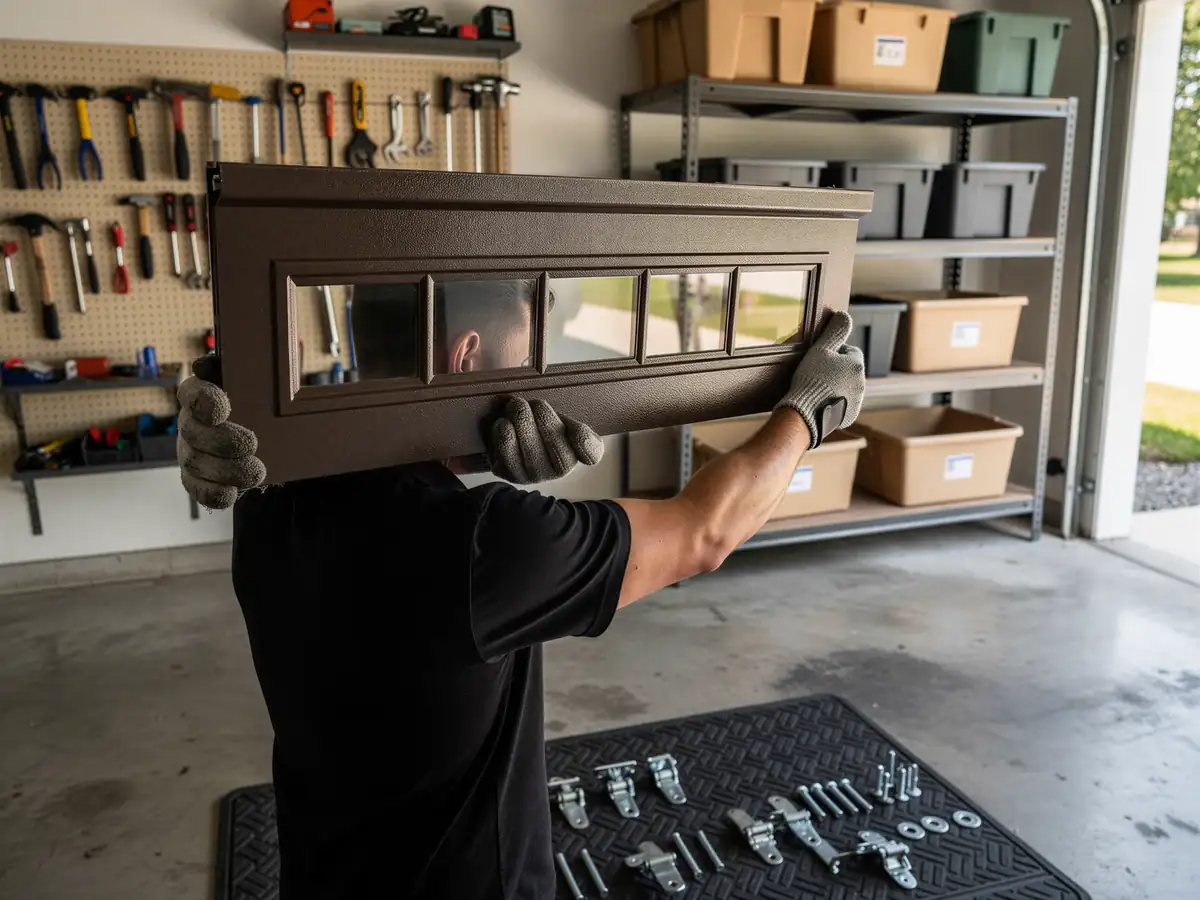
Across the wider service area, the typical house went up around 1969, but Harvard's housing stock runs younger, with a median build year closer to 1974. That five-year gap matters more than it sounds. A door and opener sized for a late-1960s single-car bay often doesn't fit the wider two-car openings that became standard in the early-to-mid 1970s, and the track hardware from that era is a different animal than what a retrofit kit assumes. If your garage dates to that later wave, a straight panel swap without checking headroom and opener mounting can leave you with a door that binds on the track or an opener bracket that doesn't line up. Measuring the opening, the headroom above it, and the backroom depth before you order anything is the one step that saves a return trip. With only about 2,029 households in Harvard, there isn't a steady flow of identical jobs to go on - each install gets sized to that specific opening, not pulled off a shelf. If you're comfortable with a tape measure, a level, and reading an install manual that assumes you've done this before, you can get partway there. Where it gets expensive fast is torsion spring sizing and track alignment, both of which punish guesswork.
How It Shows Up
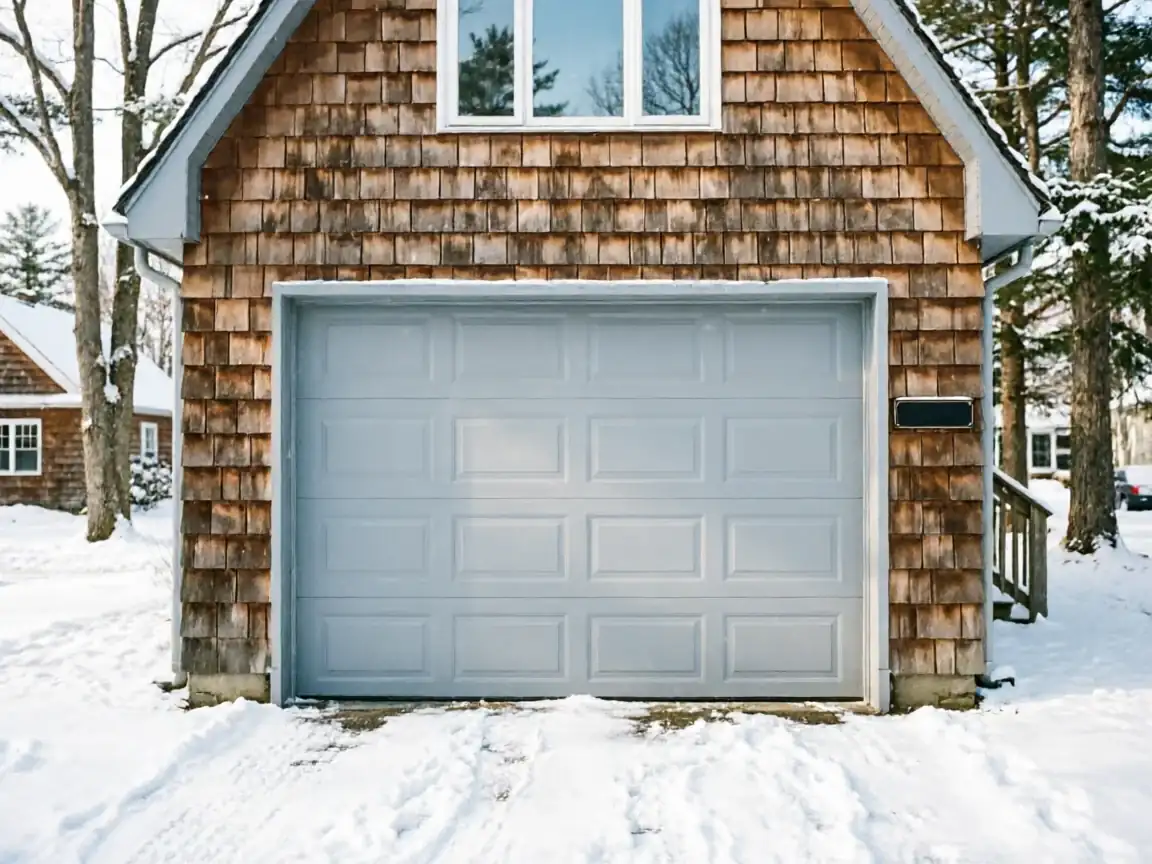
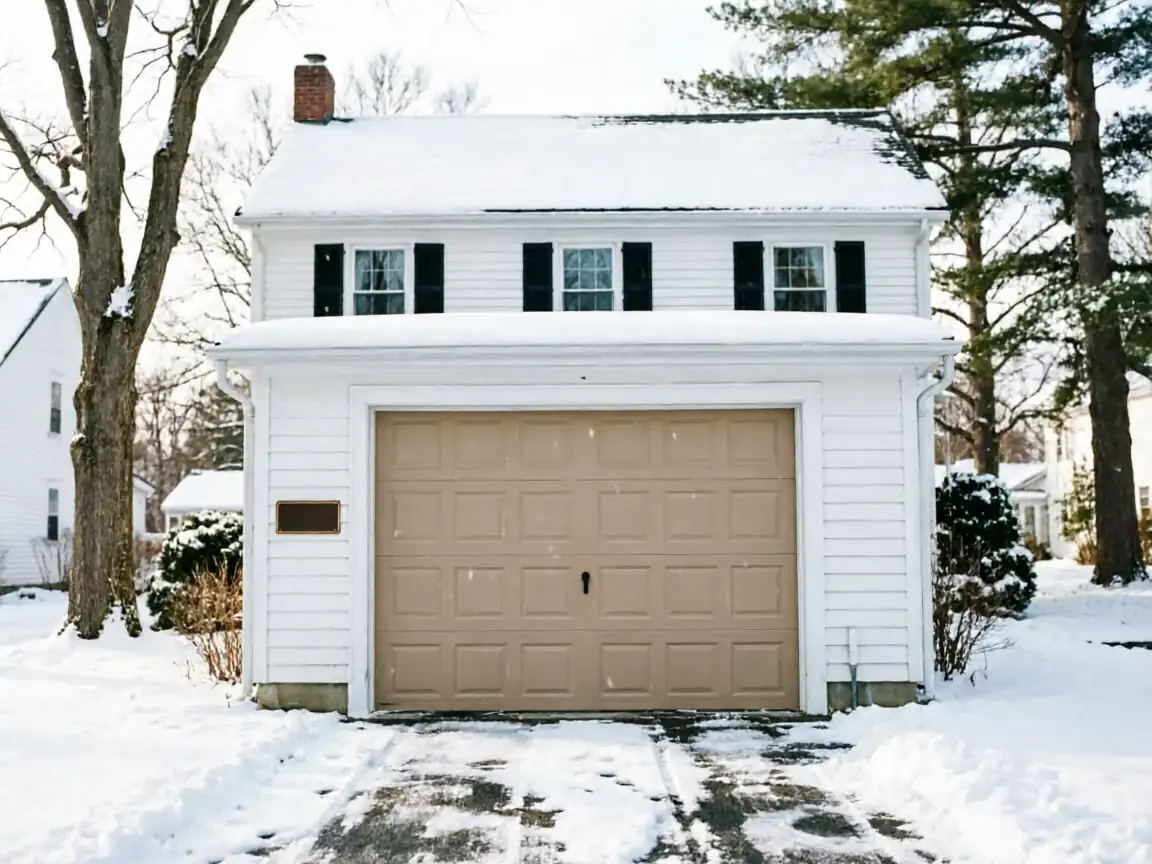
The climate here runs cold and severe, same as the rest of the area we cover, and that shapes which doors hold up and which don't. Steel sections without enough insulation rating lose their seal faster in a hard winter, and the symptom is usually a door that looks fine but lets a draft along the bottom panel or won't seat flush on the slab. On houses from Harvard's 1974-ish era, you'll also see original openers still wired to the original door - sometimes the door has been swapped once already but the drive and track weren't rematched to it, which shows up as the opener straining or reversing before it closes. If your garage faces open weather with no windbreak, wind load on a wide double door becomes a real consideration when you're picking a replacement, not just a spec sheet number.
What the Fix Involves
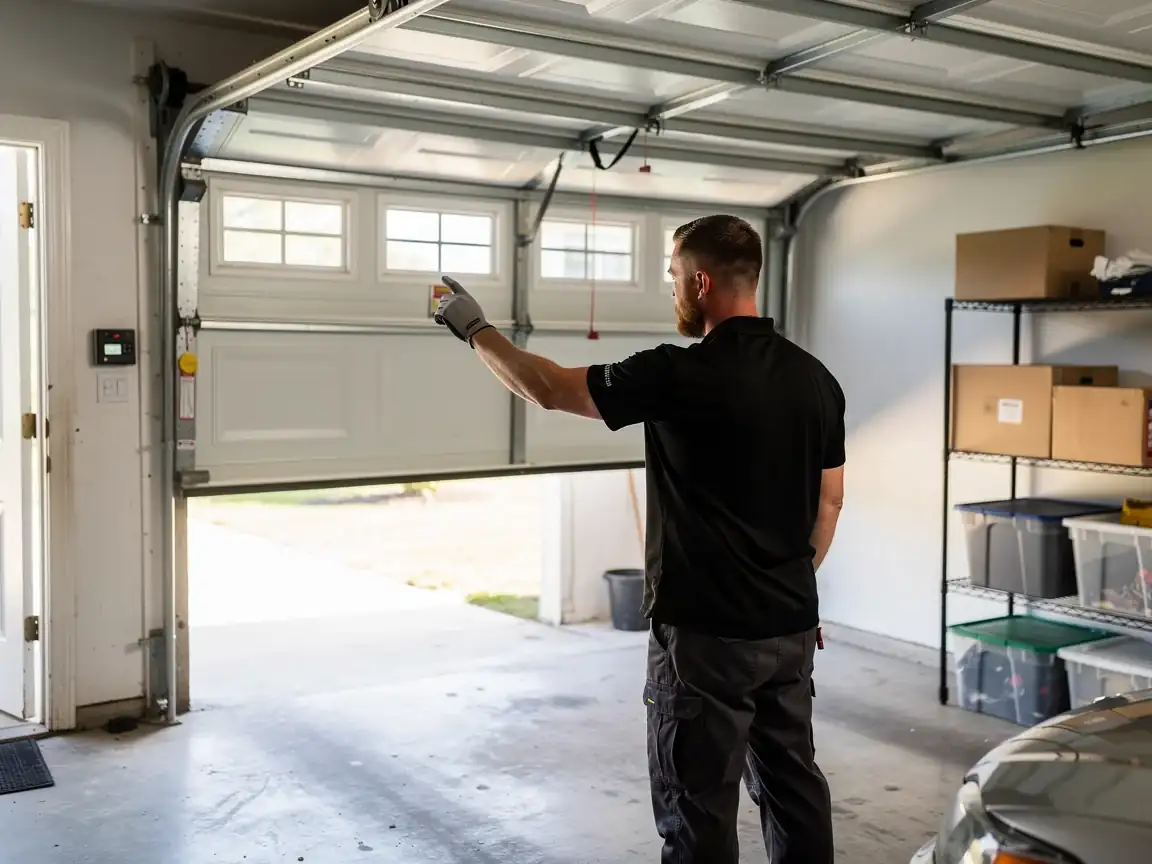
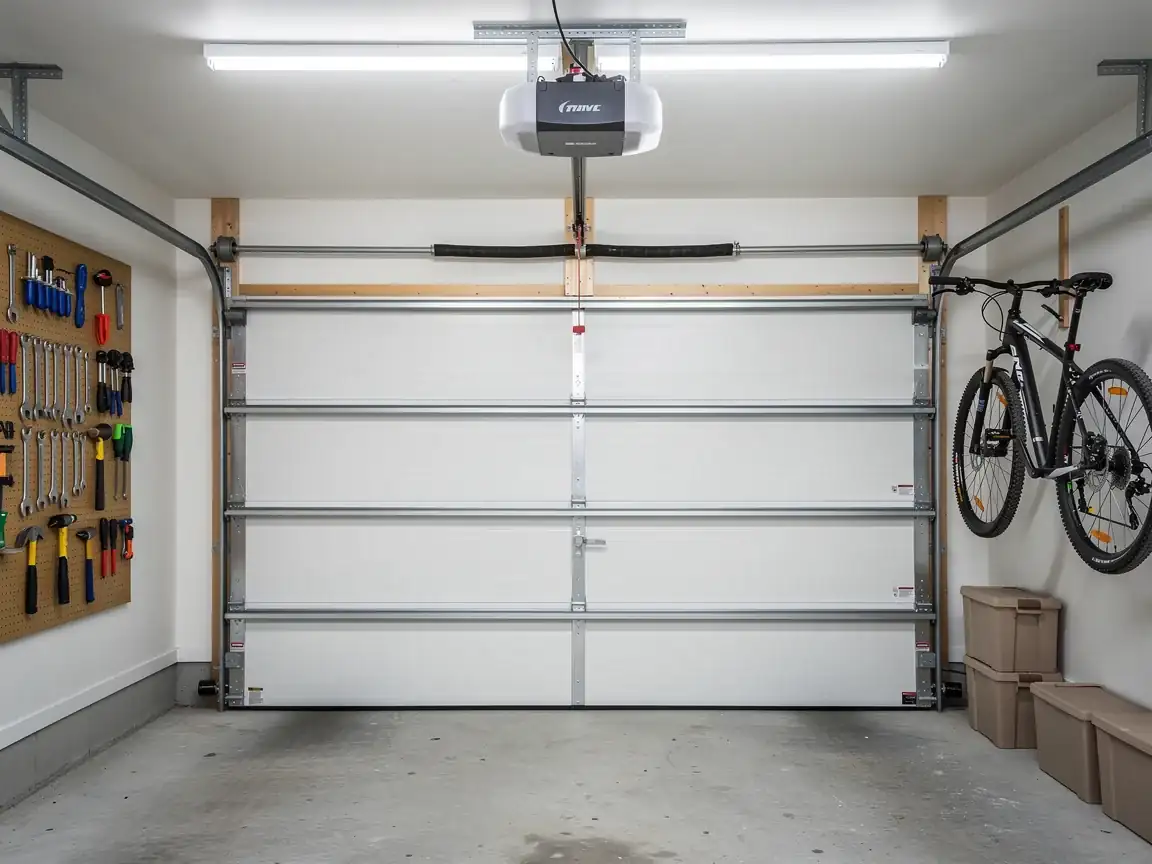
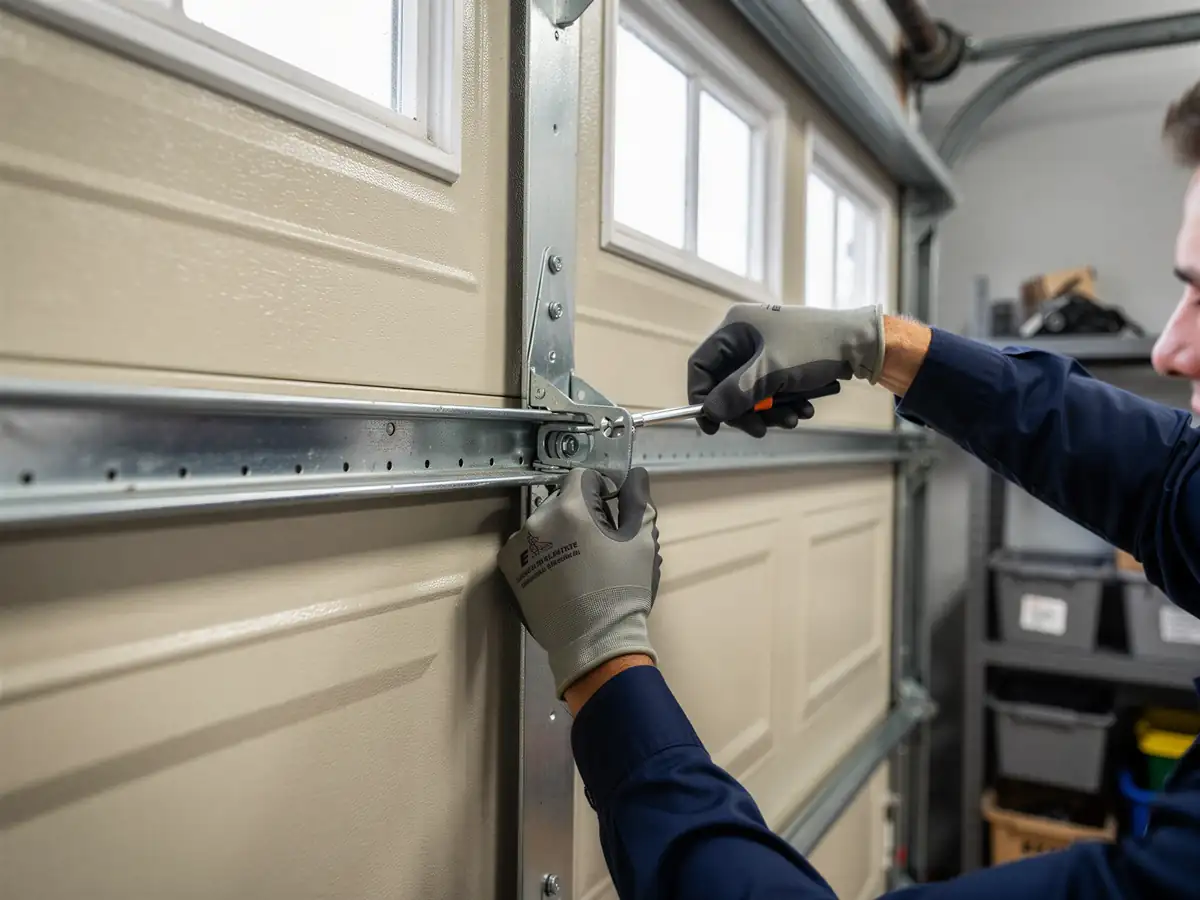
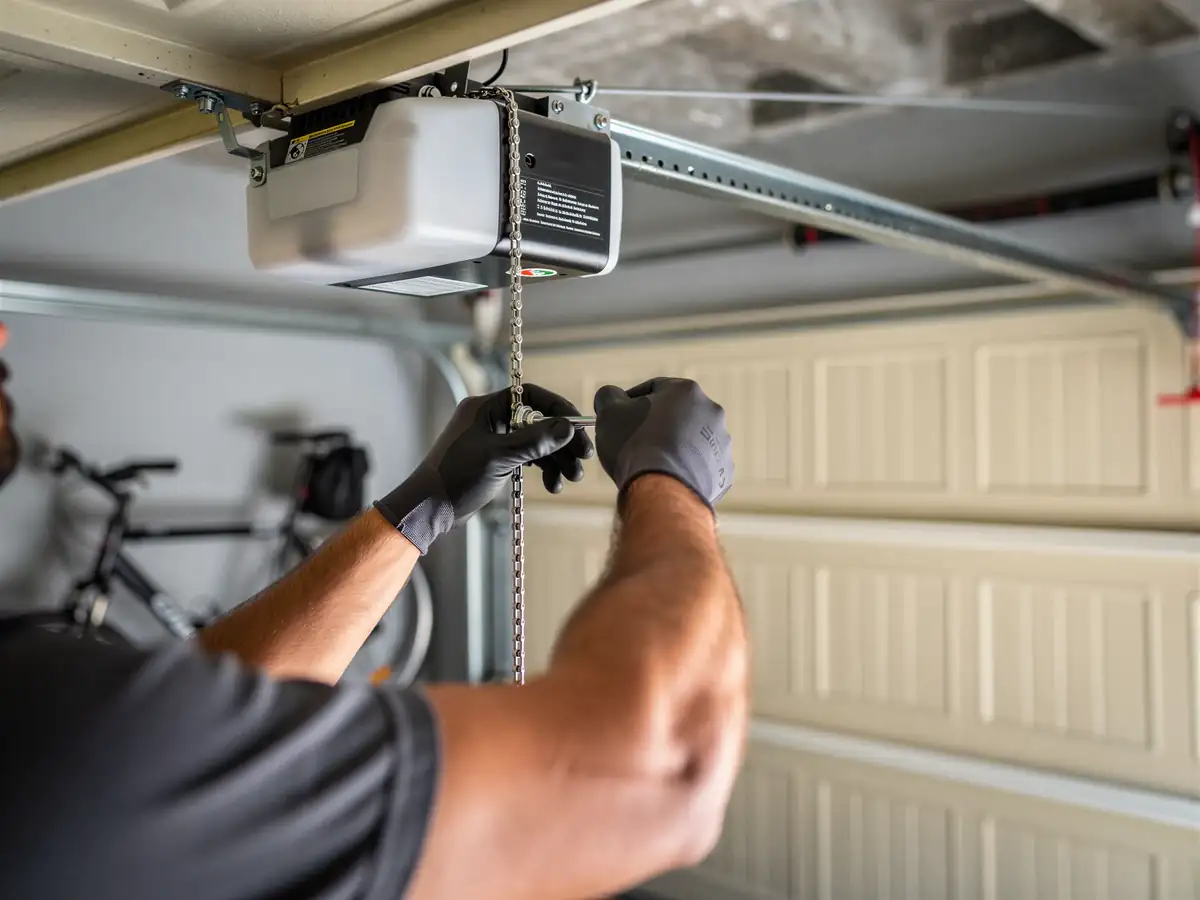
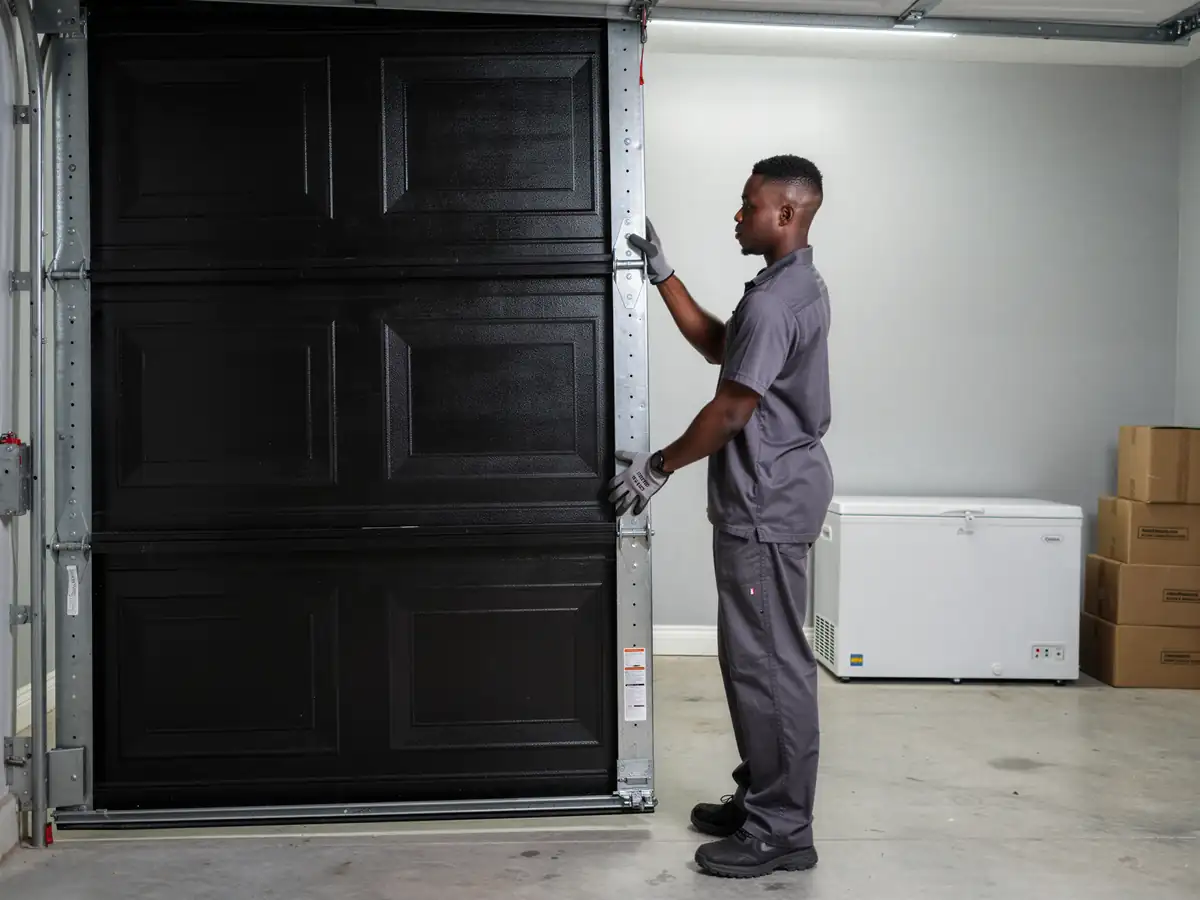
A proper new installation starts with pulling the old door and track, checking the jambs for square, and confirming the opener's horsepower rating actually matches the new door's weight - a heavier insulated steel door on an old 1/3-horsepower opener is a common mismatch we catch on-site. Given the cold-severe climate rating for this area, we lean toward doors with a real thermal break and weatherstripping rated for sustained low temperatures rather than a budget panel that looks the same in the showroom. Torsion springs get sized to the door's actual weight, not a generic chart, since an undersized spring shortens cable life and an oversized one is a safety problem on its own. Track gets reset and shimmed level, not just bolted to whatever the old brackets left behind. If the opener's staying, we test the force settings against the new door's weight before we leave, because a reused opener tuned for the old door will often try to close with too much or too little force on the new one.
What Can Go Wrong
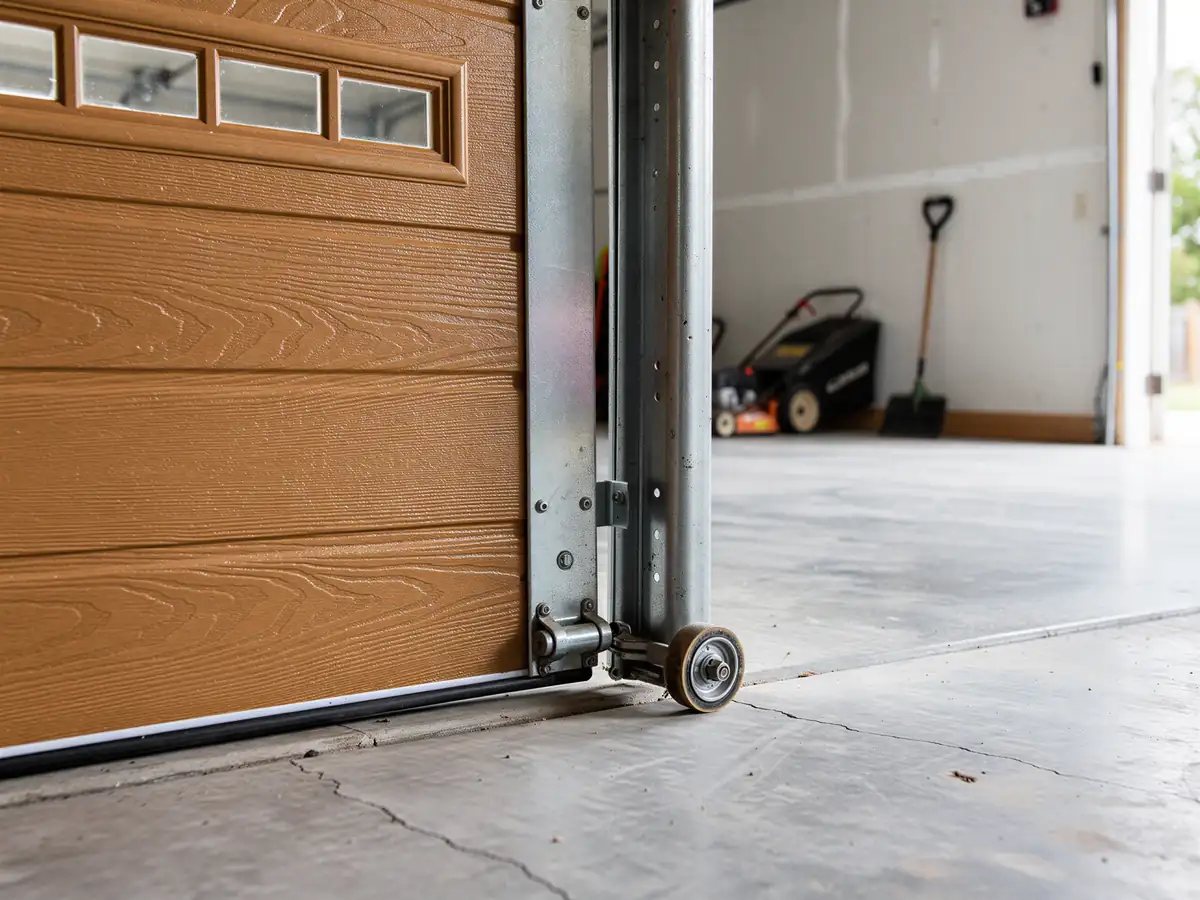
The most common surprise on a job like this is headroom - some garages built in the early-to-mid 1970s have less clearance above the opening than current torsion hardware wants, which means a low-headroom kit instead of the standard one, and that changes the quote. Framing that's shifted slightly out of square over fifty-plus years can also mean the new door needs field-trimmed trim pieces rather than an off-the-shelf fit. One honest limit: if your opener is original to a 1970s install and a replacement part for it is no longer made, we're not going to chase down a discontinued motor - at that point a new opener paired with the new door is the straightforward call, even though it adds to the job. We'll tell you that upfront rather than let the quote creep after we've started.