The DIY Question
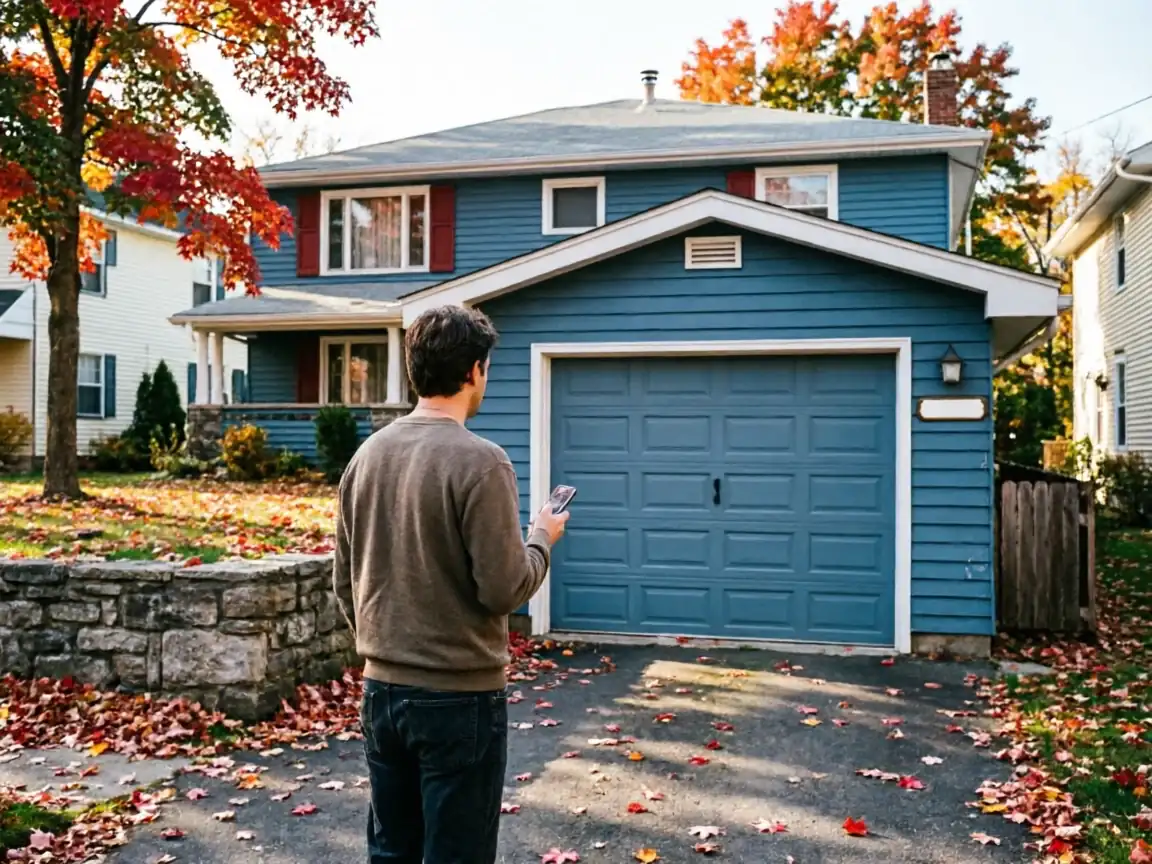
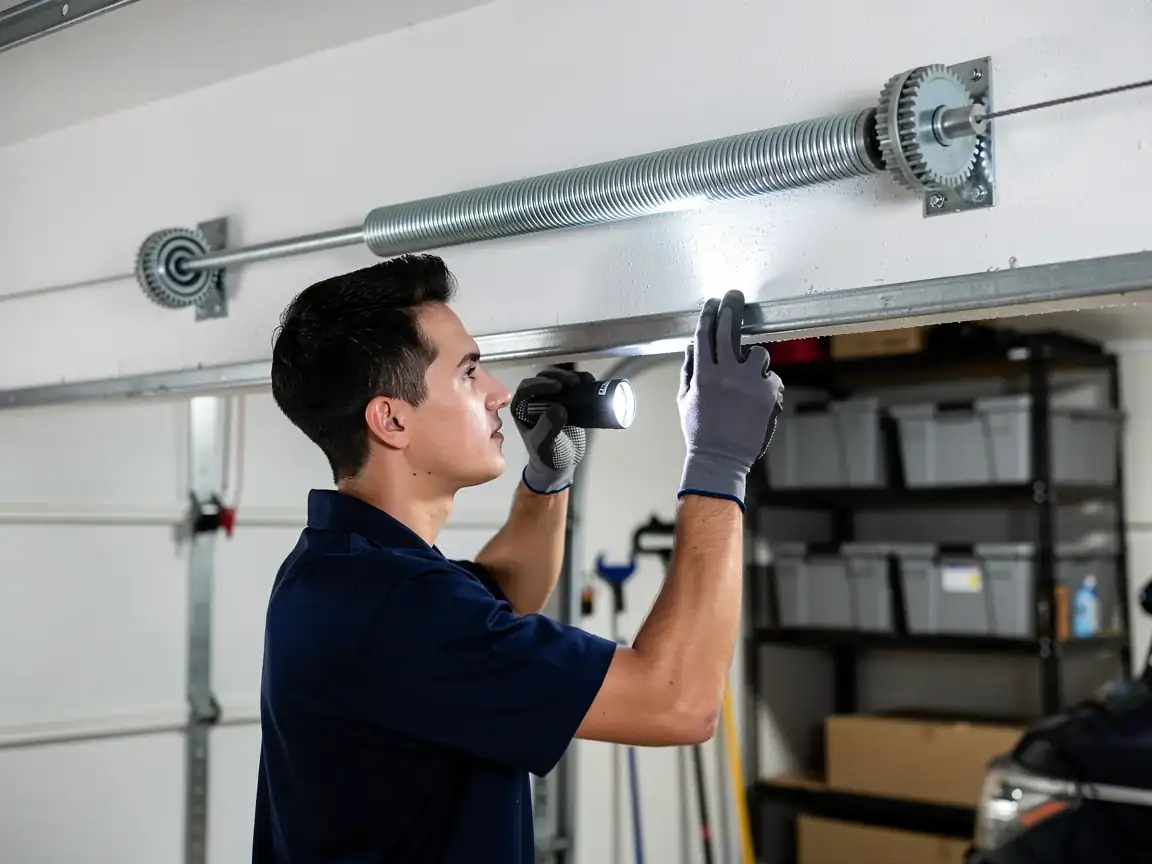
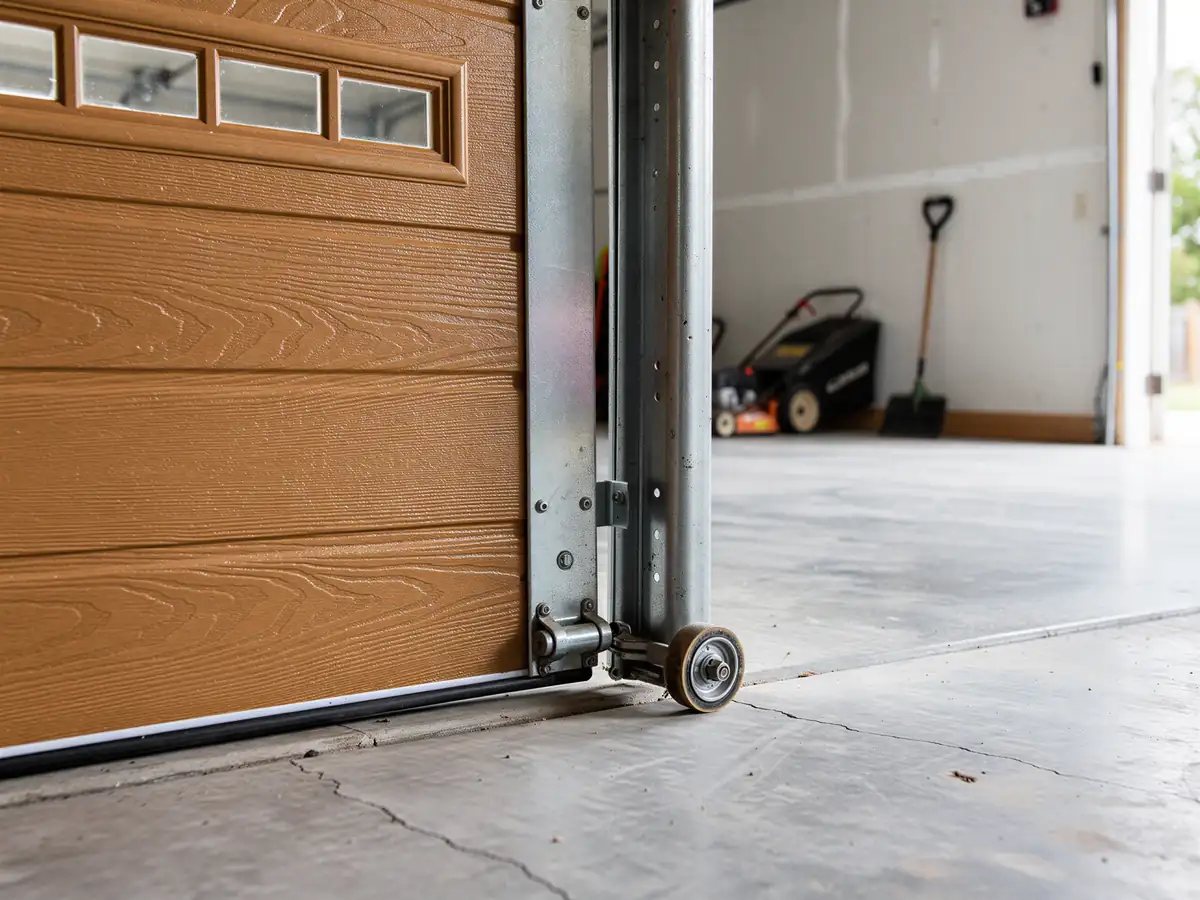
Harvard's housing stock centers on 1974, which puts most original openers squarely in the chain-drive generation - simple AC motors, a drive rail, and in later units a basic photo-eye bolted on after the fact. If your opener predates the mid-90s safety-sensor requirement and nobody's added one since, that's not a part you should wire around yourself. Beyond the sensor question, a lot of what looks like an opener failure in a house this age is actually a spring or cable problem wearing out the motor by making it do work it wasn't built for. If the door is heavy to lift by hand with the opener disconnected, the opener isn't your real problem and no amount of opener troubleshooting will fix it. Swapping a logic board or a wall switch is reasonable DIY territory. Chasing a stripped gear or a burnt capacitor inside a sealed motor housing usually isn't, especially once you're past the point where the part is even still sold. We'll tell you straight when it's a five-minute fix and when it's not worth opening the case.
How It Shows Up
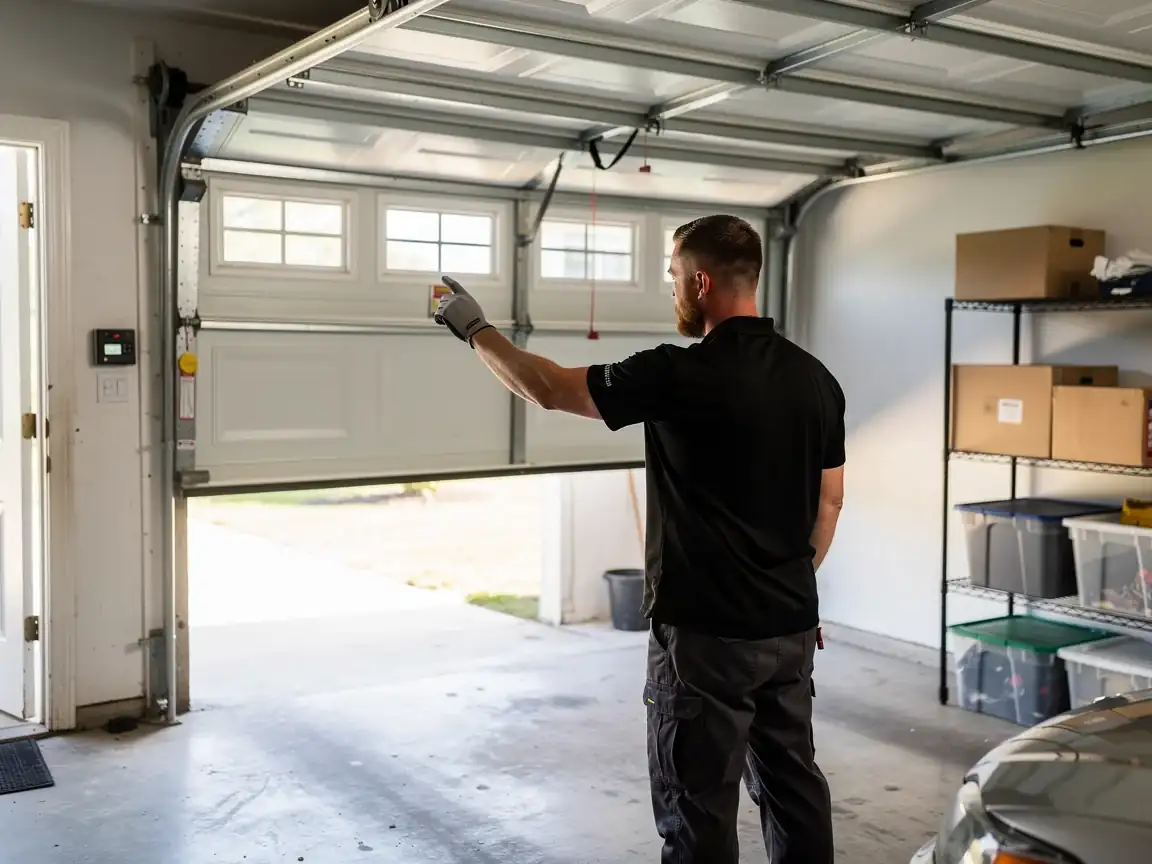
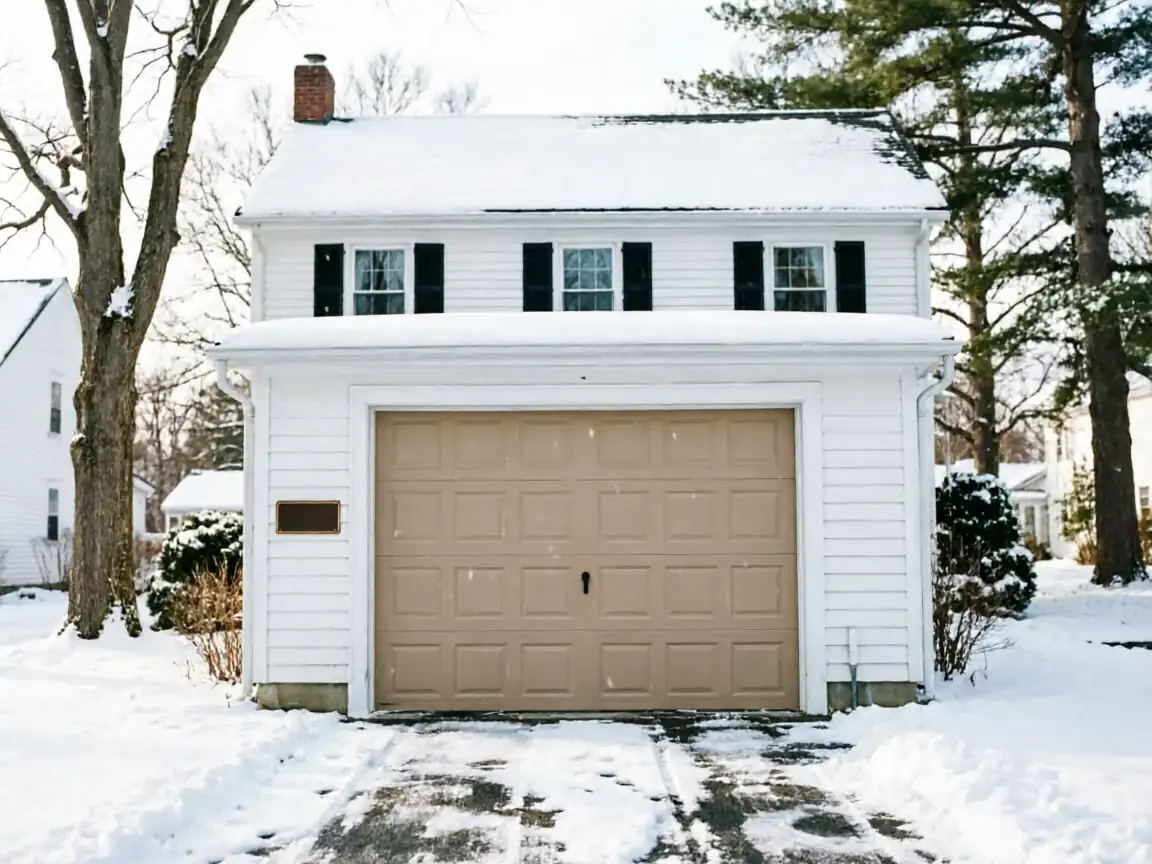
In a town where most garages went up around 1974, the common call is a chain-drive opener that runs but won't fully close, or one that reverses partway up every time. That's usually the travel limits drifting on an old mechanical switch design, not the newer electronic kind. With roughly 2,029 households in Harvard, most on larger lots with detached or set-back garages, we also see a fair number of dead remotes where the issue is a corroded receiver board rather than the fob - these openers ran fixed-code radio before rolling codes became standard, and that older receiver hardware degrades with age. Cold-season calls track the climate here: a severe winter puts real strain on nylon drive gears and on capacitors that were already marginal, so a motor that's been limping along all fall often quits the first hard freeze. Noise complaints are common too - a worn drive gear on a chain system gets loud well before it fails outright.
What the Fix Involves
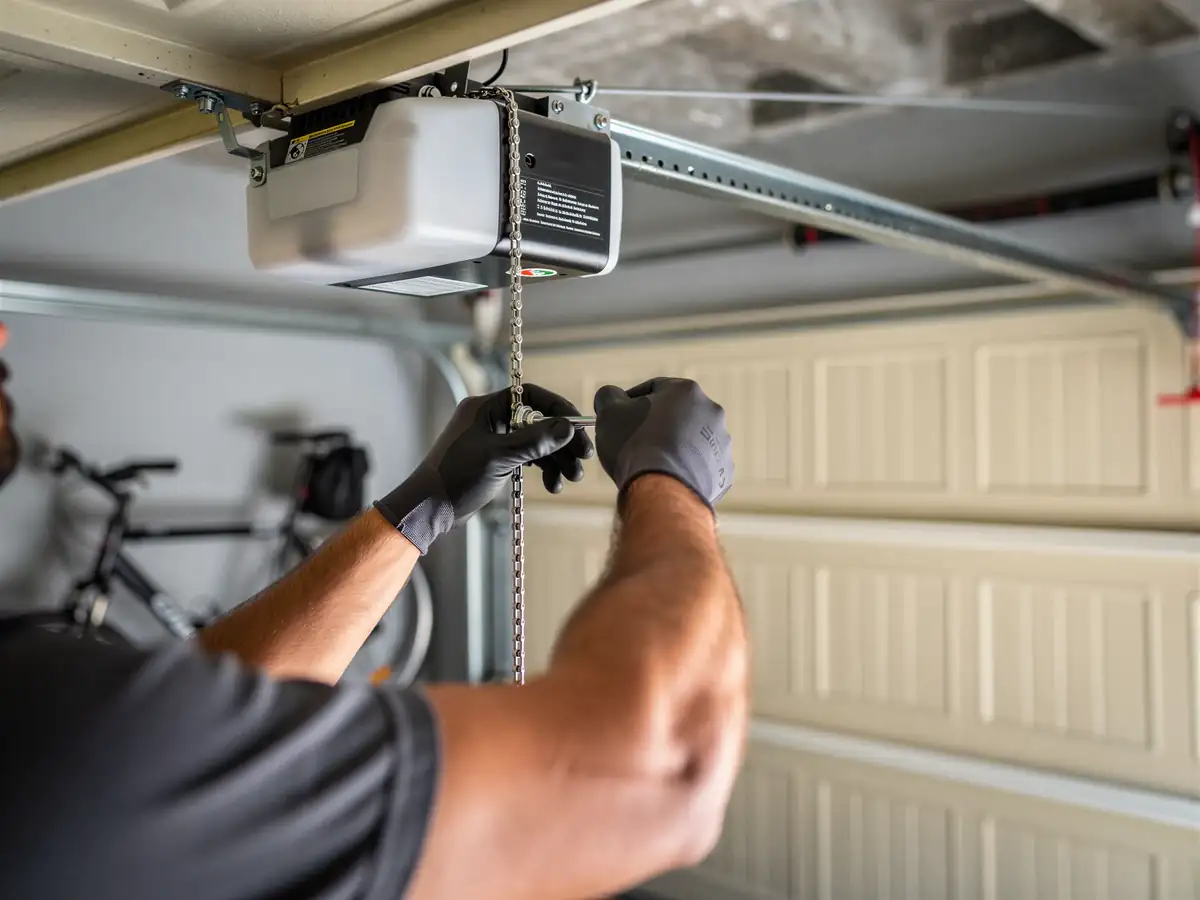
On a 1974-built opener, the fix usually starts with pulling the cover to check the drive gear and capacitor before we touch anything electronic - those two parts fail more than the logic board does on this generation of motor. If the gear's stripped, we replace it and the drive coupler together, since running a new gear against a worn coupler just repeats the failure. If the opener predates safety-reversal sensors entirely, we'll talk you through adding a photo-eye kit rather than leaving the door running without one - that's a code and liability issue worth fixing even if nothing else is wrong. Where the motor itself is original hardware with no stocked replacement parts left, the honest fix is a new opener rather than a repair, and we'll say so rather than billing you for a patch that won't hold through another cold season.
What Can Go Wrong
The limitation worth naming: original 1974-era opener motors are long out of production, and some internal parts - specific gear sets, certain circuit boards - simply aren't manufactured anymore. If yours needs one of those, we may not have it on the truck and a special order can take time, during which the door should stay manually operated rather than forced on a failing motor. Forcing a stuck chain-drive opener repeatedly can also strip the rail teeth, turning a $40 part into a full unit swap. And on homes where the garage sees a hard freeze every winter under this area's severe cold climate, a motor that seems fine in October can fail outright in January once lubricant stiffens and a marginal capacitor finally gives out - so a fall check-up, not a mid-winter emergency call, is the cheaper way to handle an aging opener here.