Stocked Parts
Bolton's median household income sits at $198,475, well above the $147,635 median across the rest of the territory we cover out of Hudson. That number matters more than it sounds like it should, because it changes what a homeowner here actually asks for. In lower-income pockets, a cracked or dented panel often gets patched or color-matched as cheap as possible. In Bolton, we get more calls asking to replace the whole bottom section, or even match the full run of panels so the door reads as one piece again instead of a quilt of old and new steel.
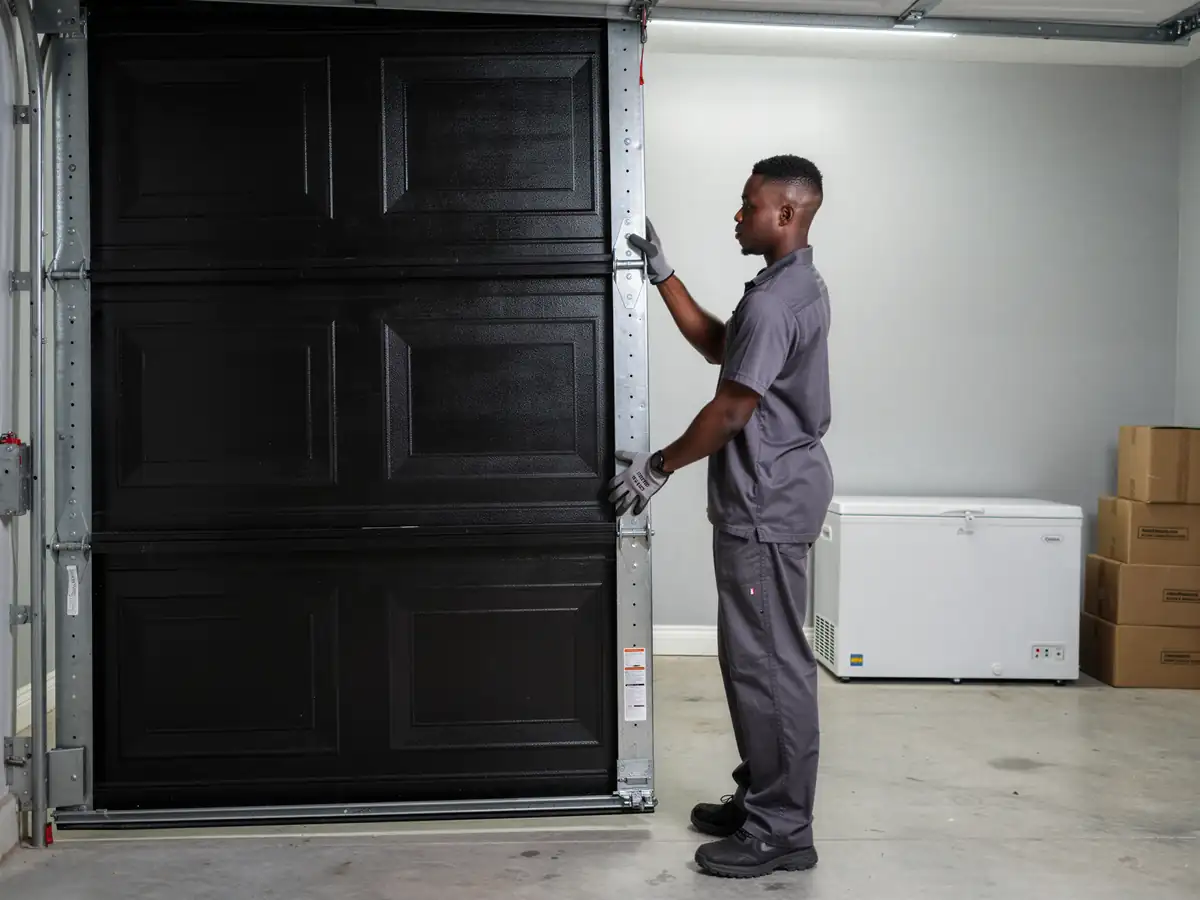
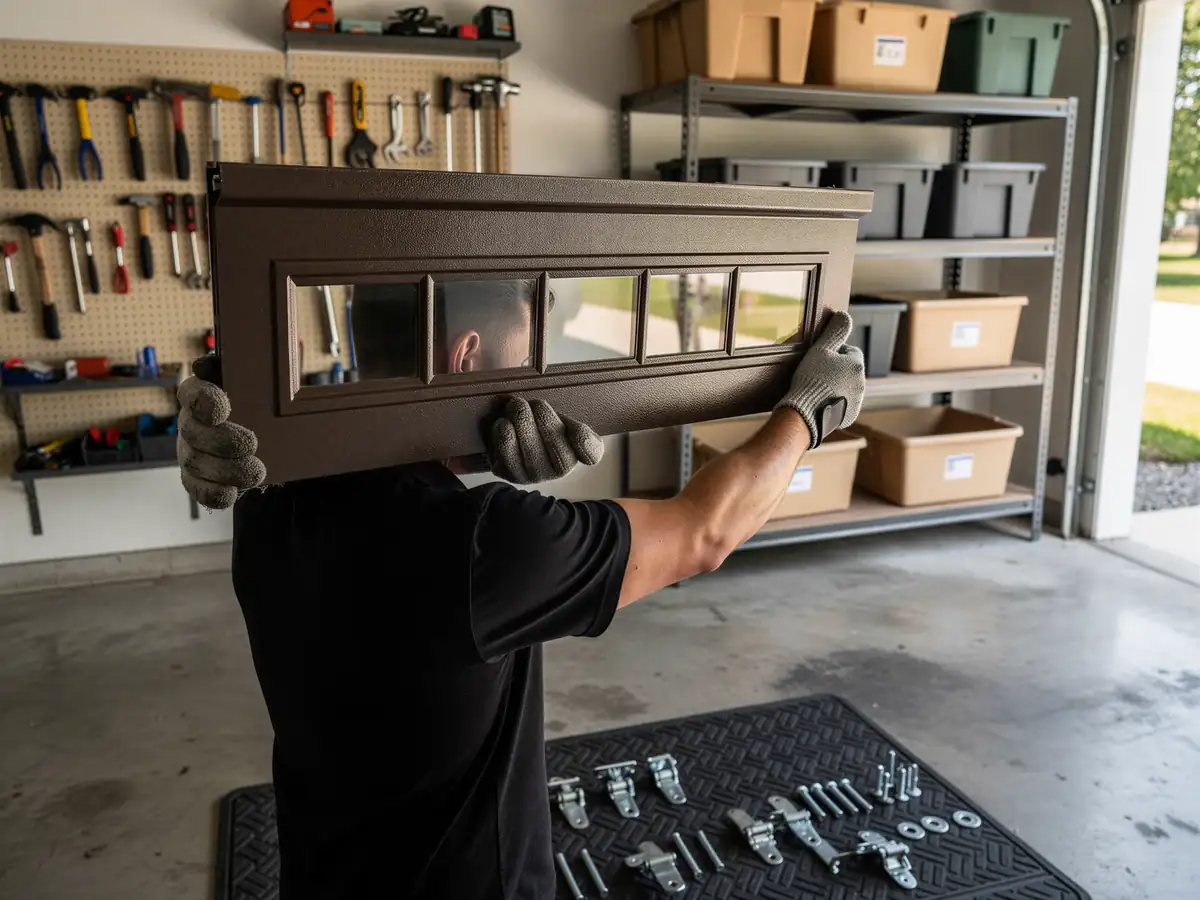
The truck carries standard steel panel sections in the widths and rib patterns that cover most doors built from the 1970s through the 1990s, since that's the window Bolton homes mostly fall into. What we don't carry is every embossed woodgrain pattern a manufacturer ran for a short production year. If your door has a specific grain pattern from a run that's since been discontinued, we'll tell you that up front rather than pretend a close-enough panel will disappear into the rest of the door.
What Causes It Around Here
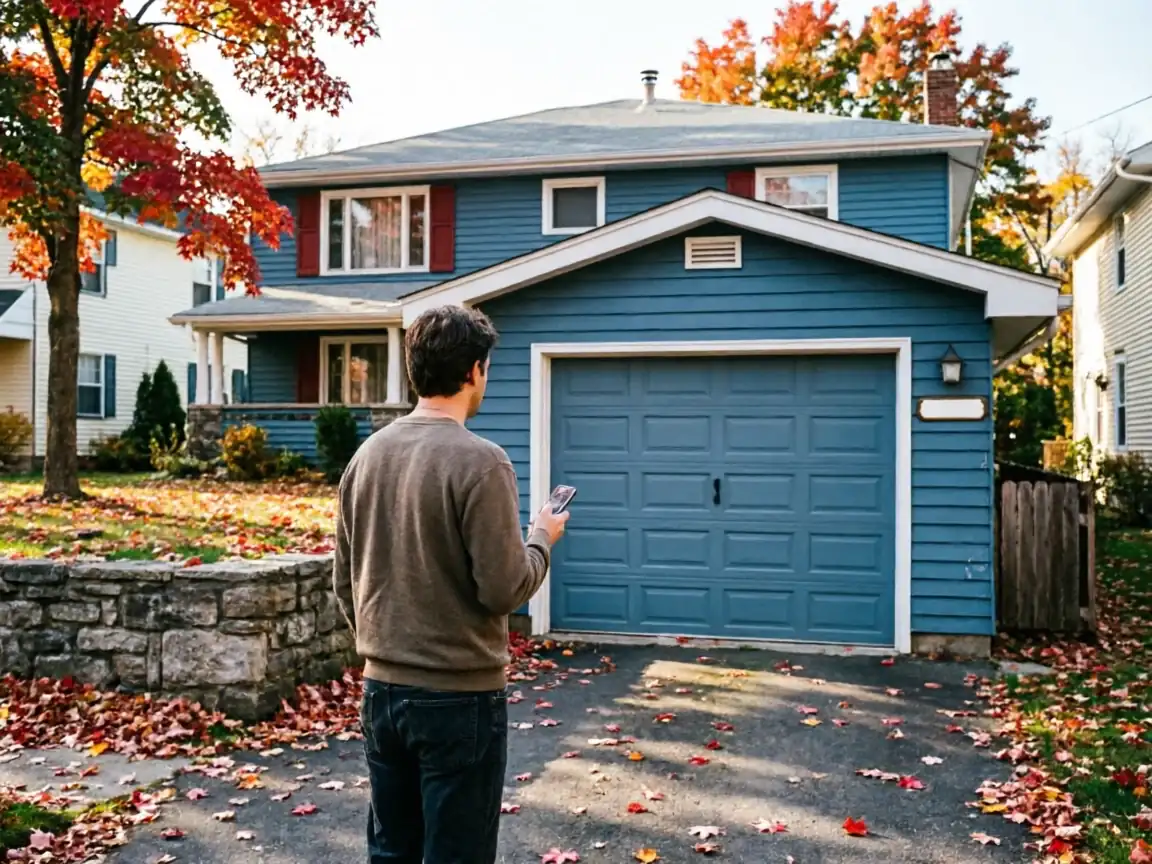
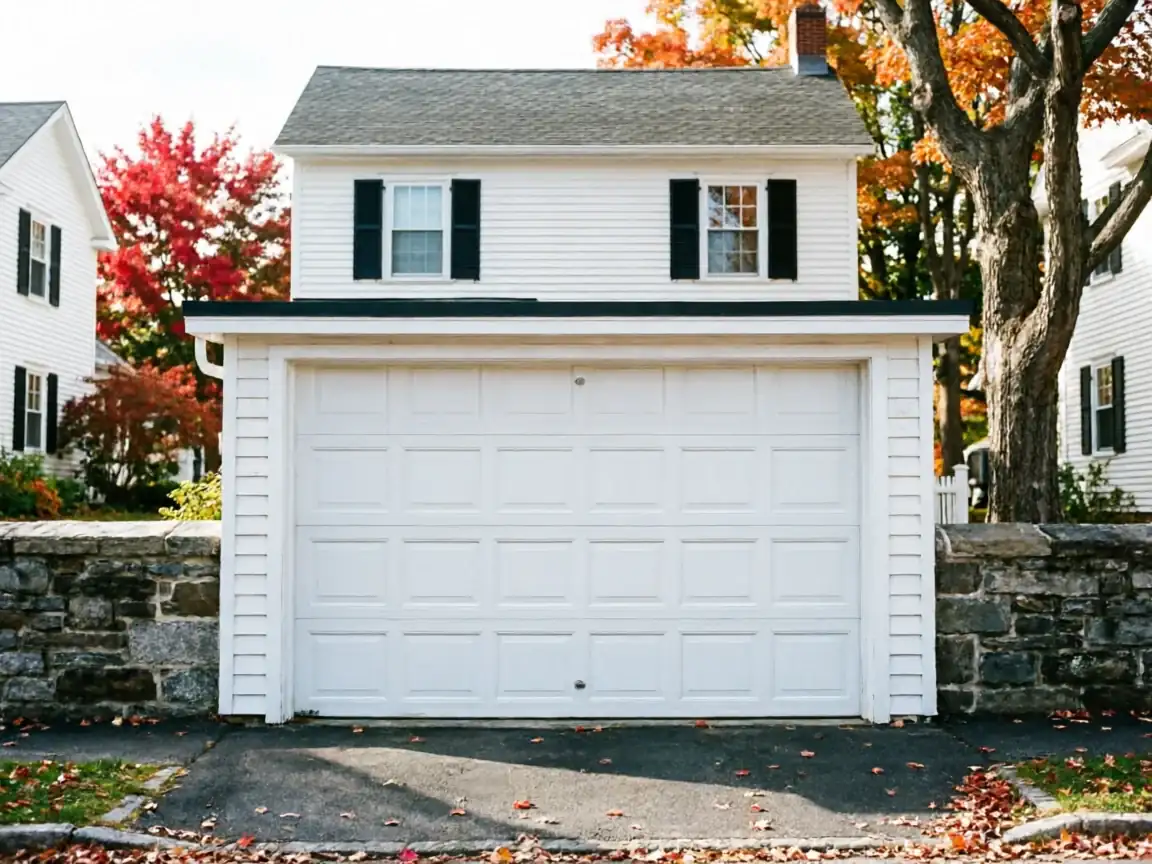
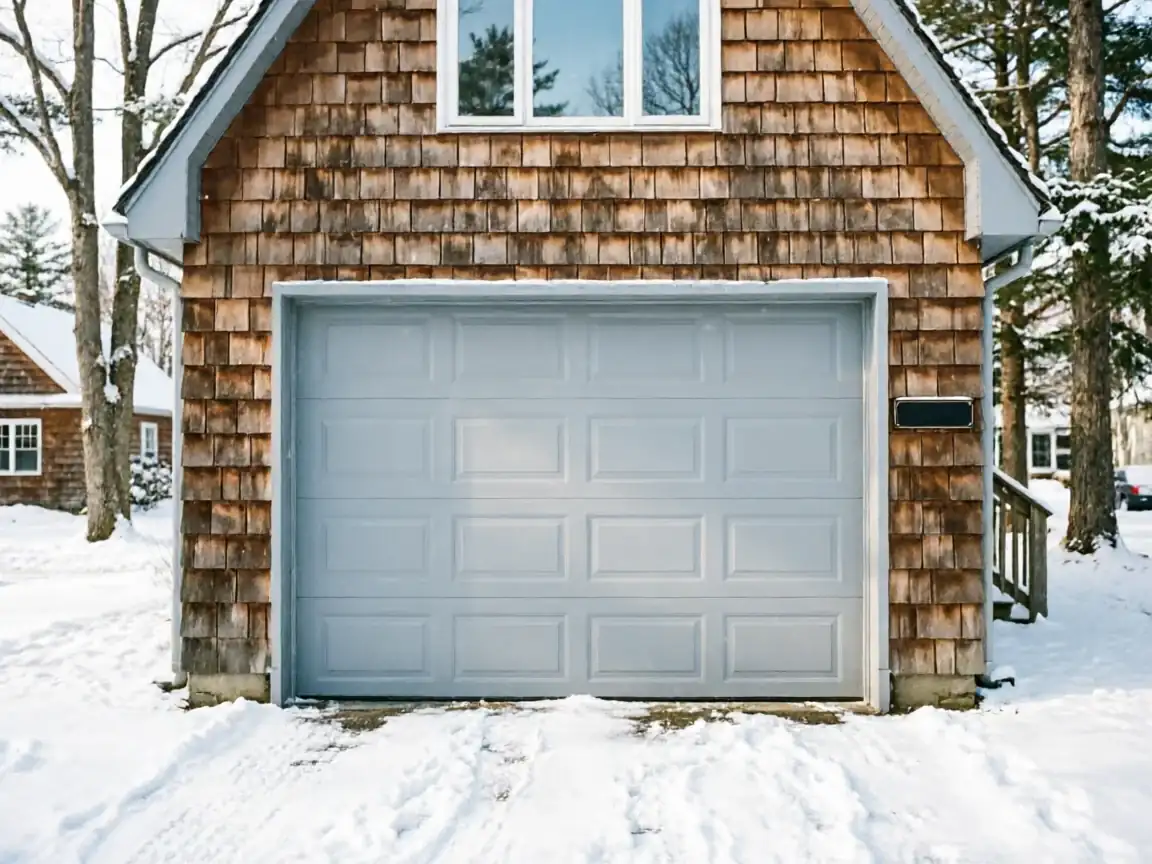
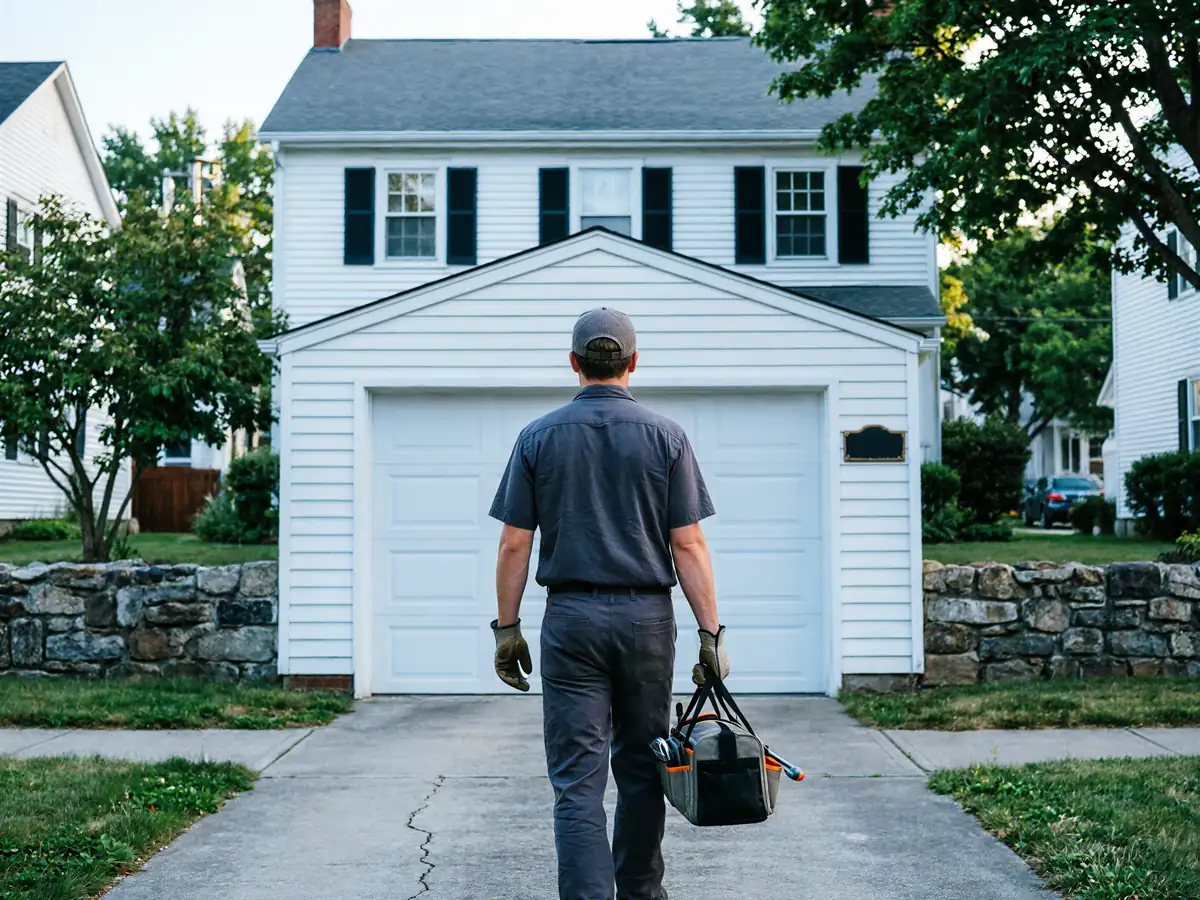
Houses in Bolton cluster around 1986, which is decades newer than the 1938-1993 spread you see across the wider Hudson coverage area. That later build date means most Bolton garage doors are roll-formed steel sectional doors rather than the older wood or single-panel doors you'd find on a pre-1960s house. Steel sectional doors fail at the panel level in a specific, predictable way: a car backs into the bottom section, a basketball dents a middle panel, or years of a sprinkler head hitting the same spot rust a seam from the inside out.
Winters here sit in the same cold severe band as the rest of the territory, and that cold is part of why a dent doesn't stay cosmetic for long. Steel contracts in low temperatures, and a crease that was just a dent in August becomes a stress point that cracks the galvanized coating by January. Once the coating's gone, rust gets a head start on a panel that would otherwise have had another decade in it.
What the Fix Involves
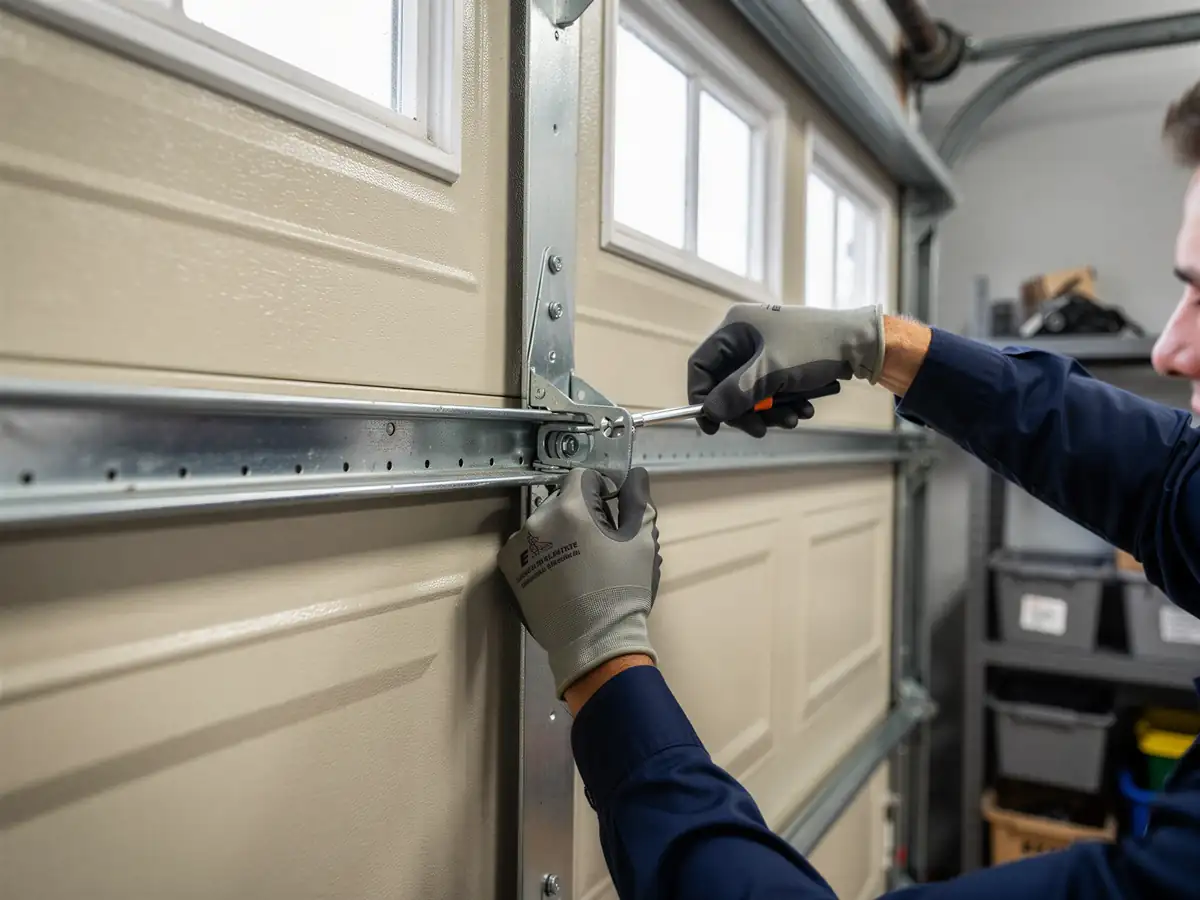
Panel replacement starts with identifying the door's manufacturer, panel height, and section profile
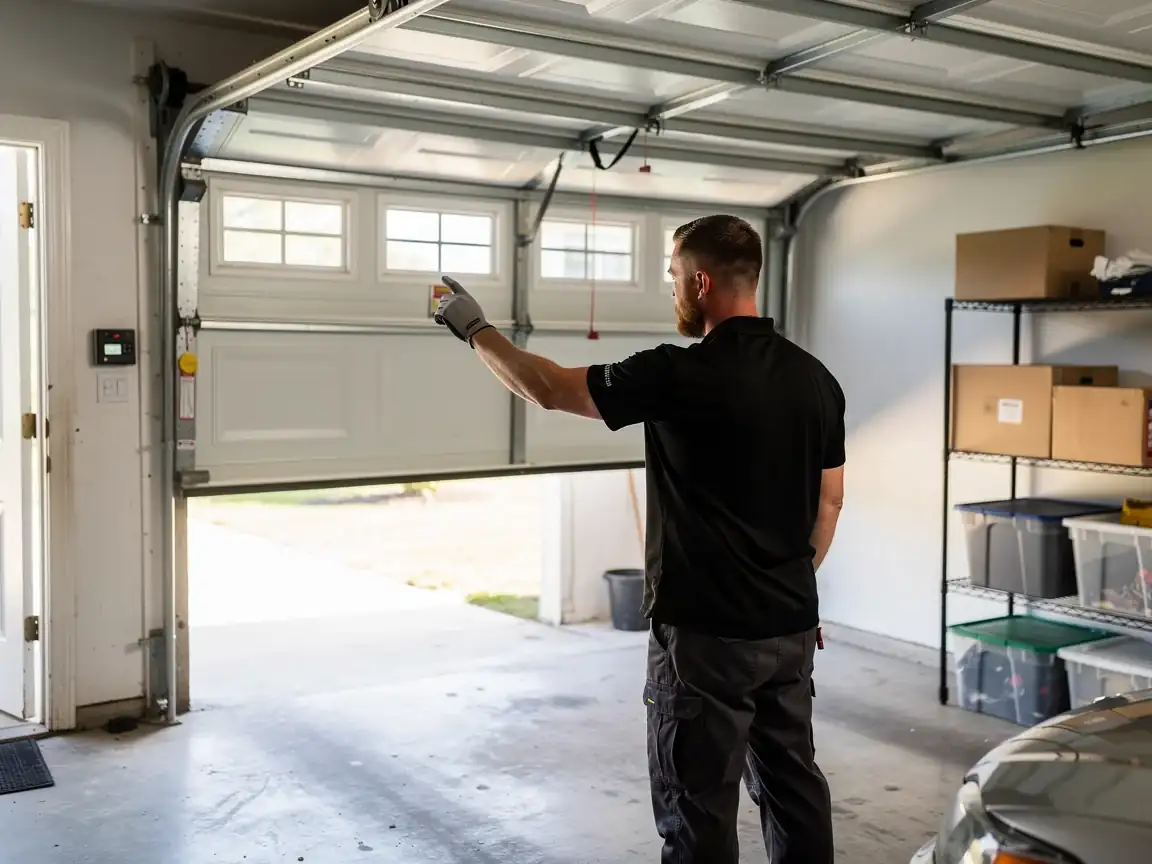
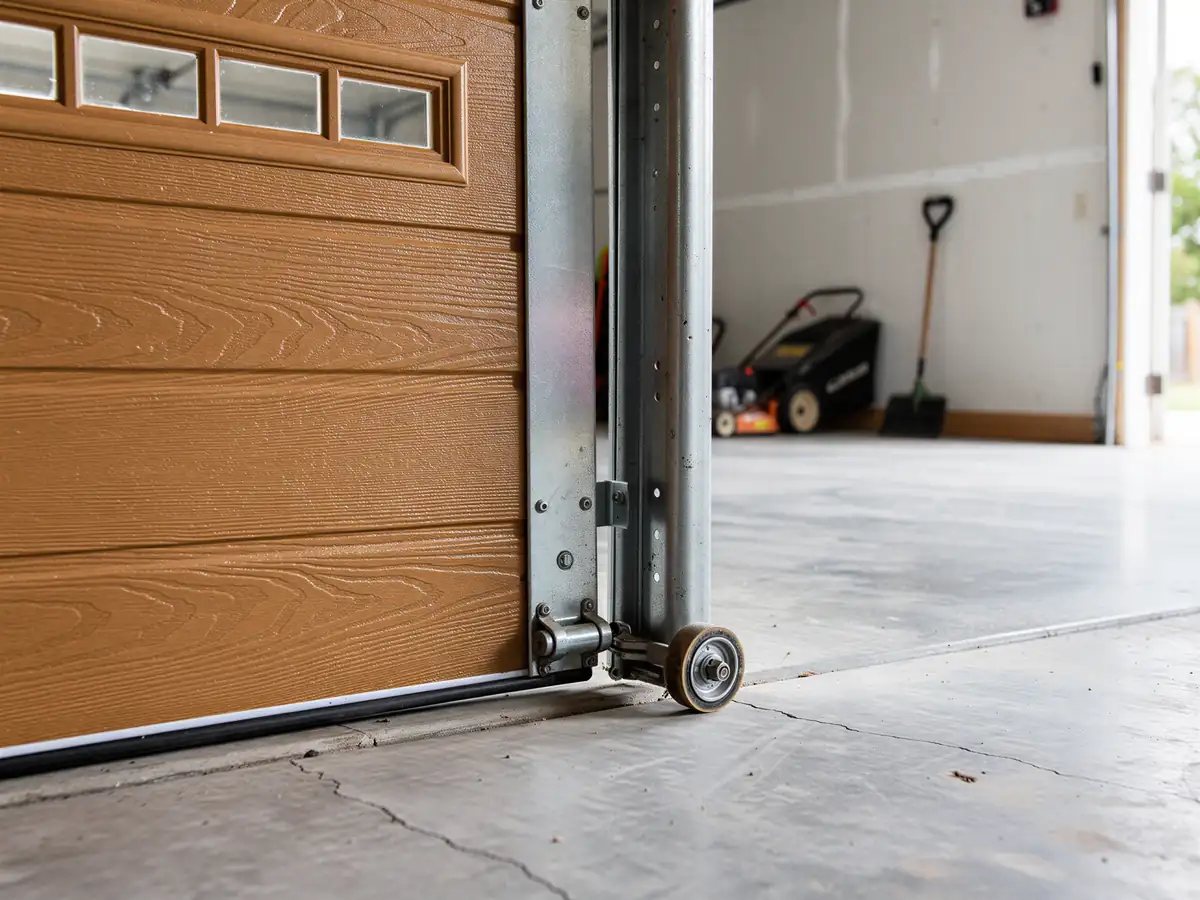
Since a 1986-era Bolton door rarely matches current stock panel widths exactly. We pull the damaged section, not the whole door, unless the track or hinges took damage too. Hardware from a door this age is usually still compatible with new steel sections, but hinges and rollers that have been on the door for the house's whole life often need replacing at the same time, since reusing worn hardware on a new panel just transfers the problem.
Color and texture matching is the part that takes the longest conversation
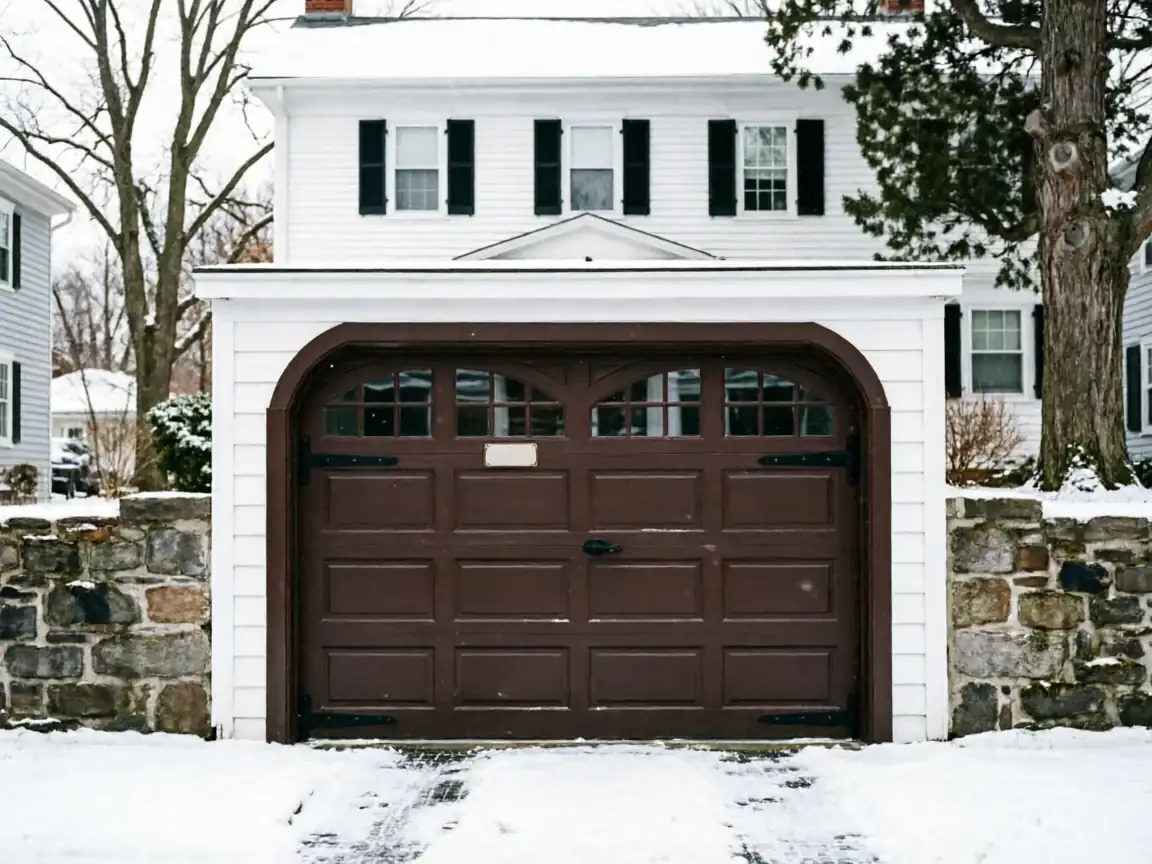
A panel in a close shade of white or brown sitting next to thirty-year-old sun-faded steel will look mismatched the day it goes up. We'll show you the realistic options before we order anything: a close match, a full repaint of the door, or replacing more panels than just the damaged one so the mismatch isn't sitting next to the one spot everyone's eye goes to first.
What Can Go Wrong
The honest limitation here is color. If your door's panel style or exact shade was discontinued by the manufacturer, which happens more often on doors from the 1980s than people expect, we can get close but we can't promise invisible. We'll say so before we order a panel rather than after you've paid for one that doesn't quite blend.
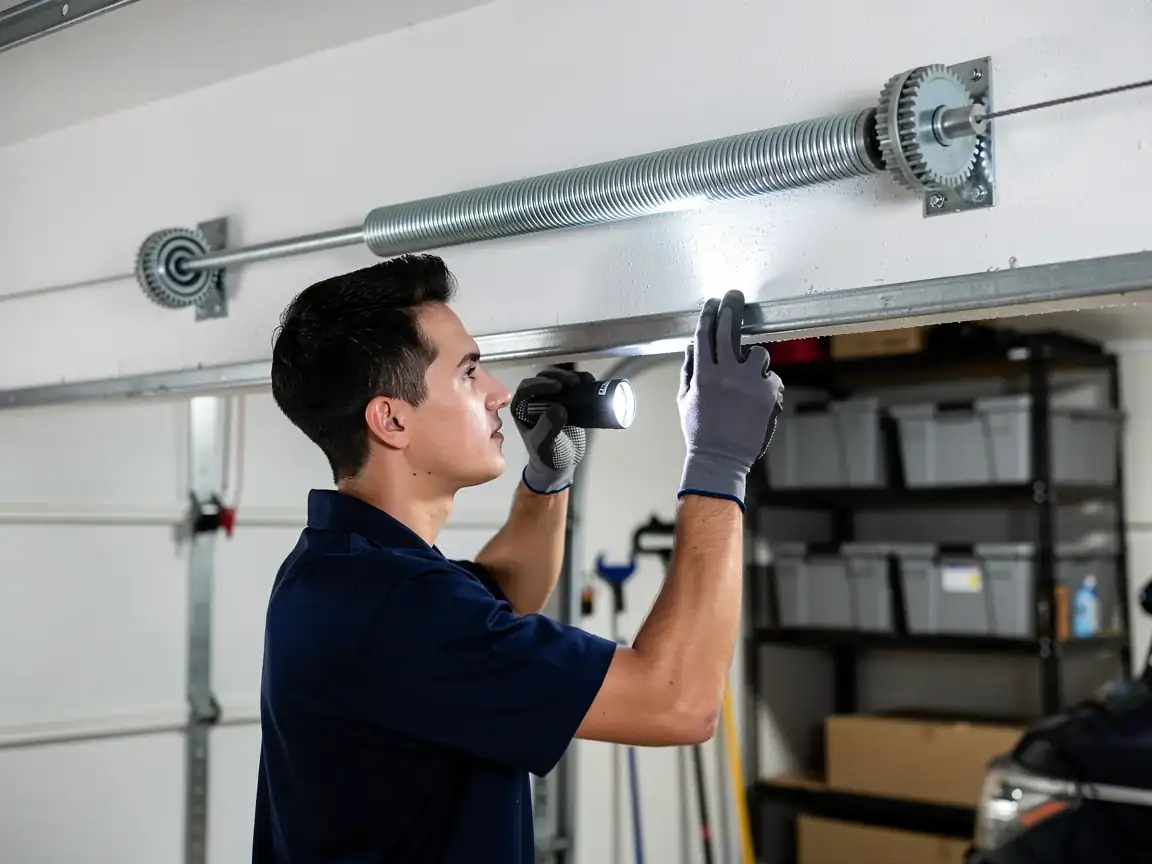
The other risk is hardware fatigue hiding behind the dent. On a door that's run since 1986, a bent panel sometimes isn't the only thing wrong - the track can be slightly out of plumb, or a spring sized for the original weight can be mismatched once you swap in a newer, heavier insulated panel. We check the whole door before quoting a single-panel swap, because a panel that looks fine going on a track that's already bent will just fail again in a different spot.