Stocked Parts
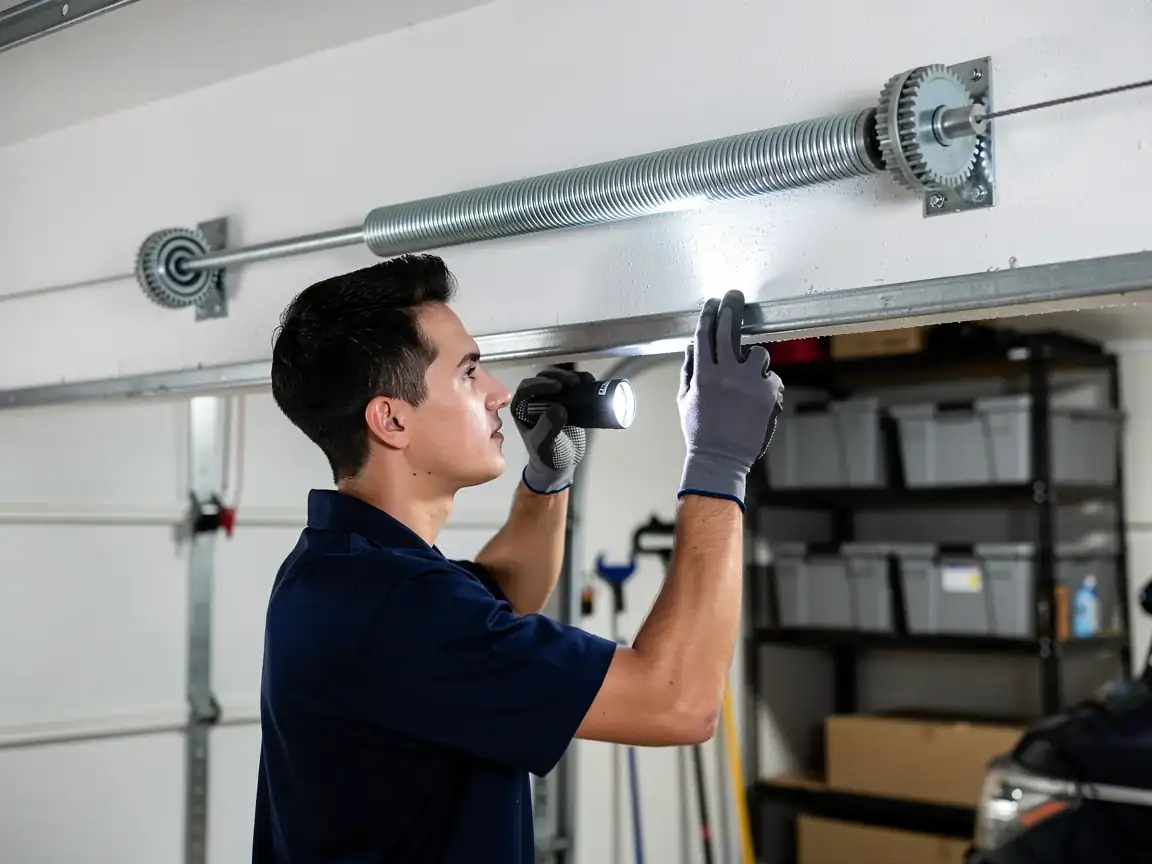
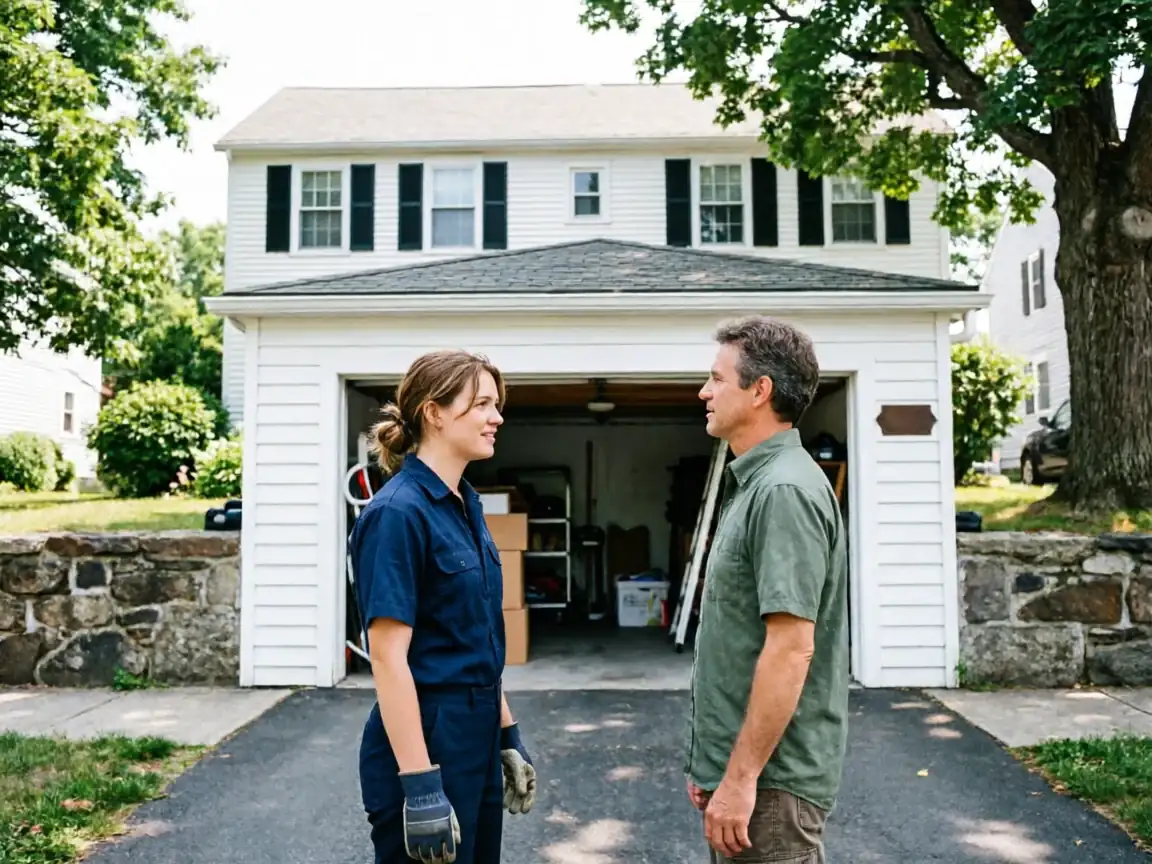
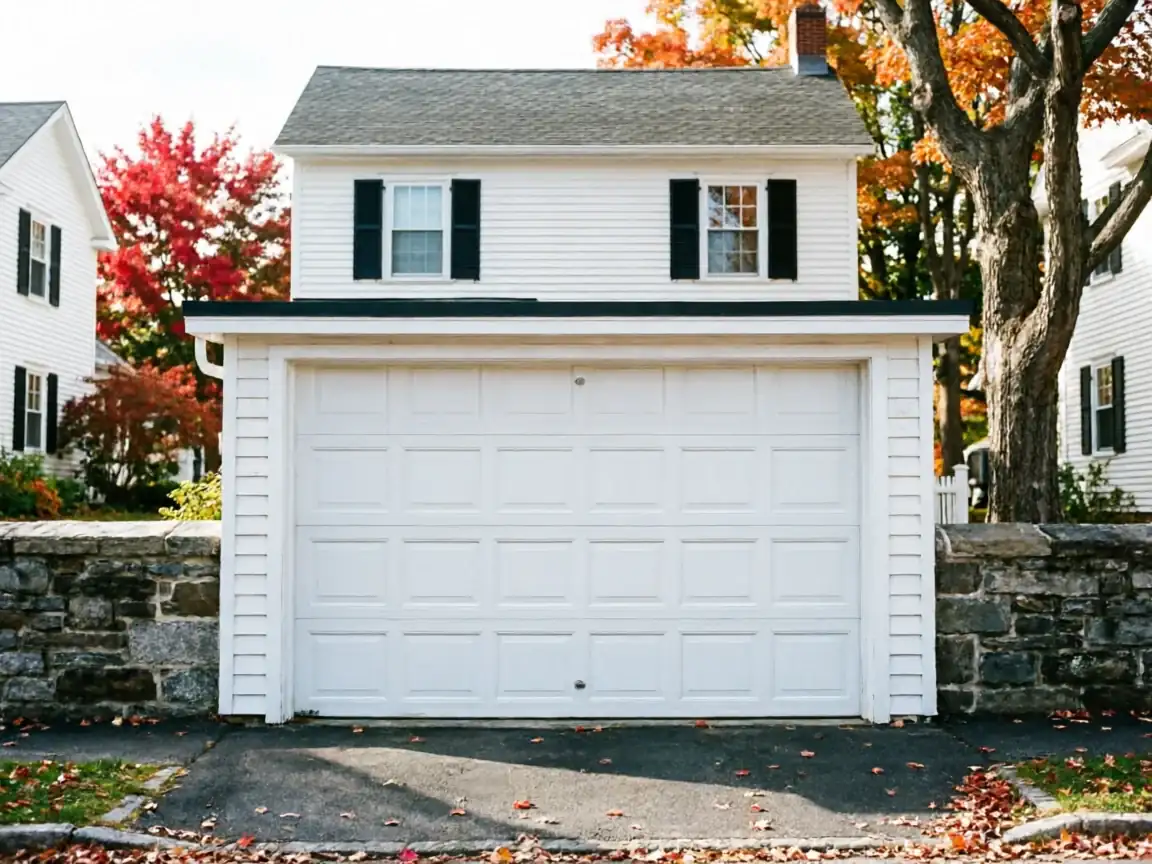
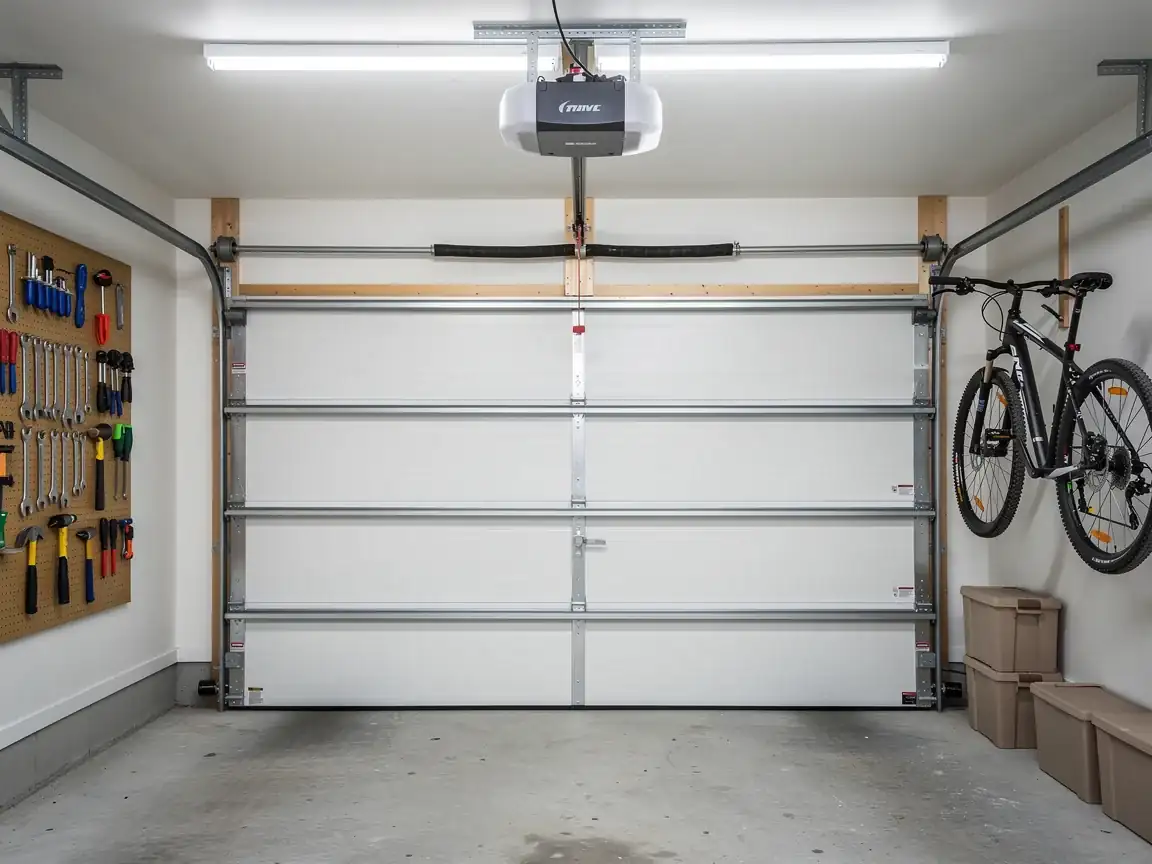
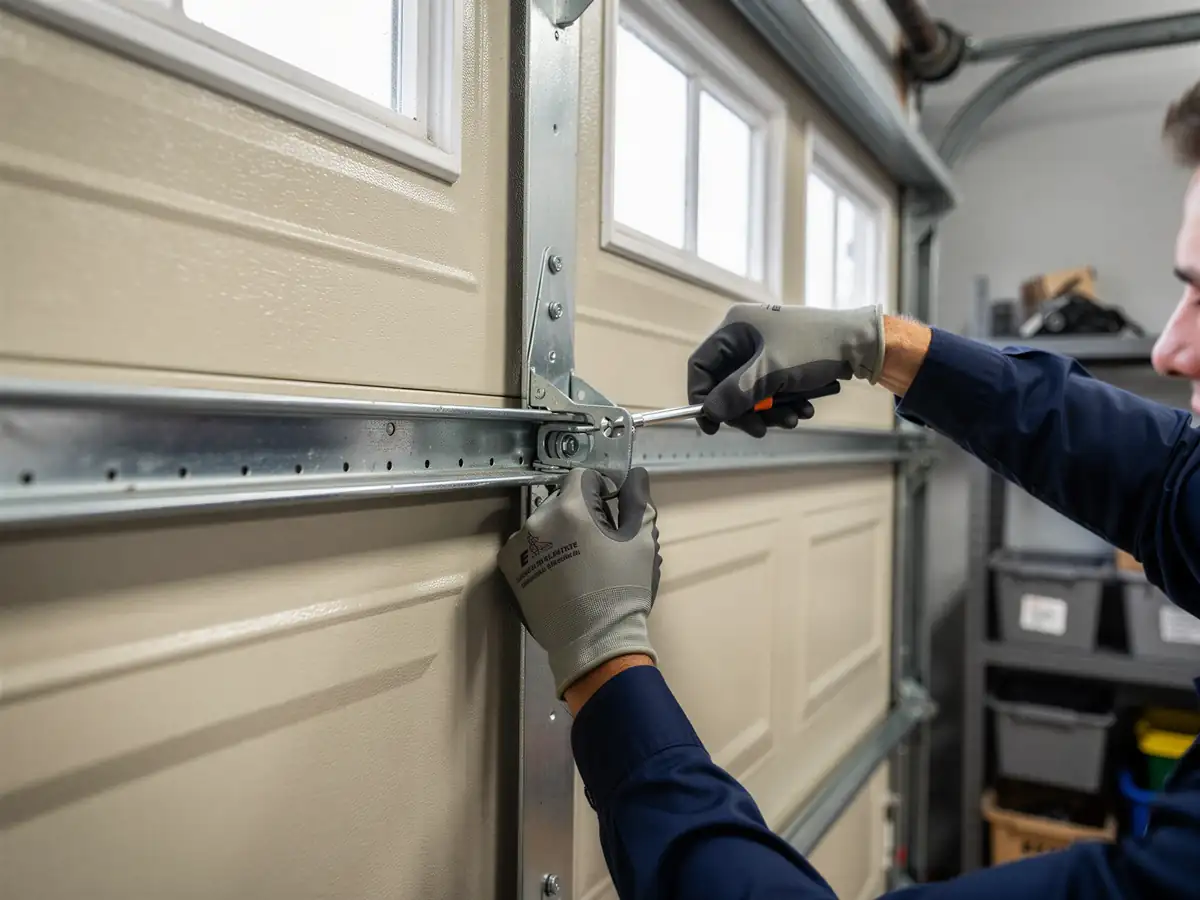
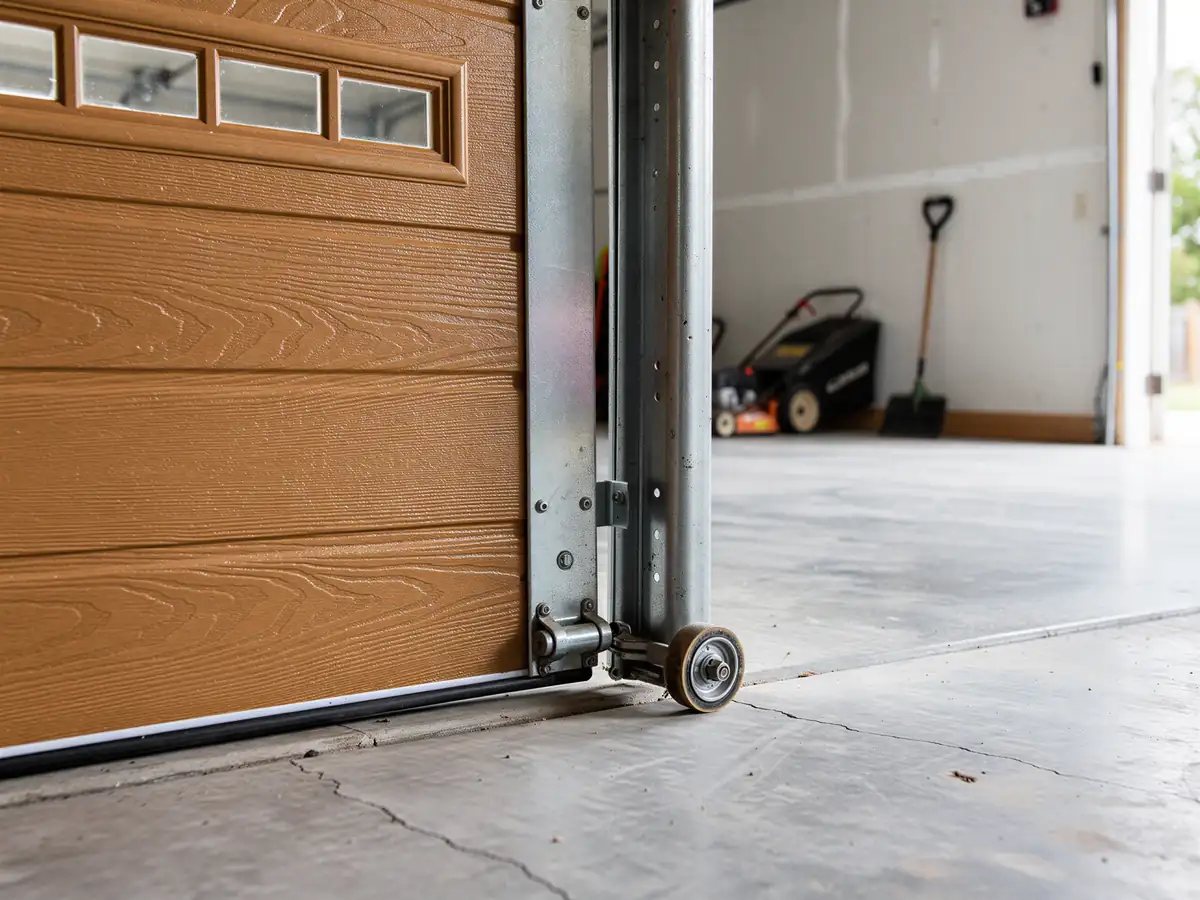
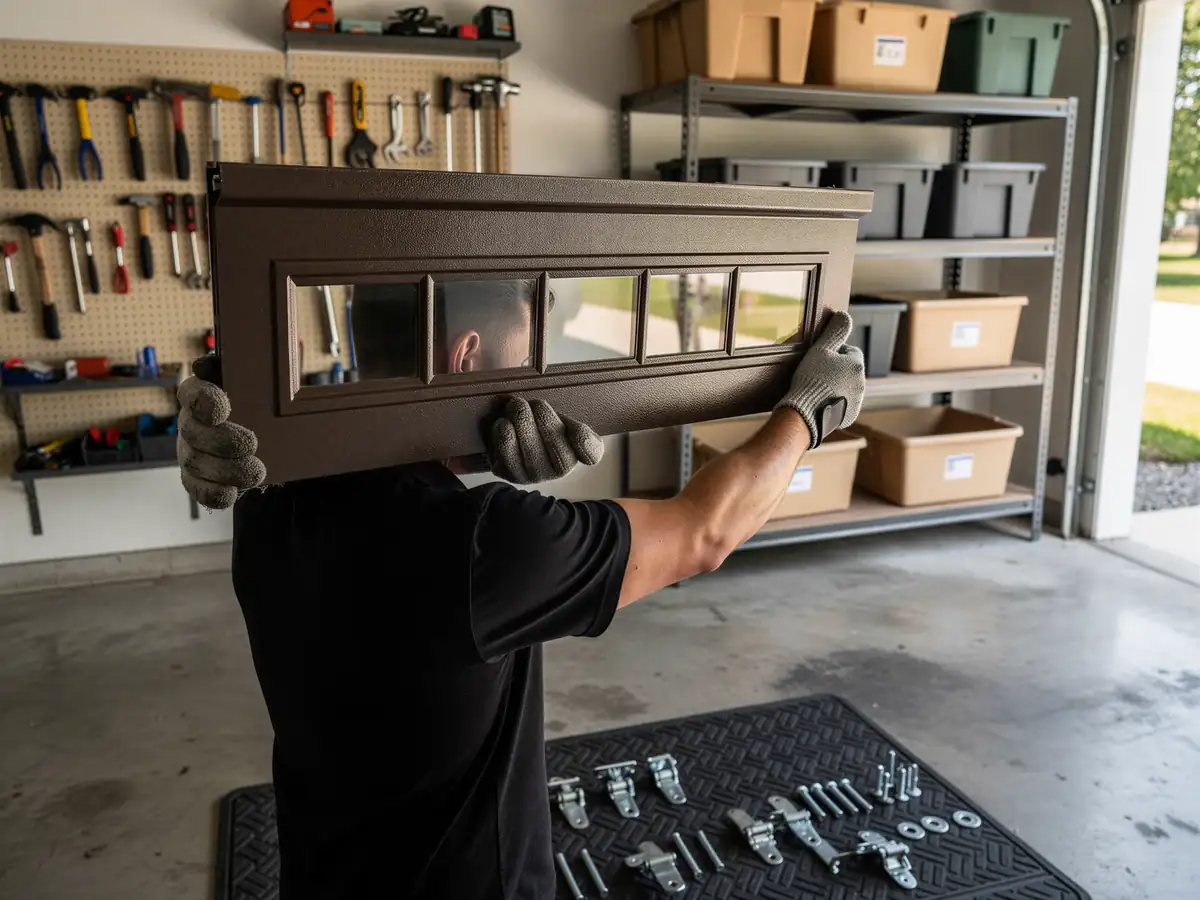
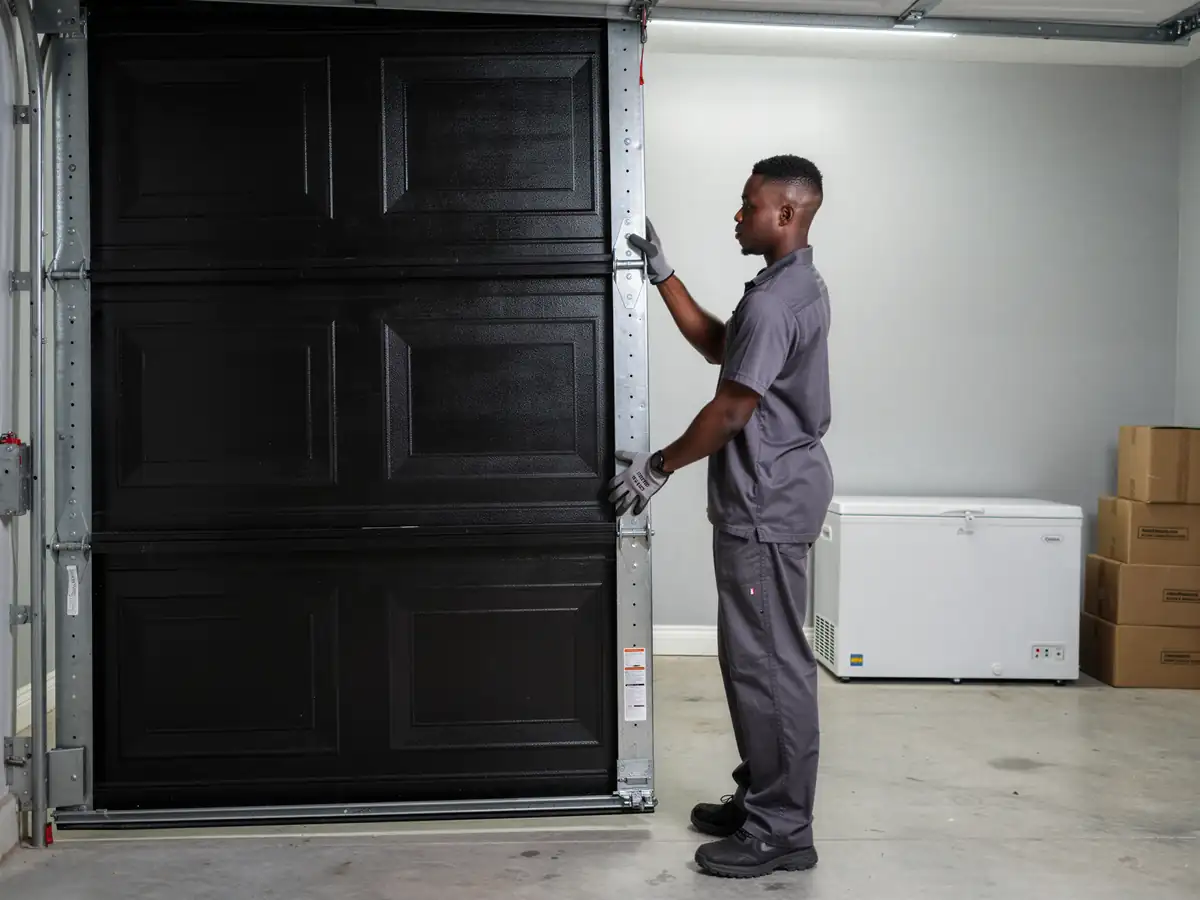
Bolton's median year built is 1986, a good fifteen years newer than the 1969 median across the rest of the area we cover out of Hudson. That matters for what we carry on the truck. A door from 1986 is more likely to be a steel sectional unit on extension springs or an early torsion setup, not the one-piece wood or flat-panel doors you'd find on 1960s stock a few towns over. We stock standard-size extension spring sets, nylon rollers, and the steel hinges that fit factory predrilled sectional panels from that build window. What we don't carry on the truck is anything custom - oversize torsion springs for a door that's been swapped out for something wider than what the house came with, or parts for an opener model that's been out of production a long time. Those get ordered, and that adds a day or two. With about 1,990 households in Bolton, the hardware is consistent enough house to house that we can usually match it without a special trip back to the supplier, which isn't always true in older neighborhoods with more mixed-era doors.
What Causes It Around Here
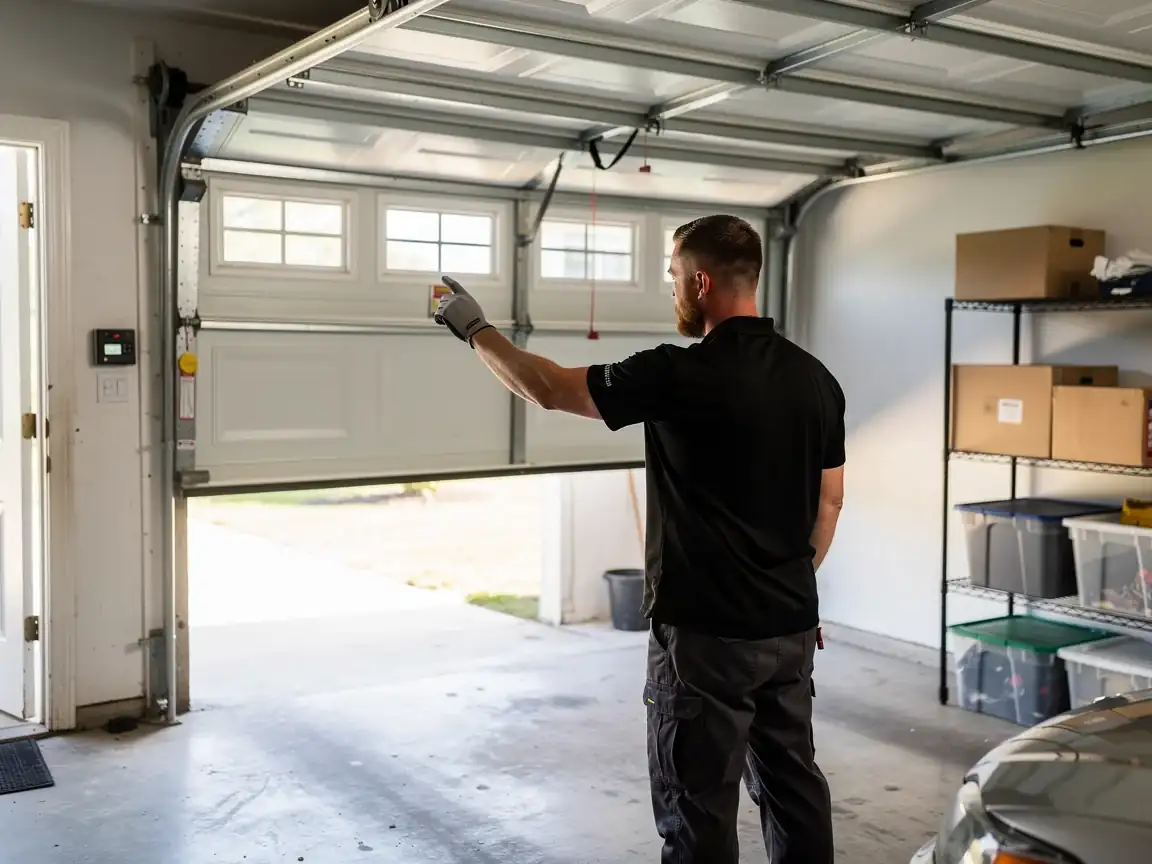
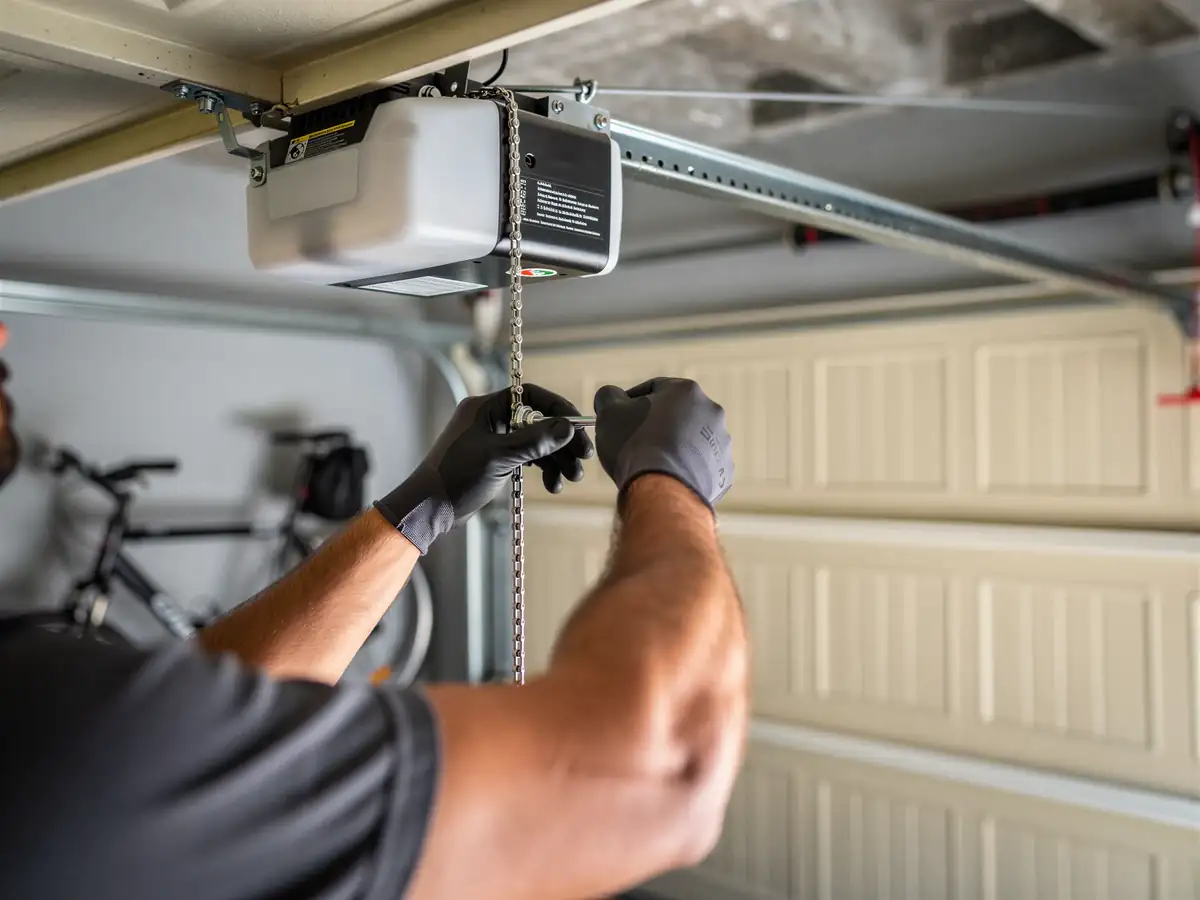
The cold here is the same severe winter climate the rest of the region deals with, so the physical stress on a spring or cable doesn't care what year the house was built. But a door from the mid-1980s has had roughly forty winters of expansion and contraction on its original hardware if nobody's touched it, and that's enough cycles to fatigue a spring even without heavy daily use. The more common issue we see on this era of door is the opener, not the door itself - a chain-drive unit from that period often predates the photo-eye auto-reverse sensors that became standard practice in the early 1990s, and if one was never retrofitted, the door can slam down without stopping on an obstruction. Combine that with Bolton's higher median household income of $198,475, which tends to mean these doors get used daily on two-car households rather than sitting idle, and you get steady wear on rollers and track alignment rather than sudden failure from neglect.
What Can Go Wrong
Skip maintenance on a door of this vintage and the most common failure is a spring that lets go without warning, usually in the cold months when the metal is least forgiving. Second most common: an opener that doesn't reverse on an obstruction because the original sensors were never upgraded, which is a safety issue, not just an inconvenience. We also see track brackets that have loosened slowly over forty years of use and finally let a panel bind or jump the roller, usually on a door that gets opened and closed more than once a day, which is the pattern in a higher-income, two-car household like most in Bolton. None of this is dramatic until it is - a door that's been fine for years can go from working to broken in one cold snap. Regular checks catch the fatigue before it turns into an emergency call.