Stocked Parts
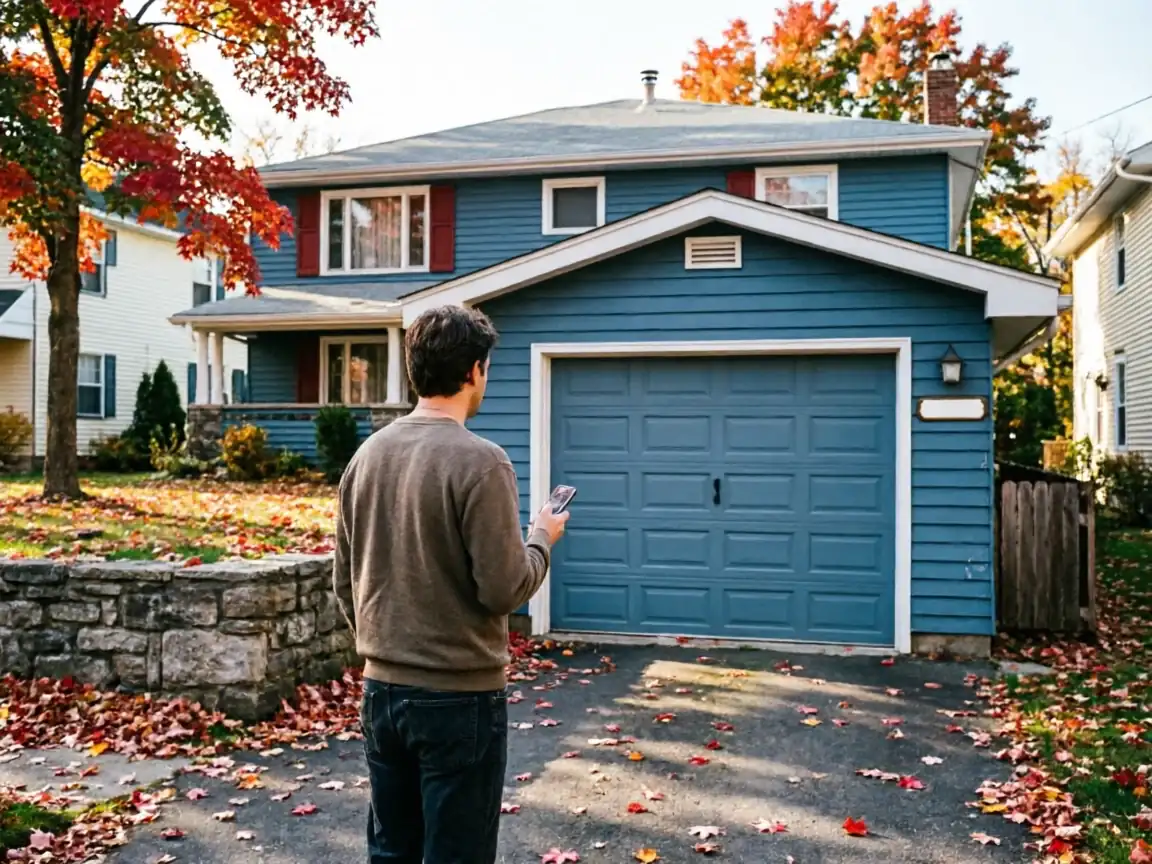
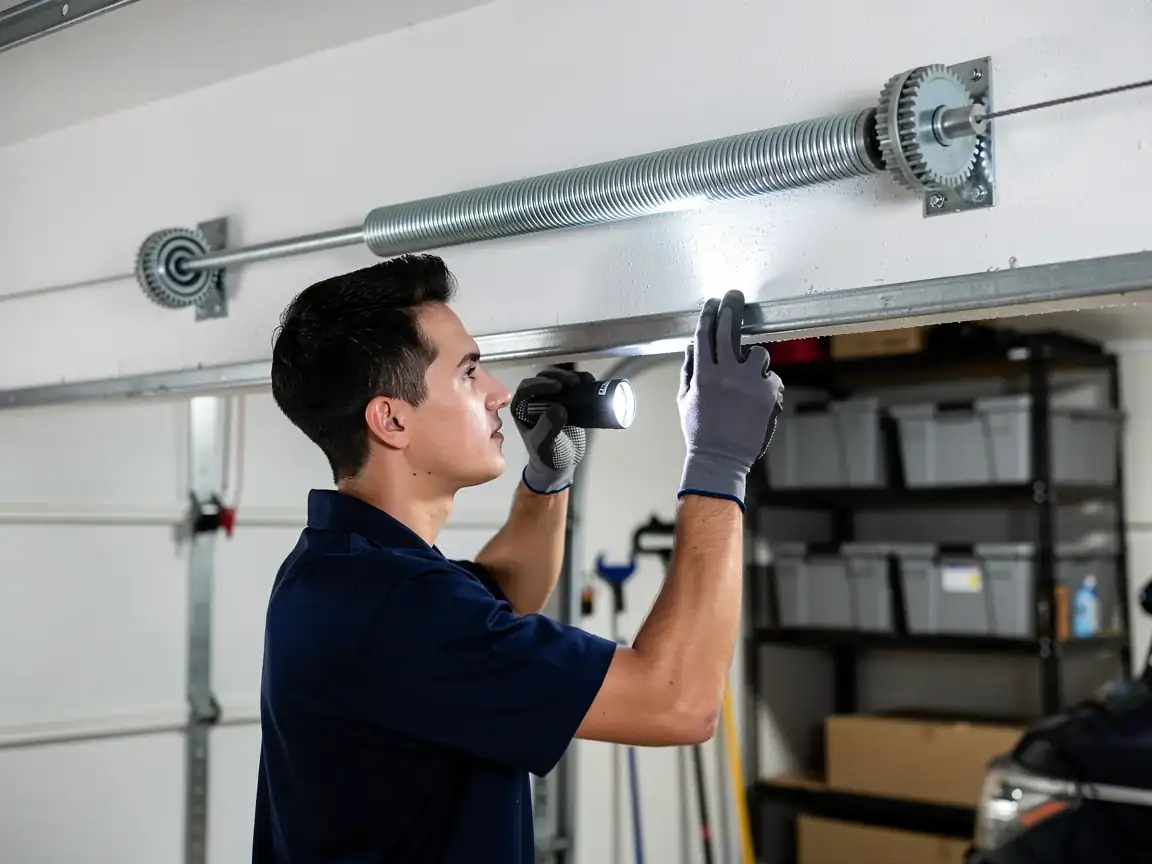
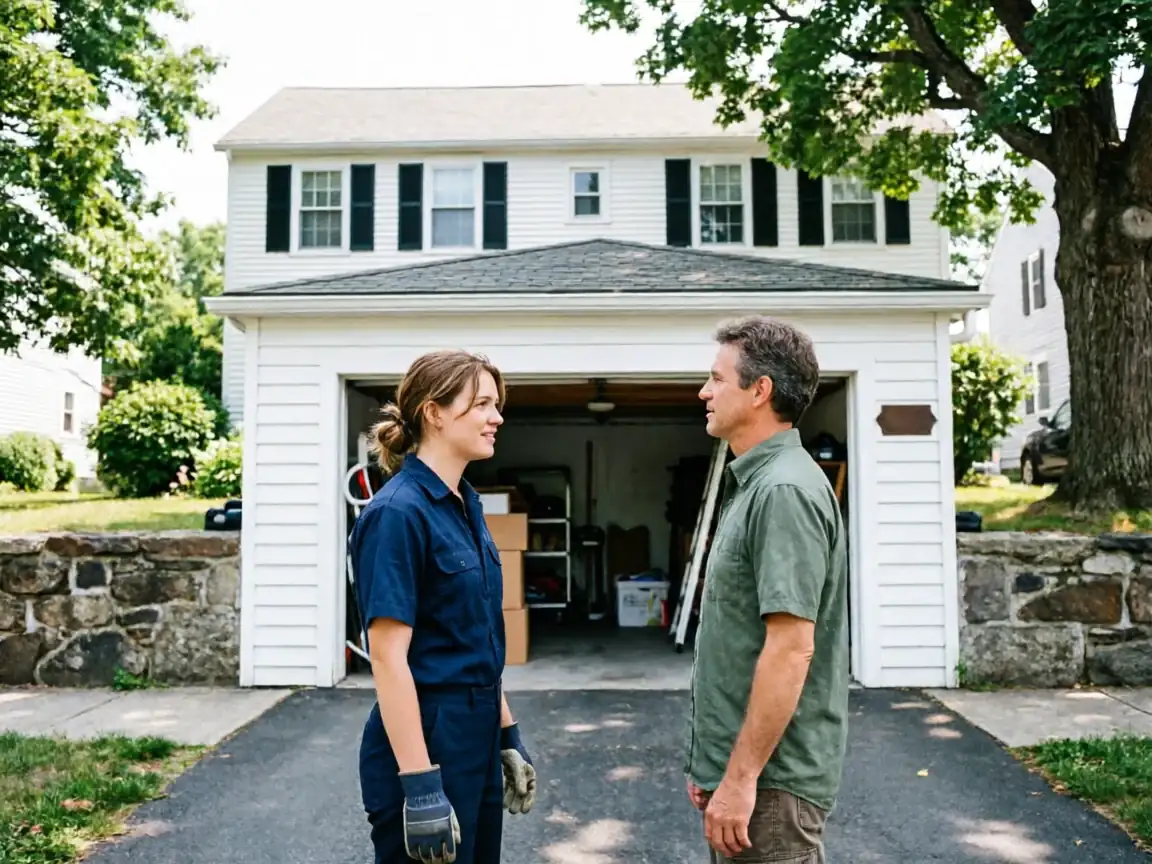
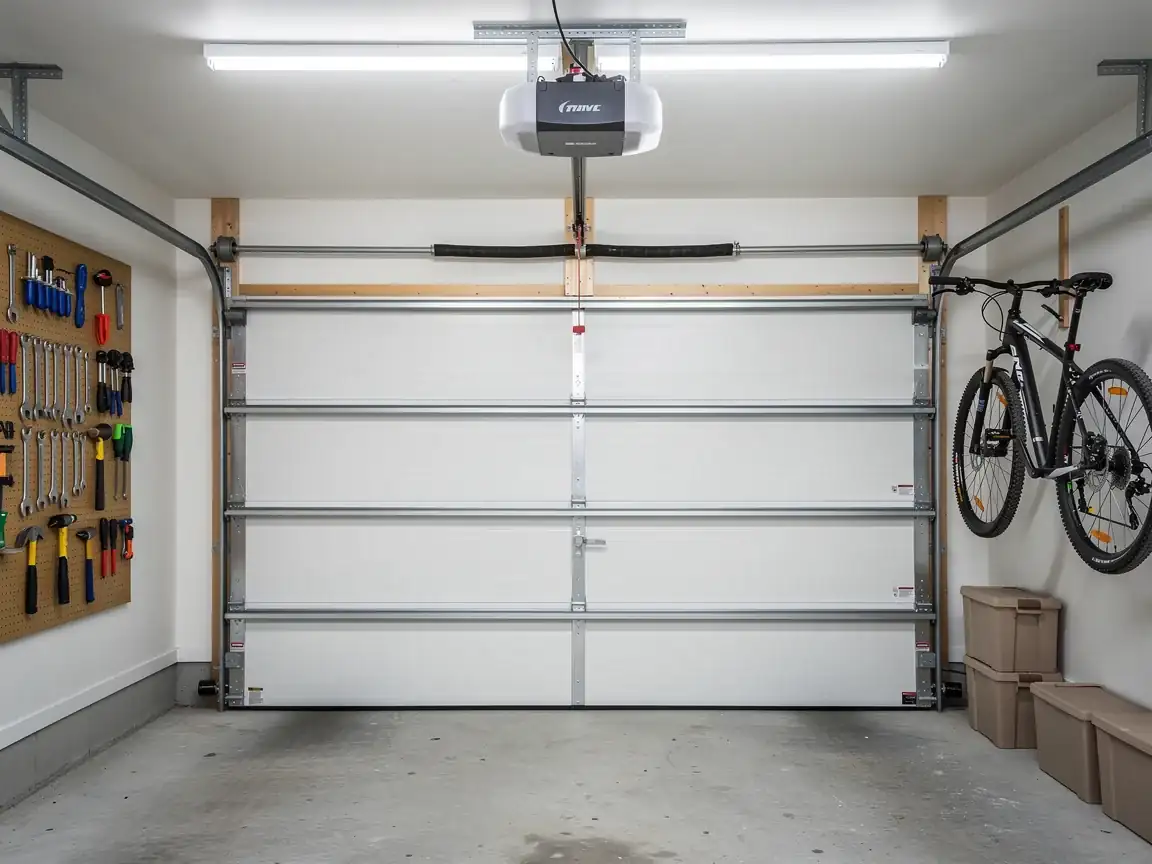
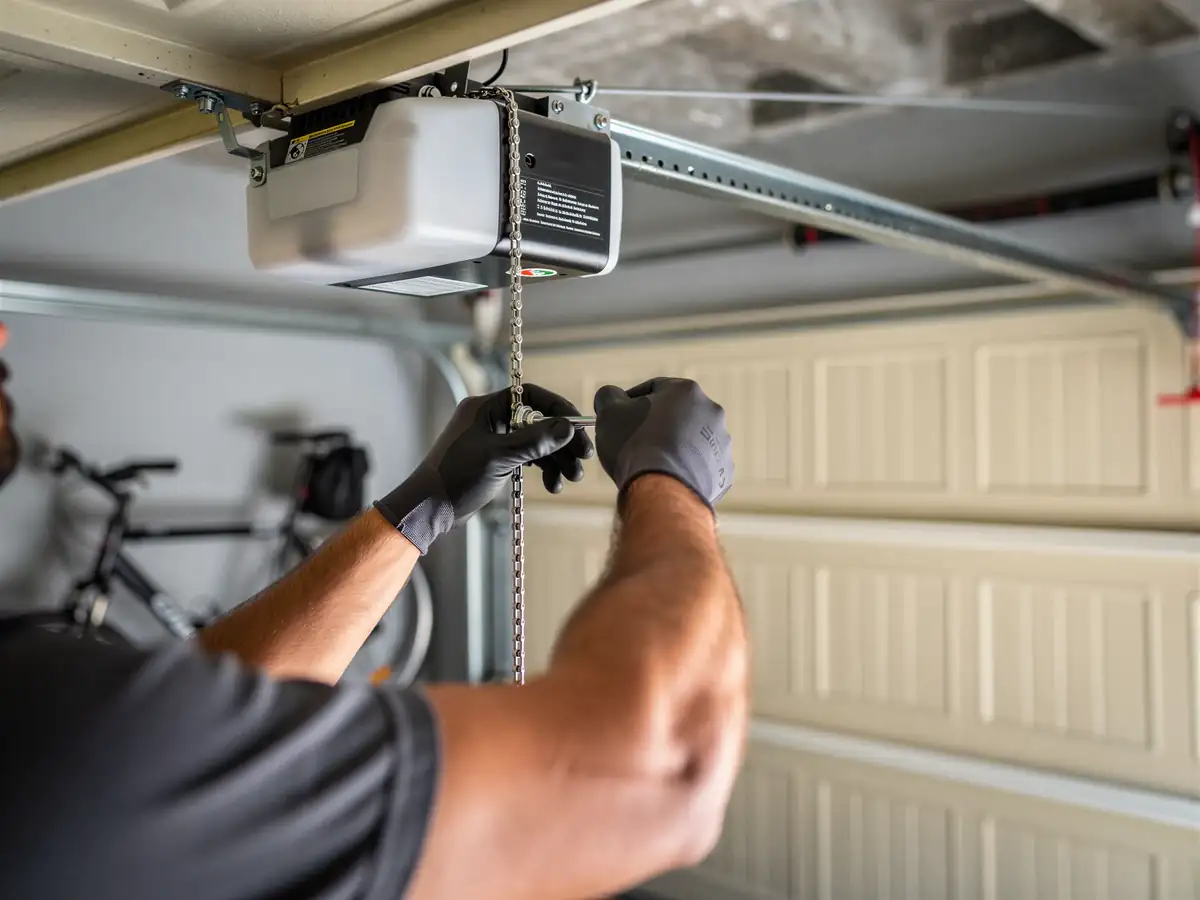
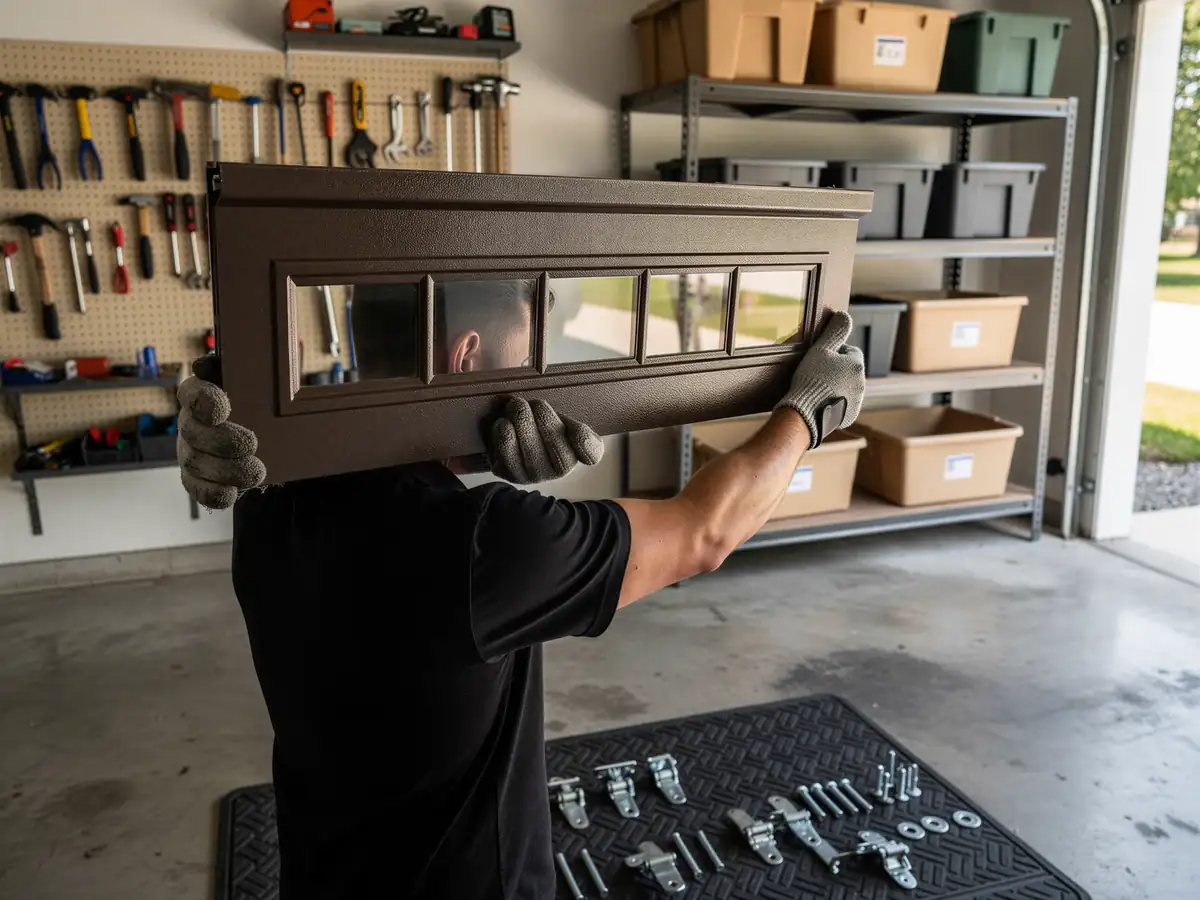
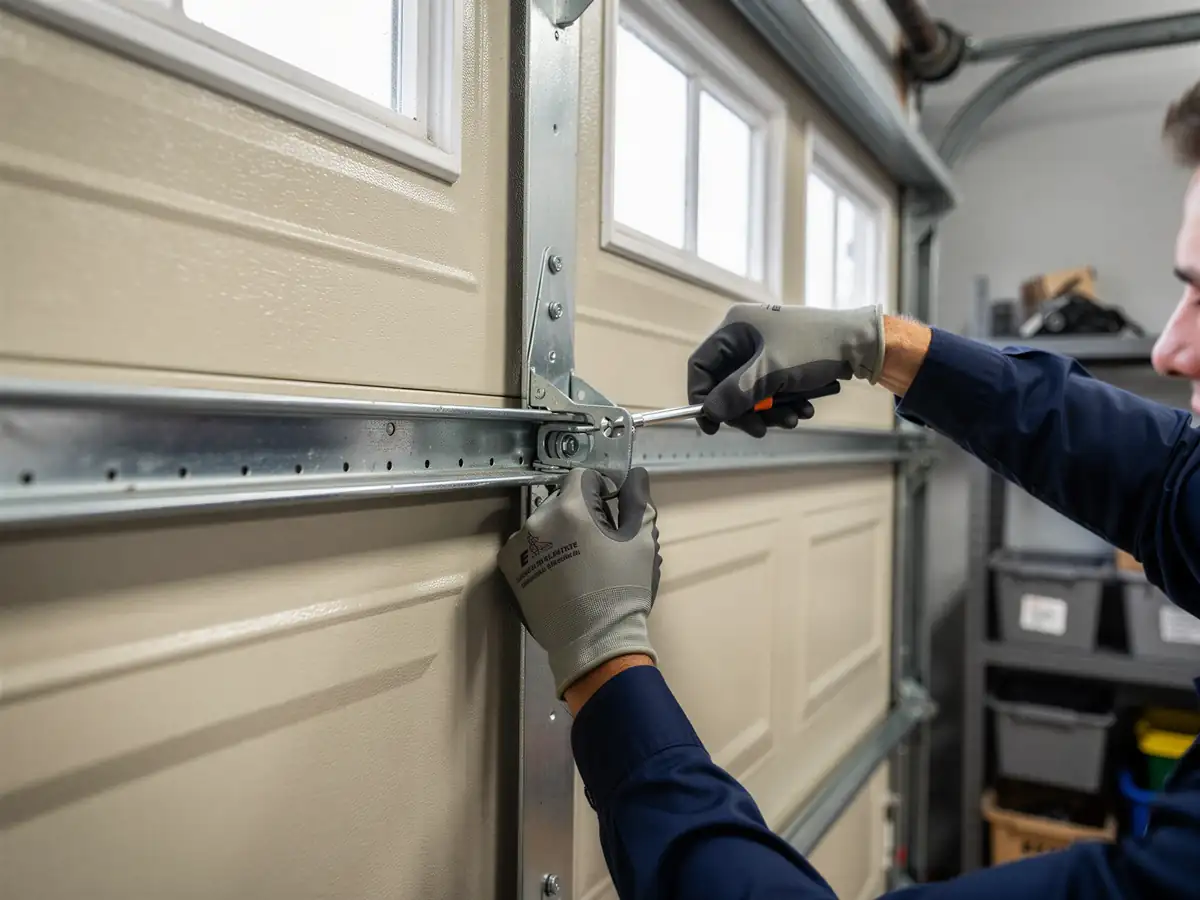
Bolton sits about 4 miles from our Hudson shop, and the doors we open there skew newer than what we see on the older streets closer in. With a median build year around 1986, most Bolton garage doors came in on steel sectional panels with extension or torsion springs rated for that era's hardware, not the heavier one-piece doors or the original torsion drums you find on houses built before 1970. That matters for what rides on the truck. We carry extension springs, standard torsion springs sized for 7-foot and 8-foot sectional doors, nylon and steel rollers, and the same openers common to that build window. What we don't keep on hand is obsolete hardware for pre-1970 one-piece doors, because Bolton's housing stock mostly skipped that generation entirely. If your door is an outlier - older than the neighborhood average - tell us when you call so we bring the right parts instead of guessing on-site. We're coming from Hudson, so a second trip for a part we didn't expect costs you a day, not an hour.
What Causes It Around Here
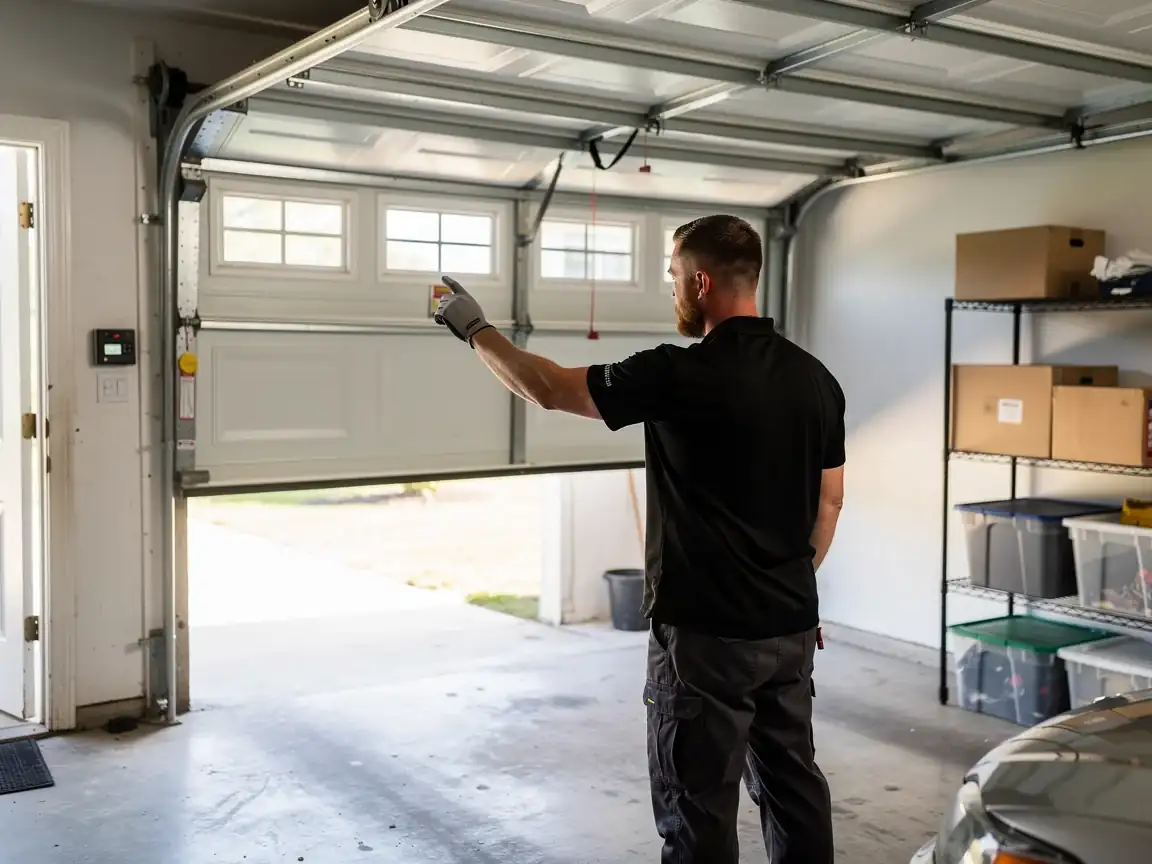
Massachusetts winters are the constant across this whole service area - this is a cold, severe climate zone, and that doesn't change whether a house is from 1960 or 1990. What changes with Bolton's newer stock is where the cold does its damage. On a 1986-era door, the steel panels and factory weatherstripping have had three to four decades of freeze-thaw cycling, and the springs - even newer-era springs - are well past a typical duty cycle by now. Cold makes steel brittle and grease thick, so a spring that's due for replacement anyway tends to let go on the coldest morning of the year, not a mild one. We also see openers from that build window with gears and capacitors near end of life, which shows up first as a door that starts to open and then stalls. None of this is unique to Bolton, but the timing is: houses built in the mid-1980s are hitting that failure window now, as a cluster, rather than being scattered across decades like the older parts of the wider Hudson area.
What Can Go Wrong
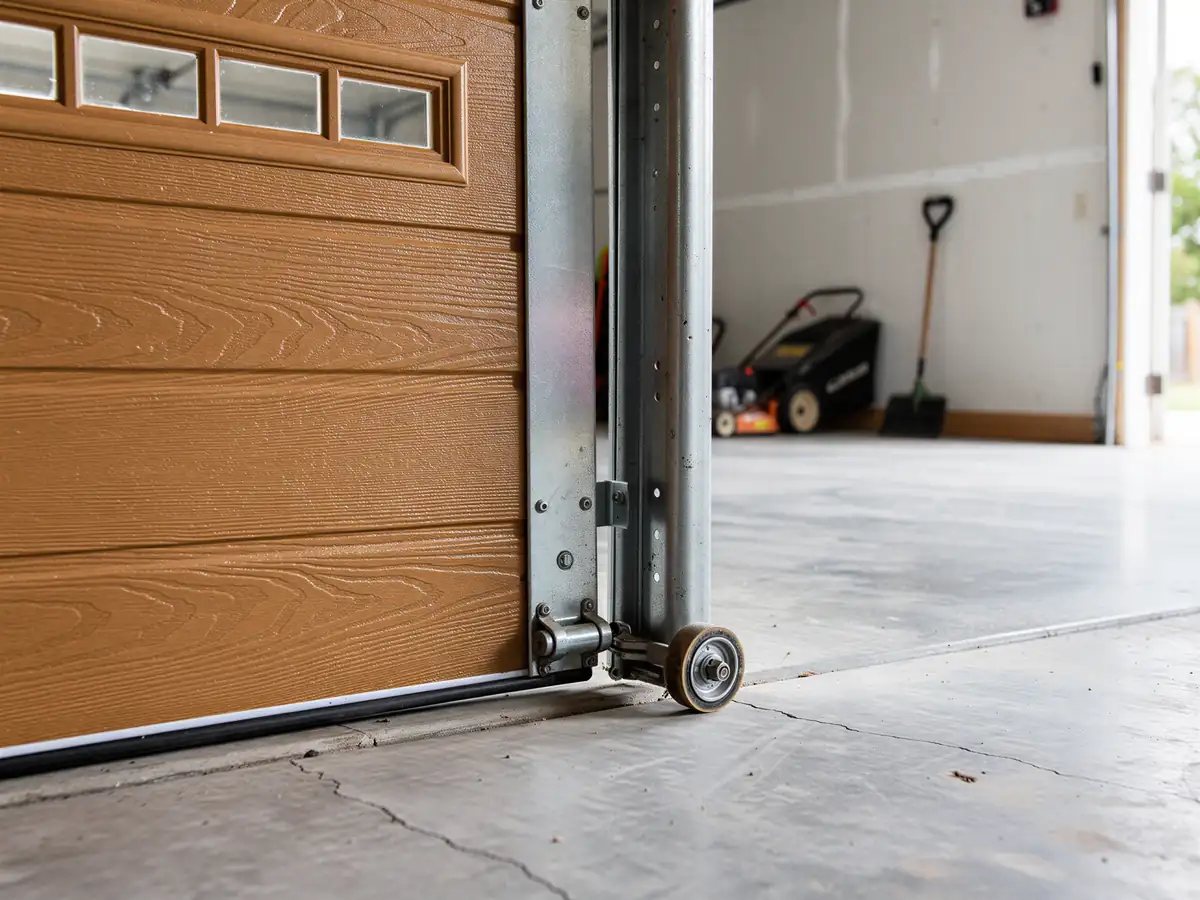
The most common emergency call from this kind of housing stock is a snapped torsion spring - the door won't budge, or it opens a few inches and stops. Second most common is a cable that's jumped the drum, usually from a spring that was already weak and let the door drop unevenly. Less urgent but worth catching early: weatherstripping that's shrunk and cracked after enough cold-season cycles, which lets drafts and water in along the bottom panel. We'd rather replace a $30 spring before it snaps than get the panicked call after it does, but we understand most people call reactively. If a door on a 1980s build is also showing rust at the bottom panel or a bent track, that combination usually means the original installation is simply at the end of its service life, and at that point repair starts costing more than replacement - we'll say so plainly instead of billing you for repeated patch jobs.