Stocked Parts
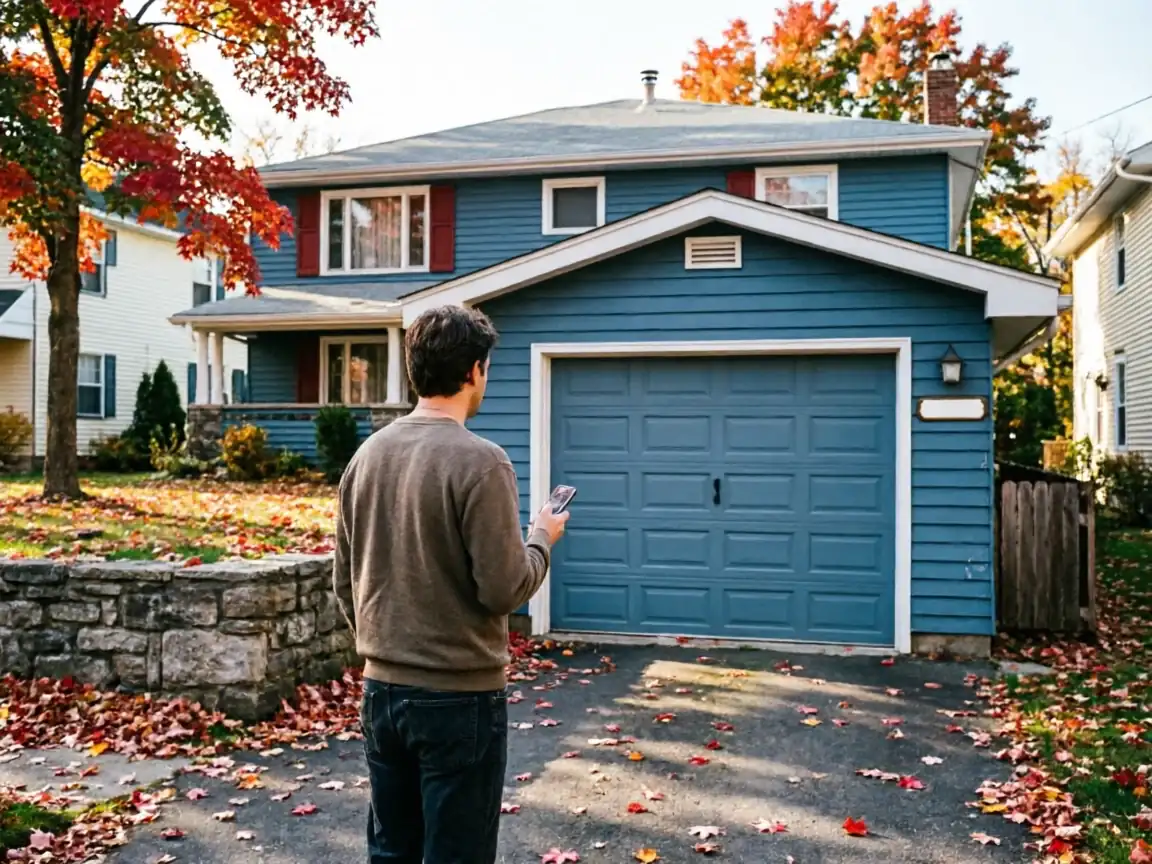
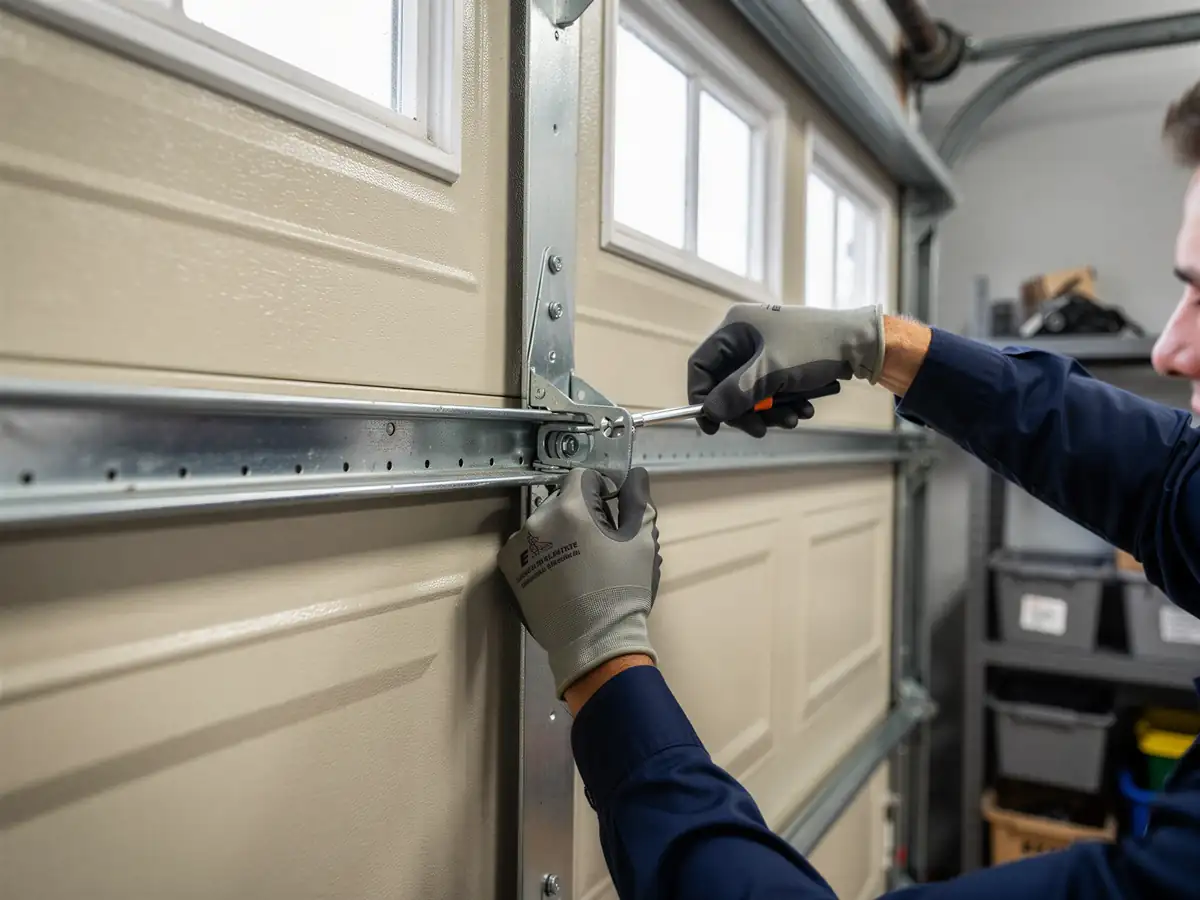
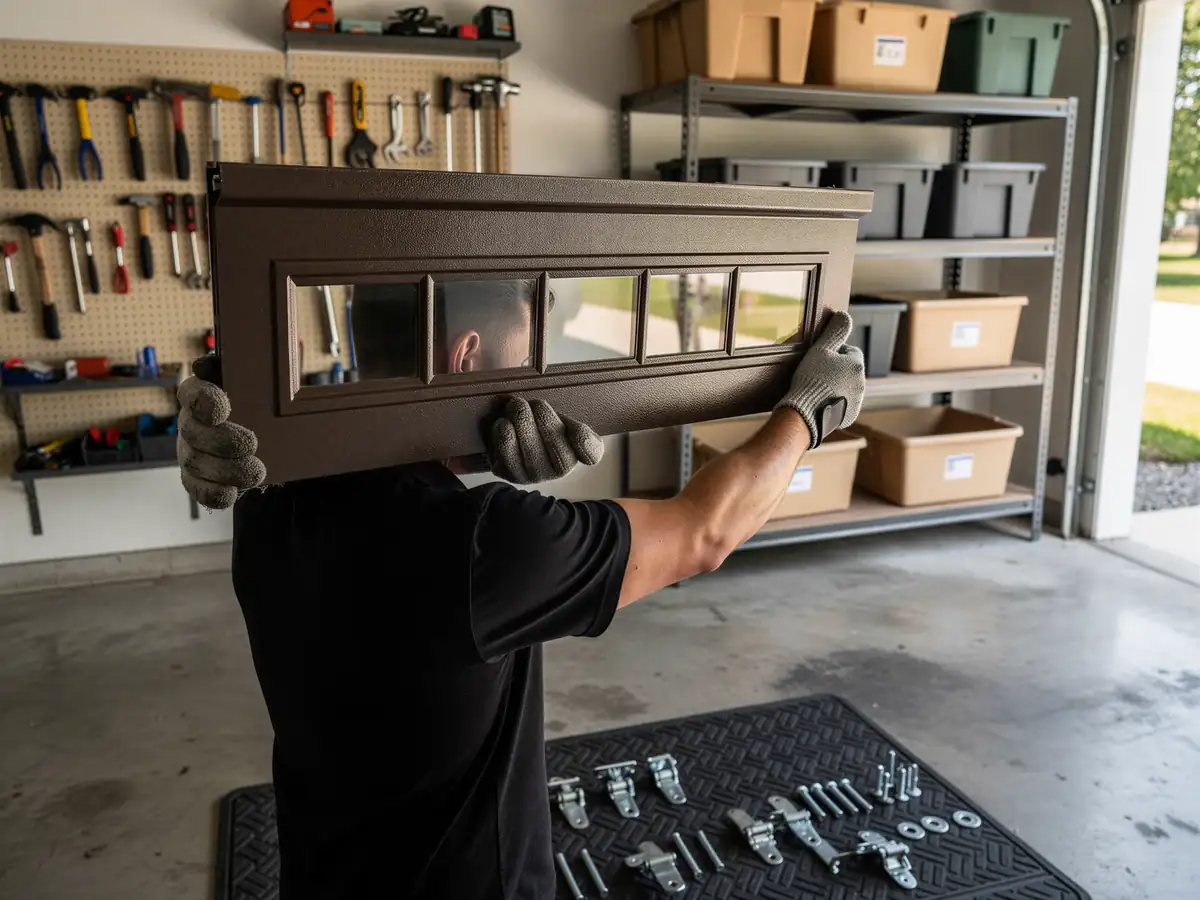
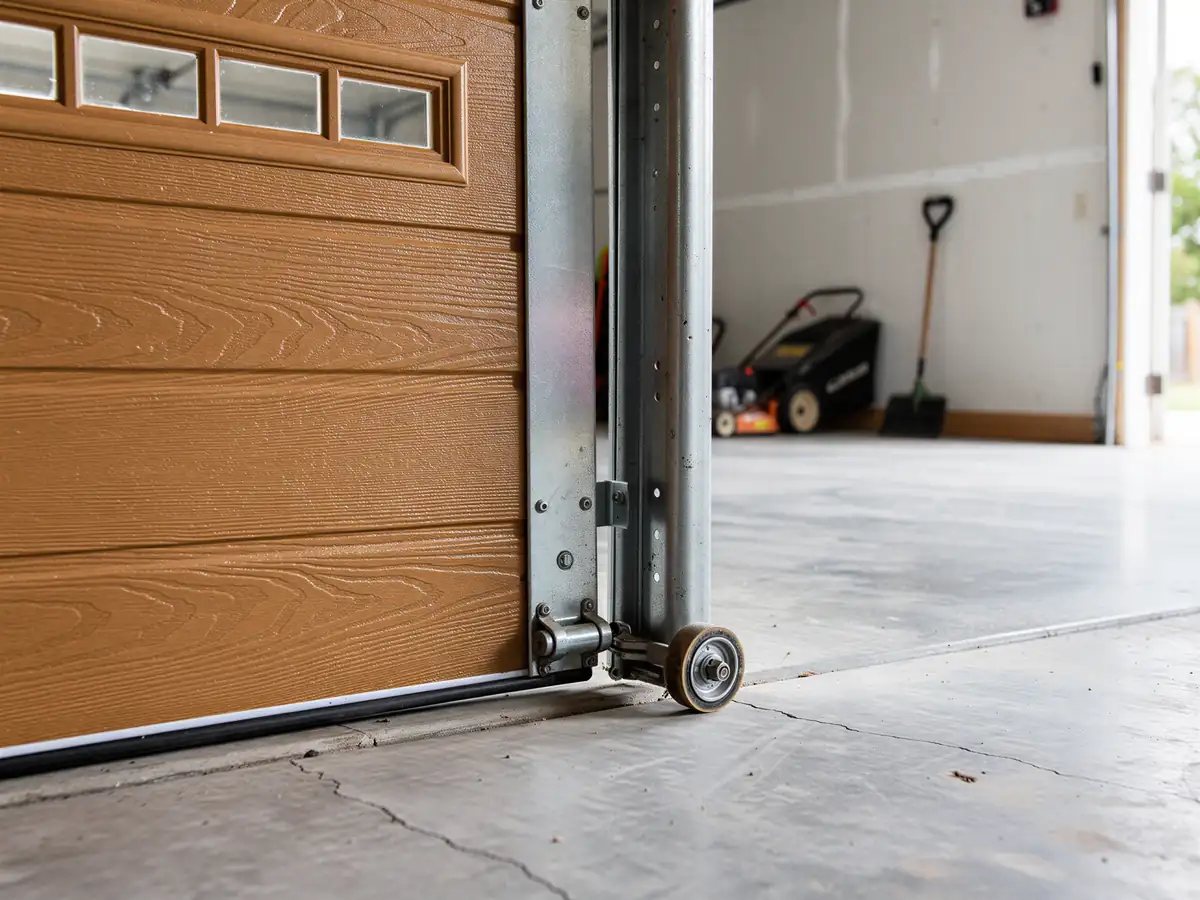
Bolton is a short pull from the shop in Hudson, about four miles, which matters more for what we load on the truck than for how fast we can get there. Median year built here runs around 1986, noticeably newer than the 1938-1993 range (median 1969) that covers most of the wider service area. That later build date means the roller and track hardware under a lot of Bolton garage doors is a more standard, still-current gauge: galvanized track sections, nylon or steel rollers, and brackets that are common stock items rather than parts we have to special-order. We carry replacement rollers, end bearing plates, and track sections sized for that era on every truck. The honest limit: if a door turns out to be older than the neighborhood average, or it's a less common import, the exact track profile sometimes has to be ordered, and that's a days-not-hours wait, not a same-visit fix.
We don't stock every bracket style ever sold, and we won't pretend a part is on the truck when it isn't. What we can tell you on site is whether your track is a straightforward swap or a special-order situation, and price it accordingly before any work starts.
What Causes It Around Here
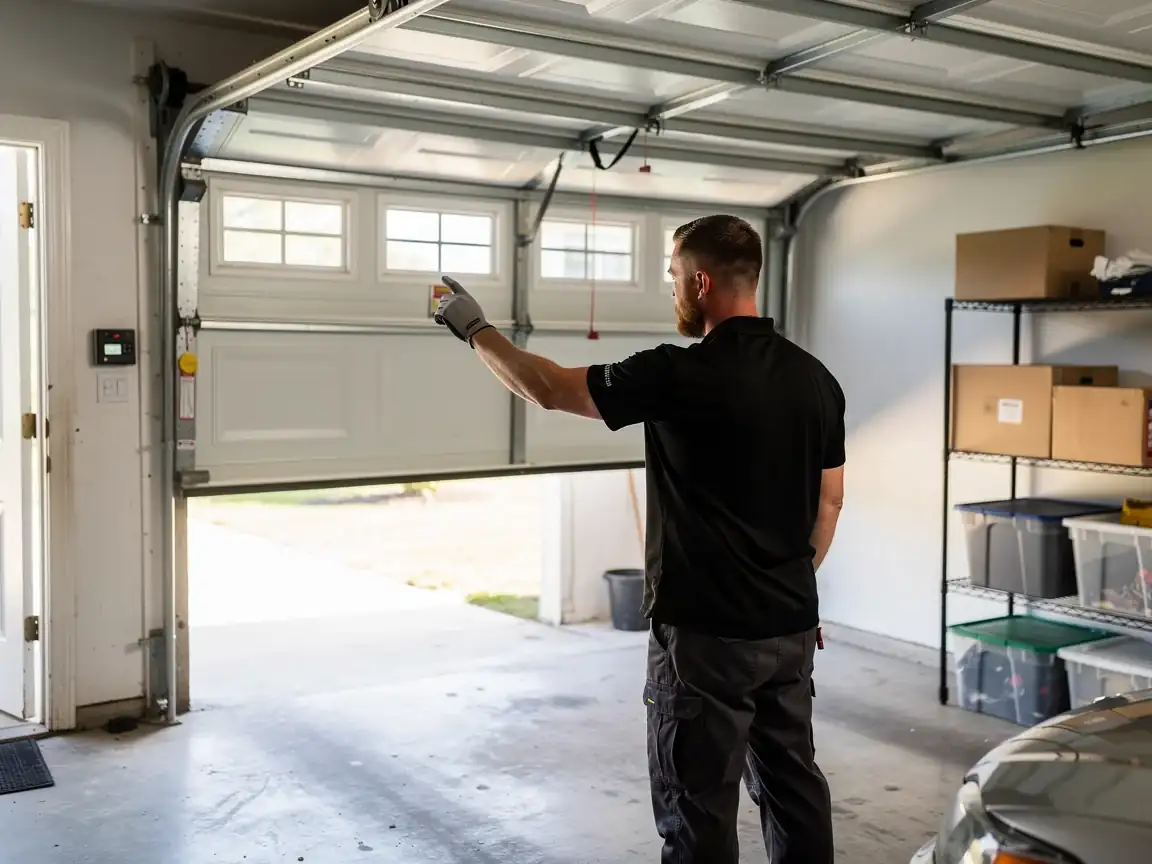
The climate band covering Bolton is classified cold and severe, and that's the main driver of off-track calls here regardless of how new the house is. Hard freezes stiffen the grease in roller bearings and can let frost form on the track rail itself; when the door tries to move on a track that's gripping instead of sliding, something gives, usually a bent section of rail or a roller popped out of the track. On a house built in the mid-1980s, like a lot of Bolton's stock, the garage is often attached with a poured slab that's held its level well, so the fault is rarely a sinking foundation pulling the track out of square. It's almost always cold-related binding, a loose bracket that's worked its way free from seasonal expansion and contraction, or a cable that's jumped its drum and let one side of the door drop unevenly off the rollers. Wind-driven slams on an unsecured door do it too, but that's less common on newer builds with better-fitted weatherstripping. If your door jumped track in warm weather with no obvious cause, that points more toward a worn roller or a bent track from age than from cold.
What Can Go Wrong
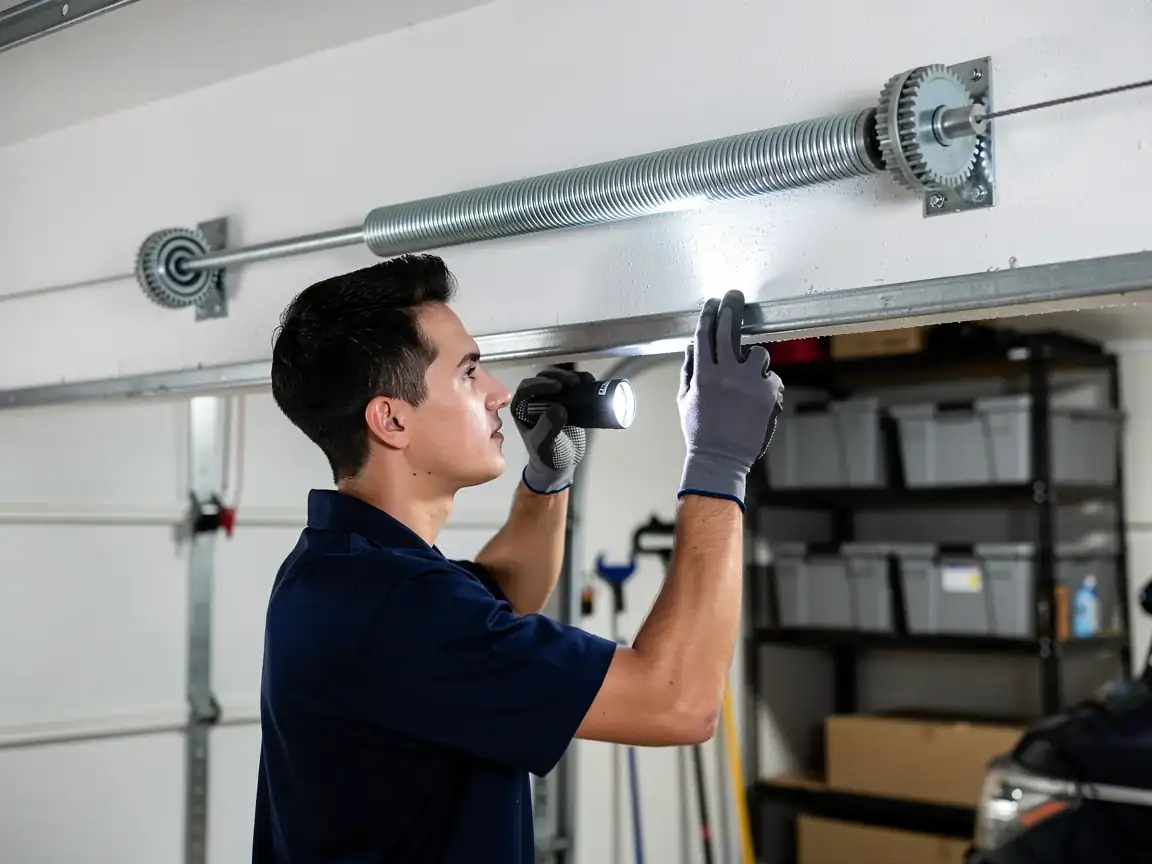
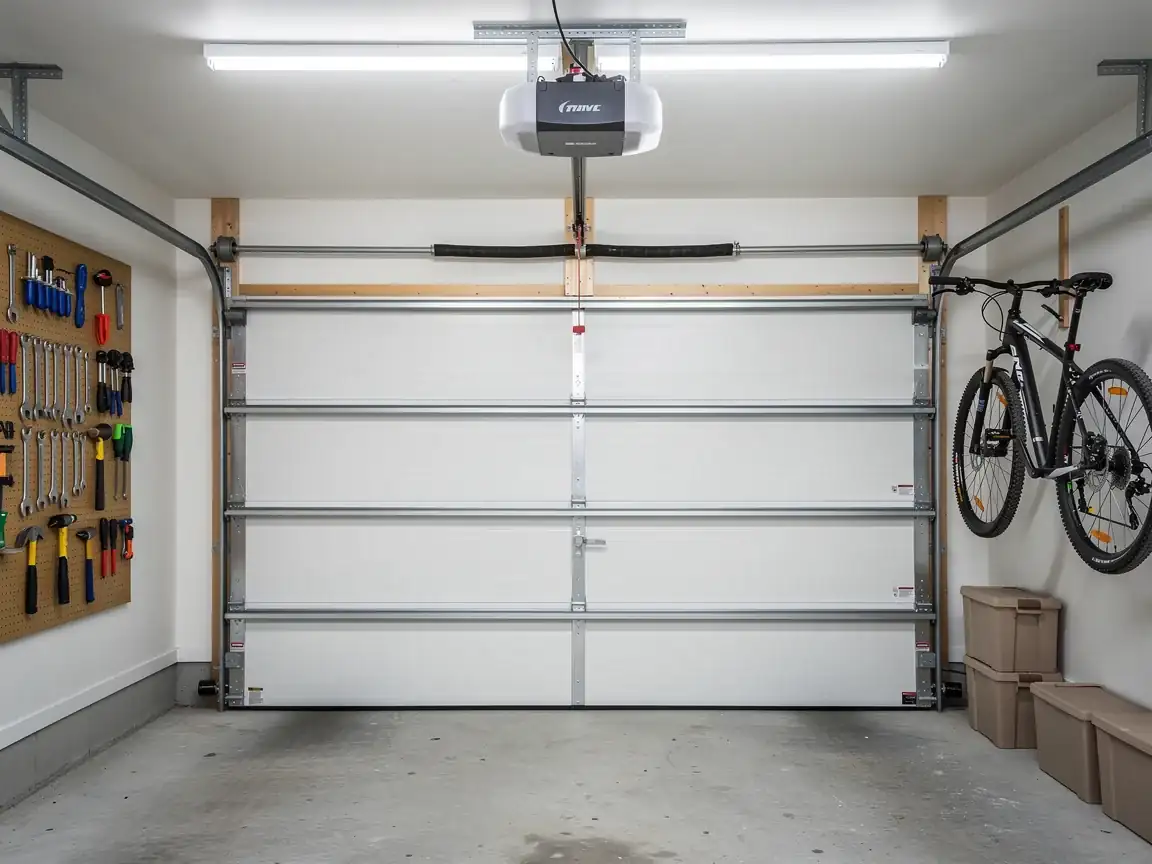
The thing that turns a routine off-track call into a longer job is cable damage. If the door was forced or the opener kept running after the door jumped the track, a cable can fray or jump its drum, and that's a different repair with different parts and more care, since a cable under tension is not something to work on casually. We also watch for bent hinges or a cracked panel where the door caught on something as it came off the rail; those get flagged separately because a bent track repair doesn't fix a dented panel, and we're not going to bill you for parts that aren't the problem. On a door with a torsion spring system, we check that the spring itself wasn't stressed by the door hanging unevenly, since an off-track door can put uneven load on a spring built to lift it straight. If a door has come off track more than once in a short stretch, that's usually a sign the root cause - a loose bracket, a worn roller - was never fully addressed, and chasing the same fault again without replacing the worn part just buys you another call.