What the Fix Involves
Northborough's median household income sits at $154,926, well above the $147,635 median across the wider service area this company covers out of Hudson. That number matters before you talk about steel gauge or hinge style, because it changes where the repair-or-replace line falls. On a house in this income bracket, a single dented or rusted panel on an otherwise sound door is almost always worth replacing rather than swapping the whole unit - the labor to match and order one section costs less than a full install, and most owners here can absorb that cost without stretching the budget toward a cheaper, shorter-lived door.
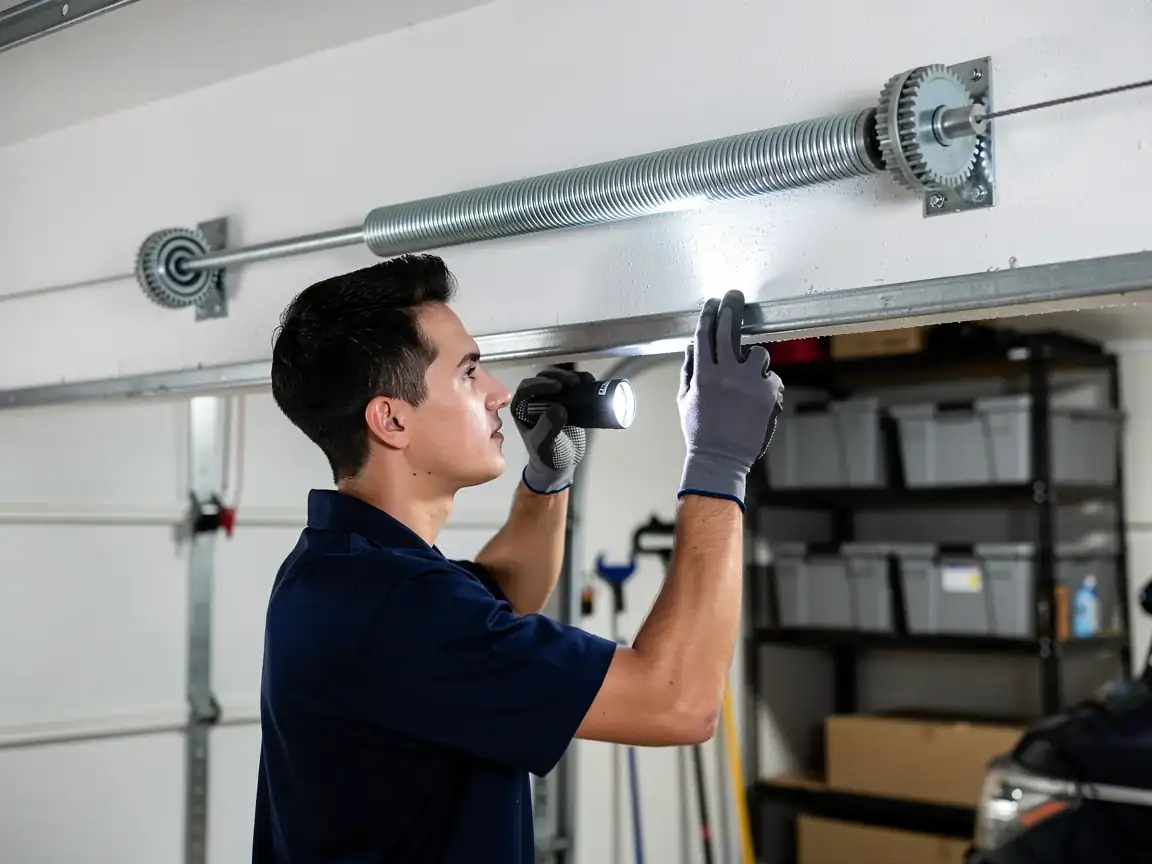
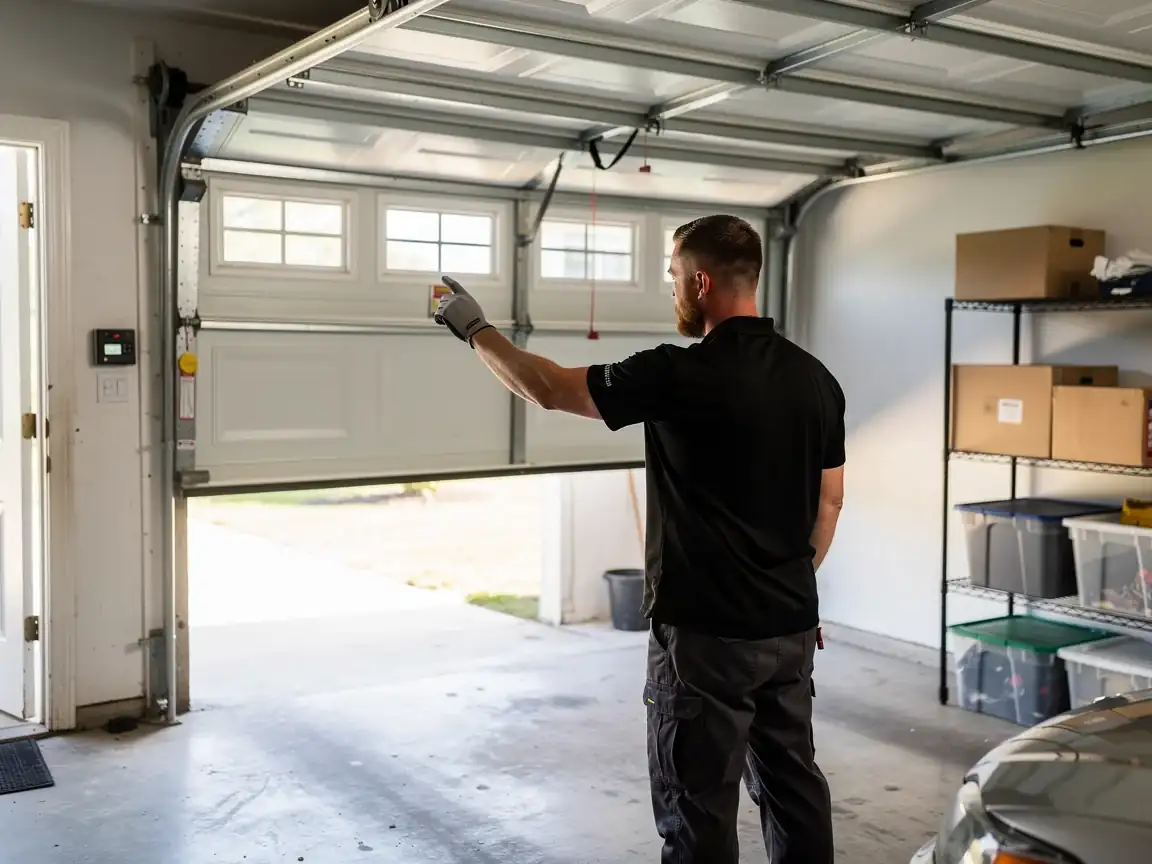
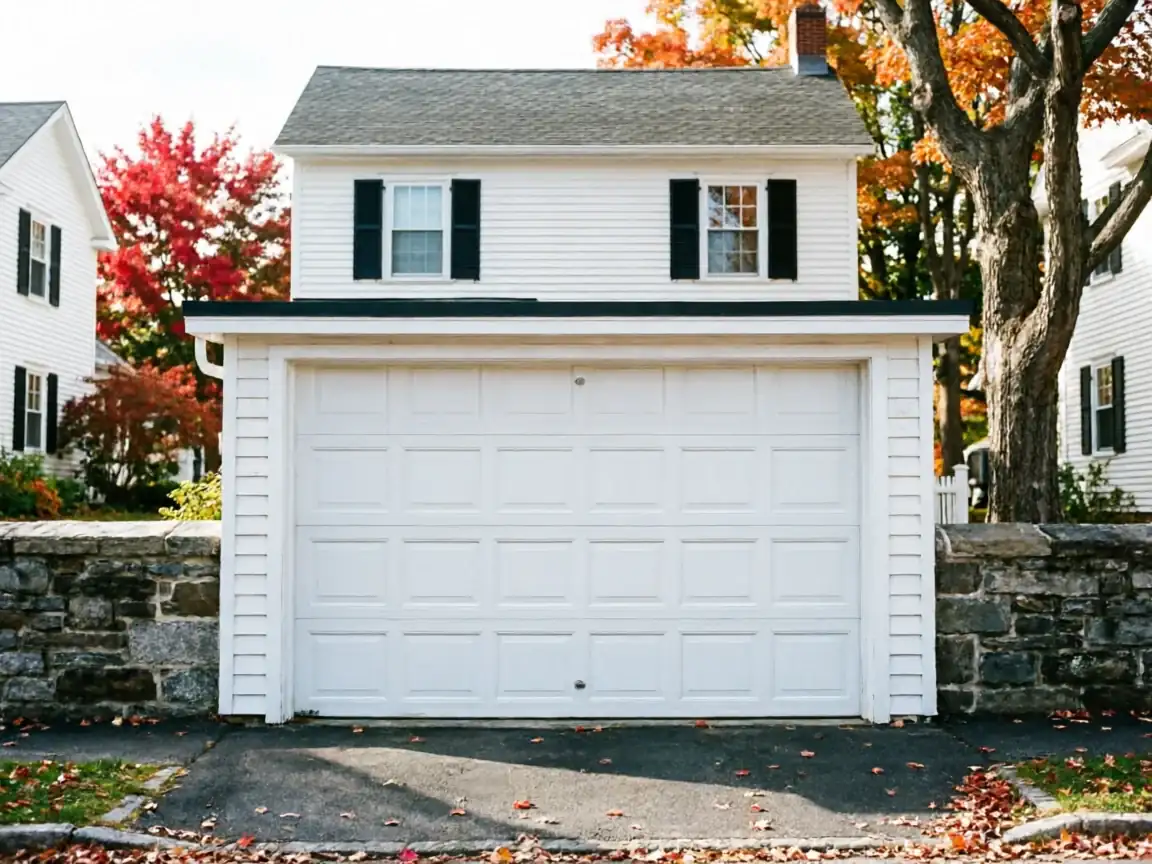
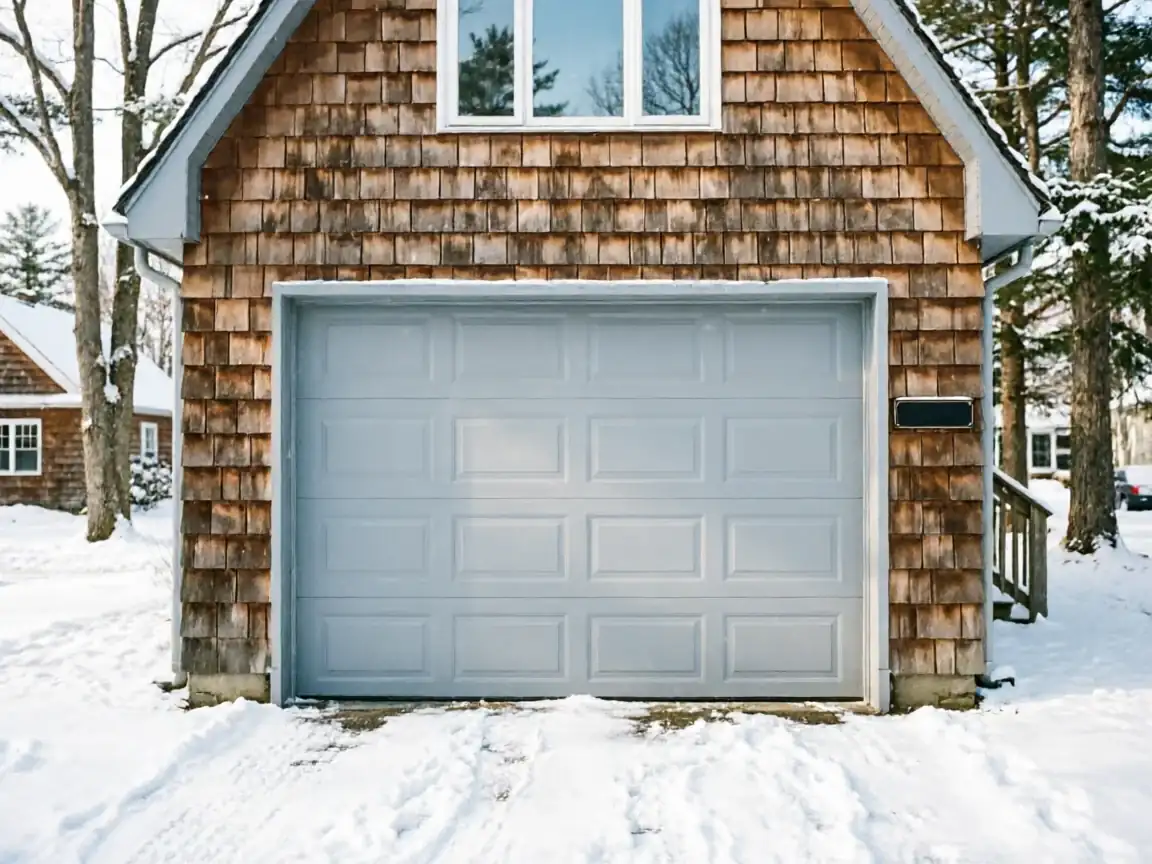
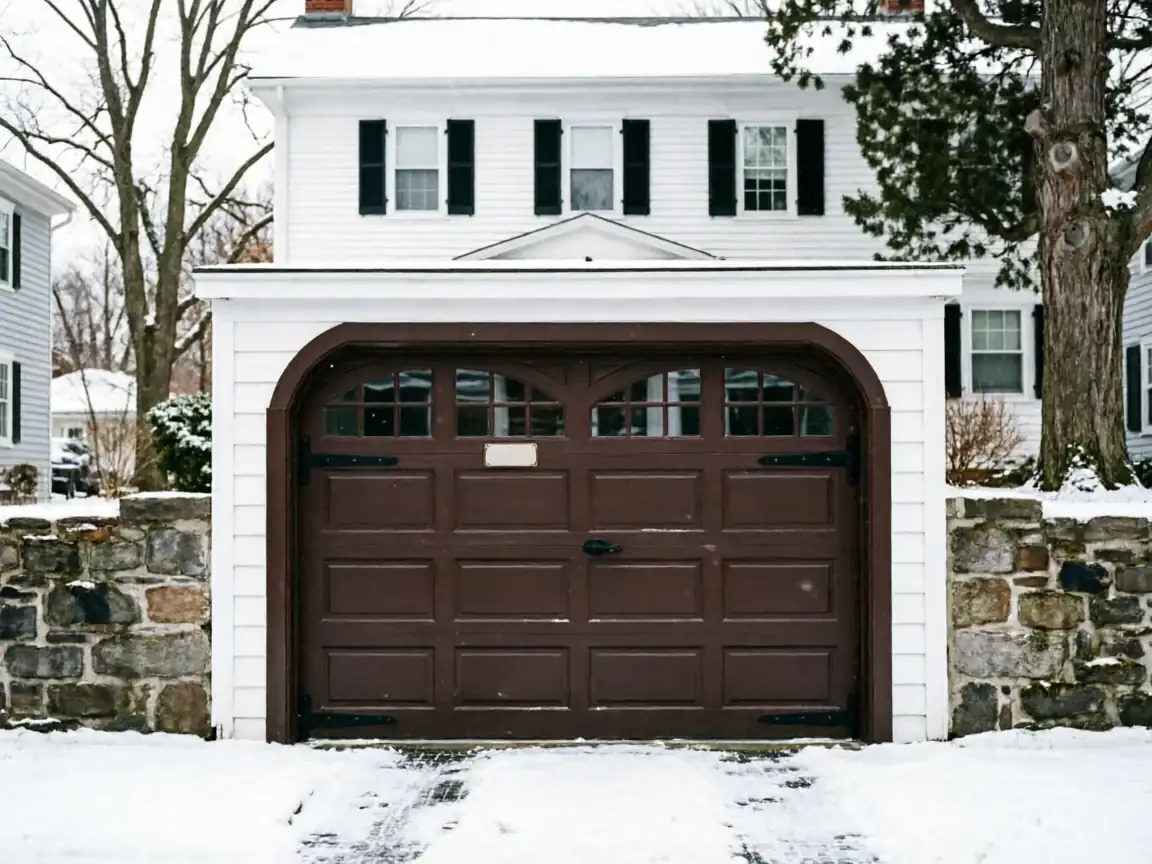
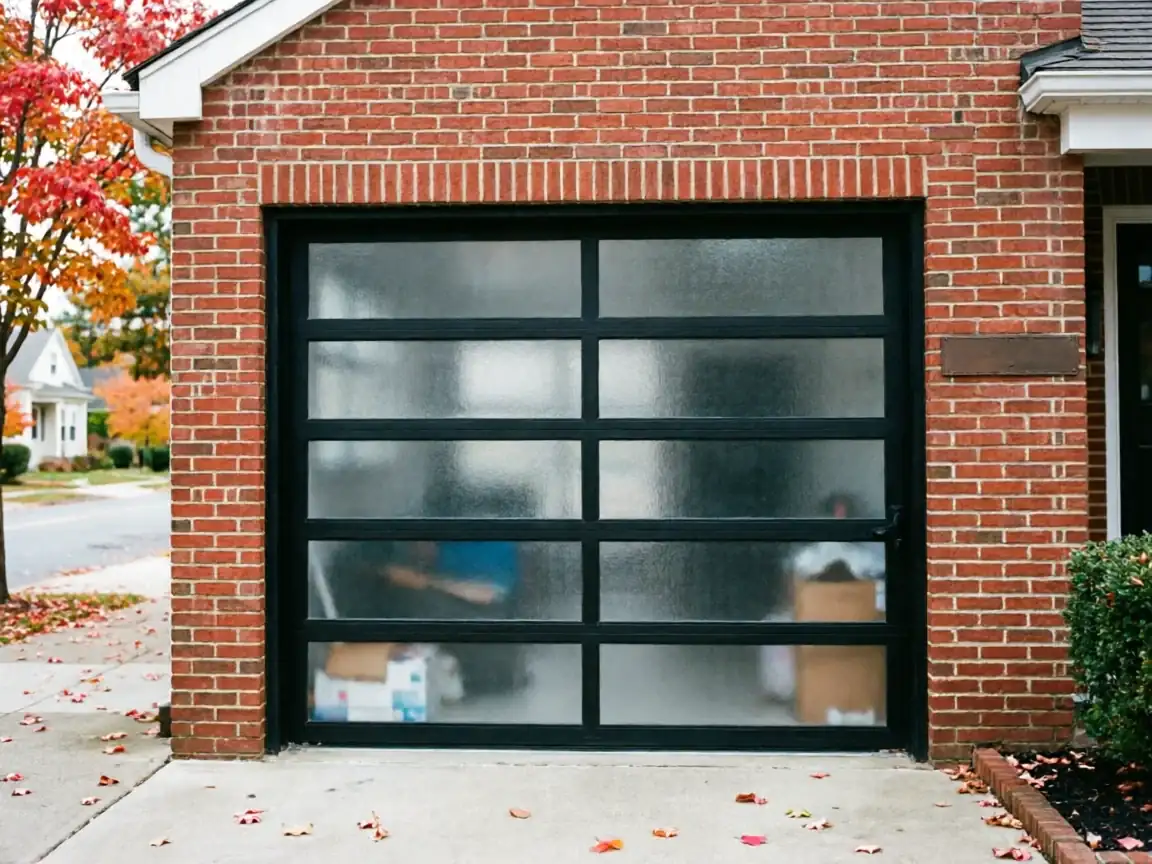
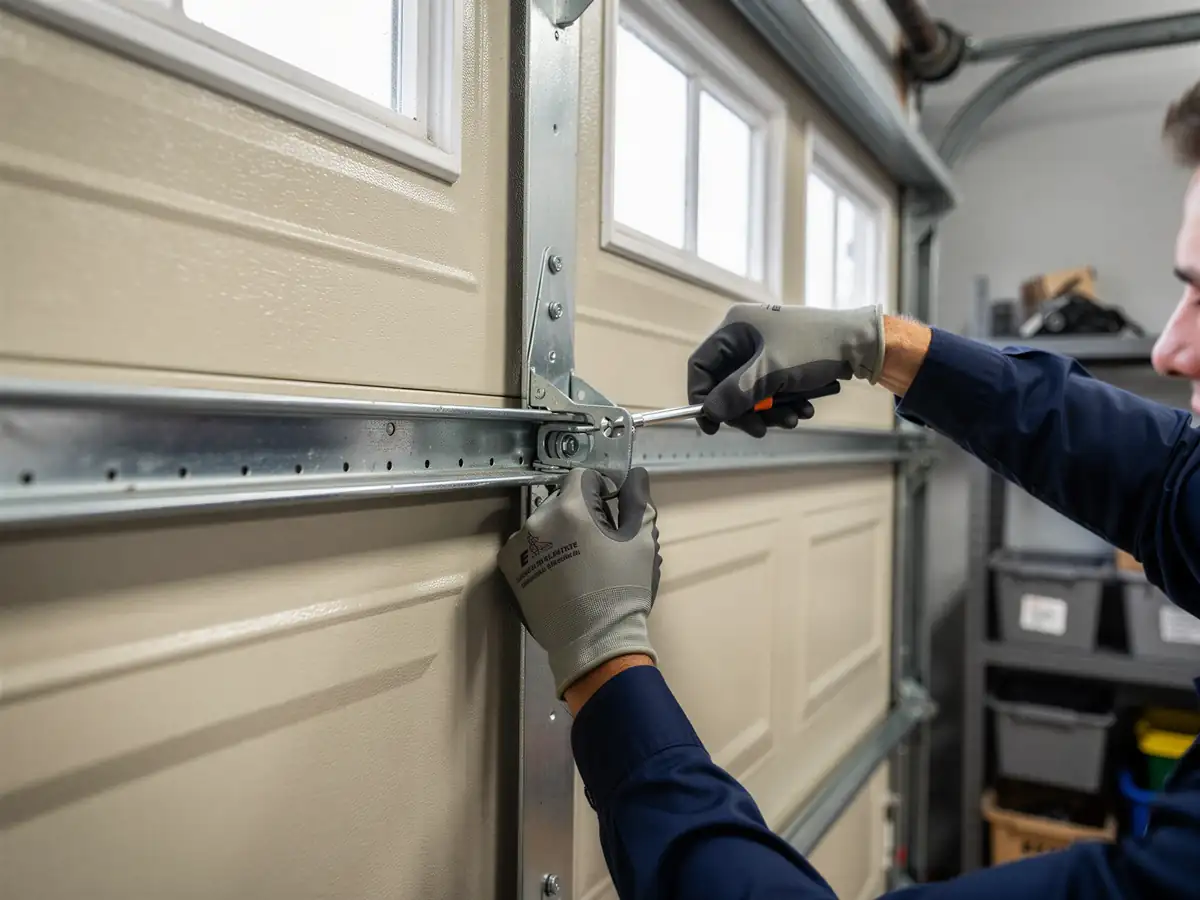
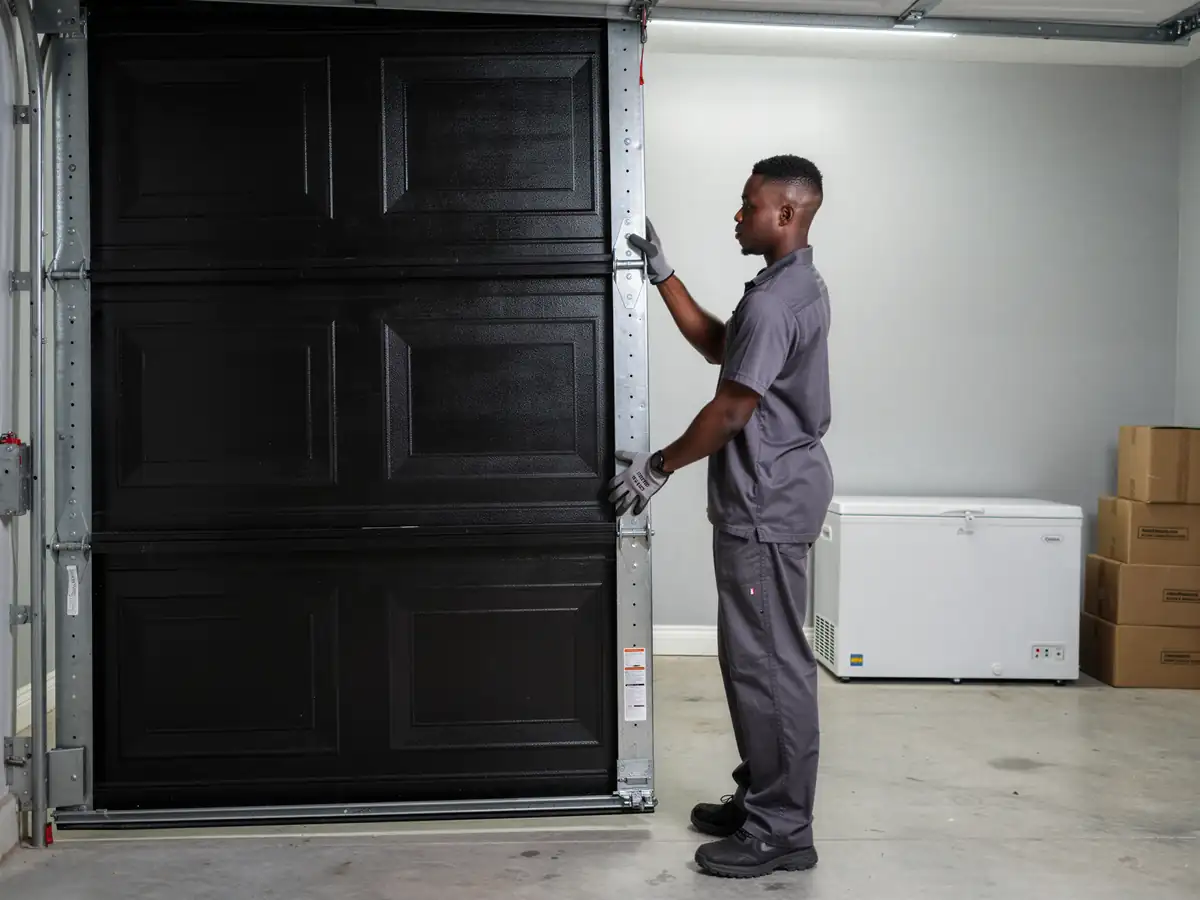
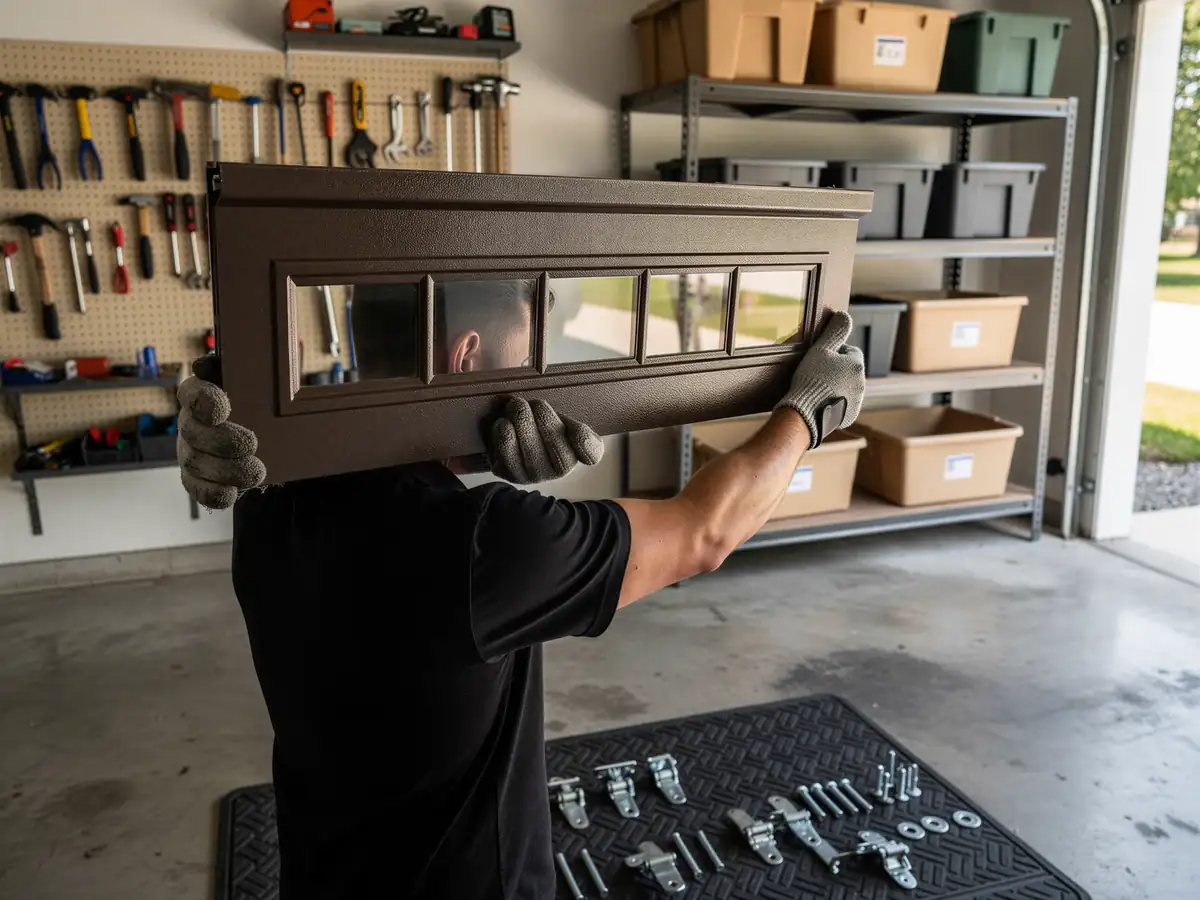
The work itself is straightforward: the damaged section comes off its hinges, the new panel gets ordered to match the existing door's style and color, and it goes back in without touching the opener, track, or springs unless those were already compromised by the same impact. Where it gets harder is sourcing. If the home has an original door from the early 1970s, the panel profile may not be a stock item anymore, and that changes both price and timeline. We check the door's age and make before quoting anything, because guessing wastes everyone's time.
What Causes It Around Here
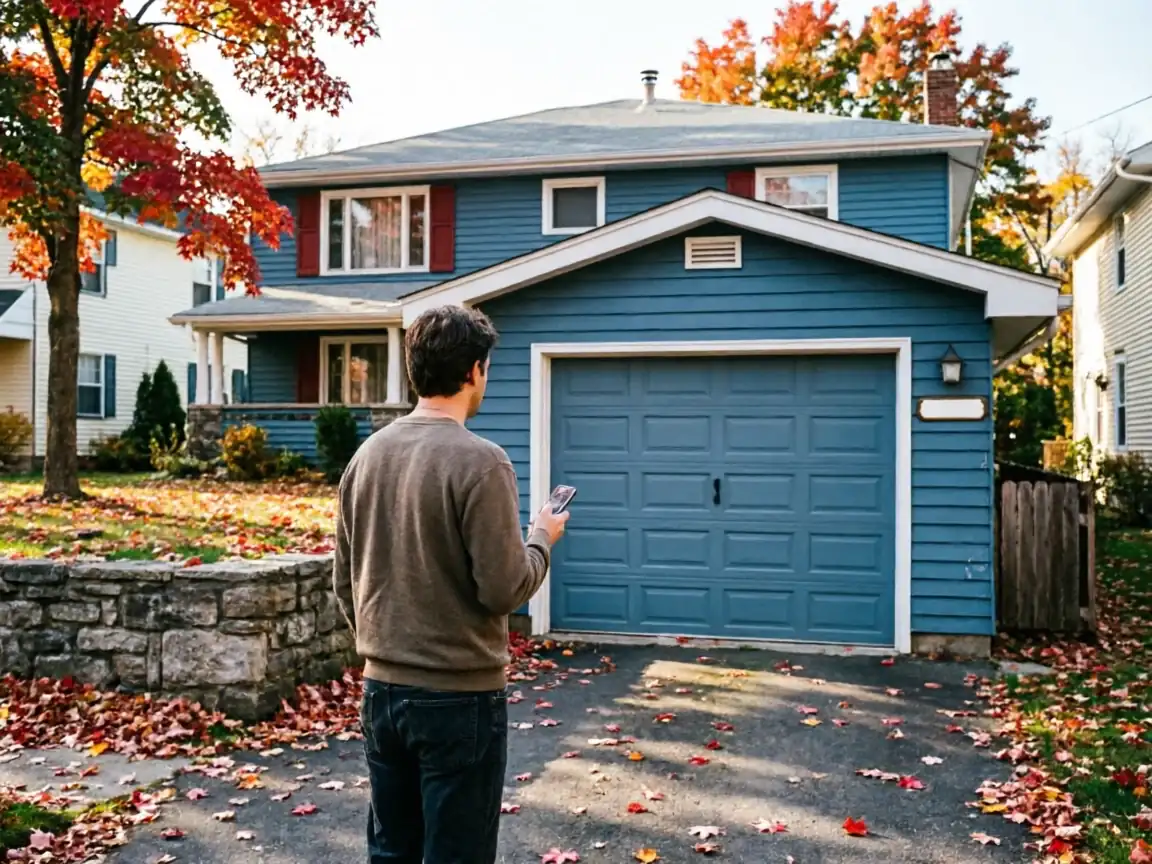
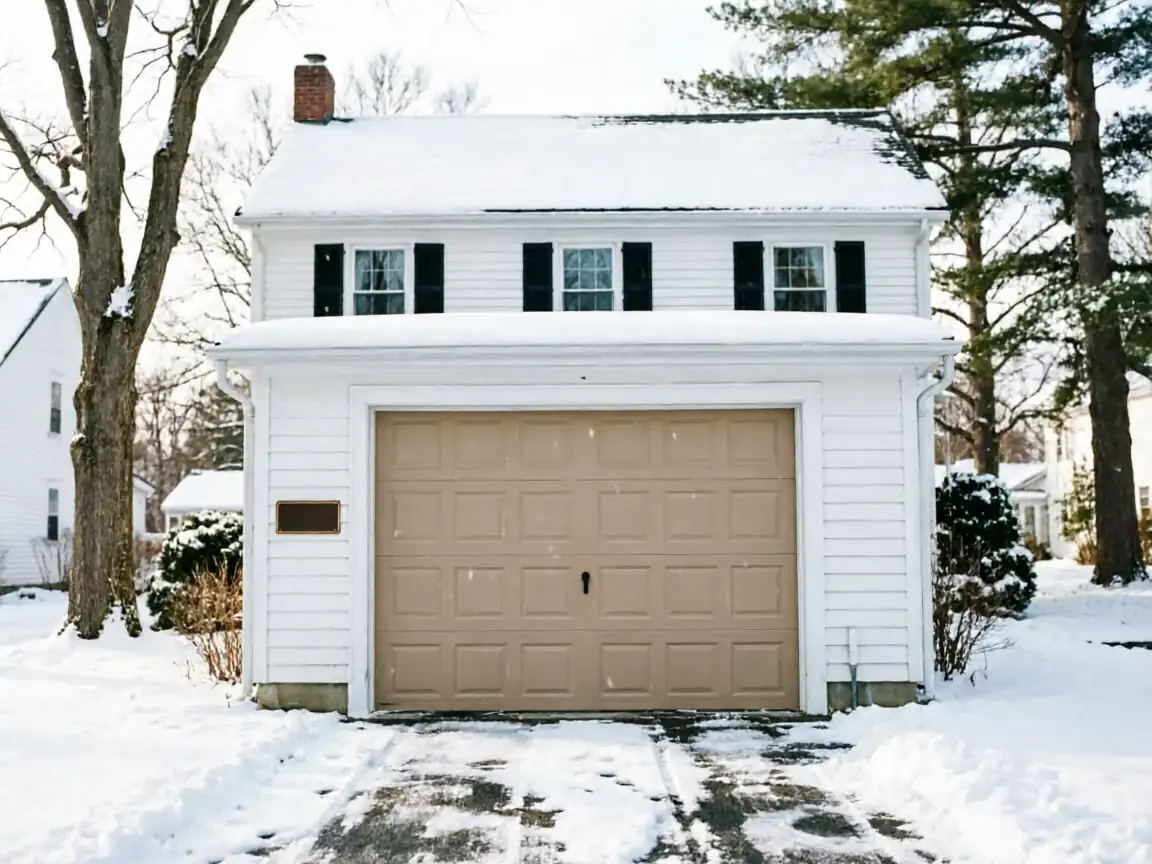
Northborough's housing stock centers on 1971, newer than a lot of the towns this company covers from Hudson, where the broader area spans 1938 to 1993 construction. A door from the early 70s is old enough to have steel that's thinner than what's sold today, but young enough that most of these houses still have their original double-wide doors rather than the single-piece slab doors you'd find on a 1940s build. That steel dents easily - a car bumper tap, a kid's bike, a ladder leaned wrong - and once a panel creases, it doesn't pop back.
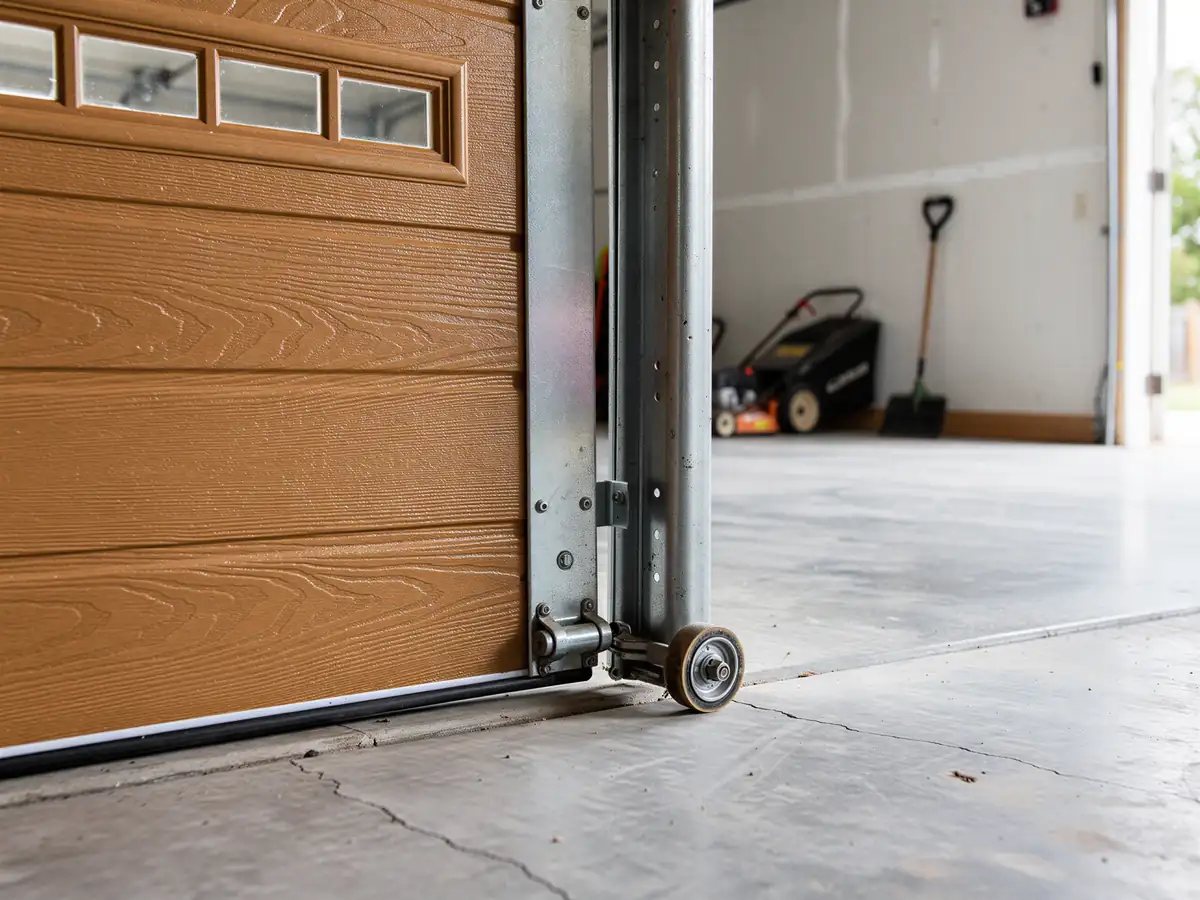
The climate plays its part too. This is a cold, severe-winter region, and panels on the bottom rows take the brunt of it: road salt kicked up by tires, repeated freeze-thaw cycling at the seams, and moisture working into any spot where the factory finish has already chipped. On a 1971-era door, that combination of thin steel and fifty-plus winters of salt spray is the most common reason a bottom panel rusts through before the rest of the door shows any wear.
What You Pay
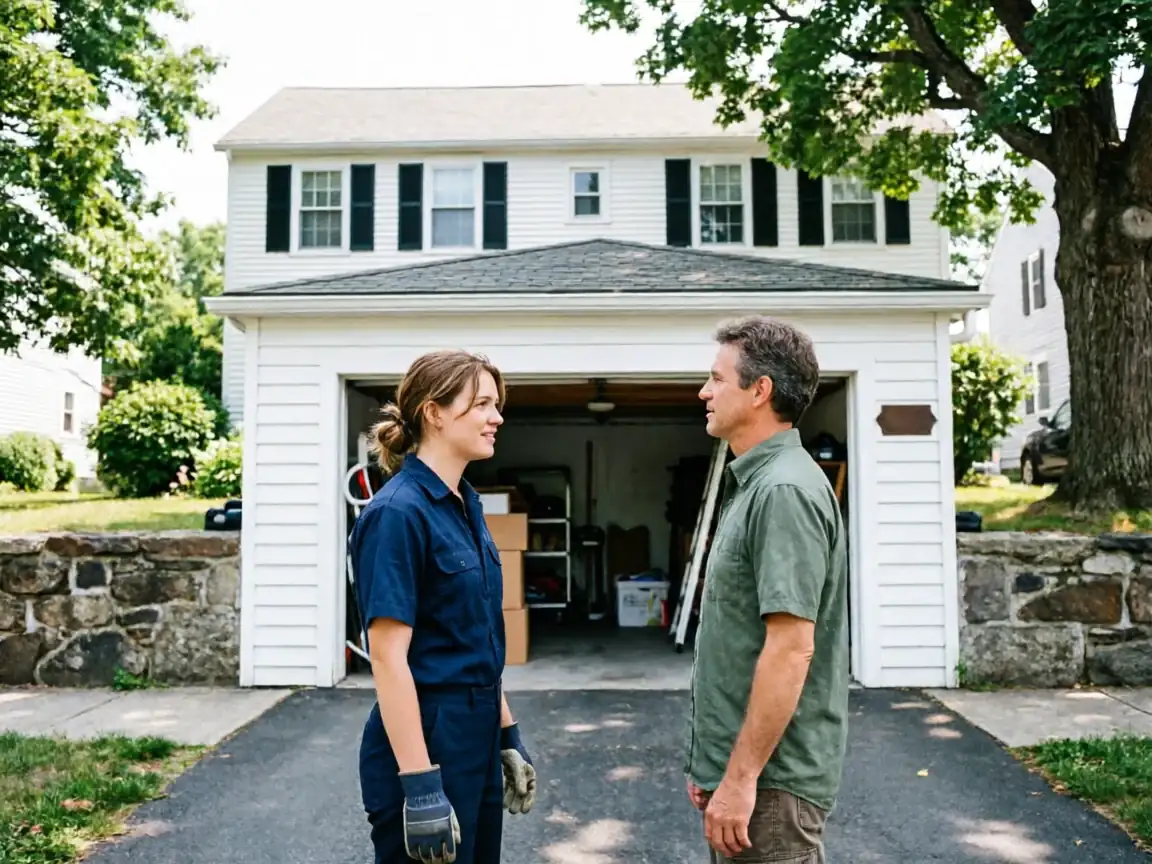
We don't quote panel replacement without seeing the door
Because the price swings on two things: whether the panel is a current stock profile or an obsolete match, and whether the damage is cosmetic or has bent the frame enough to throw off the rollers and track. A straightforward stock panel swap is the cheaper end of the job. A custom-matched panel for an older door, or one where the impact knocked the section out of square, runs longer and costs more because of the extra adjustment time.
Given that Northborough's median income runs above the service area average
Most owners here ask for the panel match rather than the cheapest available substitute - they want the door to look original, not patched. That's a reasonable call on a door this age, since the rest of the unit usually still has years left in it. We'll tell you straight if the mismatch will be visible enough to bother you before you commit to it.
How Long It Takes
The truck comes from Hudson, about 7 miles away, so there's no local depot or standing inventory sitting in Northborough - every job here starts with us checking what's in stock and what has to be special-ordered. A matching stock panel can often go in the same visit if we've confirmed the fit ahead of time. A panel that has to be sourced for an older or discontinued door style takes longer, and we'll give you a real timeframe once we know what we're ordering rather than a guess over the phone.
One honest limit here: if the door is old enough that the manufacturer no longer makes a matching panel at all, replacement isn't always possible, and at that point we'll say so rather than install a visibly mismatched section and call it done. Full-door replacement becomes the better call in that situation, and we'll walk you through why before any work starts.