What the Fix Involves
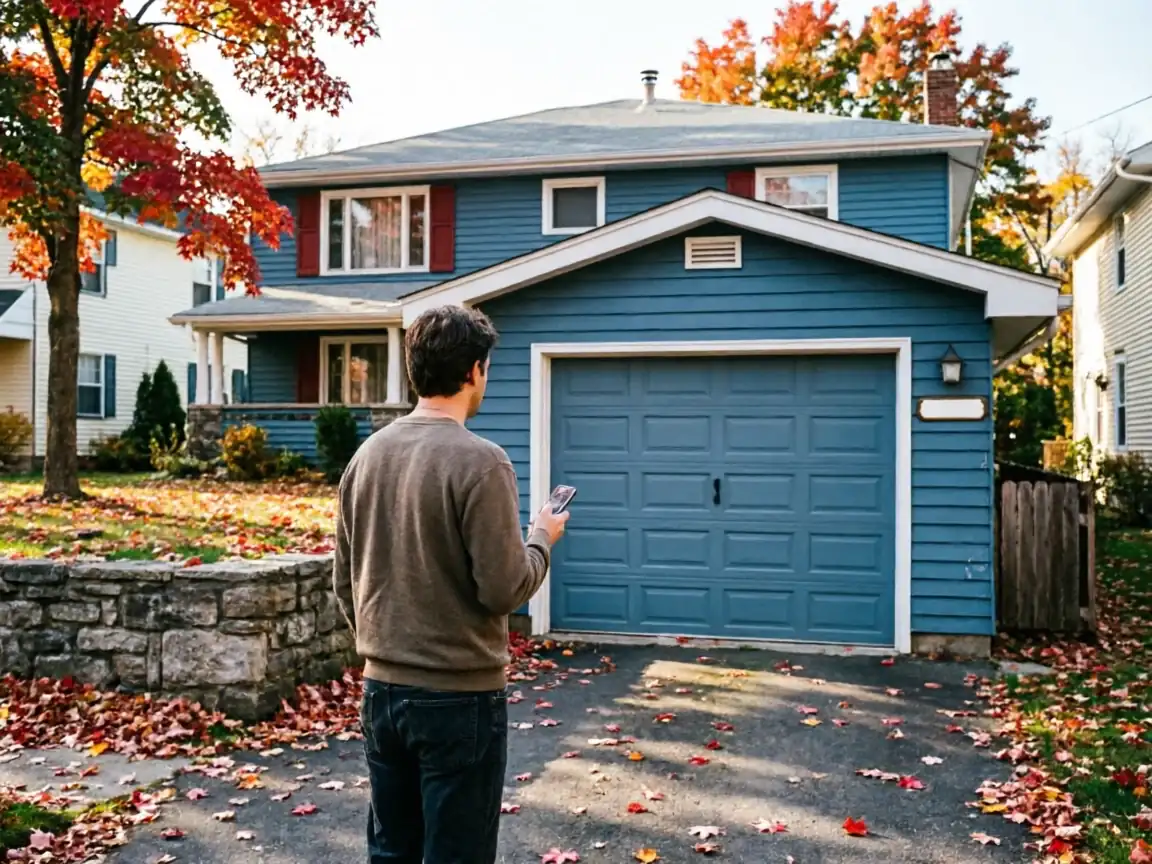
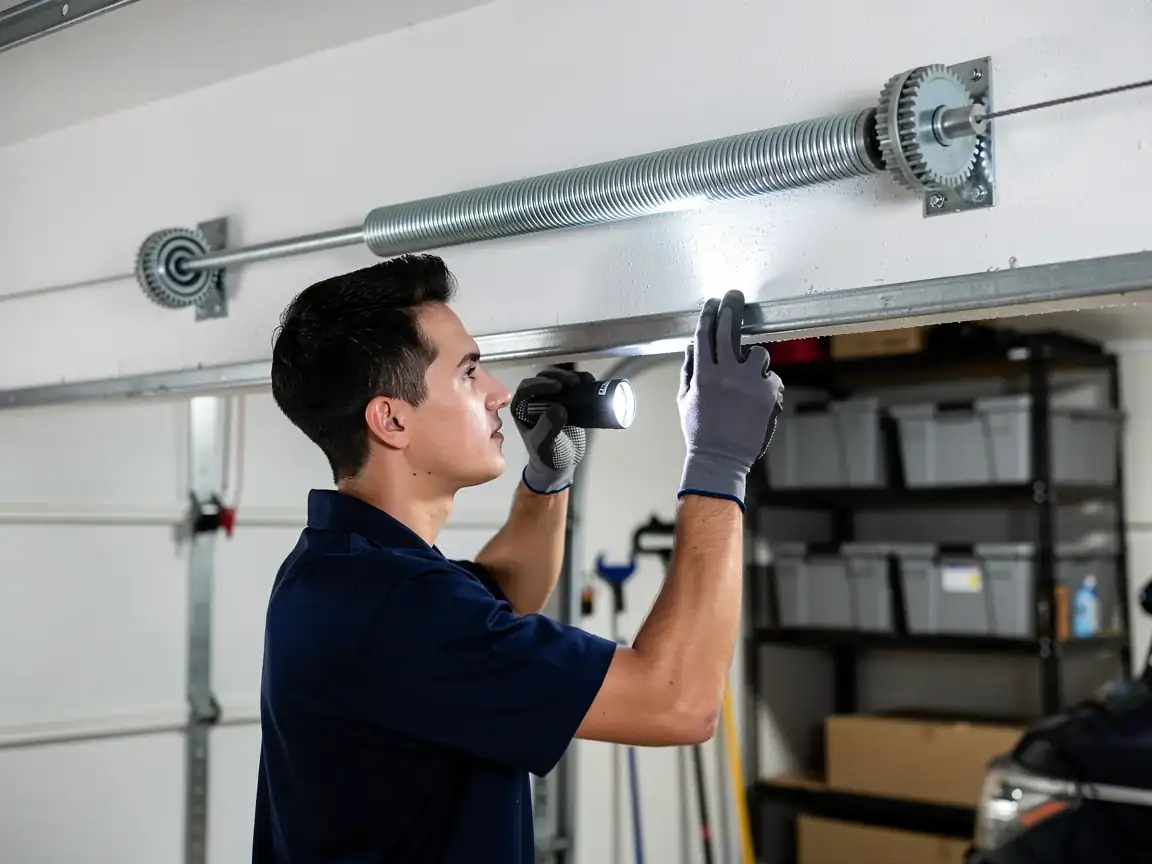
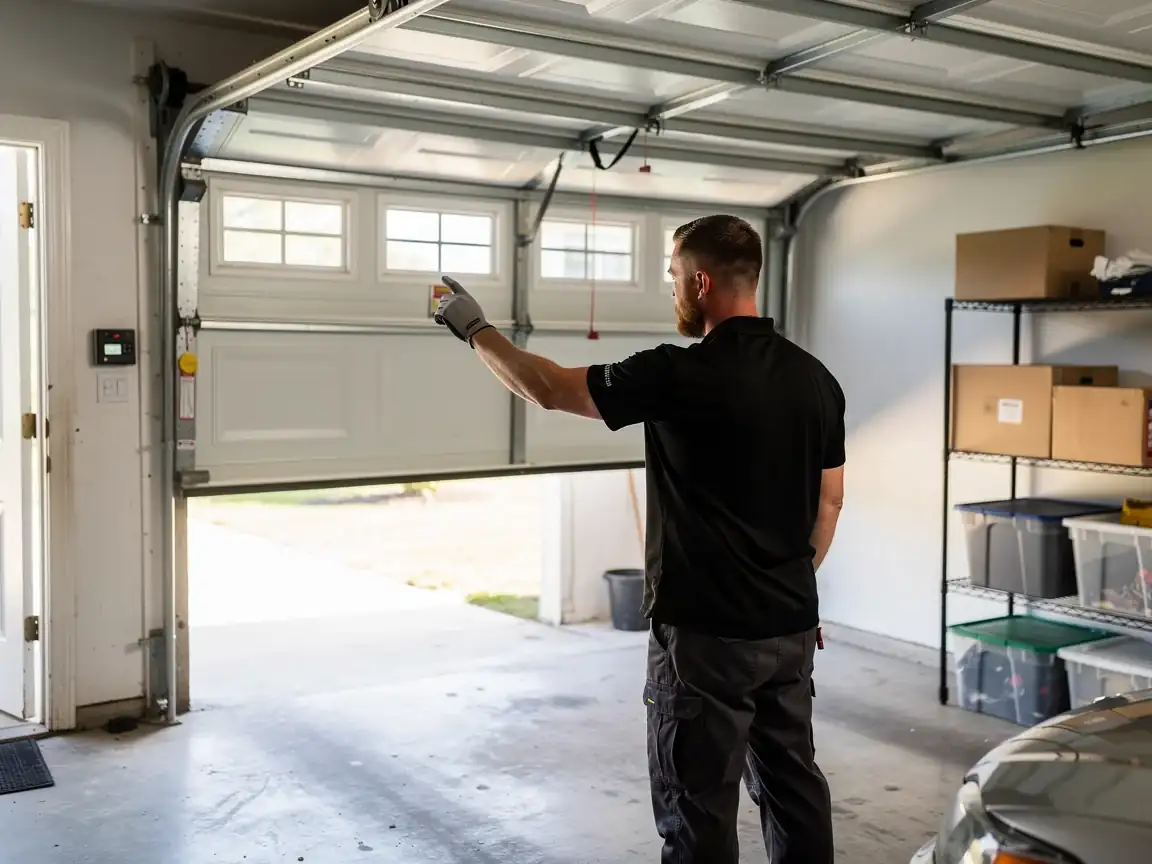
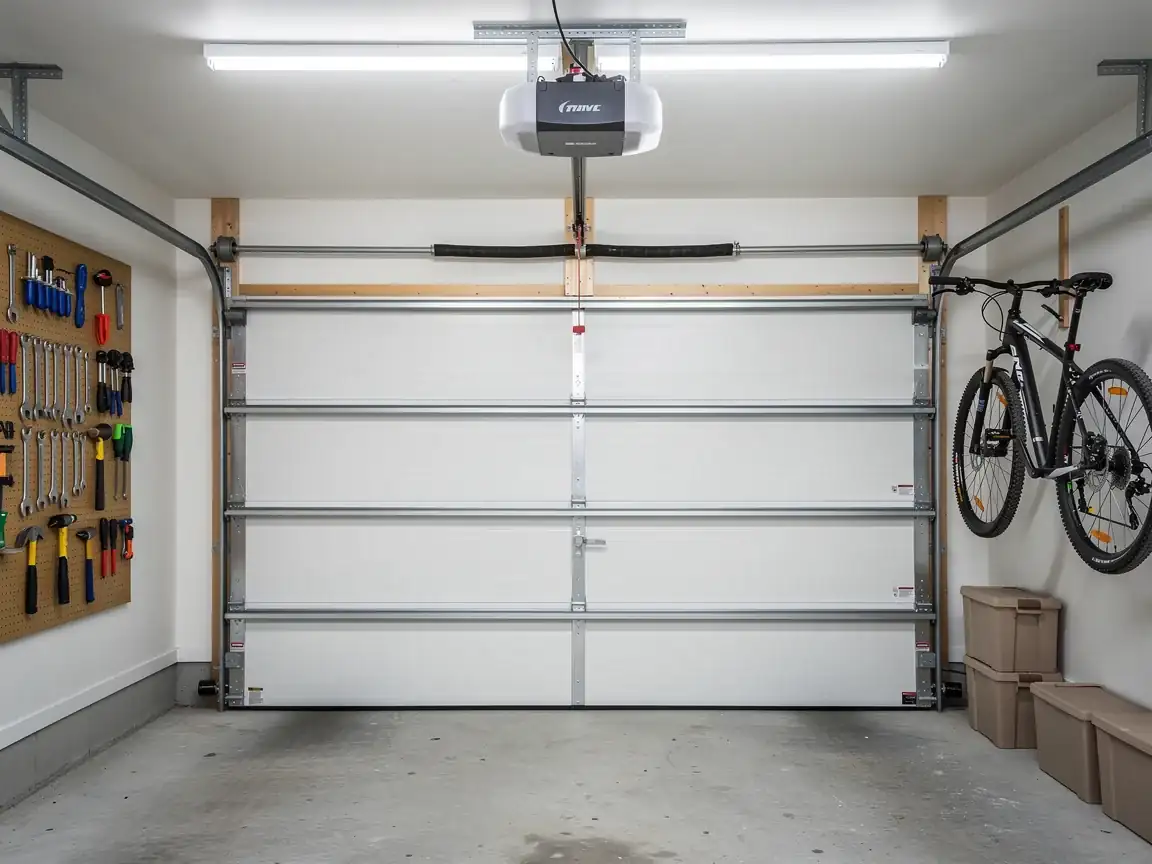
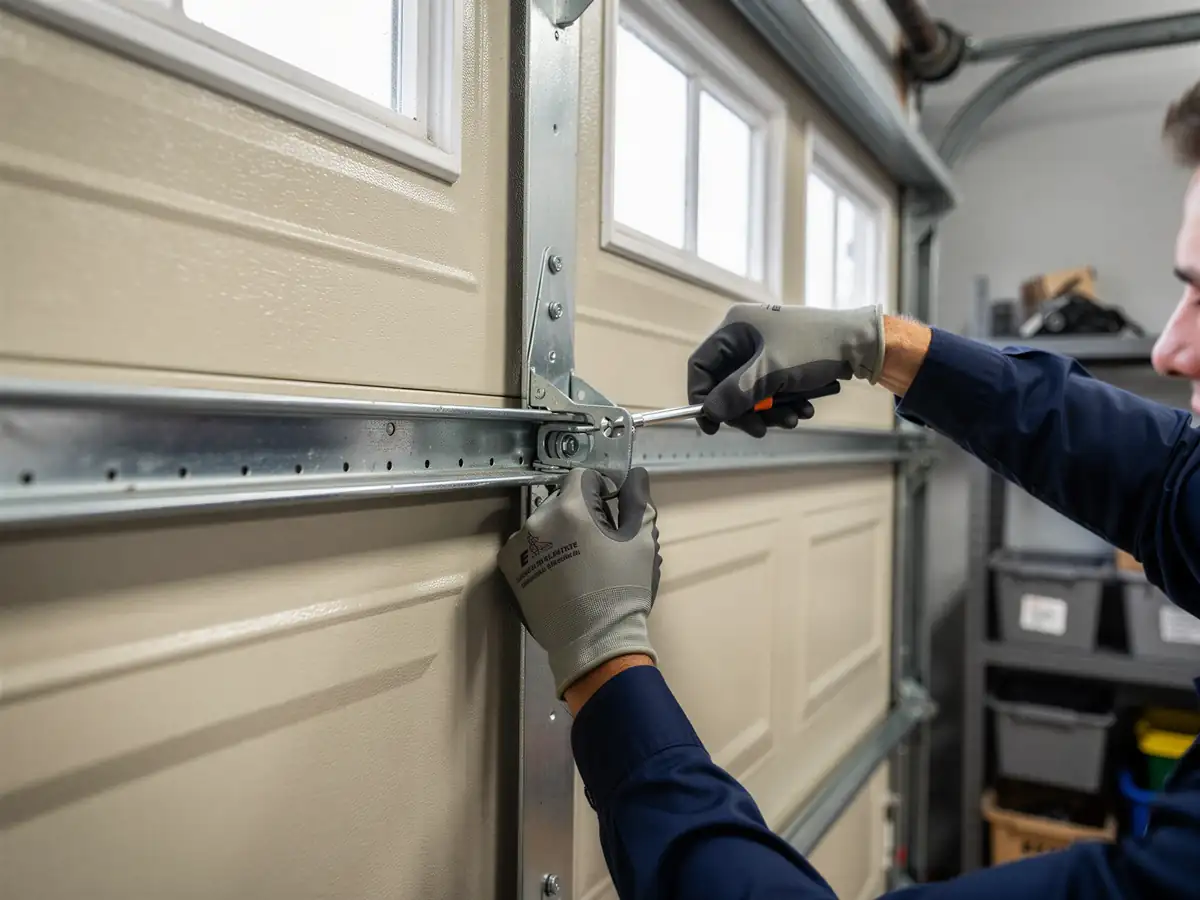
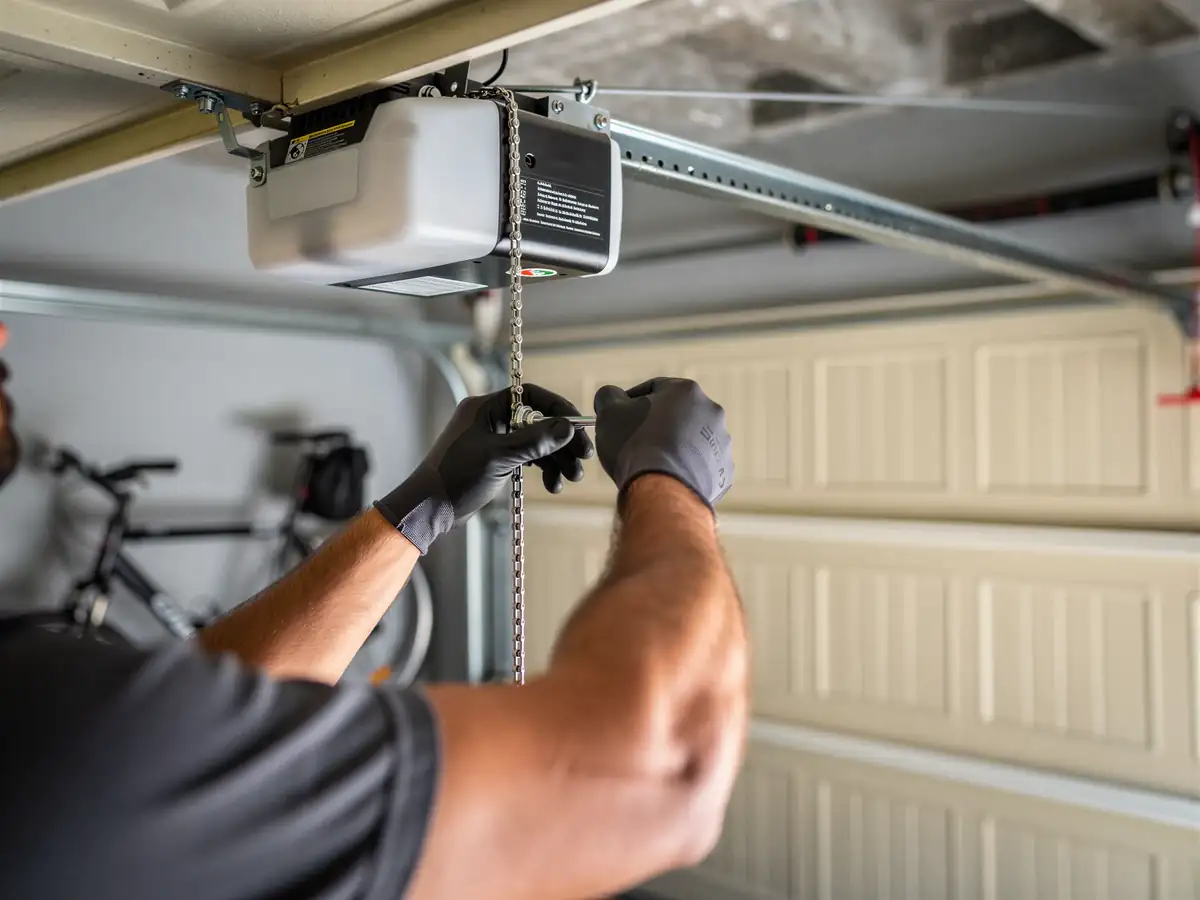
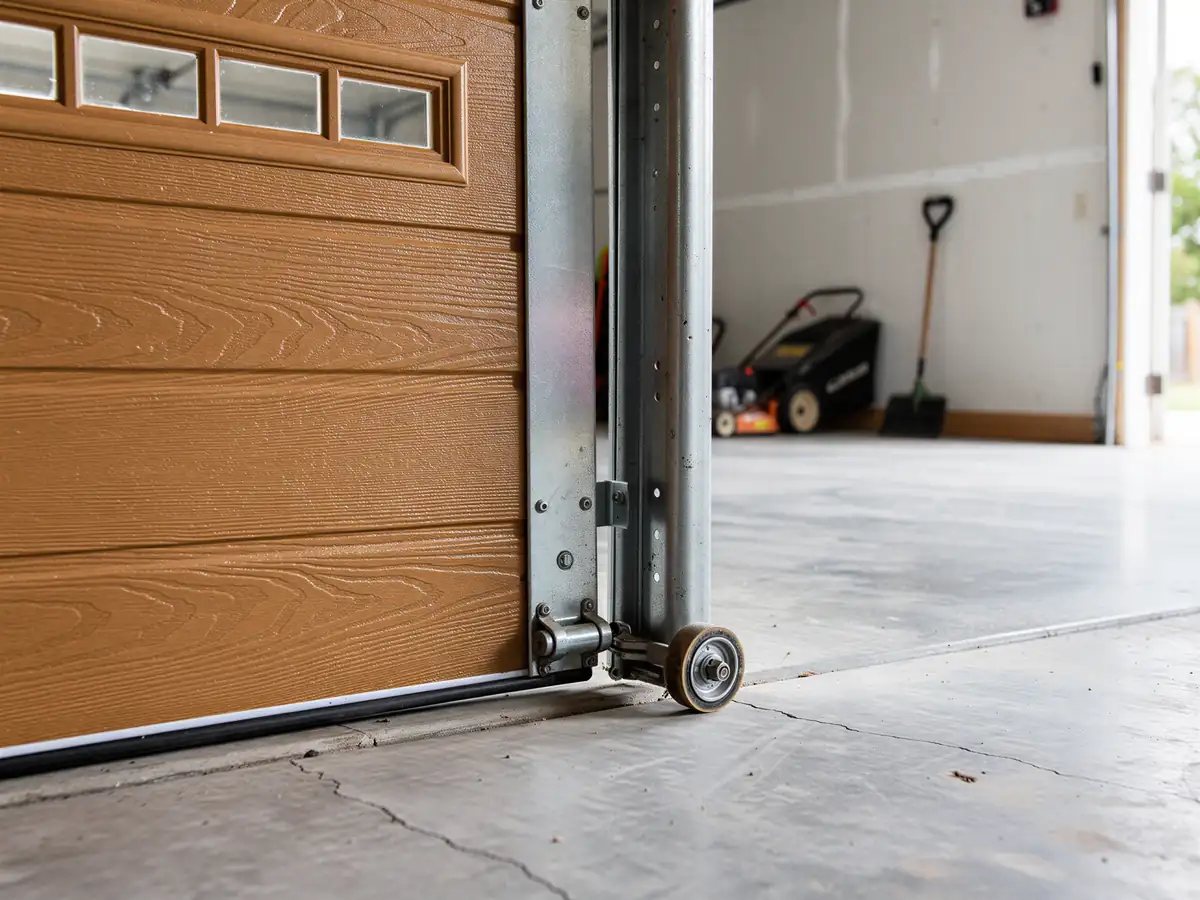
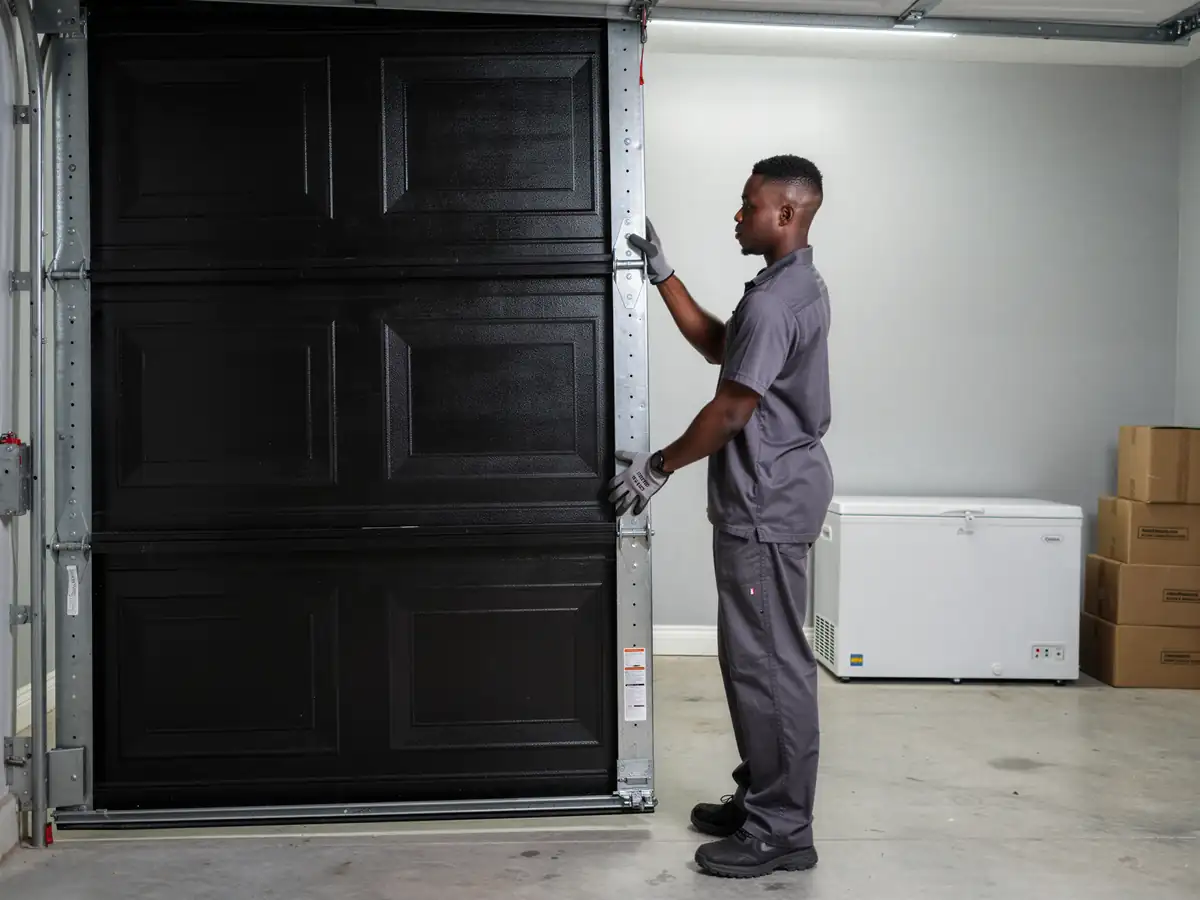
Northborough's housing stock centers on 1971, which puts most garage doors here squarely in the second generation of torsion-spring setups - not the oldest extension-spring doors you still find in pre-1950s towns, but not the lighter composite doors either. A maintenance visit on a door from this era means checking the torsion spring for rust pitting (common once a spring passes the 40-year mark), testing cable tension on both sides of the drum, and inspecting the rollers, which on original hardware are usually steel and loud by now. We also check the track alignment, since houses built in this stretch of the late 1960s and early 1970s often settled enough over 50-plus years to throw a track out of plumb by a few degrees. Panel seams on steel doors from this period are another spot we look at - the galvanizing on doors from that run doesn't hold up the way newer coatings do, and rust starts from the inside of the seam before it shows on the face. We don't replace what's still sound. If a spring is within safe wind-count and shows no pitting, we lubricate it, log the cycle count we can estimate from wear, and leave it. The honest limitation: if the opener is original to a 1971 install, we don't stock parts for it - those motors are long out of production, and a repair call on one usually turns into a replacement conversation, not a maintenance one.
What Causes It Around Here
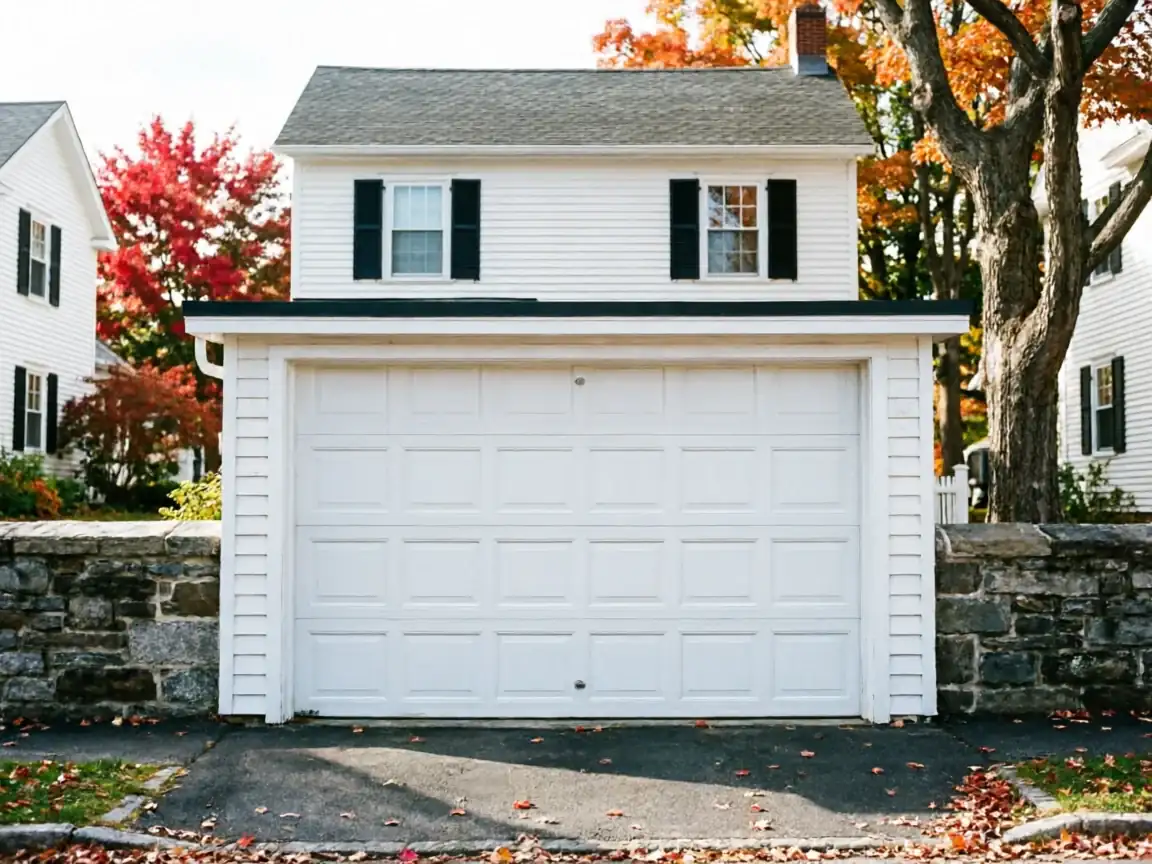
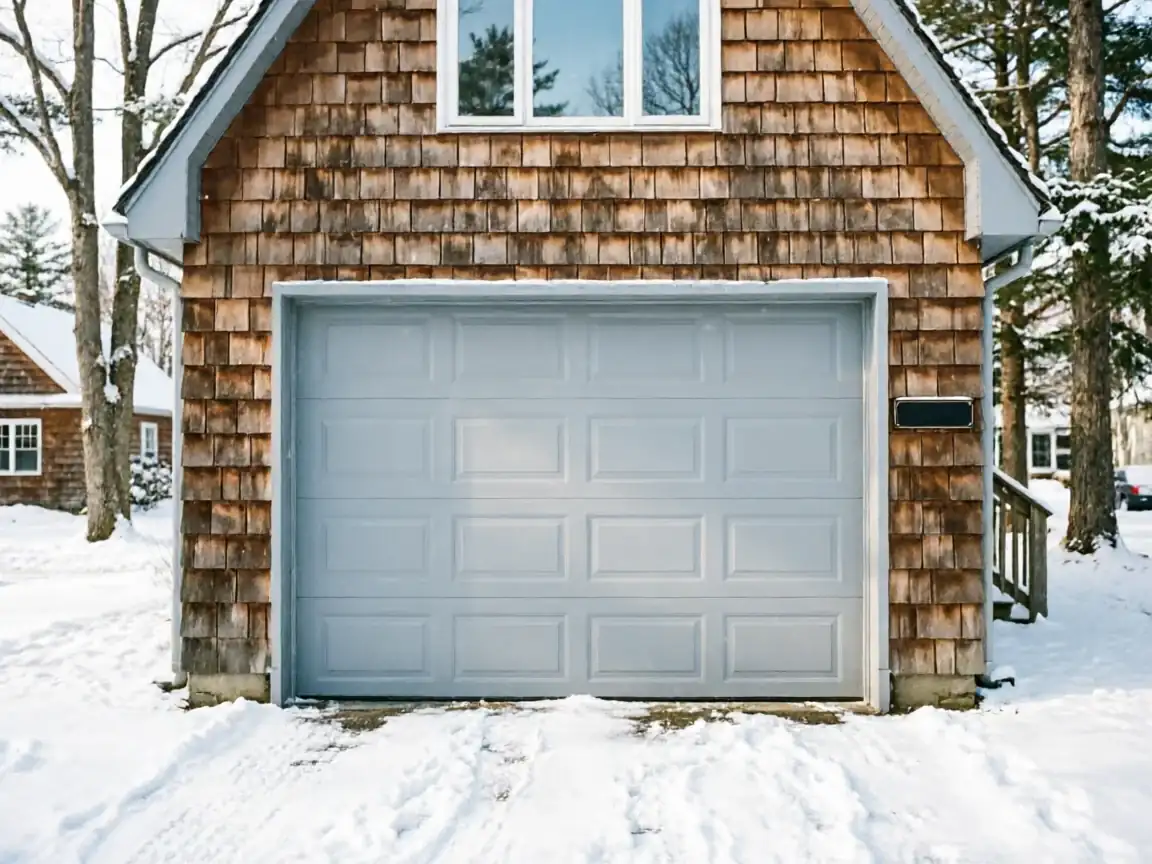
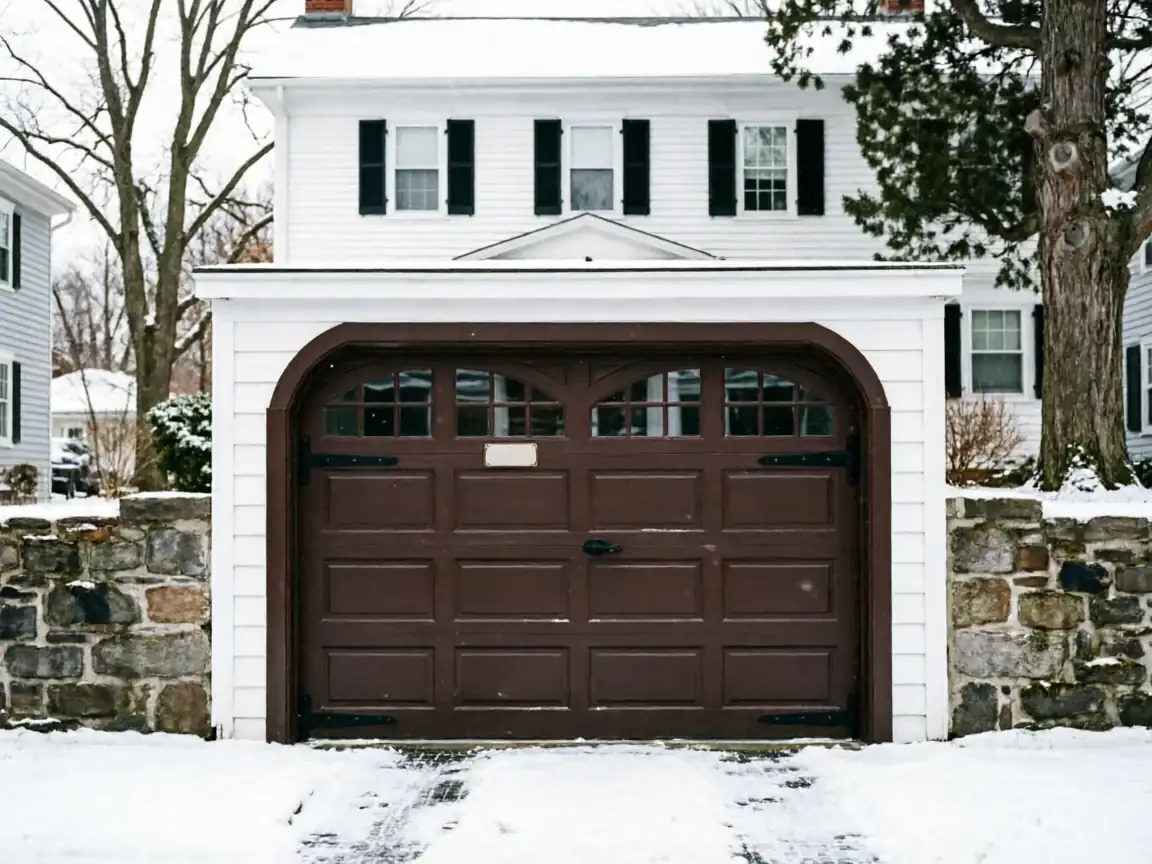
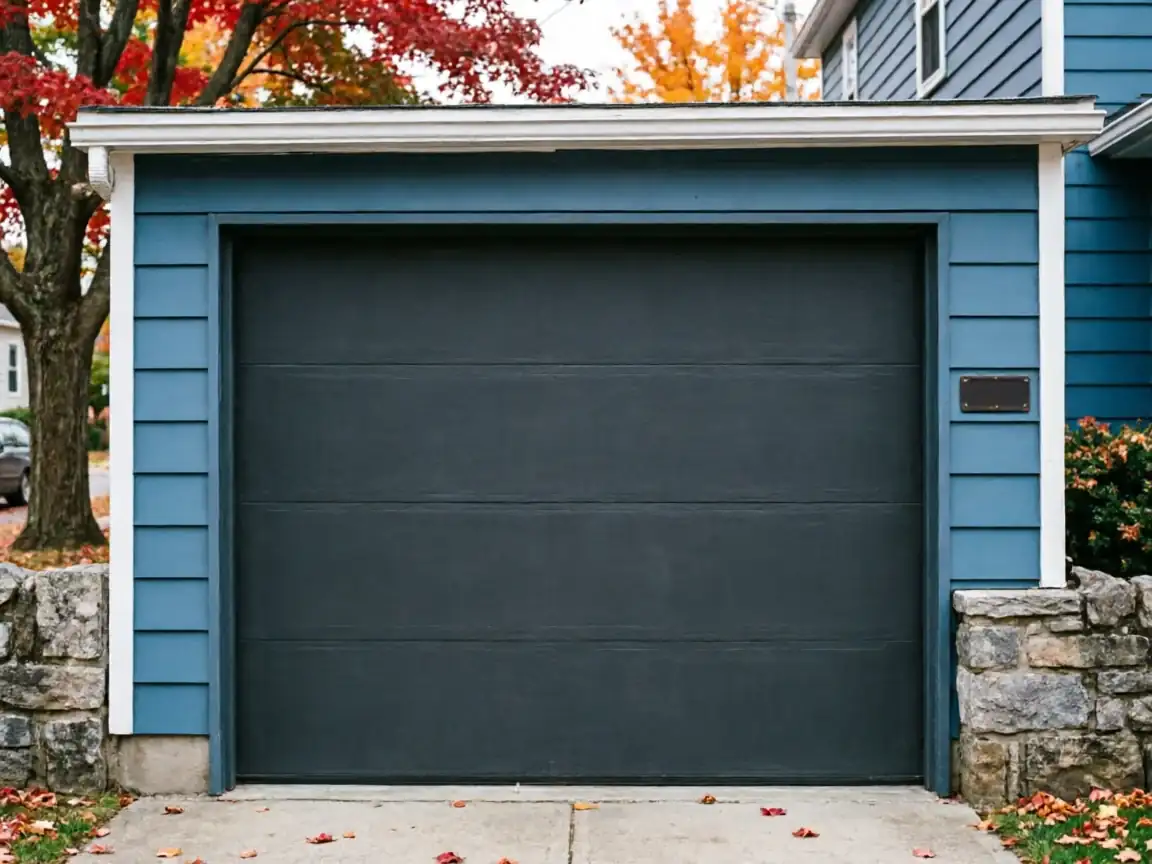
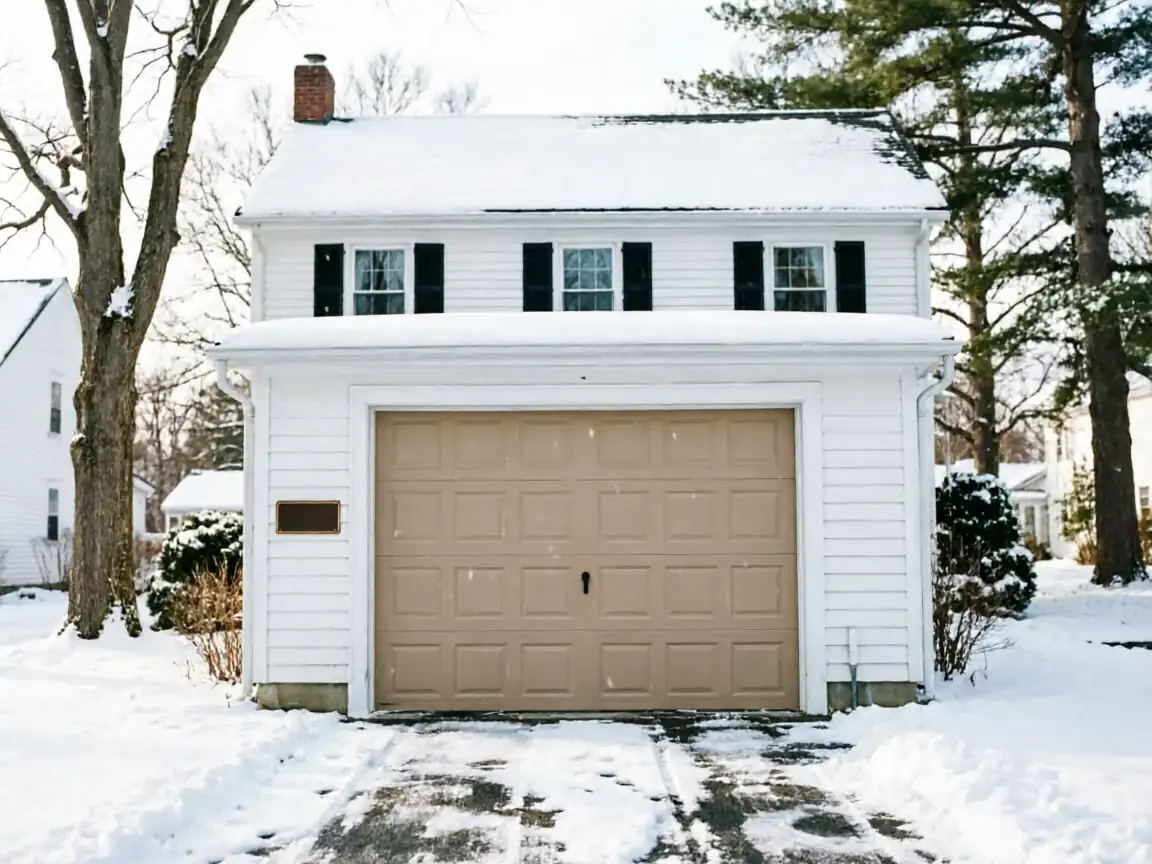
The failures we see on Northborough calls track the build year more than anything else. A door and its hardware installed around 1971 means springs are well past any reasonable service life, and cable fraying shows up where the original zinc coating has worn through from five decades of winter use. The climate band here is classified cold and severe, which matters for a 1971-era steel door specifically: the garage isn't insulated to a modern standard, so condensation forms on the inside of the panel through freeze-thaw cycles, and that's where we find rust starting on the hinges and the bottom bracket, not just the spring. Households in this part of the service area are smaller in number than in Hudson proper - about 2,560 total - so we're not running high call volume through this town, which means we see the same handful of housing types repeat: split-levels and colonials from the early '70s building boom, mostly single-car or two-car attached garages. We don't see much variation because the building stock here didn't spread out over many decades the way older New England town centers did. That consistency actually makes diagnosis faster once we're on site, because we already know roughly what era of hardware we're dealing with before we open the panel.
How Long It Takes
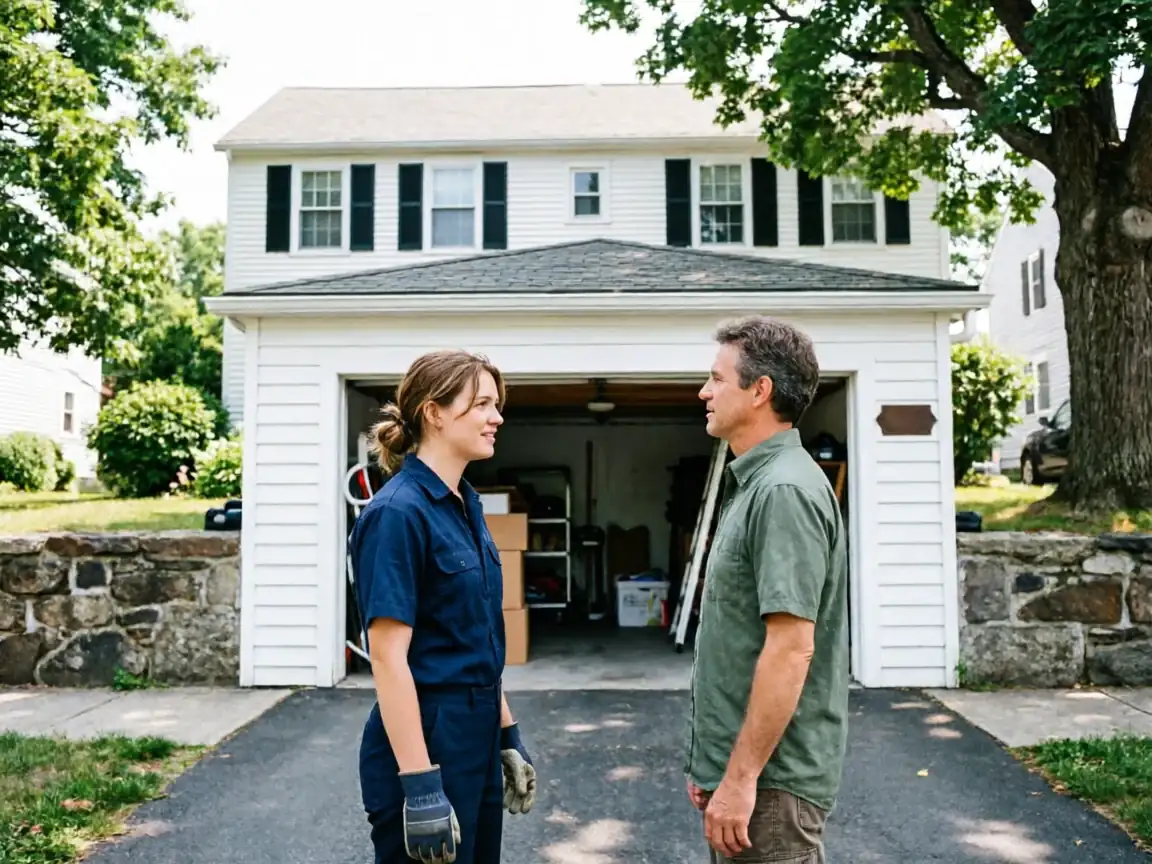
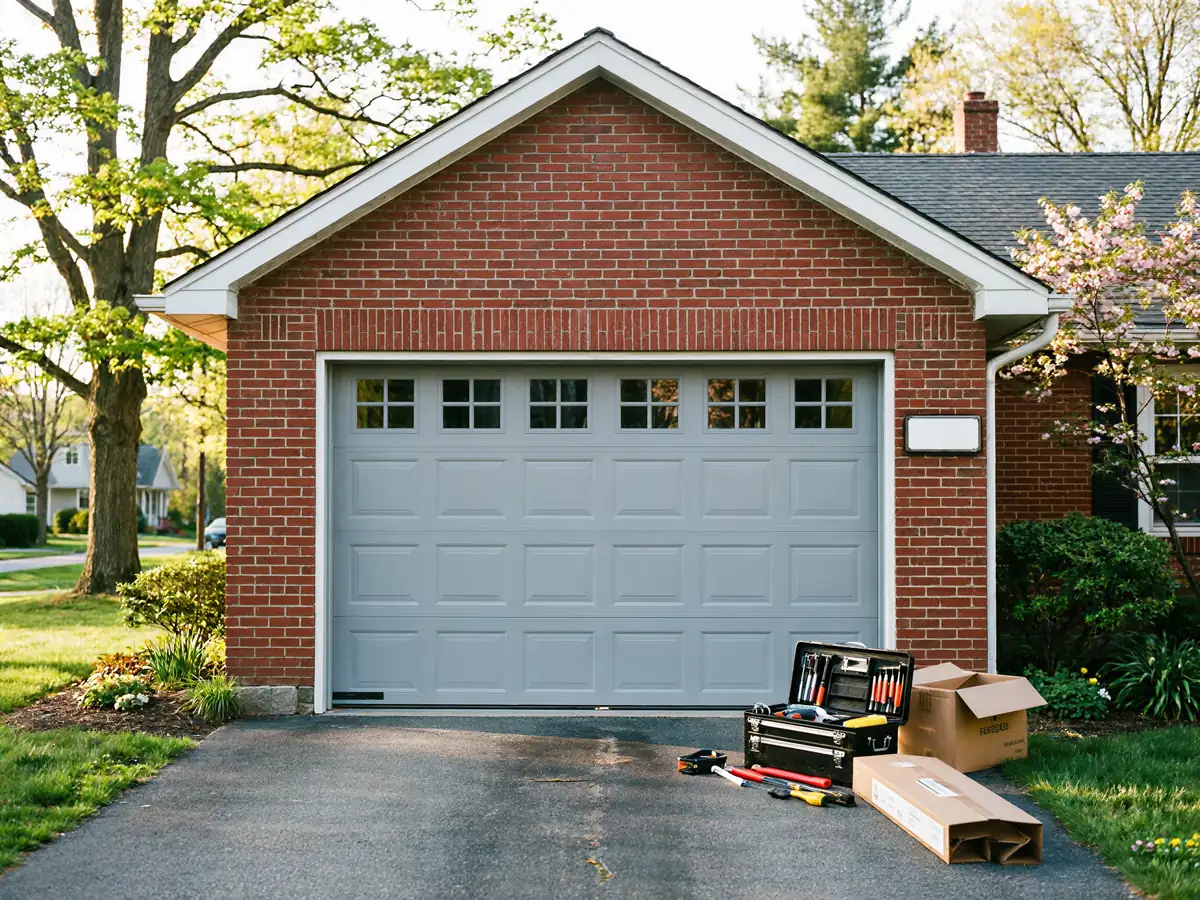
We travel 7 miles from our Hudson base to reach Northborough, which doesn't change the maintenance work itself but is worth knowing if you're scheduling around a tight window - we're not dispatching from a depot inside town. Once on site, a standard maintenance visit on a door from the 1971-era stock common here - spring lubrication, cable inspection, roller check, track alignment - generally runs the same length as it would anywhere else in our territory, since the work is dictated by the hardware, not the address. What can add time is an opener original to the house: diagnosing a 50-year-old motor takes longer than swapping a modern logic board, because we're often troubleshooting with no manual and no part number to search. We'd rather tell you that up front than quote a tight window and miss it.