How It Shows Up
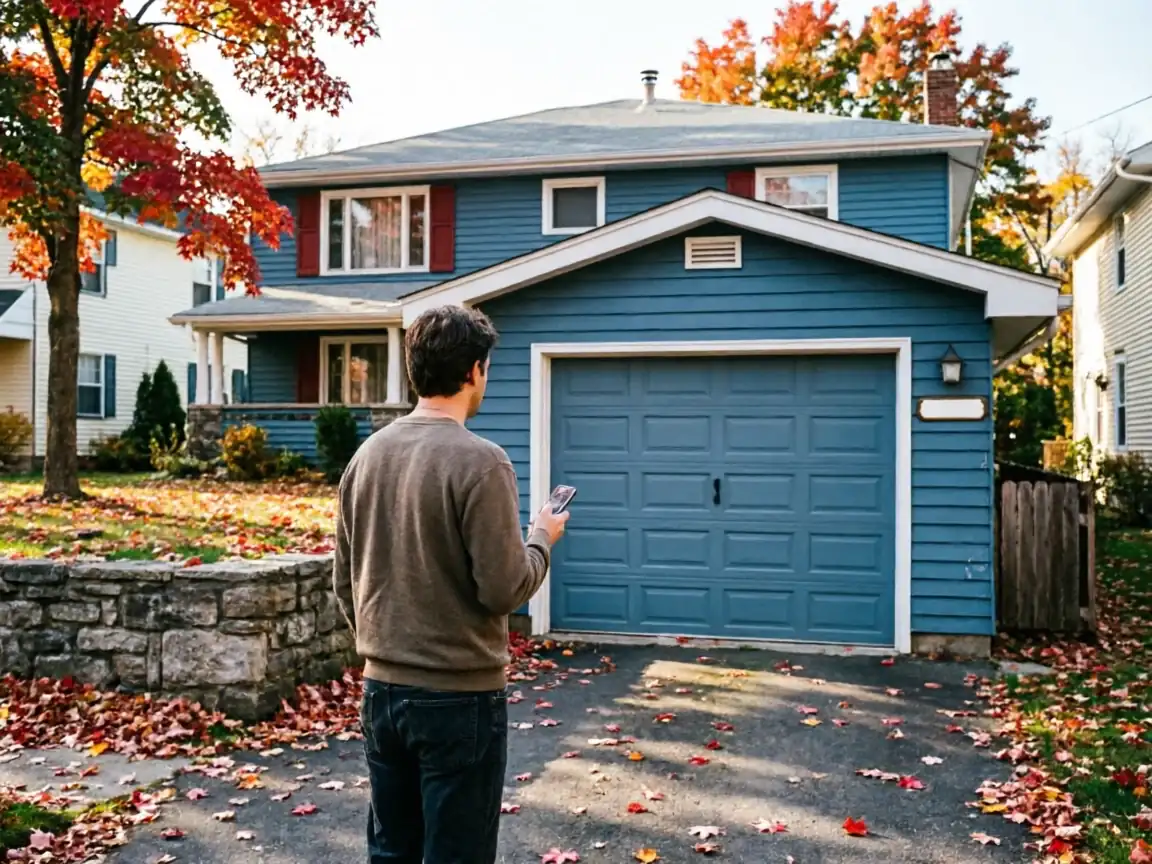
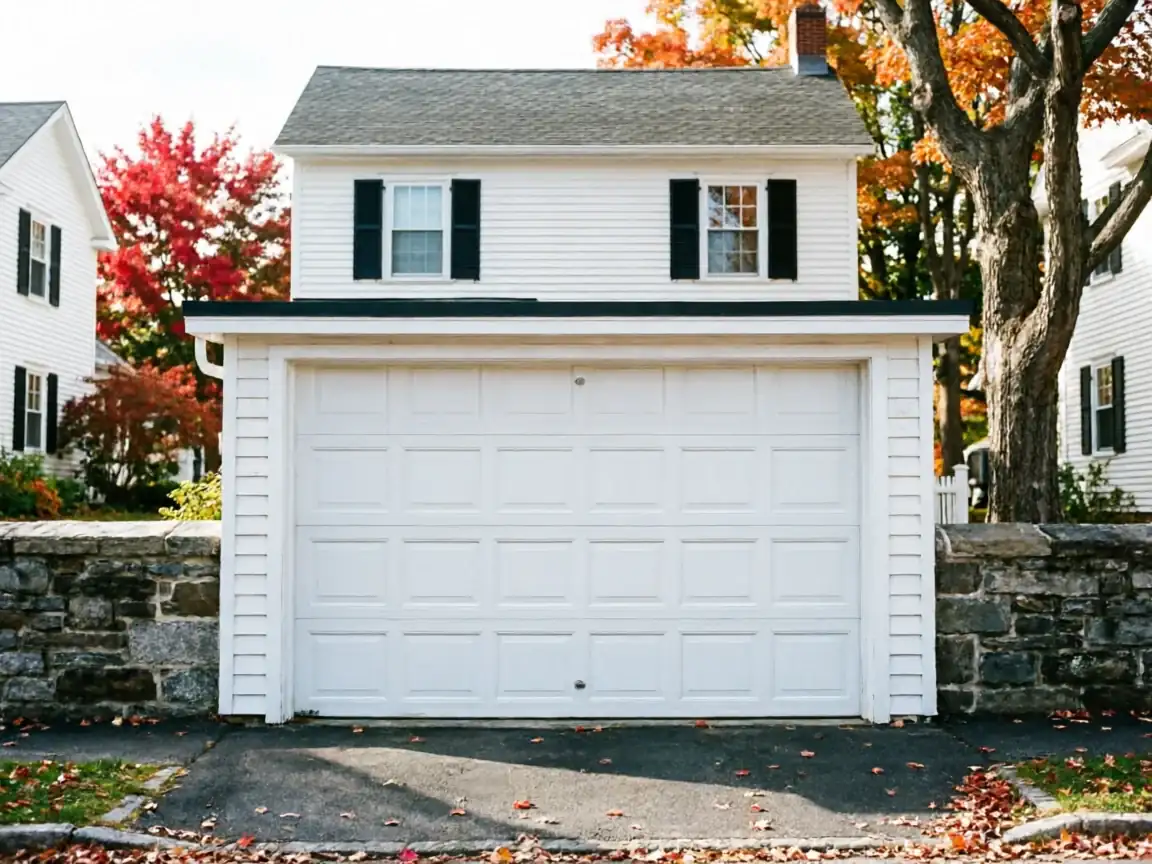
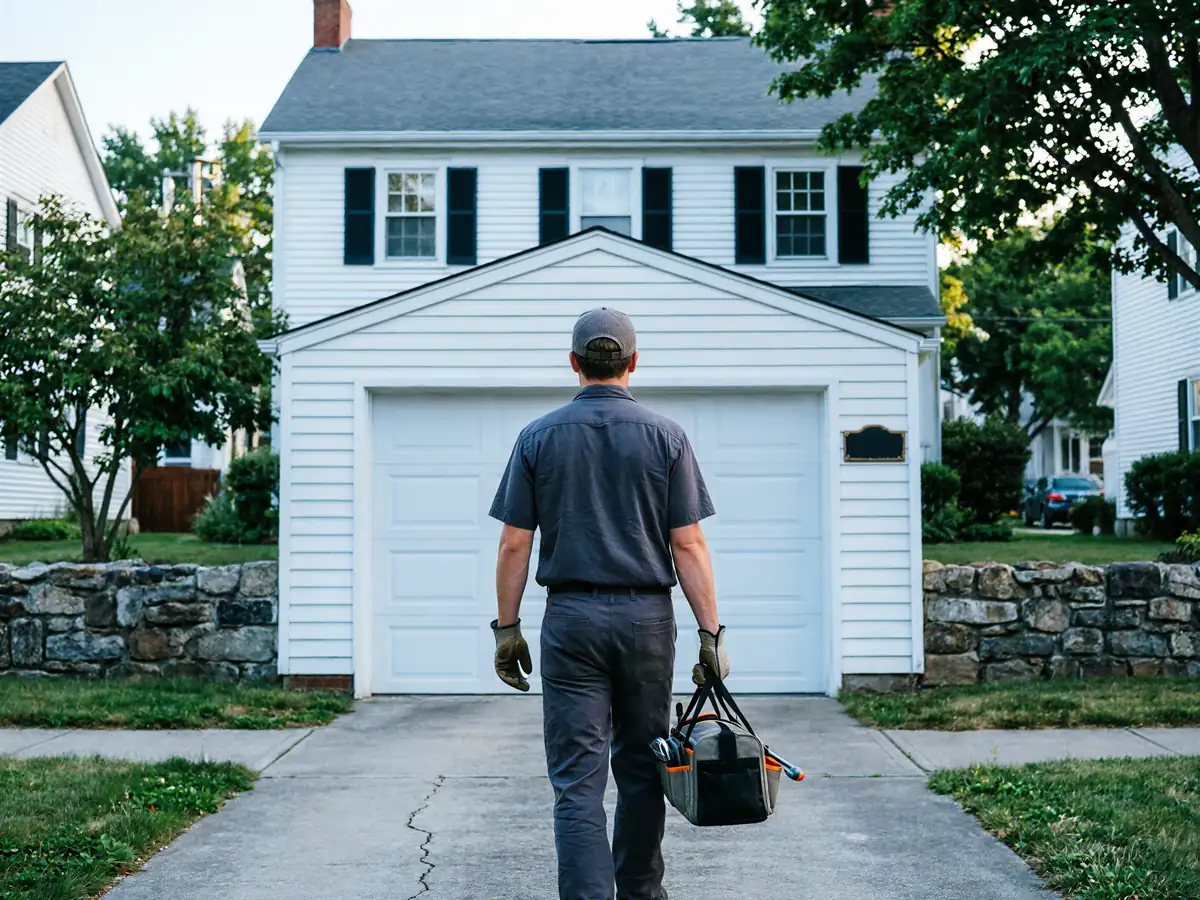
Maynard's median household income sits at $119,549, which puts a lot of homes right at the line where a repair makes sense and a full door replacement doesn't yet. That number matters more than it sounds like it should, because the fix we recommend depends on what the door is worth saving. Most houses in this town went up around 1962, square in the middle of the 1938-1993 range we see across the wider service area. A door from that era was built with a single torsion spring, a lighter-gauge track, and steel rollers that were never meant to run thirty years, let alone sixty.
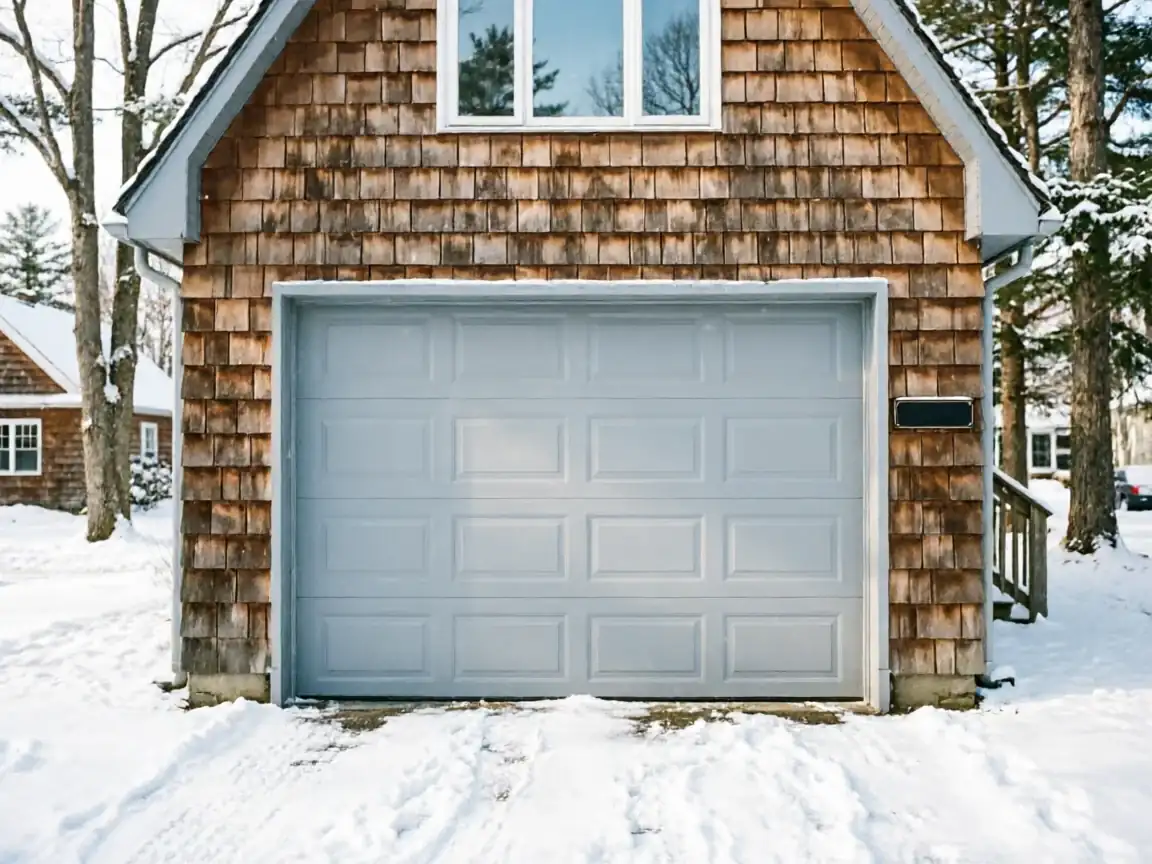
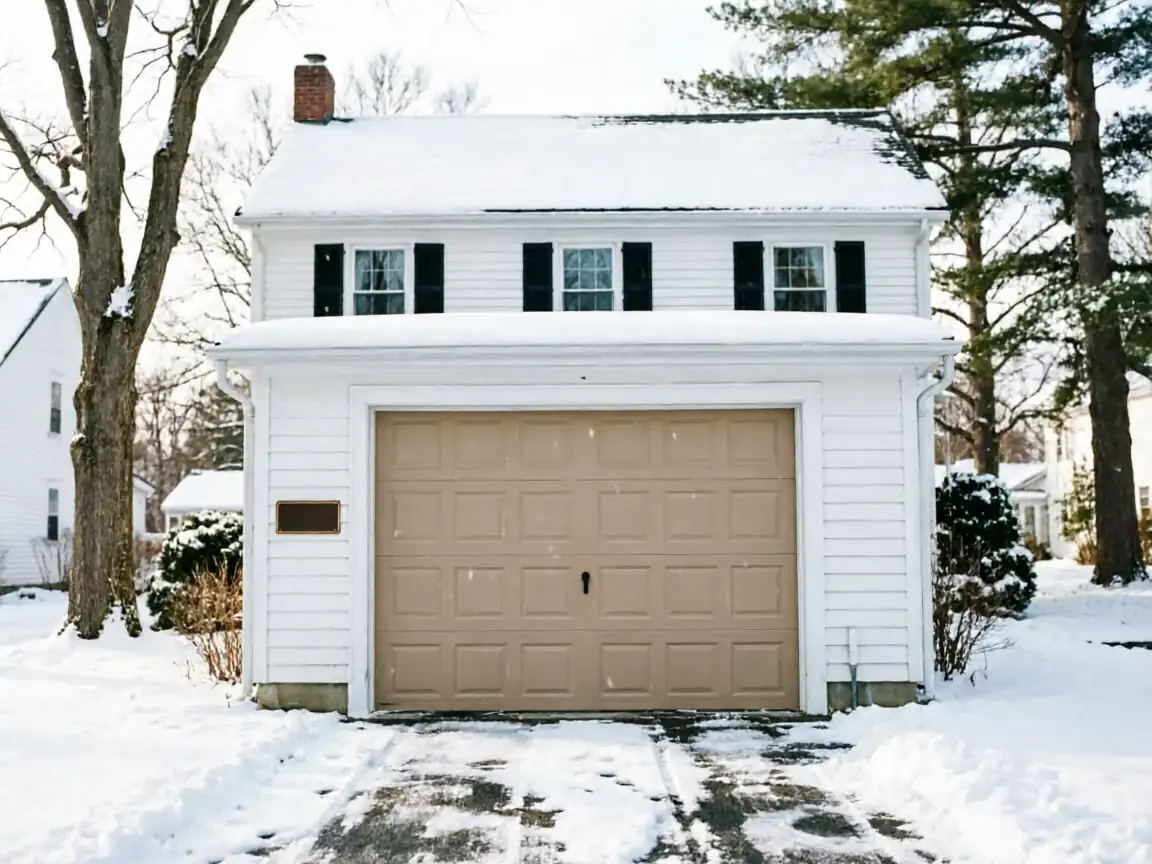
When that original hardware finally gives out, it usually shows up as a spring that snaps clean in cold weather, or a track that's worked loose from a frame that's settled over six decades. The service area sits in a cold, severe climate band, and steel contracts in winter the same way every year - a spring already fatigued from age is the one that lets go on the coldest morning, not the mildest one. We don't guess at this from a windshield survey of Maynard; we go by what the housing stock and the climate data tell us about what's likely failing and why.
Stocked Parts
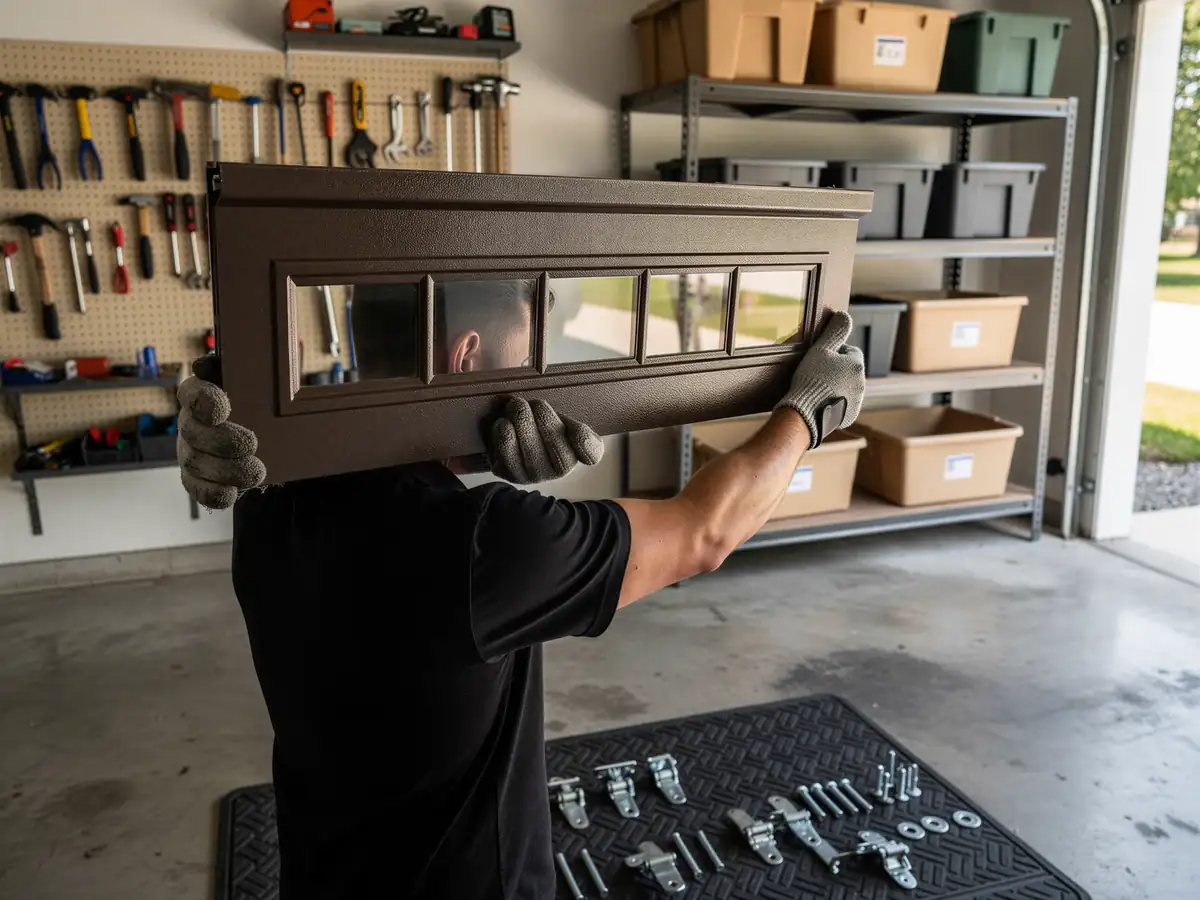
A door built around 1962 takes different spring and drum sizes than the openers and torsion kits sold today, and a lot of warehouses don't carry them. Our trucks run out of Hudson, six miles away, and they're stocked for the hardware that actually shows up on this side of the service area - older torsion springs, legacy drum sizes, and the roller and cable combinations that matched doors from that build era, not just whatever's newest.
Here's the honest limit: if a part is unusual enough - a discontinued opener board, a non-standard track width from a custom install - it's not always on the truck, and we'll tell you that on the first visit rather than stringing you along. Most of what fails on a 1960s-era door in this area is common enough that we carry it. The uncommon stuff takes a call ahead to confirm before we show up a second time.
What the Fix Involves
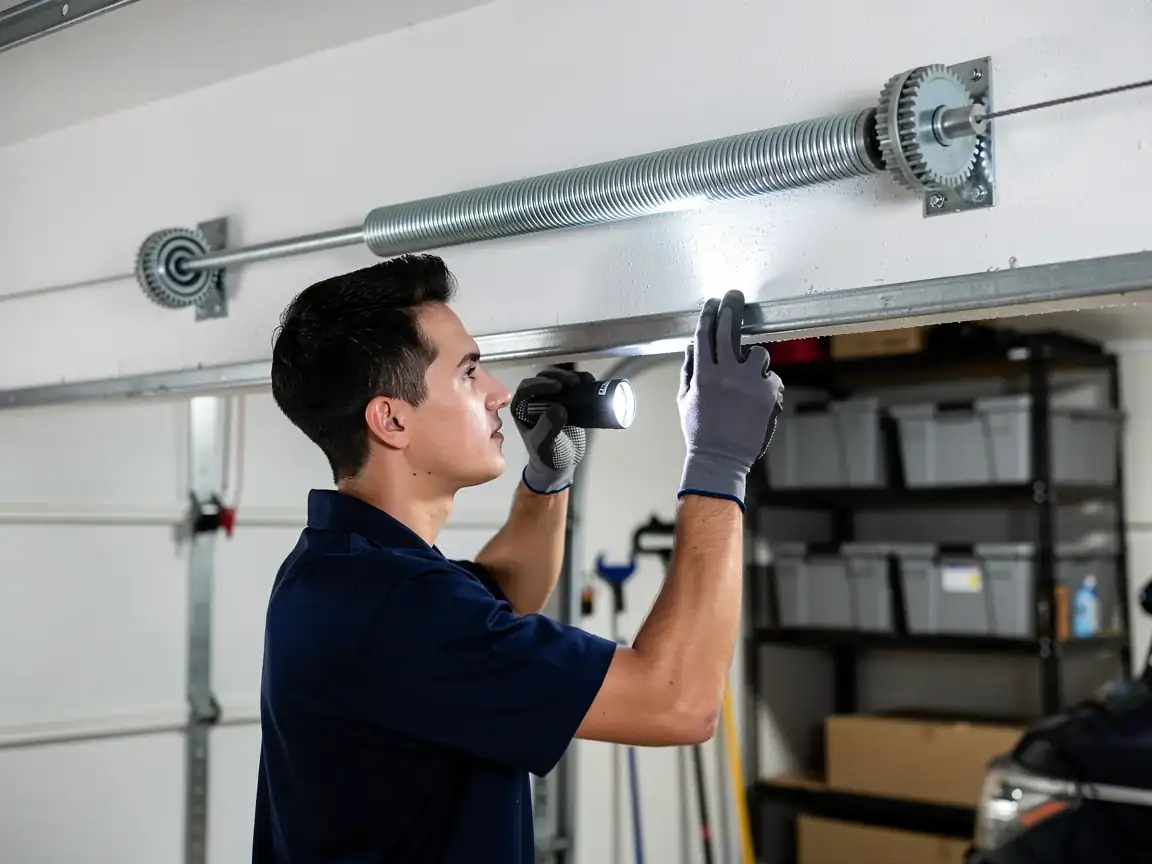
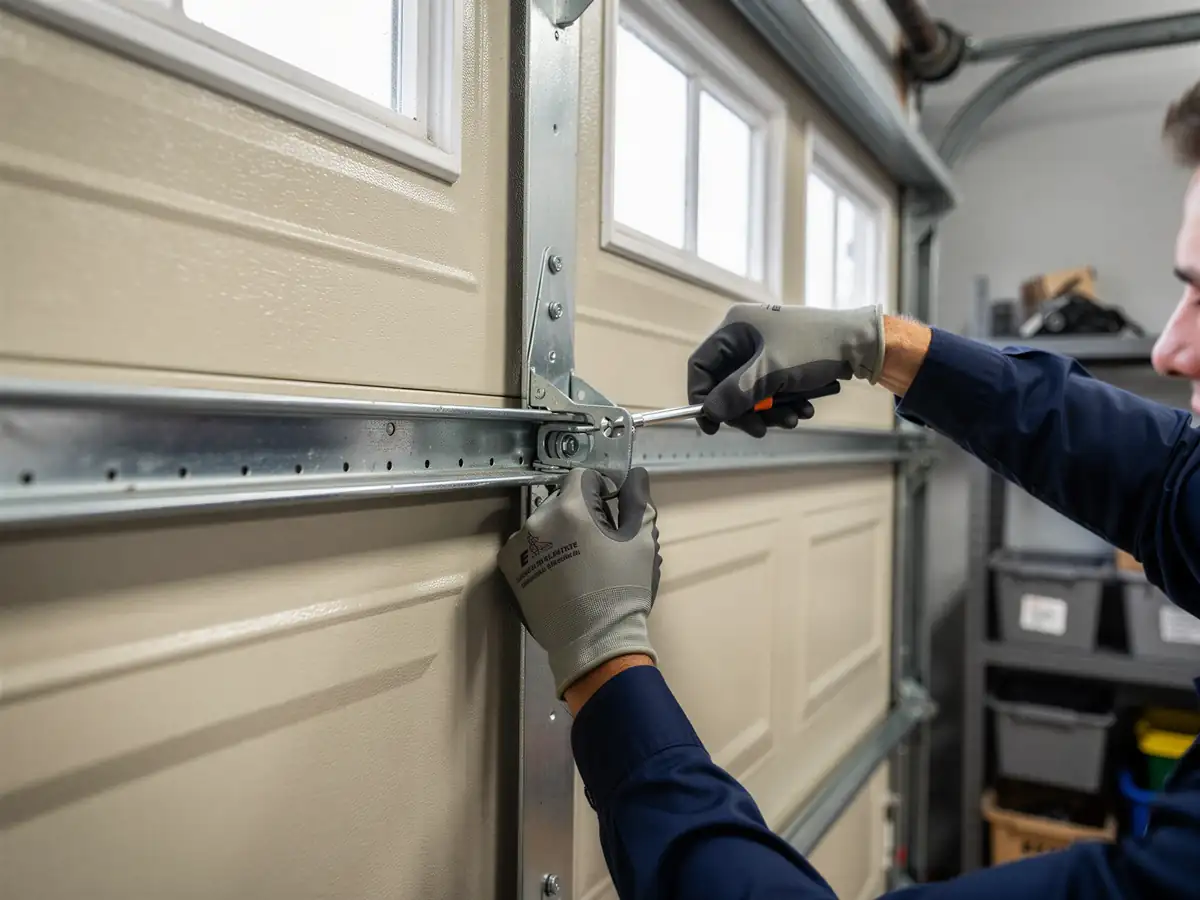
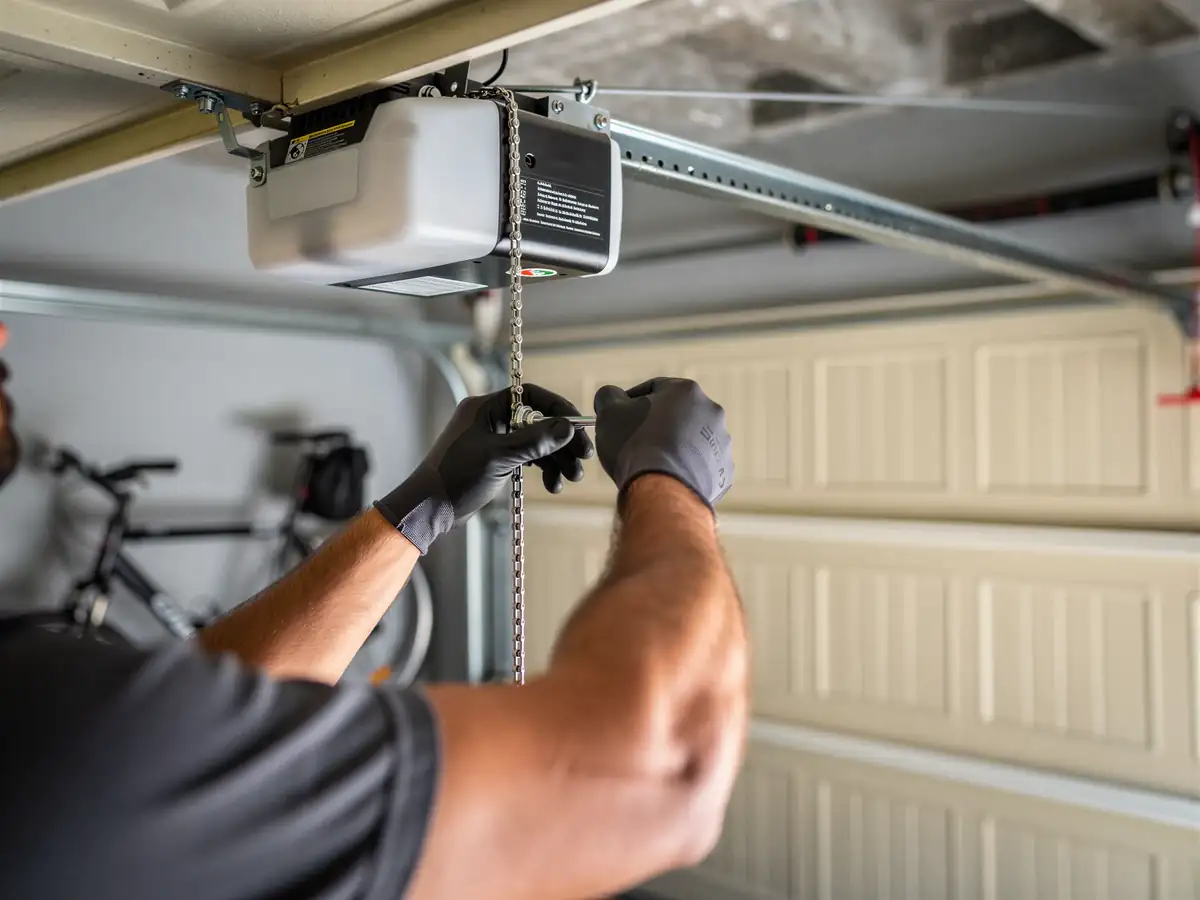
On a door this age, a service call usually starts with pulling the spring and checking the drums and cable condition before touching anything else
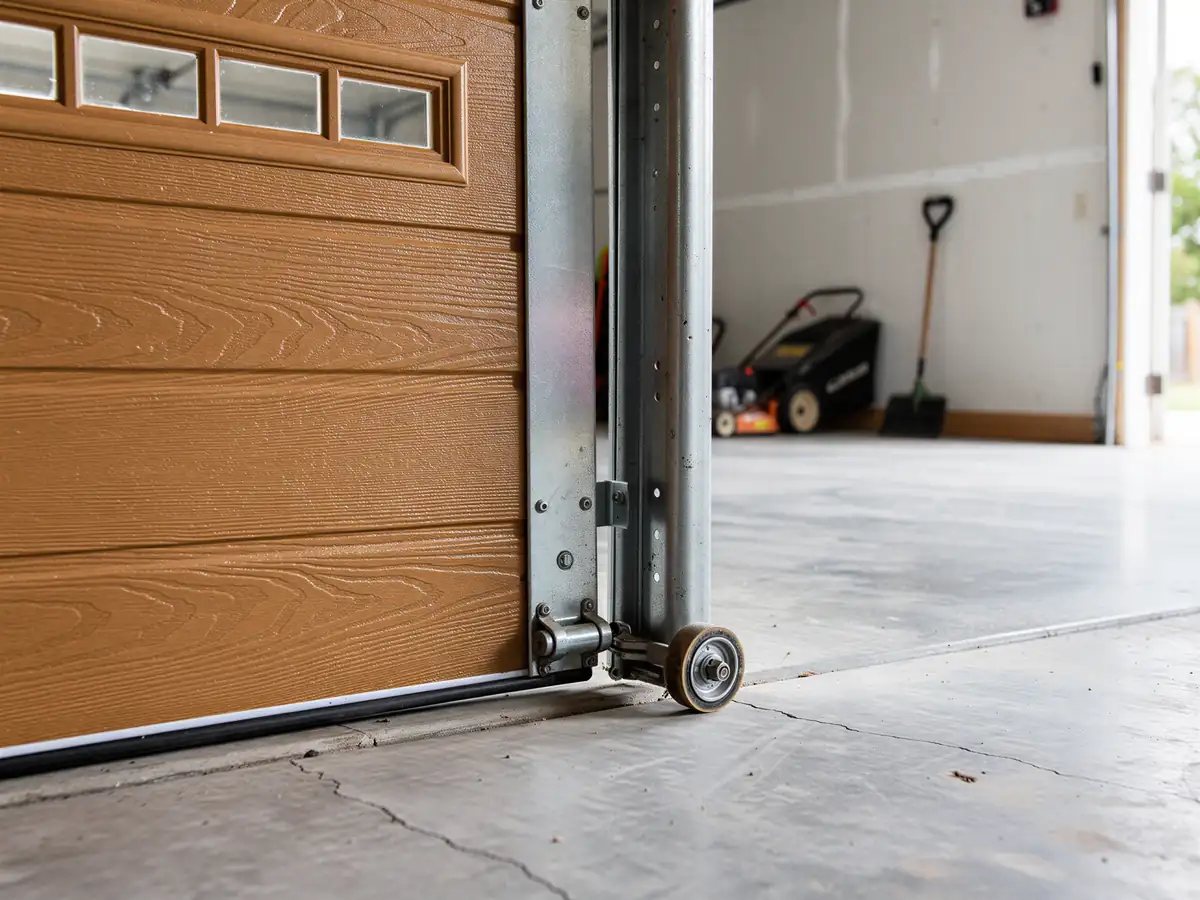
A worn cable on an old drum is often the real reason a spring failed early, and replacing the spring without checking the cable just buys you another call in a year. After that it's the track: six decades of settling means the track alignment on a lot of these doors has drifted from square, even if nobody ever noticed because the door still closed.
For houses where the income and the age of the door line up
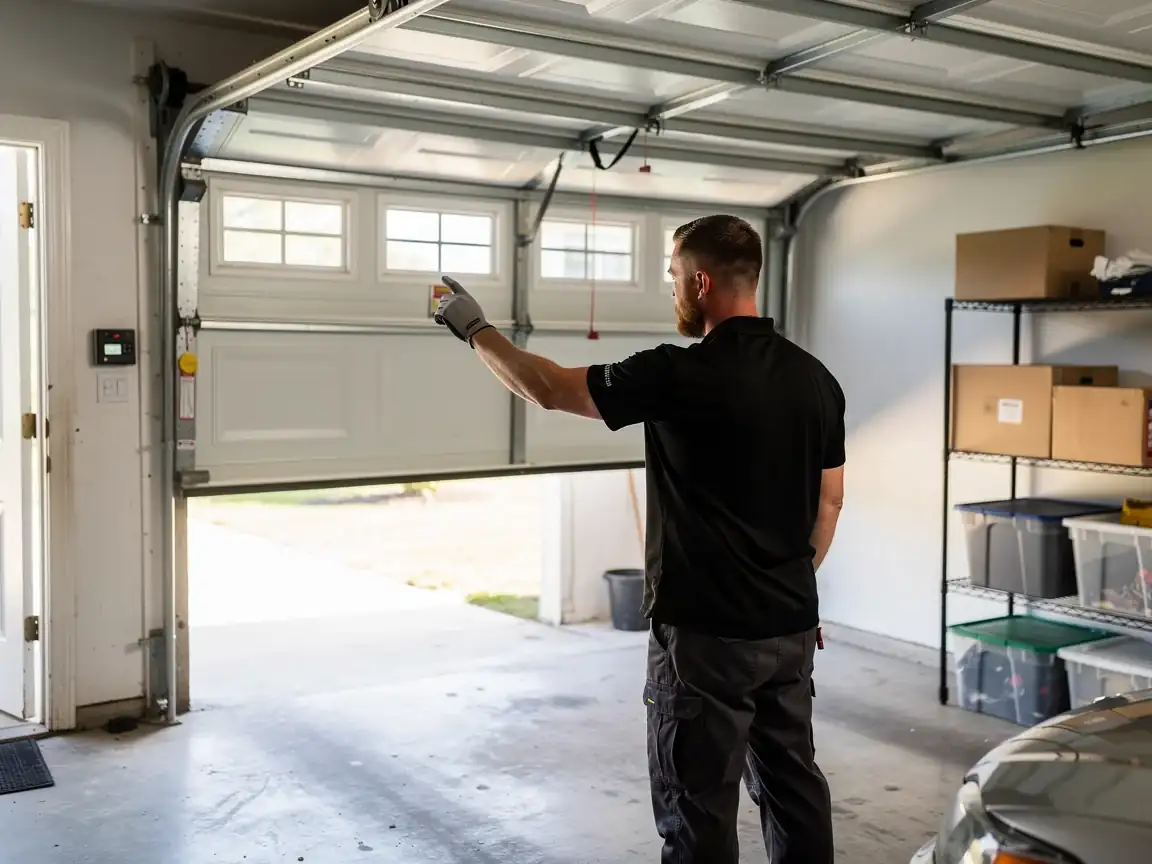
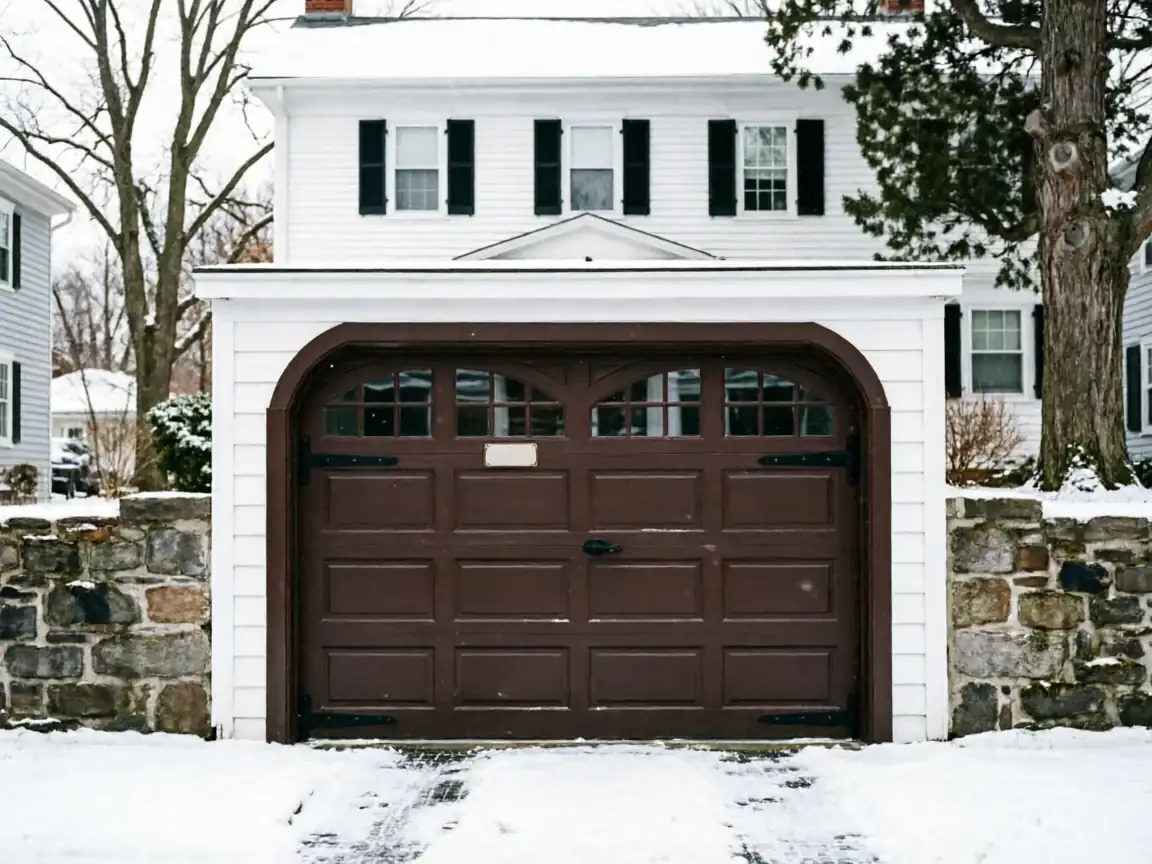
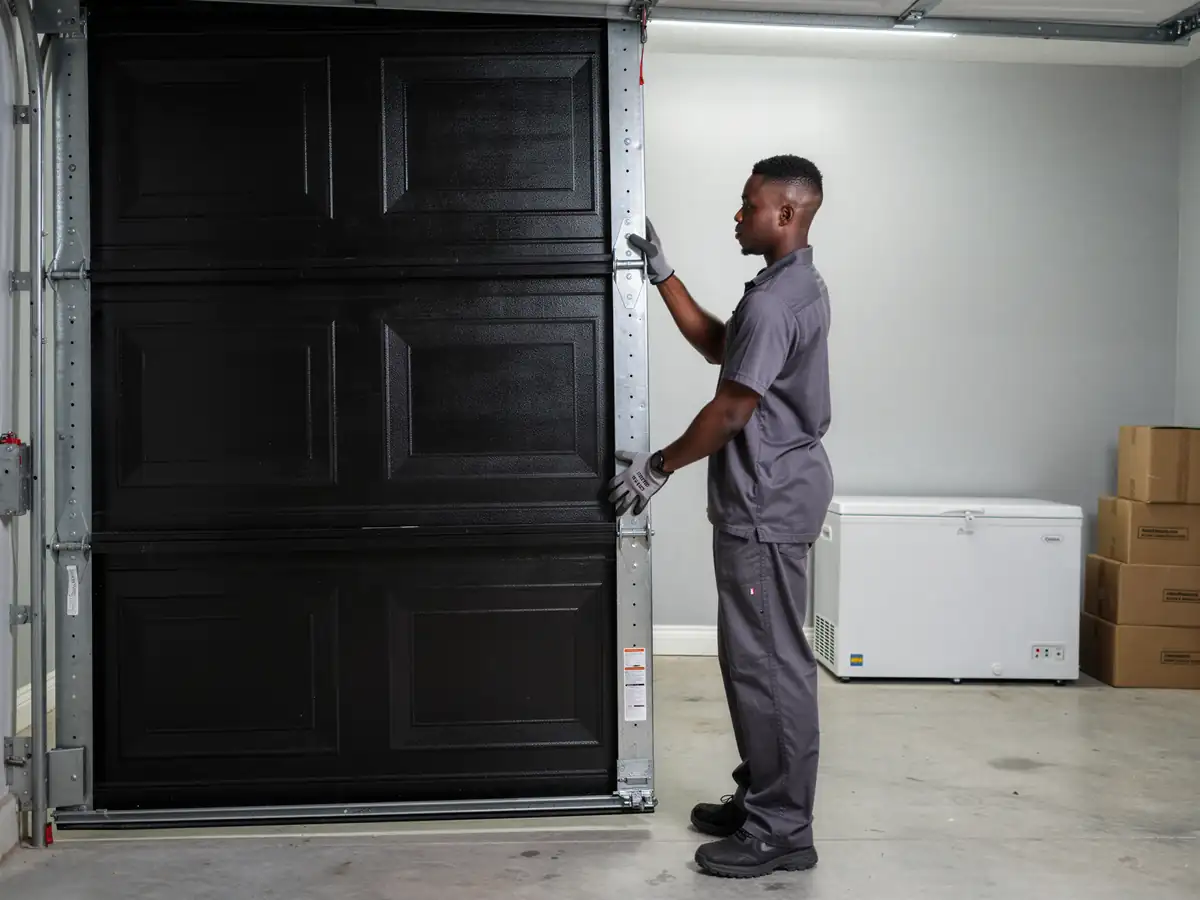
Older hardware, a door worth more to keep than to pull - we replace springs, cables, rollers, and realign track rather than push a full door swap. Where the door itself has gone soft at the panel seams or the opener is original to the house, replacement is the honest answer, not another patch. We'll say which one applies before we start, not after.
How Long It Takes
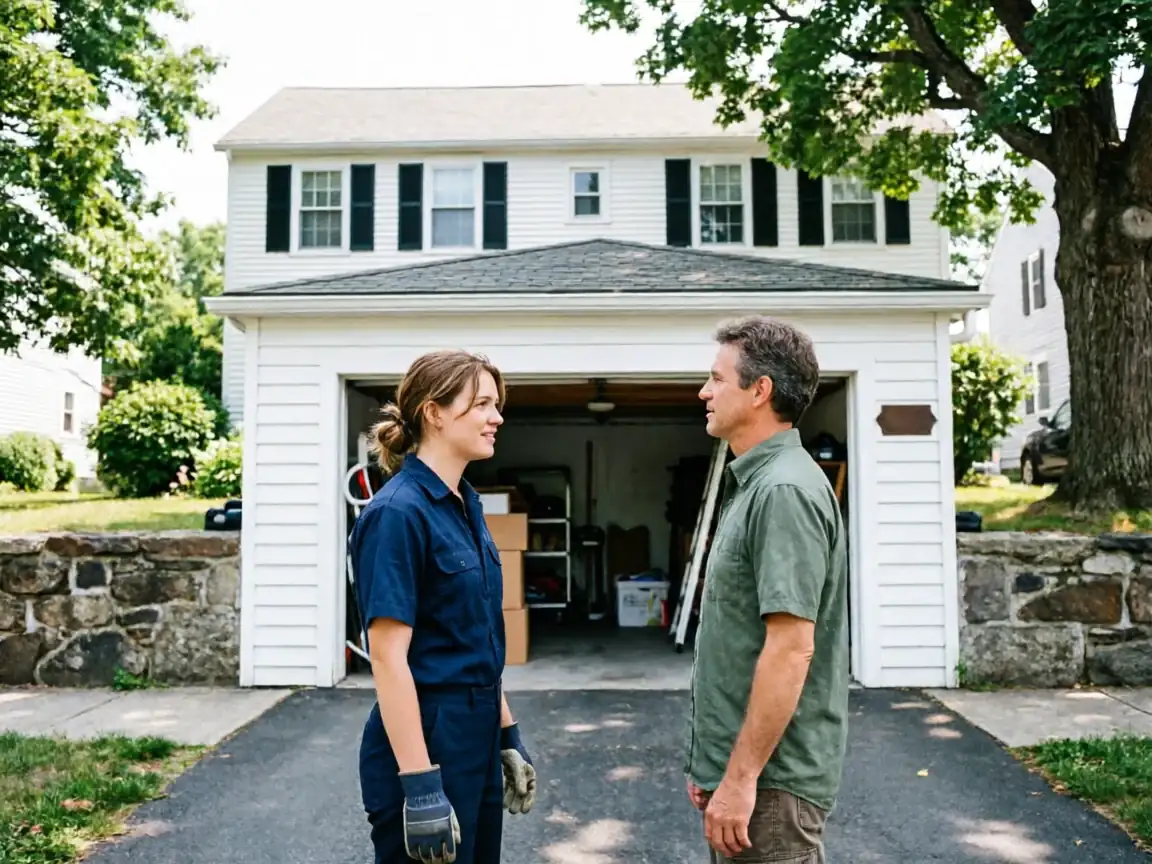
We don't run a branch in Maynard - every job here is a drive from Hudson, six miles out. That doesn't change what the repair takes once we're on site; a spring and cable job on a standard double door runs about the same whether we started six miles away or sixty. What it does mean is the day isn't open-ended the way it might be for a town with a depot down the street - we schedule the drive as part of the job, not as an afterthought.
We don't have a posted response-time figure for this area and we're not going to invent one here. What we can tell you is the drive from Hudson is short enough that it's rarely the reason a repair gets pushed to another day.